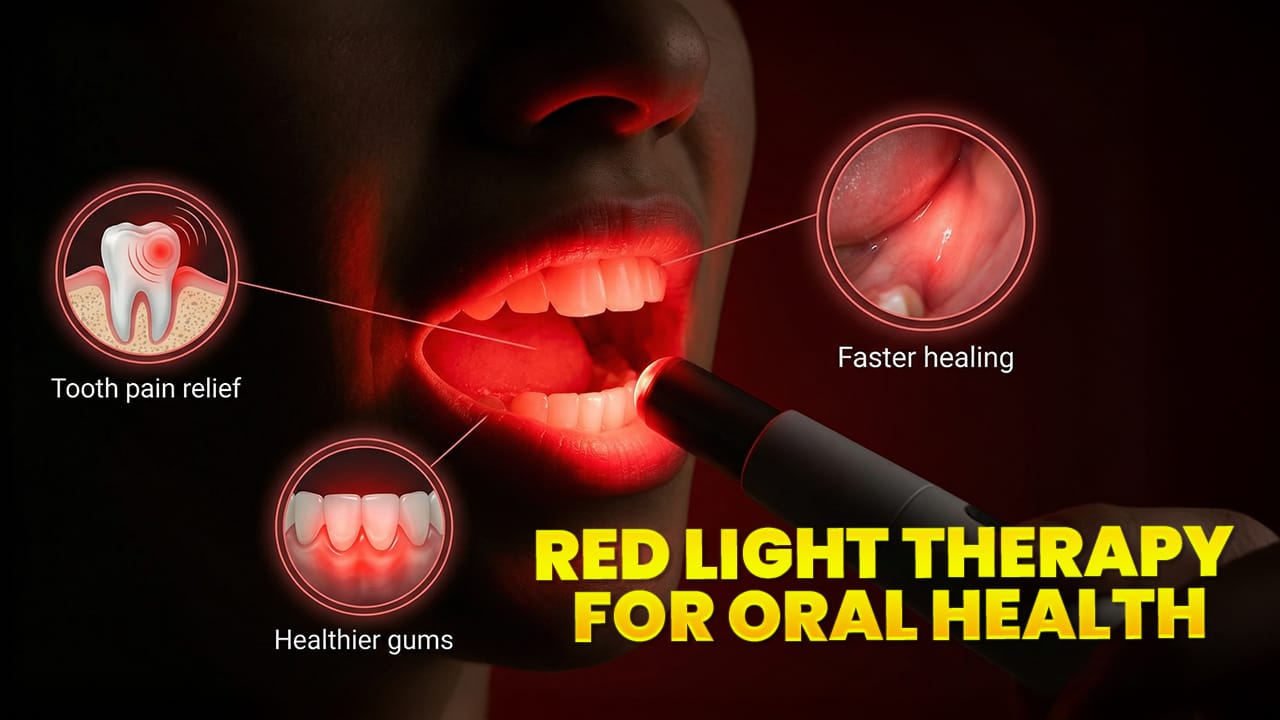
Red and near-infrared light therapy is one of the most promising — and surprisingly well-researched — tools available for oral care. Used correctly, it can reduce tooth sensitivity, ease injection pain at the dentist, support gum health and speed oral wound healing. The trick is knowing realistic expectations, proper doses and the simplest way to apply it at home or in clinic.
Why oral health matters beyond teeth
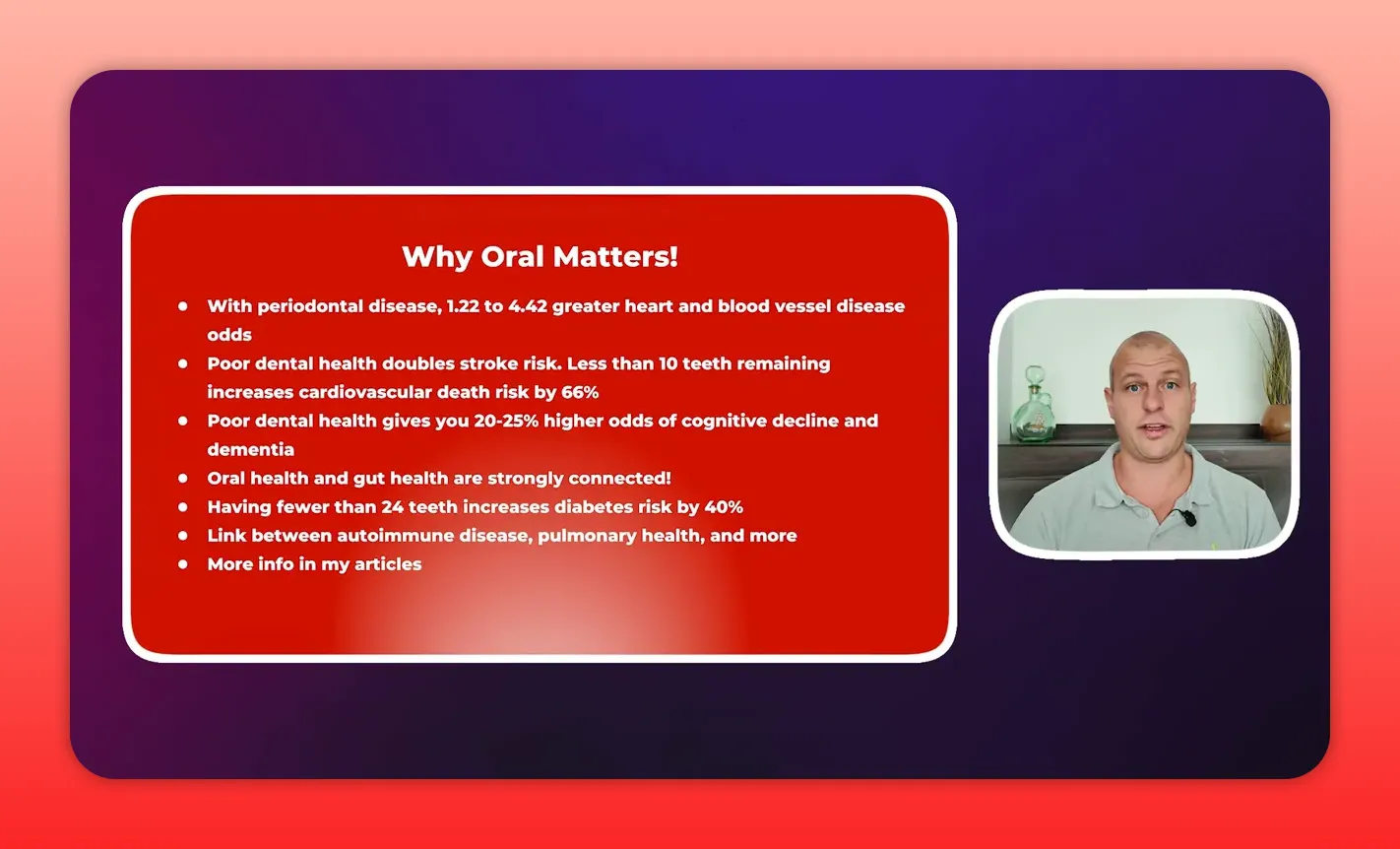
The mouth is not an isolated part of the body. Periodontal disease and gum inflammation are linked with higher odds of cardiovascular disease, stroke and cognitive decline. Poor oral health also correlates with higher risk for diabetes complications, inflammatory bowel conditions and other chronic issues. Keeping the gums, jawbone and surrounding tissues healthy influences whole-body health.
Four practical red-light applications for the mouth
Photobiomodulation (the clinical term for red/near-infrared light therapy) has many uses in dentistry. The most evidence-backed, practical applications are:
- Dentin (tooth) hypersensitivity
- Injection and procedural pain relief
- Periodontal (gum) health
- Oral wound healing
Dentin hypersensitivity (sensitive teeth)
Sensitivity to hot or cold is common and often long‑lasting. Studies (including many randomised controlled trials) show consistent benefit from red/near-infrared light. Typical findings:
- Wavelengths used: common therapeutic bands around 630–660 nm, 808–810 nm and near‑infrared ranges.
- Dose range in studies: 2–10 J/cm². Start low (2–3 J/cm²) and increase if needed.
- Clinical effect: many people experience roughly 40–70% reduction in pain scores after a small number of treatments.
- Application: point the torch at the sensitive tooth area or the adjacent gum tissue for short exposures (often 20–30 seconds per area with a typical pocket torch protocol).
Important context: tooth grinding (bruxism) is a major root cause of many sensitivity cases. A mouth guard and interventions for jaw tension, stress reduction and nasal breathing are essential complements to light therapy. Hydroxyapatite toothpastes are also evidence-backed for sensitivity.
Injection pain and procedural anaesthesia
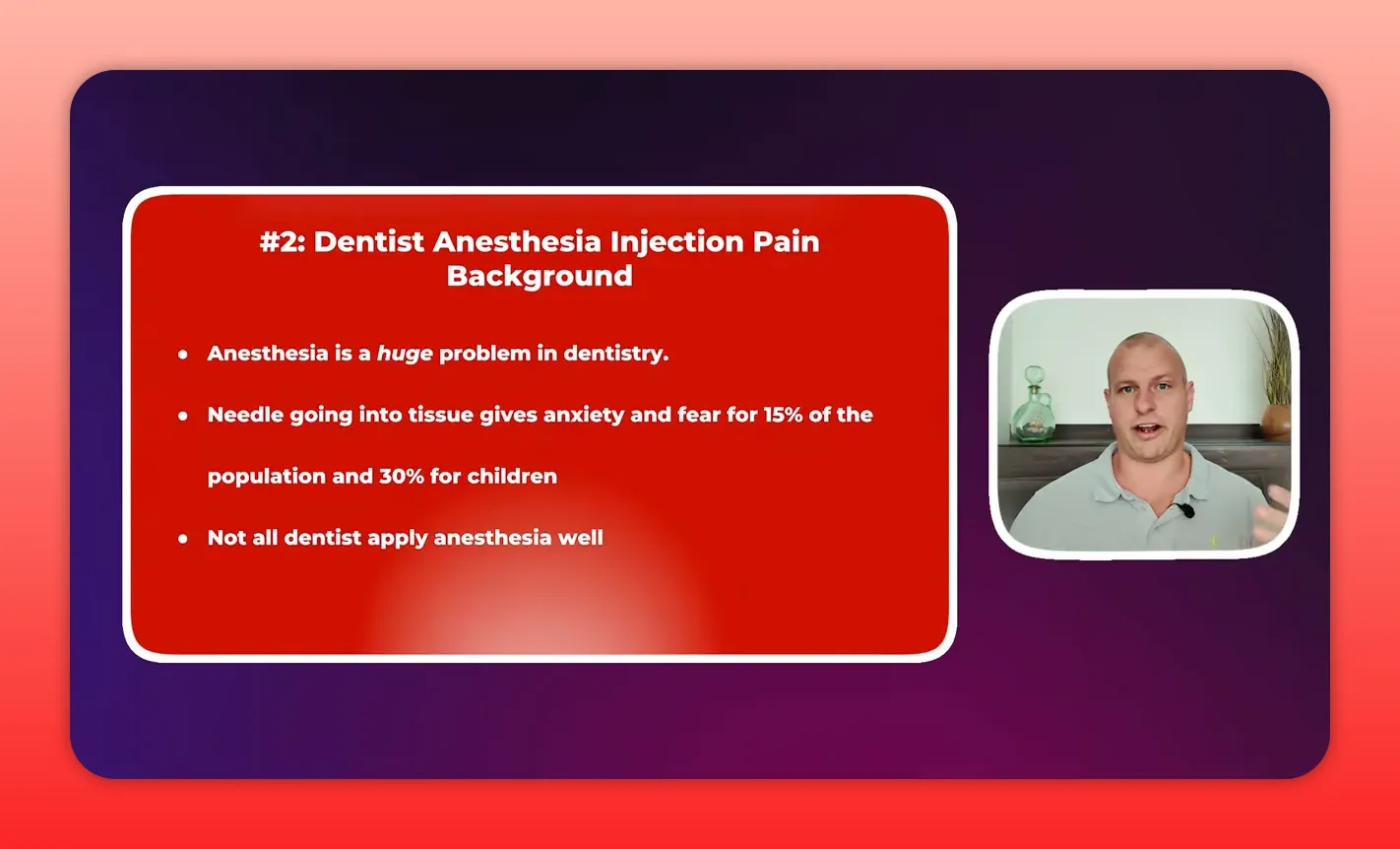
Needle fear or painful anaesthetic injections are major barriers to care. Studies indicate that applying a higher dose of red/near-infrared light to the nerve area before an injection can reduce perceived pain.
- Most effective wavelengths: ~800–900 nm.
- Effective dose range for anaesthesia‑related pain: roughly 60–70 J/cm² in clinical trials (this is a higher dose than for inflammation).
- Typical pain reduction: around 20–40% on standard visual analogue scales; about 80% of studies favour treatment over placebo.
- Application: clinicians can target the nerve precisely, but a high‑power torch held for longer periods can be used by patients when a dental clinic option is not available.
Caveats: light does not appear to consistently change the duration of anaesthesia or the objective success rate of the block, and more research is ongoing. Still, reducing injection pain improves patient comfort and reduces avoidance of dental care.
Periodontal care (gum disease)
Gum disease ranges from mild gingivitis to severe periodontitis with bone loss. Light therapy is not a replacement for professional cleaning, but it is a powerful adjunct that can reduce inflammation and support healing after clinical interventions.
- Number of studies: more than 100, with roughly 75% reporting positive outcomes when used alongside standard therapies.
- Typical therapeutic dose for gum tissue: around ~5 J/cm² per site (about ~50 seconds at a 100 mW/cm² torch intensity).
- Delivery options: targeted torches or LED mouth‑guard devices that sit over the gums. A torch provides better access to specific pockets and spots.
- Advanced option: photodynamic therapy — using a light‑sensitive compound (for example, curcumin) plus light — can massively reduce harmful bacteria (reports up to ~99.9% reduction in lab/clinical settings).
Remember: lifestyle factors (smoking, alcohol, poor diet, inadequate oral hygiene and infrequent dental care) blunt the benefit of any adjunctive therapy. Light helps, but it works best as part of a comprehensive periodontal plan.
Oral wound healing
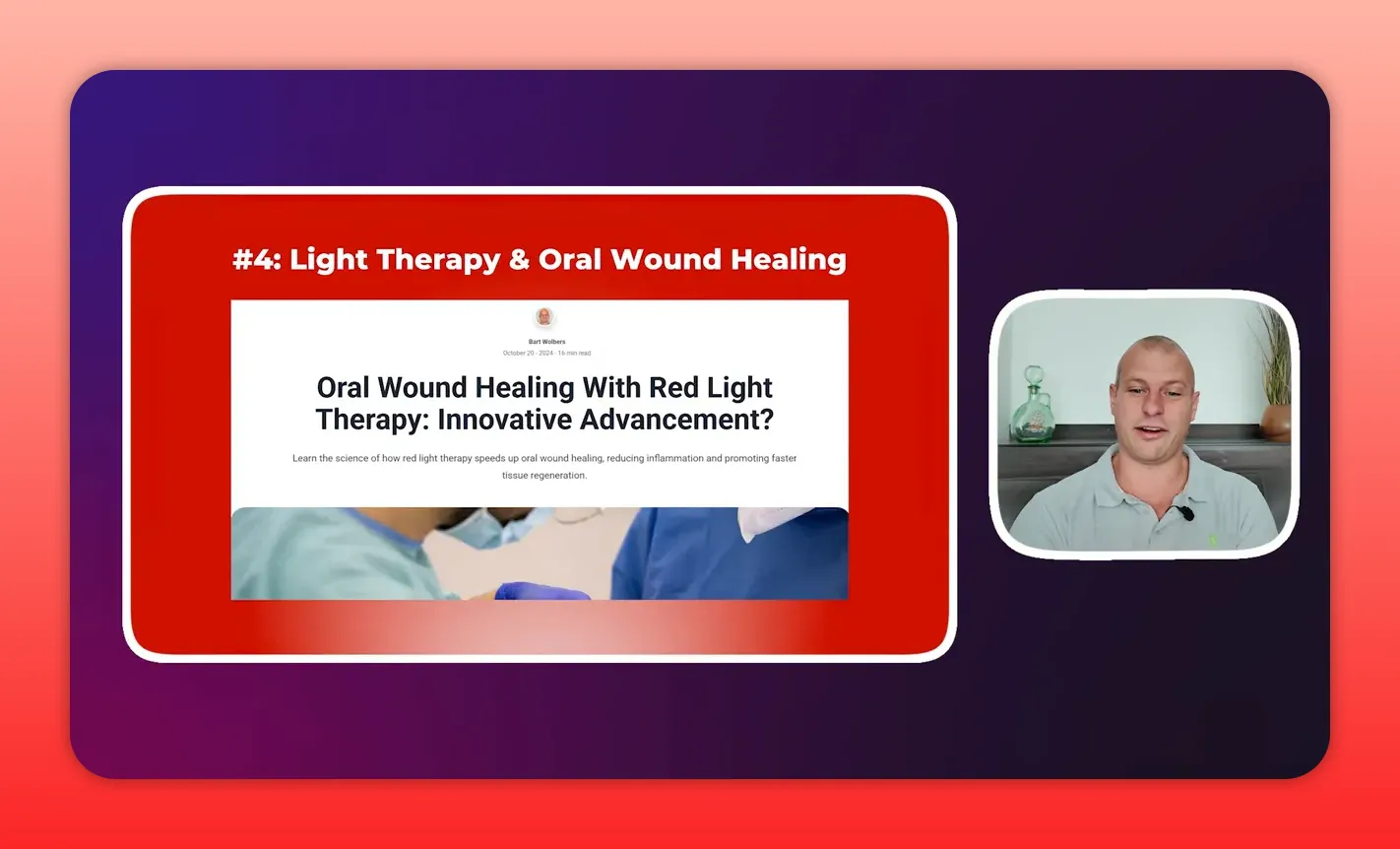
Wounds in the mouth heal differently from skin wounds and are exposed to saliva, food and oral bacteria. Clinical studies show low-dose red light speeds healing and improves outcomes after extractions, surgery or traumatic injuries.
- Typical doses in human studies: up to ~3 J/cm².
- Home use: a single short application (for example, 20–30 seconds) to the area with a torch can be beneficial.
- Evidence is positive but limited in volume; more research is needed, yet clinical results are promising.
Practical application: why a torch is often the best tool
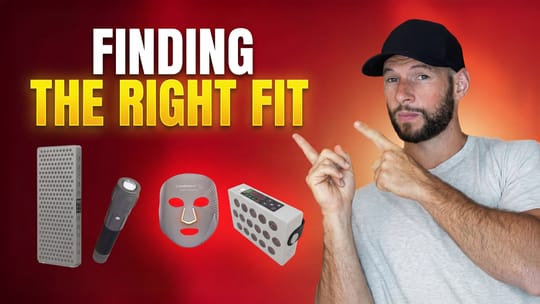
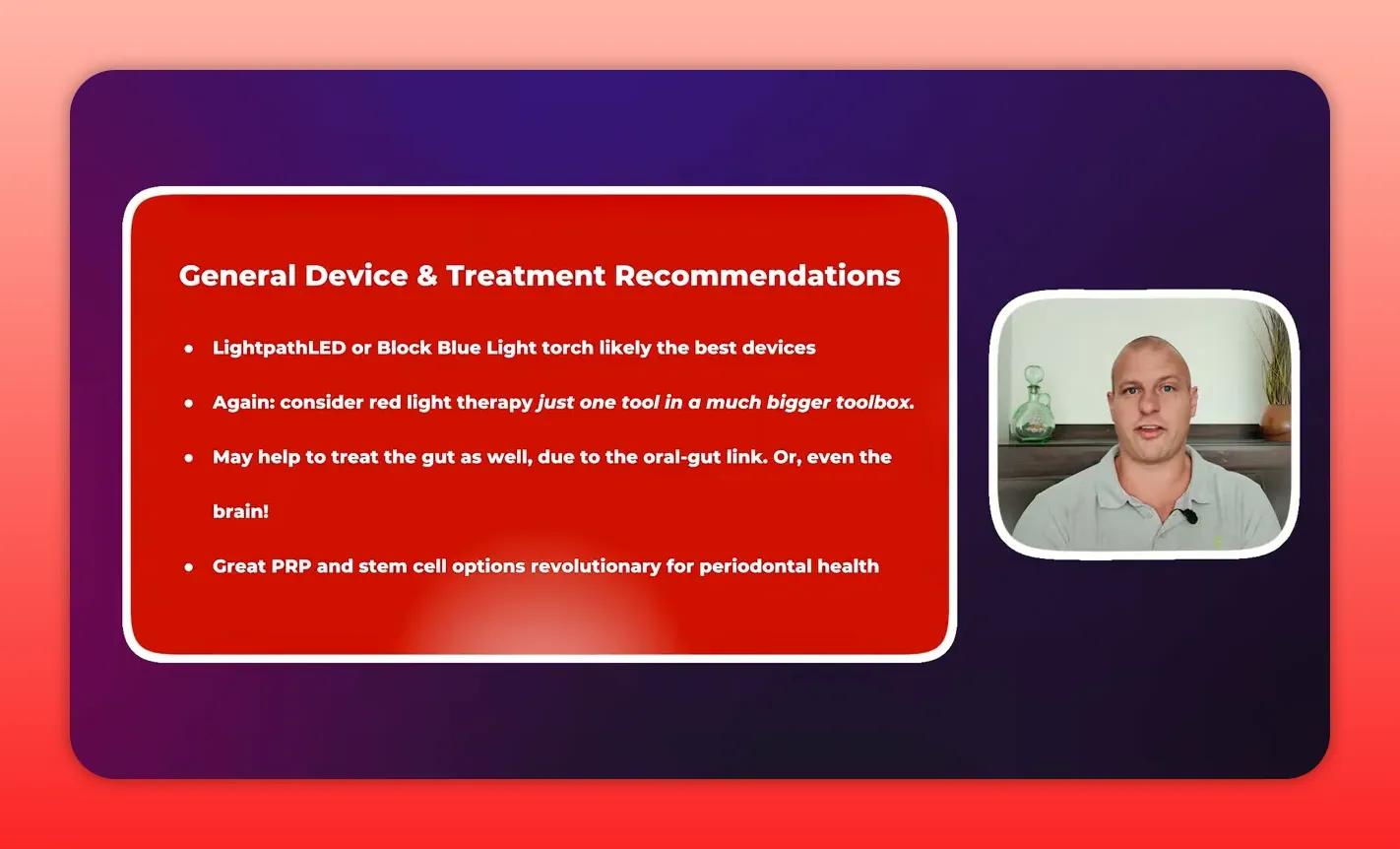
For oral applications, a small, hand‑held red/near-infrared torch is often the most useful option. It gives a focused beam, allows easy targeting of specific teeth, gum pockets and wounds, and is simple to dose.
Quick dosing rule of thumb: a torch with an irradiance of 100 mW/cm² deposits 6 J/cm² per minute (0.1 W/cm² × 60 s = 6 J/cm²). Use that math to approximate exposure times for your target dose.
Simple dosing cheat sheet
- Tooth sensitivity: start ~2–3 J/cm² per site → ~20–30 seconds at 100 mW/cm². Repeat daily for a few weeks and reassess.
- Gum inflammation (adjunctive): ~5 J/cm² per site → ~50 seconds at 100 mW/cm². Use targeted applications across inflamed areas.
- Injection/procedural pain: higher doses reported in studies — ~60–70 J/cm² delivered by clinicians with higher‑power devices. For home use, a longer application with a powerful torch can be helpful when clinic options are unavailable.
- Oral wound healing: ~1–3 J/cm² → ~10–30 seconds per spot at 100 mW/cm². Repeat daily until healed.
What red light cannot do — realistic limitations
Red light therapy is not a magic cure. It:
- Will not replace professional dental treatment when surgical or mechanical intervention is required.
- Cannot fully overcome severe lifestyle risk factors — smoking, heavy alcohol use, poor diet and absent oral hygiene will limit results.
- Does not consistently change the duration of anaesthesia or guarantee a successful nerve block — it reduces perceived pain but may not alter underlying anaesthetic mechanics.
How to combine light therapy with other good dental practices
Light therapy is one tool in a broader oral health toolbox. For best outcomes combine it with:
- Daily brushing and flossing and regular dental cleanings
- Mouth guards for bruxism where grinding is present
- Hydroxyapatite or desensitising toothpastes for sensitivity
- Sleep hygiene, stress reduction and nasal breathing practices
- Addressing systemic health issues such as diabetes and gut health
Device recommendations and safety notes
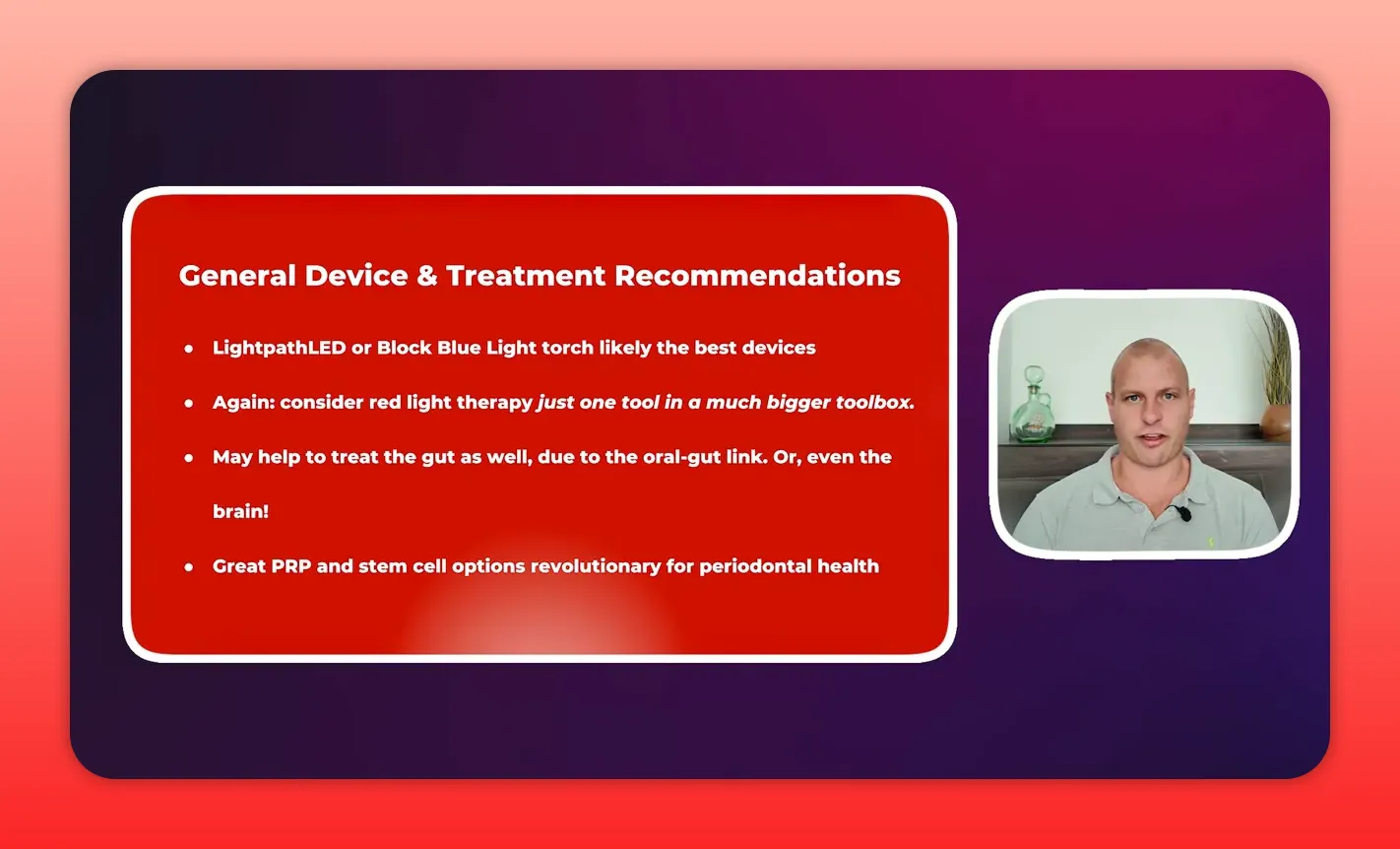
A few practical pointers when choosing a device:
- Prefer torches that clearly state irradiance (mW/cm²). That lets you calculate J/cm² and treatment time.
- LED mouth‑guard devices exist and are convenient for broad gum coverage, but they can miss spots that a torch can hit precisely.
- Consult your dental professional before using high‑power protocols around anaesthesia or complex procedures.
- Do not stare directly into high‑power beams and protect eyes if the device instructions require it.
Final takeaways
Red and near‑infrared light therapy is a safe, low‑risk adjunct for several oral health problems. The strongest evidence supports benefits for:
- reducing tooth sensitivity,
- reducing injection pain,
- supporting periodontal treatment, and
- speeding oral wound healing.
Dosing matters: low doses often work for inflammation and sensitivity, while higher doses are used for pain relief around injections. A simple torch is a versatile, effective tool for most home applications, provided it is used with awareness of irradiance and time.
The literature is expanding rapidly. For anyone interested in practical, inexpensive ways to add red light therapy to their oral care routine, a targeted torch plus continued attention to core dental hygiene and lifestyle habits offers the best chance of meaningful improvement.
Found This Interesting? Look At These Articles
🔴 The Red Light Therapy Facial Fat Loss Link: Myth Or Reality?
🔴 Does Red Light Therapy Help Scars? The Science
🔴 Red Light Therapy For Skin: Beauty Benefits, Potential Complications, And More
🔴 Psoriasis With Red Light Therapy: Potential Game-Changer?
Have You Seen These Reviews
🔴 Rouge G4 Pro Review: Most Advanced Red Light Panel Yet?
🔴 Best Red Light Panel Yet? Block Blue Light Mega Review
🔴 $800 Red Light Mask Has Lasers… But Why?
🔴 Omnilux Contour Mask Review: Still Worth It in 2025?
Alex's Bio
Alex Fergus wrote this blog post. Alex is an ISSN Sports Nutrition Specialist, Fitness Professional, and certified Superhuman Coach who continues to expand his knowledge base and help people worldwide with their health and wellness. Alex is recognized as the National Record Holder in Powerlifting and Indoor Rowing and has earned the title of the Australian National Natural Bodybuilding Champion. Having worked as a health coach and personal trainer for over a decade, Alex now researches all things health and wellness and shares his findings on this blog.