

Your partner is using a red light therapy mask for skin health, while you’re sitting in an infrared sauna at the gym, sweating it out and feeling like you’re doing something great for your body. At some point, the question naturally comes up: aren’t these basically the same thing? After all, both use “infrared,” both are marketed for health, and both seem to promise a long list of benefits.
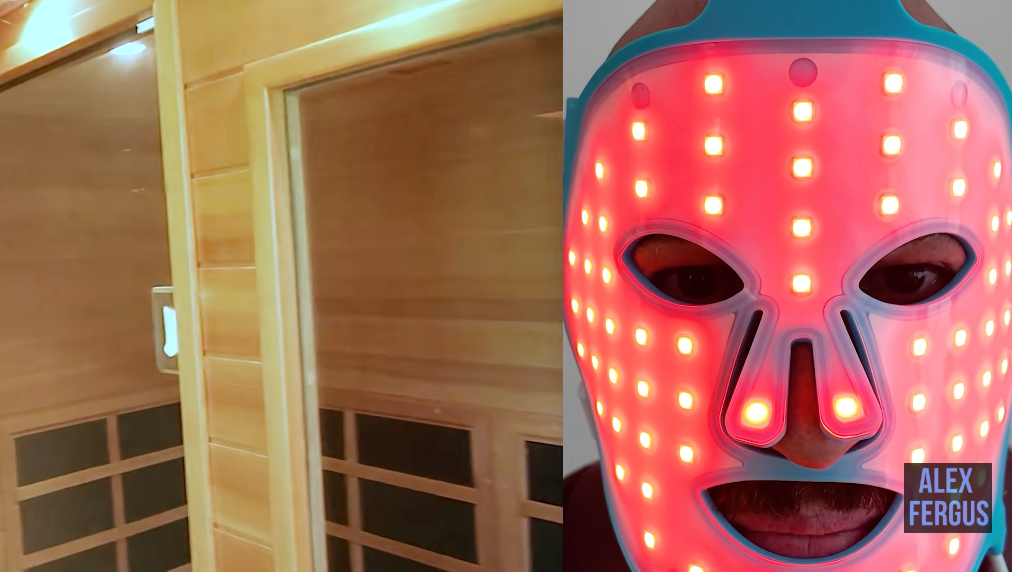
This is exactly where the confusion begins—and if you get it wrong, it can lead to wasted time, misplaced expectations, and, in some cases, unnecessary spending.
Red light therapy and infrared sauna are often grouped together under the same umbrella, but in reality, they are fundamentally different tools. They operate through different mechanisms, produce different biological effects, and are designed for completely different outcomes. Understanding that distinction is what allows you to actually use them effectively, rather than just hoping for the best.
Let’s break this down properly.
What Red Light Therapy Actually Does
When people talk about red light therapy, what they are really referring to is photobiomodulation. While the term sounds technical, the concept itself is surprisingly straightforward.
Red light therapy is not about heat, sweating, or burning calories. Instead, it works as a signaling mechanism. It delivers specific wavelengths of light to your cells, essentially giving them instructions on how to behave more efficiently.
Most quality devices use two key types of light: visible red and invisible near-infrared. Even though near-infrared light cannot be seen, it is still very much active and capable of interacting with the body in meaningful ways. These wavelengths are carefully selected because they have been studied for their ability to influence cellular processes, particularly within the mitochondria.
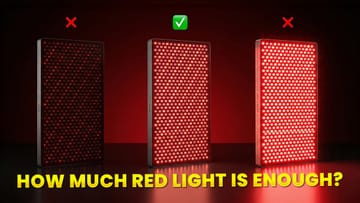
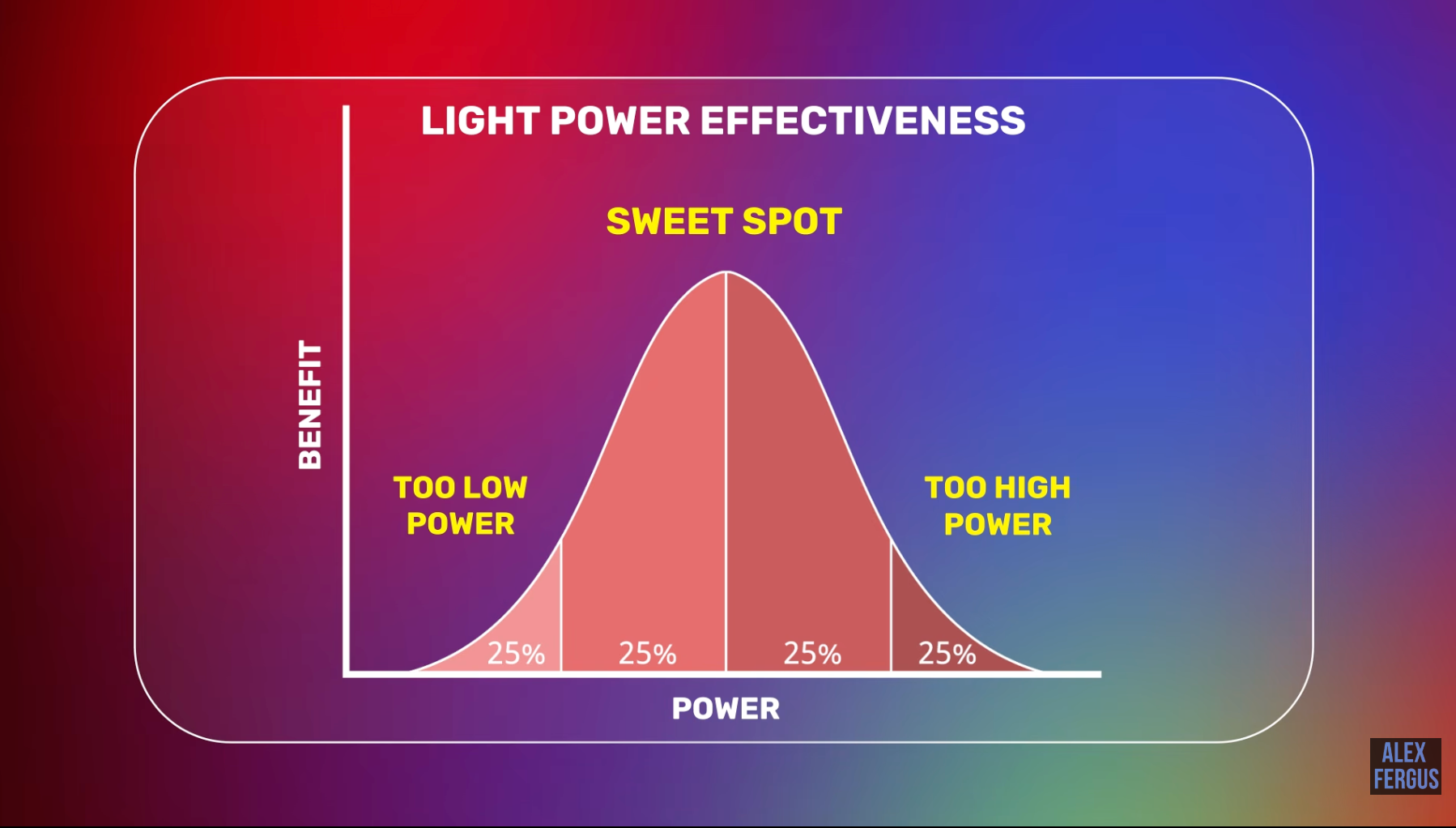
One of the most important concepts to understand with red light therapy is dosing. There is a very clear “sweet spot.” If the dose is too low, nothing happens. If the dose is optimal, you get the desired biological response. However, if the dose is too high, the benefits can actually decline. This is one of the main reasons why some people report excellent results while others feel like nothing is happening—it often comes down to how the device is being used.
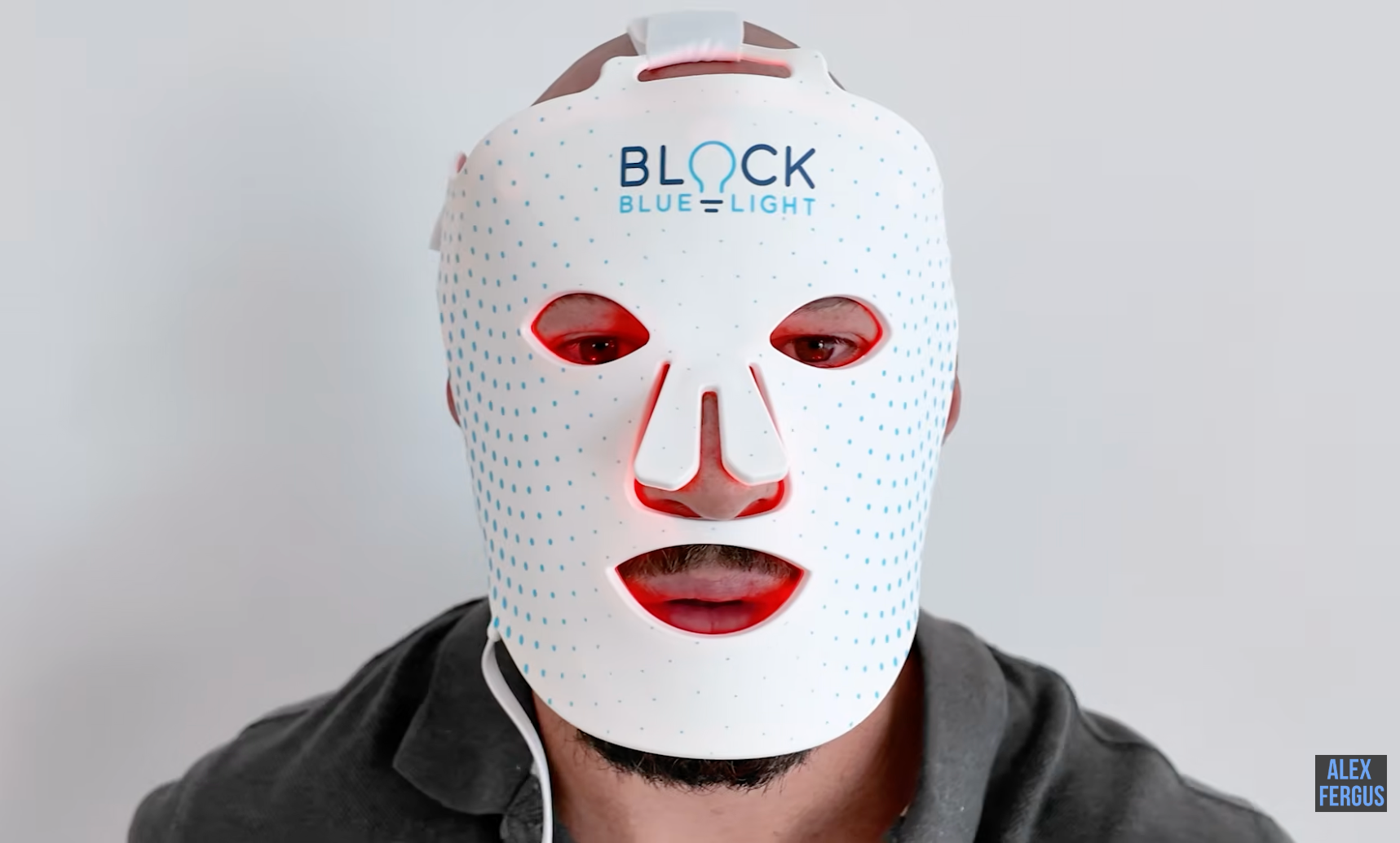
The same principle applies to the devices themselves. A small facial mask and a full-body panel may use similar wavelengths, but they differ significantly in power output and treatment area. This affects how much energy is delivered and how deeply the light can interact with the body.
At its core, red light therapy is about precision. It is a targeted, non-stressful intervention designed to gently nudge your biology in a specific direction.
What an Infrared Sauna Actually Does
An infrared sauna, despite the name, is not a light therapy tool in the same sense. It is first and foremost a heat-based intervention.
The primary goal of a sauna is to raise your body temperature. Infrared heaters are simply one way of achieving that, often allowing for a lower ambient air temperature compared to traditional steam or dry saunas. The defining factor is still heat exposure, not light signaling.
The “dose” in a sauna is therefore a combination of temperature and time. The longer you stay in that heated environment, the greater the physiological stress placed on the body. This stress is not inherently negative—in fact, it is the reason saunas can be beneficial—but it is fundamentally different from the mechanism behind red light therapy.

Infrared saunas do have some unique characteristics compared to traditional saunas. The infrared radiation can penetrate slightly deeper into the body, which may enhance circulation and promote a more pronounced sweating response. However, these effects are still driven by heat, not by the same cellular signaling pathways seen in photobiomodulation.
This is where a major misconception arises. Many people assume that because both tools use “infrared,” they must produce similar effects. In reality, the type of infrared used—and the way the body responds to it—is completely different.
The Wavelength Confusion That Trips Everyone Up
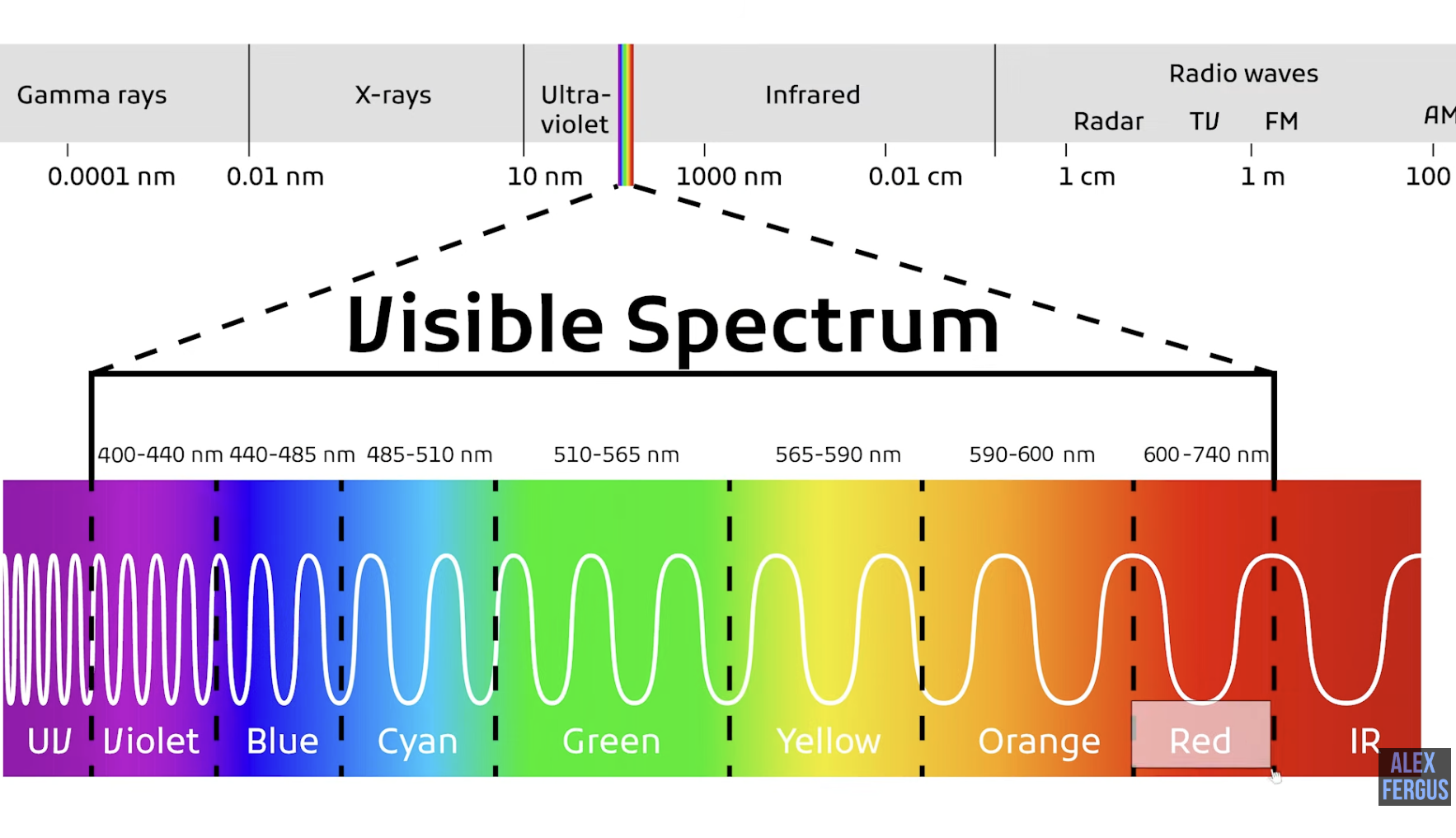
To understand why these two tools are not interchangeable, it helps to look at the light spectrum.
Red light therapy typically operates within a very specific range. Visible red light falls roughly between 600 and 700 nanometers, while near-infrared light used in photobiomodulation generally sits between about 780 and 1,000 nanometers. These are relatively short wavelengths, chosen for their interaction with biological tissue at the cellular level.
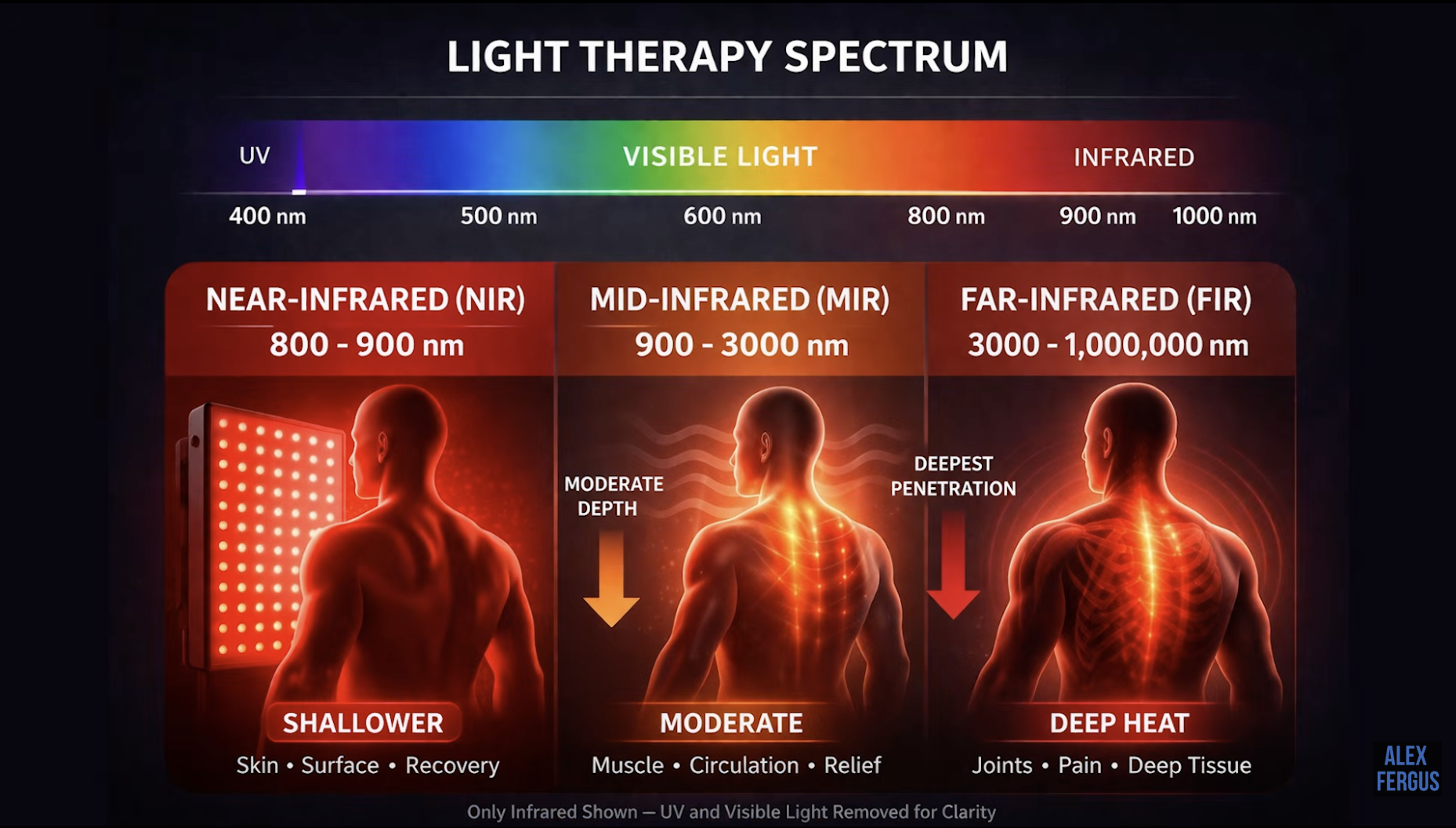
Infrared saunas, on the other hand, often emit wavelengths that are dramatically longer—particularly in the far-infrared range. These wavelengths can extend into the tens of thousands of nanometers and, in some cases, approach one millimeter. To put that into perspective, one millimeter equals one million nanometers.

So while both technologies use the term “infrared,” the actual wavelengths involved can differ by orders of magnitude. That difference is not just technical—it fundamentally changes how the body responds.
In a sauna, infrared radiation is used to generate heat within the body. In red light therapy, specific wavelengths are used to trigger cellular responses without significant heat buildup. The intent, the dose, and the outcome are entirely different.
Even so-called “full spectrum” saunas, which include near and mid-infrared components, still primarily deliver far-infrared output. The near-infrared component is typically minimal and does not replicate the targeted, therapeutic delivery seen in dedicated red light therapy devices.
Two Tools, Two Completely Different Biological Responses
The simplest way to think about the difference is this:
Red light therapy is a signal.
A sauna is a stressor.
When you use red light therapy, you are sending a subtle message to your cells. It requires no intensity or discomfort and works best when applied consistently over time. The effects build gradually as your biology adapts to repeated signaling.
A sauna session, on the other hand, is more comparable to a workout. Your body heats up, your heart rate increases, blood vessels dilate, and you begin to sweat. This is a form of controlled stress, and the benefits come from how your body responds and adapts to that stress.
Neither approach is inherently better than the other, but they are designed to achieve different outcomes. Confusing them leads to mismatched expectations, such as assuming a sauna will deliver skin improvements similar to a red light mask, or that red light therapy can replace the systemic effects of heat exposure.
Choosing Based on Your Goals
Once you understand the distinction, the decision becomes much clearer.
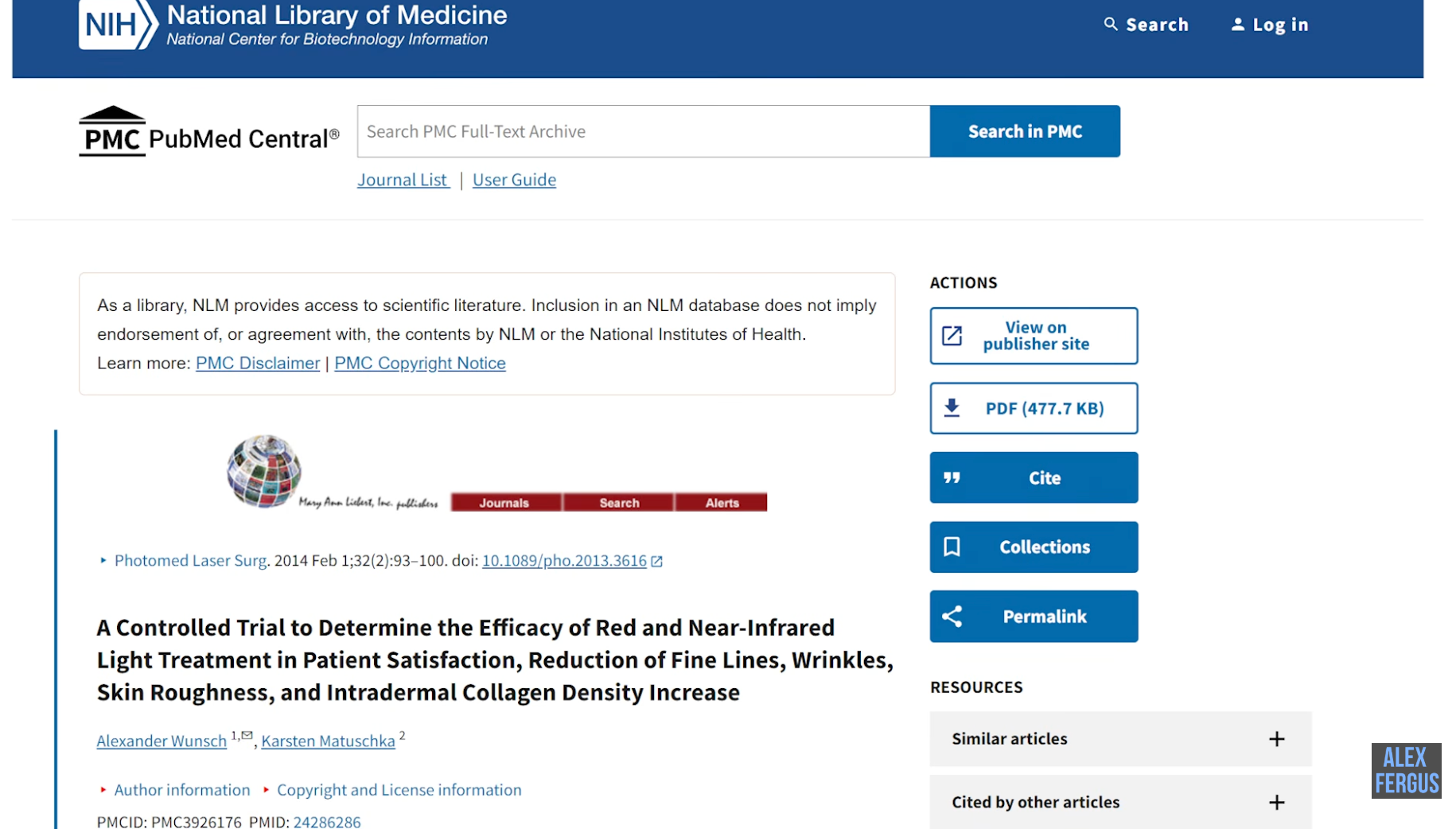
If your primary goal is improving skin appearance—reducing wrinkles, improving elasticity, and supporting overall skin quality—red light therapy is the more appropriate tool. There is a growing body of controlled human research showing measurable improvements in these areas with consistent use. While it is not a replacement for medical procedures, it can provide meaningful, incremental improvements over time.
In contrast, the benefits of sauna use for skin are more superficial and short-lived. Increased blood flow may give the skin a temporary glow, and the relaxation effect can certainly make you feel better, but this is not the same as structural changes in collagen or elasticity.
For pain and joint-related issues, red light therapy again has the stronger evidence base. Studies, including meta-analyses, suggest that photobiomodulation can reduce pain and improve function in conditions such as osteoarthritis and neck pain when used correctly. The targeted nature of the treatment allows for more precise intervention.
Sauna use can help with temporary relief from stiffness or soreness due to heat, but these effects are often short-lived and less specific. It is a broader, less targeted approach.
When it comes to recovery, both tools can play a role, but in different ways. Red light therapy may help reduce fatigue and support tissue repair, although its impact on long-term performance outcomes is less clear. Sauna use can promote relaxation, improve circulation, and potentially support sleep, but it can also introduce additional stress on the body. This means it needs to be used thoughtfully, particularly after intense training.
For cardiovascular and metabolic health, sauna use appears to have the edge, at least based on current research. Observational studies have linked frequent sauna use with improved cardiovascular outcomes and reduced risk of certain conditions. While these findings do not prove causation, they suggest that regular heat exposure may have systemic benefits.
Red light therapy, in this area, is still in the early stages of research. There are proposed mechanisms, but the evidence is not yet strong enough to justify using them as primary tools for cardiovascular or metabolic improvement.
Do You Actually Need Either?
The honest answer is that it depends entirely on your goals.
If you are looking for relaxation, a sense of ritual, and potential cardiovascular benefits, then sauna use may be sufficient on its own. If your focus is on skin health or targeted pain relief, then red light therapy is the more appropriate choice.
Importantly, one does not replace the other. The fact that both involve “infrared” does not make them interchangeable. They operate on different wavelengths, different dosing principles, and different biological pathways.
If you have access to both, they can complement each other well. Many people find value in using red light therapy regularly throughout the week, while incorporating sauna sessions a few times per week for broader systemic benefits.
A Practical Way to Combine Them
If you do decide to use both, the most effective approach is often to keep them separate.
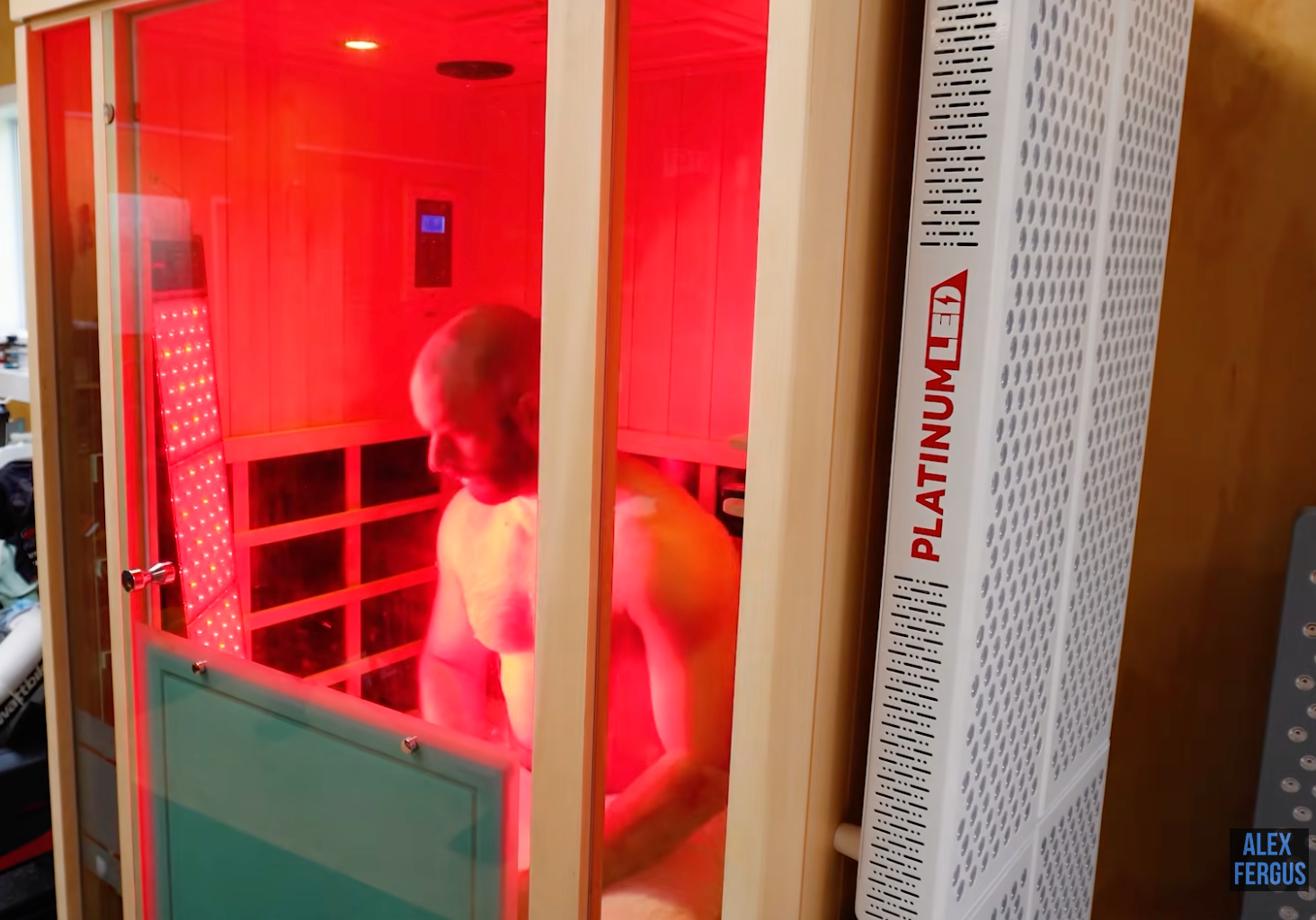
A simple routine might involve using red light therapy while your sauna is heating up, taking advantage of that otherwise idle time. This allows you to get a focused light therapy session without the interference of heat or sweat, followed by a dedicated sauna session for its own benefits.
While there are devices designed for use in saunas, combining heat, sweat, and electronics introduces practical limitations. It may also reduce the effectiveness of the light therapy session due to factors such as heat stress and inconsistent exposure.
Keeping the two interventions distinct allows each to do what it does best.
The Bottom Line
Red light therapy and infrared sauna are often confused, but they are not interchangeable tools.
Red light therapy works as a targeted cellular signal, designed to influence biological processes without adding stress to the body. Sauna use, by contrast, is a form of controlled heat stress that drives adaptation through physiological challenge.
If your goal is skin health or targeted pain relief, red light therapy is the more effective option. If your goal is relaxation, cardiovascular support, or general heat exposure, sauna use may be the better fit.
Used correctly, both can have a place in a well-rounded routine. The key is understanding what each tool is actually doing—and choosing based on that, rather than the label on the box.
Items Mentioned:
⭐ Kineon Move Plus- Use discount code AFERGUSMOVE+ at www.kineon.io for 10% off.
⭐ Platinumled Sauna Pro Max Panel or any panel- and use the following link for a discount: https://aferg.co/redled
⭐ Sun Stream Saunas- https://aferg.co/sun - use code ALEXFERGUS for a good deal.
Found This Interesting? Look At These Articles:
♦️ Red Light Therapy for Cognitive Performance: Exciting New Science and Practical Guidance
♦️ Buying Red Light From China: MUST-KNOW Pros & Cons!
♦️ MitoGlow LED Mask Review: The Best Red Light Therapy Mask I've Ever Tested
♦️ Light Therapy For Migraines 101: Why The Research Is Super Promising!
Alex's Bio
Alex Fergus wrote this blog post. Alex is an ISSN Sports Nutrition Specialist, Fitness Professional, and certified Superhuman Coach who continues to expand his knowledge base and help people worldwide with their health and wellness. Alex is recognized as the National Record Holder in Powerlifting and Indoor Rowing and has earned the title of the Australian National Natural Bodybuilding Champion. Having worked as a health coach and personal trainer for over a decade, Alex now researches all things health and wellness and shares his findings on this blog.
Frequently Asked Questions
What is red light therapy?
Red light therapy uses red and near-infrared wavelengths of light to support normal cellular energy and recovery. It’s often referred to as photobiomodulation (PBM). If you're comparing devices and brands, you can check the discounts page for current deals and recommendations.
How does red light therapy work?
Red and near-infrared light can be absorbed by mitochondria in cells, which may help support ATP production and normal cellular repair processes.
What wavelengths are used in red light therapy?
Most red light therapy devices use wavelengths roughly between 630 nm and 880 nm. Common wavelengths include 630 nm, 660 nm, 810 nm, 830 nm, and 850 nm.
What’s the best red light therapy panel?
The best red light therapy panel depends on coverage needs, power output, wavelengths, and budget. Before buying, it's smart to check the discounts page to compare brands and deals.
Red light panel vs mask: which should I choose?
Red light panels usually provide broader coverage and higher power output, while masks are designed primarily for facial skin treatments.
What does low EMF mean for red light therapy devices?
Low EMF refers to lower electromagnetic field emissions around a device. Some buyers prioritize this feature when comparing devices.
How long should a red light therapy session last?
Many users begin with sessions of around 5–10 minutes per treatment area and adjust based on device power and distance.
How often should you use red light therapy?
Common routines range from 3–5 sessions per week depending on the goal and device strength.
Is red light therapy safe?
Most consumer red light therapy devices are considered safe when used according to manufacturer guidelines.
Who is Alex Fergus?
Alex Fergus is the founder of Light Therapy Insiders and reviews red light therapy devices with a focus on practical buying factors.
Where can I find red light therapy discount codes?
You can check the discounts page to see the latest red light therapy discount codes and deals.
Do red light therapy discount codes expire?
Yes. Most brands rotate discount codes during promotions and seasonal sales. If a code stops working, it's best to check the discounts page for the latest offers.