

Welcome again to the weekly newsletter! This week we're covering a very exciting study on transcranial red light therapy ("through the skull") in rats.
The link here between energy consumption, depression, and the implications on topics such as fat loss are big here.
We've also added our latest articles/videos published on the Light Therapy Insiders blog, as always! Let's go:
Exciting Brain Light Treatment In Rats: Changes In Energy Production And Depressive Behavior
This study was just published in 2026, on mice using "transcranial photobiomodulation", or light therapy that penetrates through the skull. The rats were exposed to "chronic mild stress" that simulates depression symptoms.
We've covered that topic in great detail before, which you can read here:
 Bart Wolbers
But back to the 2026 rat study. The science on light therapy for depression is actually quite promising. Here's the main outcome of the study:
"Our study demonstrated that animals treated with [light therapy applied to the skull] using red (600 nm) or infrared (840 nm) wavelengths exhibited significant improvements in both behavioral and biological parameters in the CMS model. In particular, [light therapy applied to the skull] may offer therapeutic benefits by ameliorating oxidative stress and enhancing mitochondrial function, thereby presenting a promising alternative for the management of [Major Depressive Disorder, which is the medical diagnosis for a depression]."
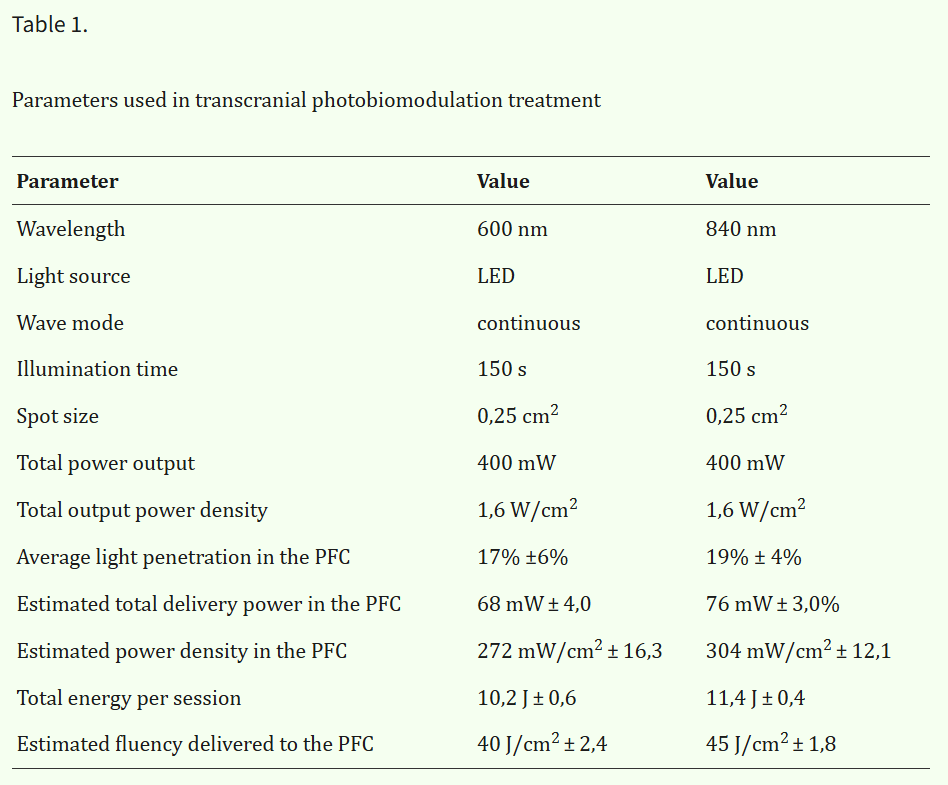
Table 1, moreover, showcases the light treatment protocol - hopefully you can see that the treatment area is really small, but that the power output and total dose are quite large:
And how was the stress induced in these animals? Well, researchers are quite creative. Here's the long list of stressors that these poor rats were exposed to, of course, moving them closer to a state of depression:
"The [Continuous Mild Stress] protocol lasted ten weeks. Animals in the CMS group were exposed to stressors according to the method described by Papp et al. and Willner et al. The rats belonging to the CMS group were placed in standard plastic boxes and kept separate from each other. They were exposed to the following stressors: two (02) weekly periods of food and water deprivation; two (02) weekly periods with the cage tilted at 45º; two (02) weekly periods of intermittent lighting on/off every two (02) hours; two (02) weekly periods with a dirty cage; two (02) weekly periods with the presence of an intruding animal; two (02) weekly periods with low-intensity stroboscopic lighting; two (02) weekly stress-free periods. For ten consecutive weeks, stress was induced once or twice daily (10–14 h for each stressor)."
When the light therapy is then applied (there's a control group, a red light group, and a NIR light group, and a sham group here), you can see that sucrose (sugar) consumption goes up in the animals that receive the light therapy:
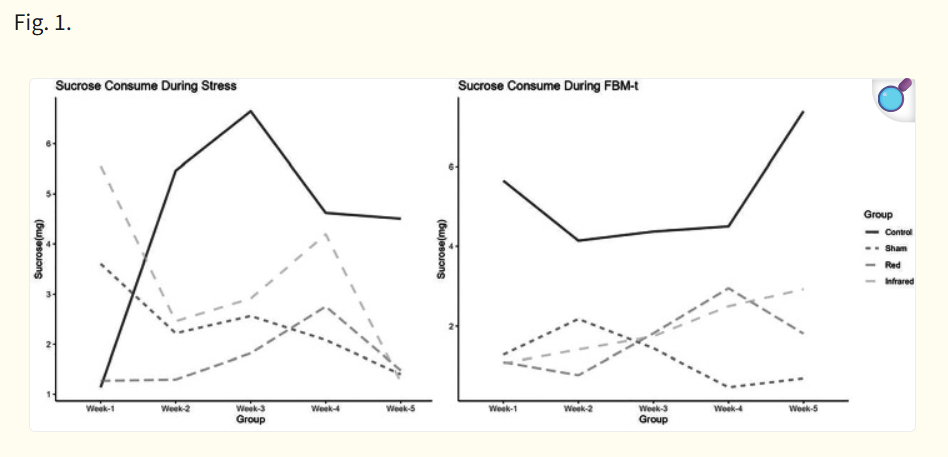
The control group here didn't receive any light therapy treatment nor stress exposure. Here's another display at week 5:
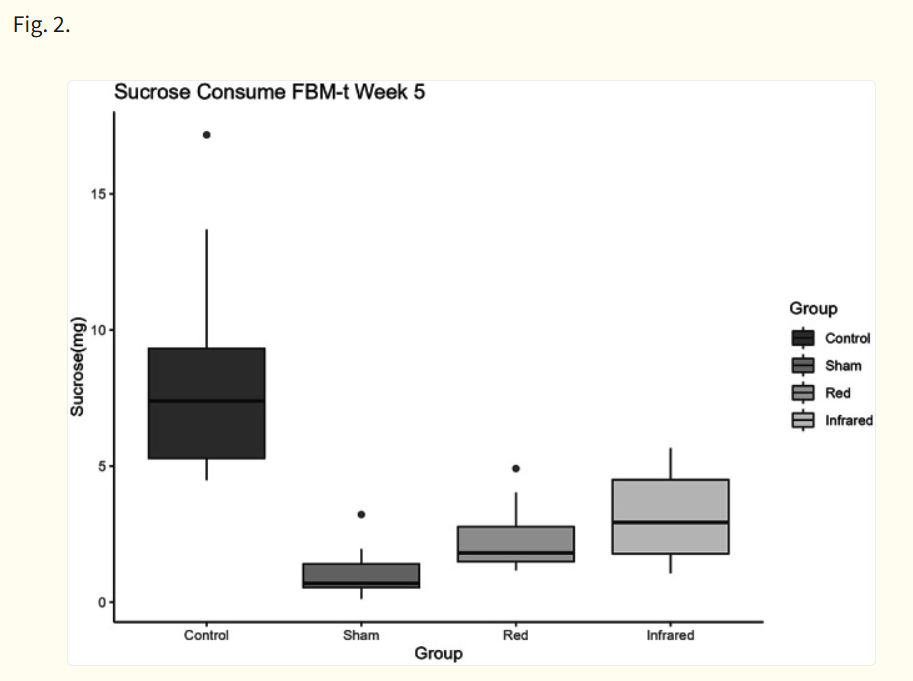
The sugar consumption, here, is a good sign as it's counter to the "anhedonia" (having no pleasure) that's often so strongly intertwined with depression.
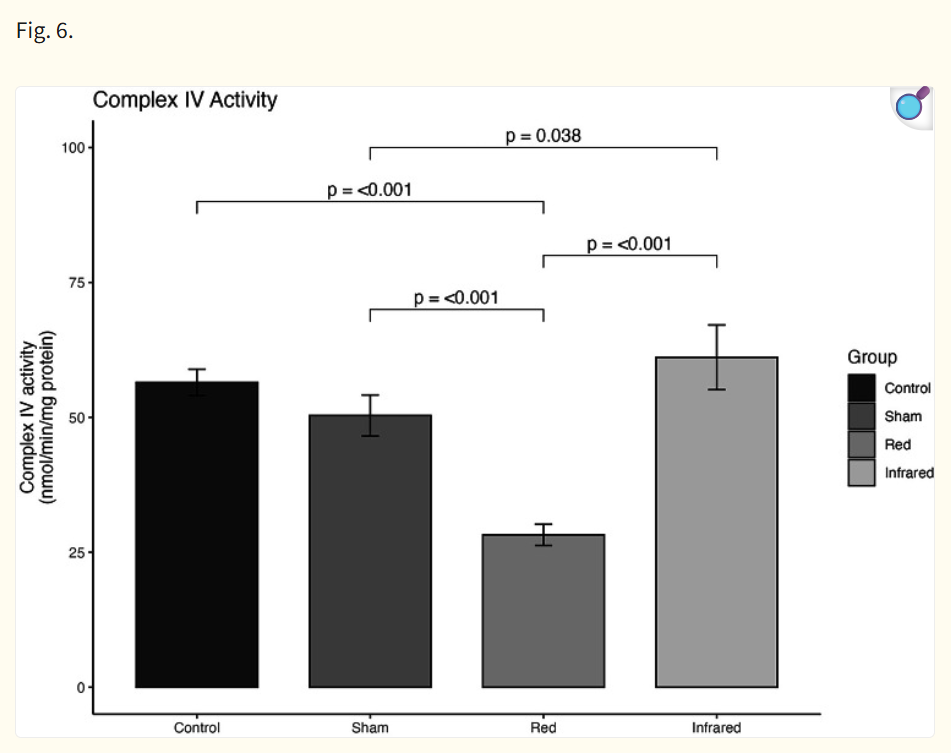
And, other measurements were taken too, such as complex IV (Cytochrome C Oxidase - tied to energy generation) in the mitochondria:
(By the way, if you're curious about how red light therapy works, and its mechanisms, read the article on that topic below:)
 Bart Wolbers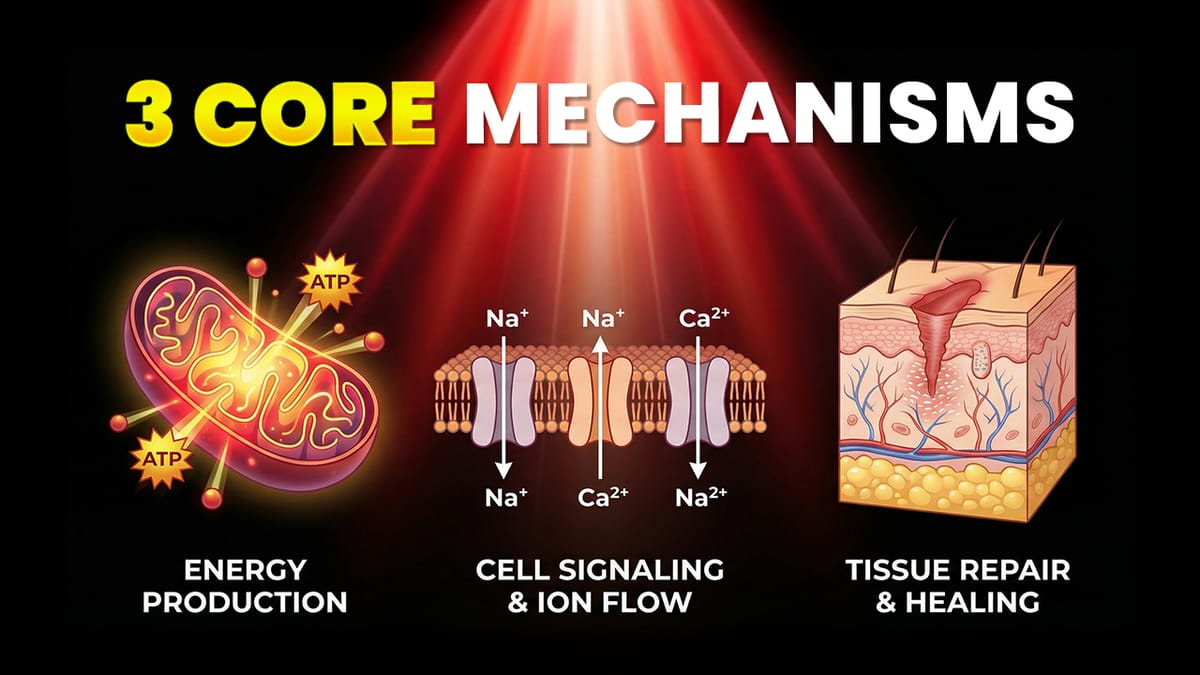
But back to the study. The researchers state the following about the outcome of this study:
"Our study showed that the [Continous Mild Stress] model efficiently reproduced anhedonic behavior showing a significant reduction of sucrose consumption in the groups exposed to this protocol. Furthermore, the [light therapy applied to the skull/brain], red and infrared were able to reverse this depressive-like behavior, which suggests the promising antidepressant properties of this intervention. "
So overall, the light therapy exposure decreases the "anhedonic state" that's induced by chronic mild stress, and thus depression. In the full text of the study, the researchers mention many other mechanisms, such as lower inflammation, changes in the immune system, a boost in energy generation, increased nitric oxide (NO) that can affect blood flow but also brain areas, and more. Here's the final conclusion of the study:
"In summary, our findings suggest that [light therapy applied to the brain] holds promise as an effective antidepressant strategy. The improvement in sucrose consumption, the increase in Complex IV activity in the prefrontal cortex, and the increase in NO concentration in the hippocampus, associated with a reduction in damage to membrane lipids peripherally, may be indicators of the beneficial effects of this therapy. For most of the outcomes assessed in this study, the NIR wavelength was superior or similar to red light, suggesting NIR should be preferred for future studies."
Curious about my broader opinion on light therapy for depression, anxiety, and neurology? I include episodes that are 20-40 minutes long on depression, anxiety, and neurodegeneration in my course. Everything is backed by references and broken down into simple to understand language - and you can join for free:
Some of the topics are only published in the course and not on the website as they're more controversial, such as UV light risks and benefits, addiction, anxiety, depression, and more. So join HERE!
Here Are Our Latest Light Therapy Insiders' Articles:
Every single article that we've published recently - you can find the videos in the article itself:
- HG vs Pro vs Ultra: Which Hooga Red Light Therapy Panel Is Best? - We get many questions about what panel to buy from Hooga, as they're among the best budget light therapy companies around. Alex explains all the pros and cons of different choices in detail!
- How Red Light Therapy Reduces Chronic Inflammation and Improves Health - Red light therapy has huge effects on systemic inflammation, and Bart explains all the the knowns and unknowns in the current 2026 science on this topic. You'll also get some great device recommendations!
- Does it Work? Red Light Therapy Science Benefits Reviewed - Here's Alex's breakdown of the very popular argument that there's "no evidence" (somehow) for red light therapy, often by people who don't really know the science on this topic!
- Best Red Light Therapy Panel Under $500? (3 Options Tested) - Times are tough, and people may need a budget option. This is why Alex just released a new video on the topic!
- Best Device For Acne: Why You Need Blue Light - Honestly, if you don't use the correct blue light wavelengths, you don't treat acne properly, even if you use red light therapy. Bart breaks down all of the science in this video
Also, Check Out Some Of Our Other Content:
Below you'll find some of our best content that you shouldn't miss:
Light Therapy Advanced Science Course (Just Launched!):
Join Bart's 100% free advanced science light therapy course above, where he takes deep dives into many different topics, such as mechanisms, neurology (Alzheimer's, Parkinson's, etc), exercise recovery, skin beauty & rejuvenation, and much more.
Some of the topics are only published in that course, such as UV light risks and benefits, addiction, anxiety, depression, and more. So join HERE!
Red Light Therapy Buyers Guide
 Alex Fergus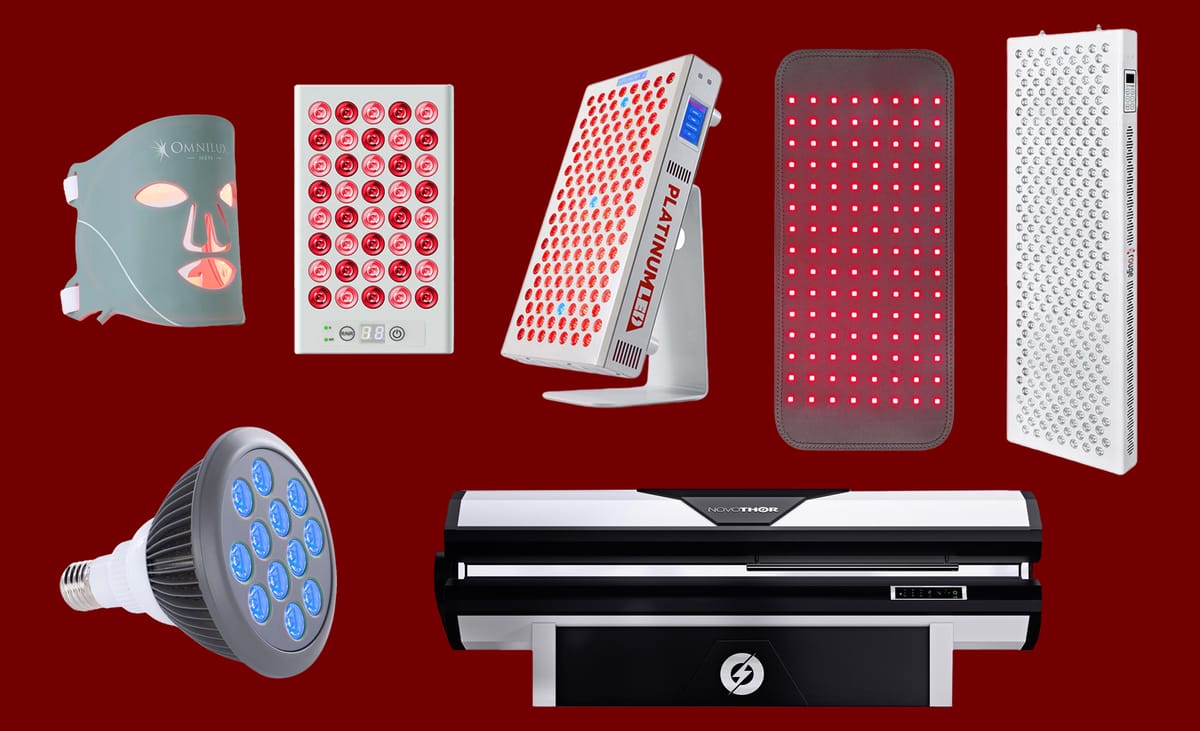
Red light therapy uses red and infrared light to achieve a biological effect. Dive into this topic and select a device that's right for you.
LED Mask Shopping Tool

My extension shopping tool compares all of the world's best (and not so good!) Red Light Masks.
How To Use Red Light Therapy 101: The Best Guide For Starters
 Alex Fergus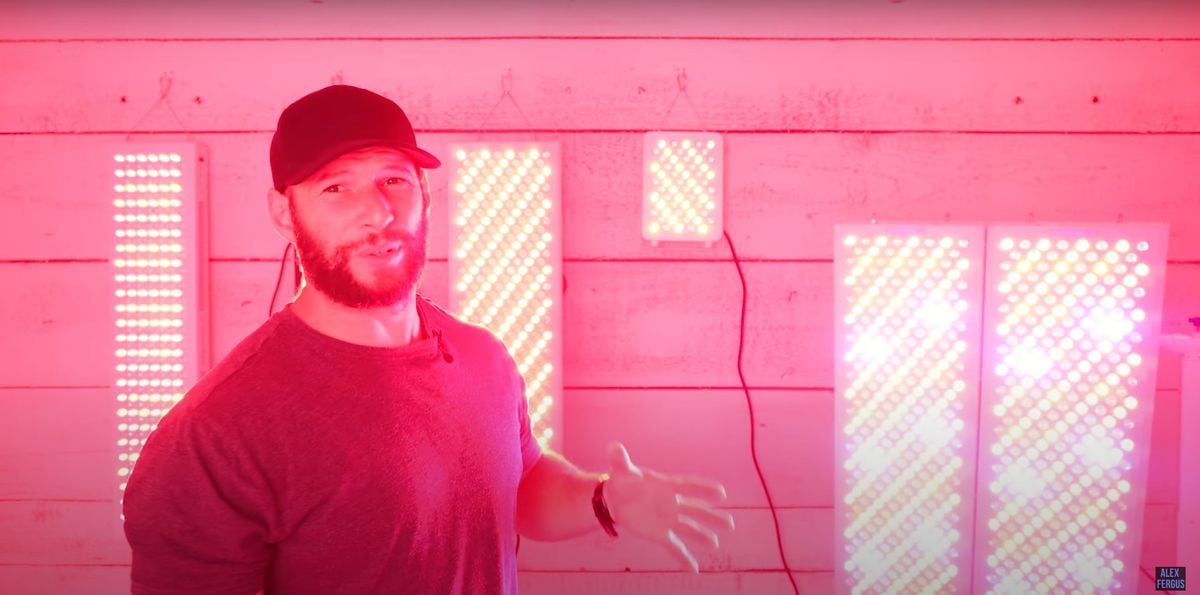
You have your device? Let me help you use it.
Red Light Panel Shopping Tool

My extension shopping tool compares all the world's best (and not-so-good!) Red Light Panels!
Exclusive - Discount Codes, Deals & Recommendations
 Alex Fergus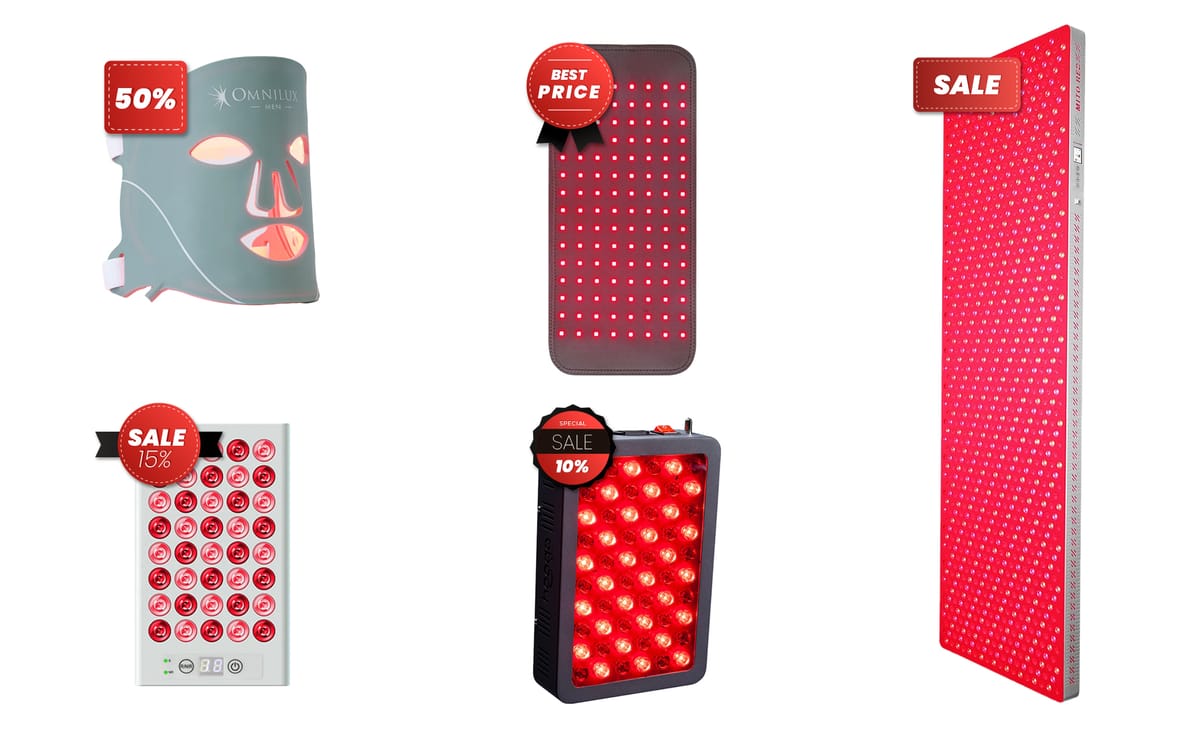
Shopping for a red light device? Use this resource to save! We've got deals for most of the big and best brands out there...