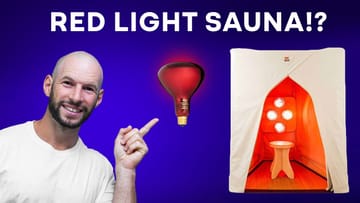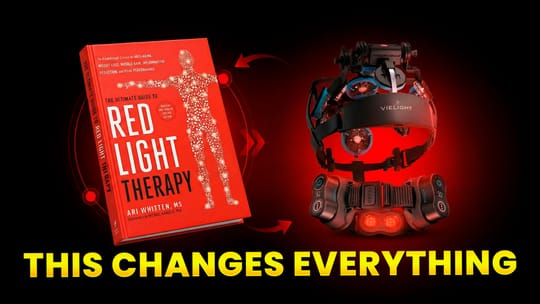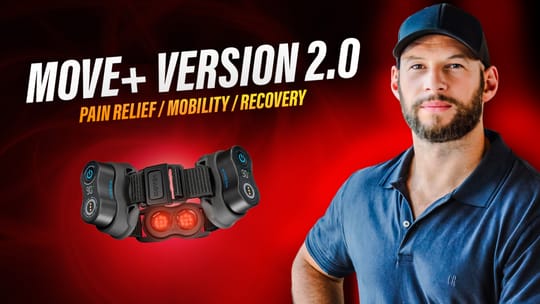


This is an older video, but the information still holds true today!
Why Sun Stream Took a Different Approach to Infrared Saunas
Infrared saunas can look similar on the surface, but the design choices behind them can lead to a very different experience. In this episode, I speak with Kevin Halsey, founder of Sunstream Saunas, about what actually matters when buying an infrared sauna — from heater design and panel placement to EMF levels, wood materials, and the debate around so-called “full-spectrum” saunas. If you’ve been researching infrared saunas and feeling overwhelmed by the marketing, this conversation helps cut through the noise.
Show Notes
In this interview, Kevin Halsey explains how he got into the infrared sauna industry after using sauna therapy as part of a heavy metal detox program. We talk through the key differences between infrared saunas and traditional hot rock saunas, why sauna size and heater placement matter more than most people realize, and how Sunstream designed its saunas to maximize radiant heat exposure while keeping EMF and electric fields extremely low. We also get into carbon panels vs ceramic heaters, the claims around near-infrared and full-spectrum saunas, and why Kevin believes dedicated red light therapy devices should be kept separate from sauna use.
Key Topics
- How Kevin Halsey got into infrared saunas
Kevin shares how his own health journey and heavy metal testing first led him to infrared sauna therapy, and how that experience eventually turned into building a sauna business. - Infrared sauna vs traditional sauna
We discuss why infrared saunas are often easier to tolerate, use less electricity, and can still create a powerful sweat response without the extreme air temperatures of hot rock saunas. - Why people sweat in infrared saunas at lower temperatures
Kevin explains how far infrared interacts with water in the skin, creating an efficient heating effect that feels gentler than a traditional sauna yet still drives sweating. - Why panel placement matters
One of the biggest takeaways from this episode is that infrared heat needs to actually hit the body. That means sauna layout, heater coverage, and sitting position all matter far more than cabin size alone. - Why bigger is not always better
We talk about why a smaller sauna can sometimes outperform a larger one if it keeps the user closer to the heaters and reduces wasted air volume. - Carbon panels vs ceramic heaters
Kevin breaks down the differences between large carbon-heater panels and smaller ceramic elements, and explains why he believes panel-based heating creates a more even and comfortable sauna experience. - The problem with heat lamp sauna claims
We explore the claims around incandescent heat lamps and “near infrared saunas,” including why Kevin sees these setups as inefficient for sauna heating and misleading when compared with true photobiomodulation devices. - Why full-spectrum saunas may not deliver what people expect
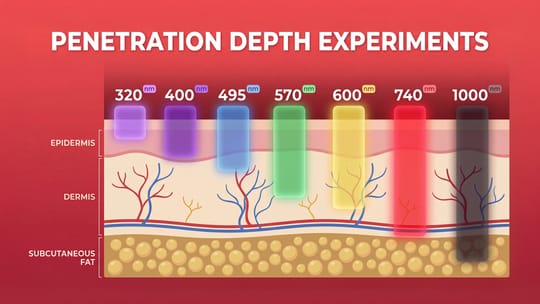
A major part of the conversation focuses on the difference between specific-wavelength red light therapy and the much broader, less targeted infrared output used in many saunas marketed as “full-spectrum.” - Separate sauna therapy from red light therapy
Kevin and I both argue that if your goal is sweating and heat stress, then use a true far-infrared sauna. If your goal is photobiomodulation, use a proper LED or laser device built for that purpose. - Low EMF and low electric field sauna design
We also dive into Sun Stream’s EHS heater design and why reducing both magnetic and electric fields matters when people spend long sessions in a health-focused device. - Materials and toxin concerns
Kevin explains why Sun Stream avoids plywood and particleboard, and why solid wood, non-toxic glue, and low-toxicity finishes are all important in a heated environment. - Included sauna accessories
We wrap up by discussing accessories such as the sauna hat, foot bench, back support, towel, brush, and aromatherapy cup, and how they can improve the overall sauna experience.
Resources Discussed
✨ Purchase a Sun Stream Sauna, which is designed to maximize far infrared exposure while keeping EMF and electric fields extremely low. Use this link and mention Alex Fergus for a discount: https://aferg.co/sun
✨ Read my full Sun Stream Evolve Sauna review, which covers my hands-on experience, heater design, and performance testing: SunStream Evolve Sauna EMF Testing: Radiowaves, Magnetic Field, Electric Fields Exposure
✨ Watch my comparison content on Sun Stream vs Clearlight saunas, which includes EMF testing and performance insights: Sun Stream vs Clearlight: Which Infrared Sauna Is The Best?
✨ Explore my infrared sauna buyer’s guide, which helps explain what to look for when choosing a sauna: Infrared Sauna Buyers Guide: Everything You Need To Know
🎧 Prefer to Listen?
Find Alex Fergus – Light Therapy Insiders on your favorite platform: