
Recent years have brought a surge of new discoveries in light therapy research. Scientists are rapidly expanding our understanding of how specific wavelengths of light interact with biological systems—affecting mitochondria, inflammation, circulation, and even brain function. What was once considered a niche therapy is now being explored across many areas of medicine, from metabolic health to neurodegenerative diseases.
Between 2024 and 2026, several major studies and scientific developments have helped clarify how photobiomodulation works and where it may be most useful. Researchers have also refined treatment parameters such as wavelength, dosage, and treatment timing, making the science more precise than ever before.
In this article, we’ll look at ten of the most important light-therapy science developments from 2024 to 2026, highlighting the discoveries that could shape the future of this rapidly evolving field.
1) Red Light Therapy Should Be In Your Toolbox If You've Got Gut Issues
First, there's an article on a topic that has become much more popular lately - light therapy and gut health:
 Bart Wolbers
Here's what the article claims:
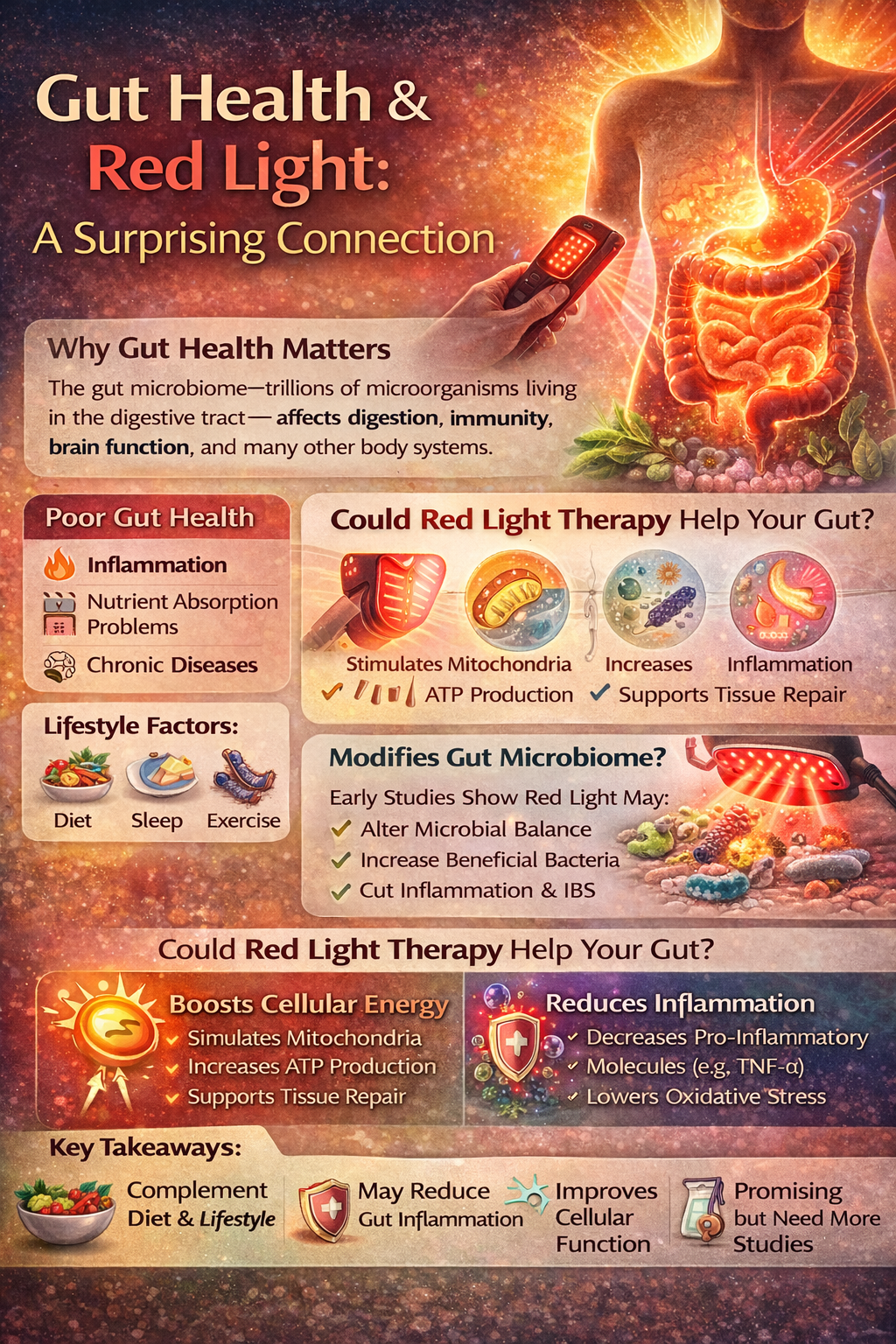
The article “Gut Health & Red Light: A Surprising Connection” explores how red and near-infrared light therapy (photobiomodulation) may support gut health and digestive function. It begins by emphasizing that gut health is central to overall wellbeing because the gut microbiome—trillions of microorganisms living in the digestive tract—affects digestion, immunity, brain function, and many other body systems.
Poor gut health can lead to inflammation, nutrient-absorption problems, and increased risk of chronic diseases such as diabetes, neurodegenerative disorders, and autoimmune conditions. Lifestyle factors like diet, stress, sleep, exercise, and environmental influences also strongly shape the microbiome.
The article then explains how red light therapy may influence gut health through several biological mechanisms. One key mechanism is improved cellular energy production: specific wavelengths of red and near-infrared light stimulate mitochondria, increasing ATP (the cell’s energy source) and supporting tissue repair. Red light therapy is also known to reduce inflammation and oxidative stress—two processes that contribute to many chronic digestive conditions.
Research highlighted in the article suggests that red light therapy could reduce gut inflammation and improve mucosal integrity, which may help conditions like inflammatory bowel disease or “leaky gut.” Animal studies show improvements in intestinal inflammation and gut-barrier function, although large human trials are still lacking.
Another potential effect involves the gut microbiome. Some studies indicate that red or near-infrared light applied to the abdomen can alter microbial composition, suggesting that light may indirectly influence digestive health through microbiome modulation. There is also emerging evidence for potential benefits in digestive disorders such as IBS, constipation, diarrhea, and gastritis, though much of the research remains preliminary.
Overall, the article concludes that red light therapy should not be seen as a standalone cure for gut problems but rather as a promising, low-risk complementary tool. Combined with lifestyle improvements—such as diet, stress management, and healthy sleep—photobiomodulation may support gut health through effects on inflammation, mitochondrial function, and the gut-brain axis.
2) Red Light Therapy For Blood Sugar & Diabetes Research Is Evolving!
Next up, we've seen some very promising studies on blood sugar management and diabetes. Sure, more research is needed but we'll take the current outcomes. Here's Bart's article on the topic:
 Bart Wolbers
Here'w what you need to know:
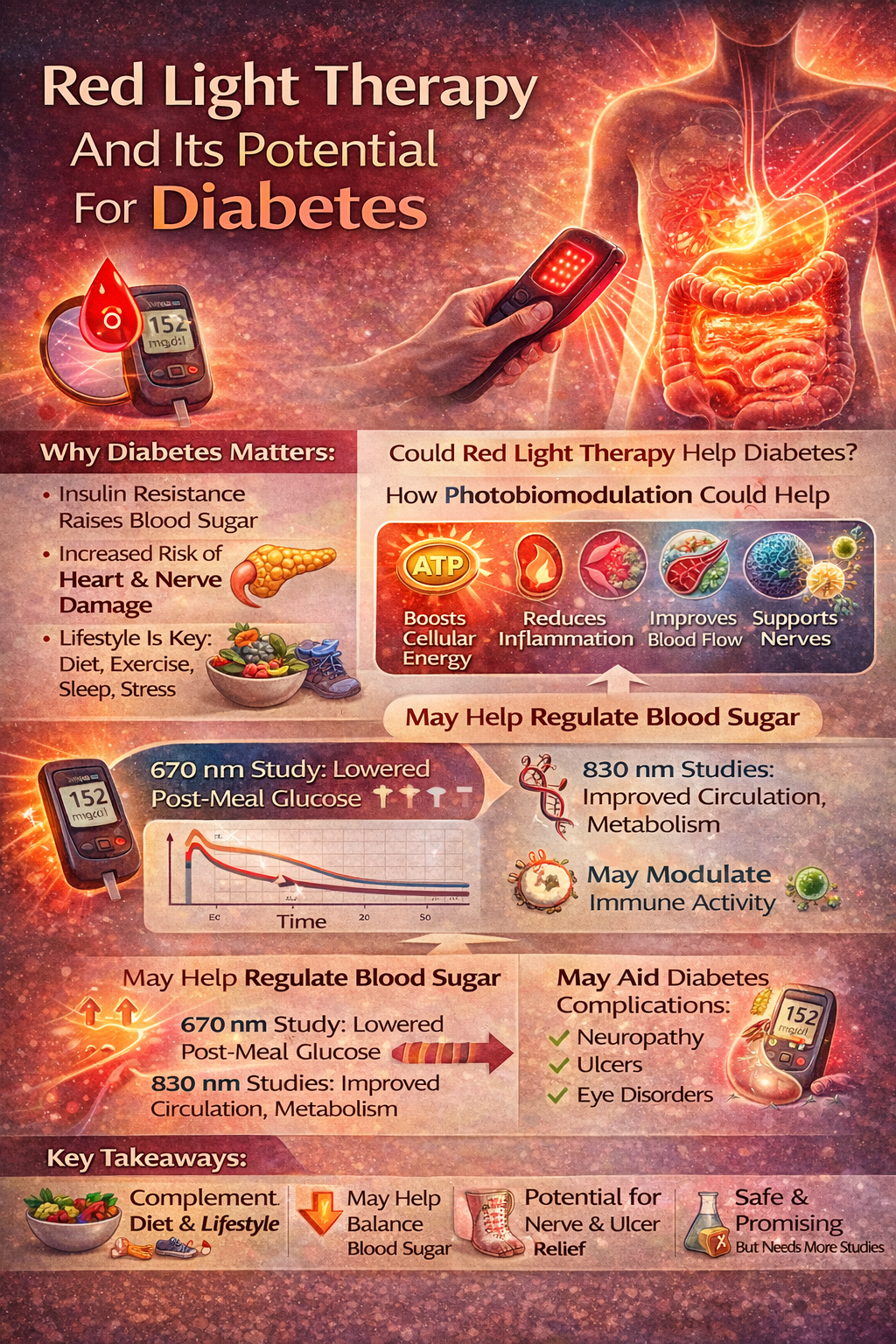
The article “Red Light Therapy And Its Potential For Diabetes” examines whether red and near-infrared light therapy (photobiomodulation) could help manage diabetes and its complications. Diabetes—especially type 2—is a growing global health problem that increases the risk of cardiovascular disease, neurodegeneration, and other chronic illnesses. It occurs when the body becomes resistant to insulin, causing blood glucose levels to remain elevated and leading to symptoms such as fatigue, thirst, and nerve damage. Lifestyle factors such as diet, exercise, sleep, and stress management remain the most important tools for prevention and treatment.
The article explains that red light therapy may influence several biological processes relevant to diabetes. When red or near-infrared light penetrates tissue, it interacts with mitochondria and can increase cellular energy production (ATP). It may also reduce inflammation, improve blood flow, modulate immune activity, and influence gene expression. Because chronic inflammation and poor circulation are common in diabetes, these mechanisms could potentially help address some underlying problems associated with the disease.
Research highlighted in the article suggests that red light therapy may also affect blood sugar regulation. For example, one study found that exposing participants to 670 nm red light after a meal significantly lowered post-meal blood glucose levels. Other studies using near-infrared wavelengths (around 830 nm) reported improvements in circulation and metabolic effects that may help stabilize glucose levels.
Beyond blood sugar control, the therapy may help with diabetes-related complications. Review studies indicate potential benefits for conditions such as diabetic neuropathy, ulcers, and certain eye problems, likely due to improved circulation and reduced inflammation. However, the article stresses that the evidence base is still developing and that optimal wavelengths, treatment frequency, and dosing protocols remain uncertain.
Overall, the article concludes that red light therapy appears safe and promising as a complementary approach, but it should not replace fundamental lifestyle strategies such as proper nutrition, exercise, and metabolic health management.
3) Smart Sunlight Exposure Lowers Melanoma Risk
Bart wrote an epic article about sunlight exposure and melanoma risk, the most dangerous type of skin cancer:
 Bart Wolbers
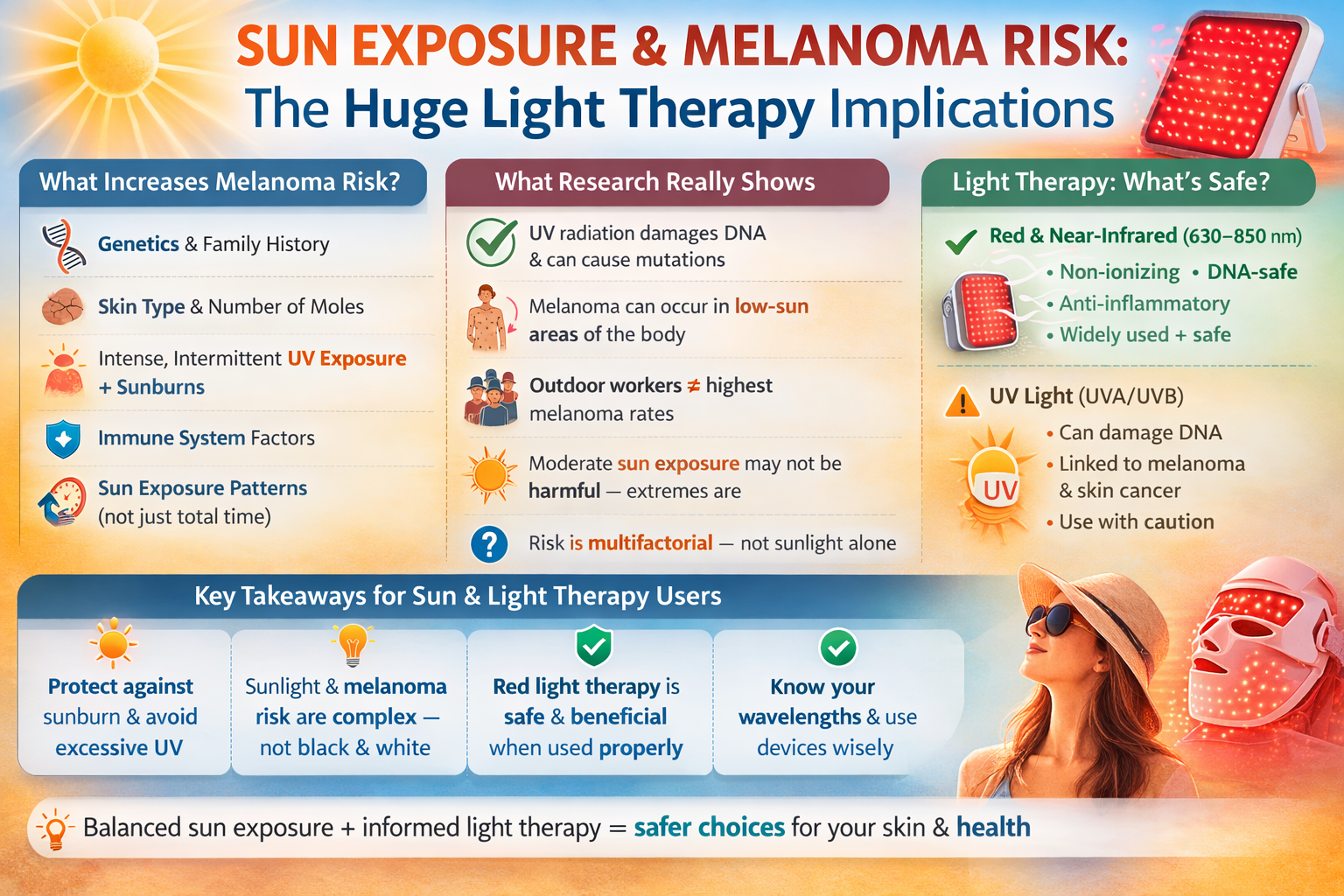
The article “Sun Exposure & Melanoma Risk: The Huge Light Therapy Implications” explains the complex relationship between sunlight, ultraviolet (UV) radiation, melanoma risk, and the implications for light-therapy users. It challenges simplistic claims about sunlight being the sole cause of melanoma and examines what current research actually shows.
Melanoma is the most dangerous form of skin cancer because it spreads quickly and accounts for the majority of skin-cancer deaths. UV radiation from sunlight is widely recognized as a major risk factor because it can damage DNA in skin cells and trigger mutations that lead to cancer. However, the article emphasizes that melanoma risk is multifactorial. Genetics, skin type, number of moles, immune factors, and patterns of sun exposure all influence risk. For instance, intense intermittent exposure and severe sunburns appear more strongly associated with melanoma than regular moderate sun exposure.
The article also highlights several observations that complicate the common narrative that sunlight alone causes melanoma. Melanoma sometimes occurs in areas of the body that receive little sunlight, and outdoor workers—who receive higher cumulative sun exposure—do not always show the highest melanoma rates. These findings suggest that the relationship between sunlight and melanoma is more nuanced than commonly assumed.
Another major focus is the difference between UV light and other forms of light used in therapy, such as red and near-infrared wavelengths. Unlike UV radiation, these wavelengths are non-ionizing and do not damage DNA in the same way. As a result, red light therapy (photobiomodulation) is generally considered safe and is widely used in medical and wellness contexts. The article explains that most consumer light-therapy devices operate in these safer wavelengths, though caution may be warranted with devices that emit UV light.
Overall, the article argues for a balanced perspective: excessive UV exposure and sunburn clearly increase melanoma risk, but avoiding sunlight entirely may not be necessary or beneficial. Instead, informed sun exposure and understanding the differences between UV and therapeutic light are key to making safe decisions about both sunlight and light-therapy devices.
Want A 100% Science Backed Course That Expands On The Role Of Ultraviolet Light Exposure And Human Health? Join Below:
4) Boost Thyroid Health With Inexpensive Devices
So, here we have lots of research and it's very promising too. Check Bart's article once again:
 Bart Wolbers
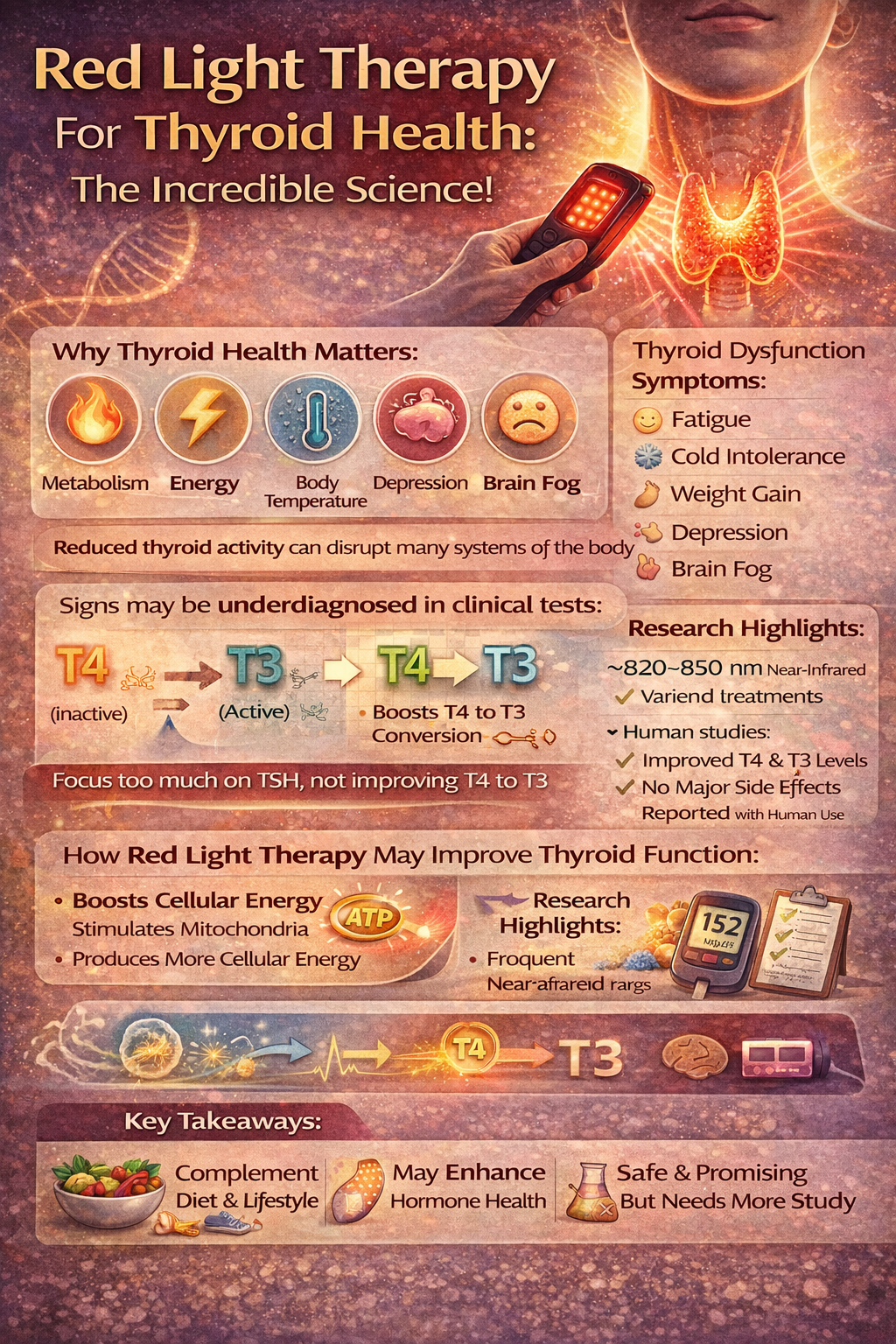
The article “Red Light Therapy For Thyroid Health: The Incredible Science!” explores how red and near-infrared light therapy (photobiomodulation) may support thyroid function, particularly in people with hypothyroidism. The thyroid plays a crucial role in regulating metabolism, energy production, body temperature, and hormonal balance. When thyroid function is reduced, common symptoms include fatigue, cold intolerance, weight gain, depression, and brain fog. Because the thyroid influences many systems in the body, even mild dysfunction can significantly affect overall health.
A key argument of the article is that thyroid disorders—especially hypothyroidism—may be underdiagnosed because many clinical tests focus heavily on thyroid-stimulating hormone (TSH) rather than active thyroid hormones such as T3. According to the article, improving the conversion of T4 (inactive hormone) into T3 (the biologically active form) is essential for restoring proper thyroid function.
Red and near-infrared light therapy is presented as a promising tool because it can stimulate cellular energy production and support tissue repair. Human studies reviewed in the article suggest that photobiomodulation applied to the thyroid region may improve hormone levels, reduce autoimmune thyroiditis, and enhance the conversion of T4 into T3. Many of these studies used wavelengths in the near-infrared range (around 820–850 nm), with varying treatment doses depending on whether lasers or LED devices were used.
Importantly, the article notes that no major side effects have been reported in the human research reviewed. However, the evidence is strongest for hypothyroidism; for hyperthyroidism, the article recommends caution because human studies are lacking and some biological mechanisms suggest that light therapy could potentially worsen an overactive thyroid.
Overall, the article concludes that red light therapy shows encouraging scientific support for improving thyroid function, particularly in hypothyroid conditions. Nevertheless, it emphasizes that thyroid health is multifactorial and should also be addressed through lifestyle factors such as sleep, nutrition, stress management, and overall metabolic health.
5) Upgrade Your Overall Health And Heart Health With Intravenous Light Therapy While Inhibiting Pain
Streaming light directly into the bloodstream is easier than ever. You can use a device that emits light through the skin, or you can redirect the blood flow and irradiate your bloodstream that way.
Bart explains the very extensive science that goes back for decades here:
 Bart Wolbers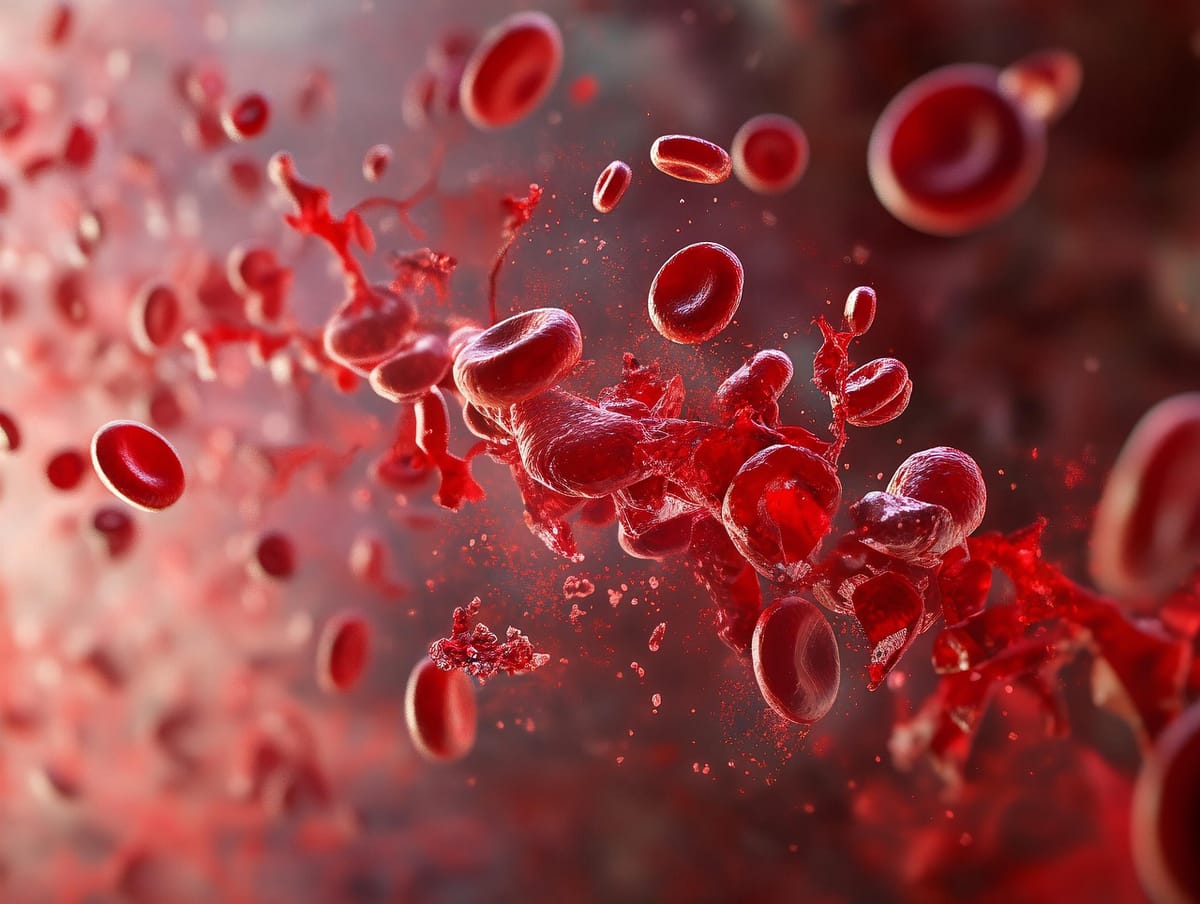
The key arguments?
The article “Intravenous Light Therapy: Everything You Need To Know” explains a specialized form of phototherapy in which light is delivered directly into the bloodstream. This method—often called Intravenous Laser Blood Irradiation (ILBI)—involves exposing circulating blood to specific wavelengths of light, typically using lasers or high-powered LEDs. In some setups, a small catheter is inserted into a vein so light can irradiate the blood directly, while in others strong LEDs are used externally so that light penetrates the skin and reaches blood vessels.
The article notes that intravenous light therapy has a long history, particularly in Soviet-era medical research, where it was explored for treating infections, cardiovascular disease, and immune-related conditions. Although interest declined for some time, the therapy has experienced renewed attention in recent years as earlier studies have resurfaced and modern light-therapy technology has improved.
Different wavelengths are used for different therapeutic goals. Red light is commonly associated with healing, improved circulation, and anti-inflammatory effects. In contrast, blue and ultraviolet light may act as temporary stressors for the body but can also help control infections by affecting microorganisms in the bloodstream. The article suggests that these wavelength-specific effects allow clinicians to tailor treatments depending on the health condition being addressed.
Potential benefits described in the article include improved cardiovascular health, reduced chronic inflammation, enhanced immune function, better circulation, and relief of pain. Some research also suggests possible benefits for conditions such as diabetes or vascular disorders. Because the therapy affects circulating blood, it may produce systemic effects that are difficult to achieve with localized light therapy devices like panels.
Overall, the article presents intravenous light therapy as a promising but specialized medical treatment with growing interest. While the reported benefits are broad, the therapy is generally performed in clinical settings and should be guided by trained professionals, given its invasive nature compared with conventional red-light therapy.
6) Light Therapy Can (Partially) Reverse Traumatic Brain Injury When Used Properly
Again, read the full article here, where Bart breaks down all of the science:
 Bart Wolbers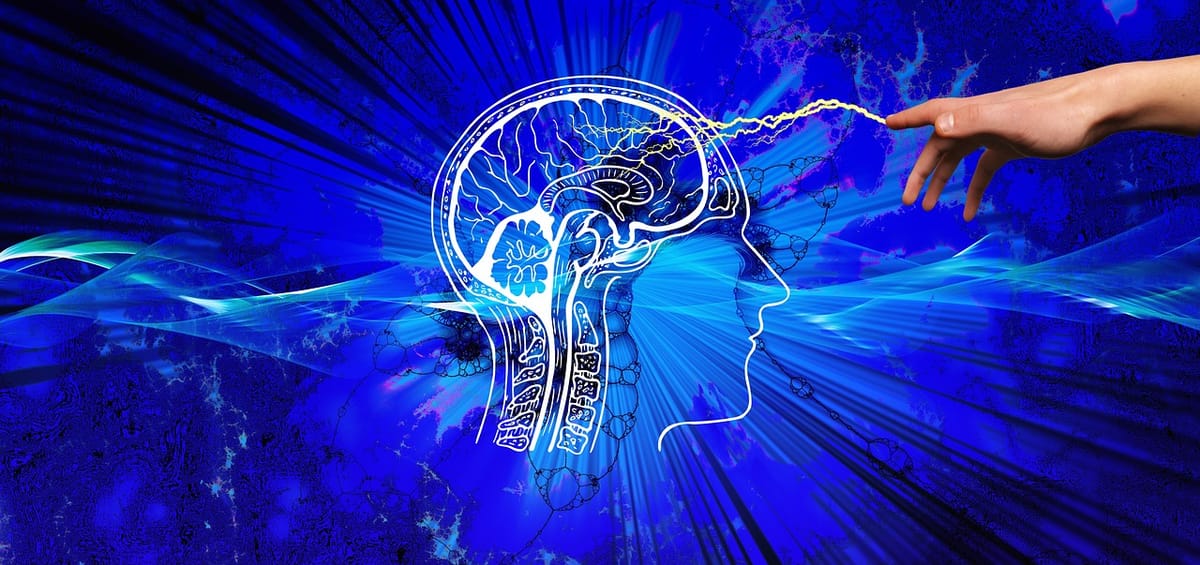
Here are the main arguments of the article:
The article “Red Light Therapy For Traumatic Brain Injury: Science Explained” examines the potential of red and near-infrared light therapy (photobiomodulation) to aid recovery from traumatic brain injury (TBI), including concussions. TBIs affect roughly 70 million people globally each year, with common causes including falls, sports injuries, and accidents. Although many TBIs are mild, they can still produce long-lasting symptoms such as cognitive problems, sleep disturbances, mood changes, and physical impairments. In more severe cases, symptoms may persist for months or longer as post-concussion syndrome.
The article explains that TBIs cause several fundamental biological changes in the brain. These include neuroinflammation, impaired blood flow, mitochondrial dysfunction, and disruptions in neurotransmitter signaling, all of which can reduce the brain’s ability to function and recover properly. Standard treatments such as rest, rehabilitation therapy, and medication can help, but they do not always fully resolve symptoms. As a result, researchers are exploring complementary therapies that may support recovery.
Red and near-infrared light therapy is proposed as one such option. According to the article, photobiomodulation can influence several processes involved in brain healing. These include improving mitochondrial energy production, reducing inflammation, enhancing cerebral blood flow, and potentially stimulating neurogenesis (the formation of new neurons). These mechanisms may help restore brain function after injury.
Human studies discussed in the article report improvements in areas such as cognition, mood, sleep quality, and overall brain function following light-therapy treatment. Both transcranial approaches (light applied through the skull) and intravascular approaches (light delivered into the bloodstream) have been investigated. Importantly, the therapy has generally shown minimal side effects in research settings.
Overall, the article concludes that red light therapy appears to be a promising adjunct treatment for traumatic brain injury, though more research is still needed. Early treatment may yield the best results, and the therapy should ideally be used under medical supervision alongside conventional care.
7) Light Therapy For Tinnitus: It's Hit Or Miss But Can Work Really Well
Here's another very hopeful story, of how using light therapy for tinnitus (ideally in the ear canal) can work wonders in some:
 Bart Wolbers
Here's what you need to know:
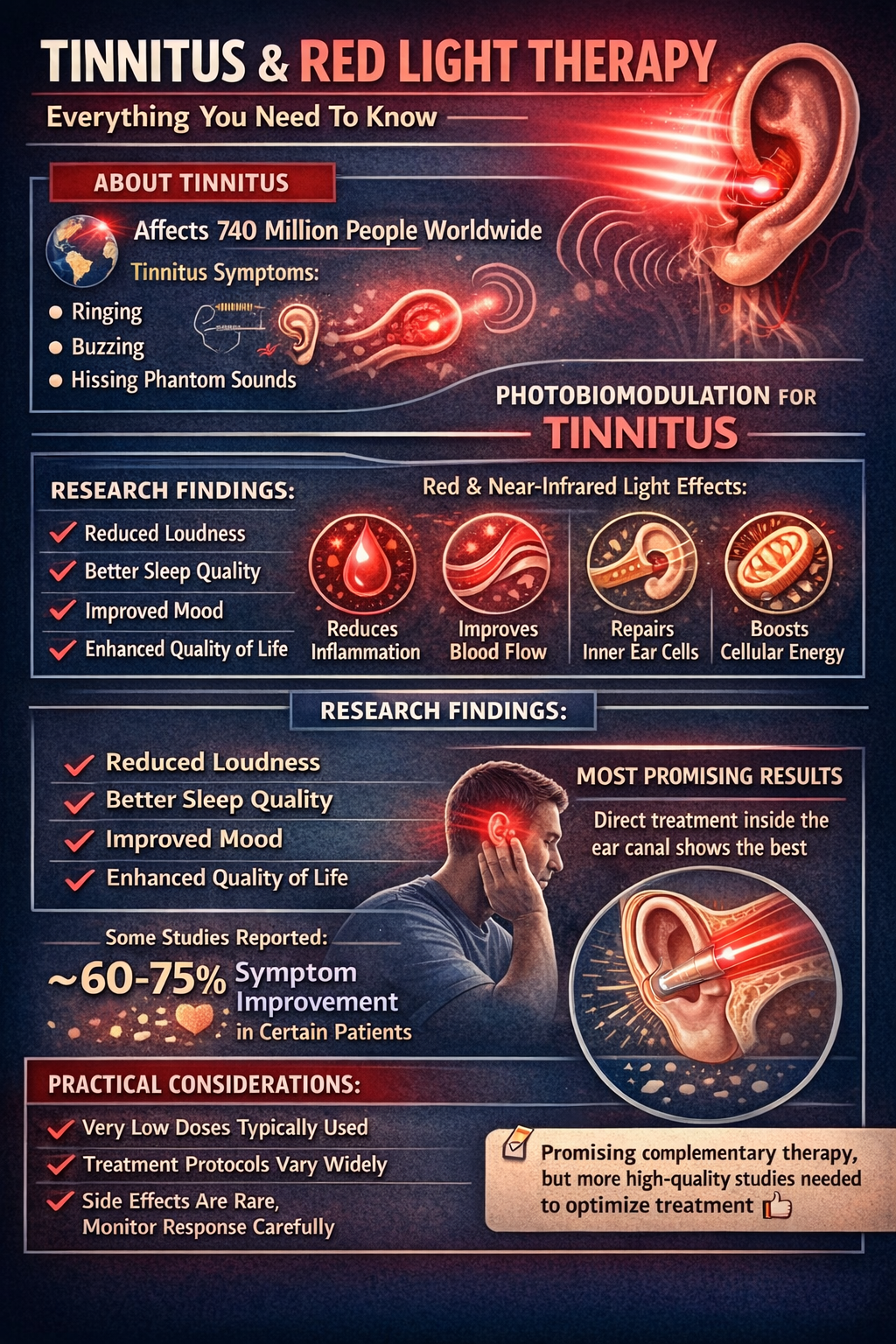
The article “Everything You Need To Know About Tinnitus & Red Light Therapy” explores whether red and near-infrared light therapy (photobiomodulation) can help reduce the symptoms of tinnitus—commonly experienced as persistent ringing, buzzing, or other phantom sounds in the ears. Tinnitus affects an estimated 740 million people worldwide and is usually considered a symptom rather than a disease. It can arise from many causes, including noise-induced hearing loss, ear infections, medications, stress, and neurological changes. Because the condition can interfere with sleep, concentration, and emotional wellbeing, effective treatments are limited and many people search for alternative approaches.
The article argues that red light therapy may be a promising candidate for managing tinnitus symptoms. According to the research reviewed, red and near-infrared light can influence biological processes that may contribute to tinnitus, such as inflammation, impaired blood flow, and damage to the delicate structures of the inner ear. By stimulating mitochondrial activity and improving circulation, light therapy may help repair or support the auditory system.
Several scientific studies discussed in the article report meaningful reductions in tinnitus severity, with some showing symptom improvements of around 60–75% in certain patients. Reported benefits include decreased loudness of the ringing and improvements in quality of life. However, the results across studies are mixed, and factors such as wavelength, treatment dose, and delivery method appear to strongly influence outcomes. Direct treatment inside the ear canal currently shows the most promising results compared with applying light externally around the ear.
The article also highlights practical considerations for treatment, noting that very low doses of light are often used in ear-canal applications and that treatment protocols can vary widely. While side effects are rare, users are advised to monitor their response carefully.
Overall, the article concludes that red light therapy is a potentially useful complementary therapy for tinnitus, though more high-quality research is needed to determine the most effective wavelengths, dosing protocols, and treatment methods.
8) Migraines No More? Not Yet, But Light Therapy Needs To Be Tried To Lower Risk!
Here's Bart's massive article breaking down all the migraine & light therapy science:
 Bart Wolbers
The basics? Here's what you need to know:
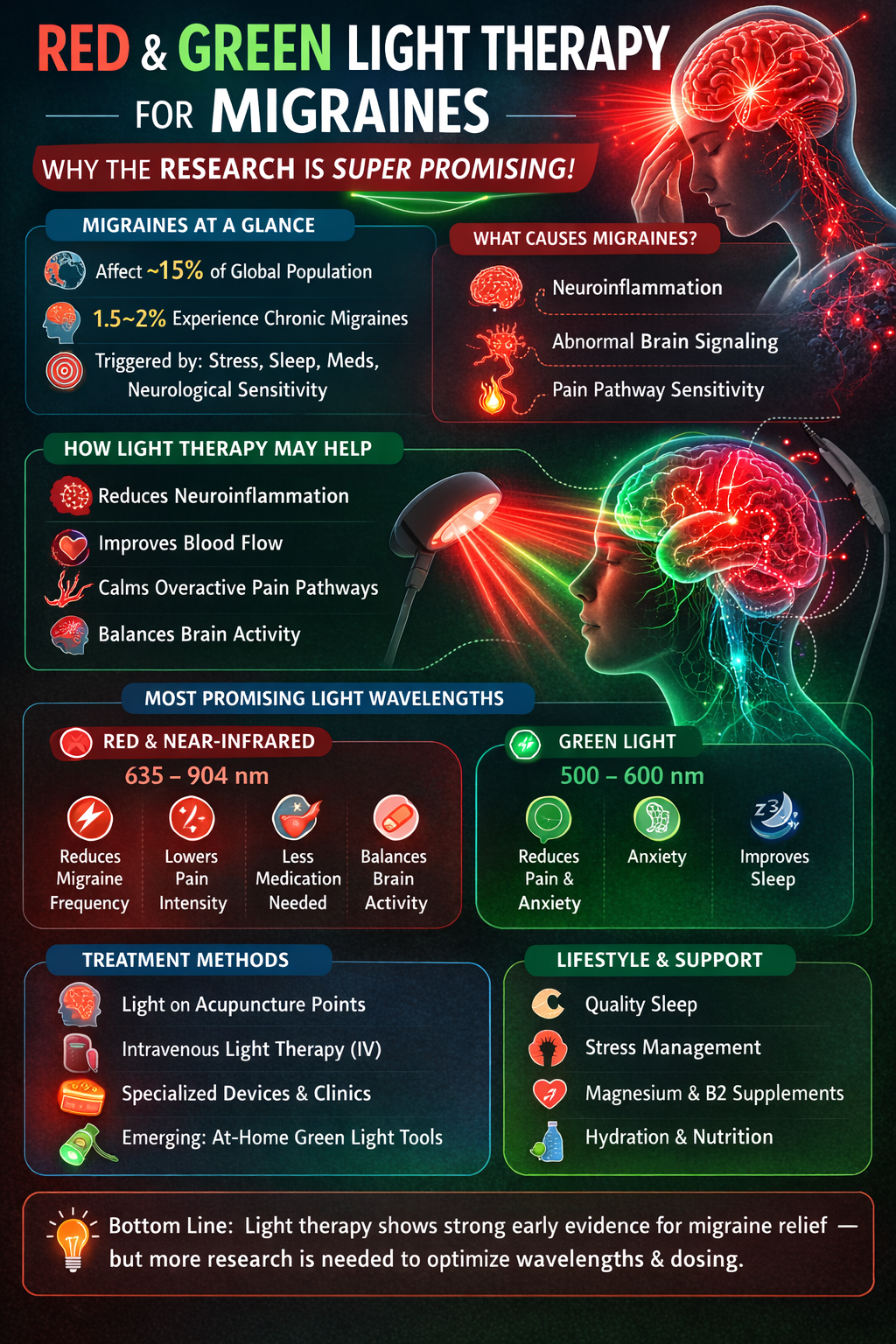
The article “Red Light Therapy For Migraines: Why The Research Is Super Promising!” examines whether red and green light therapy can help reduce migraine frequency, severity, and associated symptoms. Migraines are a widespread neurological condition affecting about 15% of the global population, with around 1.5–2% experiencing chronic migraines. These episodes can significantly disrupt daily life and are often triggered by factors such as stress, sleep disturbances, medication overuse, or neurological sensitivity. Conventional treatments include medications and lifestyle adjustments, but these approaches do not always fully prevent or relieve migraines.
The article explains that migraines involve changes in the nervous system, including neuroinflammation and heightened sensitivity in pain pathways. Because these processes affect brain signaling and blood flow, therapies that influence inflammation or neural activity may help reduce symptoms. Red and near-infrared light therapy—also known as photobiomodulation—is proposed as a potential complementary treatment.
Research reviewed in the article suggests that red light wavelengths between roughly 635 and 904 nm may help decrease migraine frequency, reduce pain intensity, and lower the need for medication. In several studies, light was applied to acupuncture points or through intravenous light therapy, both of which showed promising results in early clinical trials. However, many of these treatment protocols involve specialized equipment that is difficult to replicate at home.
The article also highlights green light therapy as another emerging option. Studies using green wavelengths in the 500–600 nm range have shown reductions in migraine pain and improvements in sleep and anxiety for some patients, often without major side effects. Because green light therapy is relatively simple and inexpensive, it may be worth experimenting with for some individuals.
Overall, the article concludes that light therapy—especially red and green wavelengths—shows encouraging preliminary evidence for migraine management. However, larger and higher-quality clinical studies are still needed to determine the most effective wavelengths, treatment locations, and dosing protocols. Lifestyle strategies such as proper sleep, nutrition, and supplements like magnesium or vitamin B2 are also emphasized as important components of migraine management.
9) Parkinson's Disease Early Light Therapy Research Of The Last Few Years Is Really Promising - We Finally Have Some Longer-Term Studies
Again, read the full Parkinson's Disease article here:
 Bart Wolbers
Here's all you need to know:
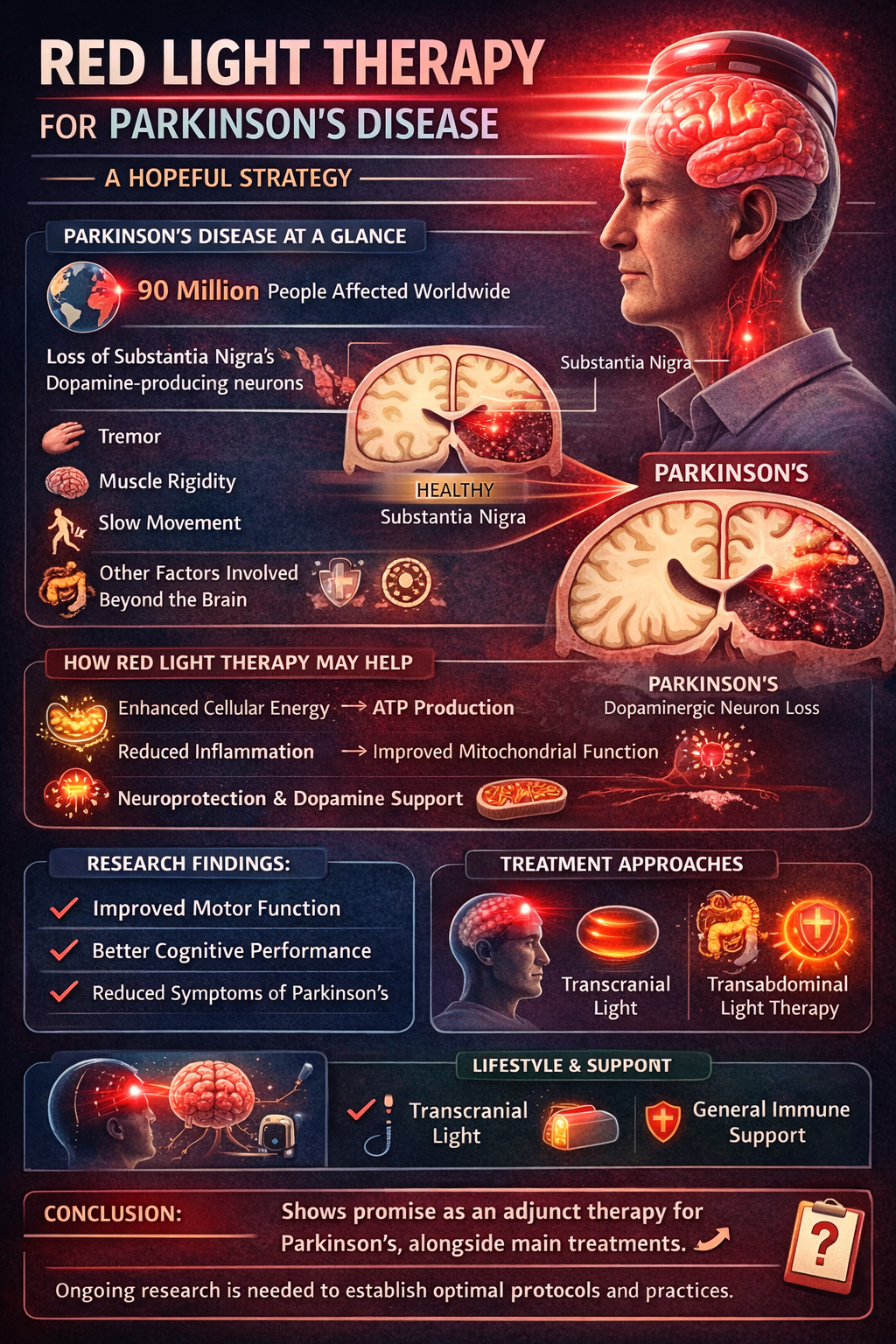
The article “Red Light Therapy For Parkinson’s Disease: A Hopeful Strategy” explores how red and near-infrared light therapy (photobiomodulation) may support people with Parkinson’s disease. Parkinson’s is a progressive neurodegenerative disorder characterized by the loss of dopamine-producing neurons in the substantia nigra, a brain region crucial for movement, motivation, and cognition. As dopamine levels decline, individuals may develop symptoms such as tremors, muscle rigidity, slowed movement, and cognitive changes.
The article emphasizes that Parkinson’s affects more than just the brain. Research suggests that changes in the gut, immune system, and mitochondria may also play important roles in the disease’s progression. In particular, mitochondrial dysfunction—problems with the cell’s energy-producing systems—is considered a key factor in the degeneration of dopamine-producing neurons.
Red and near-infrared light therapy is presented as a promising complementary approach because it can stimulate mitochondrial activity and improve cellular energy production. When these wavelengths reach tissues, they interact with enzymes involved in energy metabolism, potentially increasing ATP production, reducing inflammation, and protecting neurons from damage. These effects may help support brain function and slow neurodegenerative processes associated with Parkinson’s disease.
The article reviews animal experiments and early human studies suggesting that photobiomodulation may improve motor function, cognitive performance, and overall neurological health in Parkinson’s patients. Some treatment approaches involve applying light to the head (transcranial therapy), while others also target areas such as the abdomen to influence the gut-brain axis, which may contribute to disease progression.
Despite these encouraging findings, the article stresses that the research is still evolving. While early studies suggest meaningful improvements in symptoms and quality of life, optimal treatment protocols—such as wavelengths, dosage, and treatment frequency—are not yet firmly established.
Overall, the article concludes that red light therapy is a promising supportive therapy for Parkinson’s disease, but it should be used alongside conventional medical treatments rather than as a replacement for them.
9) Counter The Great Misery Of Back Pain With Light Therapy
Here's the deal. Light therapy can be a great tool in the toolbox for countering back pain, Bart has explained in detail here:
 Bart Wolbers
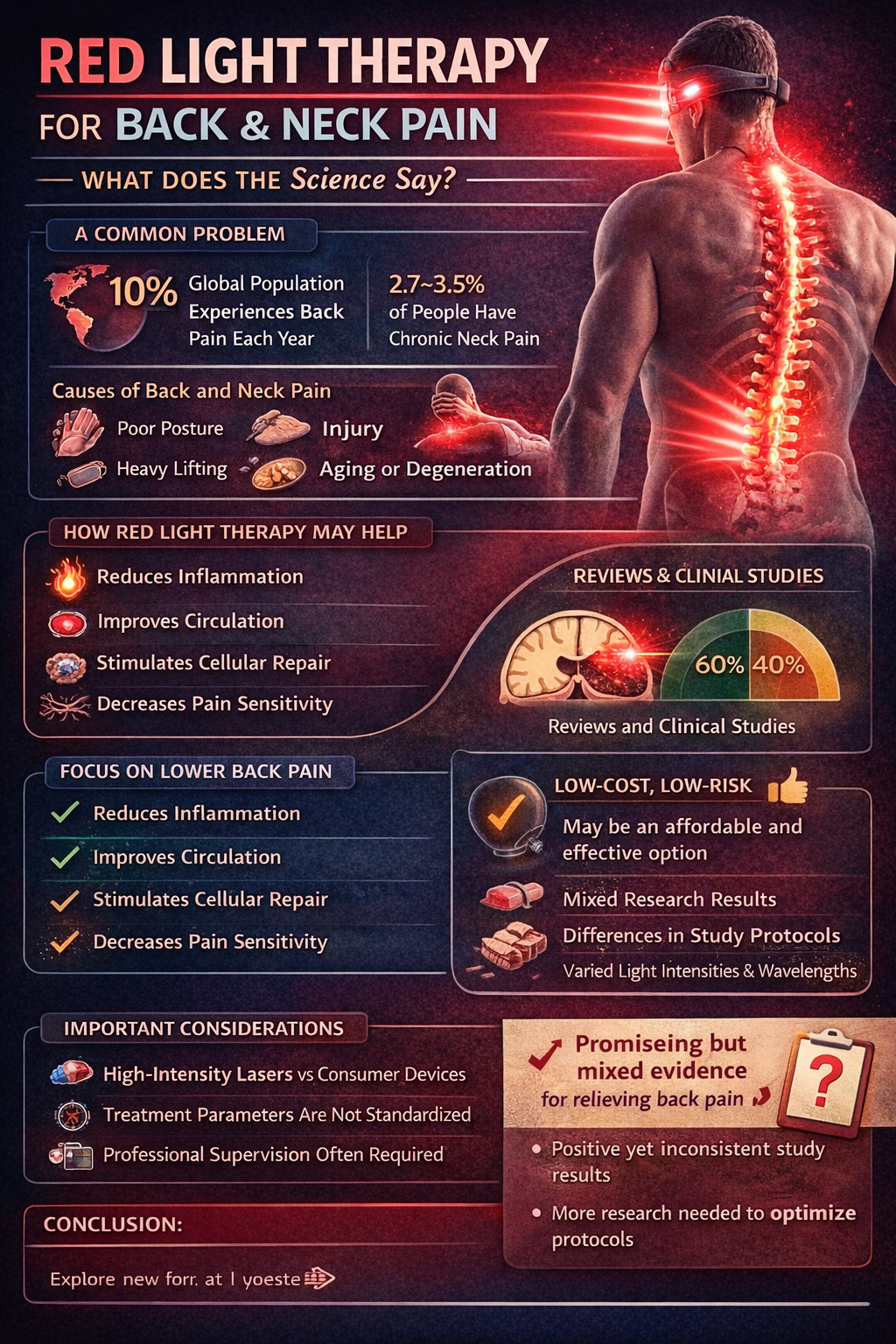
The article “Does Red Light Therapy Work For Back Pain? The Interesting Answer!” reviews the scientific evidence on whether red and near-infrared light therapy (photobiomodulation) can help relieve back and neck pain. Back pain is extremely common, affecting roughly 10% of the global population each year, while neck pain affects about 2.7–3.5% of people at any given time. Because conventional treatments—such as medications—often provide only limited long-term relief, researchers have explored alternative approaches like light therapy.
The article explains that red light therapy has a strong research history for pain management in general, including musculoskeletal pain, nerve pain, fibromyalgia, and dental pain. The therapy works by exposing tissues to specific wavelengths of red or near-infrared light, which can stimulate cellular repair processes, reduce inflammation, and improve circulation in damaged tissues. These biological effects may help decrease pain and support recovery.
When focusing specifically on lower back pain, the article reviews several systematic reviews and clinical studies. Overall, many of these studies report positive outcomes, including reduced disability and improved function in people with chronic back pain.
Some researchers also conclude that light therapy could be a low-cost and effective treatment option. However, the findings are not fully consistent. Differences in study design—such as treatment protocols, light intensity, treatment duration, and targeted areas—make it difficult to draw definitive conclusions. In fact, one review found no significant effect on pain or disability, while others reported clear benefits.
Another important limitation is that many studies used high-intensity medical lasers, which are more powerful than most consumer light-therapy devices and usually require professional supervision. This makes it harder to directly translate research findings into home-use recommendations.
Overall, the article concludes that red light therapy shows promising but mixed evidence for treating back pain. While many studies suggest potential benefits, more standardized research is needed to determine optimal wavelengths, dosing protocols, and treatment methods for both clinical and home use.
10) Red Light Therapy For Oral Health: Improvements Across The Board!
Here's Bart's breakdown of red light therapy for oral health, for 20 different goals & pathologies:
 Bart Wolbers
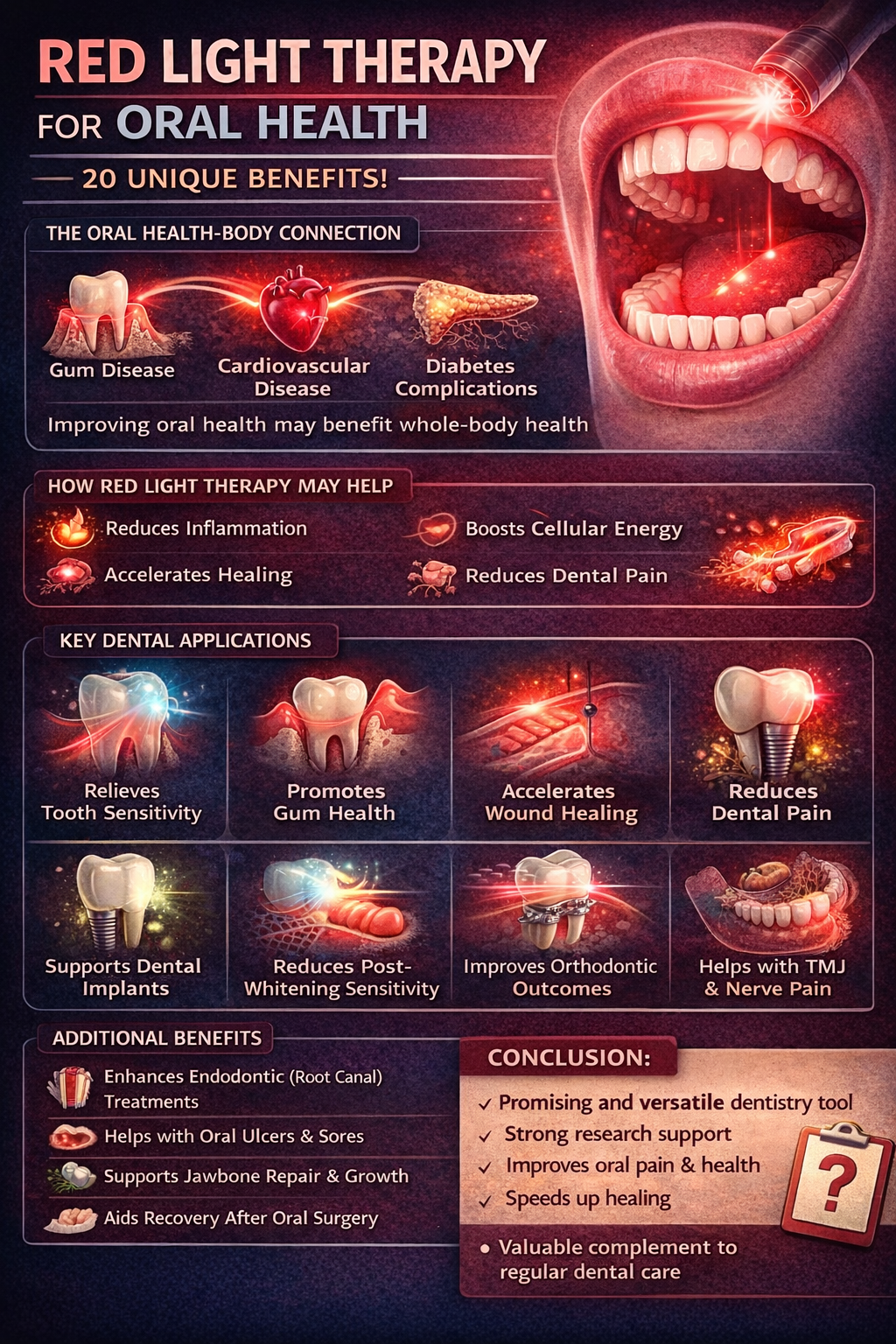
The article “Red Light Therapy For Oral Health: 20 Unique Benefits!” explores how red and near-infrared light therapy (also called photobiomodulation) may support oral health and dental treatments. It argues that this technology is surprisingly well-researched in dentistry and may provide a wide range of benefits for teeth, gums, and oral tissues.
A central theme of the article is that oral health is closely connected to overall health. Conditions such as periodontal (gum) disease are associated with systemic problems including cardiovascular disease, diabetes complications, and chronic inflammation. Because of these links, improving oral health may have broader effects on the body.
Red light therapy works by exposing tissues to specific wavelengths of red or near-infrared light. These wavelengths can stimulate cellular activity—especially mitochondrial energy production—while reducing inflammation and oxidative stress. As a result, tissues may heal faster and function more efficiently.
The article highlights several key dental applications supported by research. One major use is the treatment of dentin hypersensitivity, which causes sharp pain when teeth encounter hot or cold substances. Multiple clinical studies have shown that red or near-infrared light can significantly reduce this sensitivity. Another important application is pain relief during dental procedures, including reducing discomfort from anesthesia injections or other treatments.
Red light therapy also appears to support periodontal (gum) health by lowering inflammation and helping tissues recover from infections or dental procedures. In addition, studies suggest that photobiomodulation can accelerate oral wound healing, which may benefit patients recovering from tooth extractions, oral surgery, or ulcers. In some research, healing speed increased dramatically when light therapy was applied.
Beyond these core applications, the article describes numerous additional potential benefits. These include reducing side effects from teeth whitening, improving outcomes in orthodontics and endodontic procedures, supporting dental implants, and helping with jaw pain or nerve-related oral conditions. Because of these effects, red light therapy is increasingly being explored as an adjunct therapy in modern dentistry.
However, the article emphasizes that proper dosing and application methods are essential. Most research uses precise wavelengths and controlled doses delivered by lasers or specialized LED devices. As consumer light-therapy products become more common, the technology may become more widely available for home oral-care use.
Overall, the article concludes that red light therapy is a promising and versatile tool for dental health, with strong research support for reducing pain, improving gum health, and accelerating healing. While not a replacement for conventional dental care, it may become an increasingly valuable complement to standard treatments in both clinical and home settings.
Conclusion: What We Can Learn From These Breakthroughs
The rapid progress in light therapy research over the past few years shows that the field is entering a new phase. What was once considered an experimental or niche approach is increasingly supported by a growing body of scientific evidence. Researchers are uncovering how specific wavelengths interact with cells, mitochondria, the nervous system, and even systemic processes throughout the body.
The developments from 2024 to 2026 highlight several important trends. First, the range of potential applications for photobiomodulation continues to expand—from brain health and metabolism to inflammation and recovery. Second, scientists are gaining a clearer understanding of how to use light more effectively, including the importance of wavelength selection, dosing, timing, and treatment location. These insights are helping transform light therapy from a broad concept into a more precise therapeutic tool.
At the same time, many questions remain. Larger clinical trials and more standardized treatment protocols will be necessary to confirm many of the early findings and determine how these discoveries translate into everyday medical practice.
Still, one thing is clear: light is far more than illumination. As research continues to advance, it may become one of the most versatile and fascinating tools for influencing human biology and health.
This article is written by our AI assistant Sally. Check the short bio of Sally below:
Found This Interesting? Look At These Resources:
- 2026 Red Light Therapy Panels Revealed
- Welcome To The 100% Free Advanced Light Therapy Science Course
- Light Therapy Science & Benefits
- More Science Deep Dives By Bart Wolbers (B, BA, MA, MS)
- Light Therapy Insiders AI Bot That Answers All Your Questions
- Red Light Therapy Shopping Tool
Have You Seen These Reviews? Check:
🔴 The 3 Red Light Therapy Mechanisms You Should Know About
🔴 Red Light Therapy Wavelengths & Penetration Ultimate Guide
🔴 Sun Exposure & Melanoma Risk: The Huge Light Therapy Implications
🔴 Welcome To The 100% Free Advanced Light Therapy Science Course
🔴 Red Light Therapy For Multiple Sclerosis: Impressive Emerging Science!
🔴 Photobiomodulation In Dentistry Deep-Dive Interview: Dentist Explains All!
🔴 Red Light Therapy For Fibromyalgia: Incredible Pain Relief & Much More!