Welcome to the Light Therapy Course. This short introduction explains what the course covers, how to use it, and what you can realistically expect from light therapy.
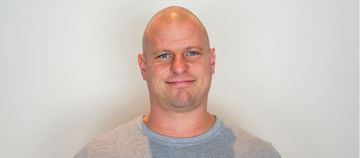
My name is Bart Wolbers from Light Therapy Insiders, and I’ll be guiding you through the science and practical application of light therapy throughout this course.
My Background
I’ve worked with Light Therapy Insiders for several years and previously with AlexFergus.com. My academic background includes:
- Bachelor’s degree in Physical Therapy
- Master’s degrees in Health Science, Philosophy, and Philosophy of Science & Technology
This course is built on scientific evidence, clinical reasoning, and real-world device use.
Why Light Therapy Matters
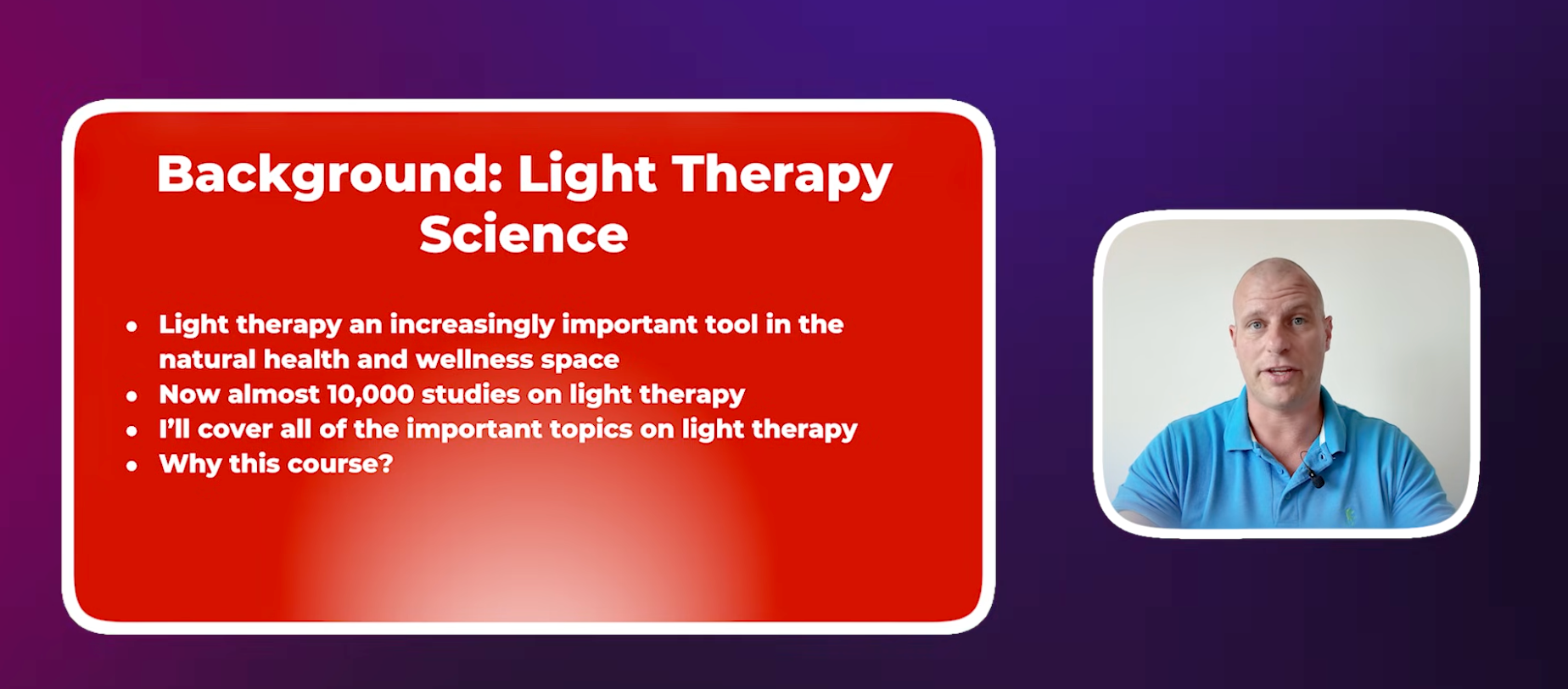
Light therapy is rapidly moving from the alternative health space into mainstream medicine. There are now nearly 10,000 published studies on light therapy, also known as photobiomodulation.
That volume of research can be overwhelming. The goal of this course is to distill the science into clear, practical guidance you can actually use.
Many of these studies are cataloged in Vladimir Heiskanen’s photobiomodulation research spreadsheet, alongside peer‑reviewed journals and clinical research databases.
Light as a Biological Input
For most of human history, humans lived largely outdoors and were exposed to natural light from sunrise to sunset. But since the early 1900s, we’ve shifted rapidly toward indoor living. Today, many people spend around 90–95% of their time inside, dramatically changing the amount and quality of light their bodies receive.Modern indoor lighting compounds the issue:
- Minimal red and infrared light
- No ultraviolet exposure
- Heavy bias toward blue and green wavelengths
- Constant screen exposure from phones and tablets
This environment is fundamentally different from that in which humans evolved.
What Is Photobiomodulation?
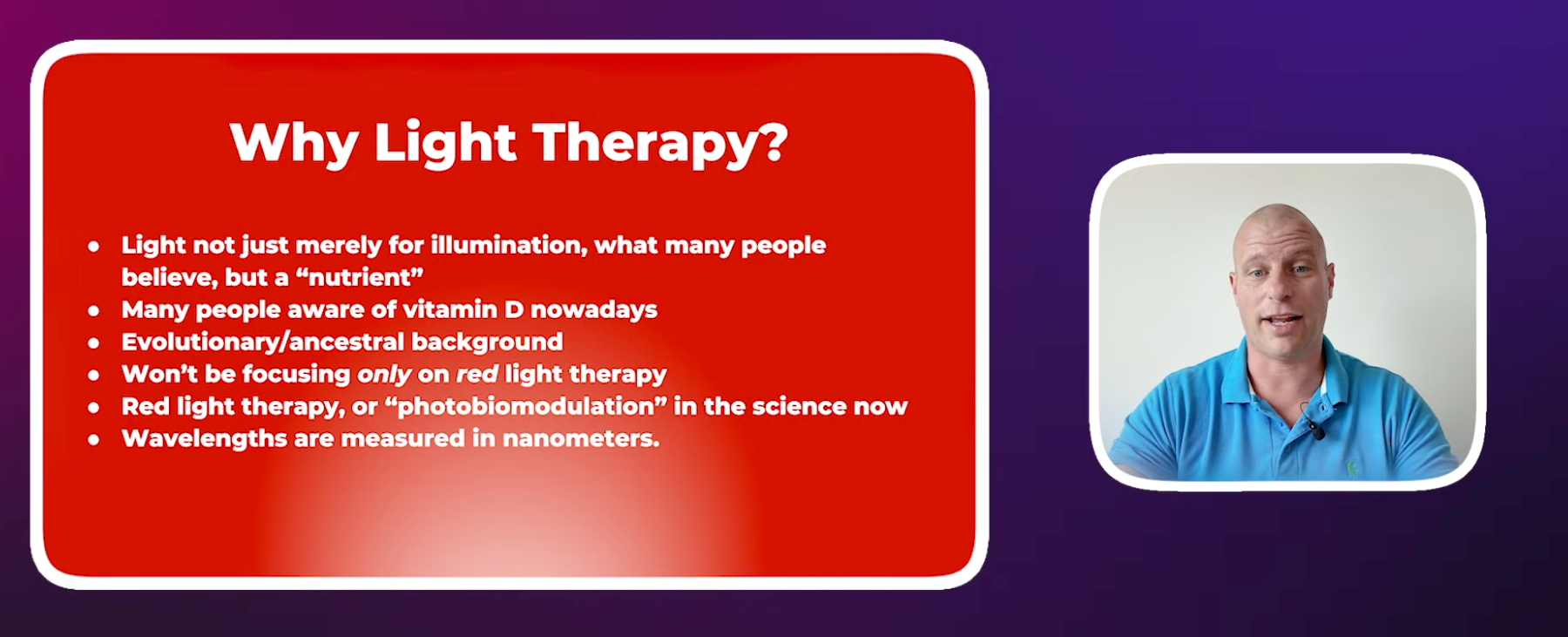
In scientific literature, light therapy is referred to as photobiomodulation.
Light is measured in wavelengths (nanometers):
- Blue light: ~400–500 nm
- Red light: ~600–700 nm
- Near‑infrared light: ~700–1350 nm
- Ultraviolet light: below ~400 nm
Exact cutoffs vary slightly, but these ranges are useful for understanding how different wavelengths interact with the body.
How Red & Near‑Infrared Light Works
Red and near‑infrared light influence the body through multiple biological pathways, including:
- Improved mitochondrial function (via cytochrome c oxidase)
- Increased cellular energy (ATP production)
- Reduced oxidative stress
- Improved blood flow and nitric oxide signaling
- Anti‑inflammatory effects
- Changes in gene expression and cell signaling
These mechanisms help explain why light therapy appears to support many different health goals.
Benefits — and Limits
Light therapy research supports potential benefits for:
- Workout recovery and physical performance
- Skin health and rejuvenation
- Dental pain, jaw pain, and sensitivity
- Mood and seasonal low mood
- Brain health and neurodegeneration
- Gut health and systemic inflammation
However, light therapy is not a cure‑all.
Certain conditions, such as active cancer, are generally considered contraindications without medical supervision. While light therapy may help manage side effects of cancer treatment, it should not be used casually in these cases.
What This Course Covers
This free course includes lessons on:
- Wavelengths and dosing
- Red, near‑infrared, blue, green, amber, and UV light
- Circadian rhythm optimization
- Brain, skin, gut, dental, and metabolic health
- Safety, protocols, and device use
Each applicable lesson includes practical treatment guidance and device recommendations.
How to Use the Course
You don’t need to watch every module in order.
Start with the fundamentals—such as wavelengths and dosing—then focus on the topics most relevant to your goals. If you’re already experienced, feel free to skip sections you’re comfortable with.
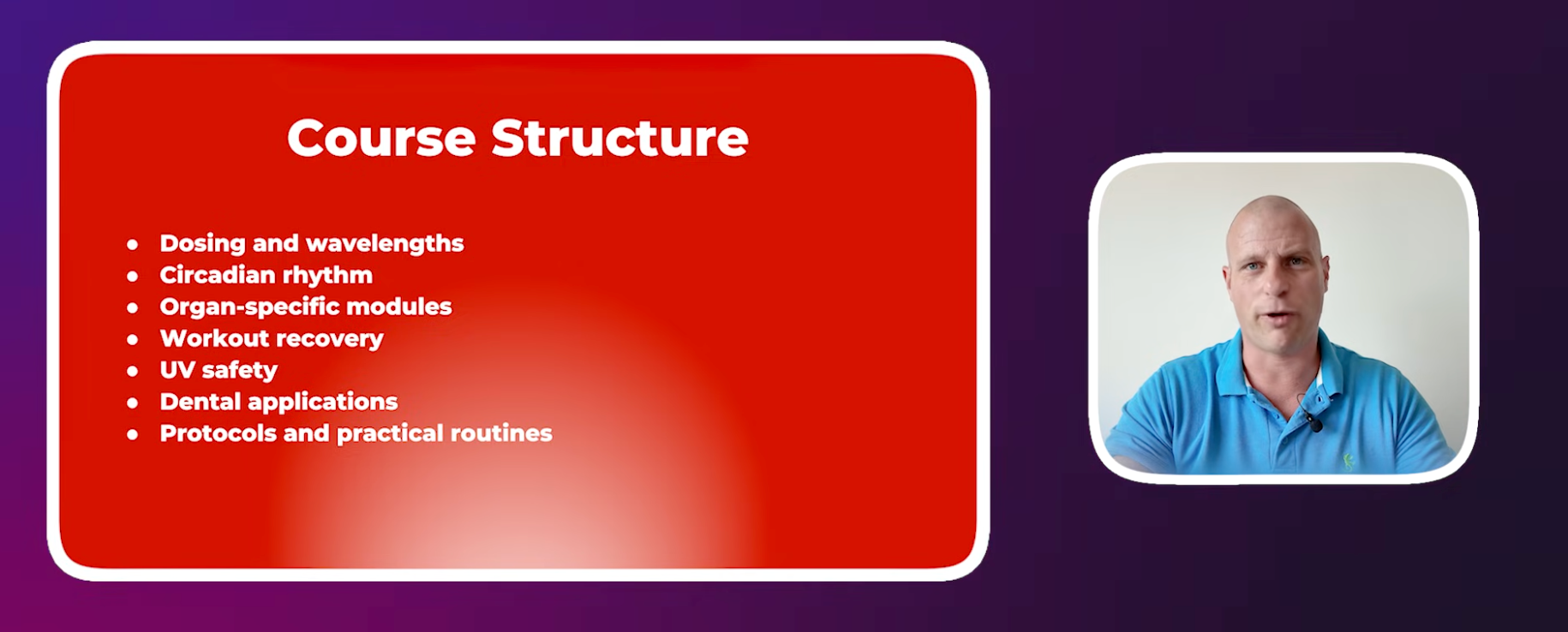
Modules include organ‑specific applications, workout recovery, UV safety, dental health, and circadian rhythm education.
Devices Discussed
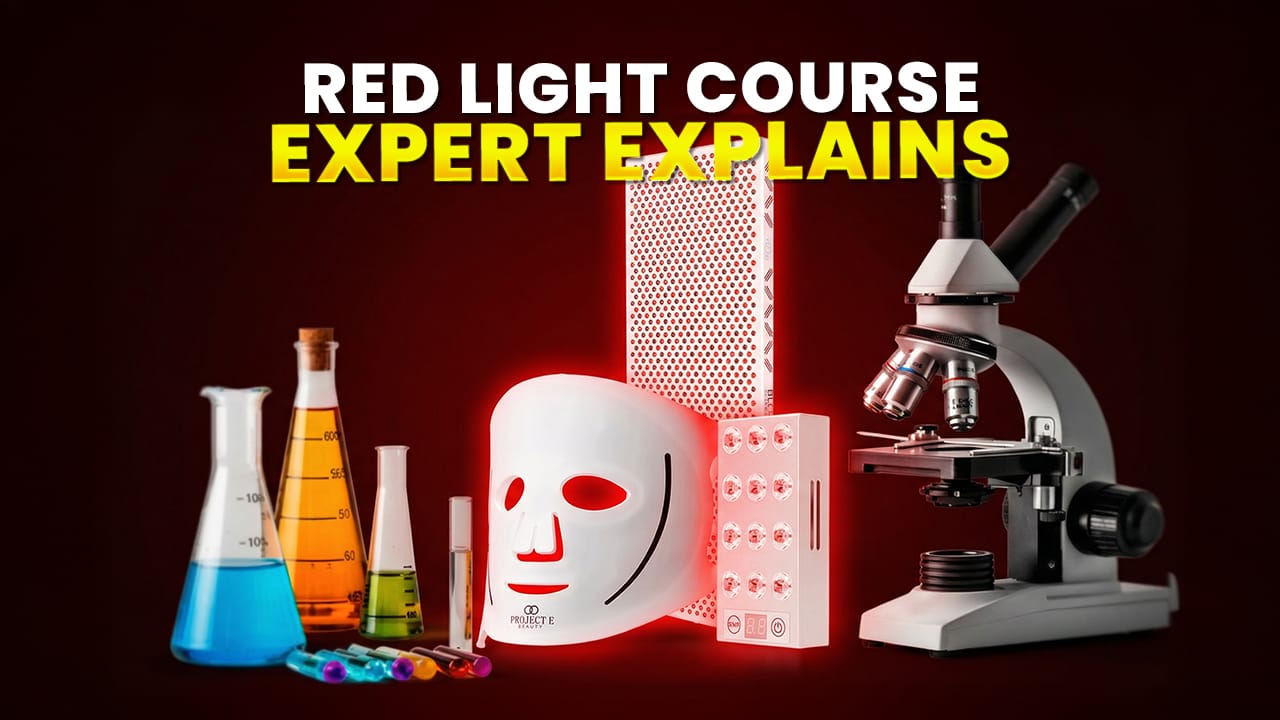
The course focuses primarily on consumer‑safe LED devices, including:
- LED panels
- Handheld devices
- Wearables
- Targeted devices (helmets, oral devices, torches)
High‑powered medical lasers exist but require training and can cause harm if misused. For most people, LED systems offer a much safer and more practical option.
What This Course Is — and Is Not
This course is:
- Evidence‑informed
- Practical and conservative in its claims
- Designed to evolve as research advances
This course is not:
- Medical advice
- A replacement for sunlight
- A tanning bed or infrared sauna guide
- Built on hype or miracle promises
Light therapy is one tool among many—alongside movement, sleep, nutrition, and lifestyle habits.
Final Thoughts
Light therapy is a complex and rapidly developing field. Be cautious of anyone offering overly simple answers or absolute claims.
If you have questions, please ask. I’m excited to guide you through the science and real‑world application of light therapy throughout this course.