
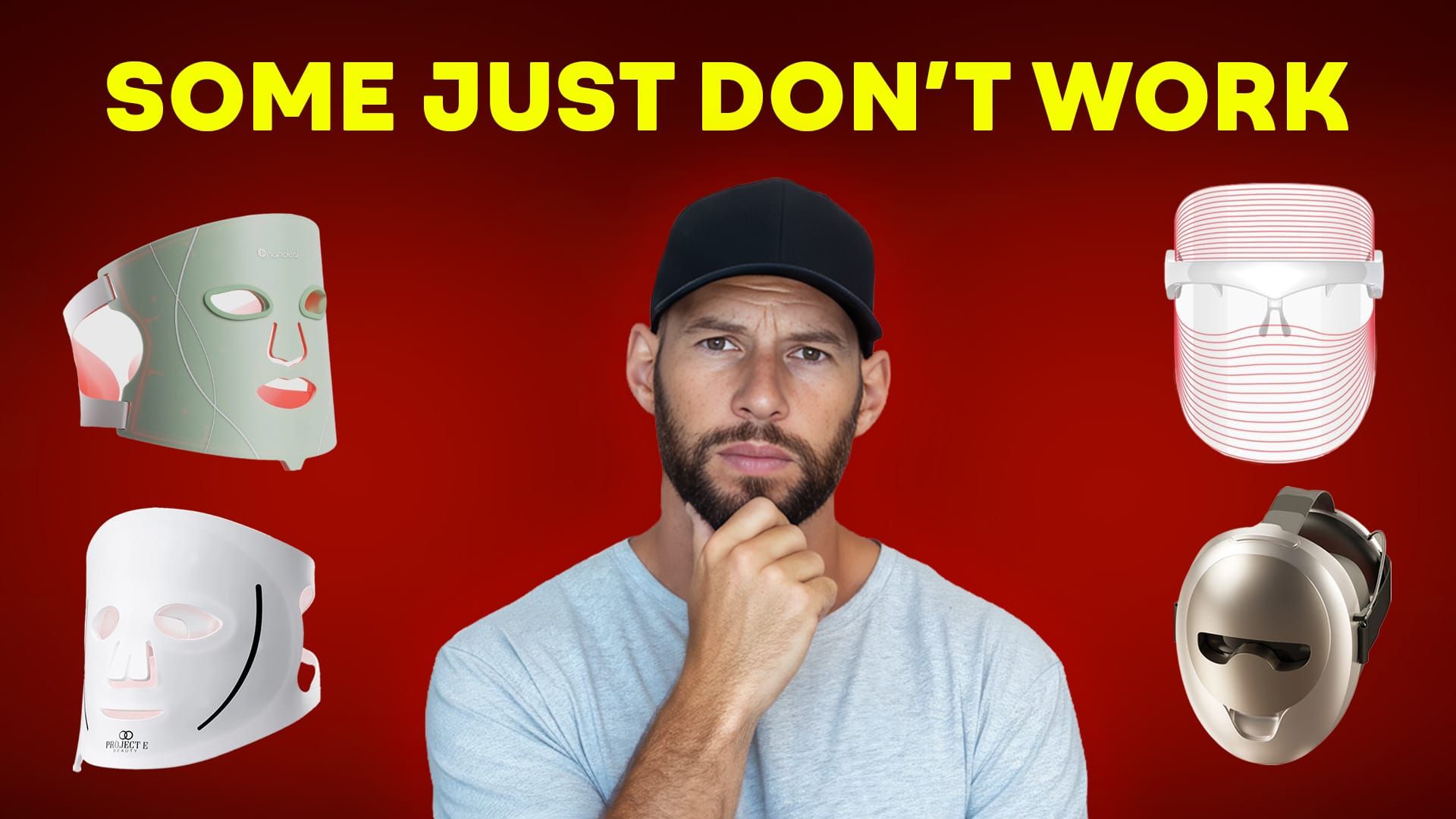
I test red light therapy devices for a living. One of the biggest surprises I keep encountering is that some red light therapy masks do not emit the correct amount of energy to deliver genuine skin benefits. Worse, other masks put out far too much. Neither extreme is good.
In this guide, I’ll explain why power output matters, how to tell if a mask is underpowered or overpowered, and how to calculate the dose your mask actually delivers. I also explain what to do if you already own a mask that is outside the optimal range.
If you wish to watch the YouTube version of this article, check:
Why Power Output Matters
Red light therapy works at the cellular level. Light in the red and near-infrared spectrum penetrates skin tissue, stimulating mitochondrial activity that can boost collagen production, reduce fine lines and wrinkles, and help calm inflammation.
However, for those mechanisms to take effect, we need the right amount of energy to be delivered to the skin. Too little and nothing happens. Too much can produce oxidative stress that shuts down processes or even irritates the skin.
This is not the same as sunburn — typical LED masks do not emit UV light — but the same principle applies: a dose that is too high can be harmful or completely ineffective. The scientific literature and clinical studies suggest a middle band of energy that elicits the desired cellular responses without overheating or overstimulating cells.
I cover numbers below and show practical ways to check and adjust doses:
Want Help Choosing a Red Light Mask? I built my Red Light Mask Guide. An interactive tool that compares the top masks side-by-side.
Key Dosing Terms You Need To Know
So here are some basic red light therapy dosing terms:
- Irradiance (radiance) — measured in milliwatts per centimeter squared (mW/cm2). This is a snapshot of power at a given moment. Think of it as the intensity of the light.
- Fluence (dose) — measured in joules per centimeter squared (J/cm2). This is the total energy delivered over time. Fluence = irradiance × time (in seconds) / 1000.
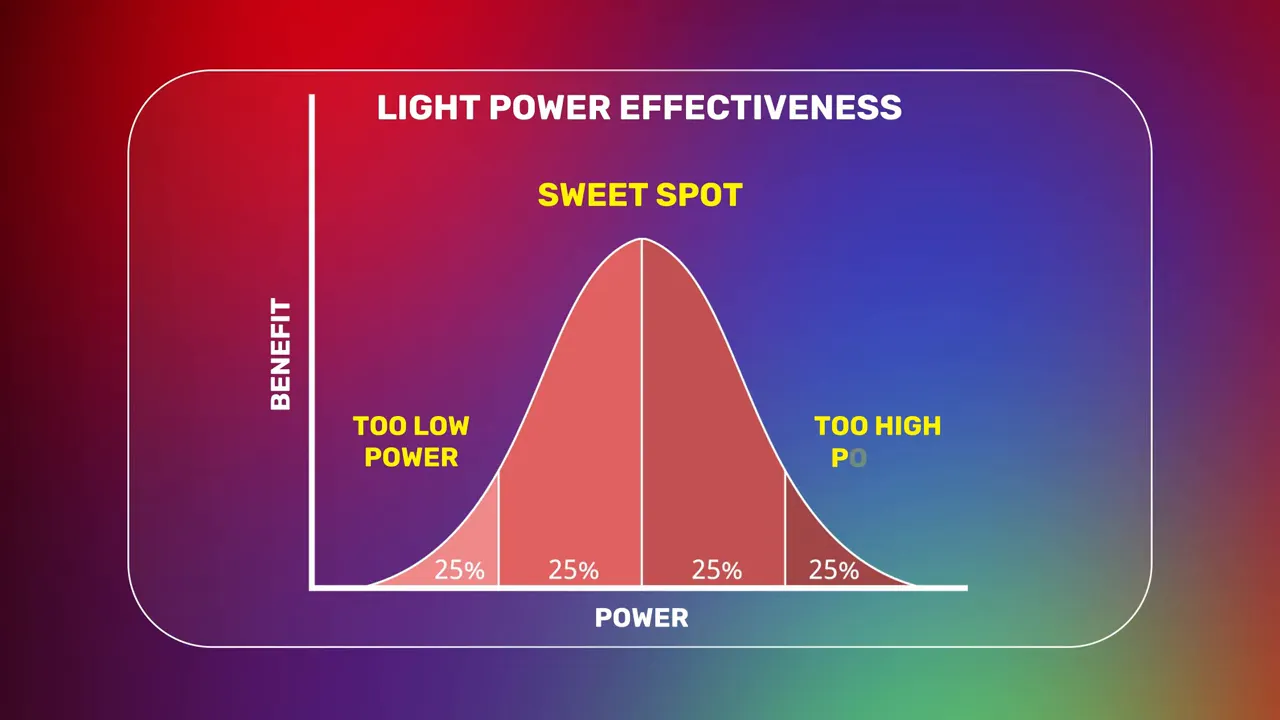
- Biphasic dose response — the concept that both too little and too much light are ineffective. There is a middle range where results are optimal.
The Therapeutic Sweet Spot For Skin Beauty & Health
Here's the sweet spot for therapeutic dosing, for skin beauty and health.
Based on the studies I follow and the real-world testing I’ve conducted, the optimal per-session fluence for skin and beauty outcomes appears to be around 5 to 9 J/cm².
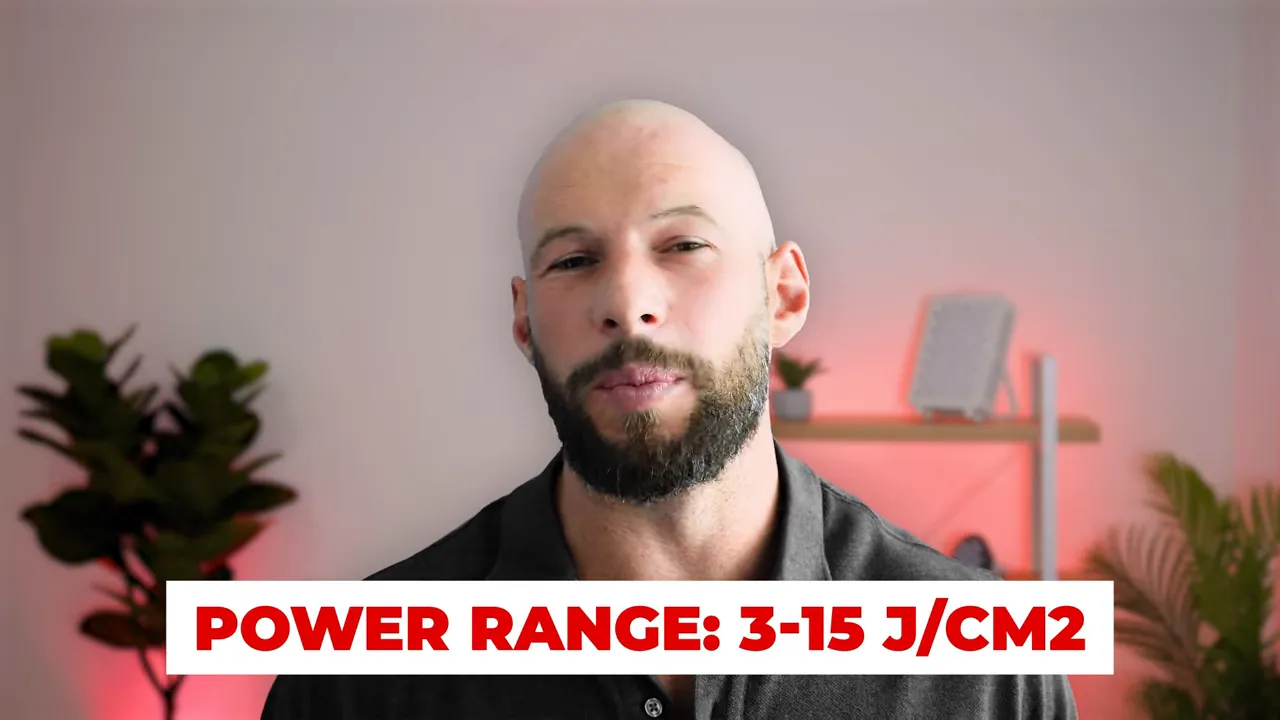
A slightly broader effective window could be roughly 3 to 15 J/cm2, depending on wavelength and treatment frequency.
- Below 1 J/cm2 per session is usually ineffective for anti-aging claims.
- Above 25 J/cm2 per session risks irritation, dryness, rashes, or simply zero benefit due to overstimulation.
Why this range?
At roughly 5 to 9 J/cm2, you stimulate mitochondrial pathways and fibroblast activity and trigger anti-inflammatory signals without creating heat buildup or causing cell suppression. Outside that window, you either under-stimulate or over-stress the tissue.
Common Problems: Underpowered And Overpowered Masks
There are two common errors I see across the market:
- Underpowered masks: These glow and appear legitimate, but emit only tiny irradiance figures, which translate into less than 1 J/cm² even after reasonable session times. Manufacturers sometimes cut corners by using low-quality LEDs, employing poor design, or conducting inadequate testing. The result is a mask that looks attractive on shelves but delivers no meaningful cellular change.
- Overpowered masks: These claim impressive numbers and can indeed produce very high irradiance. In contrast, high power can be beneficial for addressing deeper issues, such as joint or brain therapy, for surface facial skin, high irradiance often requires significantly reducing session time to avoid adverse effects.
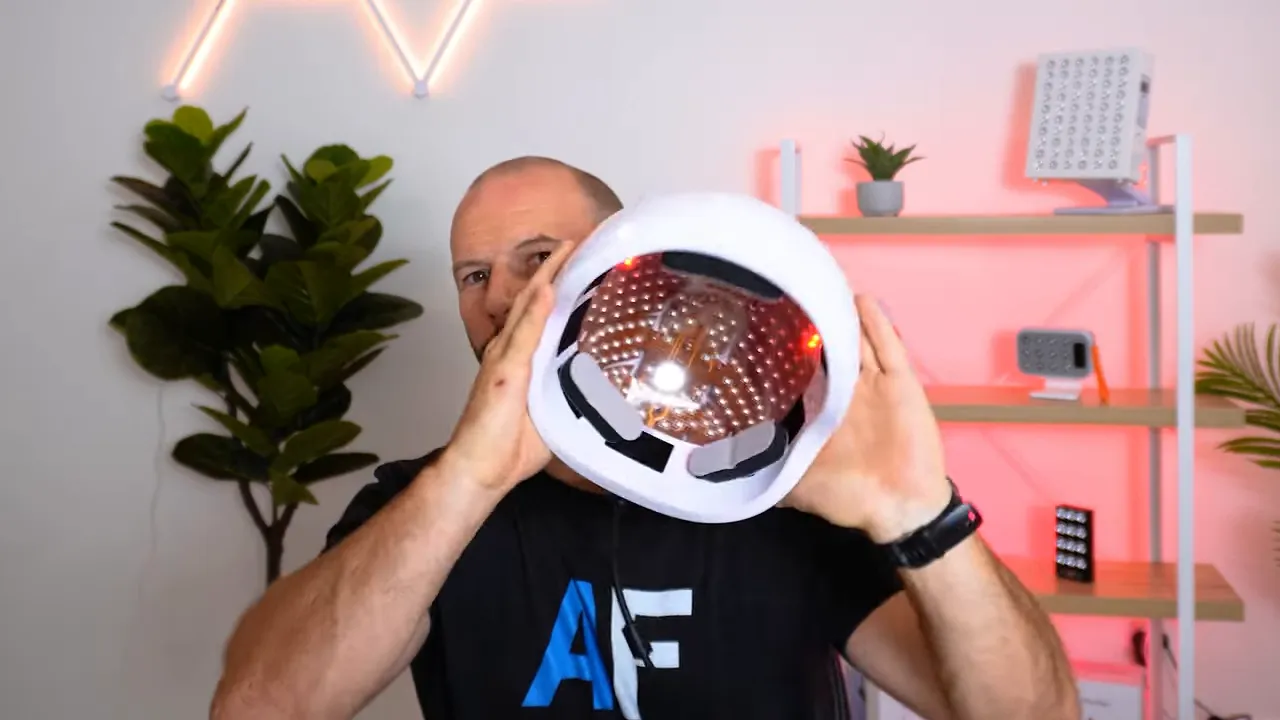
From my testing, masks that deliver 20 to 50 J/cm2 in one session often produce dryness or irritation, or just no positive change. On the other hand, masks that only achieve 0.5 to 1 J/cm² per session will not stimulate collagen production and are essentially useless for anti-aging purposes.
How to find out what works for you? Check:
How You Can Check Your Mask's Properties
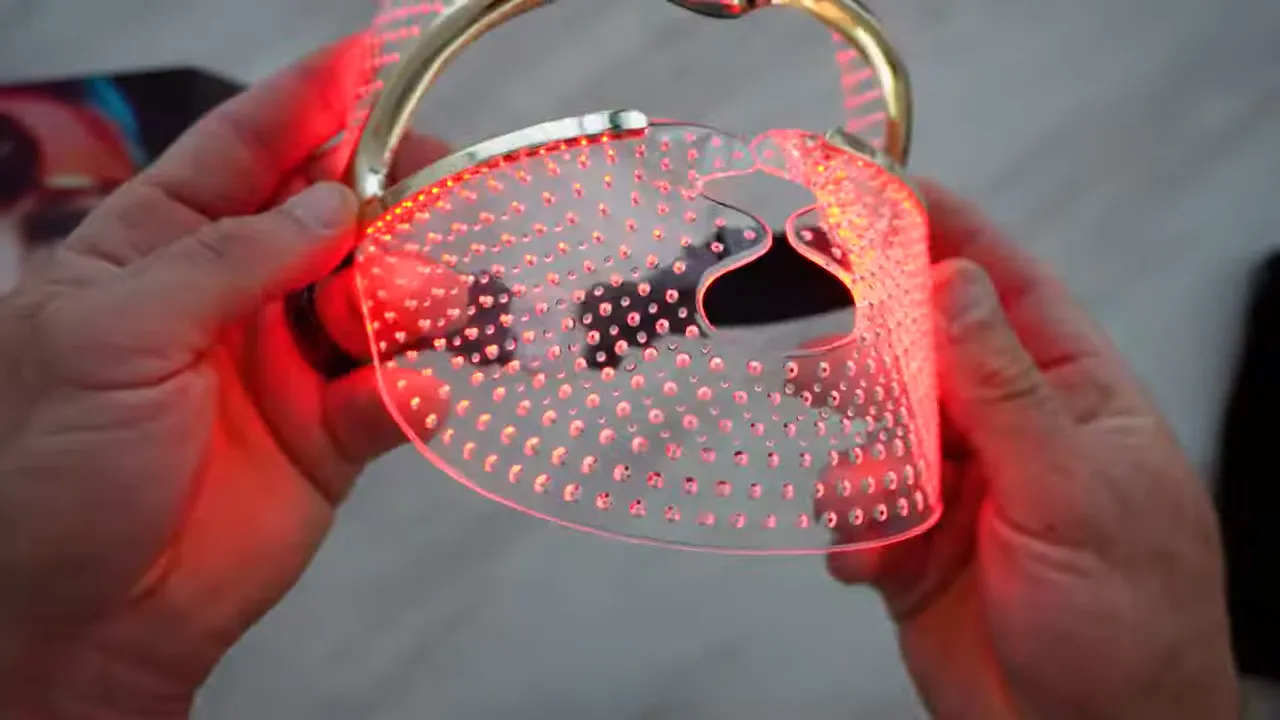
If you already own a mask and want to know whether it is delivering the right dose, here are three practical options:
- Read the manufacturer specs. Look for irradiance in mW/cm2 or fluence in J/cm2. If there is no number, consider that a red flag. If the number is present, be cautious: many manufacturers publish inaccurate or misleading figures because of poor testing standards or marketing exaggeration.
- Measure it yourself with a spectrometer. This is the most accurate approach. I use a spectrometer that costs around $5,000 to measure both wavelength and irradiance. For most users, buying a spectrometer is not cost-effective, but it is the gold standard.
- Use trusted independent reviews and comparison tools. I regularly test masks and publish irradiance and fluence numbers measured with calibrated equipment. A well-built comparison table or buyer's checklist from a reliable tester is a great way to find accurate numbers without buying specialized gear yourself.
Converting Irradiance Into Fluence: The Simple Formula
If you have an irradiance number (mW/cm2) but no fluence number, you can calculate the energy delivered using a simple formula:
Fluence (J/cm2) = Irradiance (mW/cm2) × Time (seconds) / 1000
Example: If your mask reads 30 mW/cm² at the skin surface, and you run a 200-second session (3 minutes and 20 seconds), the fluence is 30 × 200 / 1000 = 6 J/cm². That sits right inside the 5 to 9 J/cm2 sweet spot.
That means masks with high irradiance require very short sessions to reach the sweet spot, while masks with low irradiance require long sessions (often impractically long) to achieve therapeutic fluences.
Practical Dosing Guidelines
Here's what I recommend with regard to dosing, using masks:
- Aim for roughly 5 to 9 J/cm2 per session for facial skin and beauty goals. A practical range to accept is approximately 3 to 14 J/cm2 depending on your device and sensitivity.
- Avoid masks that deliver less than 1 J/cm2 per session — they are unlikely to produce results.
- Avoid masks that deliver above ~25 J/cm2 per session unless you reduce session time — these higher cumulative doses can cause negative effects.
- Typical irradiance ranges that make sense for masks are roughly 10–50 mW/cm2. Again, the session length will change your final fluence.
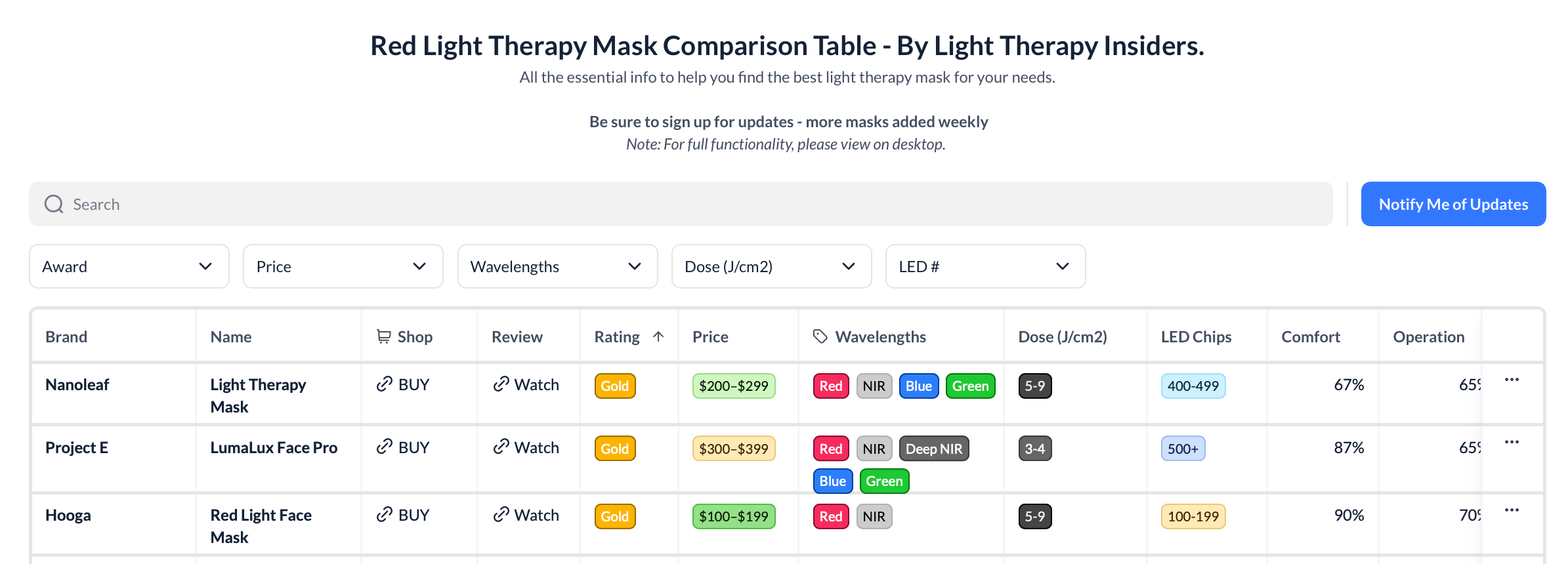
☝️ Use my Mask Comparison Table ☝
Access all my data on each mask
Compare different masks side by side
Search by price, wavelengths, and more
Links to my reviews and discount codes
What To Do If Your Mask is Too Powerful Or Too Weak
There are a few solutions. If your mask is too powerful, then:
- Reduce session time. If a mask delivers twice the ideal fluence within the published session time, run it for half the time. For example, a mask that delivers 12 J/cm² in 10 minutes should be used for 5 minutes to achieve a dose of approximately 6 J/cm².
- Use it less frequently until you understand how your skin responds. Monitor for dryness, redness, or texture changes and adjust.
If your mask is underpowered:
- There is no practical solution other than using extremely long sessions, which is inconvenient and may still not reach effective doses. In most cases, I recommend returning or replacing underpowered masks with one that has verified irradiance and fluence numbers.
- Check independent reviews to confirm which models are underpowered before buying. Many budget masks on marketplaces are underpowered.
Which Models To Avoid & What To Watch For
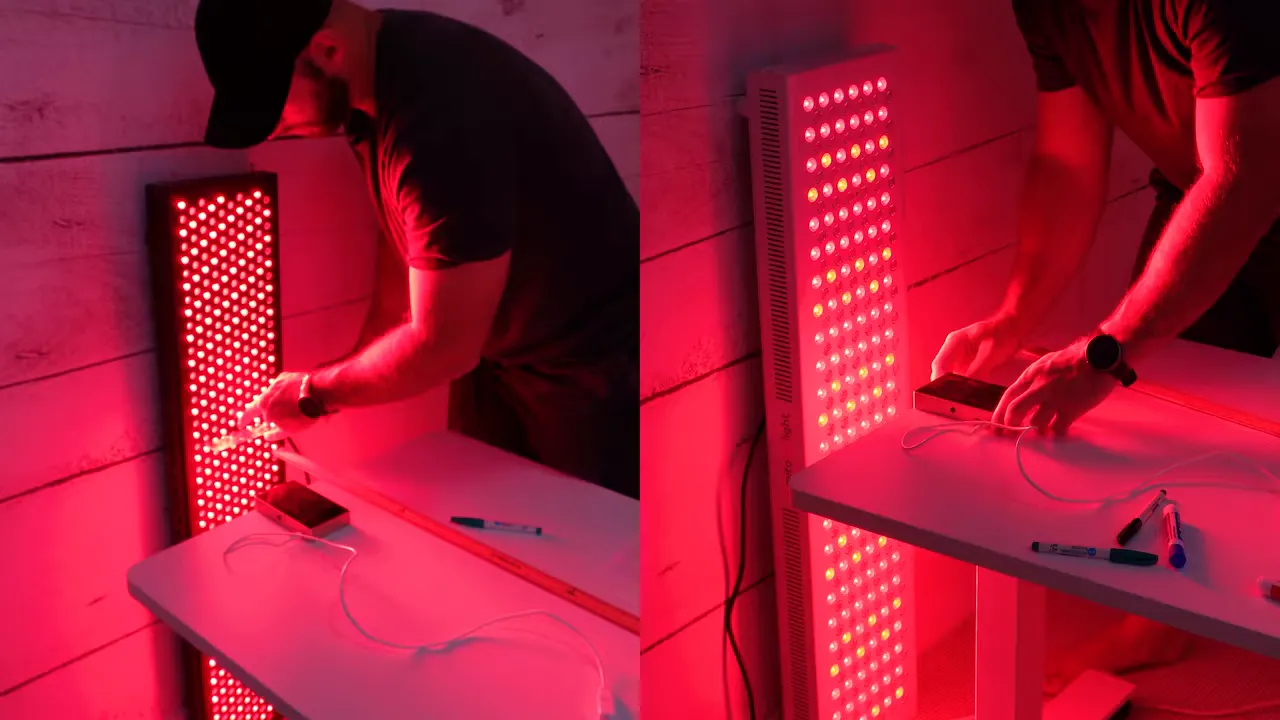
From my testing, several ultra-low-powered masks are common culprits. Examples include specific low-cost masks sold on major marketplaces and some budget-branded models that glow but do not deliver therapeutic fluence.
A few specific models I have reviewed have consistently shown underpowered readings. If a mask has no published irradiance or fluence numbers or the numbers seem suspiciously low, treat that as a serious warning sign.
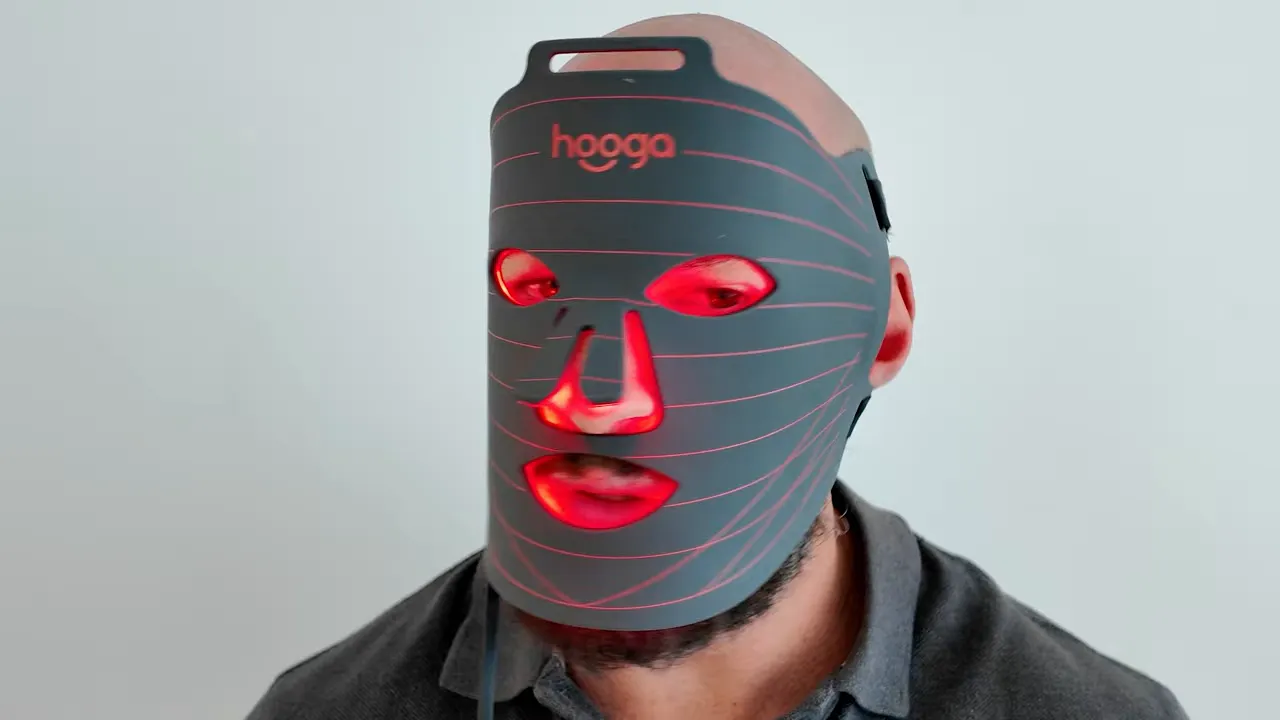
Conversely, some premium masks can be so powerful that you may need to shorten your sessions. That is not a fatal issue — it is an easy fix — but you need the device’s real-world numbers so you can calculate the correct session time.
Conclusion: Final Checklist Before Buying A Mask
To make things simple, here's what I would look out for when buying a mask:
- Look for measured irradiance (mW/cm2) or fluence (J/cm2) from independent testing.
- Avoid devices with no published numbers or unverifiable claims.
- I prefer devices that fall into the practical irradiance band (roughly 10 to 50 mW/cm2) so you can achieve 5 to 9 J/cm2 in reasonable session times.
- If a device is high-powered, learn how to halve session time safely. You'll generally need to shorten the usage time.
- Check user reviews and independent lab tests rather than relying solely on marketing copy.
Want Help Choosing a Red Light Mask? I built my Red Light Mask Guide. An interactive tool that compares the top masks side by side.
Also, if you want a full body treatment, you may want to consider a panel:
Check out this epic Shopping Tool, years in the making! You can filter products by price, number of LEDs, total power, irradiance, height, width, warranty, company, the company's location, warehouse, year released, pulsing, flicker, modular support, EMF, built-in timer, multi-chip LEDs, stands included, specific wavelengths, shipping, value, noise level, and more!
Want To Grab A Mask? Check The Options Below:
🔥 For an Amazon AYSUNY Light Therapy Mask
🔥 Foreo FAQ202 Mask, or other products: use code ALEXFER30
🔥 Rojo Refine Oro or The Rojo Dorada, use code ALEX
🔥 Project E Beauty LED Face Mask, use code ALEX15 for 15% off
🔥 For a Hooga Red Light Therapy Mask or any product, click and the 12% discount is auto-applied at checkout.
🔥 NanoLeaf use code ALEX10 for 10% off
🔥 Omnilux LED Masks, such as the Contour or the Men's mask - click the link for 10% off (auto-applied)
🔥 Block Blue Light Face Mask, use this link to save 15% (discount is auto-applied)
Found This Interesting? Look At These Articles
🔴 The Red Light Therapy Facial Fat Loss Link: Myth Or Reality?
🔴 Does Red Light Therapy Help Scars? The Science
🔴 Light Therapy For Migraines 101: Why The Research Is Super Promising!
🔴 Psoriasis With Red Light Therapy: Potential Game-Changer?
Have You Seen These Reviews
🔴 Rouge G4 Pro Review: Most Advanced Red Light Panel Yet?
🔴 Best Red Light Panel Yet? Block Blue Light Mega Review
🔴 $800 Red Light Mask Has Lasers… But Why?
🔴 Omnilux Contour Mask Review: Still Worth It in 2025?
Alex's Bio
Alex Fergus wrote this blog post. Alex is an ISSN Sports Nutrition Specialist, Fitness Professional, and certified Superhuman Coach who continues to expand his knowledge base and help people worldwide with their health and wellness. Alex is recognized as the National Record Holder in Powerlifting and Indoor Rowing and has earned the title of the Australian National Natural Bodybuilding Champion. Having worked as a health coach and personal trainer for over a decade, Alex now researches all things health and wellness and shares his findings on this blog.