
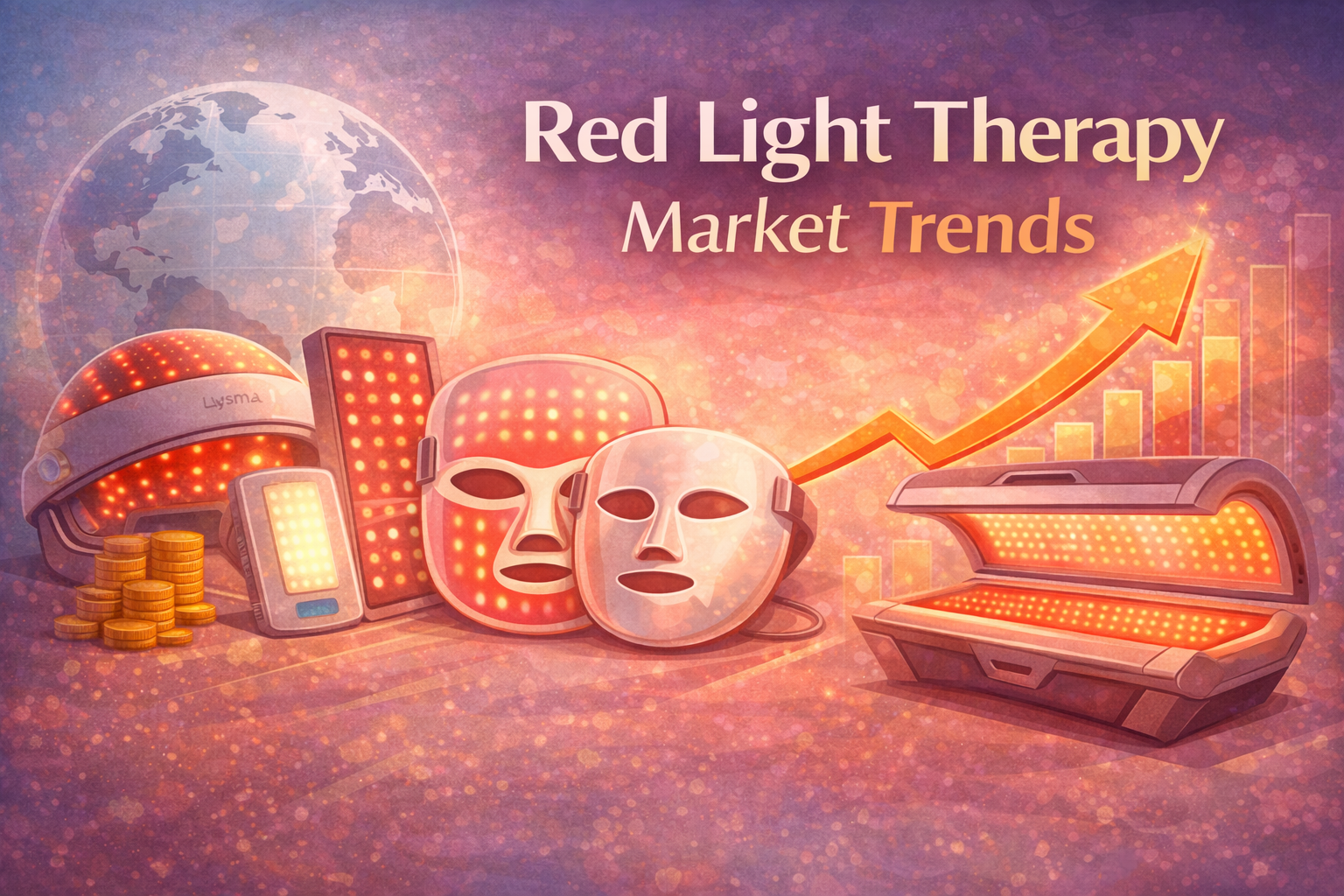
Red light therapy is rapidly evolving from a niche wellness trend into a significant market force across health, beauty, and fitness sectors. According to Light Therapy Insiders, market activity shows rapid expansion and broadening consumer adoption, driven by rising interest in non-invasive therapeutic and aesthetic benefits.
The report highlights that both commercial and at-home applications are gaining traction, as devices originally used in clinical and spa settings are now mainstream consumer products. This growth reflects broader wellness trends, with users embracing red light therapy for everything from skin rejuvenation and anti-aging to inflammation reduction and muscle recovery.
Technological improvements and marketing amplification through social media are further accelerating demand. The analysis situates red light therapy within a wider light therapy ecosystem that continues to diversify and expand, presenting opportunities for manufacturers, clinicians, and wellness brands alike.
Red Light Therapy Beauty Market Report
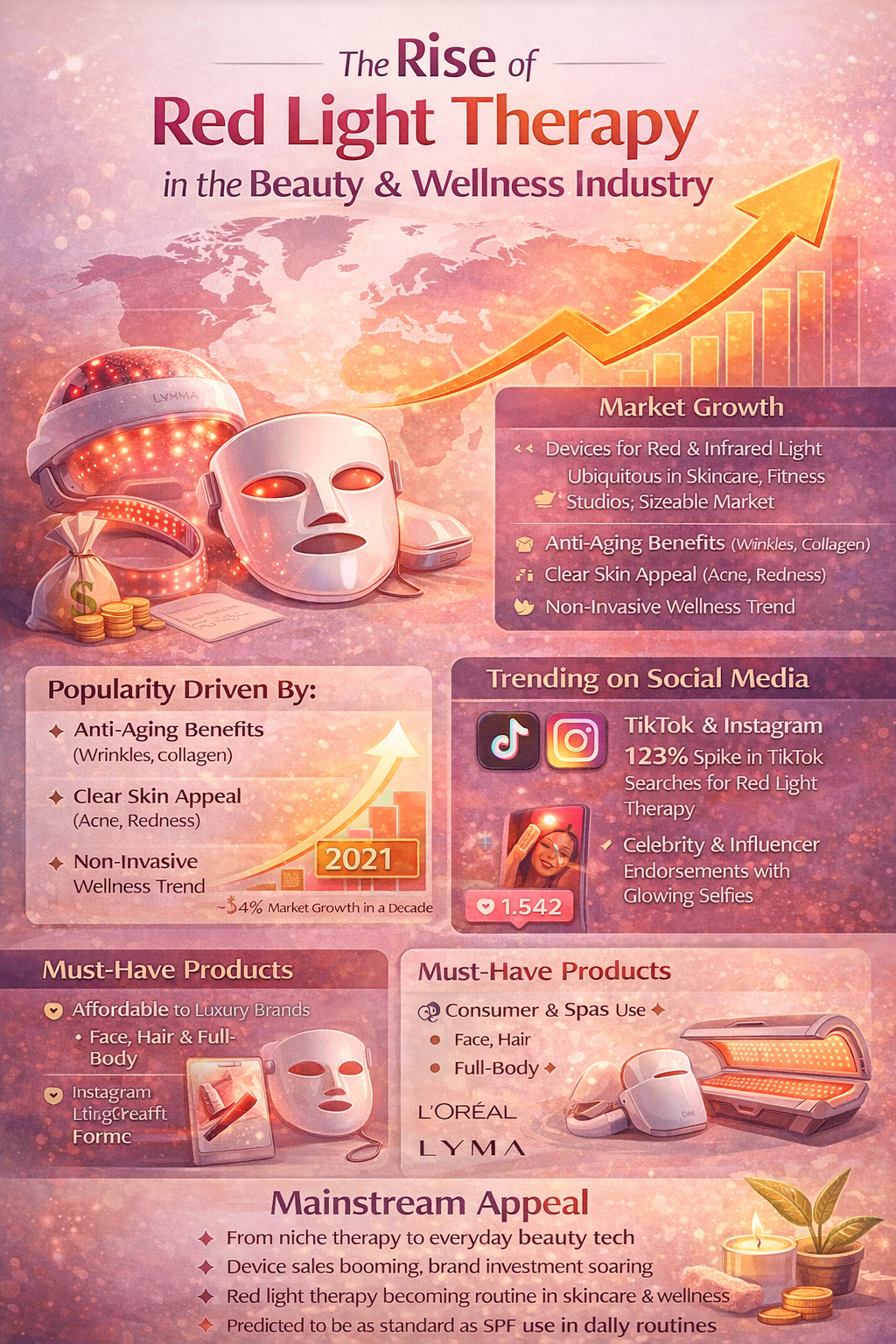
Red light therapy has rapidly moved from a niche, clinical treatment into a mainstream beauty-tech phenomenon, becoming a major business opportunity for consumer and luxury brands alike. Once mainly the province of spas and high-end wellness clinics, devices that deliver red and infrared light are now ubiquitous across at-home skincare routines, fitness studios, and even gyms. The global light therapy market is projected to reach $802.7 million by 2031, up from about $521 million in 2021, illustrating significant commercial momentum.
The surge in popularity stems from both beauty trends and shifting consumer priorities. Red light therapy is marketed for its potential to reduce inflammation, minimize acne, smooth wrinkles, and stimulate collagen production — benefits that visibly intersect with core skincare concerns. Social media platforms like TikTok and Instagram have greatly amplified awareness, with “red light therapy” searches spiking dramatically (e.g., a reported 123% increase on TikTok in recent months). Celebrities and influencers showcasing glowing-red-light selfies have helped cement these devices as a social-media friendly beauty staple.
This cultural shift aligns with a broader move toward holistic, non-invasive wellness practices. Consumers are increasingly interested in treatments that support long-term health and beauty without surgery or aggressive procedures, blending cosmetic and wellness narratives. Experts quoted in the article suggest that red light therapy’s appeal goes beyond superficial fixes to sit within a wellness lifestyle that values “healing from within.”
Brands across the spectrum are capitalizing on this growth. Companies like CurrentBody have seen sales triple in just a few years thanks to red-light products ranging from face masks to hair-growth helmets. High-end players such as Lyma are pushing luxury devices with premium pricing, attracting celebrity endorsements and long waiting lists. Beauty conglomerates like L’Oréal Group are also entering the space, planning their own red-light tools and signaling mainstream market confidence.
Curious about some of the CurrentBody options? Check:
 Alex Fergus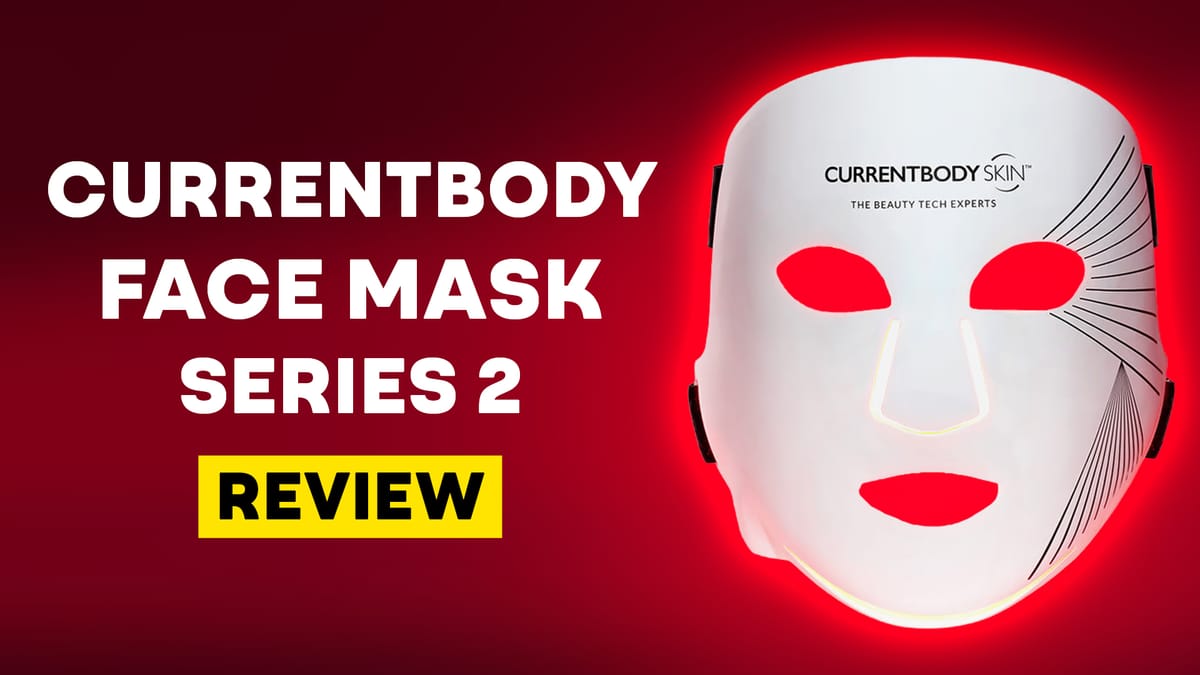
 Alex Fergus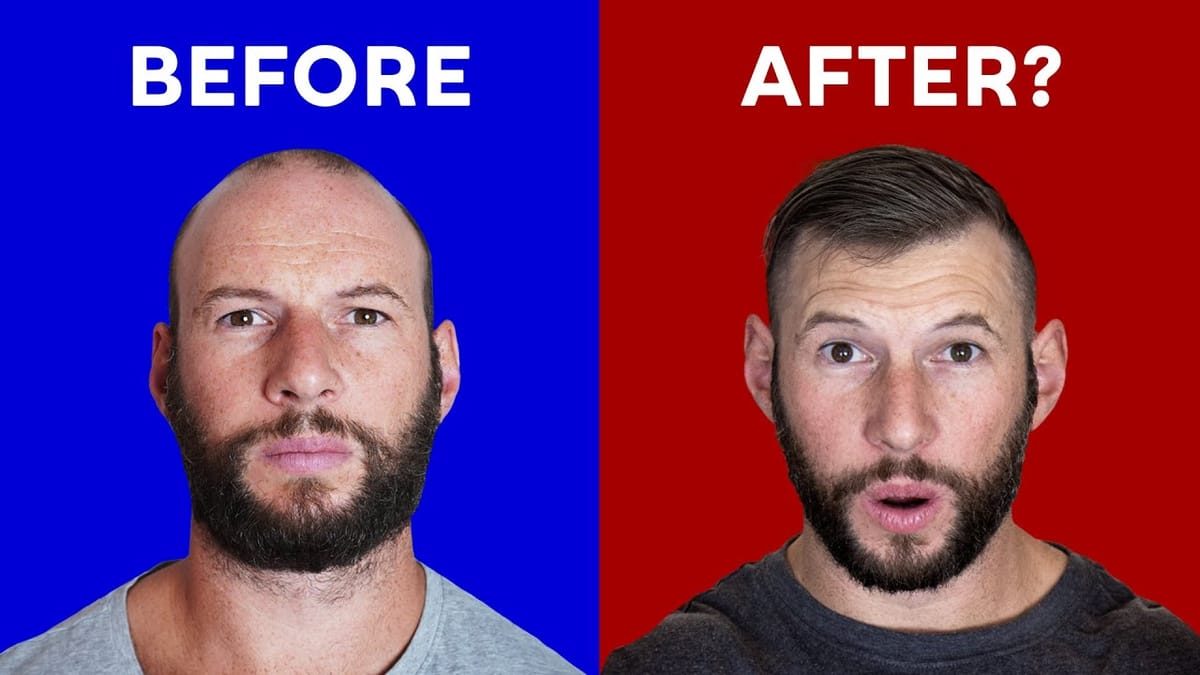
Market expansion is not limited to face devices — red light therapy is now featured in whole-body tools, wearable tech, and fitness facilities, further embedding the technology into daily life. Additionally, consumer trials in spas and wellness centers are rising, showing robust demand across geographies and demographics.
Overall, what began as a technical modality has become a cultural and commercial force in beauty and wellness, with experts predicting it will become as standard a practice as cleansing or SPF use in daily routines.
Red Light Therapy Beds Market (2025 - 2033) Developments
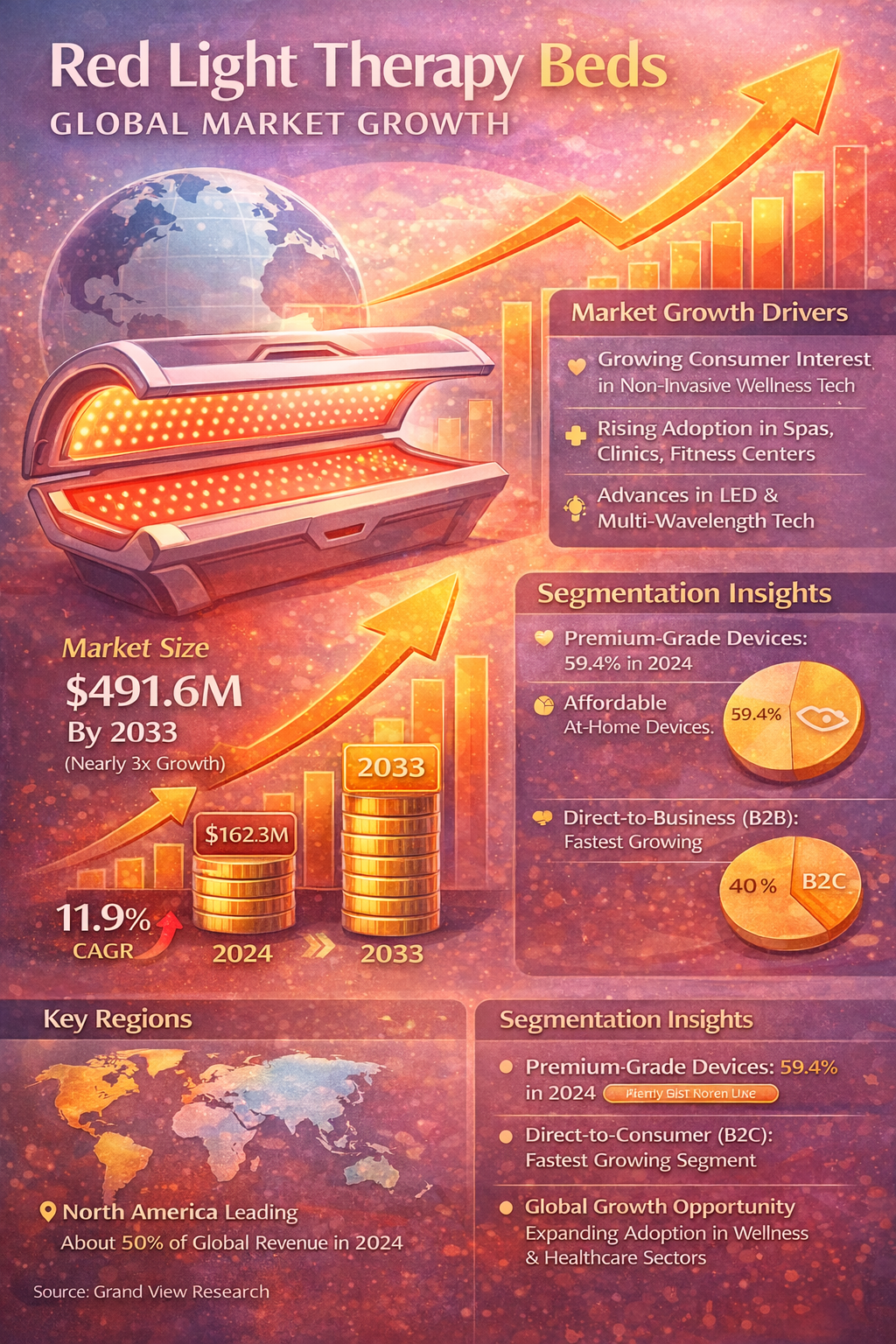
The global red light therapy beds market is on a robust growth trajectory, driven by expanding consumer interest in non-invasive wellness technologies and increasing adoption of light-based therapeutic solutions across both professional and home settings. According to Grand View Research, the market was valued at approximately USD 162.3 million in 2024 and is projected to nearly triple to USD 491.6 million by 2033, representing a compound annual growth rate (CAGR) of 11.9% from 2025 to 2033.
Market Drivers and Trends:
Growth in the red light therapy beds industry is being fueled by several interrelated trends. Rising consumer awareness of the health benefits associated with red and near-infrared light—such as enhanced cellular activity, improved circulation, collagen synthesis, tissue repair, and reduced inflammation—has increased demand for therapeutic solutions that are non-invasive and perceived as safer alternatives to surgical procedures.
Wellness sectors including spas, medical clinics, fitness centers, and even lifestyle businesses like barber shops are integrating red light therapy beds into their service portfolios to attract health-conscious clients seeking recovery, anti-aging, and general well-being treatments. Seasonal marketing campaigns and promotional initiatives from manufacturers also raise public engagement and awareness, further stimulating demand.
Segmentation Insights:
The market segmentation highlights premium-grade devices as the dominant product class, holding the largest share (about 59.4% in 2024) due to their higher light output, advanced features, multi-wavelength technology, and strong adoption in high-end clinics and wellness facilities. In contrast, economical and budget-friendly segments are forecast to grow at a slightly faster rate as cost-sensitive consumers seek affordable, at-home therapy options.
In terms of sales channels, direct manufacturer sales currently account for the largest share, enabling better product certification, technical clarity, and support. However, direct-to-consumer channels—especially via online platforms—are expected to grow rapidly, driven by convenience, accessibility, and rising interest in home wellness technologies.
End-Use and Regional Dynamics:
The business-to-business (B2B) segment remains the largest end-use category as clinics, spas, and sports recovery centers adopt these beds in bulk. Yet, the business-to-consumer (B2C) segment is gaining momentum as individuals increasingly invest in personal wellness devices.
Geographically, North America dominates the market, holding nearly half of global revenue in 2024, supported by high consumer awareness, established wellness culture, and strong commercial adoption. The Asia Pacific region is identified as the fastest-growing market, reflecting rising disposable incomes, urbanization, and increasing demand for advanced therapeutic technologies.
Industry Dynamics:
Innovation in LED technology, customizable settings, app integration, and multi-wavelength solutions are enhancing device performance and user experience, contributing to this sector’s expansion. Strategic partnerships across hospitality, fitness, and healthcare sectors are also broadening market reach and credibility. Regulatory approval (e.g., FDA clearances) further supports market trust and facilitates wider adoption.
In summary, the red light therapy beds market is experiencing sustained growth, backed by technological advancements, expanding use cases in wellness and clinical environments, and shifting consumer preferences toward safer, non-invasive health solutions.
Want more info on red light therapy beds? Check these groundbreaking studies here:
 Bart Wolbers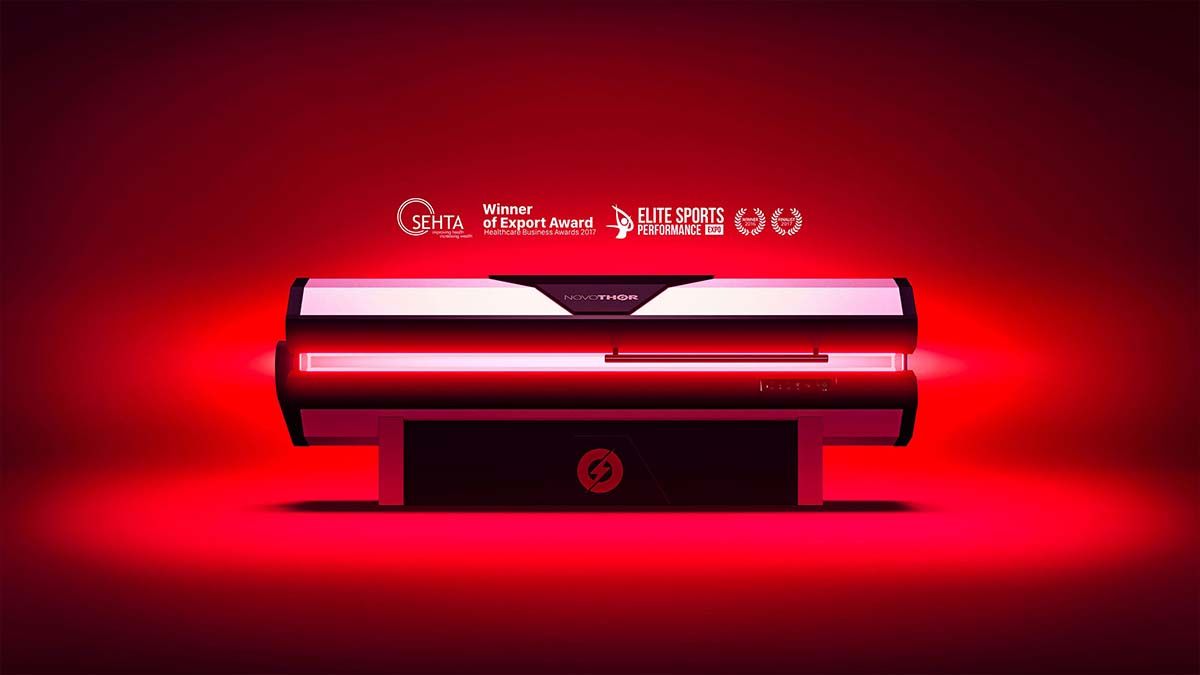
The Light Therapy Market Overall: Expansive Global Trends
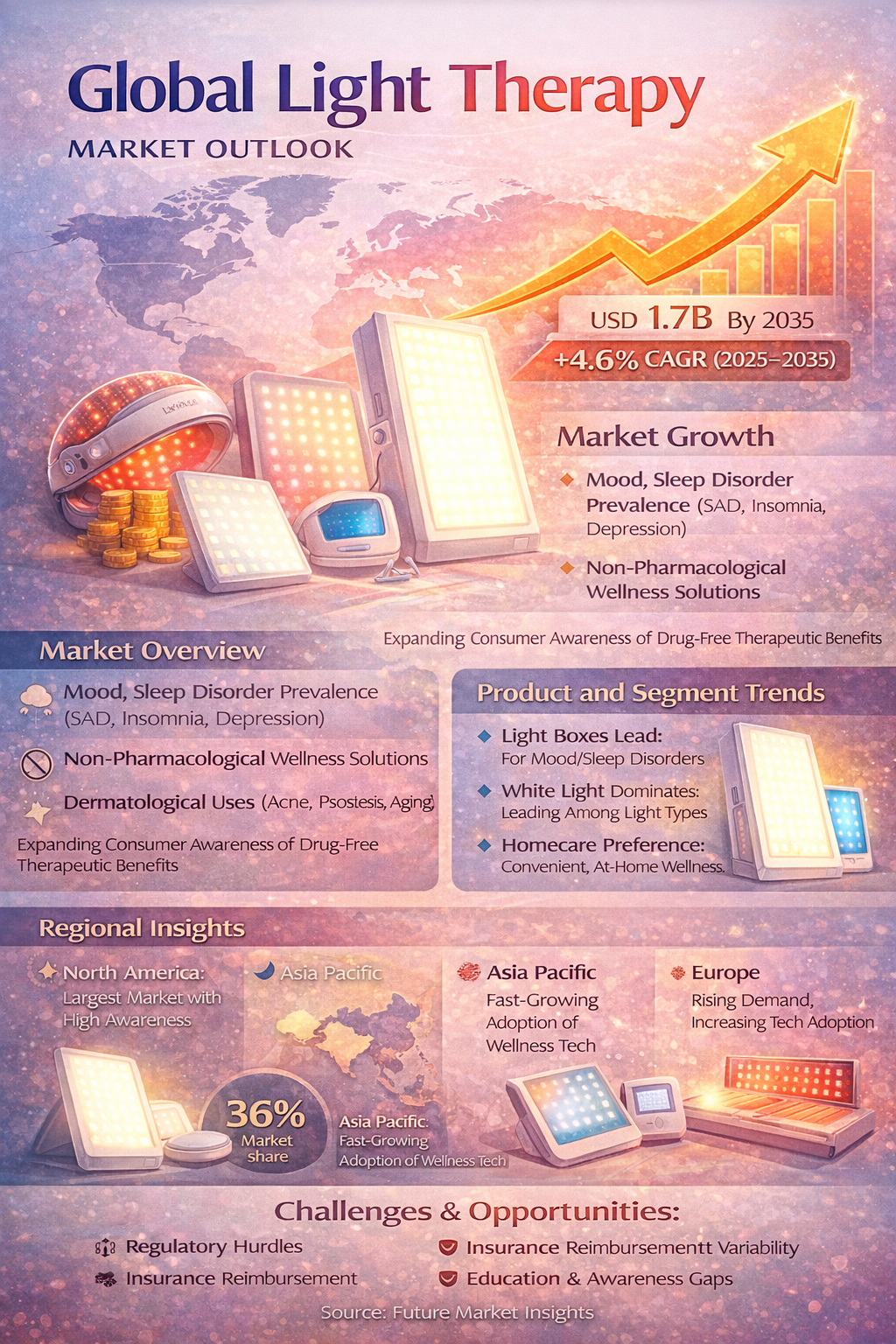
The global light therapy market is poised for steady expansion over the next decade, driven by rising awareness of non-pharmacological treatments, growing consumer focus on health and wellness, and increasing adoption of home-based therapy devices. According to Future Market Insights, the market was valued at approximately USD 1.1 billion in 2025 and is projected to reach around USD 1.7 billion by 2035, exhibiting a compound annual growth rate (CAGR) of about 4.6% through 2035.
Market Growth Drivers:
Several key factors are fueling this growth. A notable driver is the rising prevalence of mood and sleep disorders such as Seasonal Affective Disorder (SAD), insomnia, and depression, for which light therapy devices—especially white light boxes—are widely recommended. The increasing preference for non-invasive, drug-free treatments has boosted demand for therapeutic light solutions, making them attractive alternatives to traditional medications or invasive interventions.
In addition to mental health applications, light therapy is also gaining traction in dermatology and skin care, where specific wavelengths of light (e.g., blue and red light) are used to treat conditions like acne, psoriasis, eczema, and signs of aging. Expanding consumer awareness of these therapeutic benefits—augmented by marketing, educational campaigns, and endorsements from healthcare professionals—has broadened the user base significantly.
Product and Segment Trends:
The market is segmented by product type, light type, and end user. Light boxes are dominant, accounting for the largest share of revenue due to their proven efficacy in mood disorder treatments and their widespread use in homecare environments. White light therapy leads among light types because of its effectiveness in regulating circadian rhythms and improving mood, particularly for SAD and winter-related blues.
Homecare settings are a major end-user category, reflecting consumers’ growing preference for convenient, at-home wellness solutions that can be integrated into daily routines. Device portability, ease of use, and remote monitoring options enhance adoption in this segment.
Regional Insights:
North America is expected to remain the largest regional market, supported by strong healthcare infrastructure, high public awareness of light therapy benefits, and early adoption of innovative devices. Regions such as Asia Pacific and Europe are also projected to witness significant growth as awareness spreads and disposable incomes increase, enabling broader adoption of novel light therapy technologies.
Innovation and Technology:
Technological advancements—such as energy-efficient LEDs, customizable intensity settings, wearable devices, and smart, app-integrated solutions—are enhancing the effectiveness and appeal of light therapy products. These innovations are not only expanding clinical applications but also improving consumer engagement and personalization.
Challenges and Opportunities:
Despite growth prospects, the industry faces challenges, including regulatory hurdles, variable insurance reimbursement policies, and consumer education gaps in some regions. Nonetheless, ongoing innovation and increasing integration of light therapy into wellness programs and clinical protocols present substantial opportunities for expansion across both medical and consumer segments.
Want More Info On What The Red Light Therapy Market Will Look Like From 2026 To The 2030s?
Check Alex Fergus' 7 most important predictions here:
 Alex Fergus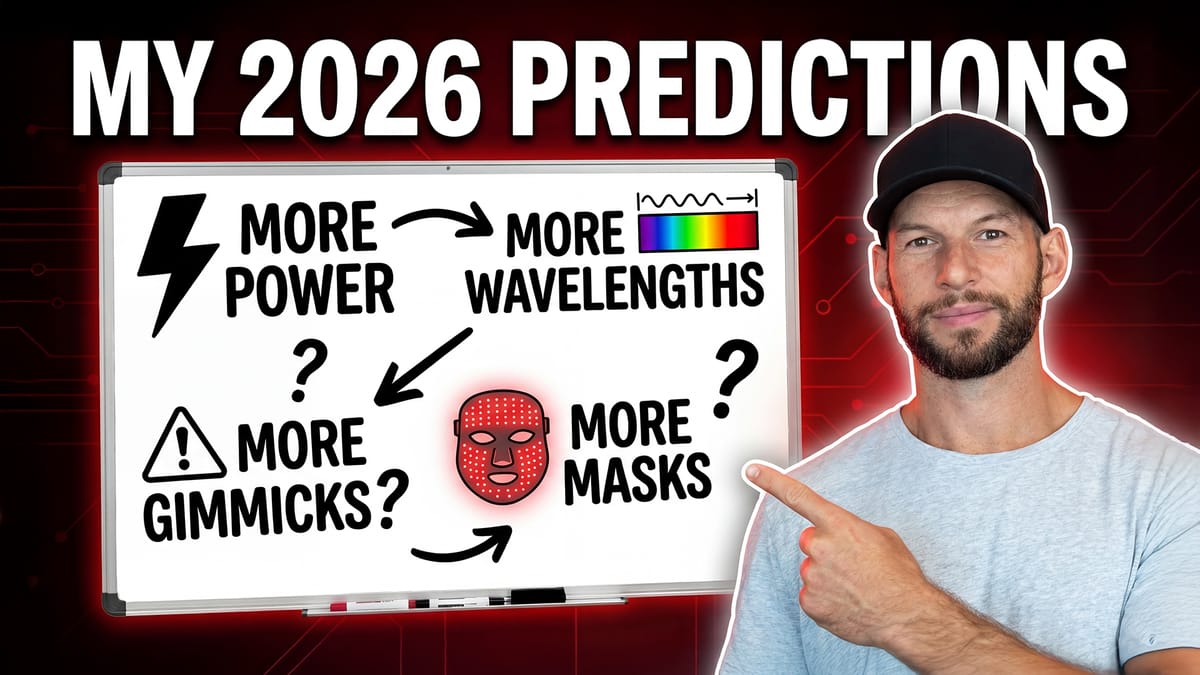
Breaking Down Counterarguments To This Market Trends Article
You may have some counterarguments against this article. For instance, you may state that we rely too strongly on marketing hype rather than clinical validation. Or that there's variability in device quality, lack of regulatory oversight, and inconsistent clinical evidence. Many consumer devices are FDA-cleared rather than FDA-approved — a distinction that carries weight in terms of demonstrated efficacy.
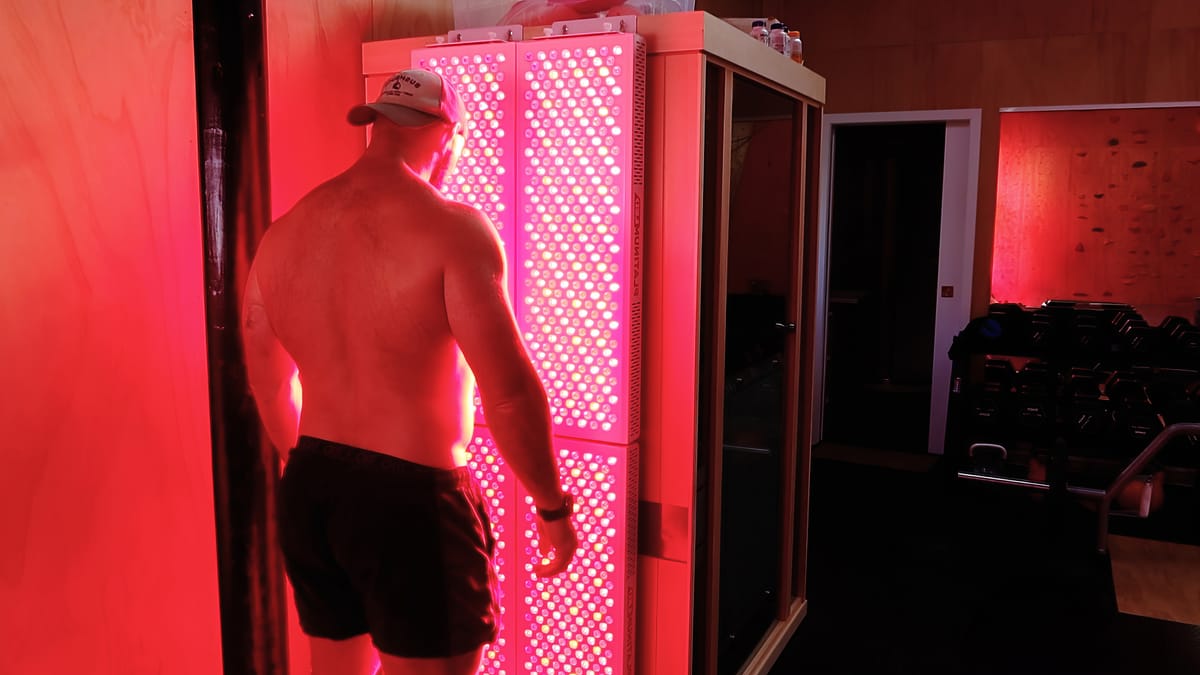
To address these concerns while still appreciating market trends, a more nuanced perspective combines growth reporting with scientific context and consumer caution. Here, for instance, you can see our latest publications that really aim for a Gold Standard in light therapy science:

First, it’s important to acknowledge that red and near-infrared light therapies do have legitimate scientific foundations in certain applications. Clinical research, particularly in areas like wound healing, pain relief, and specific musculoskeletal conditions, supports the concept of photobiomodulation — the cellular response to specific light wavelengths.
However, the strength and consistency of evidence vary widely by condition, device type, wavelength, and energy dose. Professional clinical devices used under medical supervision sometimes deliver significantly higher irradiance and controlled dosing compared to many at-home consumer units, which often yield modest benefits.
A more balanced article would therefore frame market growth alongside these scientific nuances:
- Differentiate commercial growth from clinical efficacy. Growth metrics and consumer adoption are valid but should not substitute for evidence of therapeutic effectiveness.
- Clarify regulatory and scientific status. Many devices are cleared for safety but lack rigorous effectiveness data, so readers can make informed choices.
- Highlight variability in outcomes. Individual results can differ based on device quality, usage consistency, and personal health conditions. We talk about many of these differences in our Facebook group which contains 30,000+ people in it right now. Our red light therapy course also explains the scientific status of light therapy in much more detail.
By integrating marketing trends with scientific context and consumer guidance, the narrative becomes more credible and useful — supporting informed decision-making rather than uncritical hype.
Conclusion: Good Times Are Coming For The Light Therapy Market
This Light Therapy Insiders analysis underscores that the red light therapy market is at a pivotal growth stage, with demand expanding across multiple sectors including beauty, clinical health, and consumer wellness. What was once a specialized treatment option is now becoming deeply embedded in at-home routines and professional service offerings alike.
As awareness grows around potential benefits such as improved skin health, reduced inflammation, and non-invasive wellness support, consumer interest continues to swell. However, success in this rapidly expanding market will depend not just on volume, but on scientific rigor, regulatory clarity, and product quality—especially as competition and consumer scrutiny rise.
Looking forward, continued innovation and clearer evidence on efficacy will shape how broadly red light therapy is adopted in both therapeutic and lifestyle contexts, solidifying its position as a mainstream wellness modality.
Want To Understand The Light Therapy Science Better? A Health Science (MS) Graduate Breaks It All Down Here:

Join Bart's 100% free advanced science light therapy course above, where he takes deep dives into topics such as mechanisms, neurology (Alzheimer's, Parkinson's, etc), exercise recovery, skin beauty & rejuvenation, and much more. Join HERE!
This article is written by our AI assistant Sally. Check the short bio of Sally below:
Found This Interesting? Look At These Resources:
- Welcome to the Light Therapy Course - Science-Backed On Many Topics
- Red Light Mask Buyer's Guide - Avoid These Mistakes!
- Light Therapy Insiders AI Bot That Answers All Your Questions
- Red Light Therapy Shopping Tool
Have You Seen These Reviews? Check:
🔴 Celebrities Using Red Light Therapy: 7 Epic Examples 2026
🔴
MitoGlow LED Mask Review: The Best Red Light Therapy Mask I've Ever Tested.
🔴 2026 Red Light Therapy Panels Revealed
🔴 Red Light Therapy Mask Comparing Test: 25 Masks Ranked And Reviewed
🔴 Rouge Red Light Therapy Review: Is It Worth the Investment?
🔴 Red Light Therapy Insiders Kineon: Move Plus 2.0, Heel Modular System And Sensor Roadmap