Why Mechanisms Matter
Understanding how red light therapy works is not about satisfying curiosity. It helps explain why treatments succeed for some people and fail for others, guides sensible dosing decisions, and gives clinicians and researchers a foundation to design targeted protocols. Outcomes arise from underlying processes. Knowing those processes makes it easier to predict, personalise, and justify therapy.
The Three Core Mechanisms
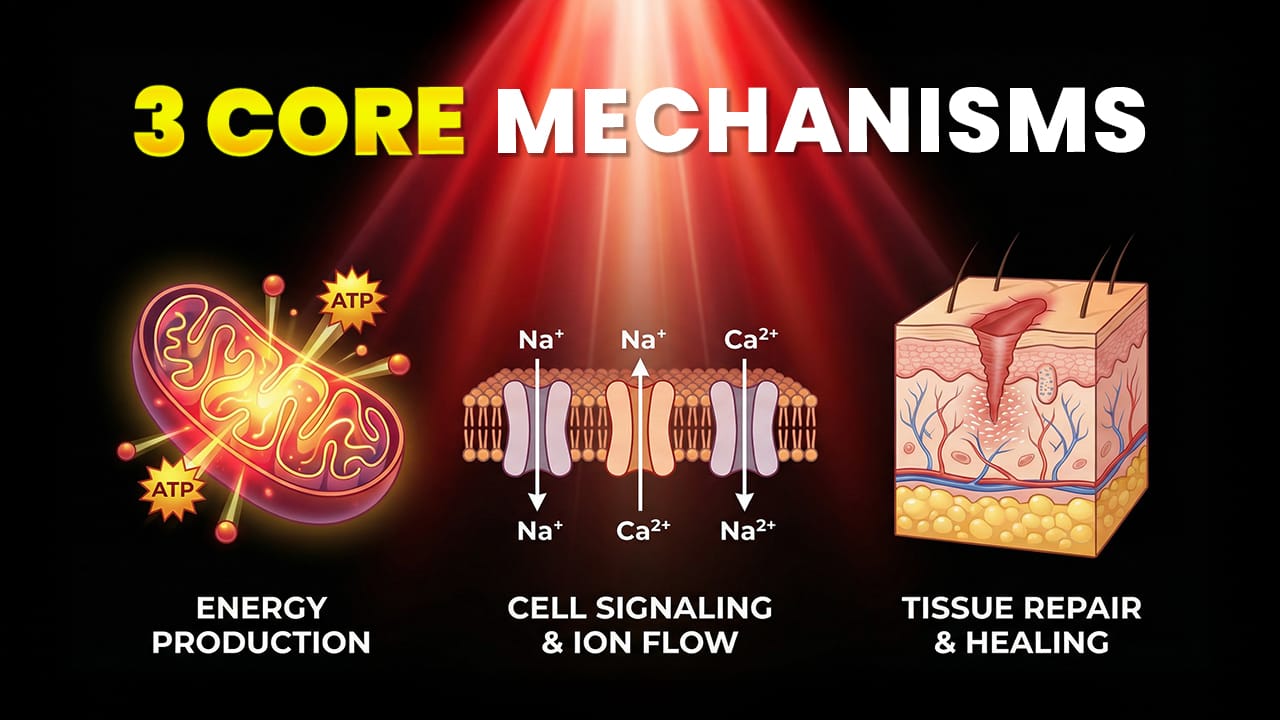
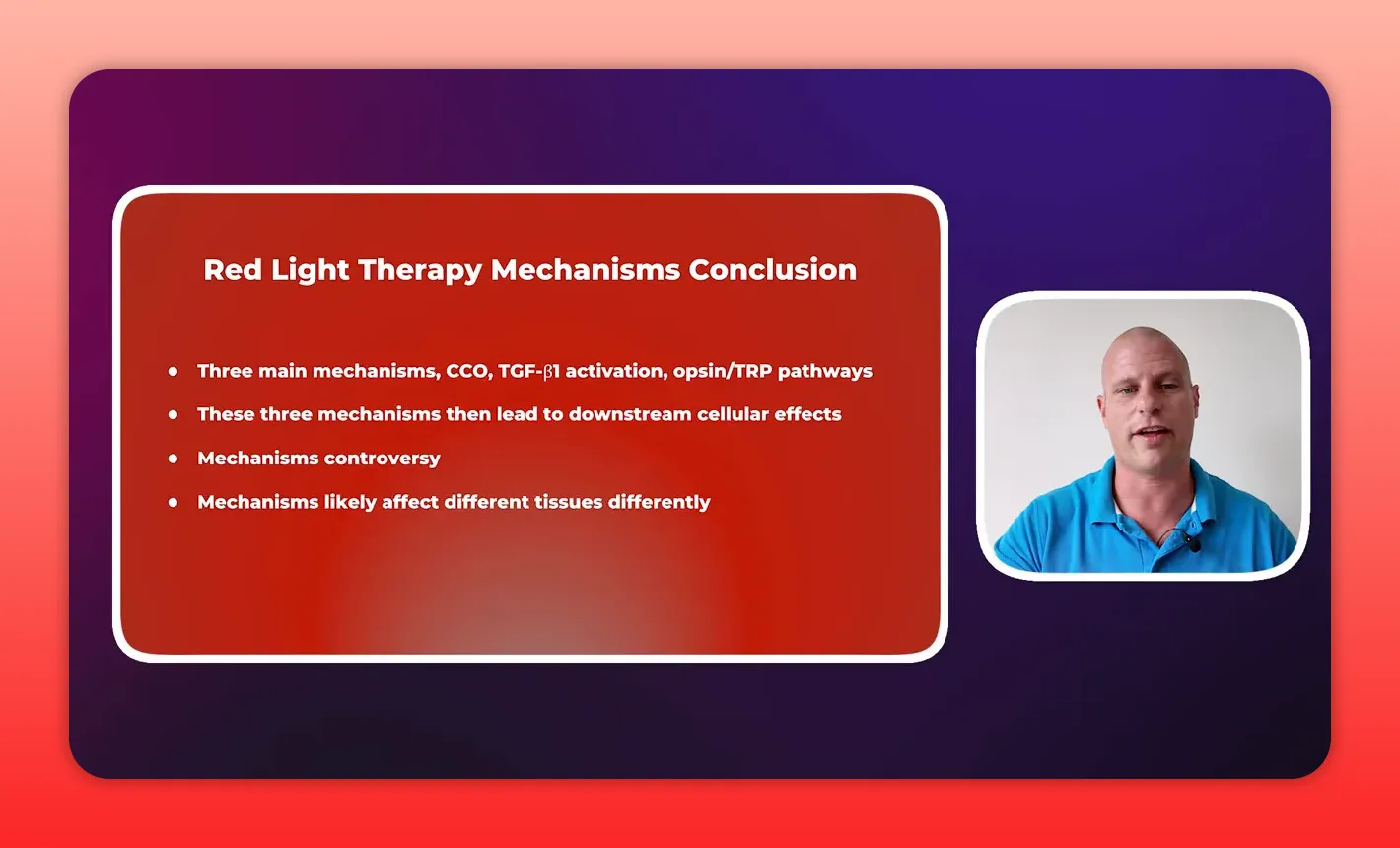
Current research largely groups photobiomodulation into three primary mechanisms. Each starts with a specific light–cell interaction and then triggers a cascade of downstream effects such as improved energy, altered gene expression, reduced inflammation, and tissue repair.
1. Mitochondrial Activation via Cytochrome C Oxidase
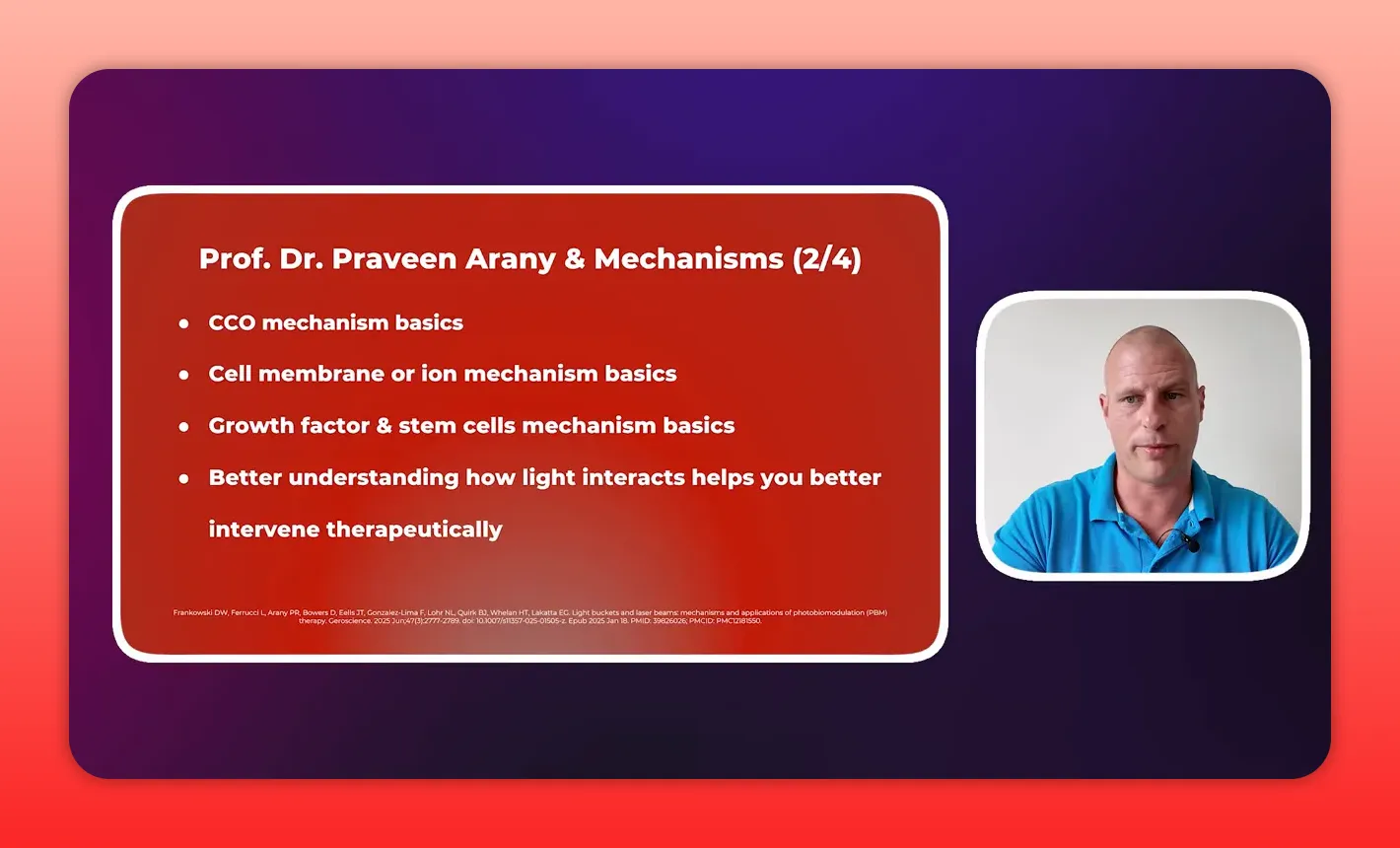
What it is: Mitochondrial chromophores absorb red and near‑infrared light, which modulates mitochondrial respiration and can increase ATP production.
Why it matters: ATP is the cell’s energy currency. Boosting mitochondrial output helps tissues with high energy demand recover, reduces functional decline, and can change cellular signalling through reactive oxygen species, nitric oxide, and calcium.
Nuance: Not every researcher agrees that ATP alone explains all benefits. The mitochondrial story is strong, but it sits alongside other mechanisms that together explain the broad effects of light.
2. Growth Factor Activation: TGF Beta 1
What it is: Light can activate stored growth factors such as TGF beta 1. These molecules regulate inflammation, tissue repair and stem cell differentiation.
Why it matters: Activating growth factor pathways helps trigger regeneration and repair. Low doses of light can produce mild oxidative stress that stimulates repair processes, much like exercise does. Higher or chronic oxidative stress produces different outcomes, so dosing matters.
Evidence: Studies show that manipulating TGF beta 1 can alter the benefits seen from light exposure, which supports this being a real mechanism.
3. Cell Membrane Photoreceptors and Ion Channels (Opsins and TRP)
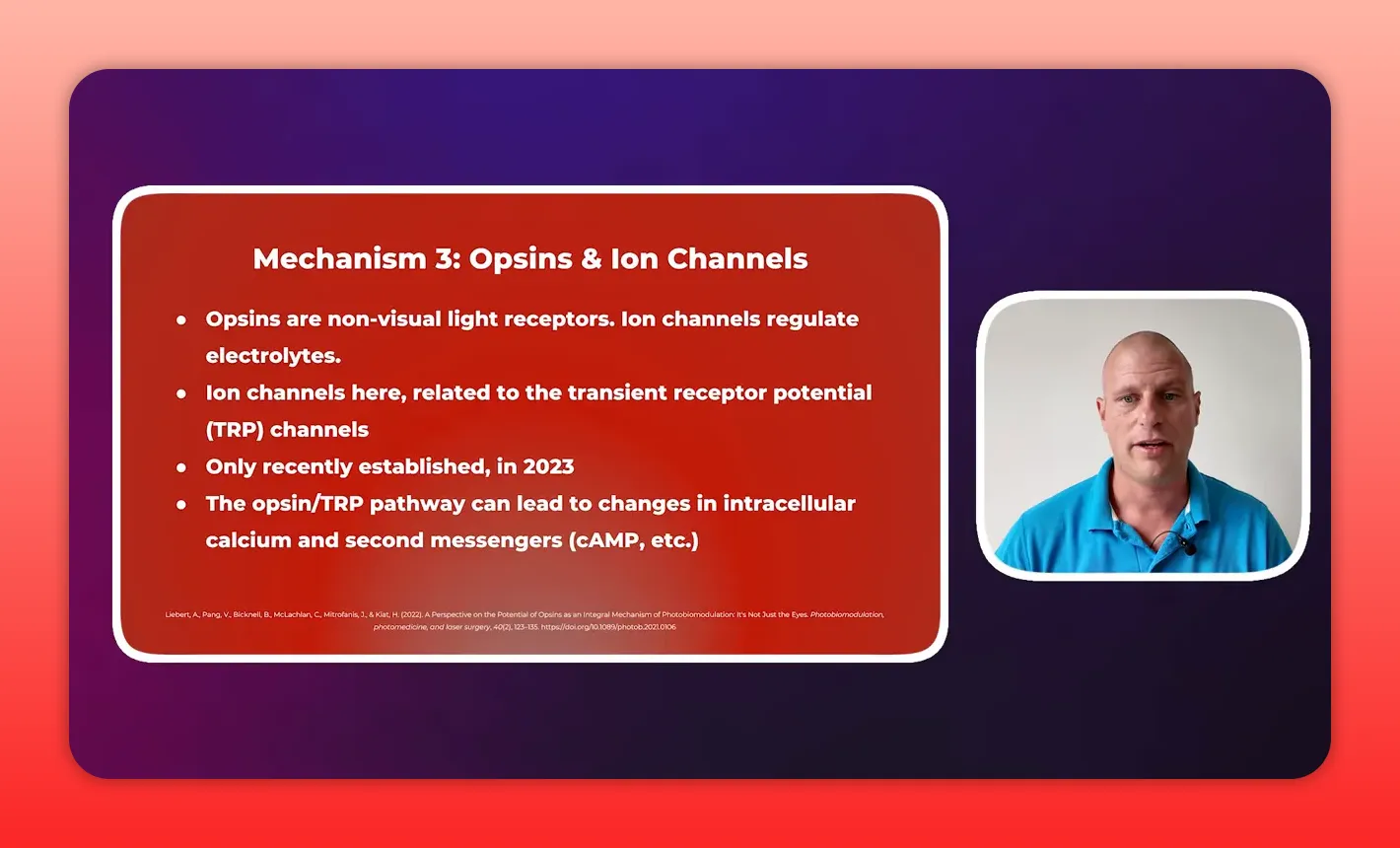
What it is: Non‑visual photoreceptors such as opsins, and ion channels like the transient receptor potential (TRP) family, respond to specific wavelengths, especially in the blue, green and ultraviolet bands.
Why it matters: Activation of these receptors changes ion fluxes (calcium, sodium, potassium) and cyclic messengers. Those changes alter gene expression and cell behaviour, sometimes producing effects that last for weeks or months after a single treatment.
Takeaway: This explains why wavelength specificity matters. Different receptors respond to different parts of the spectrum, so targeted wavelengths produce targeted responses.
How These Mechanisms Produce Downstream Effects
Once the initial mechanisms are triggered, a complex cascade follows. Typical downstream effects include:
- Changes in gene expression that alter cell function and resilience
- Release or modulation of signalling molecules such as nitric oxide
- Altered inflammation and immune responses
- Tissue repair and stem cell recruitment
Because many chronic diseases share features such as mitochondrial dysfunction, low cellular energy and chronic inflammation, red light therapy can influence a wide range of conditions by improving those foundational processes.
Devices, Wavelengths and Dosing
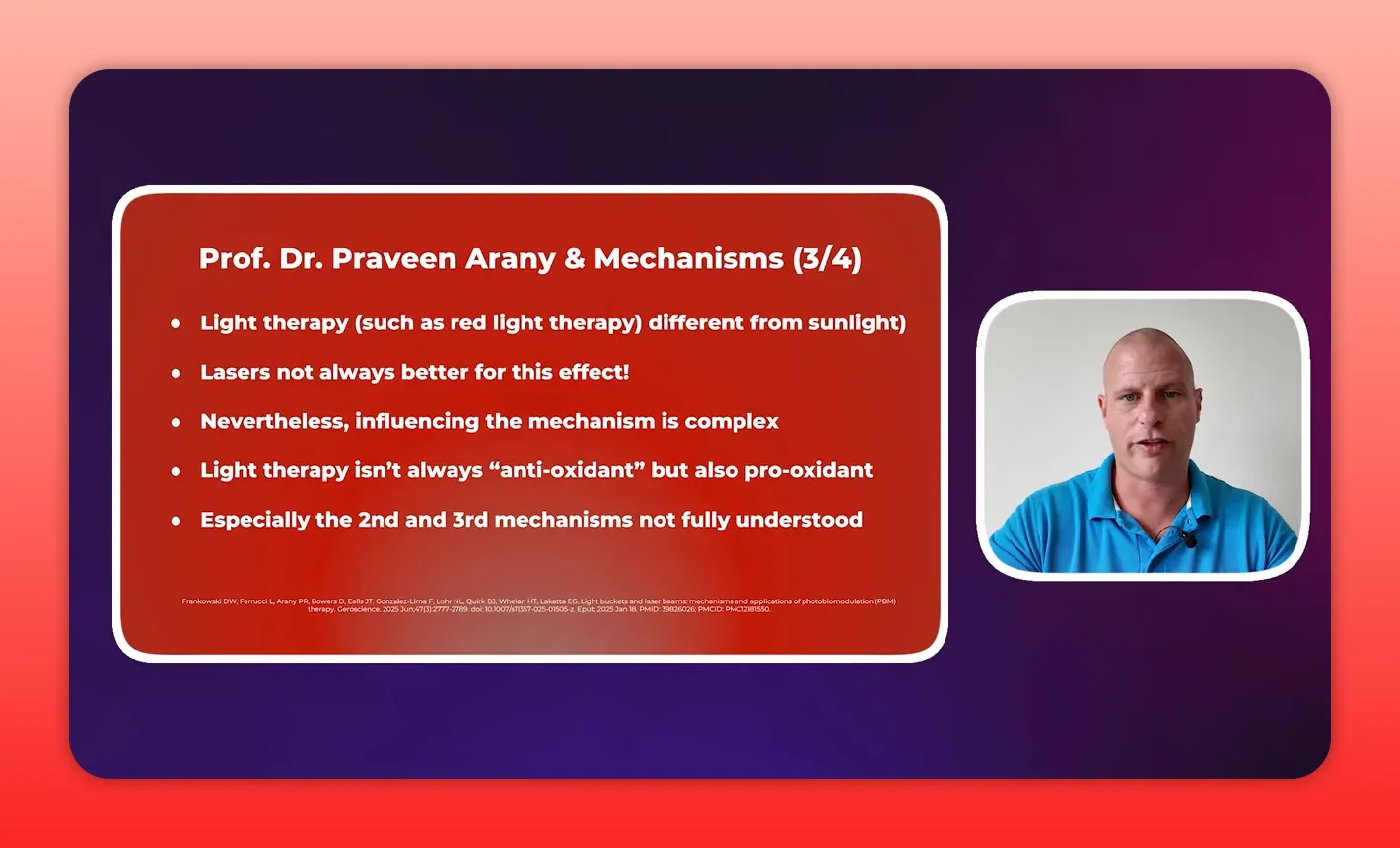
Sunlight versus engineered devices
Sunlight provides a broad spectrum that can stimulate many photoreceptors at once. Engineered devices allow precise delivery of specific wavelengths and doses. Contact devices and lasers let you concentrate energy into a small area, which can be beneficial for localised problems.
Wavelength matters
Different mechanisms and receptors respond best to different parts of the spectrum. Broadly speaking:
- Red and near infrared target mitochondrial chromophores and penetrate deeper into tissue
- Blue, green and UV activate opsins and some TRP channels at or near the surface
Choosing wavelength, dose and frequency depends on the target tissue, the desired mechanism and individual factors such as mitochondrial density and genetics.
Other Proposed Mechanisms
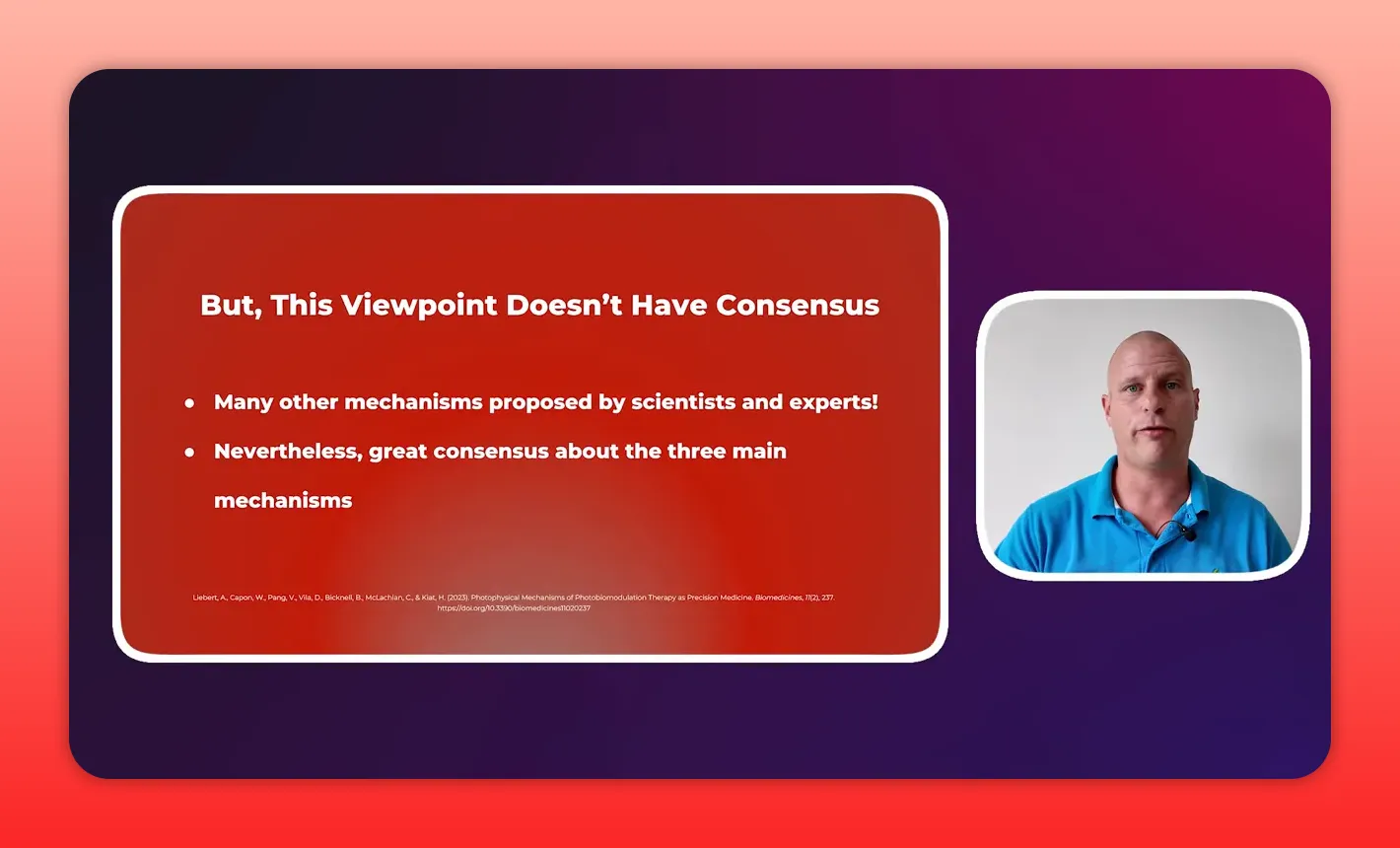
Beyond the three main pathways, a few alternative ideas remain active in the literature:
- Structured water theories suggest light changes the organisation of intracellular water. This is debated and difficult to measure directly.
- Ultraweak photon emissions propose cells communicate via very faint light signals. This is intriguing but still exploratory.
These ideas may add pieces to the puzzle. Expect the mechanistic picture to expand as new tools and experiments arrive.
Why the Debate Matters
Outcomes are the result of mechanisms. With no mechanism you have no outcome.
That line captures the point. Mechanistic understanding reduces guesswork, helps generalise findings across conditions and supports regulatory or insurance acceptance. It also explains why responses vary between individuals and tissues.
Caveats and Open Questions
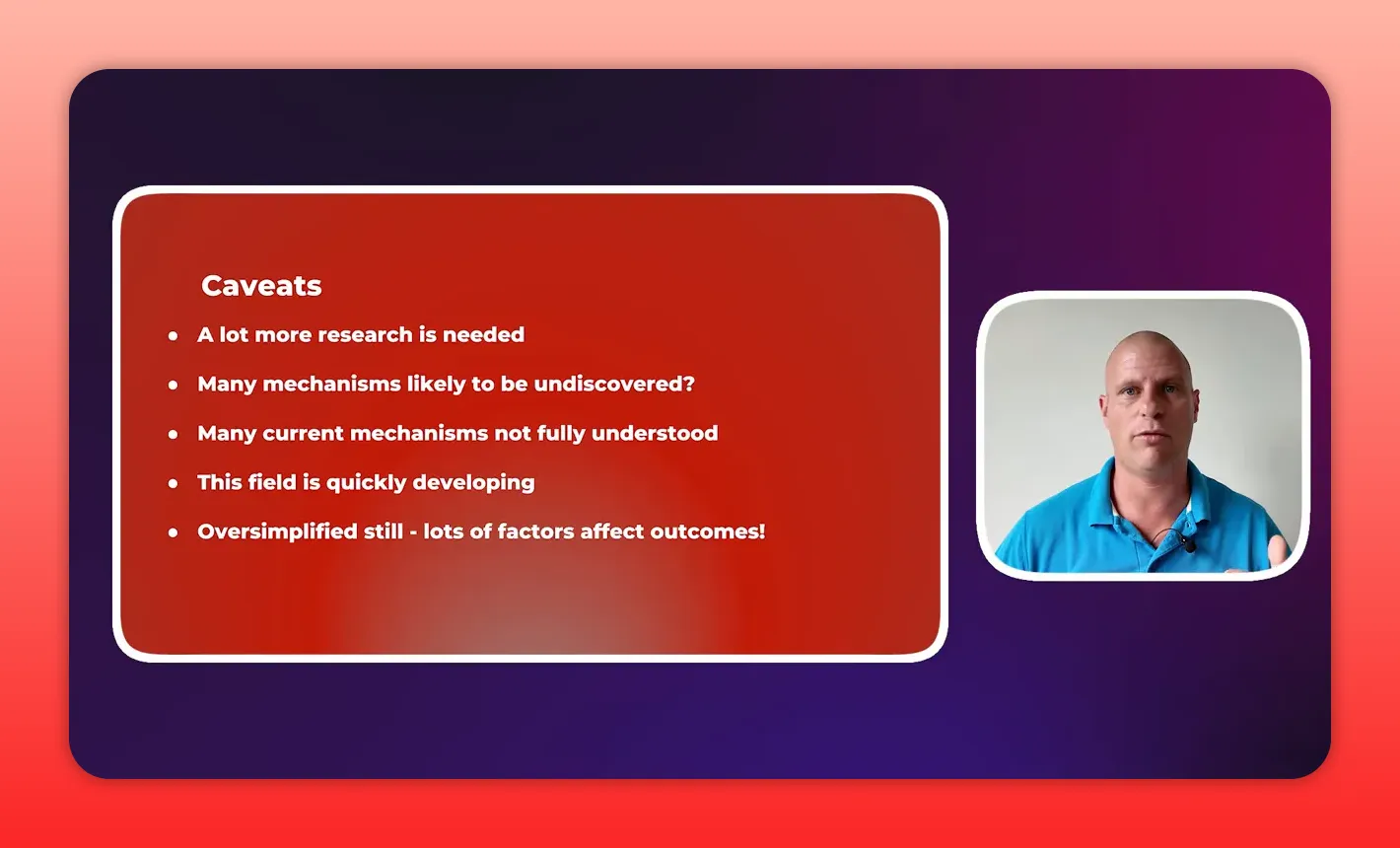
Research on photobiomodulation is active and evolving. Key uncertainties include:
- Exact wavelength windows for each mechanism
- How tissue type and mitochondrial density change responses
- Optimal dosing schedules and cumulative effects
- Possible undiscovered mechanisms that change interpretation
Opsins and several TRP channels were only recently recognised as light‑sensitive. Expect more surprises as the field matures.
Practical Takeaways
- Match the goal to the mechanism. For mitochondrial support favour red and near infrared; for surface photoreceptor effects consider blue or green wavelengths.
- Device choice matters. Panels, contact devices and lasers differ in penetration, dose delivery and convenience.
- Dosing is not one size fits all. Tissue, timing, genetics and prior health all influence response.
- Mechanistic knowledge is useful. It helps explain variability, justify protocols and guide clinical use.
- Keep expectations realistic. More research is needed and red light therapy is not a cure for everything.
For deeper study, consult the peer reviewed literature on photobiomodulation and the work of long standing researchers in the field. Mechanistic clarity will improve treatment design as knowledge grows.
Final Thoughts
Red light therapy is not magic. Its effects emerge from measurable photophysical and biochemical interactions. The three mechanisms covered here provide a practical framework: mitochondrial activation, growth factor modulation and cell membrane photoreception. Understanding these helps turn promising observations into thoughtful, evidence-informed applications.
Found This Interesting? Look At These Articles
🔴 The Red Light Therapy Facial Fat Loss Link: Myth Or Reality?
🔴 Does Red Light Therapy Help Scars? The Science
🔴 Red Light Therapy For Skin: Beauty Benefits, Potential Complications, And More
🔴 Psoriasis With Red Light Therapy: Potential Game-Changer?
Have You Seen These Reviews
🔴 Rouge G4 Pro Review: Most Advanced Red Light Panel Yet?
🔴 Best Red Light Panel Yet? Block Blue Light Mega Review
🔴 $800 Red Light Mask Has Lasers… But Why?
🔴 Omnilux Contour Mask Review: Still Worth It in 2025?
Alex's Bio
Alex Fergus wrote this blog post. Alex is an ISSN Sports Nutrition Specialist, Fitness Professional, and certified Superhuman Coach who continues to expand his knowledge base and help people worldwide with their health and wellness. Alex is recognized as the National Record Holder in Powerlifting and Indoor Rowing and has earned the title of the Australian National Natural Bodybuilding Champion. Having worked as a health coach and personal trainer for over a decade, Alex now researches all things health and wellness and shares his findings on this blog.