
March has arrived with a wave of new red light therapy developments—some genuinely innovative, others a bit more niche, and a few that raise important questions about how these products are designed and marketed. Alongside that, science on brain health is emerging, mainstream exposure is growing through elite sport, and notable shifts are underway in regulation and industry standards.
There’s a lot to unpack this month, so let’s walk through what’s new, what’s interesting, and what’s worth keeping an eye on.
Red Light Therapy News: New Devices, Brain Study & Olympic Athletes Using It
New Products: Novelty or Practical Innovation?
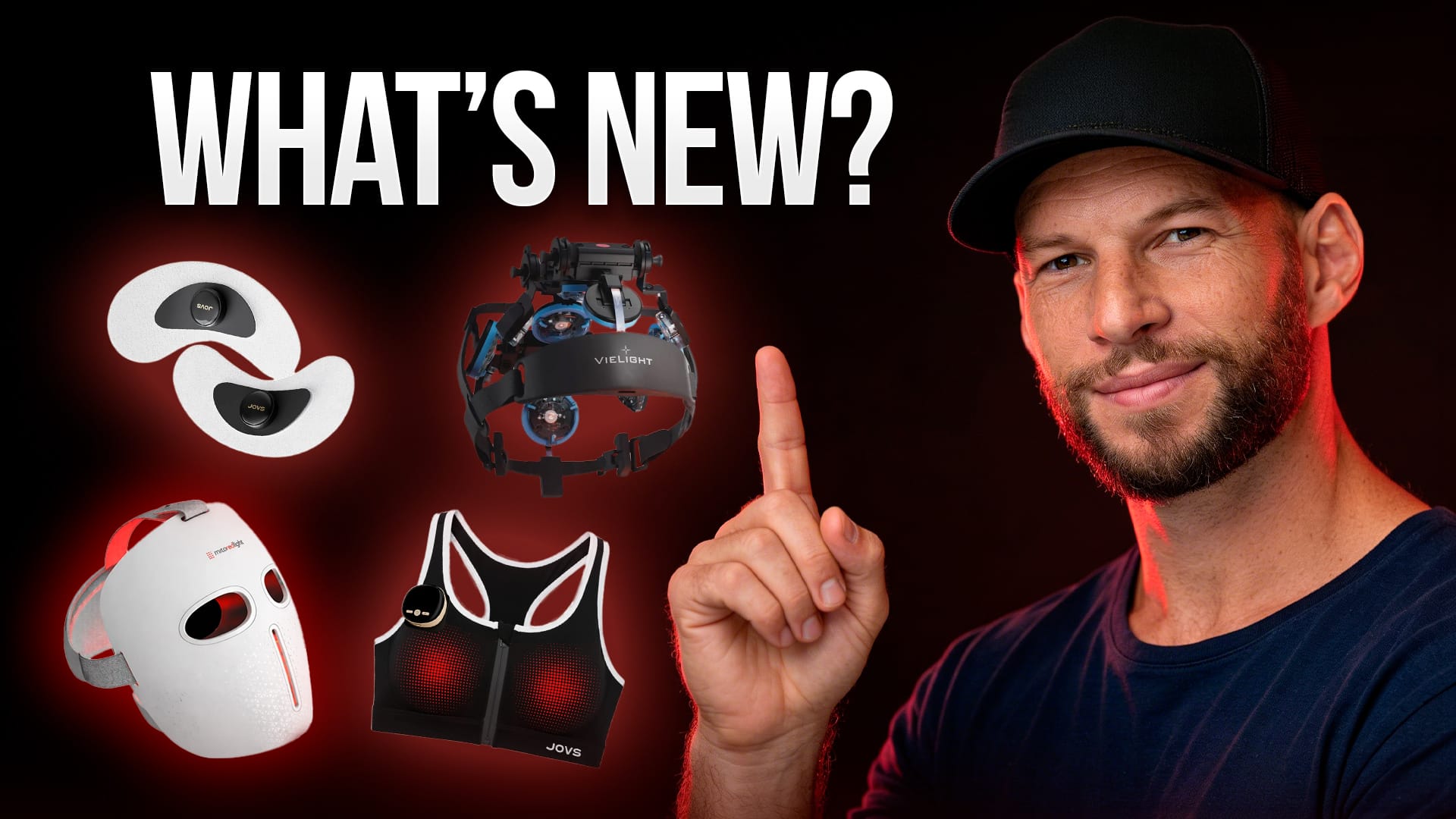
One of the more eye-catching launches comes from JOVS, which has introduced red light therapy under-eye patches. At first glance, the concept is clever: a familiar skincare format—adhesive under-eye patches—now embedded with LEDs and a tiny onboard battery to deliver light therapy directly to the delicate orbital area.
From an engineering standpoint, it’s undeniably impressive. Packing active light therapy into something this small is no trivial feat. But practicality is another matter. At roughly $120, these patches sit in the same price range as entry-level full-face masks. Devices like the Hooga Mask or Inia Mask deliver treatment across the entire face rather than a small localized zone. Even compact handheld options such as the Rouge Nano can treat larger areas with higher irradiance and without the hassle of adhesive application.
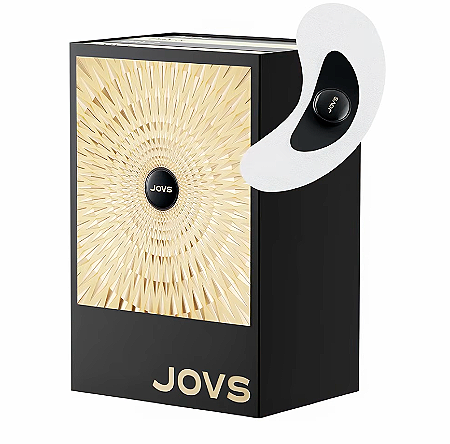
So while the patches will almost certainly find an audience—particularly in the beauty and lifestyle space—they feel more like a niche convenience product than a compelling value option for most users.
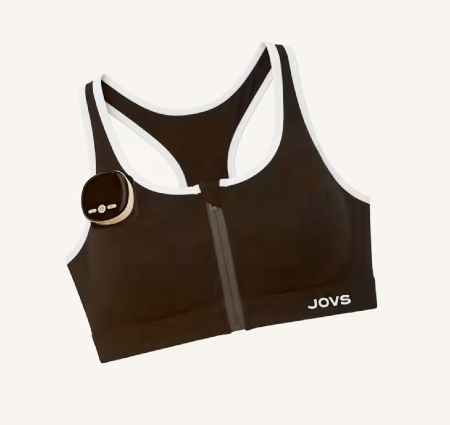
JOVS has also ventured into more unconventional territory with a red light therapy bra. The idea is mobility: wearable light therapy that can be used while moving around rather than standing in front of a fixed panel. That concept has merit, especially for targeted applications such as post-surgical recovery or localized chest treatment.
However, claims around extremely high output levels raise eyebrows. Very high irradiance in a confined, covered, and insulated area would likely create significant heat and moisture buildup—hardly ideal conditions for comfort or skin health. For many users, a traditional panel session with the chest exposed would provide broader coverage, better ventilation, and likely comparable or superior power delivery.
Still, as with masks versus panels, wearability has its appeal. Some people will prefer the convenience even if it’s not the most efficient option. This is one of those products that makes sense in specific scenarios but probably won’t replace more conventional approaches.
A Standout Mask Launch
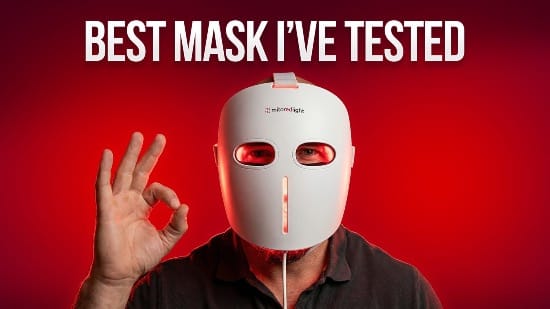
In contrast to the novelty category, the newly released MitoGlow mask from Mito Red Light is a genuinely strong performer. Among a growing field of nearly 30 masks tested, it currently ranks at the top in overall scoring. It’s not flawless—no mask is—but it represents a meaningful step forward in design and performance.
AI-Guided Brain Therapy
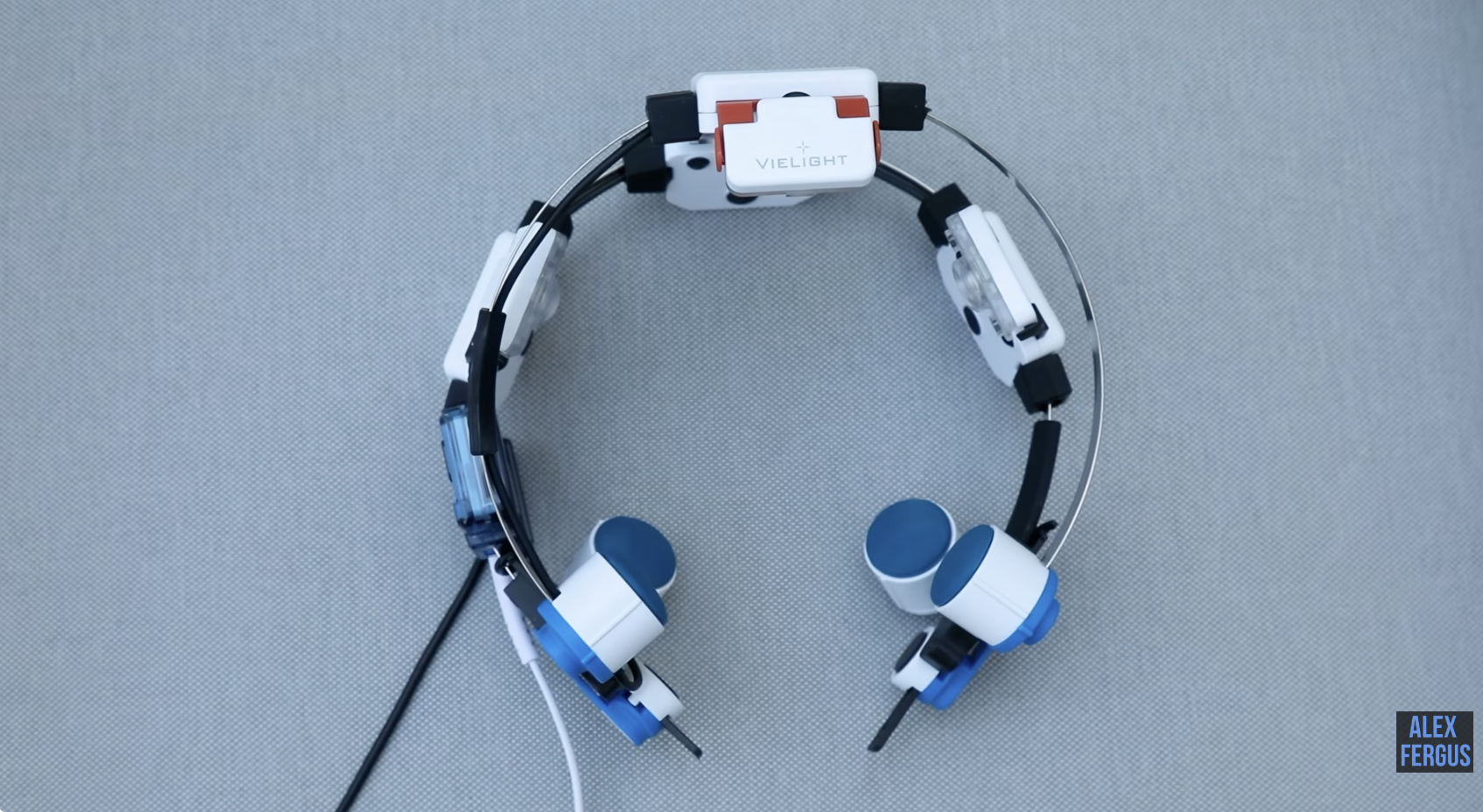
Perhaps the most intriguing announcement this month comes from Vielight. The company is preparing to roll out an AI-driven cognitive performance platform that integrates EEG analysis with targeted photobiomodulation protocols.
The concept is straightforward but powerful: brain activity data is captured, analyzed for patterns such as blood flow irregularities or underactive regions, and then used to guide light therapy delivery to specific areas. In essence, individualized brain treatment is based on objective neurophysiological data.
What makes this especially compelling is that similar approaches have already been used clinically in seizure management. Quantitative EEG scans interpreted by specialists can guide targeted brain stimulation protocols over time. Vielight’s move is essentially bringing that model into a consumer-accessible ecosystem—hardware, software, and analytics integrated into one platform.
If executed well, this could mark a major shift in how brain-focused photobiomodulation is delivered and personalized.
Regulation Tightens:
There’s also a growing regulatory story unfolding. Following actions by Health Canada regarding UV-emitting consumer devices, products from Chroma that included UV LEDs have faced restrictions, leading to halted Canadian shipments.
This may be an early signal of broader oversight ahead. As light-based wellness products become more widespread—and more expensive—regulators are likely to scrutinize safety claims, certifications, and device classifications more closely. Companies that have invested in proper compliance infrastructure will be better positioned than those treating it as an afterthought.
For consumers, this underscores the importance of buying from established manufacturers with documented safety and regulatory standards. These are high-value devices, and long-term support matters as much as initial performance.
New Science: Protecting the Brain from Repeated Impacts
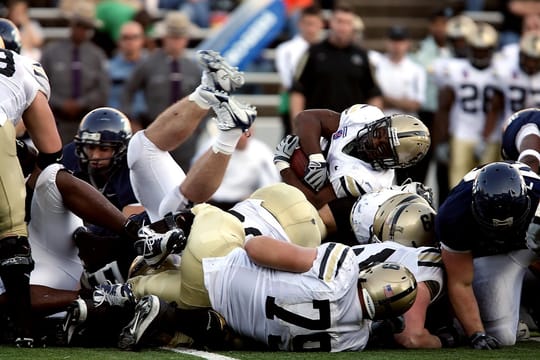
The most compelling research highlight this month centers on chronic traumatic encephalopathy (CTE)—a neurodegenerative condition linked to repeated head impacts in sports such as football, rugby, and combat disciplines.
A small preliminary study published in the Journal of Neurotrauma investigated whether near-infrared photobiomodulation could mitigate silent brain inflammation across a competitive season. Twenty-six collegiate American football players used either active light therapy or a placebo device three times per week over 16 weeks.
The active device was the Vielight Neuro Gamma, delivering both intranasal and transcranial near-infrared light. MRI markers of neuroinflammation were assessed before and after the season.
The findings were striking: the placebo group showed increased brain inflammation over the season, consistent with cumulative head impacts. In contrast, the active light group did not show this increase, suggesting a potential protective effect across multiple brain regions.
It’s early evidence—small sample, baseline differences, and limited duration—but highly promising. Larger randomized trials are already underway, including a Department of Defense-funded study involving roughly 300 participants with persistent concussion symptoms, including active-duty personnel and veterans.
If replicated, this line of research could reshape how sports-related brain injury and recovery are managed.
Community Insights: What Users Actually Experience
Polling within the Light Therapy Insiders community continues to reveal interesting real-world patterns. The most common regret among buyers remains choosing a device that’s too small—coverage matters more than many people expect. Another frequent sentiment: wishing they had started sooner.
User-reported outcomes also highlight variability in response. While a large majority report benefits from near-infrared exposure, a notable minority describe adverse facial reactions such as dryness, irritation, or pigmentation changes. These experiences don’t negate clinical evidence, but they do emphasize individual variability and the value of cautious, personalized use.
New Articles and Resources This Month
Beyond devices and science, there’s also been a steady stream of fresh educational content released this month. One of the highlights looked at real-world examples of red light therapy use during the Winter Olympics, showcasing how elite athletes are integrating photobiomodulation into performance and recovery routines. It’s another reminder that what was once considered fringe wellness technology is now firmly embedded in high-performance sport.
Another new piece explored the concept of healthy indoor lighting—specifically how balancing blue light exposure with red and near-infrared wavelengths may support visual comfort and performance in modern artificial environments. With so many people spending the majority of their day under LEDs and screens, this area is becoming increasingly relevant.
There was also an article focused on stretch marks and light therapy, examining emerging evidence suggesting that targeted wavelengths may help improve their appearance. While still an evolving area, the early results look encouraging and point toward a potentially valuable dermatological application.
All of these articles are available on the Light Therapy Insiders website, which continues to expand as the central hub for in-depth written content, tools, and educational material beyond what appears on the video channel. The email newsletter is also growing into a substantial resource, and the AI chat tool hosted on the site is gaining strong user feedback for its ability to answer device and protocol questions.
Upcoming Videos and Reviews
On the video side, there’s a full lineup in progress. A comprehensive breakdown of the Hooga red light therapy product range is coming soon—particularly useful given how broad and sometimes confusing their lineup has become.
There’s also a detailed comparison between red light therapy and infrared sauna, examining how the mechanisms differ and when one approach may be preferable to the other.
Another upcoming deep dive looks at red light therapy and collagen production. The conclusions from the research may surprise many viewers, as the evidence is more nuanced than typical marketing claims suggest. Thyroid-focused device recommendations are also on the way, along with an interview featuring a researcher from the Vielight team discussing brain applications in greater depth.
Recent releases you may have missed include the review of the European Mito Light 5.0 panel, plus company overviews of Block Blue Light and Rouge. The Rouge overview prompted a useful update from the company, clarifying that they now operate a Sydney warehouse (launched late 2025) and are preparing to expand distribution to the UK and EU. They also confirmed that duties and taxes are handled at checkout for many regions, with UK pricing already inclusive—details that can vary by location and checkout configuration.
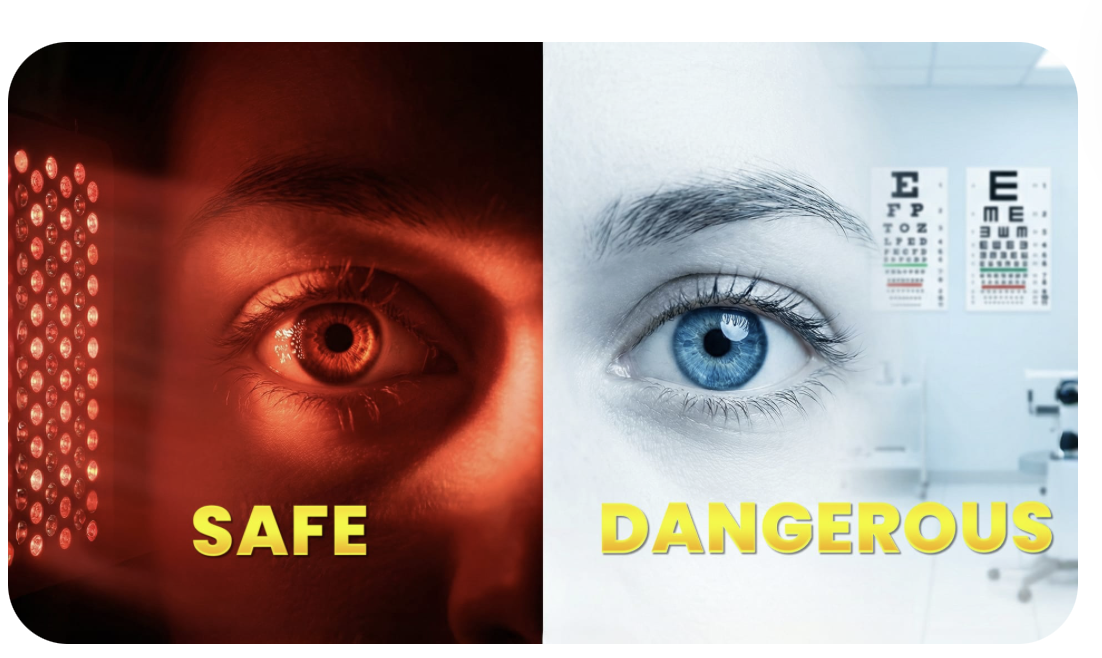
There’s also been a recent deep dive from Bart examining eye safety and red light therapy—one of the most common concerns raised by users—and another panel review covering the Mito Red Light Adapt 4.0.
Together, these articles, tools, and videos continue to build out the broader Light Therapy Insiders ecosystem—spanning science interpretation, device guidance, and practical application—so there’s plenty to explore if you want to go deeper into any of this month’s topics.
Items Mentioned
⭐ JOVS - Visit http://afreg.com/jovs-4d, Use discount code ALEX at www.jovs.com for 10% off.
⭐ For a Mito Red MitoGLOW or other product, use the following link for a discount: https://aferg.co/7d221. The discount will be applied at checkout
⭐ For a VieLight, use this link: http://aferg.co/vielight and use code ALEX10
Alex's Bio
Alex Fergus wrote this blog post. Alex is an ISSN Sports Nutrition Specialist, Fitness Professional, and certified Superhuman Coach who continues to expand his knowledge base and help people worldwide with their health and wellness. Alex is recognized as the National Record Holder in Powerlifting and Indoor Rowing and has earned the title of the Australian National Natural Bodybuilding Champion. Having worked as a health coach and personal trainer for over a decade, Alex now researches all things health and wellness and shares his findings on this blog. to expand distribution to the UK and EU
Join Bart's 100% free advanced science light therapy course above, where he takes deep dives into many different topics, such as mechanisms, neurology (Alzheimer's, Parkinson's, etc), exercise recovery, skin beauty & rejuvenation, and much more.
Some of the topics are only published in that course, such as UV light risks and benefits, addiction, anxiety, depression, and more. So join HERE!
Frequently Asked Questions
What is red light therapy?
Red light therapy uses red and near-infrared wavelengths of light to support normal cellular energy and recovery. It’s often referred to as photobiomodulation (PBM). If you're comparing devices and brands, you can check the discounts page for current deals and recommendations.
How does red light therapy work?
Red and near-infrared light can be absorbed by mitochondria in cells, which may help support ATP production and normal cellular repair processes.
What wavelengths are used in red light therapy?
Most red light therapy devices use wavelengths roughly between 630 nm and 880 nm. Common wavelengths include 630 nm, 660 nm, 810 nm, 830 nm, and 850 nm.
What’s the best red light therapy panel?
The best red light therapy panel depends on coverage needs, power output, wavelengths, and budget. Before buying, it's smart to check the discounts page to compare brands and deals.
Red light panel vs mask: which should I choose?
Red light panels usually provide broader coverage and higher power output, while masks are designed primarily for facial skin treatments.
What does low EMF mean for red light therapy devices?
Low EMF refers to lower electromagnetic field emissions around a device. Some buyers prioritize this feature when comparing devices.
How long should a red light therapy session last?
Many users begin with sessions of around 5–10 minutes per treatment area and adjust based on device power and distance.
How often should you use red light therapy?
Common routines range from 3–5 sessions per week depending on the goal and device strength.
Is red light therapy safe?
Most consumer red light therapy devices are considered safe when used according to manufacturer guidelines.
Who is Alex Fergus?
Alex Fergus is the founder of Light Therapy Insiders and reviews red light therapy devices with a focus on practical buying factors.
Where can I find red light therapy discount codes?
You can check the discounts page to see the latest red light therapy discount codes and deals.
Do red light therapy discount codes expire?
Yes. Most brands rotate discount codes during promotions and seasonal sales. If a code stops working, it's best to check the discounts page for the latest offers.