
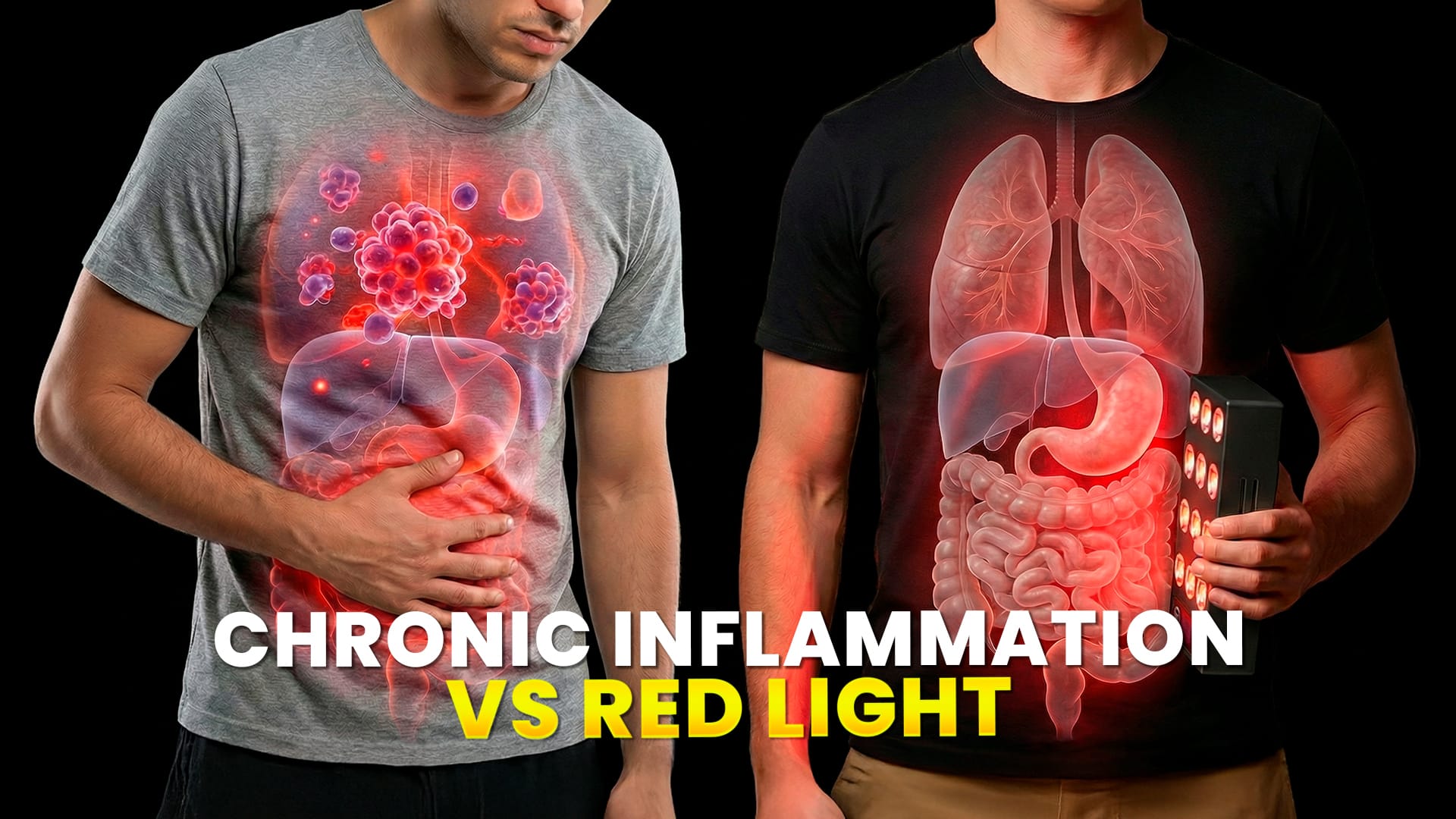
Chronic inflammation is a silent killer, driving many of the biggest health issues we face today. From diabetes and heart disease to osteoarthritis and neurodegeneration, inflammation is a common thread underlying these debilitating conditions.
But what if there was a simple, non-invasive therapy that could help reduce inflammation and improve overall health? Enter red light therapy - an emerging modality that's been the subject of extensive research in recent years.
In this comprehensive blog post, we'll dive deep into the science behind how red light therapy impacts chronic inflammation. We'll explore the key mechanisms, review the latest research, and provide practical guidance on how to leverage this powerful therapy to optimize your health.
How Red Light Therapy Reduces Chronic Inflammation and Improves Health
The Link Between Chronic Inflammation and Disease
Inflammation is a natural immune response that helps the body heal from injury or infection. However, when inflammation becomes chronic and persists over time, it can wreak havoc on the body.
Chronic inflammation has been linked to a wide range of health conditions, including:
- Diabetes and insulin resistance
- Cardiovascular disease and heart attacks
- Neurodegenerative diseases like Alzheimer's and Parkinson's
- Autoimmune disorders like rheumatoid arthritis and multiple sclerosis
- Cancer and increased cancer mortality
- Obesity and metabolic dysfunction
The reason chronic inflammation is so detrimental is that it triggers a cascade of negative effects within the body. Inflammatory cytokines and oxidative stress can damage cells, disrupt normal cellular function, and contribute to the development and progression of disease.
Fortunately, there are steps we can take to mitigate chronic inflammation and improve our overall health. One of the most promising interventions is red light therapy.
How Red Light Therapy Reduces Inflammation
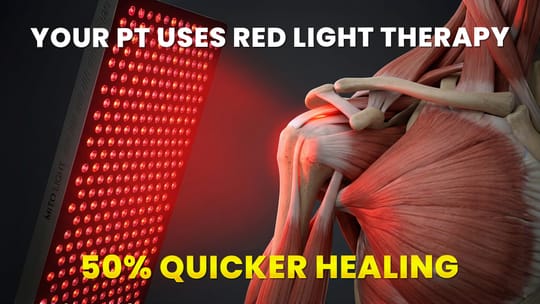
Red light therapy, also known as photobiomodulation or low-level light therapy (LLLT), is a non-invasive treatment that uses specific wavelengths of red and near-infrared light to stimulate cellular function and promote healing.
According to a growing body of research, one of the key mechanisms by which red light therapy exerts its benefits is by reducing inflammation. Here's a closer look at how it works:
Mitochondrial Activation and Cytochrome C Oxidase
At the cellular level, red and near-infrared light are absorbed by chromophores within the mitochondria, the powerhouses of our cells. This absorption triggers the activation of an enzyme called cytochrome c oxidase, which is essential for the production of cellular energy in the form of ATP.
By enhancing mitochondrial function and ATP production, red light therapy can help reduce oxidative stress and inflammation. As I've covered in a previous article, this mitochondrial activation is considered one of the primary mechanisms underlying the anti-inflammatory effects of red light therapy.
Modulation of Inflammatory Signaling Pathways
Red light therapy has also been shown to influence various intracellular signaling pathways that regulate inflammation. It can:
- Decrease the production of pro-inflammatory cytokines like TNF-alpha and IL-6
- Increase the production of anti-inflammatory cytokines like IL-10
- Downregulate the activity of NF-kB, a key transcription factor that drives inflammation
- Enhance the activity of antioxidant enzymes like superoxide dismutase (SOD)
By modulating these inflammatory signaling cascades, red light therapy can help shift the body's inflammatory balance towards a more anti-inflammatory state.
Improved Blood Flow and Tissue Oxygenation
Red and near-infrared light have also been shown to improve blood flow and increase tissue oxygenation. This can help reduce inflammation by delivering more oxygen and nutrients to the affected area, while also facilitating the removal of waste products and inflammatory mediators.
Additionally, enhanced blood flow can promote the recruitment of anti-inflammatory cells and factors to the site of injury or inflammation, further supporting the body's natural healing processes.
The Research on Red Light Therapy and Inflammation
The scientific literature on the anti-inflammatory effects of red light therapy is extensive and growing. Let's take a closer look at some of the key research findings:
Pain and Musculoskeletal Conditions
A 2021 review of 11 studies on the use of red light therapy for chronic pain found that it was effective in reducing inflammation and improving pain outcomes. The researchers noted that while more research is needed, the current evidence is "pretty promising" for the use of red light therapy in managing chronic pain conditions.
Another review focused on the use of red light therapy for osteoarthritis and rheumatoid arthritis, two inflammatory conditions affecting the joints. The researchers concluded that red light therapy appears to be a promising intervention for reducing inflammation and improving outcomes in these conditions, though they also highlighted the need for more research to determine the optimal treatment parameters.
Neuroinflammation and Neurodegeneration
A comprehensive review of 27 animal studies on the effects of red light therapy on neuroinflammation found that it has anti-inflammatory properties in a variety of conditions, including traumatic brain injury, spinal cord injury, neurodegenerative diseases, and even depression.
The researchers noted that red light therapy increases the production of anti-inflammatory mediators and decreases pro-inflammatory factors, suggesting it could be a valuable complement to existing treatments for neuroinflammatory and neurodegenerative conditions.
Want Help Choosing a Red Light Mask? I built my Red Light Mask Guide — an interactive tool that compares the top masks side by side.
Diabetic Wound Healing
For individuals with diabetes, chronic inflammation can impair wound healing and contribute to the development of foot ulcers and other complications. A review of 14 studies on the use of red light therapy for diabetic wound healing found that it can help moderate the inflammatory response and accelerate the wound healing process in animal models.
While more human studies are needed, these findings suggest that red light therapy could be a valuable adjunct therapy for managing diabetic wounds and the underlying inflammatory processes.
Sports Performance and Recovery
Red light therapy has also been studied for its potential to enhance sports performance and recovery. A 2025 review noted that red light therapy can shift the immune system towards a more anti-inflammatory state, reducing markers of oxidative stress and muscle fatigue.
The researchers emphasized the need for more research to determine the optimal red light therapy protocols for different training and exercise regimens, but the existing evidence suggests it could be a valuable tool for athletes and active individuals.
Practical Guidance for Using Red Light Therapy to Reduce Inflammation
Based on the research reviewed, here are some practical tips for using red light therapy to help manage chronic inflammation:
Choose the Right Device
When it comes to red light therapy, the device you use can make a big difference. Look for high-quality panels or devices that emit a broad spectrum of red and near-infrared light, such as those from Block Blue Light, Rouge, PlatinumLED, or Rojo.
For targeted treatment of specific areas, the Kineon Move+ Pro can be a great option, as it allows you to direct the light directly to the affected area.
Determine the Optimal Dosage
The research suggests that a dosage range of 20-70 J/cm² per day may be effective for reducing inflammation, but the optimal dose can vary depending on the specific condition and individual response.
Start on the lower end of the range (around 20 J/cm²) and gradually increase the dose over time, monitoring your body's response. You can find more detailed dosage recommendations for specific conditions in my articles on arthritis, fibromyalgia, Parkinson's disease, and diabetes.
Incorporate Red Light Therapy into Your Lifestyle
While red light therapy can be a powerful tool for reducing inflammation, it's important to remember that it works best when combined with other healthy lifestyle habits. Ensure that you're also focusing on:
- Consuming an anti-inflammatory diet rich in whole, nutrient-dense foods
- Engaging in regular physical activity and exercise
- Managing stress through practices like meditation, yoga, or deep breathing
- Getting adequate sleep and rest
By taking a holistic approach and incorporating red light therapy into your overall health and wellness routine, you can maximize its anti-inflammatory benefits and support your body's natural healing processes.
Conclusion
Chronic inflammation is a silent driver of many of the most pressing health issues we face today. But the research on red light therapy suggests that this non-invasive, drug-free intervention could be a powerful tool for reducing inflammation and improving overall health.
By understanding the key mechanisms by which red light therapy exerts its anti-inflammatory effects and reviewing the latest scientific evidence, we can begin to harness the power of this therapy to support our bodies and optimize our well-being.
So if you're looking to take a proactive approach to managing chronic inflammation and supporting your long-term health, consider incorporating red light therapy into your lifestyle. With the right device, dosage, and complementary lifestyle habits, you may be able to make significant gains in your overall health and well-being.
Links
🔴 Block Blue Light — 15% Off via discount link (auto-applied at checkout): https://aferg.co/BlockBlueLight
🔴 Rouge Red Light Therapy (Official Store): https://aferg.co/rougecare
🔴 PlatinumLED — 5% Off BioMax Panels via discount link: https://aferg.co/redled
🔴 Hooga — 12% discount auto-applied at checkout: https://aferg.co/hooga-rlt
🔴 NovoThor — Mention the name Alex Fergus to get access: https://aferg.co/novothor
🔴 Rojo Red Light code ALEX 10% off: https://aferg.co/rojo-rlt
🔴 Kineon — Code AFERGUSMOVE (10% Off) on Move+ Pro: https://aferg.co/kineon
New Articles:
🔬 Vitamin D Article- https://getchroma.co/blogs/learn/red-...
🔬 Skin Preconditioning Article-https://getchroma.co/blogs/learn/the-...
🔬 Testing & Certificates Page-https://platinumtherapylights.com/pag...
🔬 VieLight, YouTube Channel- Vie-Lab Demo Penetration Through a Human...
🔬 Therapy Mechanisms: https://www.lighttherapyinsiders.com/...
🔬 Hyperpigmentation: https://www.lighttherapyinsiders.com/...
🔬 Brain Power with 1060 Light:https://www.lighttherapyinsiders.com/...
Alex's Bio
Alex Fergus wrote this blog post. Alex is an ISSN Sports Nutrition Specialist, Fitness Professional, and certified Superhuman Coach who continues to expand his knowledge base and help people worldwide with their health and wellness. Alex is recognized as the National Record Holder in Powerlifting and Indoor Rowing and has earned the title of the Australian National Natural Bodybuilding Champion. Having worked as a health coach and personal trainer for over a decade, Alex now researches all things health and wellness and shares his findings on this blog.