
Shoulder Pain: A Common and Debilitating Condition
Shoulder pain is a widespread and often debilitating condition that affects a significant portion of the population. In fact, it's estimated that 20-25% of people will experience shoulder pain at some point in their lifetime. This type of pain can have a profound impact on an individual's quality of life, making it difficult to perform everyday tasks, exercise, or even get a good night's sleep.
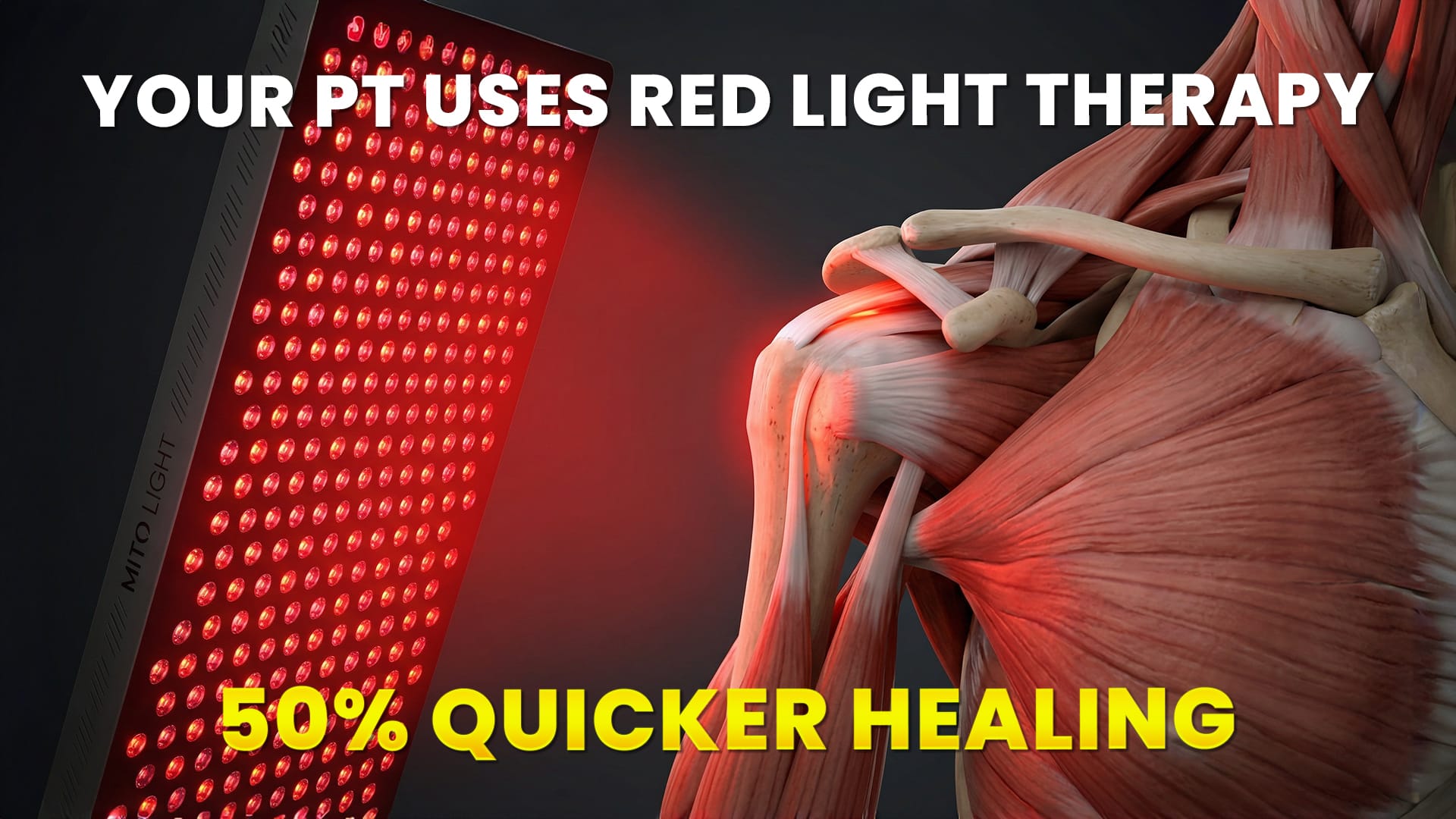
The shoulder is a complex joint with a variety of structures that can be affected, including the rotator cuff muscles, the biceps tendon, the subacromial bursa, and the acromioclavicular joint. Conditions such as rotator cuff tendinitis, impingement syndrome, frozen shoulder, and biceps tendinitis are all common causes of shoulder pain.
Shoulder pain can be debilitating, preventing individuals from performing basic activities like reaching for items on a high shelf or even lifting a cup of coffee. It can also interfere with sleep, work, and exercise, leading to a cascading effect on overall health and well-being. Addressing shoulder pain is crucial for maintaining an active, healthy lifestyle.
The Promise of Red Light Therapy for Shoulder Pain
In recent years, red and near-infrared light therapy has emerged as a promising non-invasive treatment option for a variety of musculoskeletal conditions, including shoulder pain. This modality uses specific wavelengths of light to stimulate cellular processes and promote healing, making it a potentially valuable tool for managing shoulder issues.
The science behind red light therapy for shoulder pain is still evolving, but several studies have shown promising results. A 2025 review of 10 studies on the use of red light therapy for shoulder impingement syndrome, for example, found that it can effectively improve pain intensity and range of motion in affected individuals. Another 2024 review on shoulder and neck pain disability also highlighted the benefits of red light therapy, particularly in the treatment of impingement syndrome and myofascial pain.
While the research is not yet conclusive, the available evidence suggests that red light therapy may be a safe and effective complement to traditional physical therapy and exercise for managing shoulder pain. By understanding the latest science and how to properly apply this modality, individuals dealing with shoulder issues can explore red light therapy as a potential solution.
The Science Behind Red Light Therapy for Shoulder Pain
The mechanisms by which red and near-infrared light therapy can alleviate shoulder pain are multifaceted. According to the research, some of the key ways this modality may be beneficial include:
- Reduced inflammation: Red and near-infrared light have been shown to have anti-inflammatory effects, which can help reduce swelling and pain in the shoulder joint and surrounding tissues.
- Enhanced tissue repair: The light energy can stimulate the production of ATP (the body's primary energy currency) in cells, which can accelerate the repair and regeneration of damaged tissues, such as tendons and muscles.
- Improved blood flow: Red and near-infrared light can increase blood flow to the treated area, delivering more oxygen and nutrients to support the healing process.
- Reduced pain perception: The light therapy may also have a direct analgesic (pain-relieving) effect by modulating the transmission of pain signals in the nervous system.
While the research on red light therapy for shoulder pain is promising, it's important to note that the studies have varied widely in terms of their protocols, including the specific wavelengths used, the power density (dose) of the light, and the duration and frequency of treatment. This variability makes it challenging to establish a single, standardized treatment approach.
Learn more about dosing here.
Nevertheless, the available evidence suggests that the most effective wavelengths for addressing shoulder pain are in the near-infrared range, between 800 and 905 nanometers. The optimal dose appears to be in the range of 5 to 20 joules per square centimeter, with higher doses (up to 20 J/cm²) potentially offering greater benefits for conditions like rotator cuff tendinopathy and frozen shoulder.
It's also worth noting that the research has primarily focused on the use of high-intensity laser devices, which can be challenging for individuals to use at home. Fortunately, advancements in LED technology have made it possible to achieve similar therapeutic effects with more accessible and user-friendly devices.
Translating the Research into Practical Red Light Therapy
When it comes to applying red light therapy for shoulder pain, it's important to consider the specific type of shoulder issue you're dealing with and how to best target the affected area. As mentioned, the research has shown that near-infrared light in the 800-905 nm range, with doses between 5 and 20 J/cm², tends to be the most effective.
For individuals with shoulder impingement syndrome or rotator cuff tendinopathy, the focus should be on treating the supraspinatus muscle and tendon, as well as the biceps tendon attachment. This can be achieved by positioning the light source directly on the affected area and holding it in place for several minutes per session.
For those with frozen shoulder or post-surgical shoulder issues, it may be necessary to treat a larger area, including the entire shoulder joint and surrounding musculature. In these cases, a device that can cover a broader treatment area, such as a wrap-around or panel-style light, may be more suitable.
Regardless of the specific shoulder condition, it's generally recommended to combine red light therapy with a comprehensive physical therapy or exercise program to address the underlying causes of the pain and improve overall shoulder function. The light therapy can serve as a complementary modality to support the healing process and enhance the effectiveness of the rehabilitation program.
Top Red Light Therapy Devices for Shoulder Pain
When it comes to choosing a red light therapy device for shoulder pain, there are several options to consider, each with its own unique features and benefits. Here are some of the top recommendations:
Handheld Devices
- Rouge Nano - A compact, lightweight handheld device that delivers targeted near-infrared light therapy. The Rouge Nano is easy to use and can be positioned directly on the affected shoulder area.
- Block Blue Light Power / Portable - This versatile device offers both red and near-infrared light therapy, allowing you to customize the treatment to your specific needs.
- MitoLight 5.0 (EU) - A high-quality handheld device from Europe that provides a powerful near-infrared light output for targeted shoulder treatment.
Wrap-Around Devices
For individuals who need to treat a larger area of the shoulder, a wrap-around device can be a convenient option. These devices allow you to position the light source around the shoulder and secure it in place, freeing up your hands for other activities.
- Kineon Move Plus - This innovative wrap-around device features multiple LED panels that can be positioned to target specific areas of the shoulder, such as the supraspinatus and biceps tendon.
High-Power Devices
For those seeking a more powerful red light therapy solution, a high-intensity device like the Chroma IronForge may be worth considering. This device delivers a high dose of near-infrared light (up to 500 mW/cm²) in a short treatment time, making it an efficient option for targeting shoulder pain.
It's important to note that while high-power devices can be effective, they may not be suitable for everyone, especially those with limited mobility or strength in their arms. In these cases, a handheld or wrap-around device may be a more practical and comfortable option.
Considerations and Caveats
While the research on red light therapy for shoulder pain is promising, it's important to keep a few key considerations in mind:
- Variability in study protocols: The existing research has varied widely in terms of the specific protocols used, including the wavelengths, power densities, and treatment durations. This makes it challenging to establish a single, standardized approach.
- Limitations of laser-based studies: Much of the research has focused on the use of high-intensity laser devices, which can be difficult for individuals to replicate at home. Translating these findings to more accessible LED-based devices may require some additional consideration.
- Importance of professional guidance: While red light therapy can be a valuable complementary treatment, it's still important to work closely with a qualified healthcare provider, such as a physical therapist, to ensure proper diagnosis and a comprehensive treatment plan.
Despite these caveats, the available evidence suggests that red light therapy can be a safe and effective tool for managing shoulder pain, particularly when used in conjunction with other evidence-based treatments. By understanding the latest science and choosing the right device for your needs, individuals dealing with shoulder issues can explore this non-invasive modality as part of their overall recovery and wellness strategy.
To learn more about red light therapy and how it can be applied for a variety of health and wellness goals, be sure to check out the free red light therapy course and the latest reviews and science-based articles on the topic. And if you have any specific questions or need personalized recommendations, feel free to use the AI chat recommendation tool for assistance.
Citations:
1. https://pubmed.ncbi.nlm.nih.gov/40365684/
2. https://pubmed.ncbi.nlm.nih.gov/39453527/
3. https://pubmed.ncbi.nlm.nih.gov/39317844/
4. https://pubmed.ncbi.nlm.nih.gov/37981583/
Found This Interesting? Look At These Articles
🔴 The Red Light Therapy Facial Fat Loss Link: Myth Or Reality?
🔴 Does Red Light Therapy Help Scars? The Science
🔴 Red Light Therapy For Skin: Beauty Benefits, Potential Complications, And More
🔴 Psoriasis With Red Light Therapy: Potential Game-Changer?
Have You Seen These Reviews
🔴 Rouge G4 Pro Review: Most Advanced Red Light Panel Yet?
🔴 Best Red Light Panel Yet? Block Blue Light Mega Review
🔴 $800 Red Light Mask Has Lasers… But Why?
🔴 Omnilux Contour Mask Review: Still Worth It in 2025?
Alex's Bio
Alex Fergus wrote this blog post. Alex is an ISSN Sports Nutrition Specialist, Fitness Professional, and certified Superhuman Coach who continues to expand his knowledge base and help people worldwide with their health and wellness. Alex is recognized as the National Record Holder in Powerlifting and Indoor Rowing and has earned the title of the Australian National Natural Bodybuilding Champion. Having worked as a health coach and personal trainer for over a decade, Alex now researches all things health and wellness and shares his findings on this blog.