

Can Red Light Therapy Ease Sciatica Pain? The Science
Struggling with sciatica? Learn how red light therapy may reduce pain by improving blood flow, reducing inflammation, and supporting nerve repair.

Struggling with sciatica? Learn how red light therapy may reduce pain by improving blood flow, reducing inflammation, and supporting nerve repair.
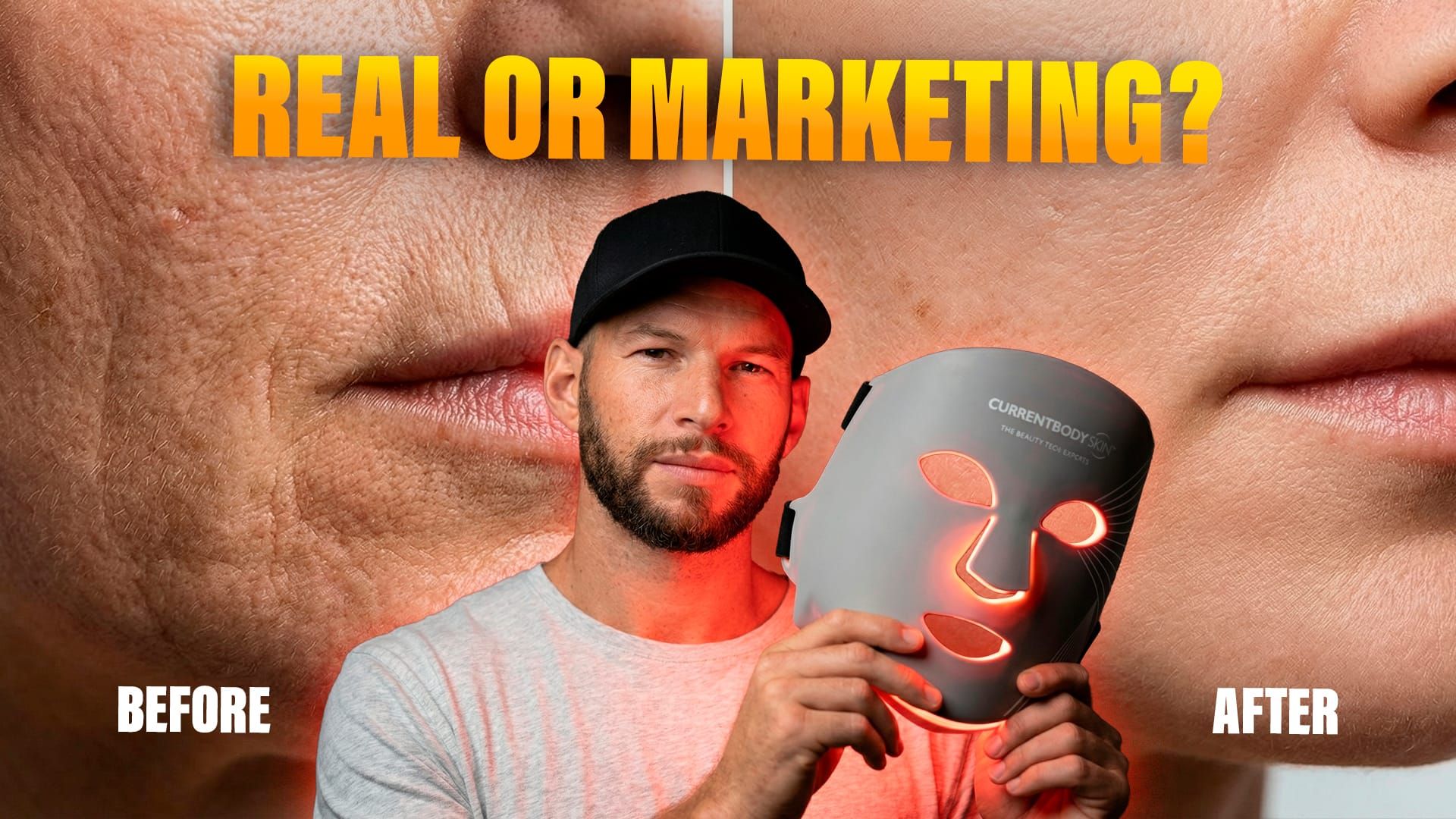
You’ve probably seen LED masks everywhere promising firmer skin, fewer wrinkles, and more collagen. But if it really worked that well, why isn’t every dermatologist just handing patients an LED mask and calling it a day?

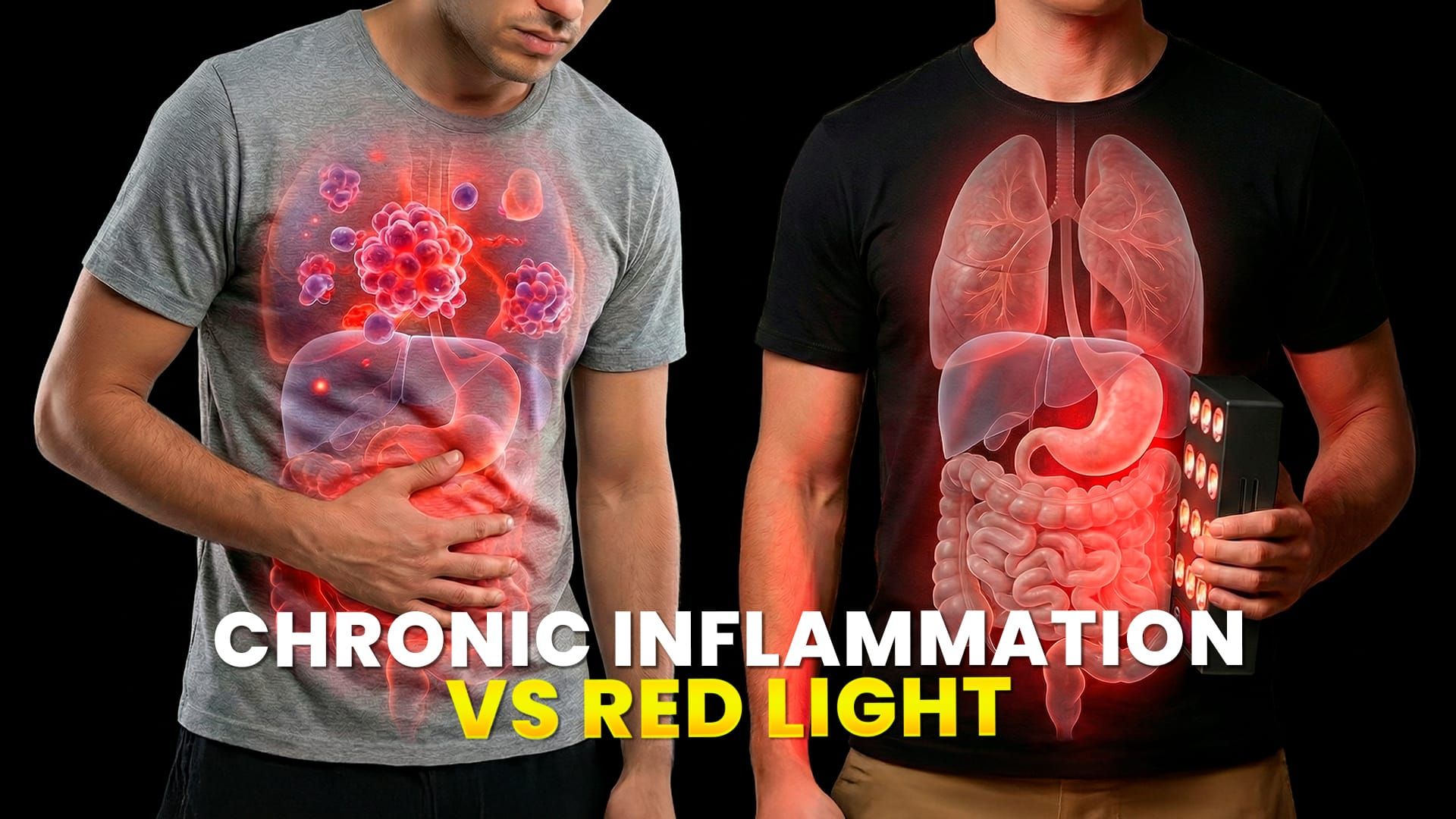
Chronic inflammation drives conditions like diabetes, heart disease, arthritis, and neurodegeneration. This article explains how red light therapy reduces inflammation through mitochondrial activation, cytokine modulation, and improved blood flow, plus practical dosing and device guidance.

Find out if red light therapy is suitable for cancer care, exploring its benefits, possible risks, and the latest research on this therapy.

Red light therapy is a promising treatment for TMJ disorders, offering patients non-invasive relief from pain and improved mobility. Learn more!
Red light therapy is more than recovery. Used correctly, it can improve muscle endurance, reduce fatigue and inflammation, and support VO₂ max—especially when applied locally to trained muscles before exercise. Recent reviews explain how to use it effectively.

Is red light therapy safe for your eyes? This science-backed guide explains why low-dose red and near-infrared light is considered safe, how it compares to sunlight exposure, and how to use RLT around the eyes responsibly.
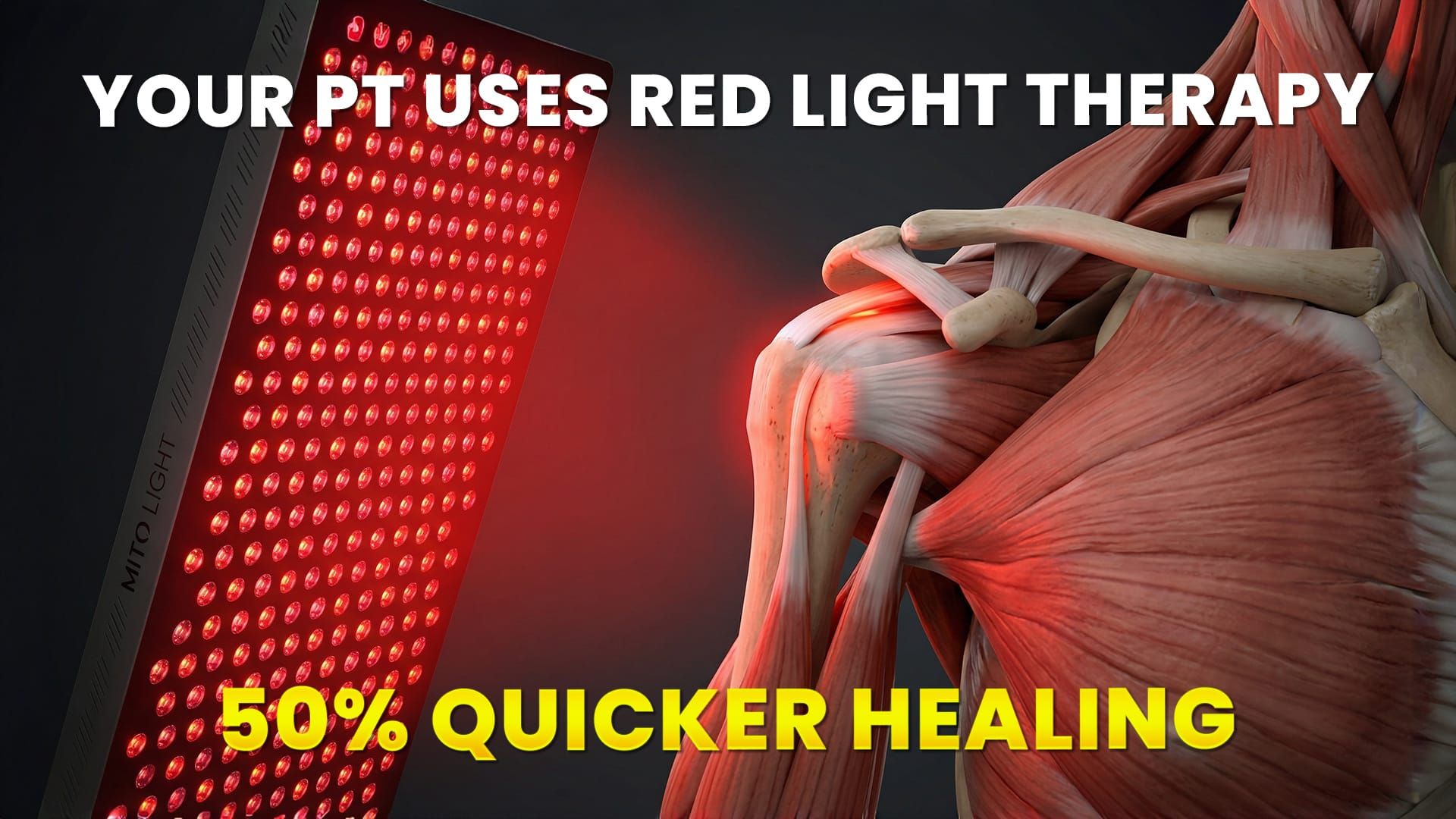
Red and near-infrared light therapy may help reduce shoulder pain, improve range of motion, and support tissue healing. This article reviews the latest science, explains optimal wavelengths and dosing, and compares the best red light therapy devices for shoulder conditions.

Red and near-infrared light therapy is one of the most promising — and surprisingly well-researched — tools for oral health. Used correctly, it can reduce tooth sensitivity, ease dental injection pain, support gum health, and speed oral wound healing.