

Implementation of light therapy in mainstream health care is difficult. I remember talking to many people about this topic throughout the years.
For instance, all the way back in 2017 or so I think the great Prof Michael Hamblin expected light therapy panels to be in every home in 10 years or so. And when James Carroll got started decades ago in light therapy, he thought that within years, light therapy would be integrated into every clinic, hospital, and other medical setting.
But that didn't happen...
Today we'll talk about a new review that just came out about implementing light therapy into mainstream medicine. We'll also share some of our latest content and a huge announcement!
New Review About Implementing Light Therapy Into Mainstream Medicine
So this review just came out in December 2025. Reviews look at previous publications on a topic and then try to integrate that data into a new whole.
The researchers trace "red light therapy" or "photobiomodulation" (the medical term) in medicine back 5+ decades. Red light therapy works because it makes your mitochondria more efficient - the "powerhouses of your cells". With more energy, in turn, you move towards greater states of health. Many diseases that come with age (non-genetic diseases!) have a mitochondrial component, and that's one of the reasons why light therapy works for so many health goals and conditions.
(Bart just released an article on light therapy mechanisms beyond mitochondria, which you can read HERE)
Let's move back to the topic of how light therapy works. The researchers of the review posit that light therapy works for a broad range of conditions, such as:
- In dermatology and wound healing, light therapy reduces inflammation, accelerates the regeneration of upper skin layers, enhances collagen synthesis, and improves the formation of blood vessels.
- For surgery and cancer treatment side effects, there's strong evidence for radiation dermatitis, oral mucositis, chronic ulcers, and post-surgical recovery.
- For musculoskeletal goals and pain management, red light therapy reduces postoperative pain, fibromyalgia symptoms, neuropathic pain, and temporomandibular disorders (your jaw).
But what do all of these disease states have in common? There's often high inflammation and metabolic stress! If you're healthy, however, the results may be less profound, according to the researchers.
A 20-year-old generally has fewer benefits than a 70-year-old, if they both have average health for their age. For the brain, for instance, there's evidence for stroke recovery, Parkinson's, concussions and Traumatic Brain Injury (TBI), Multiple Sclerosis, and more. But once again, brain inflammation ("neuroinflammation"), poor mitochondrial function and health, improper blood flow, and low detoxification may underlie many of these problems.
So what prevents widespread adoption of (red) light therapy into mainstream medicine? Several reasons exist:
- Dosing is extremely complex, as we at Light Therapy don't even have simple answers for you. If people like us whove spent years working in this niche don't have a simple answer, it's also harder to implement light therapy across medicine, such as in clinics and hospitals! The issue here is that there's no agreement on dosing, that studies don't report wavelengths adequately, beam angle, irradiance, different devices used in studies, etc. We simple haven't had our "iPhone moment" yet, in the industry, where the average person can intuitively use light therapy without assistance!
- Then, there are issues with studies. Not all study setups are equal, and some are very poor. Some studies have suboptimal dosing, or inadequate tissue penetration when that's necessary for deep-tissue treatment, and don't select the right populations.
- The researchers also mention the rapid expansion of consumer options in the space. There are so many different consumer options on the market today that standardization gets a lot harder. Heck, even regulation and safety assurance gets hard if you're dealing with 150+ jurisdictions across the globe.
- And this one is from me (Bart!), not the researchers. Light therapy is complex, plain and simple, and not easy for the average person to understand. Take the picture that was included on wound healing, for instance, in the exact review that I'm covering today:
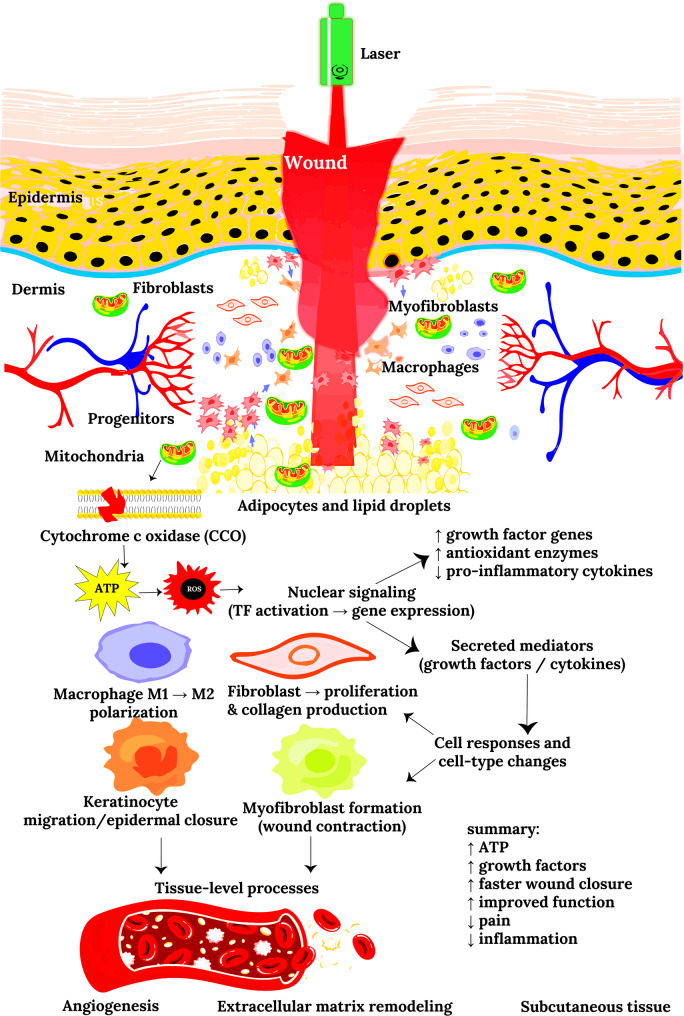
- In my opinion, your average uncle or aunt runs away after seeing that picture. So complexity, plain and simple, also prevents the more universal proliferation of light therapy into all aspects of medicine!
- But back to the researchers. The researchers state that "protocol harmonization", so having standardized protocols, or at least protocols that are easier to understand, is a key aspect of making light therapy more accessible for the average person. I, Bart, agree there, and that is what I've been working on recently, with the launch of my course. That course is 100% but does supply you with guidance on any light therapy-related topic you can imagine:
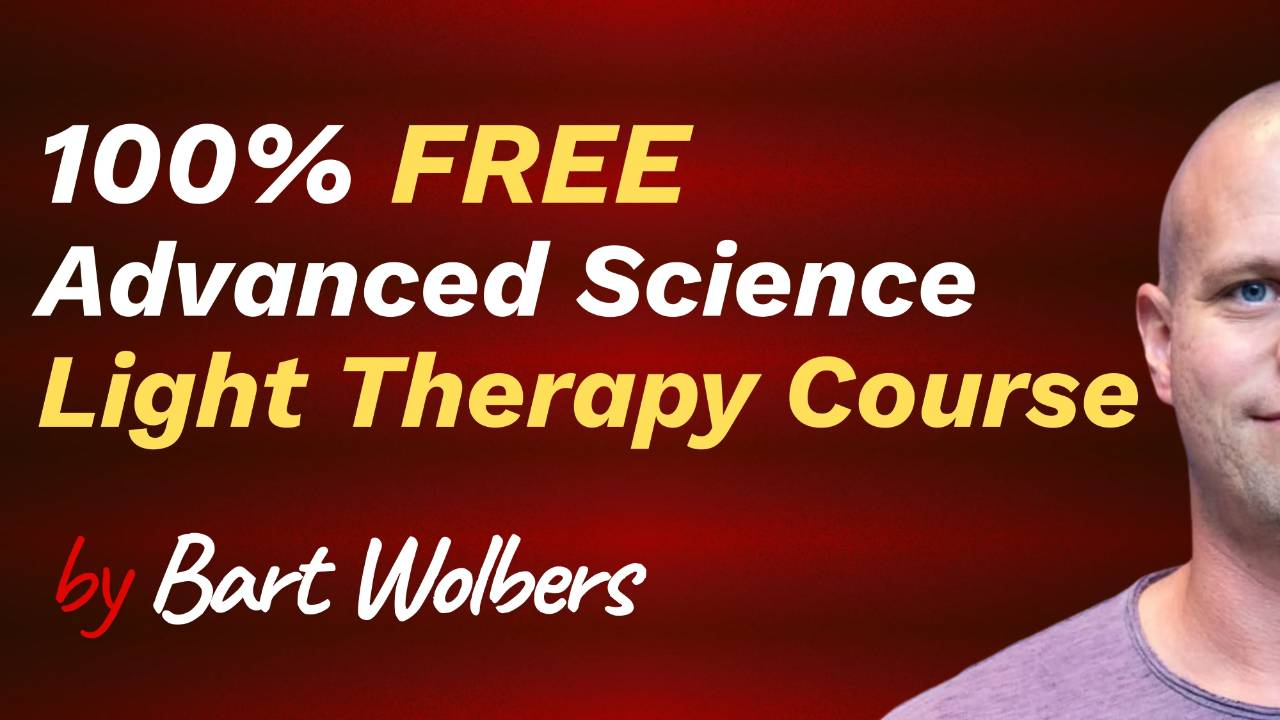
Click HERE to sign up for free - three out of 17 episodes are posted thus far!!
We're still building out that course and will continue updating it over time. So in 2027 and beyond, if new research comes out, you'll get the updates in there. In fact, Alex and I aim to update most of our content every year, so you always have access to the latest guidance on how to use a device effectively and get the most benefits.
But back to the earlier review I was discussing. What other suggestions do the researchers have? Here are a few:
- Personalized light therapy approaches. Once again, this is not easy to apply. Light therapy is already hard to apply for clinicians, as they often need courses to correctly apply lasers, etc, for the best results. So for the average person, the difficulty becomes even steeper there!
- Guidance based on biomarkets - Same issue here, the fear here is that an already complex topic becomes more complicated.
The best we can do? Join the course right now and get access to the first episodes on mechanisms, depression, and neurology (Alzheimer's, Parkinson's, and Multiple Sclerosis). Click HERE to sign up for free
Here Are Our Latest Light Therapy Insiders' Articles:
Every single article that we've published recently - you can find the videos in the article itself:
- Welcome to the Light Therapy Course - the name says it all, the launch of our 100% free premium course, that digs deep into the science, how to use devices most effectively, the best protocols for many goals, and a LOT more!
- The 3 Red Light Therapy Mechanisms You Should Know About - Here's Bart's article on the 3 main mechanisms of red light therapy, and pros and cons of that thinking style of assuming light therapy has main mechanisms in the first place. This is quite a brain breaker and recommended if you like in-depth science!
- Red Light Therapy Insiders Kineon: Move Plus 2.0, Heel Modular System And Sensor Roadmap - the Kineon MOVE+ 2.0 is talked about in this interview, with Tom Sanderson of the company. Kineon have been supplying people with one of the best devices on the market in recent years, especially for joint health!
- Red Light Therapy 2026: 7 Predictions (I Might Regret These) - the light therapy space is more exciting than ever. Here are Alex's 7 predictions of what to expect in 2026!
- Red Light Therapy Wavelengths & Penetration Ultimate Guide - Bart did a huge deep dive interview with Tom Kerber from SunPowerLED, on wavelengths, penetration, dosing, power output, and much more. This is a must-watch if you're a nerd and want to understand these topics better!
Also, Check Out Some Of Our Other Content:
Below you'll find some of our best content that you shouldn't miss:
Red Light Therapy Buyers Guide
 Alex Fergus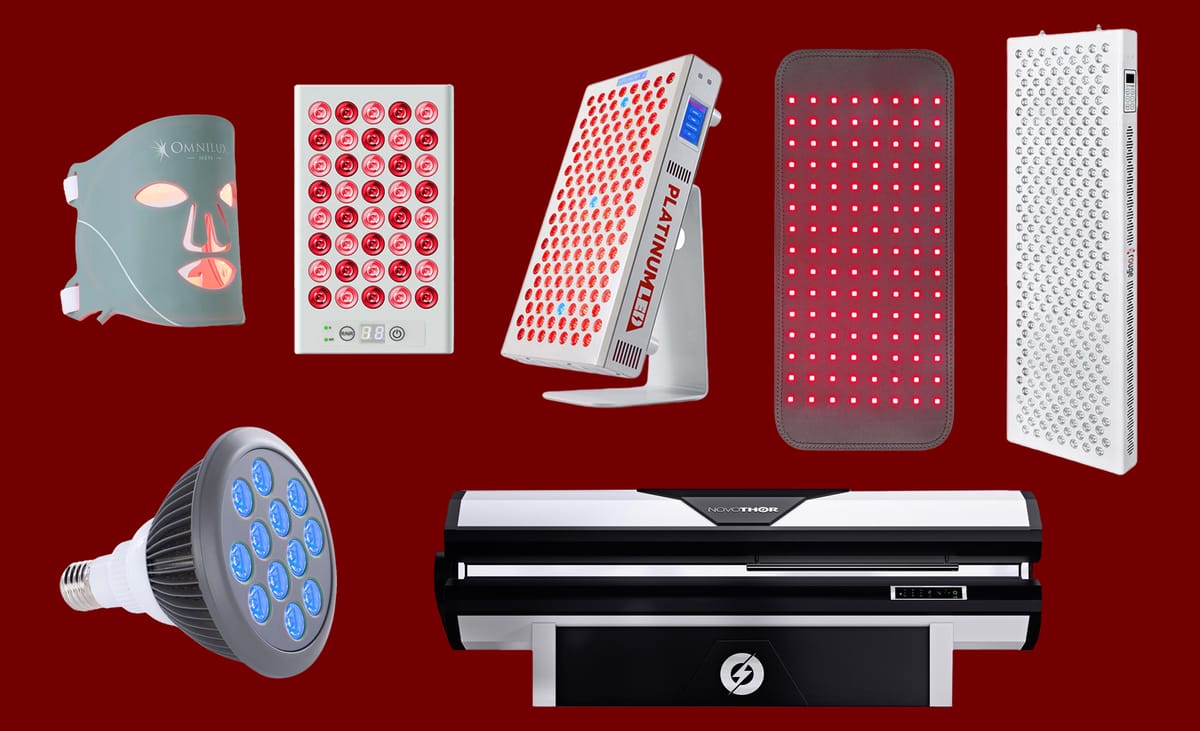
Red light therapy uses red and infrared light to achieve a biological effect. Dive into this topic and select a device that's right for you.
LED Mask Shopping Tool

My extension shopping tool compares all of the world's best (and not so good!) Red Light Masks.
How To Use Red Light Therapy 101: The Best Guide For Starters
 Alex Fergus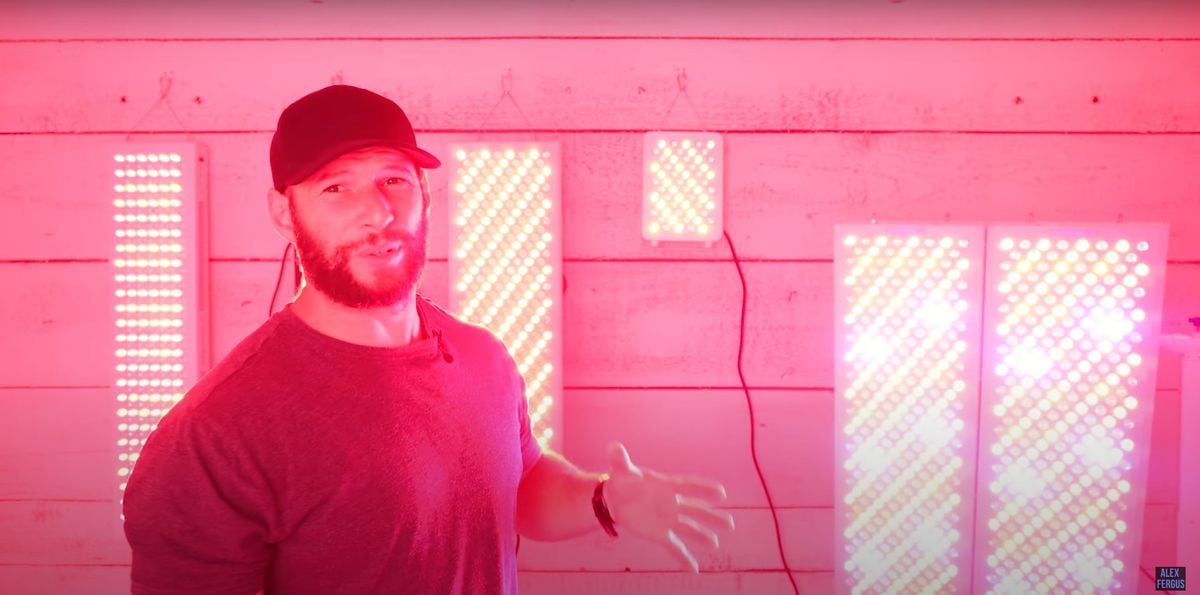
You have your device? Let me help you use it.
Red Light Panel Shopping Tool

My extension shopping tool compares all the world's best (and not-so-good!) Red Light Panels!
Exclusive - Discount Codes, Deals & Recommendations
 Alex Fergus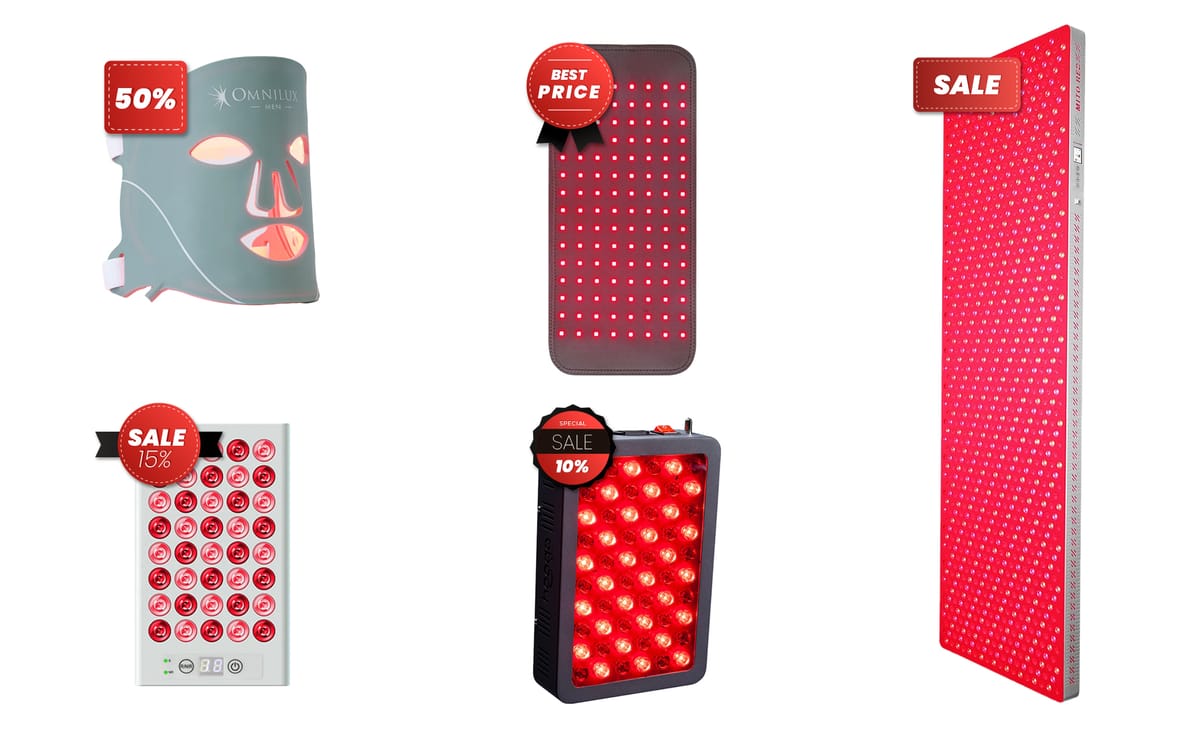
Shopping for a red light device? Use this resource to save! We've got deals for most of the big and best brands out there...