
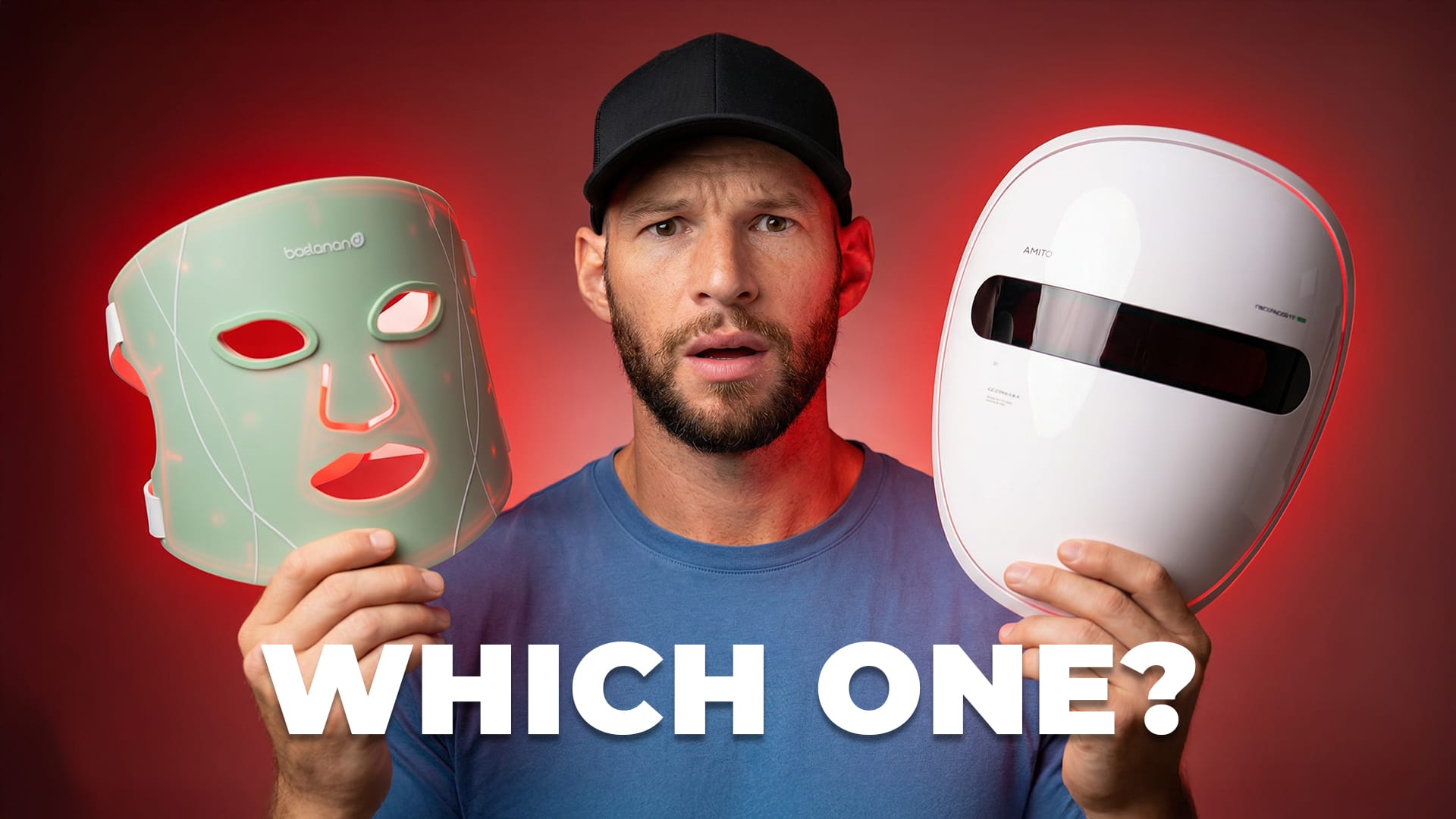
If you are shopping for red light therapy masks, the choice usually comes down to two basic designs: a soft, silicone shell that hugs your face or a hard, rigid shell that sits off your skin. Both claim benefits and both have trade-offs. After testing 30+ devices, what matters most is not the shell but the light: wavelengths, LED placement, power output and how the mask fits your face and lifestyle.
How to think about red light therapy masks
Consider a mask as an applicator of light. The goal is to deliver specific wavelengths (usually red and near-infrared) at the right density to the skin. Whether that light comes from a panel, a torch, a wrap or a mask, the physics is the same. The difference with red light therapy masks is ergonomics: how the LEDs are arranged, how the device sits on your face and how practical it is to use regularly.
Soft shell masks: overview, advantages and drawbacks
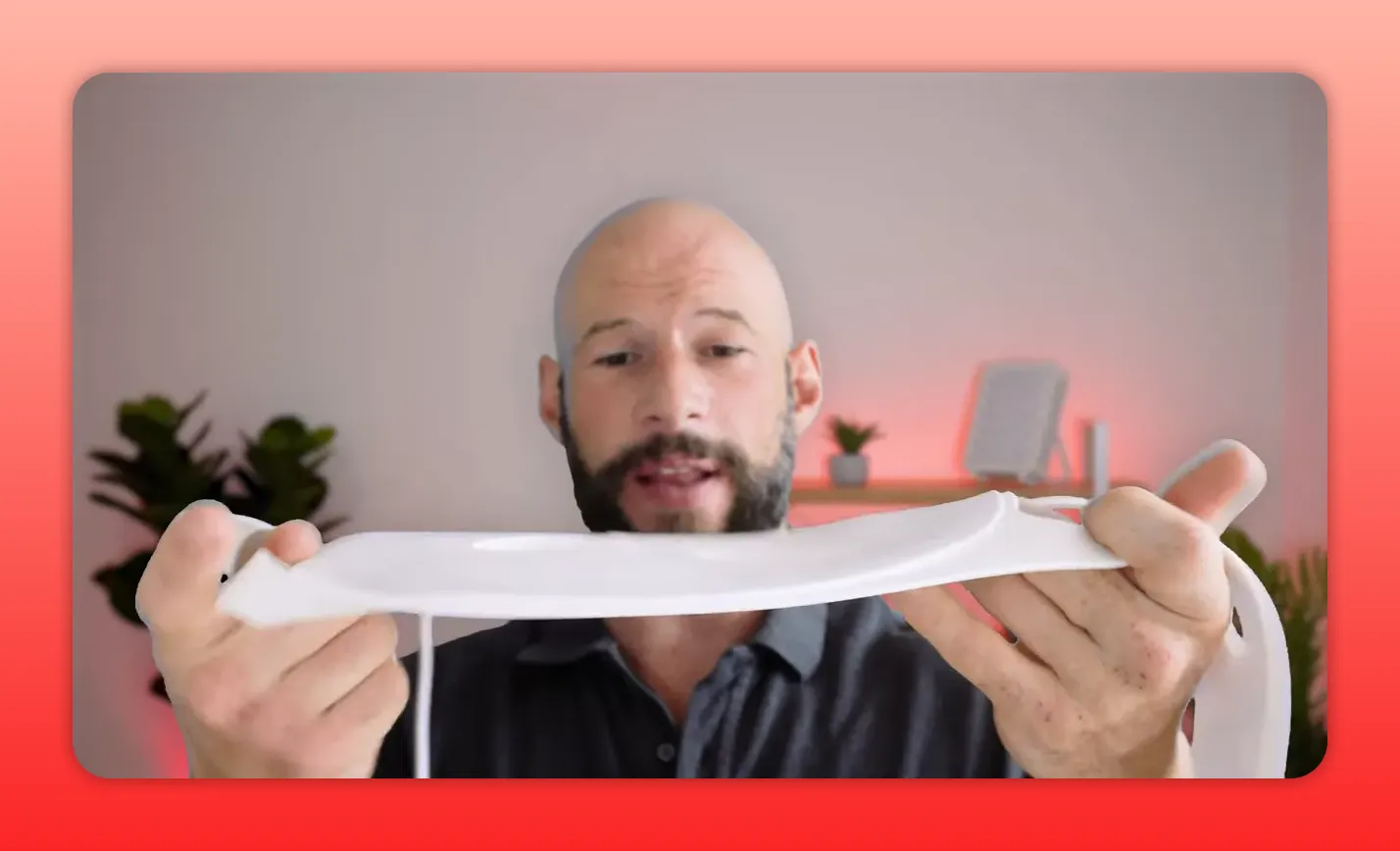
Soft shell masks are usually flat, flexible silicone or molded silicone that wrap around your face. They sit directly on the skin, often with cutouts for the nose and mouth.
Why people like soft shell masks
- Excellent fit. Because they sit on your face, soft masks conform to facial contours and reduce light leakage.
- Light penetration. LEDs in contact with skin mean less scattering and often shorter treatment times for the same dose.
- Lightweight and portable. Most are thin, durable and foldable—easy to pack or store.
- More options at different price points. There are many models and wavelengths available, so you can often pick a device that matches a specific need or budget.
Common downsides of soft shell masks
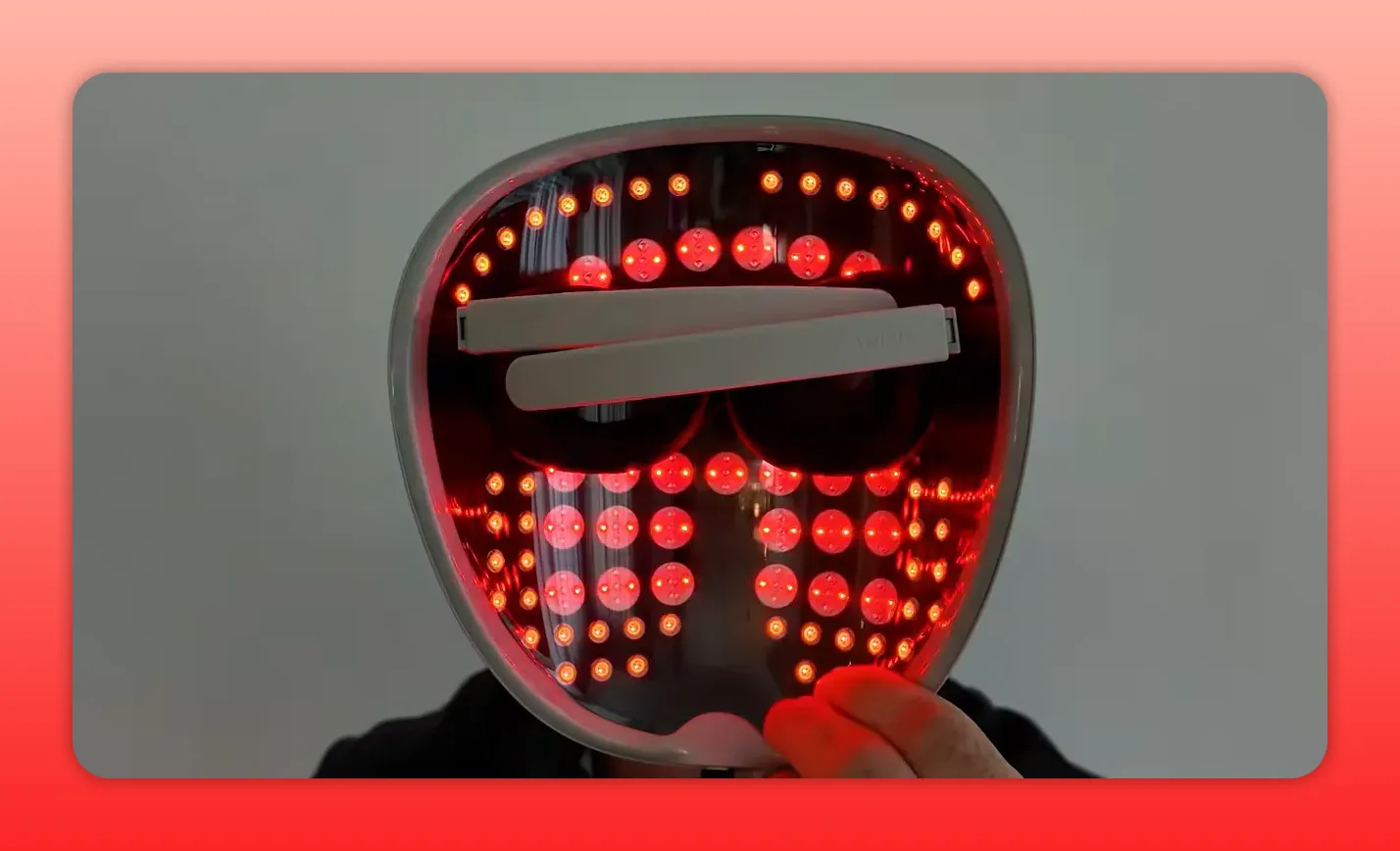
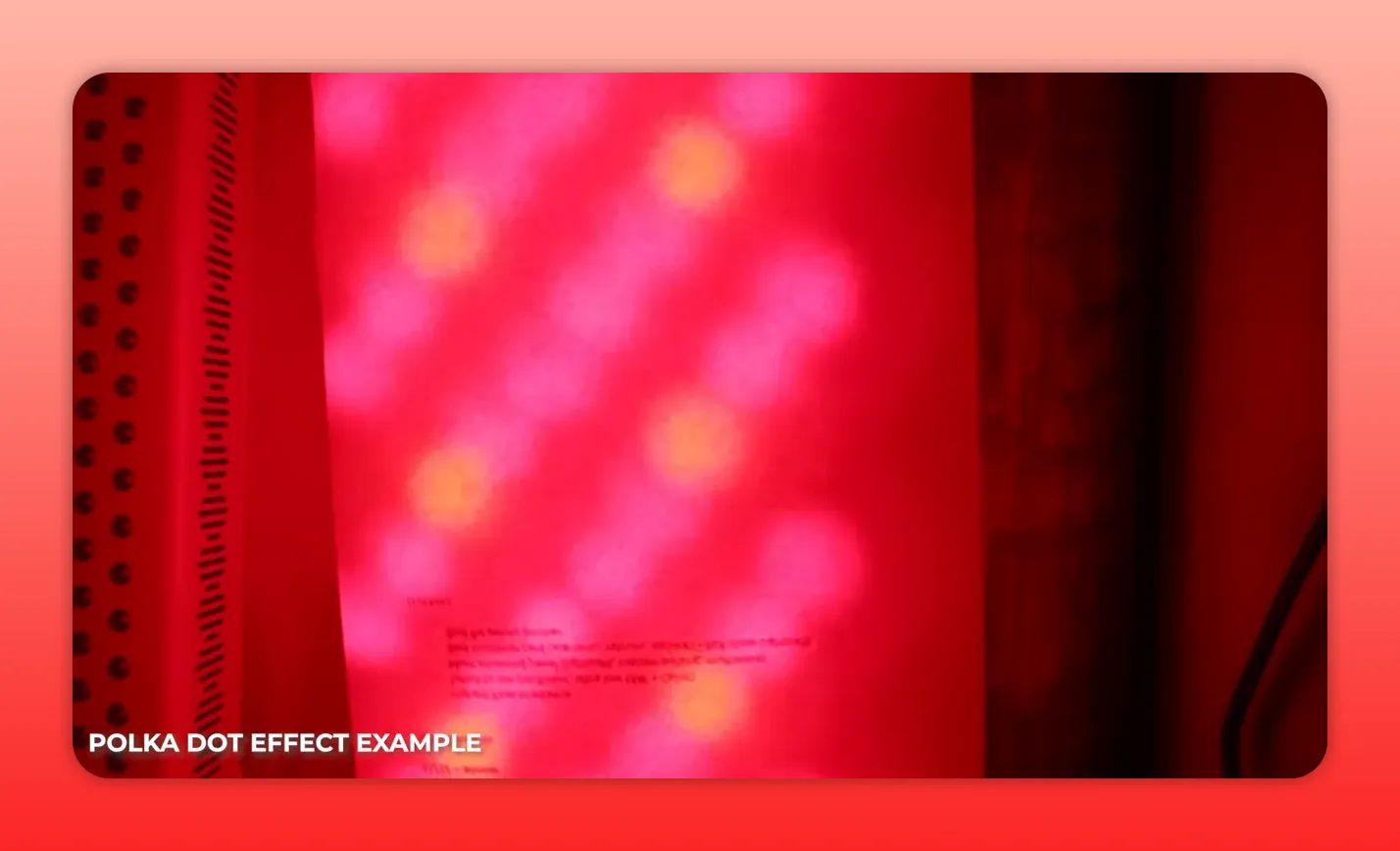
- Polka-dot effect. If LEDs are sparse you can get concentrated spots of light with gaps in between. That results in uneven coverage if the LED count is low.
- Moisture and humidity. Because the mask sits on the skin you may feel warmth, sweat or a humid microclimate during longer sessions.
- Fit problems. Cheap or poorly cut masks can press on the bridge of the nose or not match unique facial shapes.
- Dead spots. Some manufacturers omit LEDs in critical areas (often around the eyes or nose), so check coverage maps where possible.
Hard shell masks: overview, advantages and drawbacks
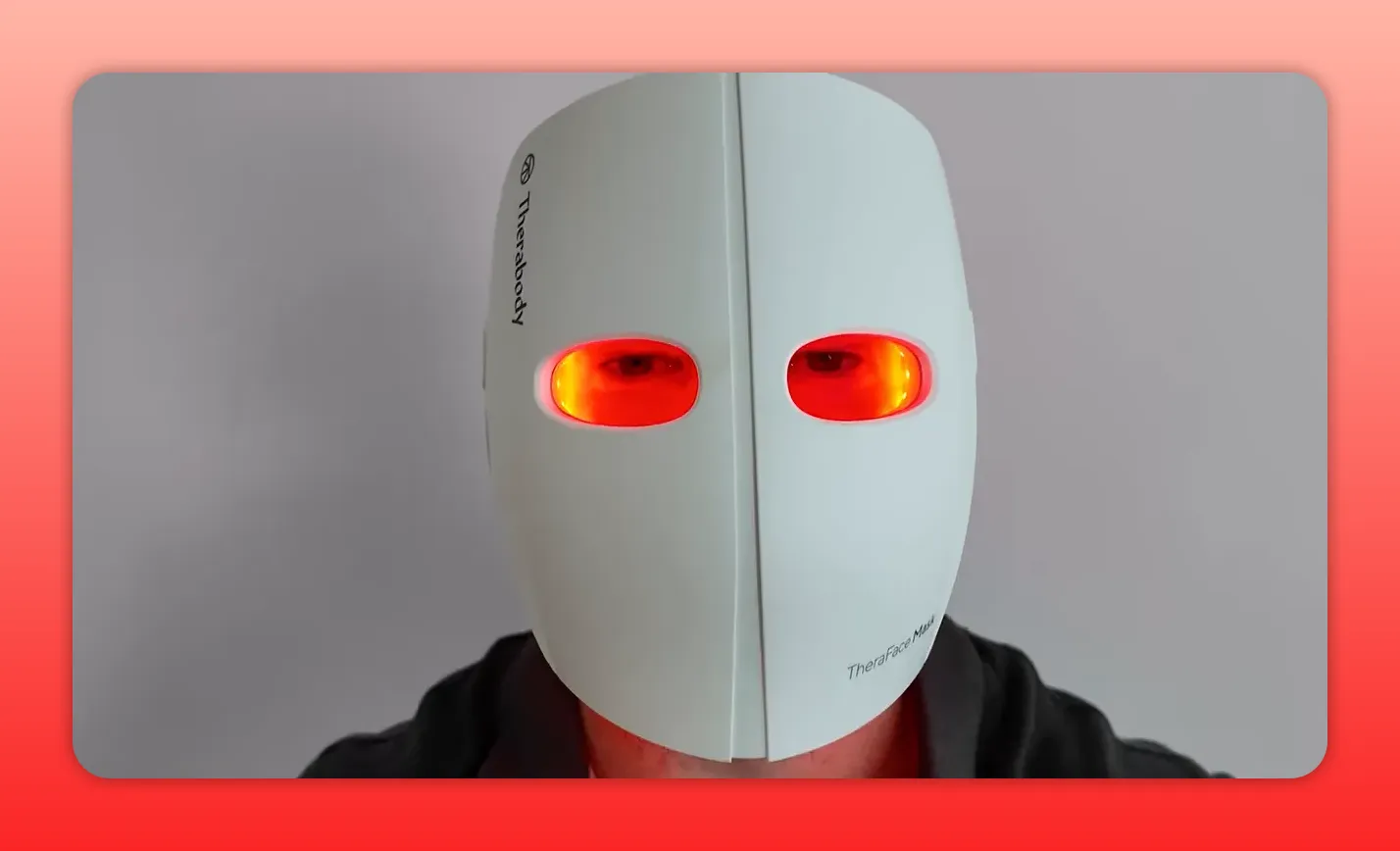
Hard shell masks are rigid plastic units where LEDs are mounted away from the skin. They often look more premium and include additional features.
Why people choose hard shell masks
- Even light spread. LEDs sitting off the face disperse light more evenly and avoid concentrated hot spots you sometimes get with direct-contact LEDs.
- Higher LED counts and power. Rigid designs usually house more LEDs and bigger batteries, which can translate into higher total output.
- Premium features. Some hard shell masks include extras such as vibration or misting, better controllers and longer run times.
- Clearer vision and easier speech. With the mask off the lips you can often see and talk more comfortably while using it.
Why hard shell masks aren’t for everyone
- Weight and bulk. The premium build comes with heft. Heavy masks are uncomfortable for long sessions and are often best used lying down.
- Fixed fit. A rigid shape may press at the top of the eyebrows or leave gaps in other areas. There is little you can do if it doesn’t match your face.
- Poor periocular coverage. Many hard shell designs use eye supports that block light around the eyes—the exact area many people want to treat for fine lines.
- Less portable and more expensive. Hard shell masks are harder to travel with, and there are fewer models on the market, typically at higher prices.
Visual coverage: why LED placement matters
A common difference you can see immediately is where the LEDs sit. Direct-contact LEDs can give intense point sources (the polka-dot pattern). Off-face LEDs create a blended field. Both can work—but the result depends on LED density and power. Low-density soft masks with 50–80 LEDs often leave gaps. High-density soft masks or hard shell masks with many LEDs will give more consistent coverage.
The middle ground: 3D or semi-molded soft shell masks
If you want the comfort and portability of silicone with better coverage, look for a semi-molded or 3D soft shell mask. These are pre-shaped silicone designs that are not flat but already contoured to a face shape. That contouring improves fit and reduces dead zones without adding the bulk or weight of a hard shell.
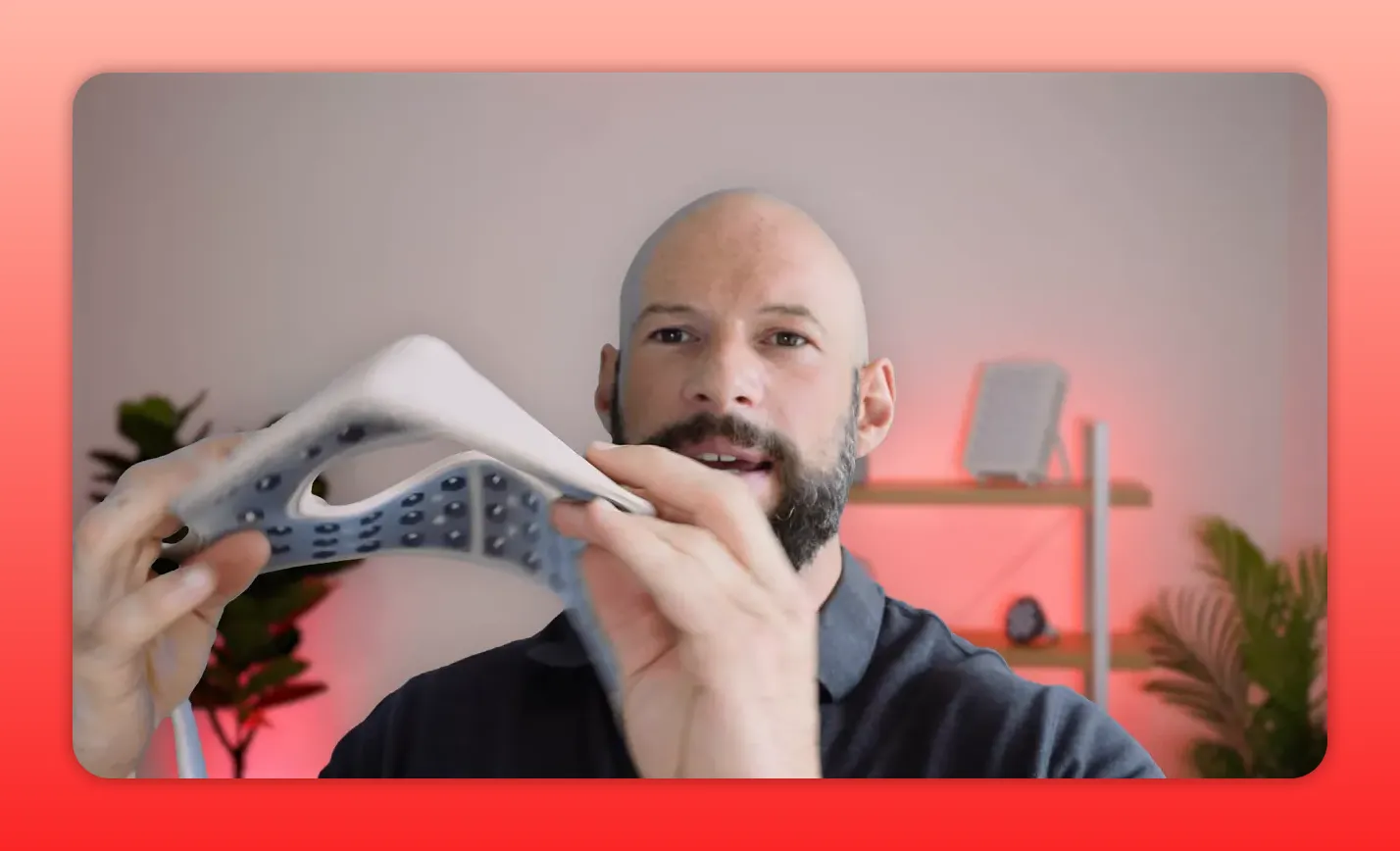
Examples include a handful of semi-molded models from well-known brands. They remain lightweight, foldable and generally comfortable while offering a more even distribution of LEDs across facial curves.
How to choose the right red light therapy mask
Focus on function first, then form. The shell type is secondary to the following technical and practical factors:
- LED count and layout. Higher LED density usually means fewer dead spots and more even coverage.
- Wavelengths. Typical therapeutic bands are ~630nm (red) and ~810nm–850nm (near-infrared). Pick a device that lists exact wavelengths.
- Power output. Look for irradiance or power figures. Higher power means shorter sessions or deeper penetration, depending on wavelength.
- Fit around the eyes and nose. Inspect photos or try in person. Many issues stem from a poor fit in these areas.
- Ventilation and mouth opening. Decide whether you want a mouth opening for breathing/speaking, or a sealed design.
- Portability and durability. If you travel, a foldable soft shell or lightweight semi-molded mask is more practical than a heavy hard shell.
- Warranty and returns. Buy from sellers with a reasonable return period—fit and comfort are personal and sometimes unpredictable.
- Price vs. features. Hard shell masks typically cost more for a premium build and extras. Soft shell masks offer more budget choices and wavelength combinations.
Who should buy which mask?
Choose a hard shell mask if:
- You prioritise an even, blended light field and higher total LED output.
- You don’t plan to travel with the device and will mostly use it lying down.
- You want a premium device with extra features and don’t mind paying more.
Choose a soft shell mask if:
- You want something lightweight, durable and portable.
- You are price conscious and want more model and wavelength options.
- You prefer the LEDs to be close to the skin for efficient delivery and shorter sessions.
Consider a 3D semi-molded soft shell if:
- You want the best of both worlds—good fit, better coverage and portability without heavy bulk.
Final recommendation
For most people looking at red light therapy masks, a high-density soft shell or a 3D semi-molded soft shell is the sweet spot. It combines comfort, portability and good light delivery. If you want raw LED power and an even spread and you don’t mind the weight or the premium price, a hard shell mask is a solid choice—but pay close attention to periocular coverage.
Whatever you choose, check the LED count, wavelengths, power output and the return policy. Fit matters more than glossy specs: a perfectly spec'd mask that doesn’t sit right will be less effective in real life.
If you plan to use red light therapy masks frequently, prioritise comfort and coverage—those are the two things that determine whether a device actually becomes part of your routine.
Found This Interesting? Look At These Articles
🔴 The Red Light Therapy Facial Fat Loss Link: Myth Or Reality?
🔴 Does Red Light Therapy Help Scars? The Science
🔴 Red Light Therapy For Skin: Beauty Benefits, Potential Complications, And More
🔴 Psoriasis With Red Light Therapy: Potential Game-Changer?
Have You Seen These Reviews
🔴 Rouge G4 Pro Review: Most Advanced Red Light Panel Yet?
🔴 Best Red Light Panel Yet? Block Blue Light Mega Review
🔴 $800 Red Light Mask Has Lasers… But Why?
🔴 Omnilux Contour Mask Review: Still Worth It in 2025?
Alex's Bio
Alex Fergus wrote this blog post. Alex is an ISSN Sports Nutrition Specialist, Fitness Professional, and certified Superhuman Coach who continues to expand his knowledge base and help people worldwide with their health and wellness. Alex is recognized as the National Record Holder in Powerlifting and Indoor Rowing and has earned the title of the Australian National Natural Bodybuilding Champion. Having worked as a health coach and personal trainer for over a decade, Alex now researches all things health and wellness and shares his findings on this blog.