
Red light therapy black friday deals are already top of mind for many shoppers, and with three new masks on the market this season, it helps to separate genuine upgrades from marketing noise.
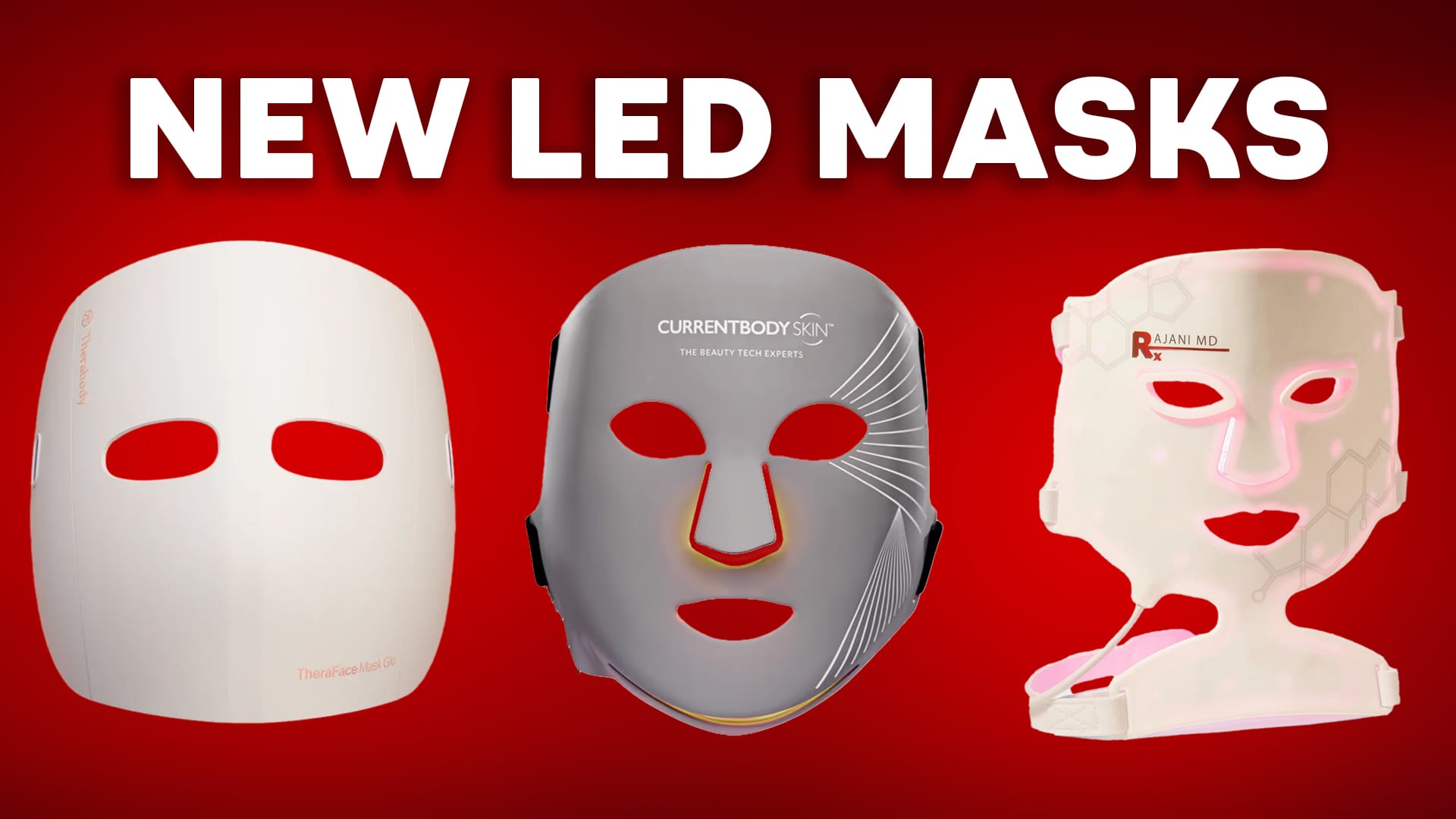
My earlier guide cuts through the specs, explains what actually matters for results, and lays out who should consider the Theraface Glow, CurrentBody Multilight, and the Dr Rajani PlasmaGLO.
Quick take: What To Look For Buying Masks
When comparing masks, focus on four core things: coverage, wavelengths, power/LED count, and fit/comfort. Price matters, but a cheaper mask that you never use is a poor bargain.
For many buyers, the sweet spot is between $350 and $450. Use the range as a starting filter unless you need a very specific feature (like blue light for acne).
 Alex Fergus
Theraface Glow — A Budget Hard-Shell Option that Narrows the Gap
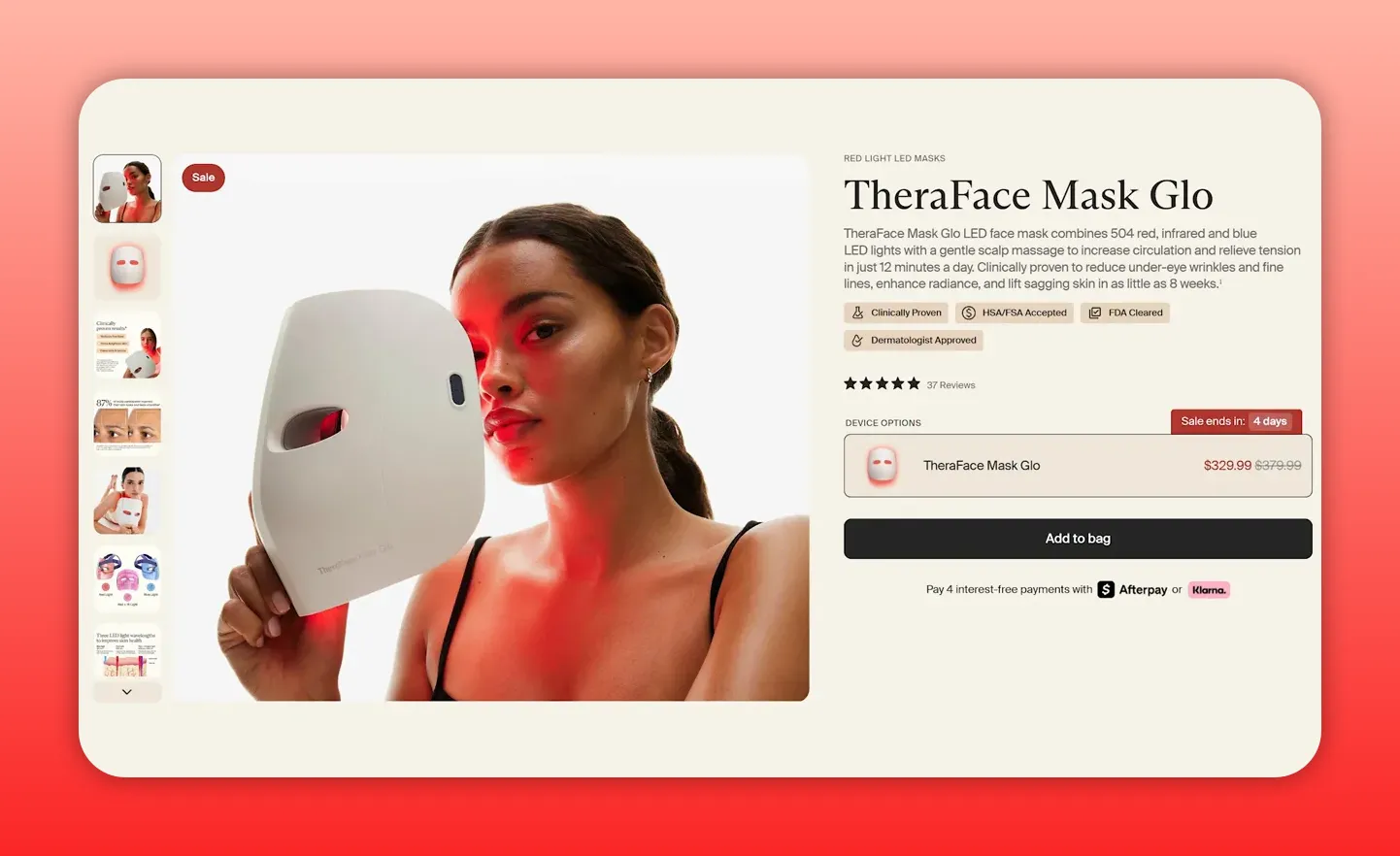
The Theraface Glow positions itself as a lower-cost sibling to the full-sized Theraface mask. The headline number that gets attention is the price: $380 versus about $650 for the original. At that price, the Glow lands directly in the range that a lot of buyers expect when chasing red light therapy black friday deals.
Here are the relevant specs and what they mean in practice:
- Design: hard shell with a rigid fit. That means the LEDs sit off the skin which can help angle light and reduce hot spots, but it also makes the mask bulky and less travel-friendly.
- Weight: approximately 515 g (about 18 oz). That is roughly 10% lighter than the original, but still substantially heavier than soft-silicone masks that weigh 200–300 g.
- LED count: 504 LEDs versus 648 in the standard model. Plenty of diodes, but fewer than the flagship unit.
- Wavelengths: red, near-infrared, and blue are included — the core trio for anti-aging plus an acne option.
- Features: includes vibration mode; battery life appears slightly shorter than the standard mask. The flexible central joint in the original is not present in this version, so fit may be less conforming.
Pros:
- Price point hits the attractive sweet spot for many buyers.
- High LED density still offers solid coverage compared with low-cost competitors.
- Good wavelengths for standard skin anti-aging and acne support.
Cons:
- Hard shell design remains bulky and not ideal for travel.
- Still fairly heavy — can pull the head forward during use for some people.
- Fewer LEDs and no center joint could reduce comfort and fit for certain face shapes.
"If you're happy with the bulk and off-the-face benefits, it's appealing — but I can't recommend it until I try one."
Who should consider the Theraface Glow?
If you prefer the hard-shell, off-the-face style and want a near-flagship experience but at a lower price, the Glow is worth watching. If you need portability or a lightweight mask you can wear sitting up comfortably, a soft-shell alternative may be a better fit.
 Alex Fergus
CurrentBody Multilight — Six Wavelengths, or Six Marketing Talking Points?
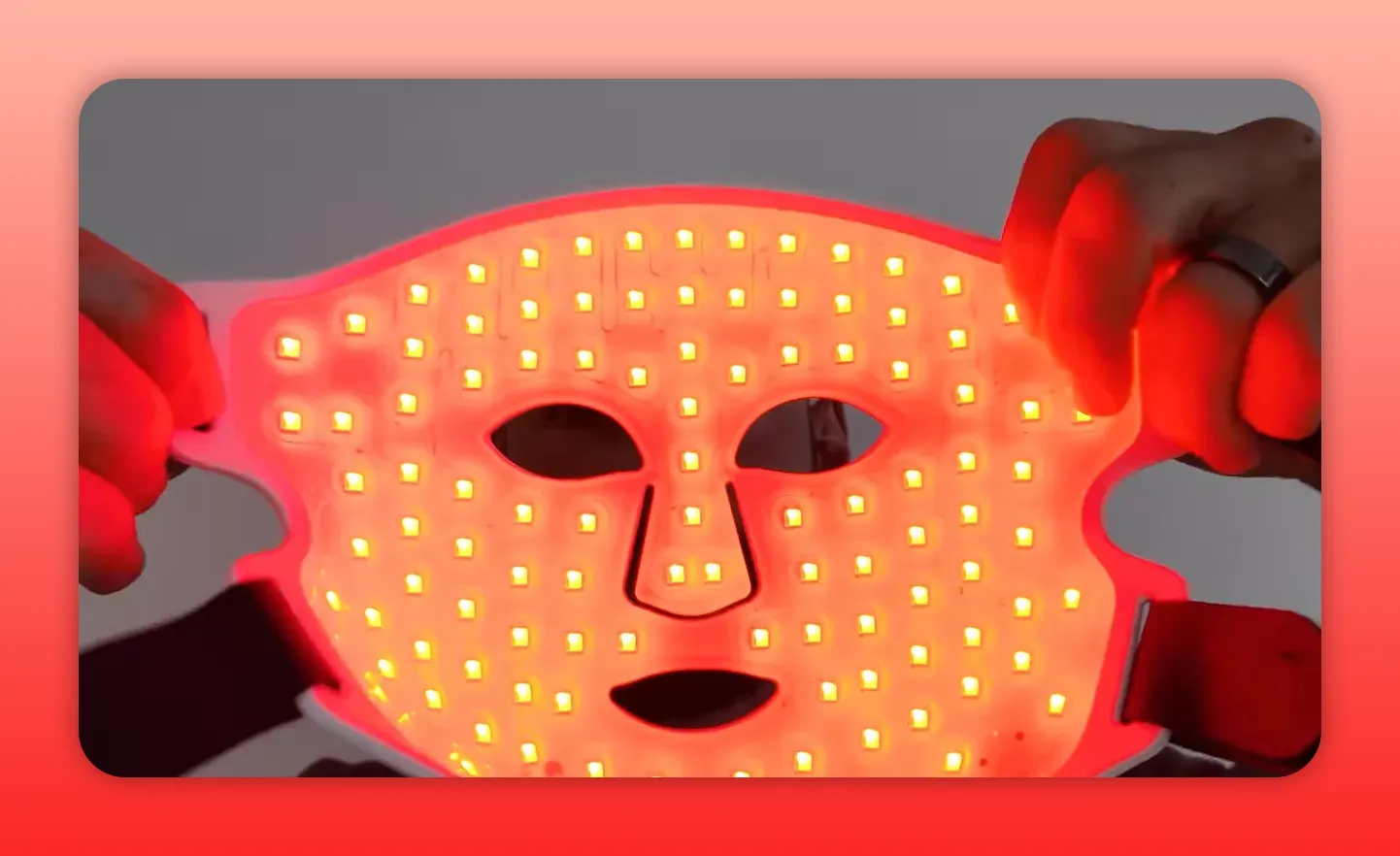
CurrentBody's Multilight is an evolution of their Series 2 soft-shell mask. The Series 2 scored well because it struck a useful balance: a semi-soft shell for comfort and portability, effective core wavelengths, and a sensible LED layout. The Multilight increases the number of wavelengths from three to six by adding blue (415 nm), green (532 nm), and amber (590 nm) alongside 630 nm, 830 nm, and 1070 nm near-infrared.
Use code ALEXFERGUS on this link and get 10% off sitewide.
Why this matters — and why it sometimes doesn't:
- Red + NIR (630, 830, 1070): These are the workhorses for skin photobiomodulation and are responsible for most anti-aging benefits. If you only want to target collagen, fine lines, and cellular energy, red plus some near-infrared is sufficient.
- Blue (415): Effective for acne by targeting acne-causing bacteria. If acne is not a concern, blue adds little and can be overkill for many adult users.
- Green (532): There is some interest in green light for pigmentation and migraine relief, but it is not a core anti-aging wavelength for most people.
- Amber (590): The most interesting of the additions because there is emerging research suggesting amber may help skin rejuvenation. It is a useful bonus for anti-aging stacks.
CurrentBody is marketing LED facial mapping — different wavelengths positioned in zones around the face. That looks neat in diagrams, but there are real engineering tradeoffs.
Spreading six different wavelengths evenly across a mask is complex and can dilute the number of the most effective LEDs (630 nm and 830 nm). If amber or blue matter to you, fine; but if not, the Series 2 three-wavelength approach remains efficient.
Rate us on Trustpilot.
Price: The Multilight lists at about $570, roughly $100 more than the Series 2. If you are monitoring red light therapy black friday deals, that price delta is an important consideration. The Multilight is a compelling upgrade only if the extra wavelengths will actually be useful to you. Otherwise, the Series 2 remains the better value.
Practical user behavior also matters. Most people experiment with modes once or twice and then use the basic anti-aging preset 90% of the time. Layering many fancy modes into a controller can be useful for some, but for most, it adds complexity without delivering proportional results.
Get Exclusive Black Friday Red Light Therapy Deals
Join our insider list for subscriber-only access to the biggest discounts of the year — up to 50% off top panels, masks, and devices trusted by thousands.
👇
Unlock Black Friday DealsSubscriber-only • Biggest discounts • Trusted brands
Recommendation for CurrentBody
Choose the Multilight if you have acne, pigmented concerns, or want to experiment with amber for skin rejuvenation. Stick with the Series 2 for a straightforward red + NIR solution that is lighter, more portable, and usually cheaper — especially when hunting red light therapy black friday deals.
Dr Rajani PlasmaGLO — Interesting Strap Design, Modest LED Count
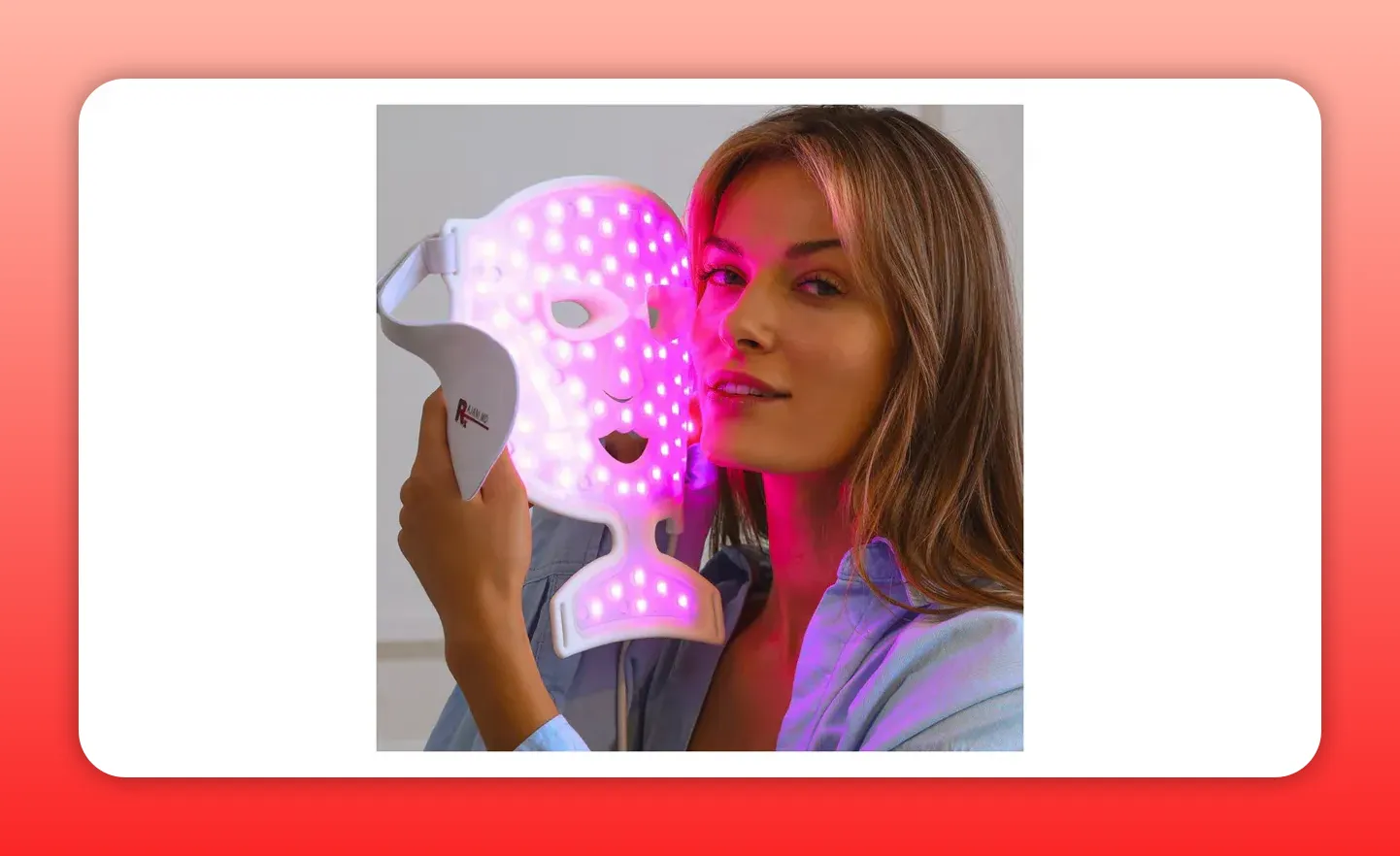
The Dr Rajani PlasmaGLO positions itself around $425 with a soft silicone shell and an under-chin strap design that aims to improve fit. That strap is adjustable rather than built-in like CurrentBody, which has pros and cons. Adjustable straps can handle a wider variety of face shapes, but multiple straps in photos can look fiddly to put on and off.
Wavelengths: 630 nm, 830 nm, and 415 nm are included — core anti-aging plus acne-oriented blue light. The mask also touts "plasma glow" technology intended to optimize light saturation and coverage.
Here are some practical points to consider:
- LED architecture: The PlasmaGLO uses 78 LED bulbs, each containing three chips, which equates to 234 LED chips. That is less than half the LED chip count of masks with 500+ chips. Fewer bulbs typically mean larger gaps in coverage or reliance on beam angle engineering to spread light.
- Beam angle vs LED density: Beam angle can spread light, but increasing the number of LEDs generally produces better, more uniform coverage. "Plasma glow" sounds like an engineering advantage, but in practice a higher LED count is a more straightforward solution to coverage issues.
- Fit and ergonomics: The soft shell and adjustable strap can be comfortable if designed well, but extra straps can slow use and feel cumbersome. If quick daily sessions are your plan, simplicity tends to win.
Bottom line: Dr Rajani offers a differentiated strap-based design and an approachable price, but the lower LED count means you need to weigh whether the novel fit features compensate for less diode density.
If you are chasing red light therapy black friday deals, compare actual LED counts and beam-angle specs rather than marketing names.
Side-by-Side Considerations: Making The Right Choice
When the goal is to find great red light therapy black friday deals, use a simple checklist to compare models rather than getting vested in brand hype:
- LED count and distribution: More LEDs generally mean more uniform coverage. Look at total chips, not only bulbs.
- Wavelengths: Red (around 630 nm) and near-infrared are the essentials for anti-aging. Blue is specific to acne. Amber is an interesting bonus for rejuvenation. Green has niche uses.
- Power and irradiance: LED count matters, but the power output of each diode and how close the light is to skin also determine dose. Seek specs for irradiance if available.
- Fit and comfort: Soft-shell masks are lighter and more portable. Hard-shell masks keep LEDs off the face but are bulkier and heavier.
- Usability: Consider how easy it is to put on, use, and store. If a mask is fiddly you are less likely to stick with daily sessions.
- Battery life and modes: Longer battery life and simple presets are often preferable over complex mode lists that go unused.
Who Should Buy Which Mask?
- Buy Theraface Glow if: you want a high-LED, off-the-face hard-shell experience similar to a flagship unit but at a lower price. Good if weight and bulk are acceptable and you want powerful coverage. Watch for red light therapy black friday deals to hit that sweet $350–$450 band.
- Buy CurrentBody Multilight if: you want a portable, comfortable soft-shell mask and you care about extra wavelengths such as amber or blue for acne. Consider this if you value versatility and may use the extra modes.
- Buy Dr Rajani PlasmaGLO if: you want an adjustable-fit soft-shell mask with unique strap options and a mid-range price. Make sure you are comfortable with the LED count and understand the tradeoffs in coverage.
How to Approach Red Light Therapy Black Friday Deals Effectively
Black Friday is when many of these masks drop in price or come with bundled add-ons. Here are practical tips to approach the deals intelligently:
- Set your budget sweet spot: $350 to $450 captures many of the best-value masks. If a model you want is far above that, decide if the extra features justify the premium.
- Compare specs, not claims: Look at LED counts, wavelengths, battery life, and weight. Avoid being swayed by buzzwords without numbers to back them up.
- Check return and warranty policies: That heavy hard-shell might not fit your face. Offers with a reasonable return window or warranty reduce risk.
- Prioritize a mask you will use: Daily or near-daily use drives results. Choose the form factor you will tolerate and enjoy.
- Watch for bundle savings: Some Black Friday deals include goggles, chargers, or travel cases. These can boost value — but only if you need them.
Final Recommendations
Red light therapy black friday deals are a great time to buy, but the best choice depends on your priorities. If you want maximum LED density and don’t mind a heavier shell, Theraface Glow looks promising for the price.
If you want comfort and portability with wavelength variety, CurrentBody Multilight is the more versatile pick. If fit adjustments and a slightly different strap approach matter, Dr Rajani offers an interesting alternative — just remember the LED count tradeoff.
Choose based on the factors that matter most: coverage, wavelengths you actually need, and a form factor you will wear regularly. Deals are tempting, but an inexpensive device you never use is a false economy.
Want Help Deciding?
If you're compiling a short list for red light therapy black friday deals, consider prioritizing three questions: Which wavelengths do I need? Will I wear a hard or soft shell daily? And what is my realistic budget? Answering those three will eliminate most confusion and help you spot an actual bargain when Black Friday arrives.
Found This Interesting? Look At These Articles
🔴 The Red Light Therapy Facial Fat Loss Link: Myth Or Reality?
🔴 Does Red Light Therapy Help Scars? The Science
🔴 Red Light Therapy For Skin: Beauty Benefits, Potential Complications, And More
🔴 Psoriasis With Red Light Therapy: Potential Game-Changer?
Have You Seen These Reviews
🔴 Rouge G4 Pro Review: Most Advanced Red Light Panel Yet?
🔴 Best Red Light Panel Yet? Block Blue Light Mega Review
🔴 $800 Red Light Mask Has Lasers… But Why?
🔴 Omnilux Contour Mask Review: Still Worth It in 2025?
Alex's Bio
Alex Fergus wrote this blog post. Alex is an ISSN Sports Nutrition Specialist, Fitness Professional, and certified Superhuman Coach who continues to expand his knowledge base and help people worldwide with their health and wellness. Alex is recognized as the National Record Holder in Powerlifting and Indoor Rowing and has earned the title of the Australian National Natural Bodybuilding Champion. Having worked as a health coach and personal trainer for over a decade, Alex now researches all things health and wellness and shares his findings on this blog.