
The landscape of new red light therapy technology is shifting fast. Devices are becoming smaller, smarter, and more specialised, while panels are gaining extra wavelengths and better control. If you are interested in recovery, skin health, circadian rhythm, or cognitive resilience, this is a good moment to understand what is actually new, what matters, and how to choose a device that fits your needs rather than chasing every headline feature.
Quick overview: the trends to watch
Three clear trends define the current wave of new red light therapy technology.
- Form factor diversity: from handheld multi-wavelength wands to flexible, mouldable panels and large master units.
- Wavelength expansion and control: more manufacturers are adding deep infrared bands (1060–1070 nm), additional visible bands like cyan and violet, and amber ranges to target different tissues and effects.
- Smarter user experience: app control, per-wavelength adjustment, preset modes, and improved touchscreens are becoming standard on higher-end models.
These developments do not overturn the fundamentals: delivering the right wavelengths at sufficient irradiance remains the core requirement. What changes is how that light is packaged and delivered to the target area.
Chroma’s Trinity: a pocket-sized multi-tool
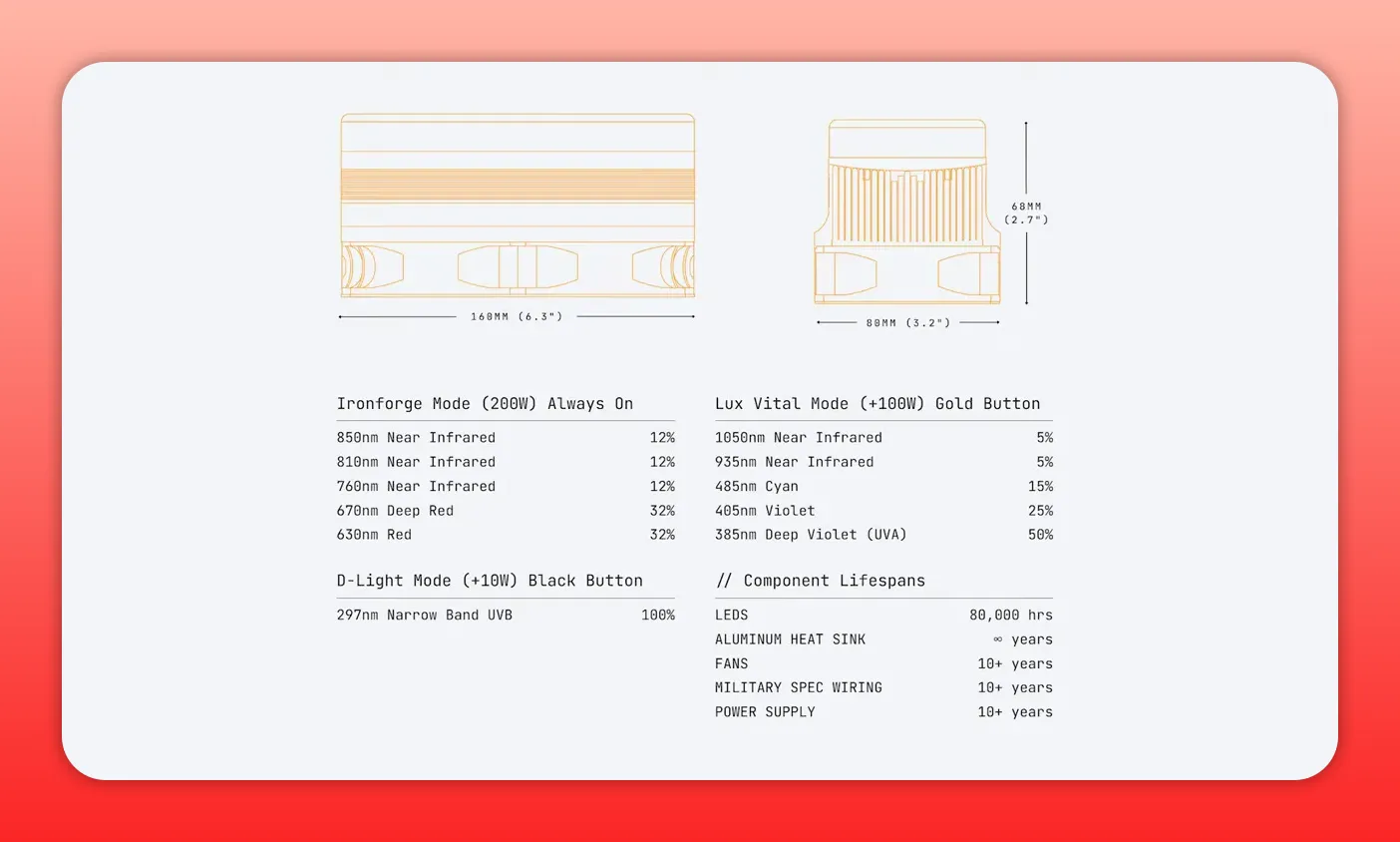
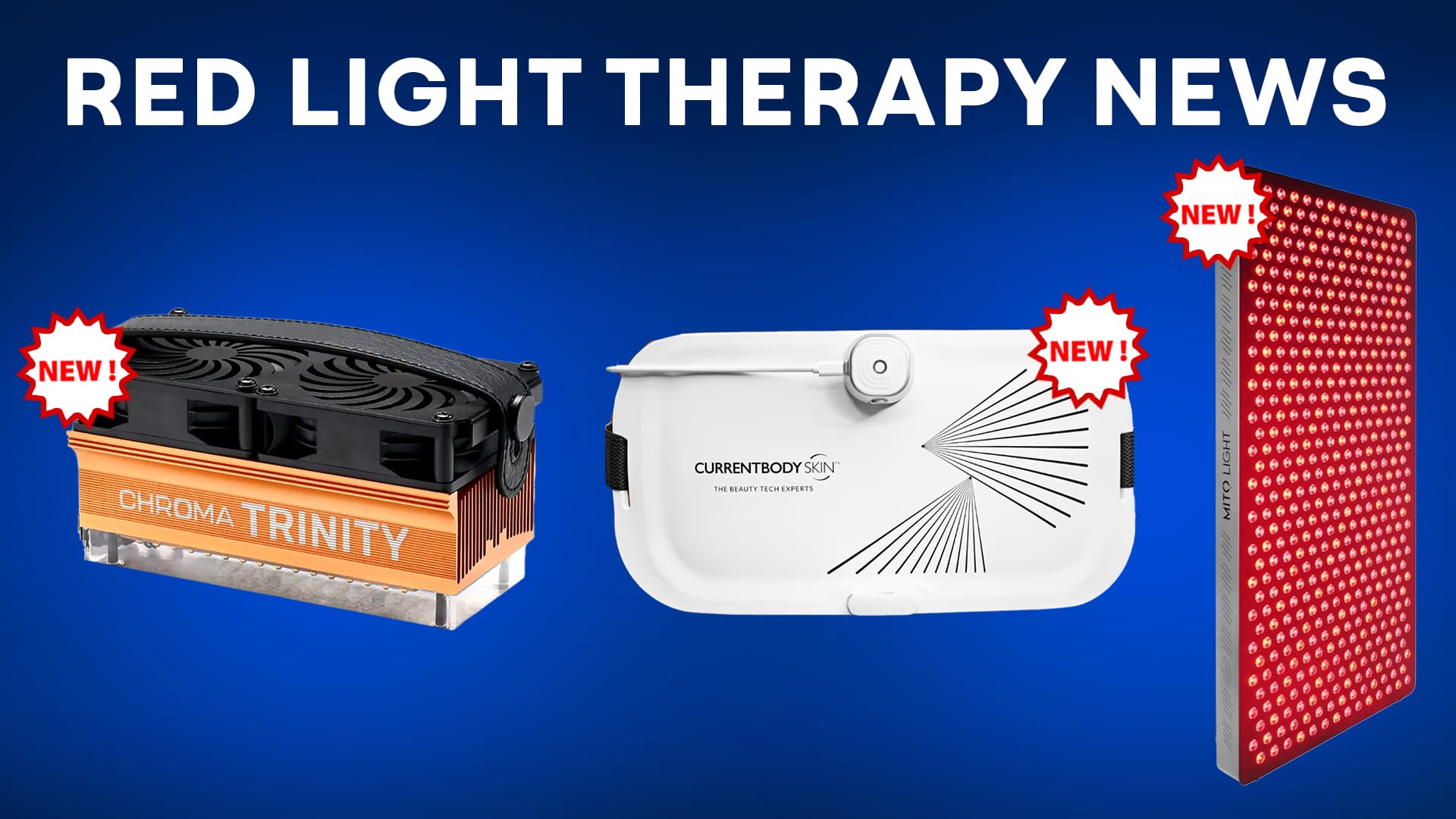
One of the most striking entries in the market is a handheld device that aims to combine several product lines into a single, portable unit. Think of it as a Swiss army knife for light: UVA, UVB, violet, cyan, multiple red bands, deep red, and several near-infrared bands, including a deep 1050 nm output, all in a corded handpiece.
Why this matters: having targeted wavelengths in a small, portable form factor makes it simple to treat joints, tendons, and small muscle groups on the go. It also includes wavelengths intended for circadian alignment and vitamin D synthesis, expanding usage beyond recovery into daily rhythm support.
Practical caveats:
- If you are a committed athlete requiring high total irradiance over large areas, a high-powered stationary panel will still be more efficient.
- If you travel and want simple circadian cues, dedicated devices that focus solely on blue and morning-spectrum light may be a more convenient and cost-effective option.
Overall, the Trinity-style devices are useful if you value versatility and portability in one neat package. They represent a clear example of how new red light therapy technology is branching out into multifunctional tools.
Flexible panels: CurrentBody’s mouldable unit
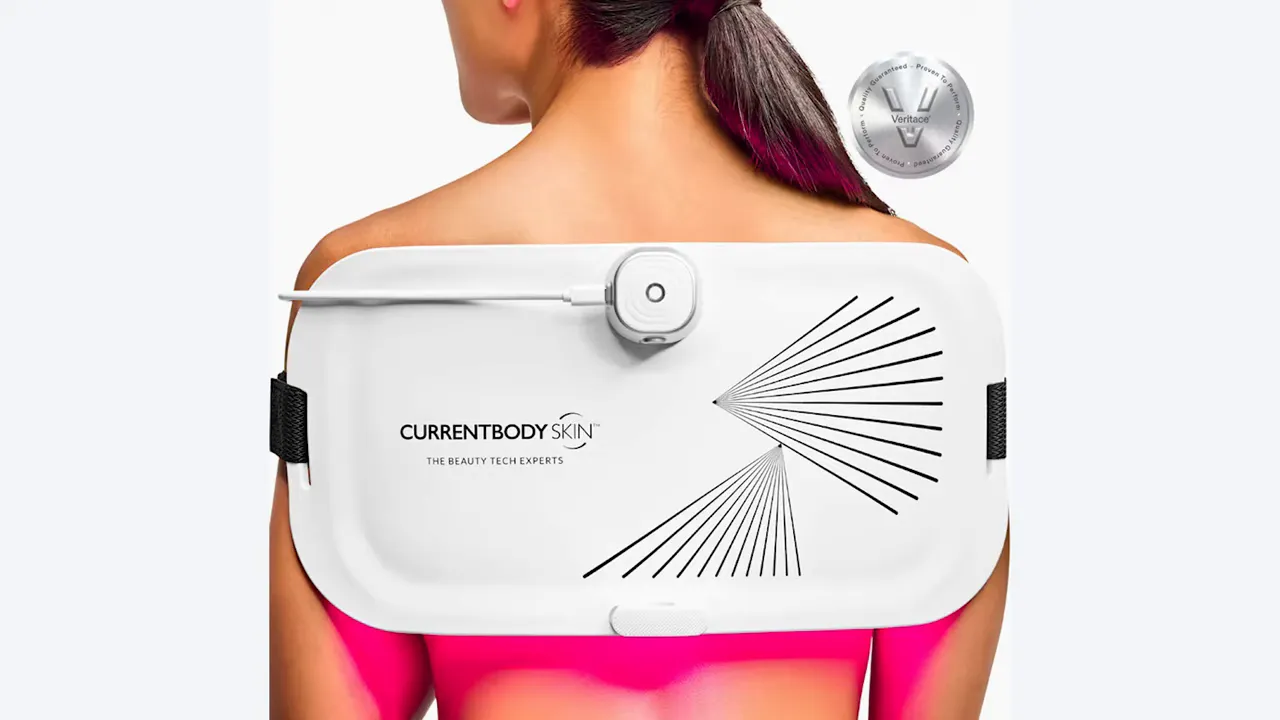
Flexible LED panels are no longer a novelty. The latest designs use silicone and pliable plastics to let a panel contour around a limb, collarbone, or torso. This has practical benefits: closer surface contact, better light distribution over curved areas, and easier storage or travel packing.
Some newer flexible panels blend visible and near-infrared wavelengths—commonly 415 nm blue, 633 nm red, 830 nm near-infrared, and 1070 nm deep near-infrared. That mix targets a broad range of cellular mechanisms from antimicrobial and acne effects (blue) to collagen stimulation and mitochondrial support (red and NIR).
Points to consider:
- Size vs price. Many of these flexible panels are relatively compact but come at a premium price. Assess whether the flexibility is worth the extra cost for your use case.
- Heat and durability. Flexible materials handle heat differently than rigid housings. Look for solid thermal design and a reputable warranty.
For those who want targeted facial or limb treatment, a flexible panel can be an elegant solution. It is another strand in the broader evolution of new red light therapy technology toward more adaptable form factors.
 Alex Fergus
MitoLight 5th generation: bigger panels with precise control
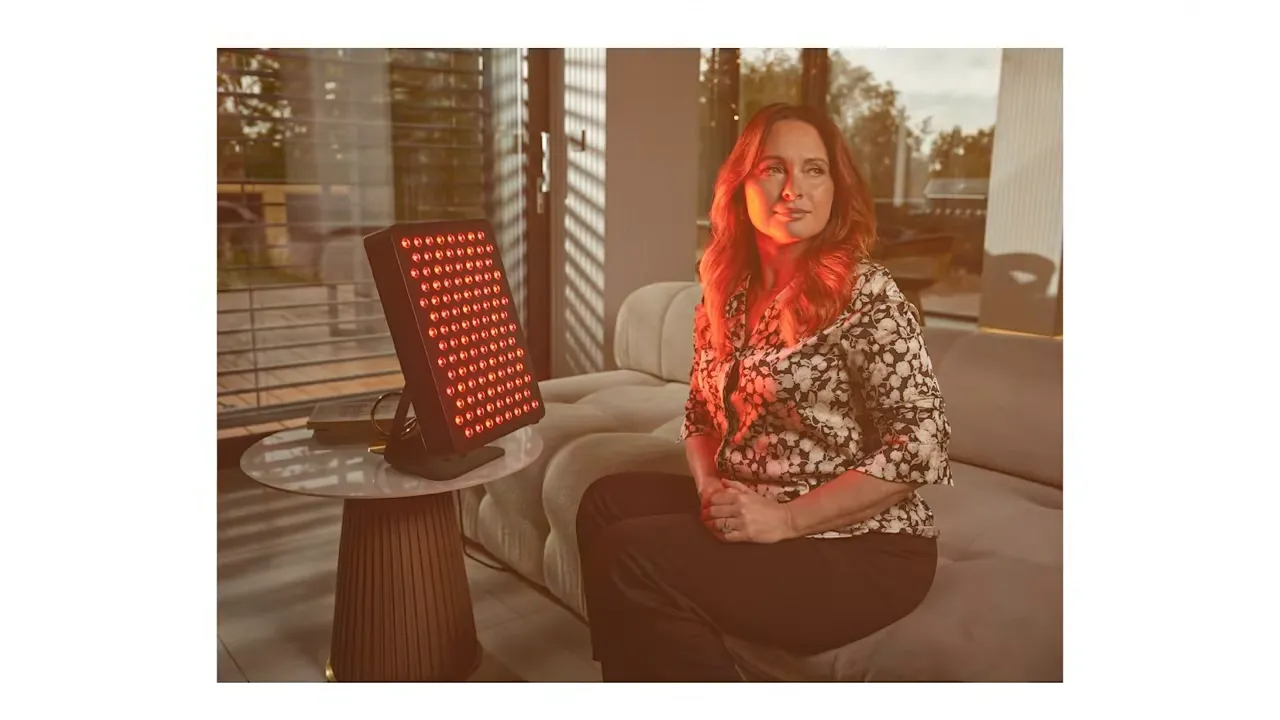
On the other end of the spectrum are large, feature-rich panels. The latest generation from some European brands increases panel size, LED count, and per-wavelength control. A thousand-LED master unit that lets you dial each wavelength independently is becoming feasible rather than experimental.
Why this matters for outcomes: total energy delivered, evenness of coverage, and specific wavelength ratios all influence results. Panels that let you set intensity per wavelength and store presets are valuable for users with multiple goals—say, skin protocols one day and muscle recovery the next.
Incremental improvements include:
- Higher radiance LEDs for shorter treatment times.
- Flicker-free drivers to avoid unwanted photic stimulation.
- Slicker touchscreens and preset modes that simplify repeated protocols.
These are not revolutionary changes, but they refine the user experience and make it easier to apply evidence-based treatments. They also represent how new red light therapy technology is maturing into a professional-grade tool for clinics and high-end home use.
Power and wavelength expansions: Block Blue Light’s Ultimate
Some companies are pushing the envelope on both power and wavelength coverage. For example, adding a 1060 nm band and an amber 590 nm band into flagship models is a clear sign that manufacturers are experimenting with slightly deeper NIR penetration and amber’s unique skin effects.
Higher power is attractive because it reduces treatment time and increases the total dose delivered in a session. However, higher power also requires careful device design—thermal management, user safety cutoffs, and accurate irradiance specifications become more important.
Key takeaway: higher-power ultimate panels are excellent for users who want full-body treatments and short sessions, but they come with a premium price and a need to pay attention to safe distance and treatment durations.
Science update: photobiomodulation for ageing brains
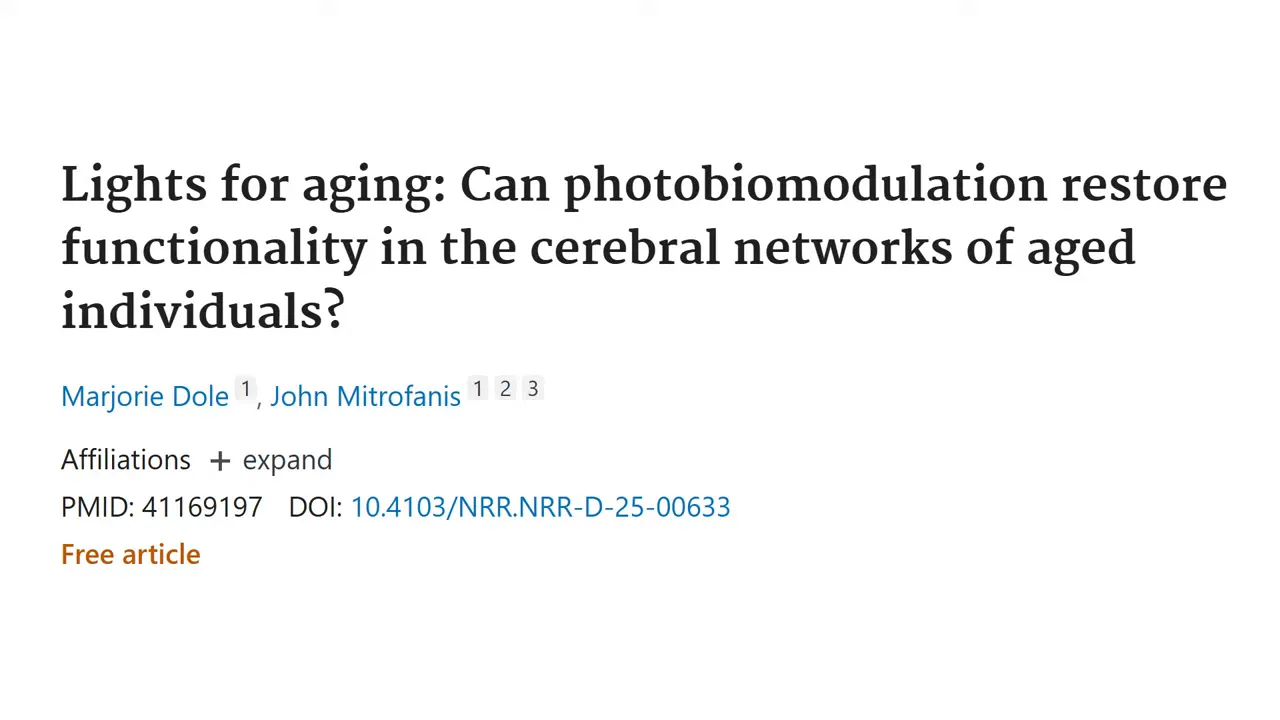
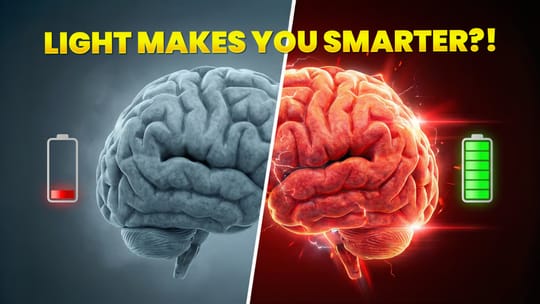
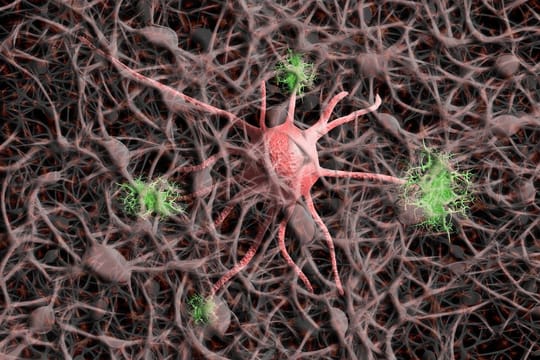
One of the most promising areas for new red light therapy technology is cognitive support. Emerging studies suggest that low-power red and near-infrared light can address core features of brain ageing: chronic inflammation, mitochondrial dysfunction, reduced cerebral blood flow, and disrupted large-scale network connectivity.
What rodents show: animal models consistently demonstrate increased cerebral blood flow, lowered oxidative stress, and reduced neuroinflammation after repeated photobiomodulation sessions. These physiological effects translate into better behavioural outcomes in many studies.
What early human work shows: preliminary human trials report improvements across cognitive metrics after regular sessions of standing near a panel for a few minutes several times a week. While sample sizes are small and high-quality, large-scale trials are still pending, the signal is encouraging.
Why this matters:
- Implementation is simple. Standing or sitting a short distance from a panel for minutes per session is easy to adopt.
- Low risk. Side effects are minimal when devices are used as specified.
- Broad benefit potential. Effects span cognitive function, mood, sleep quality, and are likely synergistic with other lifestyle measures.
Photobiomodulation is still an evolving field, but the direction is clear: targeted light delivery can modulate brain physiology in ways that plausibly support healthy ageing and cognitive resilience.
Should you buy now or wait?
Many ask whether they should wait for the next generation of new red light therapy technology. There are two practical ways to look at that decision.
- Basics remain consistent. At heart, these devices deliver specific wavelengths at certain irradiance levels. Many panels made five or even ten years ago still put out the right light and continue to deliver benefits. You do not need the absolute latest model to see meaningful results.
- Waiting costs time. Waiting for the next release might save a little money or gain a marginal feature, but it also delays any benefits you could be getting now. If you have a concrete need—skin improvements, recovery from injury, sleep and circadian support—starting sooner is usually better than holding out for a slightly improved model.
In short: do not stress about missing out. Choose a device that fits your budget, form factor needs, and clinical goals. If you already have a Gen 1 panel that still works, keep using it. If you do decide to upgrade, look for meaningful improvements rather than gimmicks.
How to choose: a practical checklist
Here are the factors that actually affect outcomes and daily use.
- Wavelengths: 630–660 nm red plus 800–880 nm near-infrared cover most proven effects. Deep NIR (1050–1070 nm) is interesting for slightly deeper penetration but is not essential for everyone.
- Irradiance: check manufacturer data for power at a realistic treatment distance. Higher irradiance shortens session times.
- Coverage: total LED area equals faster full-body sessions. Masks and small pads are fine for facial or localised use.
- Controls: per-wavelength control and presets help when you have multiple protocols.
- Form factor: flexible panels are great for contouring; rigid panels are better for even full-body exposure.
- Safety and warranty: look for clear safety specs, CE or FDA clearance where relevant, and solid warranty terms.
- Price vs need: match spend to goals. Clinical-grade panels are worth it for frequent full-body therapy; compact devices suffice for targeted facial or joint care.
Short, effective protocols you can start with
Below are simple session ideas that align with common goals. Adjust time to match irradiance and manufacturer guidance.
- Skin and facial tone: 4–8 minutes per side with a mask or small panel, 3–5 times per week. Use 630–660 nm with some NIR for collagen and skin healing.
- Muscle recovery and joint pain: 8–12 minutes directly over the area, 2–4 times per week. Use higher irradiance red and NIR bands for deeper tissues.
- Brain and cognition: 5–15 minutes standing near a head-height panel, 2–4 times per week. Incorporate NIR bands where available and combine with sleep hygiene.
- Circadian alignment: use morning light exposure from devices with blue or cyan wavelengths for short, timed sessions to entrain rhythm. Keep evening sessions limited to red and long-wavelength NIR to avoid circadian disruption.
Tools to make choosing easier
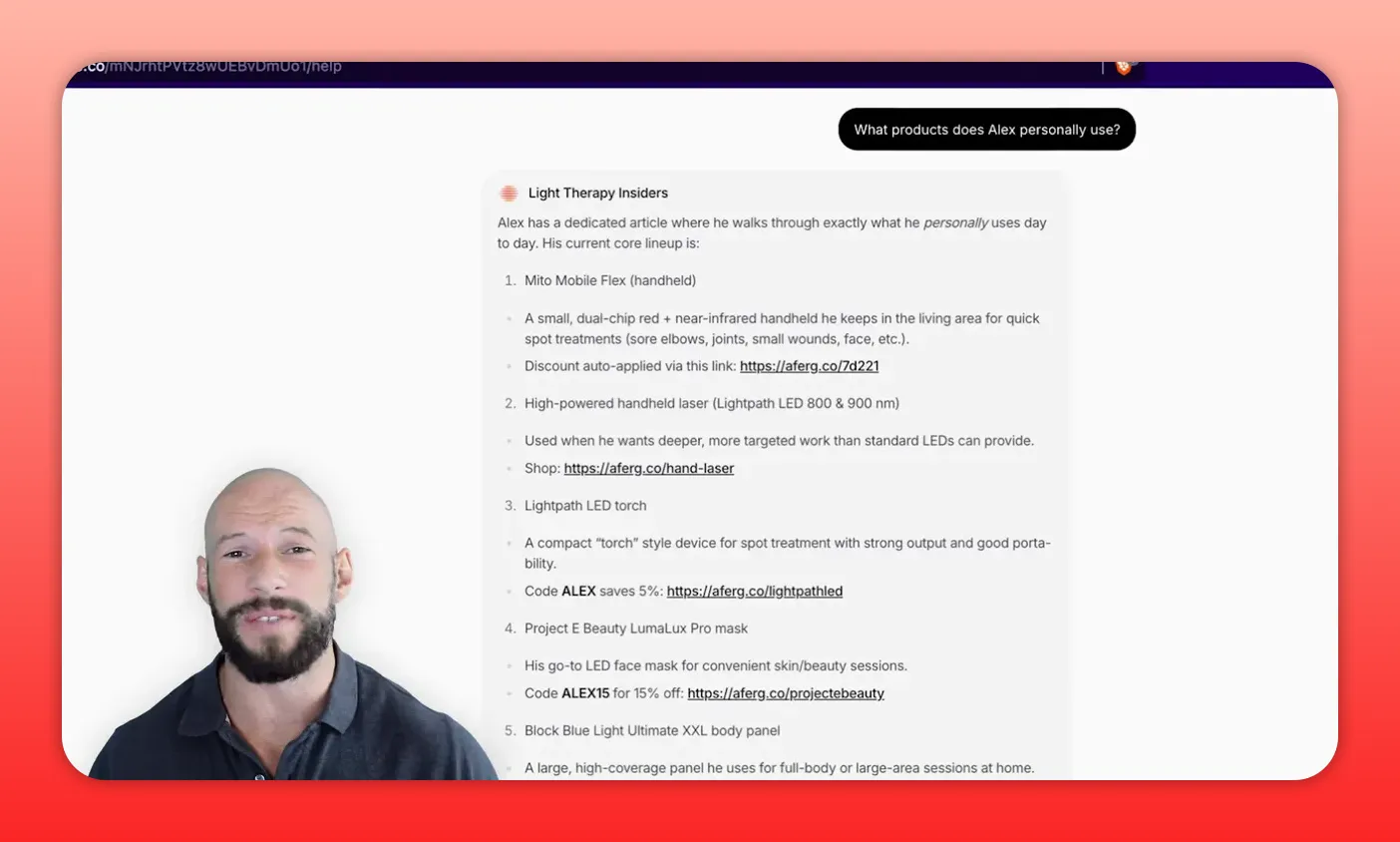
With so many options, an informed selection process saves money and time. Use these strategies:
- Compare specifications rather than marketing copy. Look at irradiance curves and distance-based data.
- Match device size to your planned use. Don’t buy a small mask if you need full-body coverage, and don’t pay for a giant panel if you only want facial results.
- Read independent reviews and community feedback for real-world performance and durability.
There are also recommendation tools that factor in your age, goals, budget, and local availability. They can give an immediate shortlist of suitable devices and practical protocol suggestions tailored to your situation.
Final takeaways
The current wave of new red light therapy technology is about refinement and diversification. Handheld multi-wavelength devices, flexible mouldable panels, and larger panels with per-wavelength control all expand how light can be applied. Scientific interest is moving beyond skin and muscle recovery into meaningful cognitive and ageing applications, and early human data are encouraging.
If you already have a working panel, there is no urgent need to upgrade. If you are starting out, prioritise wavelength coverage, irradiance data, and the form factor that matches the body areas you will treat most often. Finally, remember that consistency beats chasing new features; regular, correctly dosed sessions are what drive results.
Merry Christmas and a small gift
To help with choice overload, resources product specifications, real-world data, and evidence-based protocols into simple recommendations. They take the guesswork out of buying and let you start benefiting sooner rather than later. Consider using a tailored recommendation service if you want a quick, personalised shortlist.
Wishing you good health and steady progress with your light therapy routines.
Found This Interesting? Look At These Articles
🔴 The Red Light Therapy Facial Fat Loss Link: Myth Or Reality?
🔴 Does Red Light Therapy Help Scars? The Science
🔴 Red Light Therapy For Skin: Beauty Benefits, Potential Complications, And More
🔴 Psoriasis With Red Light Therapy: Potential Game-Changer?
Have You Seen These Reviews
🔴 Rouge G4 Pro Review: Most Advanced Red Light Panel Yet?
🔴 Best Red Light Panel Yet? Block Blue Light Mega Review
🔴 $800 Red Light Mask Has Lasers… But Why?
🔴 Omnilux Contour Mask Review: Still Worth It in 2025?
Alex's Bio
Alex Fergus wrote this blog post. Alex is an ISSN Sports Nutrition Specialist, Fitness Professional, and certified Superhuman Coach who continues to expand his knowledge base and help people worldwide with their health and wellness. Alex is recognized as the National Record Holder in Powerlifting and Indoor Rowing and has earned the title of the Australian National Natural Bodybuilding Champion. Having worked as a health coach and personal trainer for over a decade, Alex now researches all things health and wellness and shares his findings on this blog.