

If you’ve been shopping for a red light therapy device, there’s a good chance you’ve come across a feature called pulse light. It’s often marketed as a premium upgrade, with claims that it enhances results or improves effectiveness. The problem is, once you start digging into it, things get confusing pretty quickly.
So let’s strip it back and look at what pulsing actually is, what it changes, and—most importantly—what the human research says.
Pulse Light in Red Light Therapy: Is It Actually Better?
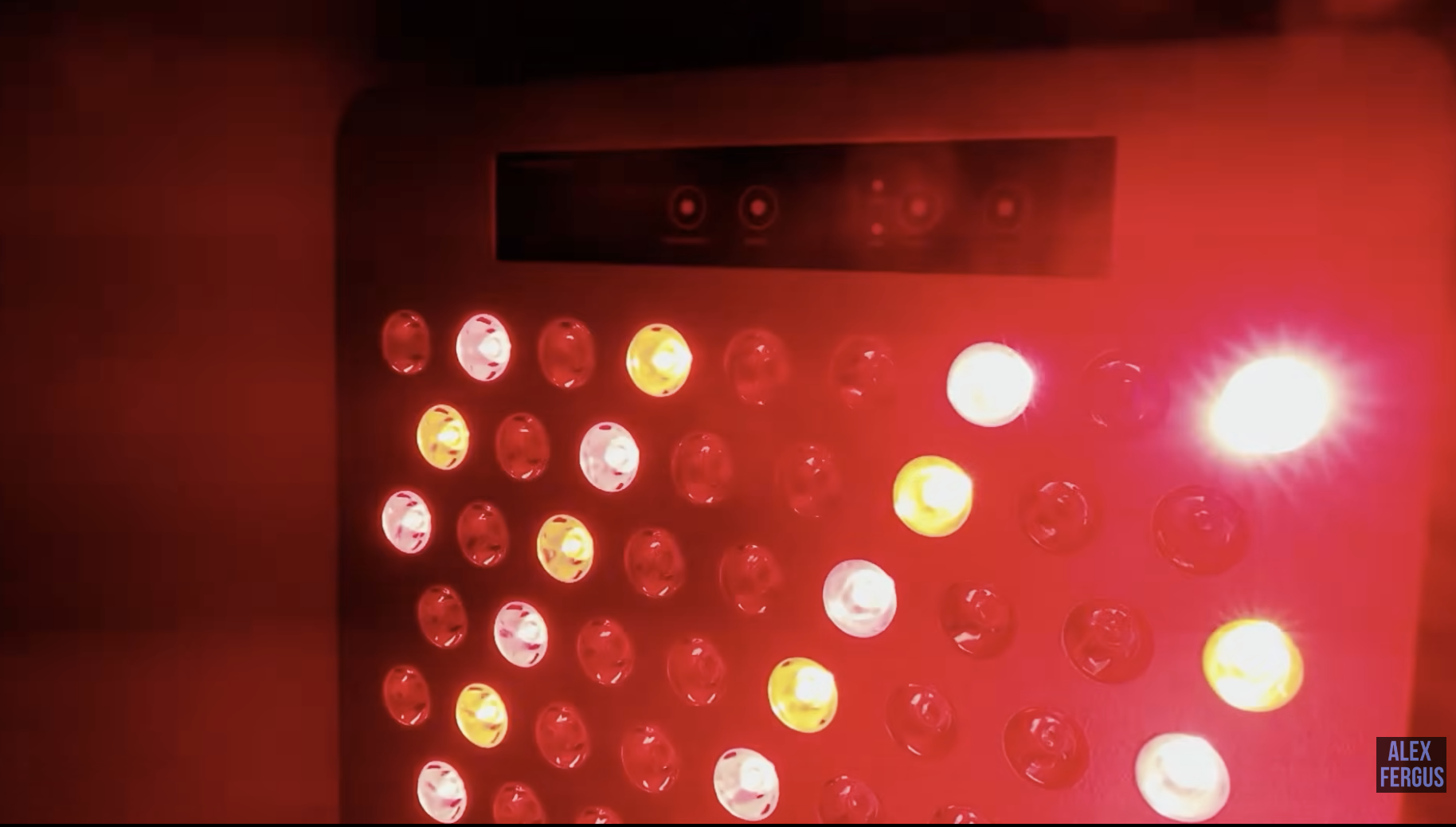
At its core, pulse light (sometimes called pulse wave) is simply turning the light on and off in a pattern. The alternative is continuous light, where the light stays on steadily without interruption. That part is straightforward, but once you go deeper, three key variables start to matter.
The first is frequency, measured in hertz. This tells you how many times the light pulses per second. The second is duty cycle, expressed as a percentage, which represents how long the light is actually on during each cycle. Then you have peak power versus average power. Peak power is the intensity when the light is on, while average power accounts for the off periods.
And this is where things start to matter.
If you take a device and run it at a 50% duty cycle, you are effectively cutting the average power in half—assuming the peak output stays the same. That means over the same treatment time, you are delivering half the dose of light.
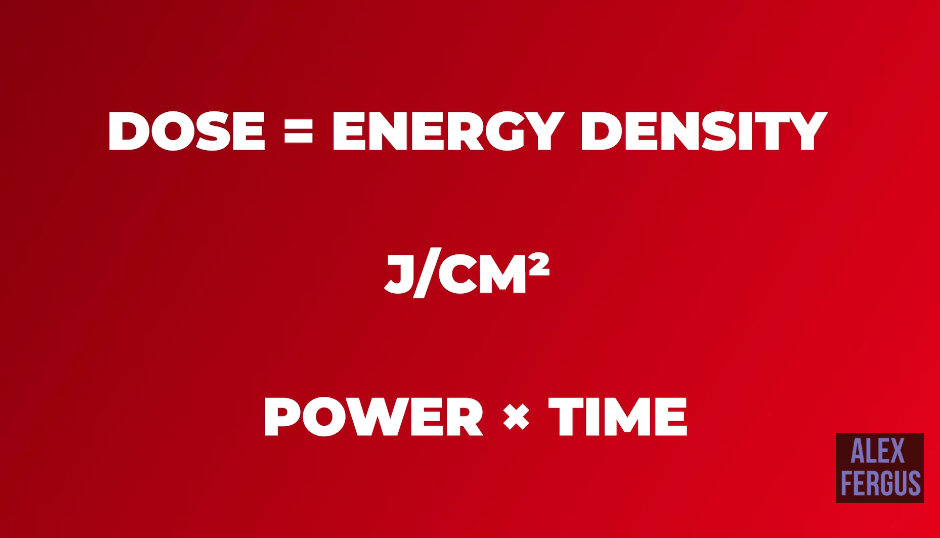
This is critical because red light therapy is fundamentally about dose. The amount of energy delivered to the tissue—often measured as energy density—is based on average power multiplied by time. So if you reduce the average power but keep the session length the same, you reduce the total dose.
This leads to an important point that often gets overlooked.
When someone says pulsed light worked better for them than continuous light, it raises the question of whether they were simply overdosing before. By switching to pulsing, they may have unintentionally reduced the dose into a more optimal range.
In many cases, the “benefit” of pulsing isn’t the pulse itself—it’s the adjustment in dosing.
What Do Human Studies Actually Show?
When we look at the research, the picture becomes clearer—but not necessarily simpler.
A major review on pulsing in low-level light therapy concluded that pulsed light can produce different biological effects compared to continuous light. However, there was no agreement on whether it is better overall or what the optimal pulse settings should be. That uncertainty still exists today.
If we move to head-to-head human trials, the results are even more telling.
One randomized controlled study comparing pulsed and continuous light found that both approaches produced benefits, but there was no meaningful difference between them. Once the correct wavelengths and dosing were in place, the delivery method—pulsed or continuous—did not significantly change the outcome.
In other words, getting the right dose of light into the tissue mattered far more than how that light was delivered.
That aligns with a broader principle in photobiomodulation: the tissue responds to the total number of photons it receives. As long as that dose is appropriate, whether those photons arrive steadily or in bursts may not make a meaningful difference in many applications.
Where Pulsing Might Matter: The Brain
There is, however, one area where pulsing starts to look more interesting—and that’s the brain.
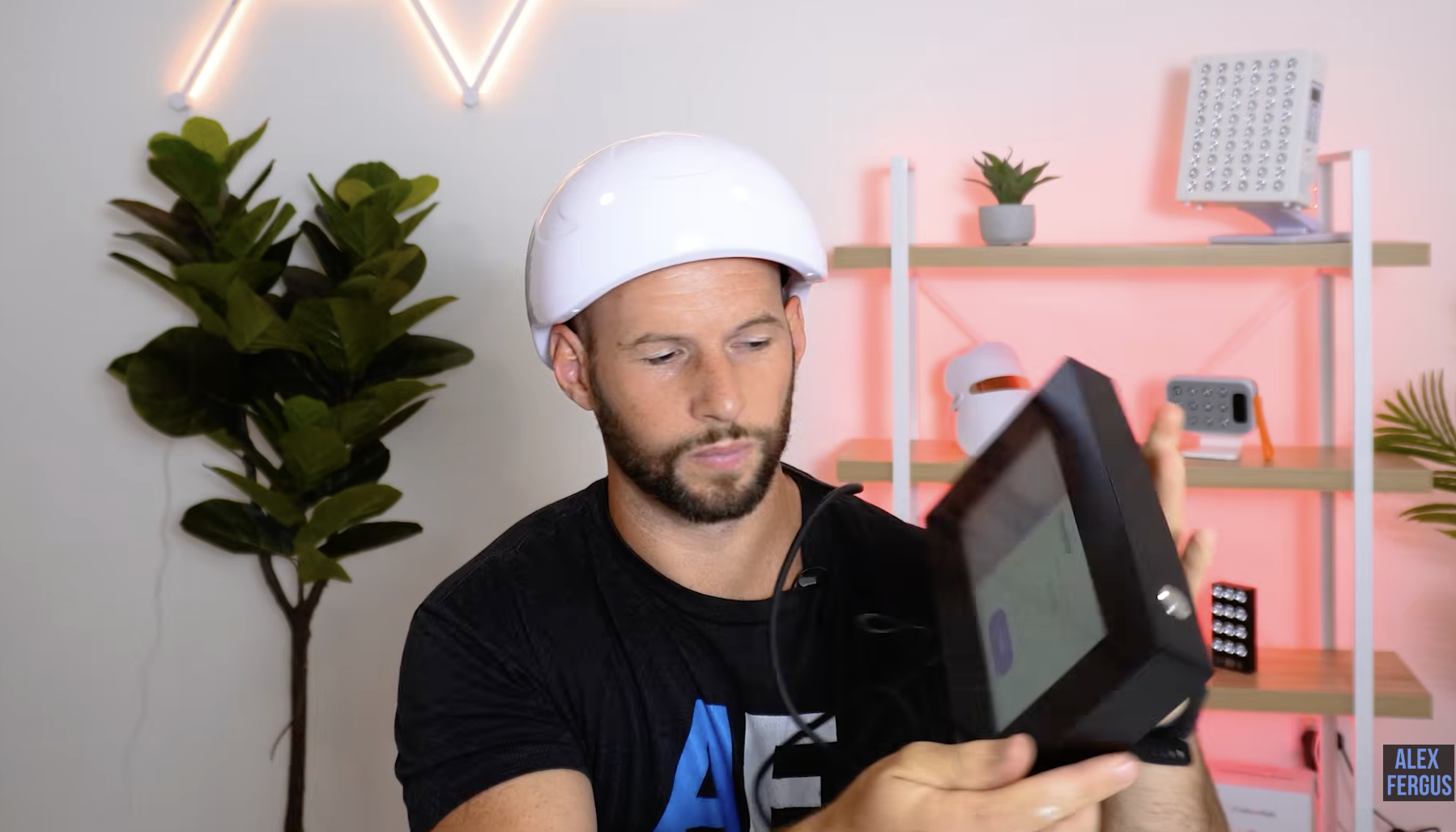
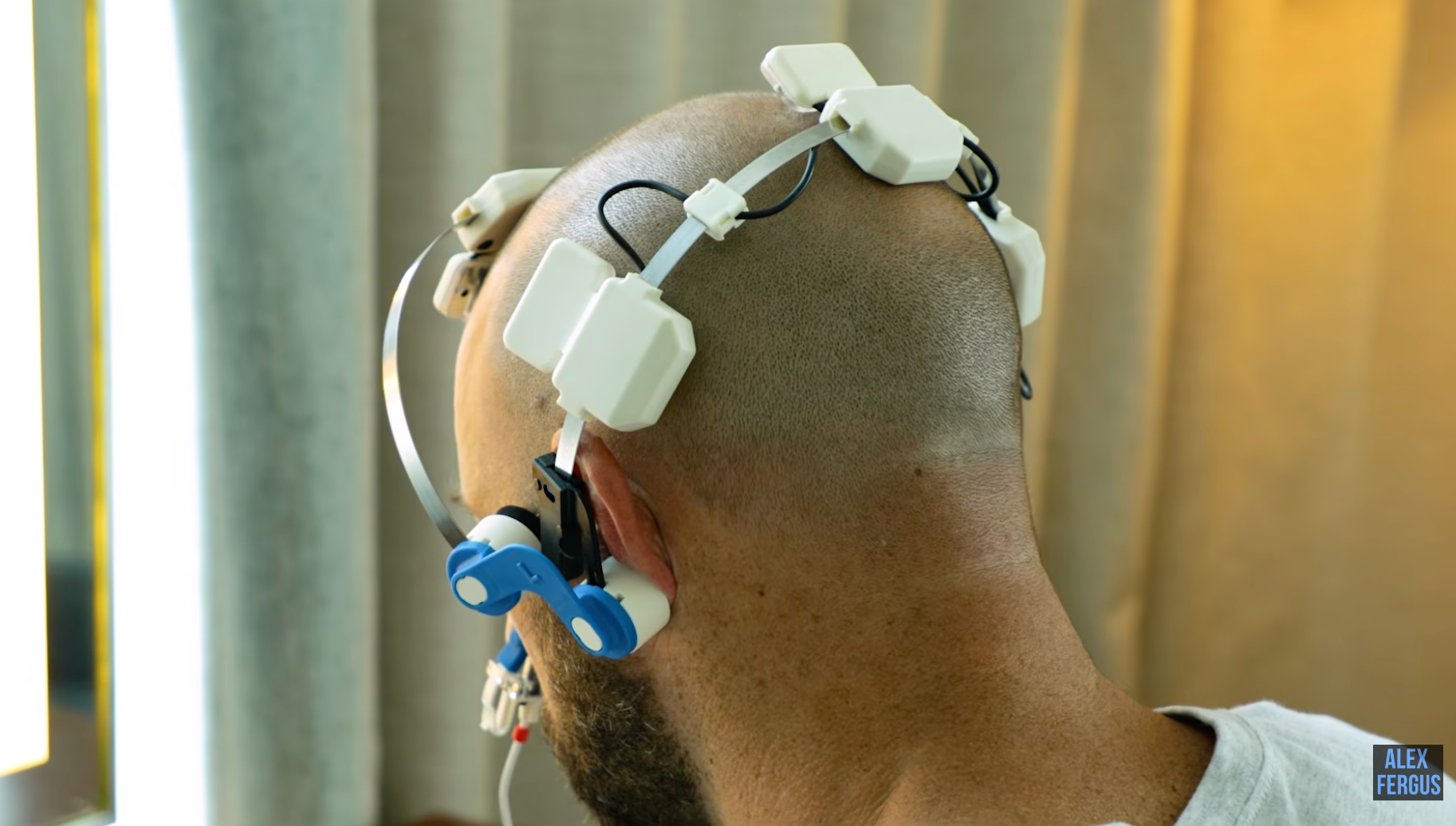
Some human studies using transcranial red and near-infrared light have explored pulsing at specific frequencies, particularly around 40 Hz. In these studies, participants exposed to pulsed light showed changes in measures like sleepiness, cognitive performance, and EEG activity.
Another study looking at older adults found that pulsed light at 40 Hz influenced brain wave patterns, increasing activity in faster bands like alpha, beta, and gamma, while reducing slower wave activity.
Now, it’s important to keep perspective here.
Changes in EEG patterns are not automatically improvements. They simply indicate that something is happening in the brain. Whether those changes translate into meaningful benefits—like better cognition, mood, or disease outcomes—is still an open question.
There are also limitations in this research, including potential conflicts of interest in some studies, which need to be considered. That said, there is a plausible explanation for why pulsing could matter more in brain applications.
Unlike skin or muscle tissue, the brain operates on electrical rhythms. Pulsing light at certain frequencies may interact with these rhythms in a way that continuous light does not. This idea—sometimes referred to as neural timing—suggests that matching light pulses to brain wave frequencies could influence brain activity more directly.
Whether that effect is due to photobiomodulation itself or simply the presence of rhythmic light stimulation is still unclear. But it does provide a reasonable hypothesis for why pulsing shows more promise in this specific area.
The Mechanisms: Why Pulsing Might Change the Response
From a biological standpoint, red light therapy works through photobiomodulation. Light is absorbed by cellular components, often within the mitochondria, which then triggers downstream effects like changes in signaling, gene expression, and overall cellular function.
So how could pulsing influence this process?
One theory is the recovery time hypothesis. The idea here is that brief periods of darkness between pulses allow the cellular machinery to “reset,” potentially enhancing the signaling response when the light returns.
Another possibility is that pulsing reduces saturation. Continuous exposure could theoretically overwhelm certain pathways, while pulsing introduces variability that keeps the system responsive.
These are plausible ideas, but they remain theoretical. At this stage, they are not strongly confirmed in human outcomes across most applications.
Practical Takeaways: Should You Use Pulsing?
Once you cut through the theory and the marketing, the practical answer becomes surprisingly simple.
If your goal is skin health or superficial treatments, pulsing does not appear to offer any meaningful advantage over continuous light. The evidence suggests that as long as you are using the correct wavelengths and delivering the right dose, continuous light is perfectly effective.
For muscle recovery, joint pain, or deeper tissue applications, the same principle applies. The most important variable is still dose—how much light energy reaches the target area. Pulsing can actually make dosing harder to calculate, so in most cases, continuous light is the more straightforward option.
There is one practical exception.
If you are experiencing heat buildup during treatment, pulsing can help reduce the average power and make sessions more comfortable. However, the same effect can be achieved by shortening the session or increasing your distance from the device.
When it comes to brain and cognitive applications, pulsing becomes more interesting. There is early human evidence suggesting that specific frequencies—particularly around 40 Hz—can influence brain activity. This is still experimental, but if your device offers pulsing in this range, it may be worth exploring. Just approach it with realistic expectation
What to Look for in a Device
If you are deciding between two devices and one offers pulsing while the other does not, pulsing should not be your primary decision factor.
Instead, focus on verified power output. Devices that provide reliable, third-party-tested radiance data allow you to accurately calculate dosing and ensure you are delivering enough light to the target tissue.
If both devices meet that standard, then pulsing can be considered a bonus feature—particularly if you are interested in experimenting with brain applications. But it should not outweigh core fundamentals like wavelength accuracy and power output.
Safety Considerations
Red light therapy is widely considered safe when used appropriately, and recent evidence suggests it does not cause DNA damage in adults.
However, pulsing introduces another variable: flicker.
Lower frequency pulsing, particularly in the 10 to 40 Hz range, can be noticeable and may trigger discomfort in some individuals. People with flicker sensitivity, migraines, or a history of seizures should be especially cautious when using pulsed light.
Final Thoughts
The debate between pulsed and continuous light is not a case of one being universally better than the other.
In most applications, the difference comes down to dose, not delivery method. If you get the dose right, both pulsed and continuous light can be effective.
Where pulsing may have a role—particularly in brain applications—it remains early and somewhat experimental.
For now, the fundamentals still matter most. Choose the right wavelengths. Make sure the device delivers adequate power. And focus on consistent, appropriate dosing. Everything else, including pulsing, is secondary.
Found This Interesting? Look At These Articles:
♦️ Red Light Therapy for Cognitive Performance: Exciting New Science and Practical Guidance
♦️ Interview - LightpathLED CEO Scott Kennedy On Red Light
♦️ Red Light Therapy Pulsing: Worthless Or Useful? A Science Breakdown
You May Like These Videos:
♦️ Pulsed Red Light Therapy Panels: My Top Options!
♦️ Buying Red Light From China: MUST-KNOW Pros & Cons!
♦️Maysama Prana LED Mask Review: Too Powerful?!
Alex's Bio
Alex Fergus wrote this blog post. Alex is an ISSN Sports Nutrition Specialist, Fitness Professional, and certified Superhuman Coach who continues to expand his knowledge base and help people worldwide with their health and wellness. Alex is recognized as the National Record Holder in Powerlifting and Indoor Rowing and has earned the title of the Australian National Natural Bodybuilding Champion. Having worked as a health coach and personal trainer for over a decade, Alex now researches all things health and wellness and shares his findings on this blog.
Frequently Asked Questions
What is red light therapy?
Red light therapy uses red and near-infrared wavelengths of light to support normal cellular energy and recovery. It’s often referred to as photobiomodulation (PBM). If you're comparing devices and brands, you can check the discounts page for current deals and recommendations.
How does red light therapy work?
Red and near-infrared light can be absorbed by mitochondria in cells, which may help support ATP production and normal cellular repair processes.
What wavelengths are used in red light therapy?
Most red light therapy devices use wavelengths roughly between 630 nm and 880 nm. Common wavelengths include 630 nm, 660 nm, 810 nm, 830 nm, and 850 nm.
What’s the best red light therapy panel?
The best red light therapy panel depends on coverage needs, power output, wavelengths, and budget. Before buying, it's smart to check the discounts page to compare brands and deals.
Red light panel vs mask: which should I choose?
Red light panels usually provide broader coverage and higher power output, while masks are designed primarily for facial skin treatments.
What does low EMF mean for red light therapy devices?
Low EMF refers to lower electromagnetic field emissions around a device. Some buyers prioritize this feature when comparing devices.
How long should a red light therapy session last?
Many users begin with sessions of around 5–10 minutes per treatment area and adjust based on device power and distance.
How often should you use red light therapy?
Common routines range from 3–5 sessions per week depending on the goal and device strength.
Is red light therapy safe?
Most consumer red light therapy devices are considered safe when used according to manufacturer guidelines.
Who is Alex Fergus?
Alex Fergus is the founder of Light Therapy Insiders and reviews red light therapy devices with a focus on practical buying factors.
Where can I find red light therapy discount codes?
You can check the discounts page to see the latest red light therapy discount codes and deals.
Do red light therapy discount codes expire?
Yes. Most brands rotate discount codes during promotions and seasonal sales. If a code stops working, it's best to check the discounts page for the latest offers.