
Can combining red light therapy with minoxidil actually regrow hair—or at least stop hair loss?
That’s exactly what I set out to test over the past six months. I used a professional laser helmet alongside consistent minoxidil application, hoping this combination would finally make a difference. Unfortunately, the results weren’t what I’d hoped for—but there are some important insights worth unpacking.
If you’re considering red light therapy for hair loss, this experiment will likely save you time, money, and frustration.
What the Research Says About Red Light Therapy for Hair Loss
Before diving into my results, it’s important to understand what the science actually shows.
There is solid research suggesting that red light therapy, particularly in the 650 to 660nm wavelength range, can help slow hair loss and may even support regrowth. However, the effectiveness depends heavily on a few key factors.
Timing matters. The earlier you start, the better your chances of preserving and potentially regrowing hair. Intensity also plays a major role, and this is where many devices fall short.
In short, red light therapy isn’t a magic fix—but under the right conditions, it can be helpful.
The Device I Used: Laser Helmet Overview
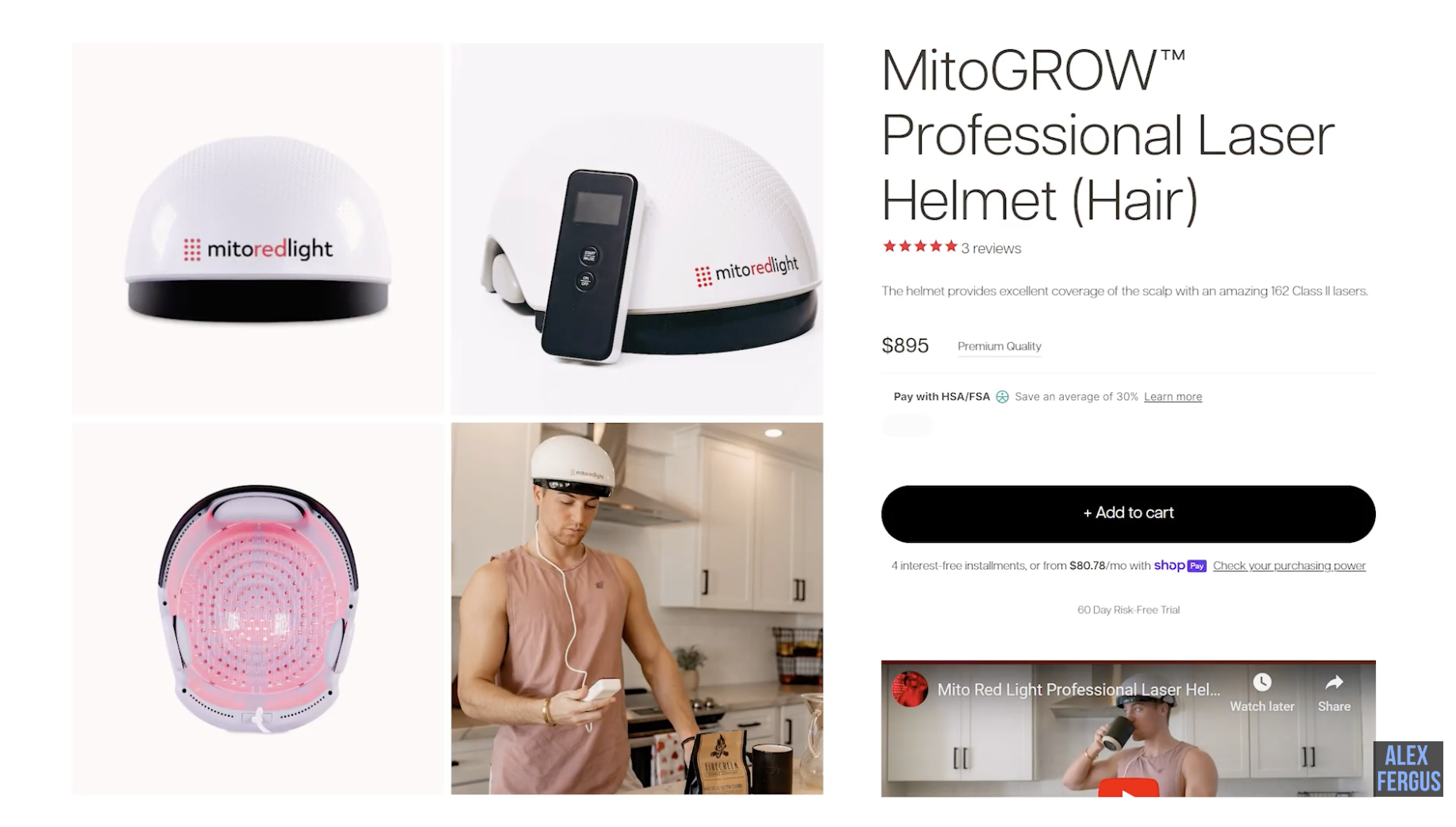
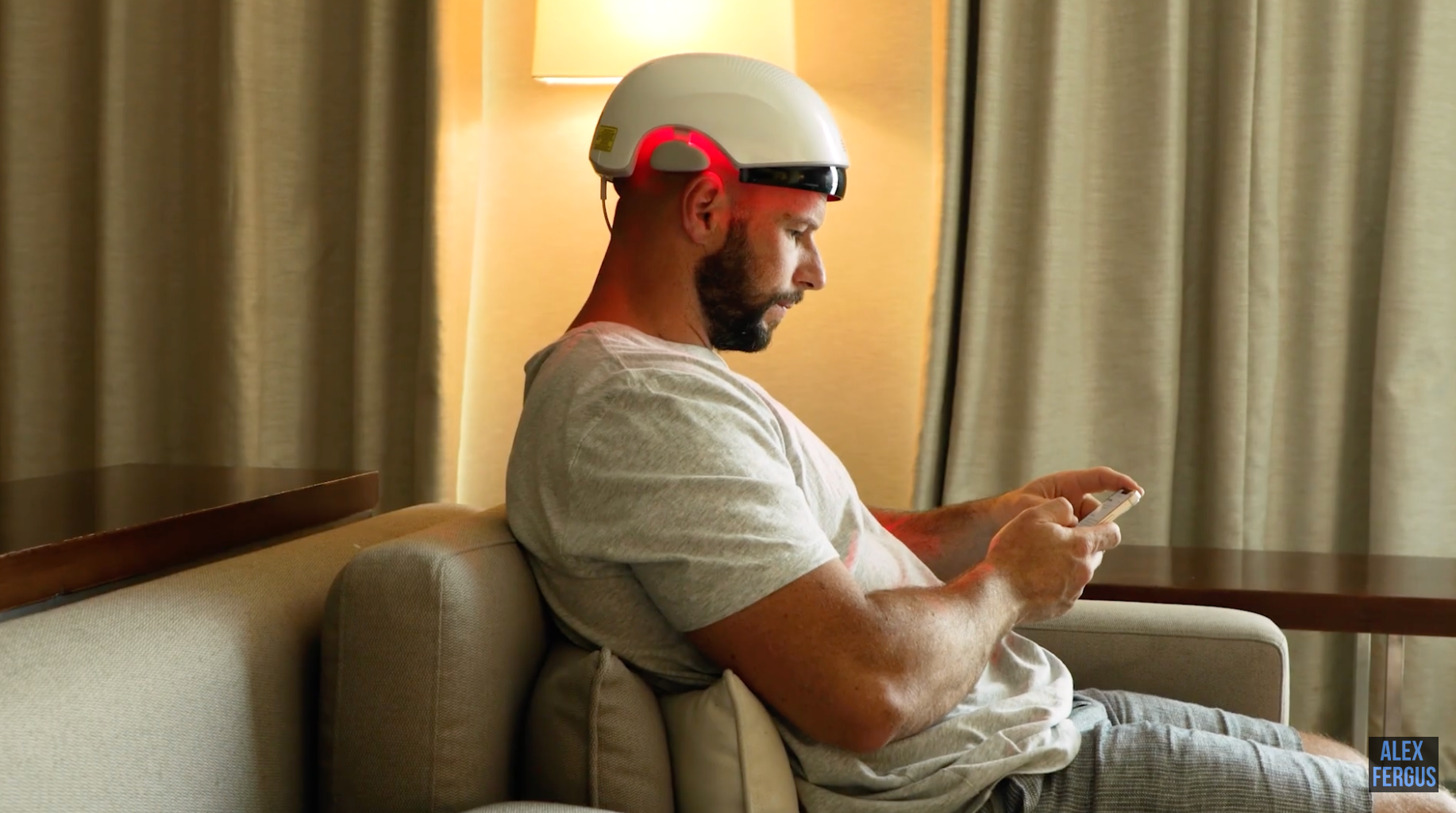
For this experiment, I used a professional-grade laser helmet from Mito Red Light. This is their higher-end model, priced at around $895, and it’s designed specifically for hair regrowth.
The helmet contains 162 laser diodes emitting 654nm red light, which sits right in the ideal range according to the research. On paper, that sounds promising.
However, the intensity is where things get interesting. This device outputs around 5–7 mW/cm², which is on the lower end of what studies suggest is effective. Research spans a wide range—from about 3 up to 90 mW/cm²—so while this helmet technically fits within that range, it’s far from the higher-powered end.
In terms of usability, it’s fairly straightforward. It’s battery-powered, runs for 12-minute sessions, and is relatively comfortable to wear once you adjust it. There’s no heat, no noise, and no noticeable EMF concerns.
Overall, it’s easy to use—but ease of use doesn’t always translate to results.
My 6-Month Hair Regrowth Experiment
I committed to using the helmet four to five times per week, following the recommended 12-minute sessions. Halfway through the experiment, I added minoxidil twice daily to see if combining both approaches would improve results.
My thinking was simple: if anything was going to work, this combination should.
For context, I’ve been losing hair since my late teens. The progression was aggressive in my 20s and slowed somewhat in my 30s. Around that time, I also began using red light therapy panels regularly, which may have contributed to slowing things down—but not reversing it.
To keep the experiment as controlled as possible, I also minimized exposure to other red light sources, even though I test panels regularly. That said, this wasn’t a perfect lab setup—just a realistic, real-world test.
Before and After Results
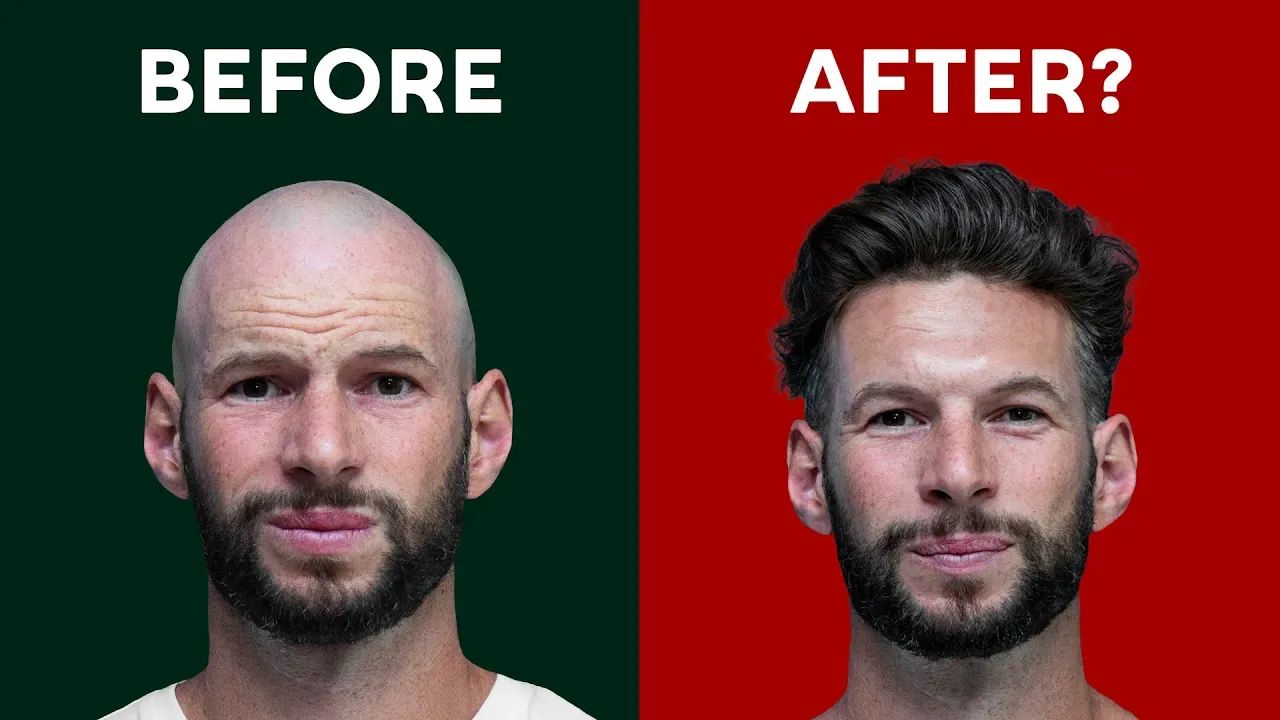
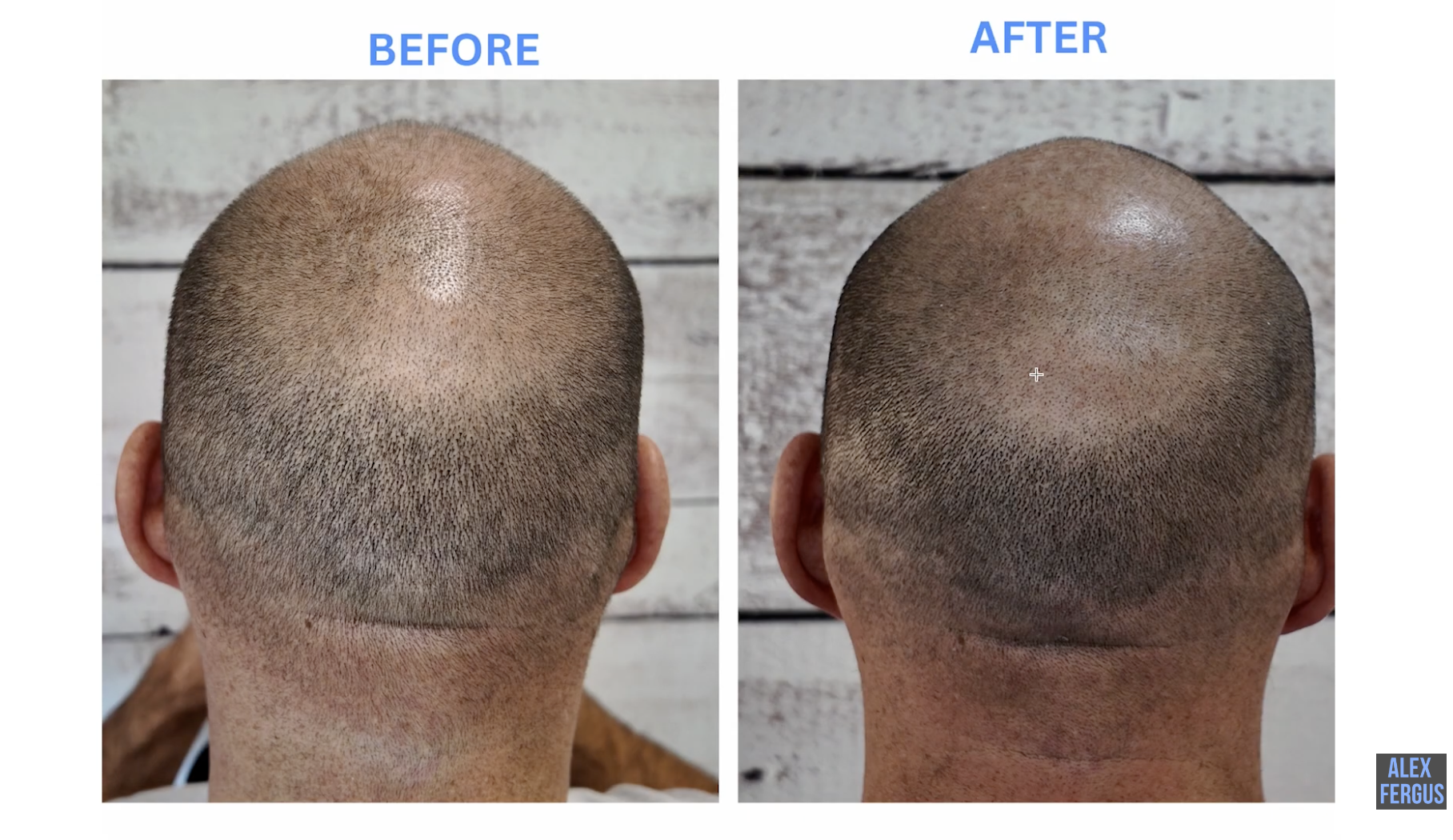
I took consistent before photos under similar lighting and angles, then compared them after six months.
The outcome was clear—and disappointing.
There was no noticeable hair regrowth. In fact, in several areas, particularly the crown and top of the scalp, hair density appeared to have decreased further.
Some of the differences could be explained by slight variations in hair length or timing of haircuts. However, even accounting for that, there was no evidence of improvement. If anything, the trend continued in the wrong direction.
After six months of consistent use, I would have expected at least some visible change. That simply didn’t happen.
Why Didn’t It Work?
This is where things get more interesting.
The science suggests red light therapy can work, so why didn’t it in this case?
The most likely explanation is intensity. The helmet delivers relatively low power compared to what many studies—and higher-powered panels—can achieve. If the energy delivered to the scalp isn’t sufficient, the biological response may not be strong enough to trigger regrowth.
Another factor is timing. While I’m not completely bald, I may still be beyond the optimal window where regrowth is realistically achievable. Early intervention appears to be critical.
It’s also possible that the combination with minoxidil simply wasn’t enough to overcome these limitations, especially given my history of hair loss.
Helmet vs Red Light Panel: A Better Option?
This experiment raises an important question—if you’re going to try red light therapy for hair loss, what’s the best device to use?
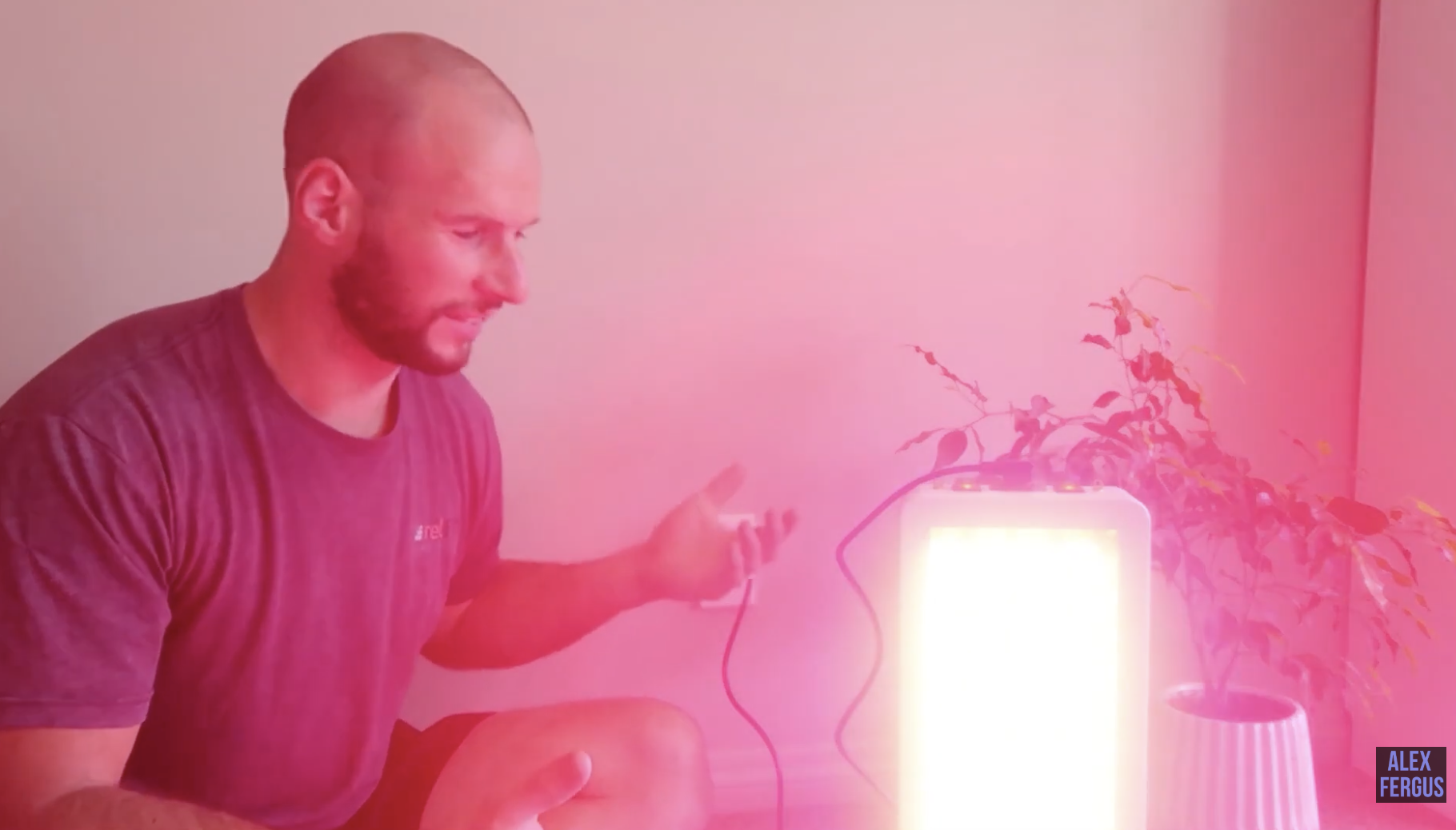
Laser helmets are convenient, but they’re limited in power and flexibility. A high-quality red light therapy panel, on the other hand, can deliver significantly higher intensities—often in the 40–50 mW/cm² range or more. That’s a major difference.
Panels also have the added benefit of being multi-purpose. You can use them for skin health, muscle recovery, joint pain, and more. A helmet does one thing—and based on this experiment, it may not do it well enough. If I had to choose again, I’d go with a panel.
Will I Keep Using It?
After six months, I’m done with both the helmet and minoxidil. The time investment alone, multiple sessions per week, daily applications, just isn’t worth it without results.
At this point, I’m embracing the reality of hair loss. I’ve switched to using a quality electric head shaver, which is simple, effective, and honestly much easier to manage.
I may consider a hair transplant in the future, but for now, I’m moving on from this approach.
Should You Try Red Light Therapy for Hair Loss?
If you’re younger and catching hair loss early, red light therapy might help slow the process and potentially support regrowth. The research does support that.
However, device choice matters—a lot. Lower-powered helmets may not deliver enough intensity to make a meaningful difference. If you’re going to try it, a high-quality panel is likely the better investment.
For everyone else, it’s worth being realistic. Not every intervention works for every person, and sometimes the best decision is knowing when to stop.
Update 2026: Nuance On Hair Growth And Regrowth
Generally, as Light Therapy Insiders, we think that red light therapy is very supportive of hair growth - check our article here:
 Bart Wolbers
And here:
Bart Wolbers
The issue, however, is if you've already got progressive hair loss for some time, the process may not be reversible anymore. Alex Fergus has had hair loss for quite a while, which was one of the criticisms against his methodology on YouTube in the first place. Anecdotally, most people don't have success with hair regrowth after, say, 2-3 years of existing problems. It's therefore recommended to be early if you have hair thinning or spots that don't have hairs anymore!
Final Thoughts
This experiment didn’t deliver the outcome I was hoping for, but it did provide clarity.
Red light therapy isn’t useless for hair loss—but it’s far from guaranteed. Factors like timing, intensity, and individual biology all play a role, and if those don’t align, results may never come.
If you’re considering it, go in with realistic expectations—and make sure you’re using a device that actually delivers enough power to give you a chance.
Sometimes, the most valuable result is simply knowing what doesn’t work.
Have You Seen These?
⭐ CurrentBody Hair Regrowth: Before & After SURPRISE?!
⭐ Red Light Therapy For Hair Growth: Worth The Hype!
⭐ Red Light Therapy For Hair Loss: Game-Changer Or Not?
⭐ Red Light Therapy For Hair Loss: Fountain Of Youth, OR?
Alex's Bio
Alex Fergus wrote this blog post. Alex is an ISSN Sports Nutrition Specialist, Fitness Professional, and certified Superhuman Coach who continues to expand his knowledge base and help people worldwide with their health and wellness. Alex is recognized as the National Record Holder in Powerlifting and Indoor Rowing and has earned the title of the Australian National Natural Bodybuilding Champion. Having worked as a health coach and personal trainer for over a decade, Alex now researches all things health and wellness and shares his findings on this blog.