Bart recently spoke with neuroscientist Sarah Turner about how red and near‑infrared light can improve memory, focus and overall brain performance. Her work sits at the intersection of neuroscience, nutrition and biohacking — and the takeaways are refreshingly practical. This article summarises the mechanisms, real‑world feedback and a simple protocol you can follow if you want to try light therapy for cognitive gains or long‑term brain health.
What is Photobiomodulation and why does it matter for the brain
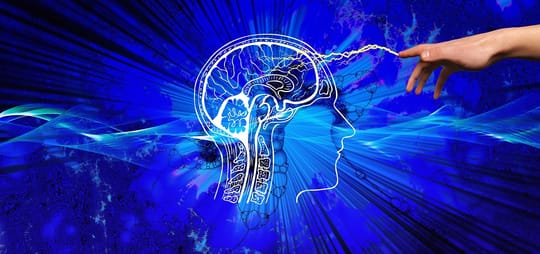
Photobiomodulation is the scientific name for how visible red and near‑infrared light interact with biology. The core idea is simple: specific wavelengths of light are absorbed by cellular components (especially mitochondria) and trigger a cascade of beneficial responses. Those responses translate into reduced inflammation, more energy and improved circulation — all of which matter for cognition.
The Sarah System: a brain + gut approach
Sarah designed her system as a two‑part solution: a headband that targets the prefrontal cortex (with a small cluster over the cerebellum) and a body panel that sits over the gut. Both use a mix of visible red and near‑infrared wavelengths so they address local brain tissues and systemic drivers coming from the gut.
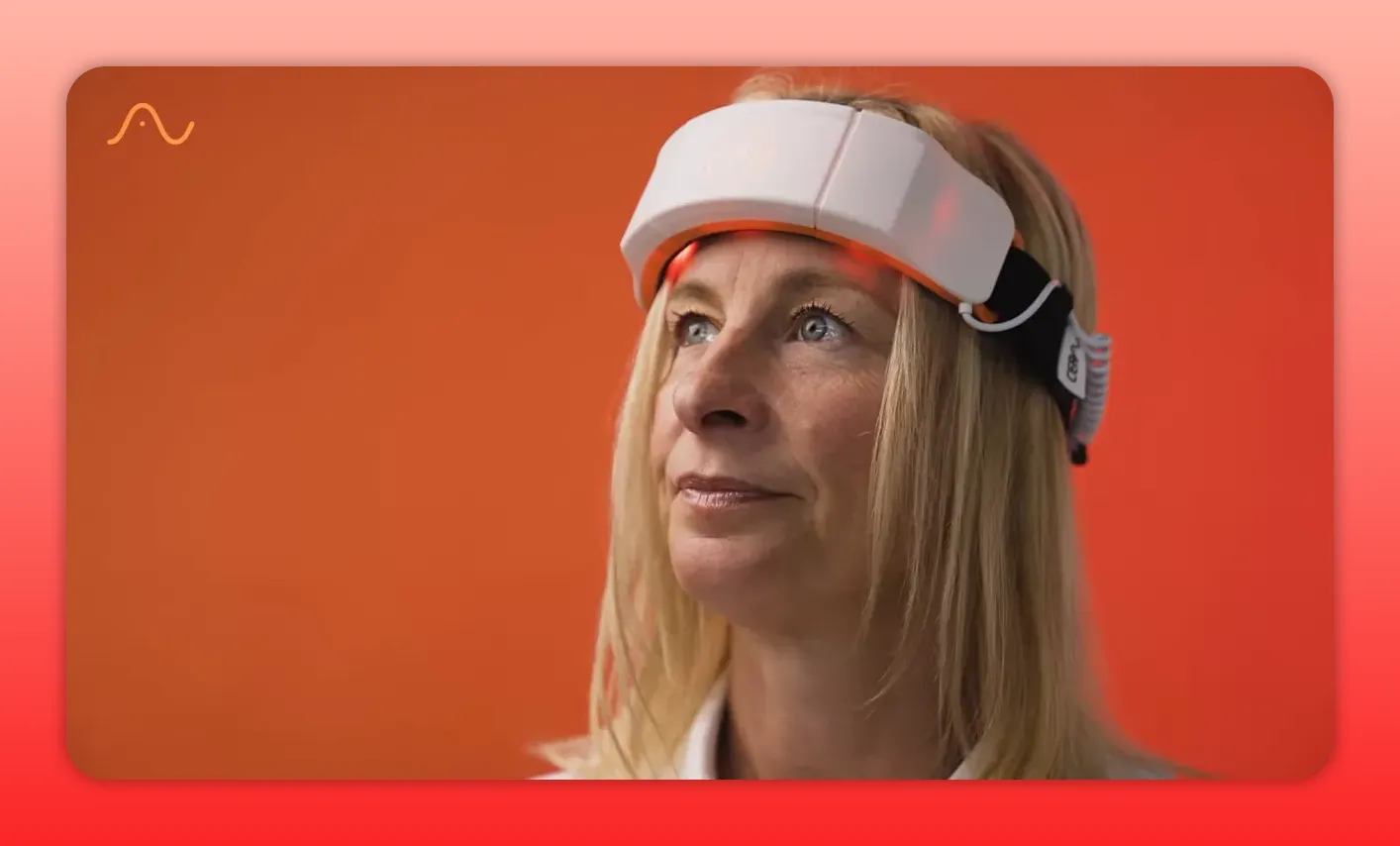
The headband includes four wavelengths (630, 850, 940 and 1070 nm) and multiple pulsing programs. Sarah deliberately chose a headband that presses against the skull — hair and distance dramatically reduce light penetration, so contact matters.
⭐ CeraThrive use code ALEX to get 10% off, red light therapy product for the brain-gut axis 👉 https://aferg.co/cerathrive
Why the gut panel is part of the system
The gut is a major source of systemic inflammation and neurotransmitter production. Sarah points out that for many people, cognitive symptoms improve only after gut function is addressed. The body panel aims to heal gut inflammation, support a healthier microbiome and improve vagal signalling — all of which feed back into brain function.
How red and near‑infrared light improve cognition — the mechanisms
The main mechanisms Sarah and other researchers highlight are:
- Reduced neuroinflammation — lowering systemic inflammation improves brain performance and resilience.
- Increased blood flow — light triggers transient nitric oxide release, dilates blood vessels and improves oxygen and nutrient delivery.
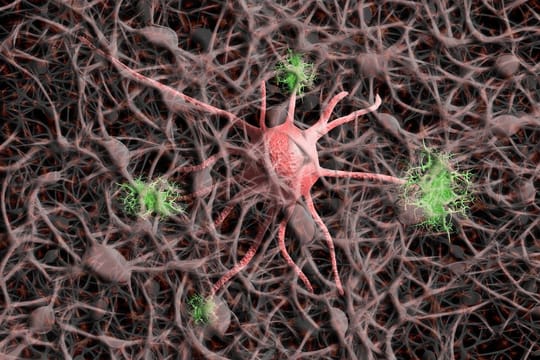
- More ATP — light boosts mitochondrial ATP production, giving neurons the energy they need for attention, memory and decision making.
- Cellular repair and plasticity — animal studies show synaptogenesis and neurogenesis after repeated light exposure.
Pulsing frequencies: matching the brain's rhythms
Different pulsing frequencies appear to produce different effects. Sarah highlights three practical settings:
- Low pulse (≈7.8 Hz) — associated with calm and reduced anxiety; some users report feeling calmer and centred.
- Mid pulse (≈40 Hz) — the gamma range linked to attention, memory and potential neuroprotective effects in models of neurodegeneration.
- High pulse (≈100 Hz) — surprisingly, research suggests this can help experienced meditators reach meditative states more easily when paired with sound.
Real‑world feedback: who reports improvement and what they notice
Reported benefits from early users include better sleep, reduced brain fog, improved mood and sharper memory. Sarah shares examples ranging from people with IBS and fibromyalgia to individuals with neurodegenerative conditions seeing meaningful quality‑of‑life improvements.
Two consistent themes emerge from the feedback: first, the gut often responds before the brain; second, effects are cumulative — consistent use produces stronger, longer‑lasting benefits than sporadic sessions.
Sleep, HRV and measurable improvements
Users tracking metrics often see changes in deep sleep percentage and heart‑rate variability (HRV). Sarah explains that HRV can dip initially (a short‑term hormetic stress response) before rising above baseline as the body adapts. Deep sleep tends to increase for many people, which helps brain clearance and cognitive performance.
Practical protocol: how often, how long and where to apply light
Sarah recommends a simple, conservative protocol suitable for most people:
- Daily exposure: 10 minutes per session for the headband and body panel together.
- Frequency: Aim for 3–4 sessions per week to start; 10 minutes daily or 20 minutes daily if you are an elite athlete or want an aggressive routine.
- Consistency: Expect noticeable changes in 4–8 weeks; maintain usage 2–3 times per week for ongoing benefits.
- Placement: Press the headband flush to the skull (avoid hair gaps) and place the body panel directly over the abdomen to target the gut and vagal pathways.
The dosing debate: power, wavelengths and measurement
There is ongoing discussion about optimal power and dose. A few important clarifications:
- Measure all wavelengths present — some devices include very long near‑infrared LEDs (e.g. 1070 nm) that require specialised equipment to measure.
- Output versus input — peak device output is not the same as the dose reaching tissue; even a powerful panel will lose effectiveness if it is not in contact with the skin.
- Safety and practicality — for brain applications, Sarah favours a low‑to‑mid power approach to avoid heating while still triggering mitochondrial signalling.
Standards and consistent measurement would help the field mature. For now, aim for a device that delivers relevant wavelengths, fits flush to the target tissue and supports repeatable sessions.
Key takeaways
- Light is not a drug — it strengthens cellular energy systems rather than masking symptoms.
- Address the gut and brain together — the gut often drives cognitive symptoms through inflammation and vagal signalling.
- Consistency beats chasing power numbers — regular, repeated sessions produce cumulative improvements in cognition, mood and sleep.
- Start gently and track — 10 minutes, 3–4 times per week is a practical starting point; use sleep and HRV metrics to measure response.
"Every time you use the device you're building more mitochondria — your body makes more mitochondria to receive the light." — Sarah Turner
Final thought
Correcting our modern deficiency of near‑infrared light is a low‑friction way to support brain energy, improve sleep and lower inflammation. Whether your goal is sharper daily cognition, better mood resilience or long‑term neuroprotection, a combined brain + gut light strategy is a sensible, evidence‑informed option worth trying for a few months.
Keywords: red light therapy, near‑infrared, photobiomodulation, cognitive performance, gut‑brain, mitochondria, 40Hz, ATP.