
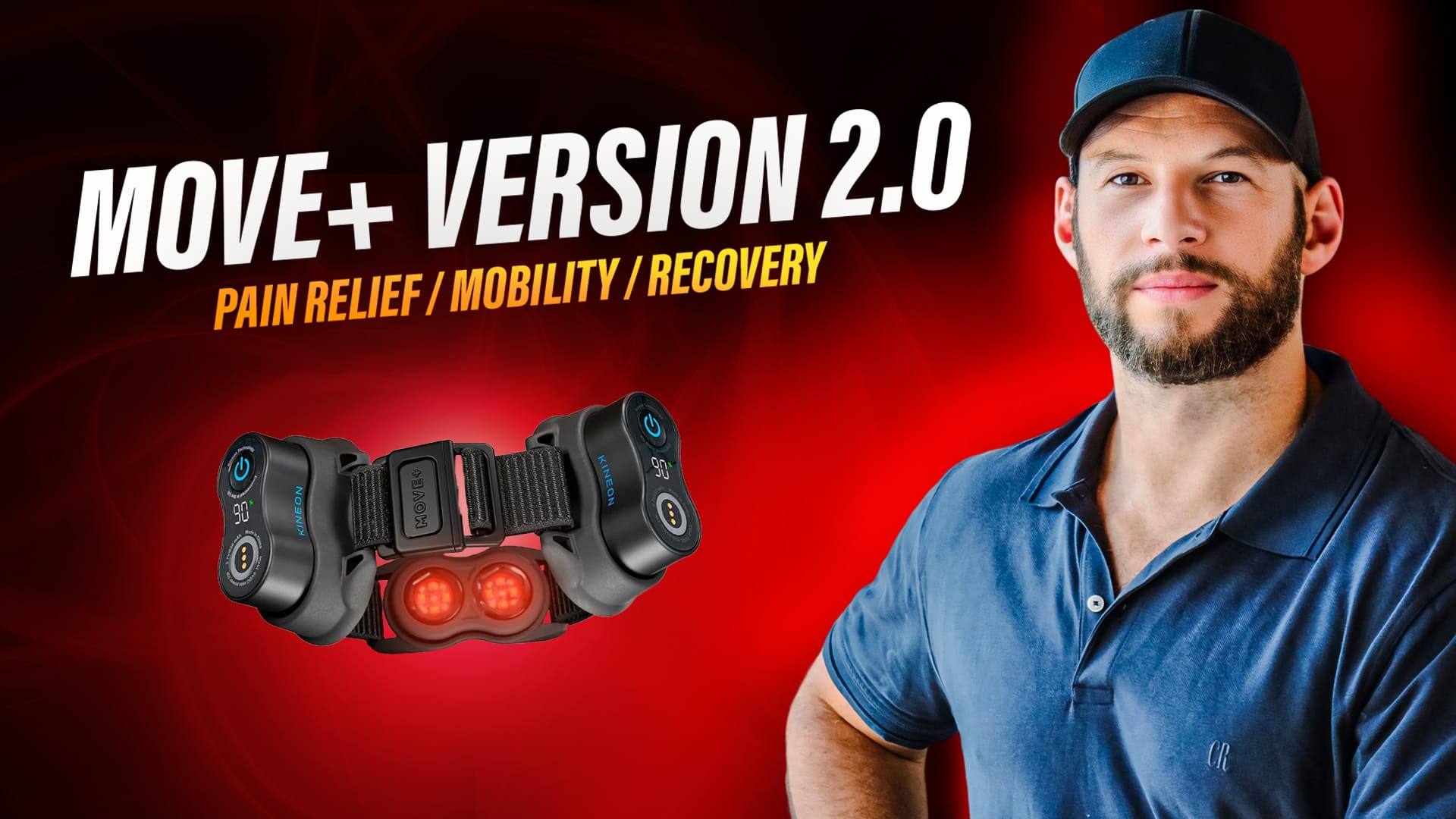
The landscape of wearable red light therapy is changing fast, and as someone who follows the space closely, I want to highlight the practical upgrades and strategic direction coming out of Kineon. The phrase red light therapy insiders kineon matters because it captures both the community-level innovation and the company’s technical roadmap: targeted devices, better user experience, and a clear move toward sensor-driven feedback.
Move Plus 2.0: Small Details, Big Practical Gains
The Move Plus has always been a focused, results-first device for joint pain. The 2.0 rewrite keeps the proven internals and adds usability upgrades that actually change how people use the product every day.
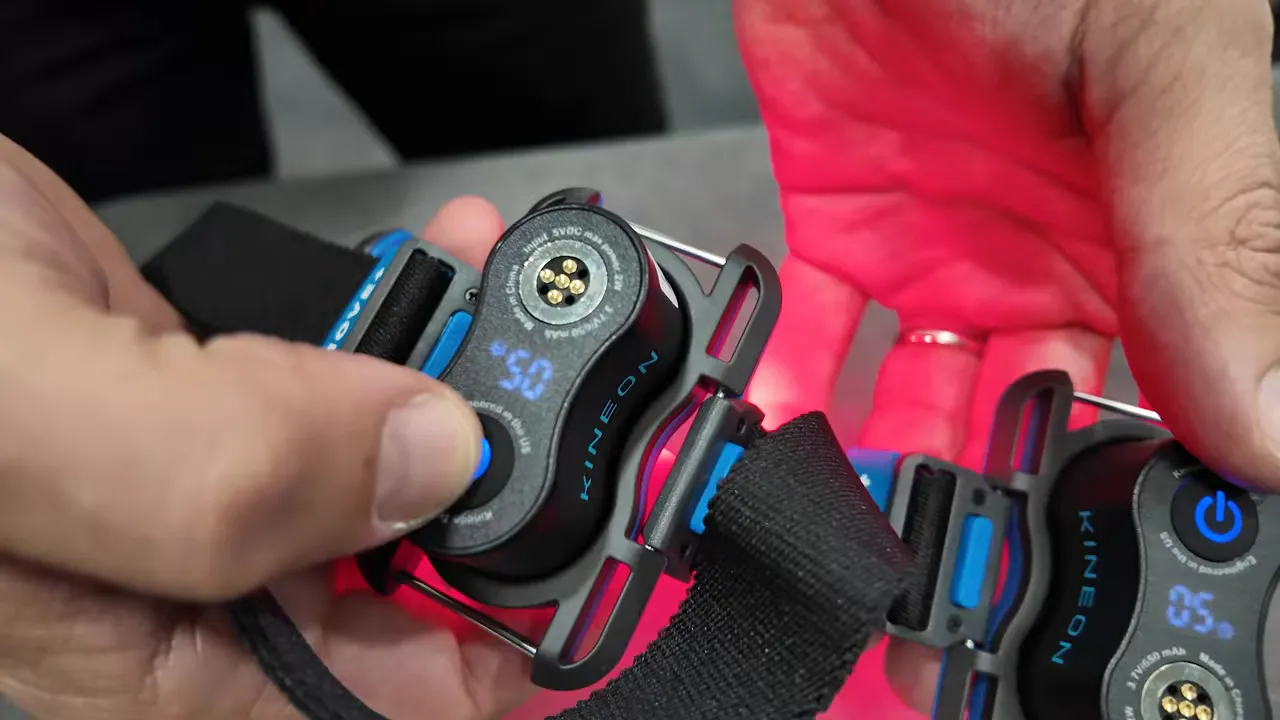
Notable improvements:
- LED display on the module — clearer feedback and easier time selection without digging for the manual.
- Quick-release adjustable strap — clip-on/clip-off design with a pull-tight mechanism and an extender option for larger fits. This makes placement repeatable and far more comfortable.
- Improved travel case and ‘bridges’ — small clips keep modules close together for compact use and transport.
- Backward compatibility — older modules work with the new straps and casing, so upgrades don’t orphan existing hardware.
The battery remains roughly the same (about four hours of continuous use, or multiple sessions across several days), but the ergonomic and UI improvements reduce friction — and people actually stick with protocols when a device is easier to use.
Heel: A Modular Platform Built For Targets
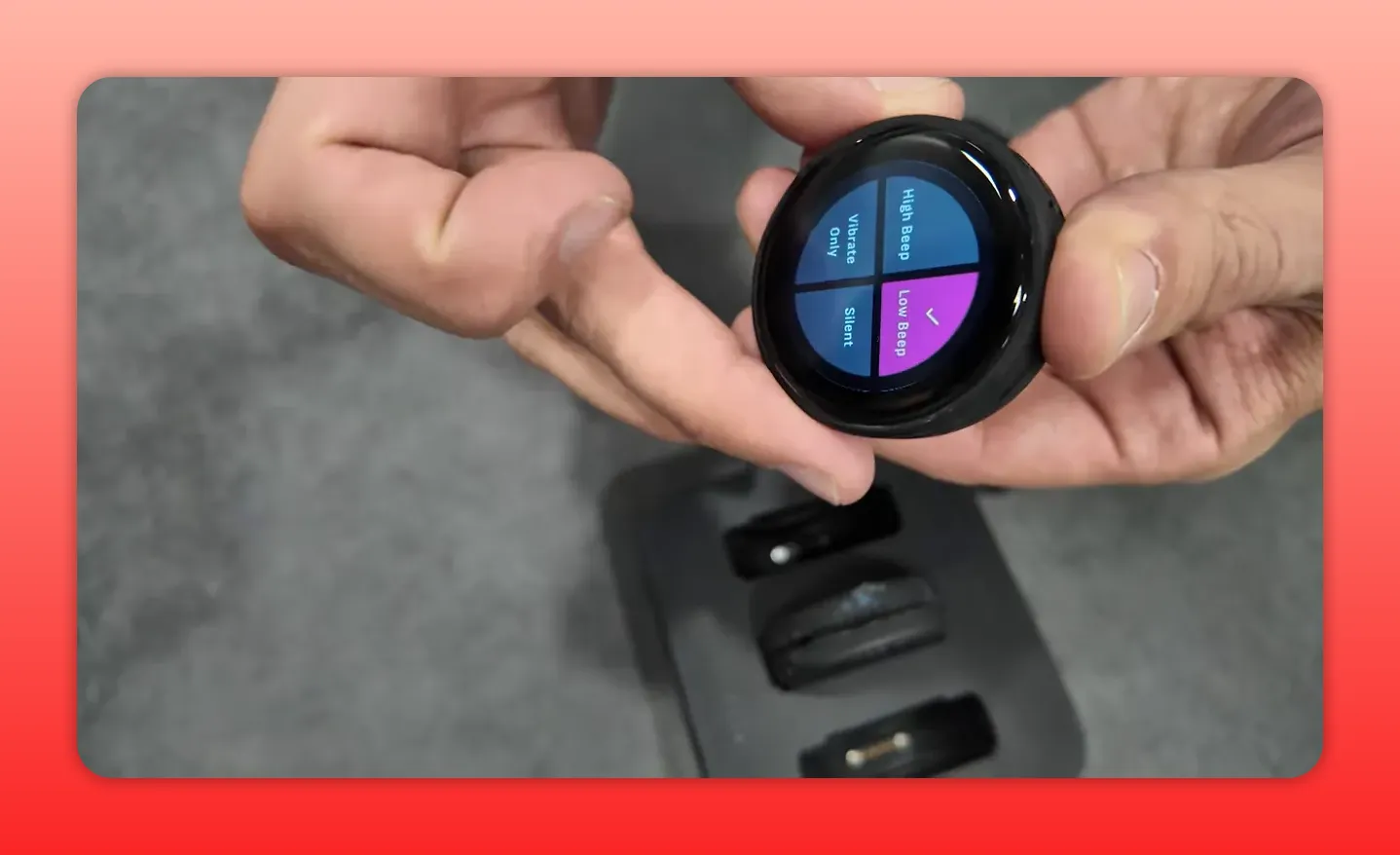
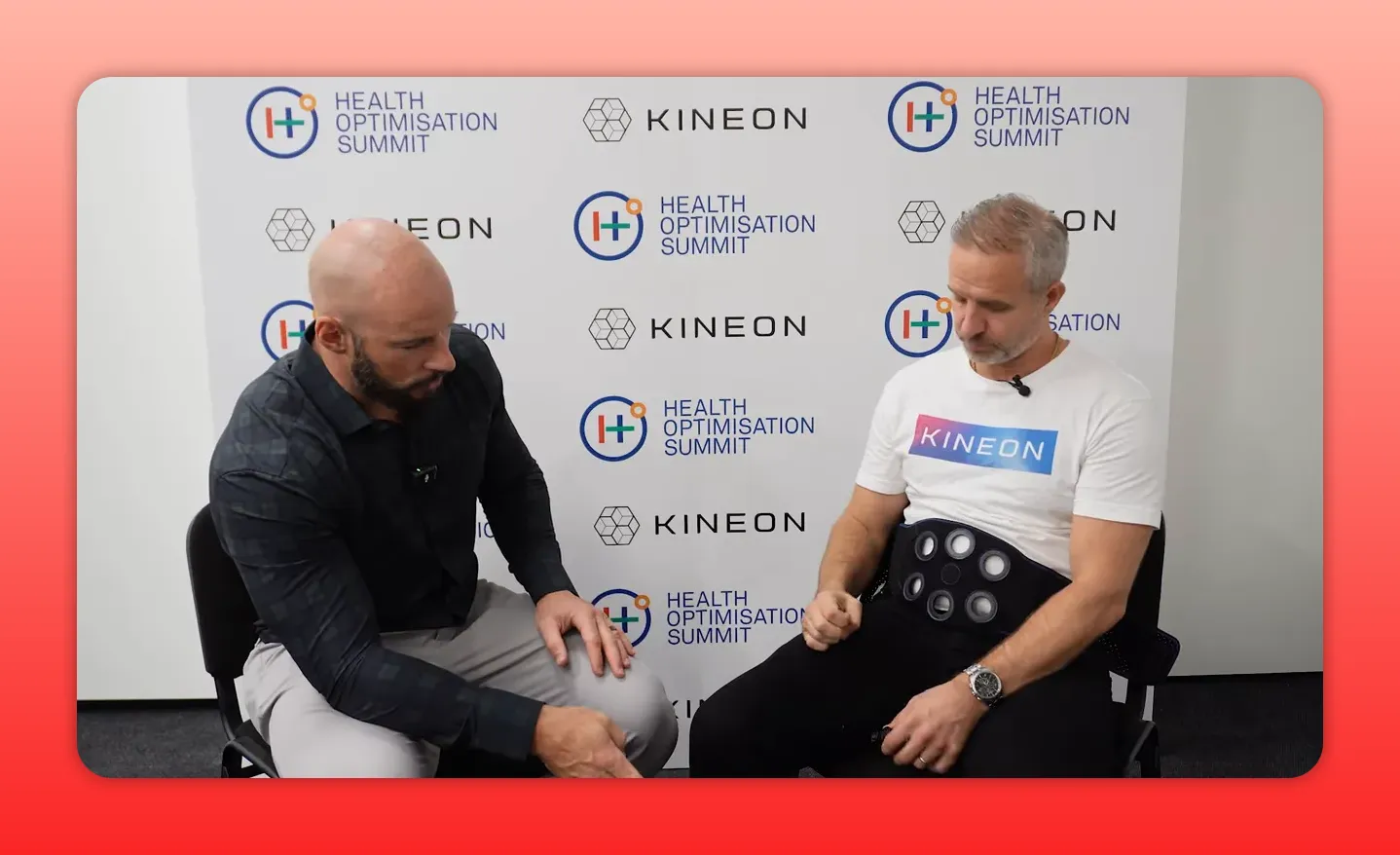
Kineon’s new modular platform, dubbed Heel, is designed around small puck-style modules that combine lasers and LEDs, pulse operation, and magnetic attachment. These little modules let you target joints, skin lesions, or other small areas far more efficiently than a blanket panel.
 Alex Fergus
Key technical points:
- Mixed optics: both LEDs and lasers are used (examples mentioned: 650nm and 808nm plus additional near-infrared bands).
- All pulsed output for consistent dosing control.
- Magnetic mounting for repeatable placement; interchangeable shapes for specialty use cases like dentistry or wound care.
Why modular? Because one device cannot be optimal for everything. Panels are excellent value for general wellness, but targeted problems — a stubborn knee, brace pain, mouth ulcers after cancer treatment — benefit from focused light, correct wavelength, and precise dosing. Heel is Kineon’s attempt to make that practical and portable.
Roadmap: App Control, Calm (Vagus) Product, And Sensor Feedback
The longer-term vision is where things get strategic. Kineon is moving beyond on/off treatments toward an ecosystem: app control, synchronized modules, and eventually sensors that provide objective feedback on treatment efficacy.
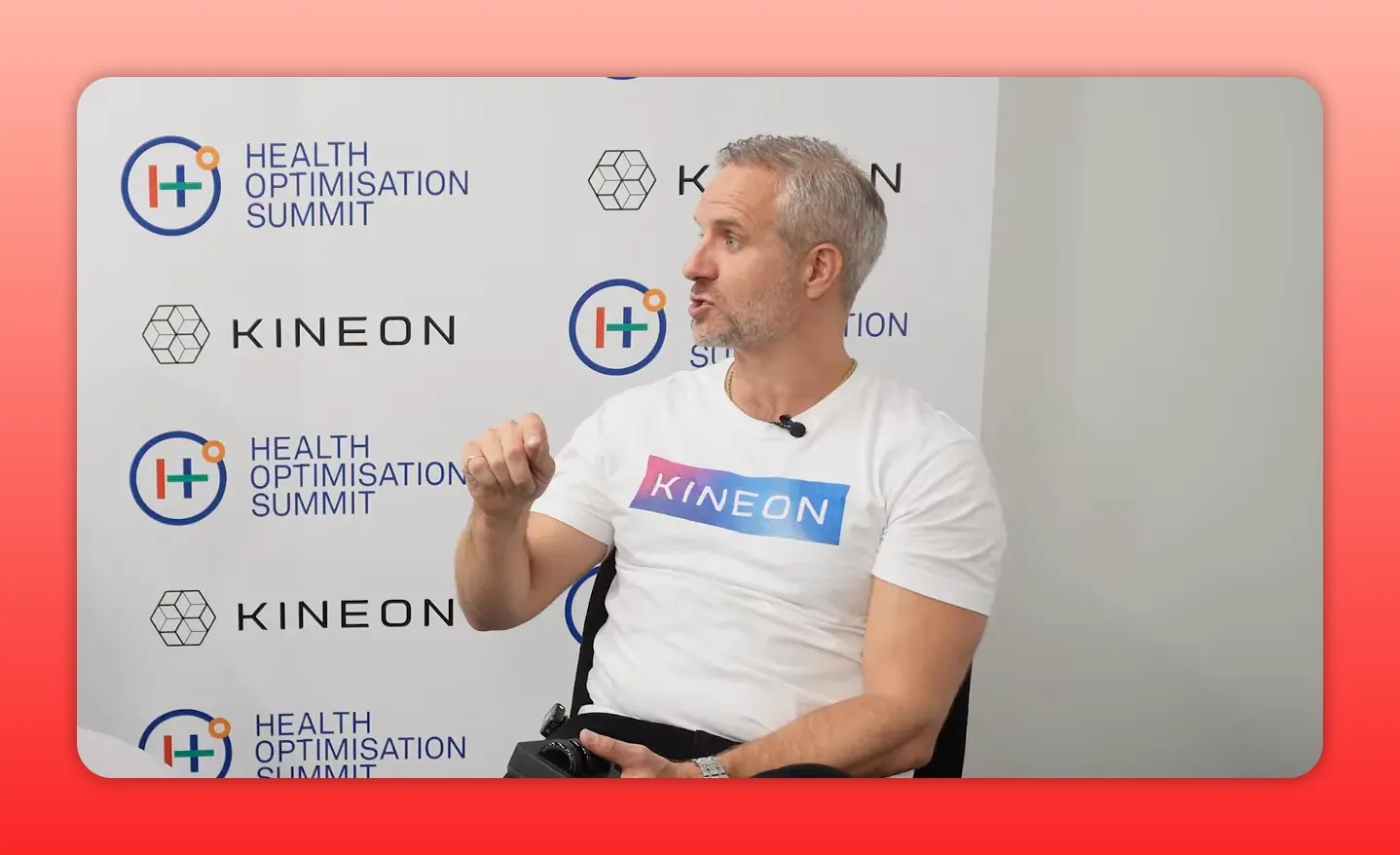
Planned milestones mentioned:
- App integration to control timing, profiles, and multi-module sync.
- Calm — an electrical stimulation product that targets the vagus nerve, planned as an early hybrid product with laser integration (targeted release: Q1 2026).
- Sensor-driven feedback — optical sensors that measure blood metrics (for example hemoglobin-related signals) before and after treatment so users can see objective changes in real time.
That last point is crucial. Sensors turn therapy into a data-informed process: you can confirm whether a protocol changed a localized metric and iterate. Think of it like combining a feedback loop with light-based dosage rather than treating by hope alone.
Dosage, Data, And Why They Matter
Dosage is the single most important variable for clinical outcomes. Too little and you get no effect; too much and you risk diminishing returns. This is where targeted devices and sensor feedback both play a role.
- Panels remain great for broad, general use.
- Targeted modules (like the Move Plus and Heel) reduce waste and limit exposure to unnecessary areas.
- Sensors and apps will allow personalized dosing, proximity warnings, and objective tracking of improvements (e.g., pain scores or localized blood markers).
In short: technology that helps you know what dose you actually delivered is far more valuable than technology that simply looks powerful on paper.
Company Culture And Product Stewardship
Kineon’s approach balances science, component-level scrutiny, and community-first customer support. Their leadership insists on high-quality LEDs and lasers, tests component sourcing, and invests heavily in user support — an important consideration when products aim to deliver measurable changes for people in chronic pain.
Practical Takeaways
- Upgrade usability matters: small UX improvements (screens, clips, straps) increase adherence to therapeutic routines.
- Choose the right tool: use panels for overall doses, modular devices for targeted problems.
- Look for feedback: products that add sensors and app-based tracking will accelerate learning and improve outcomes.
- If you buy: check backward compatibility and community support — those accelerate long-term value.
For those tracking the market, the phrase red light therapy insiders kineon is a useful shorthand: it represents a company shifting from hardware-only offerings toward software and sensor-enabled therapy. That evolution is what will separate toys from truly clinical-grade consumer tools.
Expect to see Move Plus 2.0 launches, Heel modules shipping as prototypes mature, and the Calm product to arrive as the gateway to combined electrical and optical neuromodulation. When sensor feedback becomes standard, red light therapy will move from hopeful routine to measurable medicine.
Final Thoughts
2025 showed growth, surprises, and a need for more rigorous measurement. The best red light therapy products 2025 are those that combine honest specs, durable design, and real-world testing. If you shop with those priorities in mind, you’ll avoid expensive gimmicks and find devices that genuinely fit your goals.
Curious what others chose this year? Ask around, check lab reads, and choose devices with transparent data. The technology is maturing; the choices are getting better. Use them wisely.
Found This Interesting? Look At These Articles
🔴 The Red Light Therapy Facial Fat Loss Link: Myth Or Reality?
🔴 Does Red Light Therapy Help Scars? The Science
🔴 Red Light Therapy For Skin: Beauty Benefits, Potential Complications, And More
🔴 Psoriasis With Red Light Therapy: Potential Game-Changer?
Have You Seen These Reviews
🔴 Rouge G4 Pro Review: Most Advanced Red Light Panel Yet?
🔴 Best Red Light Panel Yet? Block Blue Light Mega Review
🔴 $800 Red Light Mask Has Lasers… But Why?
🔴 Omnilux Contour Mask Review: Still Worth It in 2025?
Alex's Bio
Alex Fergus wrote this blog post. Alex is an ISSN Sports Nutrition Specialist, Fitness Professional, and certified Superhuman Coach who continues to expand his knowledge base and help people worldwide with their health and wellness. Alex is recognized as the National Record Holder in Powerlifting and Indoor Rowing and has earned the title of the Australian National Natural Bodybuilding Champion. Having worked as a health coach and personal trainer for over a decade, Alex now researches all things health and wellness and shares his findings on this blog.