
Red light therapy has quietly moved from the fringes of alternative wellness into the mainstream. Scroll through social media or health forums, and you’ll see an endless stream of glowing testimonials — people claiming reduced pain, clearer skin, faster recovery, sharper focus, even better sleep. It’s the kind of buzz that naturally raises eyebrows. When something promises benefits across so many areas of health, skepticism is healthy.
So, where does red light therapy actually sit? Is it another fleeting wellness trend, or is there real substance behind the claims?
Let’s unpack what it is, how it works, and what the research actually shows — because once you step past the hype, the story becomes surprisingly compelling.
What Red Light Therapy Actually Is
Red light therapy, often referred to as photobiomodulation or low-level laser therapy, is the application of specific wavelengths of red and near-infrared light to the body to stimulate beneficial biological effects.
That light can be delivered in different ways. In some settings, it’s applied through a small, targeted laser to a localized area. In others, it’s delivered through LED arrays that bathe large portions or even the entire body in therapeutic light.
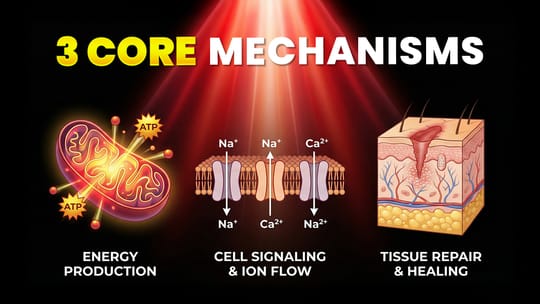
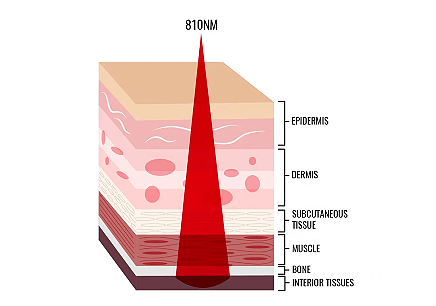
What makes red and near-infrared wavelengths unique is their ability to penetrate relatively deeply into tissue compared with other visible wavelengths. Once absorbed, this light energy interacts with cellular structures — particularly within mitochondria — influencing processes such as ATP production, oxygen utilization, and overall cellular activity.
In simple terms, the light acts less like heat and more like a metabolic signal, nudging cells toward more efficient function. From there, downstream effects spread across tissues and systems.
Joint Pain, Arthritis, and Inflammation: One of the Strongest Cases
If there’s a flagship benefit of red light therapy, it’s the reduction of pain and inflammation — particularly in joints and arthritic conditions. This is one of the most widely promoted uses, and fortunately, one of the most substantiated.
Research has shown that even a single application of light therapy can produce measurable reductions in inflammatory markers within 24 hours. That alone is significant because inflammation sits at the root of many chronic pain conditions. Beyond biochemical markers, studies also report reductions in perceived pain levels and improvements in joint function.
What makes this especially interesting is that the anti-inflammatory effect doesn’t just dampen symptoms; it may also influence underlying processes involved in degenerative joint disease. That’s why some researchers suggest photobiomodulation could serve as a supportive treatment approach for osteoarthritis.
Given that chronic inflammation also underpins many broader health issues — from cardiovascular strain to metabolic dysfunction — it’s logical that reducing systemic inflammatory load could ripple into other areas of health as well.
Skin, Collagen, and the Explosion of Beauty Devices
Another area where red light therapy has surged into public awareness is skin health and aesthetics. Claims around wrinkle reduction, collagen support, acne improvement, and overall skin tone can sound almost too good to be true — but this is one category where research and real-world results tend to align closely.
Red light exposure has been shown to increase microcirculation in the skin, enhancing nutrient delivery to tissue. That improved blood flow contributes to the brighter, more radiant appearance many users report.
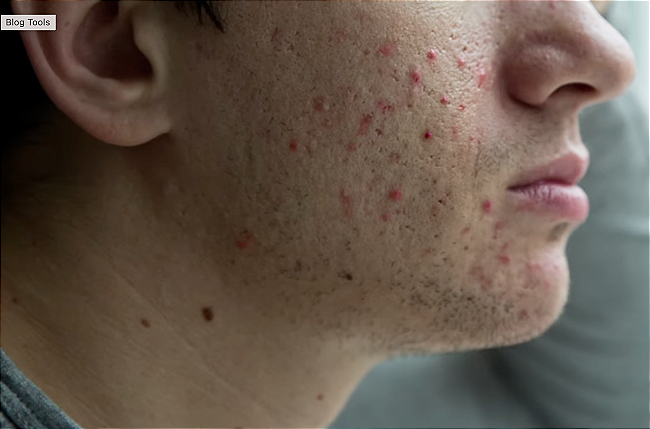
At the same time, studies demonstrate reductions in acne and associated inflammation, as well as accelerated healing of post-acne marks. Perhaps most notably, research indicates increases in collagen density following red light exposure — a change that translates into firmer, smoother skin with fewer visible wrinkles over time.
There’s also documented evidence suggesting benefits in inflammatory skin conditions such as rosacea, eczema, and psoriasis. When you combine visible improvements, minimal side effects, and relatively accessible at-home devices, it’s easy to see why the beauty sector has embraced this technology so enthusiastically.
Wound Healing, Scarring, and Muscle Recovery
The same mechanisms that support skin quality — improved circulation, reduced inflammation, and enhanced collagen formation — also extend into wound repair and musculoskeletal recovery.
Research has shown that red light therapy can both reduce existing scar tissue and help prevent excessive scarring during the healing process. That’s a crucial distinction: it suggests the therapy influences not just appearance after healing, but the biological trajectory of tissue repair itself.
Similarly, studies on injured muscles and ligaments show stimulation of collagen proliferation and improved tendon healing. In practical terms, that translates into faster recovery timelines and potentially stronger repair tissue.
For athletes and physically active individuals, this has obvious implications. Recovery is often the limiting factor in performance progression, and any modality that safely accelerates tissue repair becomes highly valuable.
Brain and Cognitive Function: The Unexpected Frontier
At first glance, the idea that light applied externally could influence brain health might sound far-fetched. Yet this is one of the fastest-growing research areas in photobiomodulation.
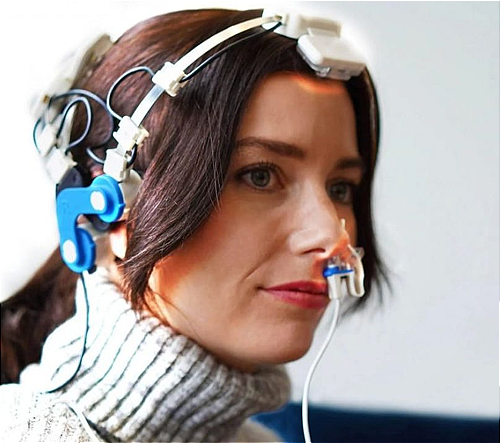
Studies have explored red and near-infrared light exposure in relation to conditions such as traumatic brain injury, cognitive decline, depression, attention disorders, and memory impairment. While mechanisms are still being mapped, proposed pathways include improved cerebral blood flow, reduced neuroinflammation, and enhanced mitochondrial function within neurons.
The breadth of potential applications is striking — from supporting neurodegenerative disease to enhancing general cognitive performance. There’s already enough research to establish biological plausibility, and ongoing work continues to expand understanding in this area.
Beyond the Headlines: System-Wide Effects
Once you look past the commonly discussed categories, the list of reported benefits grows surprisingly long. Research has explored links between red light therapy and hormonal regulation, thyroid function, sleep quality, mood balance, sports performance, recovery capacity, eye health, oral health, fertility, and energy levels.
That breadth can feel implausible at first — until you return to the underlying mechanism. If a therapy consistently improves mitochondrial efficiency and reduces inflammatory burden across tissues, it stands to reason that multiple systems could benefit simultaneously.
In fact, the performance-enhancing potential is considered strong enough that some have argued it provides an unfair advantage in sport — essentially a form of “legal doping.” The idea that something as simple as light could provoke that discussion highlights just how physiologically impactful these wavelengths may be.
Navigating the Research: An Overwhelming Landscape
One challenge for anyone exploring red light therapy is the sheer volume of research. Thousands of studies exist across dozens of medical and biological fields. Sorting meaningful findings from noise can quickly become overwhelming.
To address this, some researchers have compiled large databases cataloguing photobiomodulation studies by condition and outcome. These collections allow users to search for specific health concerns and quickly see whether evidence trends positive or negative across studies.
The takeaway from such compilations is consistent: while not every application shows equal strength of evidence, positive outcomes appear across an unusually wide range of conditions.
A Personal Experiment: Removing and Reintroducing Light
Perhaps the most telling perspective doesn’t come from isolated studies, but from longitudinal self-observation. In one extended experiment, red light therapy was used consistently over a prolonged period, then removed entirely. Changes in health markers, recovery, and overall well-being were tracked during the absence, before the therapy was reintroduced.
The contrast proved striking. Multiple negative shifts appeared during the withdrawal phase, many of which reversed once light exposure resumed. While anecdotal, this type of on-off comparison can reveal functional impact in a way that static before-and-after snapshots often cannot.
So… Is Red Light Therapy Legit?
When you step back and look at the full picture, red light therapy sits in an unusual position. It’s simple, non-invasive, and fundamentally based on light — yet its biological effects span cellular metabolism, inflammation regulation, circulation, and tissue repair.
That combination naturally produces wide-ranging outcomes. Pain reduction, skin improvement, faster healing, cognitive support, and systemic health effects all trace back to the same core cellular interactions.
So while the marketing around red light therapy can sometimes feel exaggerated, the underlying science is far from “woo-woo.” In fact, few non-pharmaceutical interventions show comparable breadth of documented biological activity.
The real story isn’t that red light therapy does everything. It’s that improving cellular energy and reducing inflammation appear to influence far more of human physiology than we once appreciated.
And once you understand that, the surge in interest makes a lot more sense.
Found This Interesting, Try These!
⭐ 36 Powerful Red Light Therapy Benefits
⭐ Vivelight- Vielight's Brain Photobiomodulation: Unique Application Method!
⭐ Vladimir Heiskanen's datasheet with 7,000+ studies on red light therapy:
⭐ 18 Science-Backed Systemic Effects Of Red Light Therapy
Items mentioned
If you want a Vielight product, use the discount code ALEX10 and the following link: https://aferg.co/vielight
Alex's Bio
Alex Fergus wrote this blog post. Alex is an ISSN Sports Nutrition Specialist, Fitness Professional, and certified Superhuman Coach who continues to expand his knowledge base and help people worldwide with their health and wellness. Alex is recognized as the National Record Holder in Powerlifting and Indoor Rowing and has earned the title of the Australian National Natural Bodybuilding Champion. Having worked as a health coach and personal trainer for over a decade, Alex now researches all things health and wellness and shares his findings on this blog.
Frequently Asked Questions
What is red light therapy?
Red light therapy uses red and near-infrared wavelengths of light to support normal cellular energy and recovery. It’s often referred to as photobiomodulation (PBM). If you're comparing devices and brands, you can check the discounts page for current deals and recommendations.
How does red light therapy work?
Red and near-infrared light can be absorbed by mitochondria in cells, which may help support ATP production and normal cellular repair processes.
What wavelengths are used in red light therapy?
Most red light therapy devices use wavelengths roughly between 630 nm and 880 nm. Common wavelengths include 630 nm, 660 nm, 810 nm, 830 nm, and 850 nm.
What’s the best red light therapy panel?
The best red light therapy panel depends on coverage needs, power output, wavelengths, and budget. Before buying, it's smart to check the discounts page to compare brands and deals.
Red light panel vs mask: which should I choose?
Red light panels usually provide broader coverage and higher power output, while masks are designed primarily for facial skin treatments.
What does low EMF mean for red light therapy devices?
Low EMF refers to lower electromagnetic field emissions around a device. Some buyers prioritize this feature when comparing devices.
How long should a red light therapy session last?
Many users begin with sessions of around 5–10 minutes per treatment area and adjust based on device power and distance.
How often should you use red light therapy?
Common routines range from 3–5 sessions per week depending on the goal and device strength.
Is red light therapy safe?
Most consumer red light therapy devices are considered safe when used according to manufacturer guidelines.
Who is Alex Fergus?
Alex Fergus is the founder of Light Therapy Insiders and reviews red light therapy devices with a focus on practical buying factors.
Where can I find red light therapy discount codes?
You can check the discounts page to see the latest red light therapy discount codes and deals.
Do red light therapy discount codes expire?
Yes. Most brands rotate discount codes during promotions and seasonal sales. If a code stops working, it's best to check the discounts page for the latest offers.