
Brain photobiomodulation is rapidly evolving from early-stage curiosity into a serious area of research. In this interview, Bart Wolbers speaks with Liam Pingree and Dr. Ramona von Leden to explore how light therapy is being used to improve cognitive function, support brain health, and potentially impact neurodegeneration.
Show Notes
This episode breaks down the current state of brain photobiomodulation, including new research on memory, attention, anxiety, and depression. We also explore why wavelength selection matters, how devices are evolving, and what the future holds for this fast-growing field.
Key Topics
Cognitive Benefits: Memory, Attention & Mood
Recent studies show improvements in:
- Attention and focus
- Memory and processing speed
- Mood and anxiety levels
There are also early signals suggesting potential effects on neurodegeneration markers, making this a key area of interest.
Why Dosage & Consistency Matter
One of the biggest challenges in the field is variability:
- Different wavelengths
- Different power outputs
- Different protocols
Standardizing these variables will be critical for future clinical adoption.
Key Study Insights
Several early studies show promising results:
- Improvements in brain fog and processing speed
- Better attention and reduced anxiety
- Positive changes in depression and sleep
While many studies are small, they serve as important proof-of-concept for larger trials.
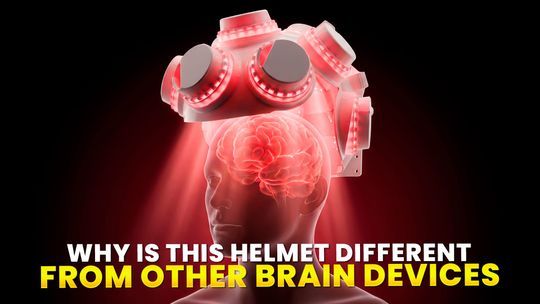
1070nm Light & Deep Brain Penetration
A major focus of this discussion is the 1070nm wavelength:
- Deeper penetration into brain tissue
- Targets areas like the hippocampus
- Potential impact on neuroinflammation
Different wavelengths serve different purposes depending on the target area.
Helmet vs Whole-Body Light Therapy
- Whole-body therapy offers systemic effects
- Targeted brain devices are more practical and efficient
For cognitive outcomes, localized brain treatment may be sufficient.
Neurofeedback & Personalization
Combining light therapy with QEEG allows:
- Targeted treatment of specific brain regions
- Customized protocols
- Potentially faster results
This highlights the growing trend toward personalized brain optimization.
The Role of Data & AI
With thousands of users generating data:
- Protocols can be refined faster
- Patterns in response can be identified
- AI may help optimize treatments
User data is becoming a major driver of innovation.
Future of Brain Photobiomodulation
Over the next 5–10 years, expect:
- Larger clinical trials
- More consumer devices
- Integration with wearables
- Shift toward preventative brain health
The space is moving toward optimization, not just treatment.
Key Takeaways
- Photobiomodulation is entering a more mature research phase
- Individual responses vary significantly
- Wavelength and dosage are critical
- The next wave will focus on personalization and data-driven protocols
Resources Discussed
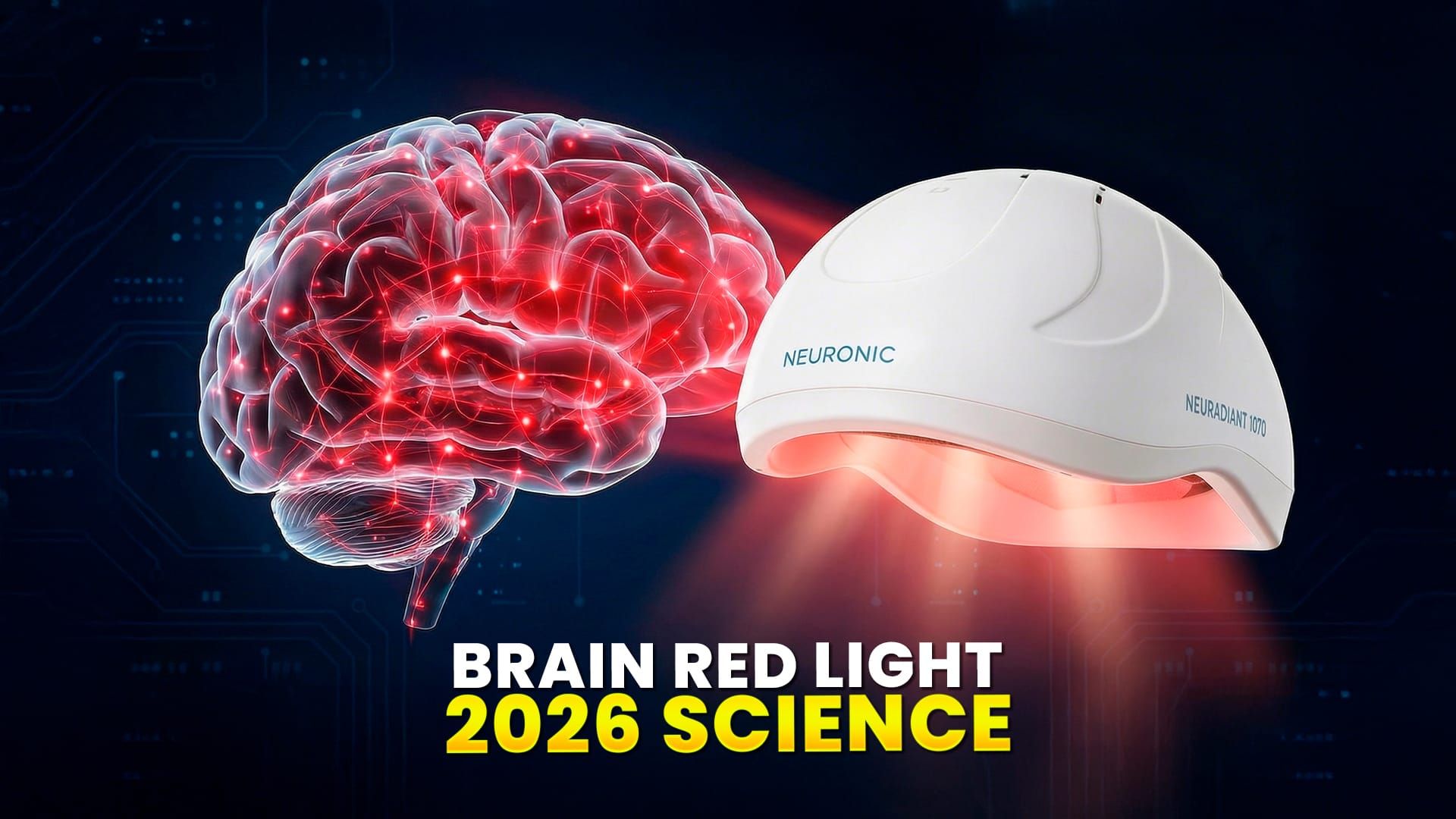
⭐ Neuronic helmet- https://aferg.co/neuradiant, and use discount code AFERGUS100 for $100 off.
⭐ Neuronic Research on Brain Photobiomodulation- https://www.neuronic.online/research
⭐ Illuminating Cognitive Performance- https://academic.oup.com/milmed/article/190/Supplement_2/456/8256308?login=false
⭐ PEMF- https://pubmed.ncbi.nlm.nih.gov/37510998/
⭐ Photobiomodulation CME part I: Overview and mechanism of action: https://pubmed.ncbi.nlm.nih.gov/38309304/
🎧 Prefer to Listen?
Find Alex Fergus – Light Therapy Insiders on your favorite platform: