
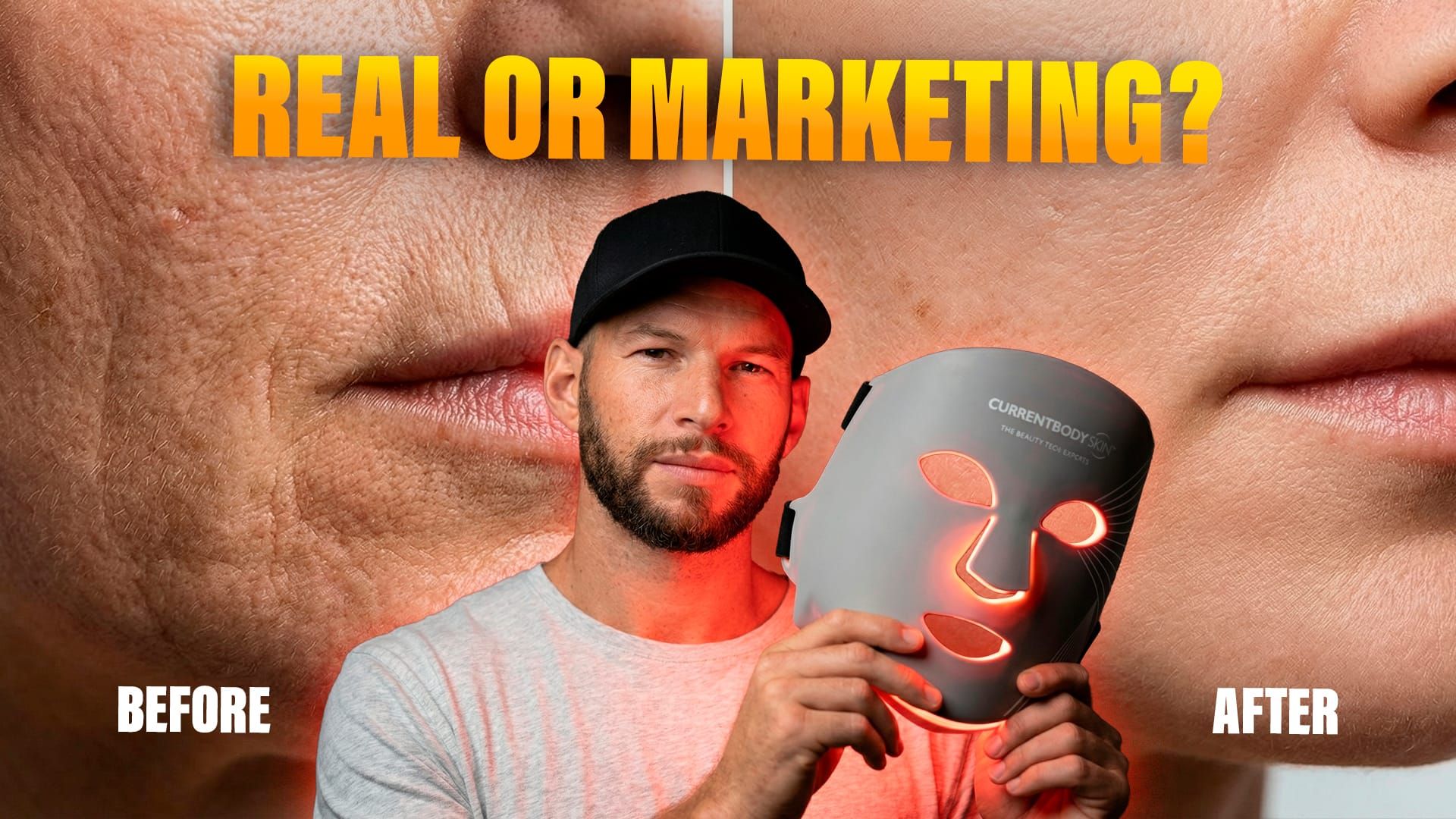
You’ve probably seen the ads by now. LED face masks promising collagen production, firmer skin, fewer wrinkles, smoother texture — all while you sit on the couch watching TV. It sounds almost too easy. And that leads to a pretty uncomfortable but important question:
If red light therapy really builds collagen and reduces wrinkles, why doesn’t every dermatologist just hand patients an LED mask and call it a day?
Want Help Choosing a Red Light Mask? I built my Red Light Mask Guide. An interactive tool that compares the top masks side by side.
That’s the question worth answering, and to do that properly, we have to ignore marketing and look at human studies instead. Not testimonials, not influencer claims, and not just theoretical mechanisms — actual human trials with measurements and control groups.
So let’s break this down properly:
Do wrinkles actually improve?
Is the collagen boost real?
And if this does work, what actually matters when buying a device?
First, What People Mean When They Say “Boosts Collagen”
When most people talk about boosting collagen, they’re not talking about something you can directly feel happening under your skin. What they really mean is that fine lines look softer, skin texture looks smoother, and sometimes the skin feels a bit firmer.
Collagen isn’t a switch that gets flipped on overnight. It’s a slow remodeling process. Even if a treatment improves collagen biology, the visible result may be subtle, and it usually takes weeks or months to appear.
Another important point is that two different treatments can both affect collagen but produce very different visible results. That’s because the outcome depends on factors such as dose, penetration depth, and the condition of your skin before you start. So just saying something “boosts collagen” doesn’t automatically mean dramatic cosmetic results.
The Basic Mechanism (Short Version)
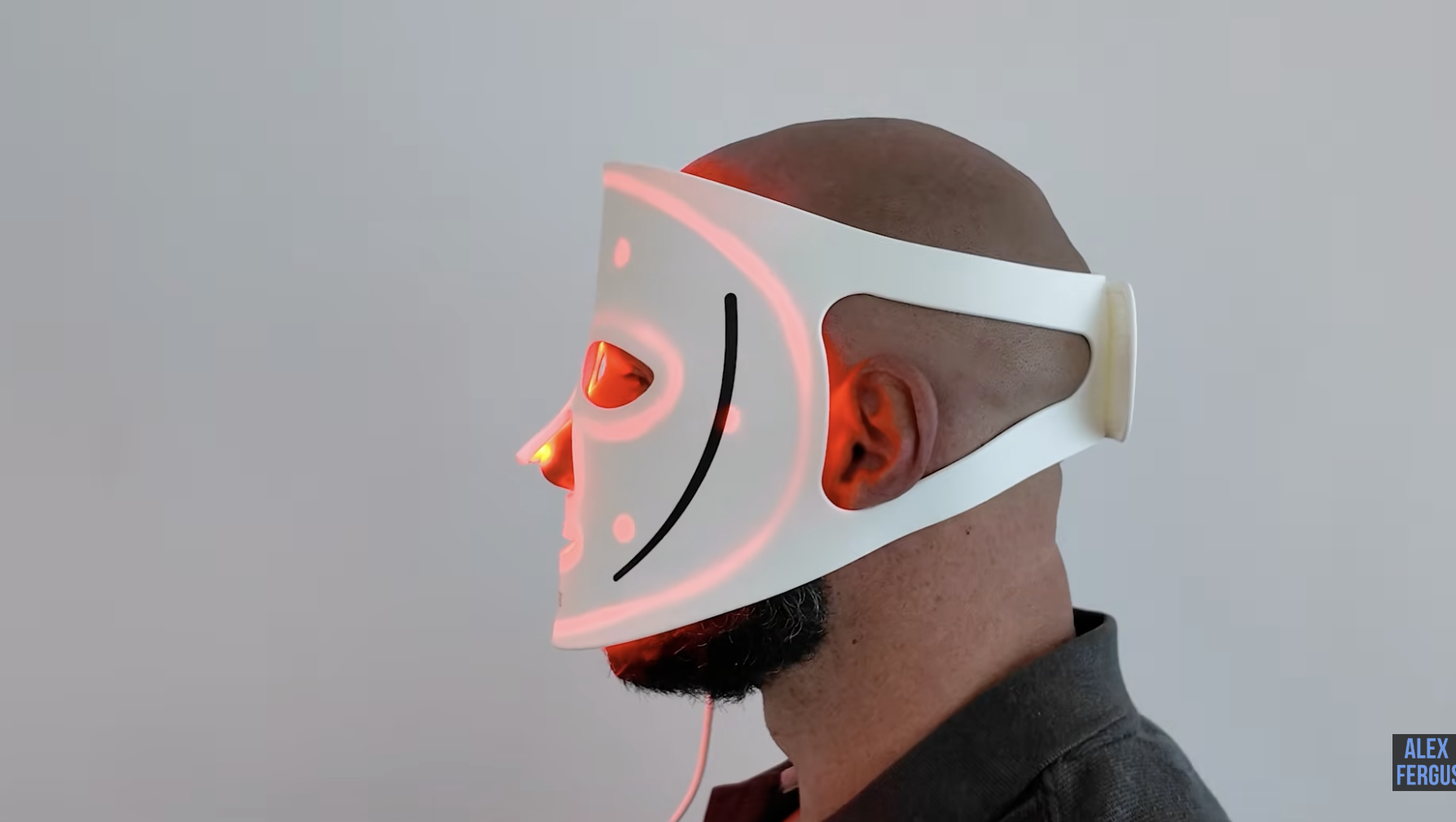
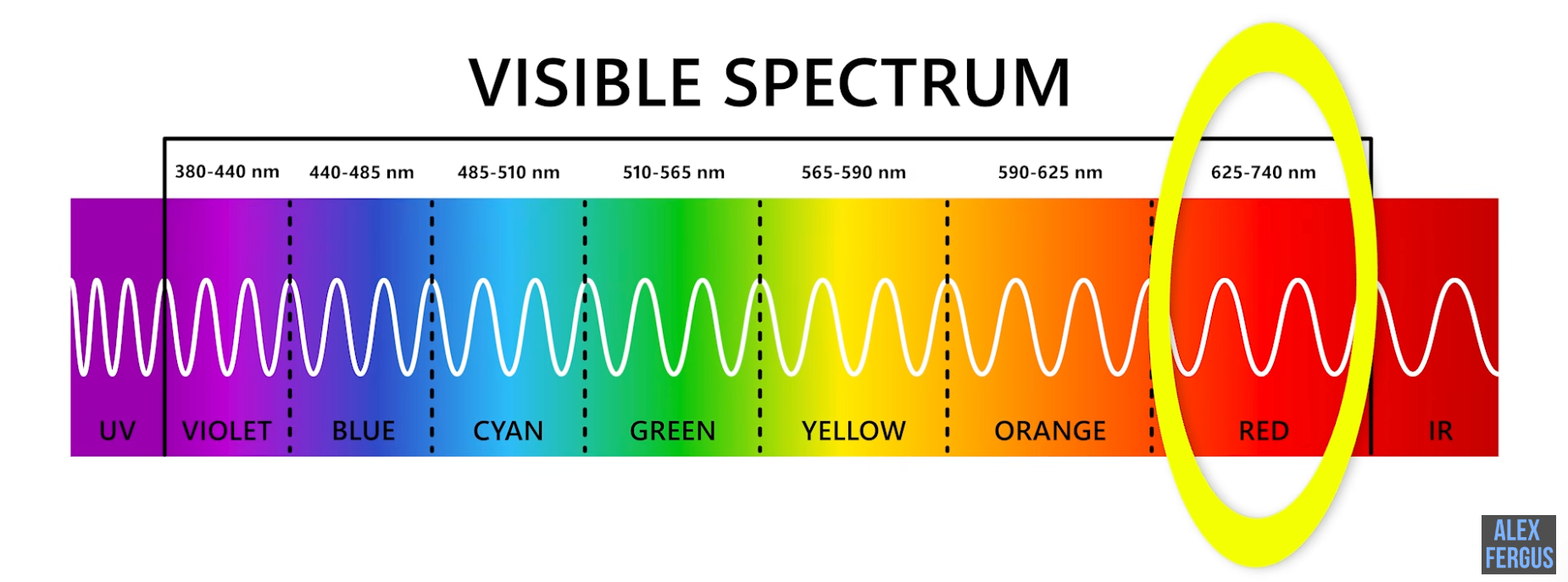
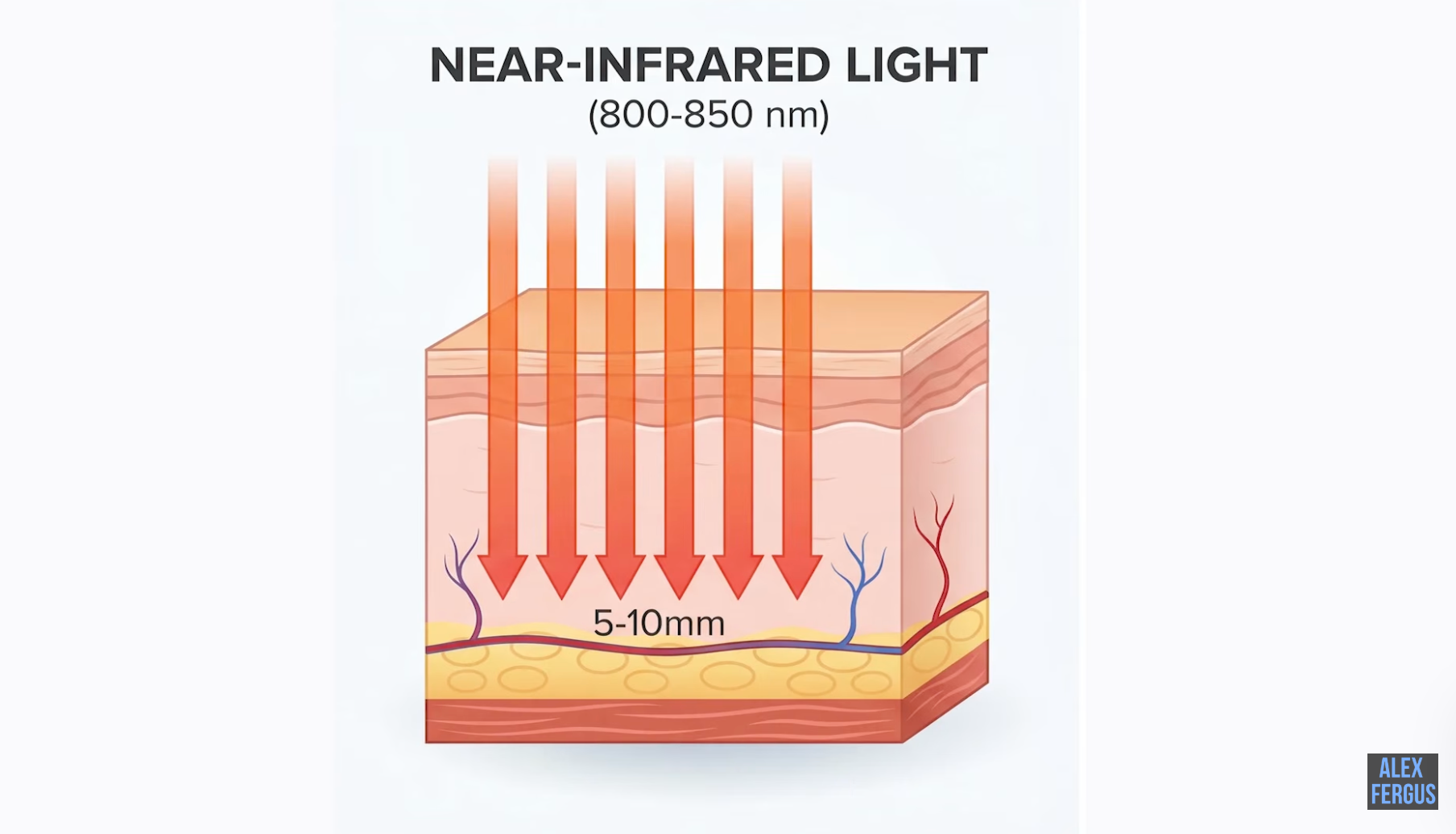
Red light and near-infrared light — the wavelengths used in red light therapy — are non-UV, non-ionizing wavelengths that can trigger cellular signaling in the body. The light is absorbed by cellular components, leading to downstream changes that influence inflammation and tissue remodeling.
In skin, the discussion of collagen usually focuses on fibroblasts and the balance between collagen synthesis and degradation. Some human and laboratory data suggest that red light therapy may influence this balance in a positive direction, meaning it may help tilt things slightly toward rebuilding rather than breakdown.
But this is important:
Just because the biological mechanism exists does not mean every LED mask will produce visible results. The device still has to deliver the right dose and wavelengths.

Study #1 – Red Light Masks and Wrinkles (2025 Study)
One of the more interesting recent studies examined 95 women aged 45 to 60 who used red LED masks at 660 nm, a very common wavelength in masks today.
The researchers split participants into three groups:
- Two sessions per week
- Three sessions per week
- The control group uses a mask with no therapeutic light
They ran the study for four weeks.
On one clinical wrinkle rating scale, there were no significant differences between groups. But when researchers used objective image analysis — high-resolution imaging to measure wrinkles — they found a significant reduction in wrinkle length in certain areas, especially around the eyes, compared with the control group.
Patient satisfaction scores were also higher in the red light groups, meaning participants felt their skin looked better.
So the takeaway from this study is pretty realistic:
Some things improved, some didn’t, and the changes were modest. But importantly, this was only a four-week trial, which is very short for skin remodeling.
Study #2 – Red Light vs Amber Light (2023 Study)
Another randomized trial recruited 137 women aged 40 to 65. This study did something interesting: they used red light on one side of the face and amber on the other.
They measured wrinkle volume around the eyes using advanced facial imaging and reported about a 30% reduction on both sides of the face — 31.6% on the red side and 29.9% on the amber side — essentially the same result.
However, they did not see improvements in objective measures of hydration or skin elasticity.
Also, because both sides of the face received active light treatment and there wasn’t a true placebo group, the study shows that light therapy can improve wrinkle metrics, but it doesn’t tell us which wavelength is best or what the optimal treatment duration is.
Still, the direction of the evidence is consistent: wrinkle measurements can improve with light therapy, but not every skin parameter improves.
Older Placebo-Controlled LED Studies
There are also older placebo-controlled studies where participants were assigned to:
- Red light (around 633 nm)
- Near infrared (around 830 nm)
- A combination of both
- A control group with no light
Participants did treatments twice per week for four weeks, but researchers followed them for three months. These studies looked at objective measurements like elasticity, melanin levels, and biological markers associated with tissue response.
The findings showed improvements in elasticity, melanin markers, and biomarkers consistent with tissue remodeling. The treatments were also well tolerated with minimal side effects.
These studies are important because they included control groups and objective measurements, not just before-and-after photos.
So Do People Actually Look Better?
There are really two separate questions here:
1. Do people look better after using red light therapy for wrinkles?
The best answer is yes — but the changes are usually modest and sometimes depend on how you measure them.
2. Do we see human evidence of collagen remodeling?
There are small human biopsy and microscopy studies showing changes in collagen architecture following red light therapy. So collagen remodeling is plausible, and there is some human evidence supporting it.
But this does not mean an LED mask will give dramatic visual changes. This is not a facelift or Botox. The most realistic expectation is incremental wrinkle softening, not major structural changes.
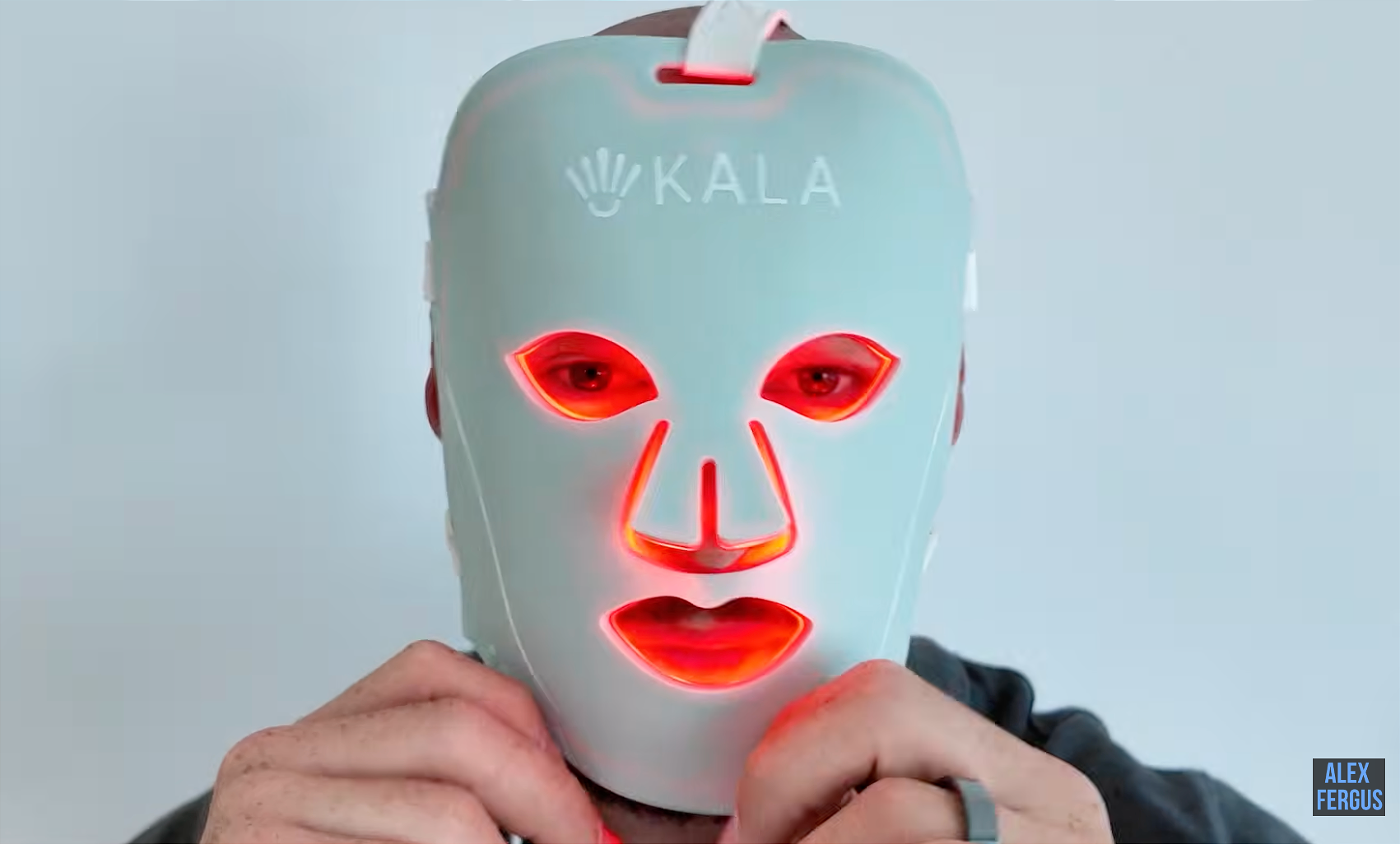
If You Want Results, Specs Actually Matter
If someone decides they want to try red light therapy for skin and collagen, the device specifications matter a lot. Otherwise, you may just be wasting time.
Wavelengths
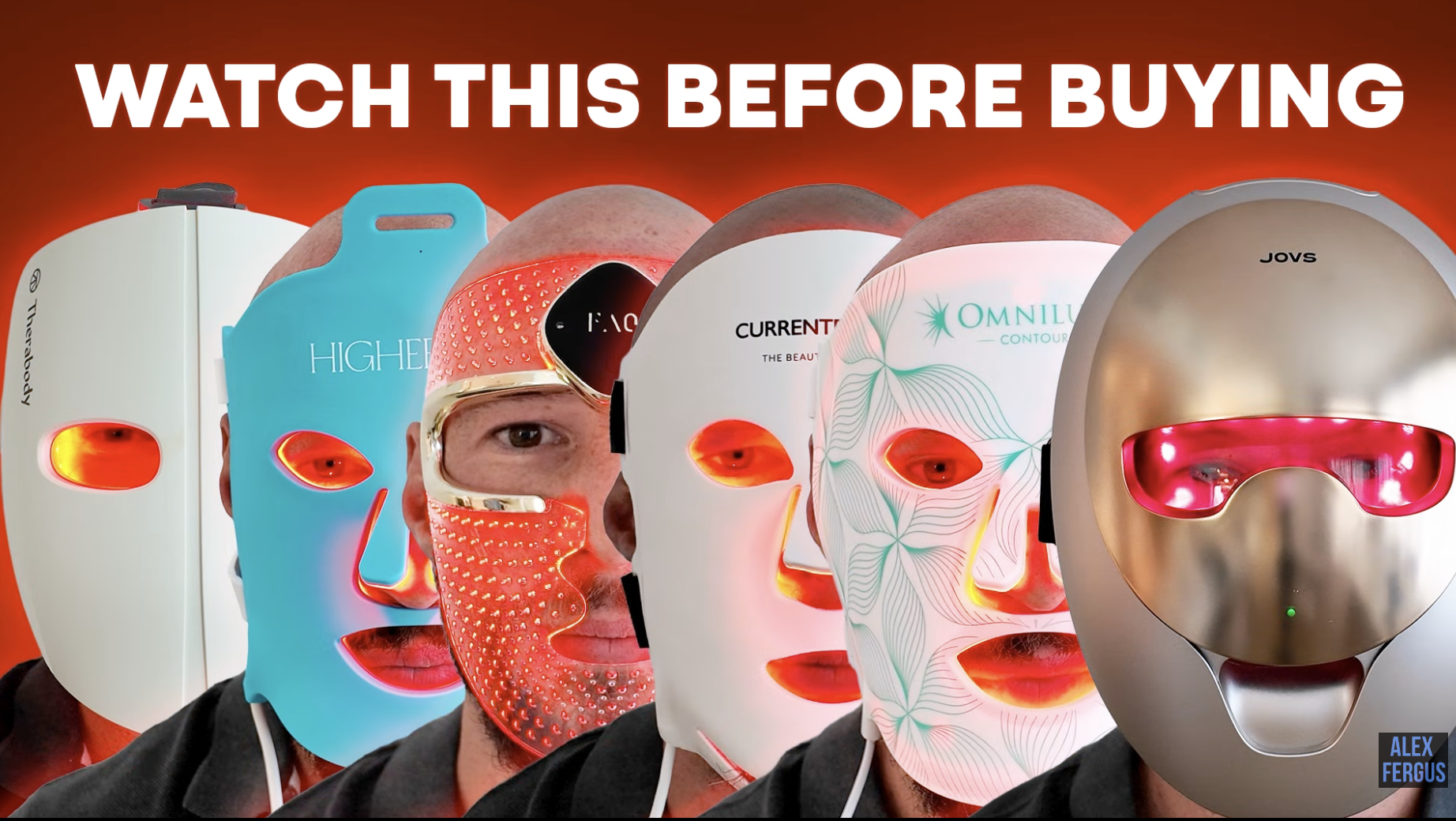
The most important wavelength range for skin is red light 630 to 660 nm range.830 to 850 nm, which is often considered a good secondary wavelength.
Dose (Energy Delivered to Skin)
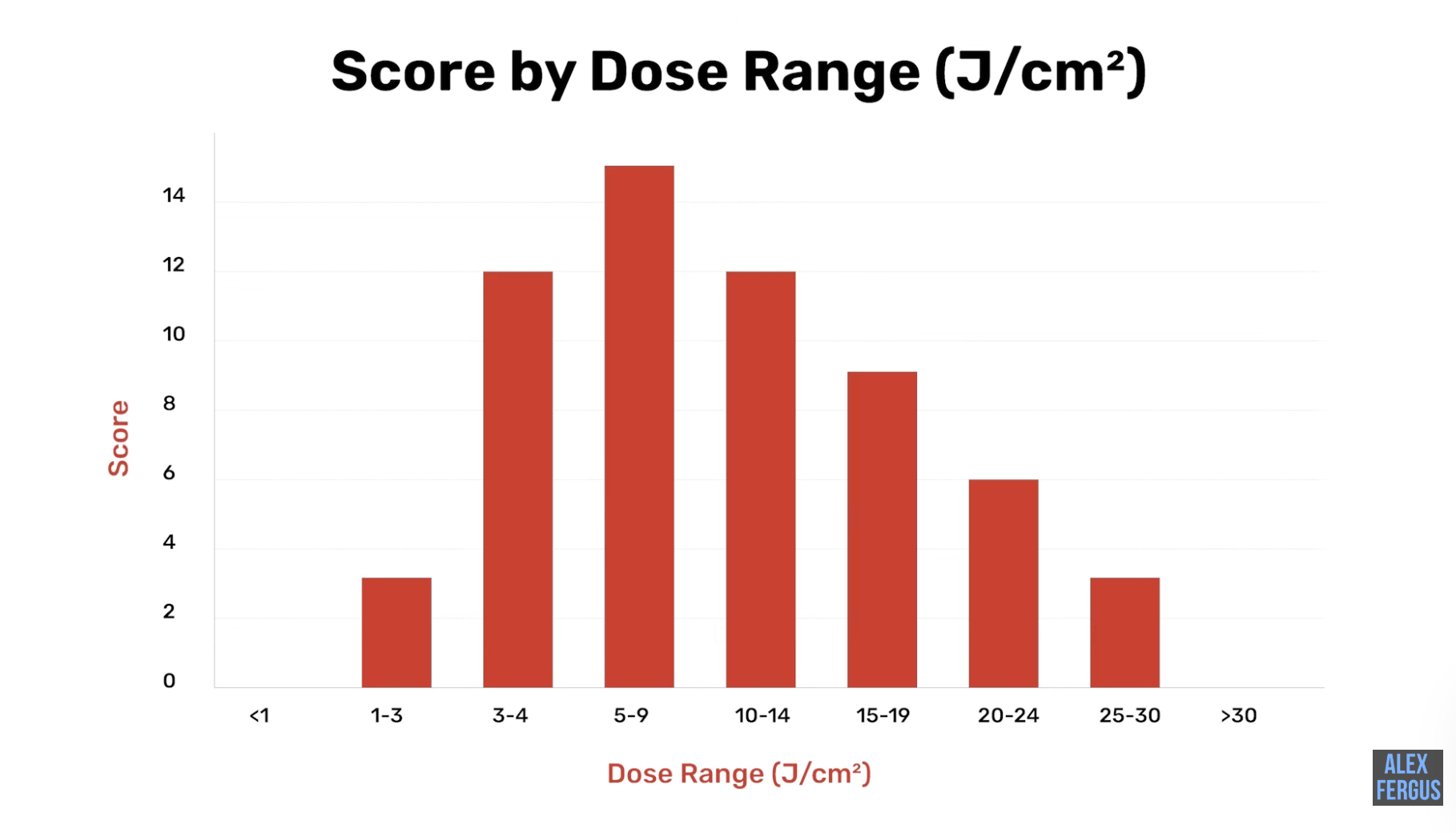
This is usually measured in joules per square centimeter. This number matters more than LED count, but it’s also very hard to find and even harder to measure.
In human trials, doses vary widely, but many fall 10 joules per square centimeter per session.
You can adjust dose by changing treatment time, which is why session length matters.
Treatment Frequency
Most studies use 10 to 20-minute sessions a few times per week. If someone isn’t willing to do treatments consistently, they probably shouldn’t expect much collagen or wrinkle improvement.
A realistic schedule is about 3 to 5 sessions per week. More is not always better — some studies show similar results with a few sessions per week compared to daily use.
Coverage and Fit
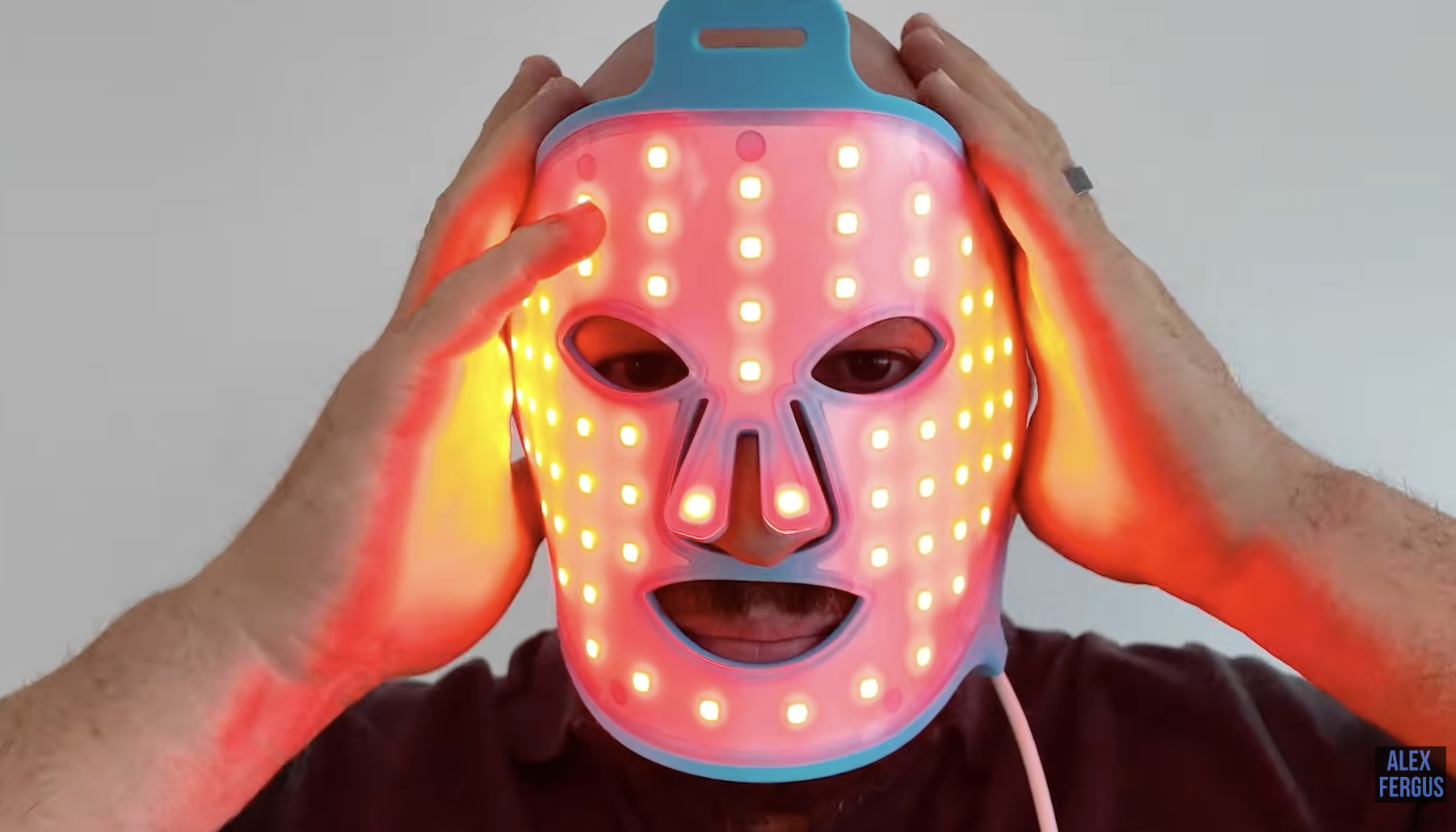
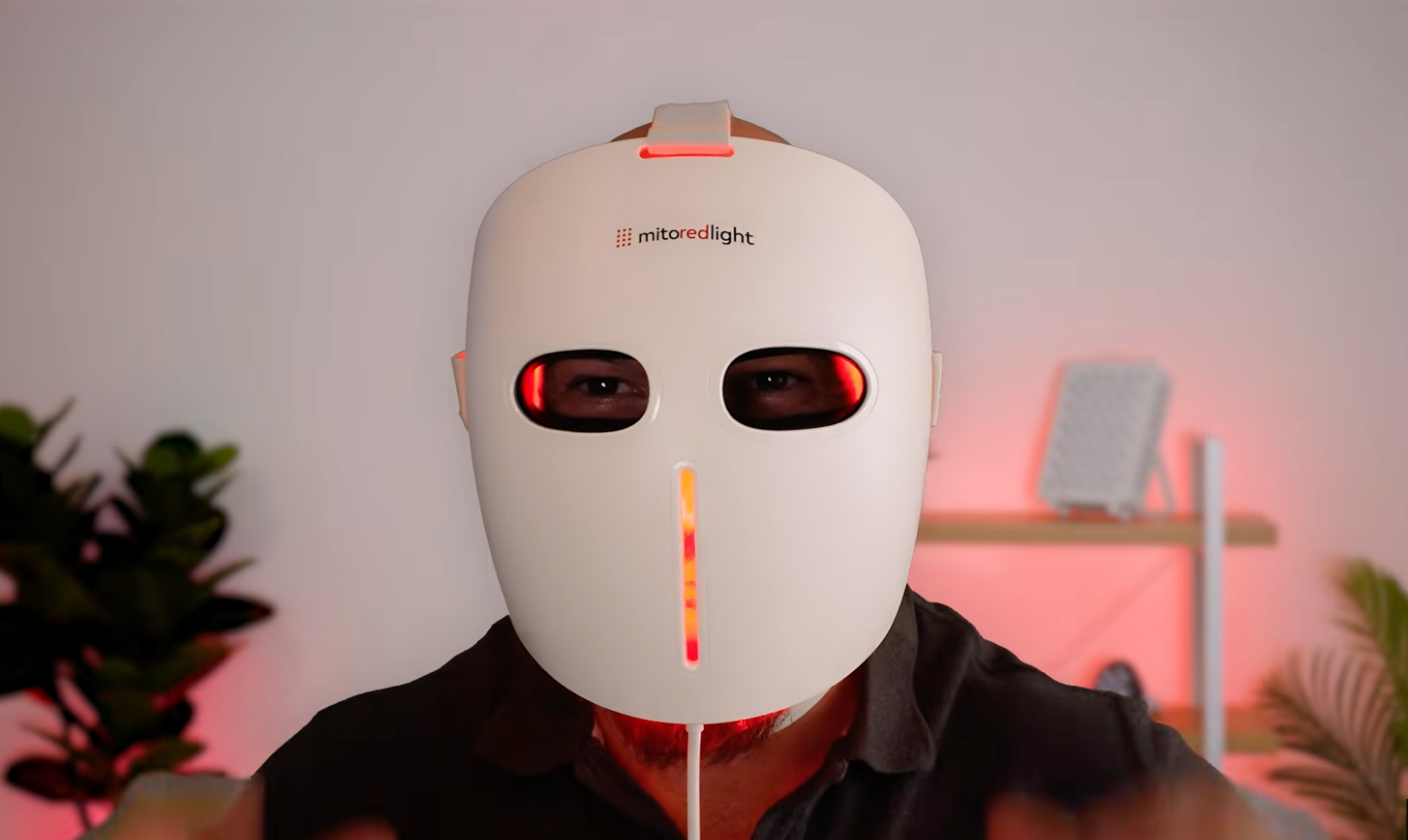
This is something people often overlook. If a mask is uncomfortable, you won’t use it. If it doesn’t cover your whole face, you’re only treating part of the skin.
Warranty and Returns
Many masks have batteries that fail after a year, so warranty and return policies actually matter more than people think.
Safety
In clinical trials, facial LED treatments are generally well tolerated with no major adverse effects reported. But eye safety is important. Red light is bright, and near-infrared light still reaches tissue even if you don’t see it, so eye protection should be used if provided.
The Evidence-Based Takeaway
If we condense everything down into the most honest, evidence-based summary, it looks like this:
- Red light therapy can improve wrinkle measurements in human studies, but results are usually modest.
- Collagen remodeling is plausible and supported by some human evidence, but don’t expect dramatic changes.
- Results depend heavily on wavelength, dose, treatment time, and consistency.
- Not every device delivers the right specifications, which is why some people see results and others don’t.
A good way to think about it is like medication. A drug can be proven to work, but if you take the wrong dose, you may see no benefit. Red light therapy is similar — the technology works, but only if the device and treatment parameters are correct.
So the honest answer to the original question is this:
Red light therapy is not a miracle anti-aging treatment, but it’s also not a skincare fad.
It sits somewhere in the middle — a tool that can produce small, gradual improvements in skin quality and wrinkles when used correctly and consistently.
Just don’t expect a facelift from a glowing mask.
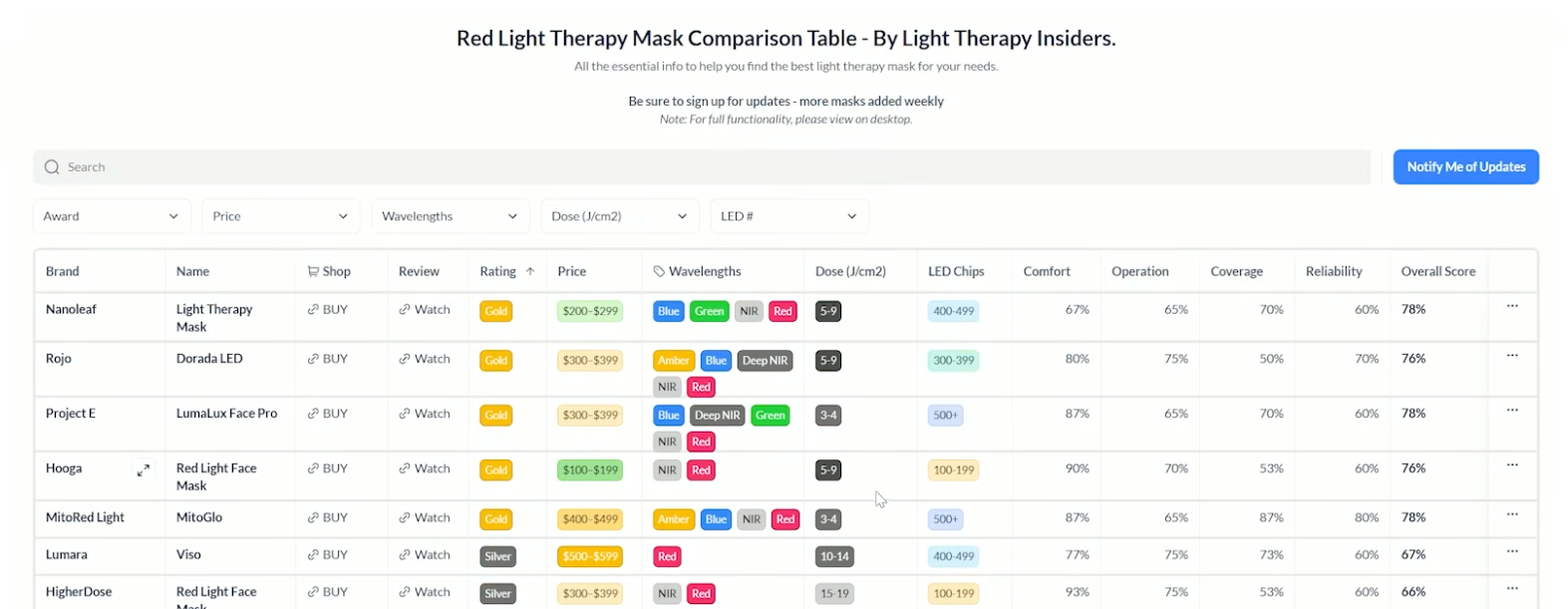
👆 View all my notes and data, or do a comparison between masks, check out my Mask Comparison Table. 👆Easy to use, links to reviews and more!
Found This Interesting? Look At These Articles:
⭐ Combating Psoriasis With Red Light Therapy: Potential Game-Changer?
⭐ Sun Exposure & Melanoma Risk: The Huge Light Therapy Implications
⭐ The Red Light Therapy Facial Fat Loss Link: Myth Or Reality?
⭐ Does Red Light Therapy Help Scars? The Science
Have you seen these reviews?
🔴 Why Red Light Therapy Didn’t Stop Me Aging
🔴 CurrentBody Series 2 Mask Review: Unique Design Tested
🔴 Maysama Prana LED Mask Review
🔴 Red Light Therapy Mask Comparing Test: 25 Masks Ranked And Reviewed
Alex's Bio
Alex Fergus wrote this blog post. Alex is an ISSN Sports Nutrition Specialist, Fitness Professional, and certified Superhuman Coach who continues to expand his knowledge base and help people worldwide with their health and wellness. Alex is recognized as the National Record Holder in Powerlifting and Indoor Rowing and has earned the title of the Australian National Natural Bodybuilding Champion. Having worked as a health coach and personal trainer for over a decade, Alex now researches all things health and wellness and shares his findings on this blog.
Frequently Asked Questions
What is red light therapy?
Red light therapy uses red and near-infrared wavelengths of light to support normal cellular energy and recovery. It’s often referred to as photobiomodulation (PBM). If you're comparing devices and brands, you can check the discounts page for current deals and recommendations.
How does red light therapy work?
Red and near-infrared light can be absorbed by mitochondria in cells, which may help support ATP production and normal cellular repair processes.
What wavelengths are used in red light therapy?
Most red light therapy devices use wavelengths roughly between 630 nm and 880 nm. Common wavelengths include 630 nm, 660 nm, 810 nm, 830 nm, and 850 nm.
What’s the best red light therapy panel?
The best red light therapy panel depends on coverage needs, power output, wavelengths, and budget. Before buying, it's smart to check the discounts page to compare brands and deals.
Red light panel vs mask: which should I choose?
Red light panels usually provide broader coverage and higher power output, while masks are designed primarily for facial skin treatments.
What does low EMF mean for red light therapy devices?
Low EMF refers to lower electromagnetic field emissions around a device. Some buyers prioritize this feature when comparing devices.
How long should a red light therapy session last?
Many users begin with sessions of around 5–10 minutes per treatment area and adjust based on device power and distance.
How often should you use red light therapy?
Common routines range from 3–5 sessions per week depending on the goal and device strength.
Is red light therapy safe?
Most consumer red light therapy devices are considered safe when used according to manufacturer guidelines.
Who is Alex Fergus?
Alex Fergus is the founder of Light Therapy Insiders and reviews red light therapy devices with a focus on practical buying factors.
Where can I find red light therapy discount codes?
You can check the discounts page to see the latest red light therapy discount codes and deals.
Do red light therapy discount codes expire?
Yes. Most brands rotate discount codes during promotions and seasonal sales. If a code stops working, it's best to check the discounts page for the latest offers.