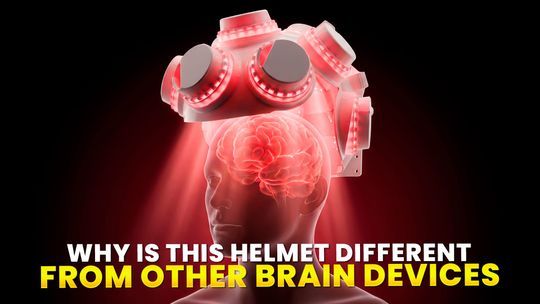
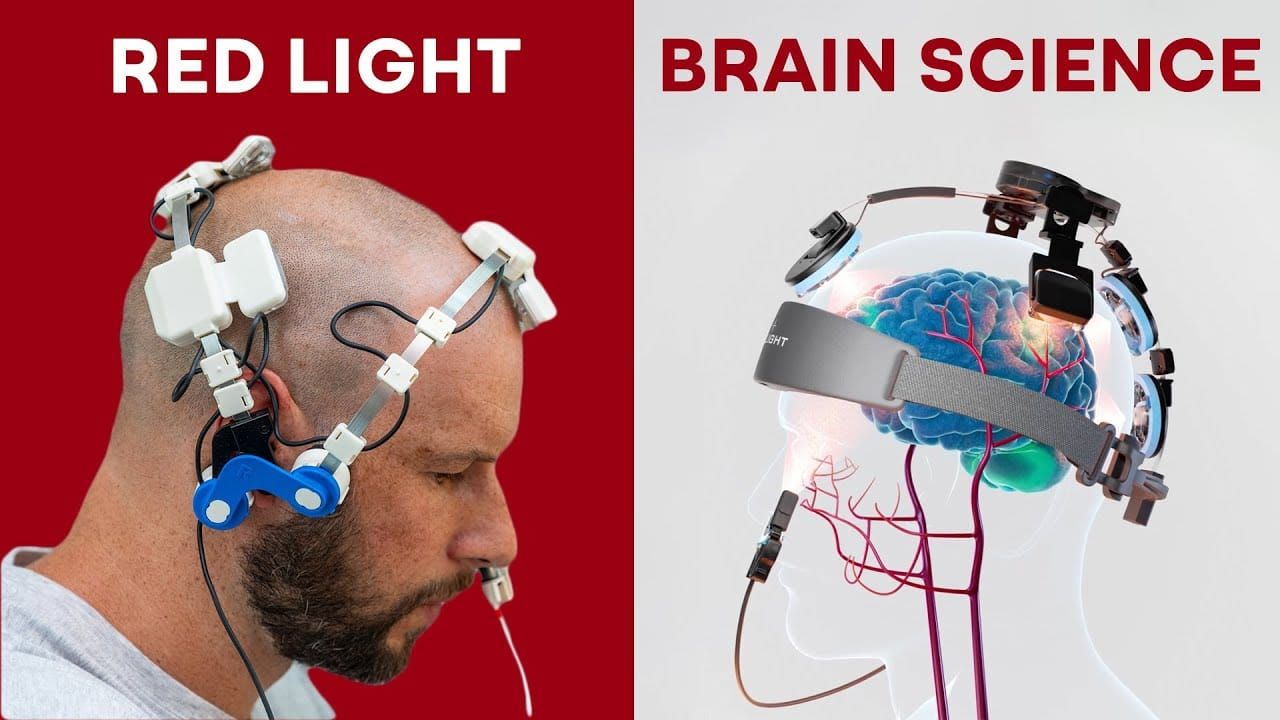
Photobiomodulation for the brain is one of the most fascinating areas in red light therapy, and few names are more closely associated with it than Dr. Lew Lim of Vielight.
In this interview, Dr. Lim explains how Vielight evolved from early intranasal light devices into a full range of brain-focused systems designed to support cognitive performance, recovery, and brain health. We also dig into pulsing, power density, safety, brain disorders, and where this technology may be heading next.
Show Notes
In this episode, Alex speaks with Dr. Lew Lim, founder of Vielight, about the history of the company and the science behind its medical-grade photobiomodulation devices.
They discuss why intranasal and transcranial applications are both used, how pulsing may influence brain states, what the research says about dementia and cognitive decline, and why dosage and power density matter so much. Dr. Lim also shares thoughts on safety, athlete use cases, and the future role of AI and brainwave feedback in personalized light therapy.
Key Topics
The origins of Vielight
Dr. Lim shares how his interest in low-level light therapy began in the 1990s, when much of the important work in the field was still coming out of the former Soviet bloc. His early experiments focused on intranasal light delivery after observing that the nasal cavity offered a thin, highly vascular membrane that could allow light-based systemic effects without invasive methods.
Why intranasal and transcranial devices are both used
One of the most interesting parts of the conversation is Dr. Lim’s explanation that Vielight did not abandon intranasal treatment when it moved into brain-focused devices. Instead, the company expanded from systemic blood irradiation concepts into transcranial applications, with the belief that both routes can play a role in supporting brain function.
Alpha and gamma pulsing
Dr. Lim explains the rationale behind pulsing frequencies like alpha and gamma. Rather than framing it purely as “brain entrainment,” he describes it as a way of helping the brain shift into states associated with rest, recovery, introspection, or heightened performance. This becomes especially relevant for athletes, performers, students, and anyone wanting to optimize mental state before or after demanding tasks.
Athlete performance and recovery
A surprising part of the discussion is how widely these devices are being used by athletes. Dr. Lim mentions interest from MMA fighters, tennis players, skiers, judokas, triathletes, and strength athletes. His view is that some of the benefit may come not only from enhanced cognition and decision-making, but also from helping the brain recover from repeated impacts or cumulative neurological stress.
How brain photobiomodulation may work
The conversation covers the familiar mitochondrial explanation, but Dr. Lim goes beyond that. He discusses cellular energy production, nitric oxide release, circulation, gene transcription, growth factors, and even emerging work looking at protein structures and microtubules inside neurons. It is a reminder that while the field has already uncovered many mechanisms, there is still a huge amount we do not fully understand.
The future: AI and personalized brain treatment
One of the most forward-looking parts of the interview is Dr. Lim’s discussion of artificial intelligence and EEG-guided personalization. The long-term goal is clear: rather than using fixed protocols, future systems may be able to read what the brain is doing in real time and adjust treatment parameters accordingly. For brain disorders especially, that could open the door to far more individualized care.
Research on dementia and cognitive decline
Dr. Lim discusses early work involving dementia and Alzheimer’s patients, including case reports, pilot studies, and imaging-based findings. He is careful not to overstate claims, but he points to encouraging clinical signals and explains that further trials are underway or being revisited after delays caused by the pandemic.
Potential side effects and safety considerations
Safety is one of the most important parts of this interview. Dr. Lim emphasizes that photobiomodulation is generally considered low risk, while also acknowledging that responses can vary depending on the brain’s state. He notes that some users may feel overstimulated with gamma pulsing and that dosage matters. He also explains why Vielight does not pulse visible light, partly to avoid concerns around flicker-related seizure risk.
Why power density matters
This section will stand out for anyone comparing dedicated brain devices to generic red light panels. Dr. Lim argues that power density, contact delivery, wavelength selection, and actual measured output all matter. His view is that not all light devices are interchangeable, especially when targeting the brain. He also confirms that there appears to be both a lower threshold and an upper limit, with too little doing very little and too much potentially leading to negative effects.
The biphasic dose response
A key takeaway from the episode is that more is not always better. Dr. Lim explains the classic biphasic dose response in photobiomodulation: too little energy may be ineffective, but too much may reduce benefits or even create negative effects. That is especially relevant for anyone tempted to increase treatment intensity or duration just because they are seeing positive results.
Product lineup and where Vielight is heading
Toward the end of the interview, Dr. Lim gives a helpful overview of Vielight’s current and upcoming device range, including intranasal systems, neuro devices, immune-support products, a focal pain device in development, and even a vagus nerve stimulation device being tested. It is a useful reminder that this is a rapidly evolving category.
Resources Discussed
✨ Grab a Vielight product here and use discount code ALEX10 for 10% off: https://aferg.co/vielight
✨ Vielight newsletters and website updates were mentioned as the best place to follow new studies, product announcements, and company developments. Here: : https://aferg.co/vielight
Have you seen these Vielight interviews/reviews:
⭐ Inside Vielight's Red Light Therapy Brain & Body Impact
⭐ Vielight Neuro Alpha, Gamma & More: IMPRESSIVE Products!
⭐ Vielight's Brain Photobiomodulation: Unique Application Method!
⭐ Does Vielight Work? A Close Look At The Spectacular Vielight Science
The latest interview:
⭐ THIS Device Counters MCI/Alzheimer - Here’s The Data