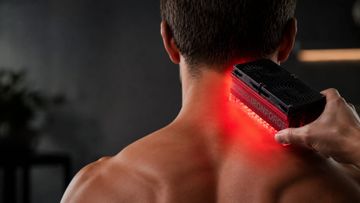
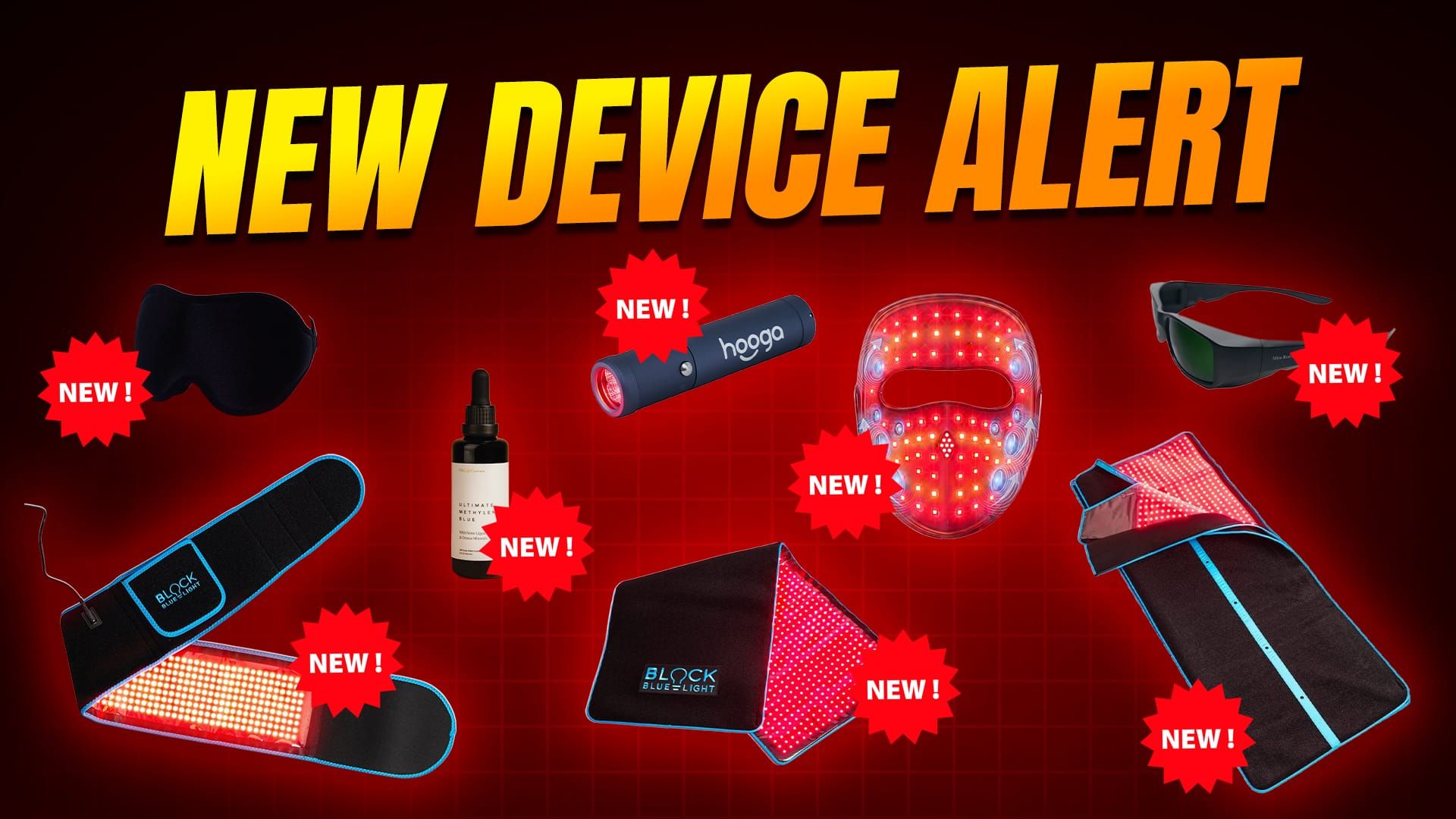
Red light therapy continues to evolve in exciting new directions, with companies releasing more specialized products and researchers exploring how photobiomodulation may support brain function. This latest roundup includes new protective glasses, wearable devices, handheld torches, facial technology, and other products designed to make light therapy more targeted and accessible.
We will also examine promising new research on mild cognitive impairment, answer whether a lower-cost handheld torch could be used for brain photobiomodulation, and preview the videos and interviews coming soon to Light Therapy Insiders. There is plenty happening across the industry, so let’s take a closer look at the developments worth knowing about.
New Red Light Therapy Products
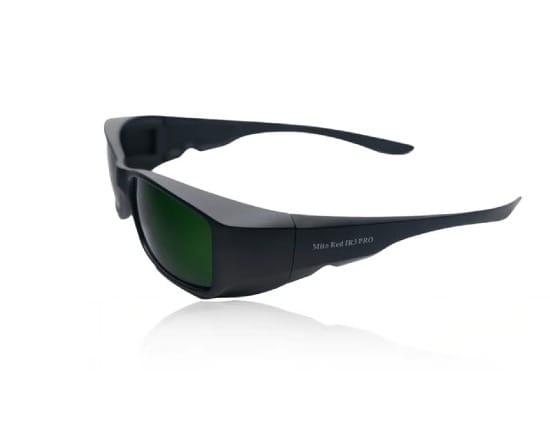
Mito Red Light Protective Glasses
Mito Red Light has released two pairs of protective glasses: a dark version and an extra-dark version. Both are designed to reduce the amount of red and near-infrared light entering the eyes, which may be useful for people treating very close to a high-powered red light therapy panel. The extra-dark version provides greater light reduction for those who are particularly sensitive to bright light or prefer additional eye protection.
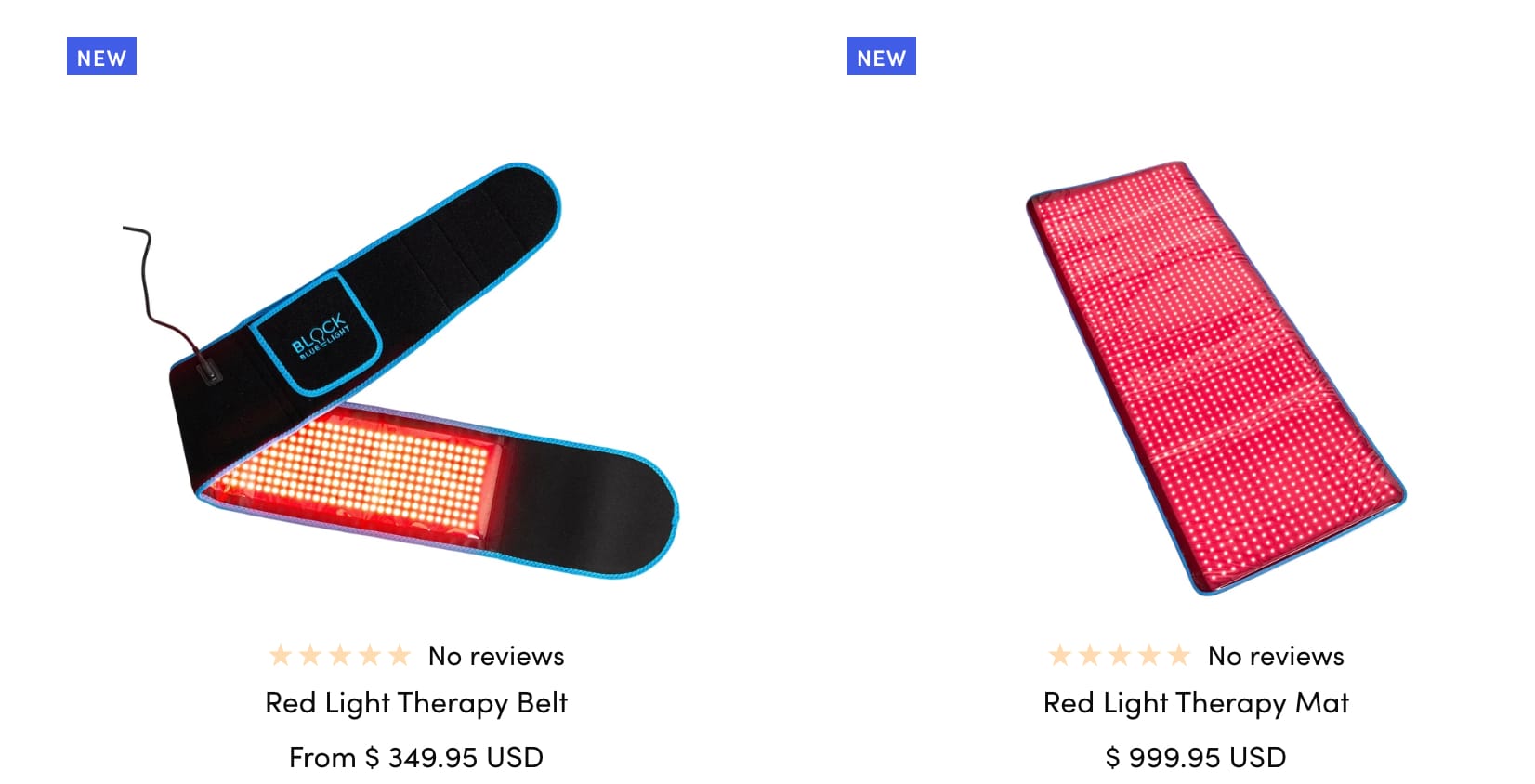
Block Blue Light Red Light Therapy Blanket, Mat and Belt
Block Blue Light has expanded beyond panels with a new red light therapy blanket, mat and belt. The blanket and mat use 660nm, 810nm and 830nm wavelengths with adjustable brightness, while the belt adds 630nm to those three wavelengths.
These products provide more flexible treatment options for people who want to lie down, target a particular area or use red light therapy without standing in front of a panel.
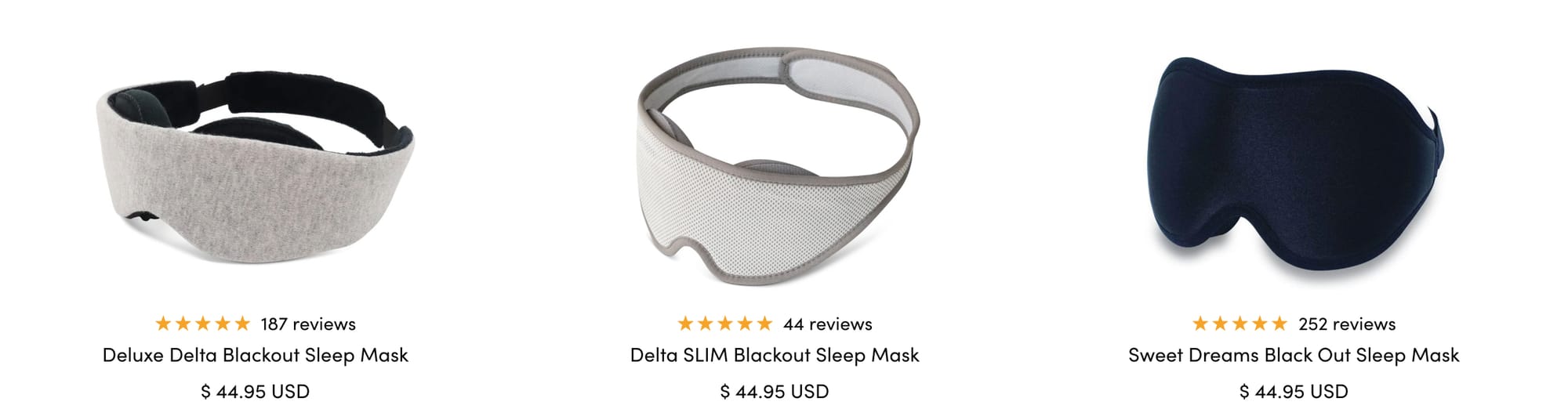
Block Blue Light Sleep Mask
Block Blue Light has also upgraded its sleep mask. Although this is not a red light therapy device, it fits into the broader conversation about using light and darkness to support circadian health.
Bright light is important during the day, but creating sufficient darkness at night can also help support sleep, especially when traveling or sleeping in an unfamiliar room where outside light is difficult to control.
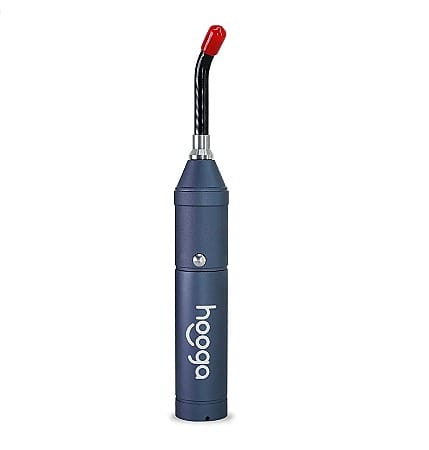
Hooga Torch With Precision Tip
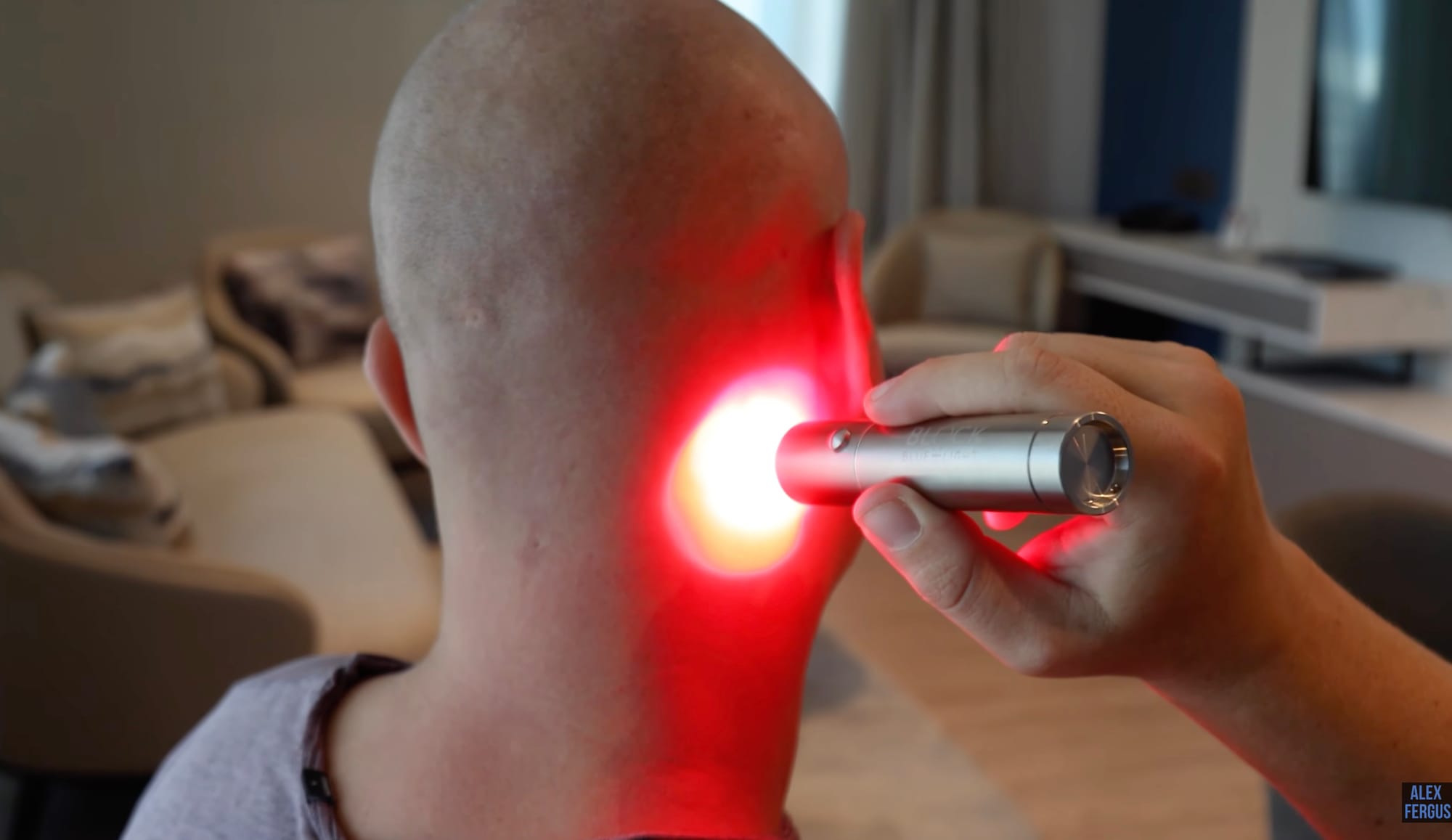
Hooga has introduced a new handheld torch with a precision attachment that can be used to target smaller areas, including the gums, teeth and oral cavity. Its five wavelengths—460nm, 630nm, 660nm, 850nm and 940nm—also make it potentially useful for other localized treatments, including around the ear.
The lower price point could make it an appealing option for people who want a versatile targeted device without paying for a larger system.
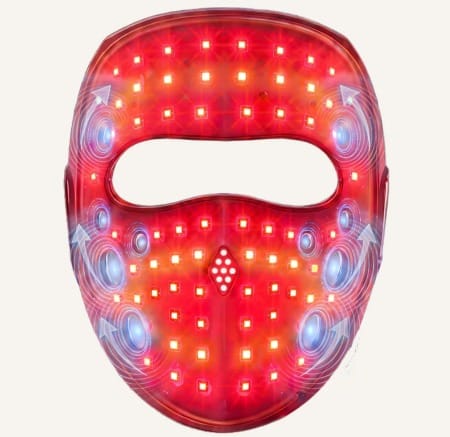
JOVS 6D Laser Mask
JOVS has released its 6D Laser Mask, a premium facial device featuring four wavelengths, including 1064nm near-infrared light. In addition to lasers and LEDs, the mask incorporates EMS microcurrent electrical stimulation. There is some evidence that microcurrent may provide skin benefits, making this an interesting combination device for people who want more than conventional LED facial treatments.
Some people may be concerned about using near-infrared light on the face because of claims that it could cause facial fat loss. However, the available evidence does not currently provide a convincing reason to believe that properly used near-infrared facial devices will cause unwanted fat loss.
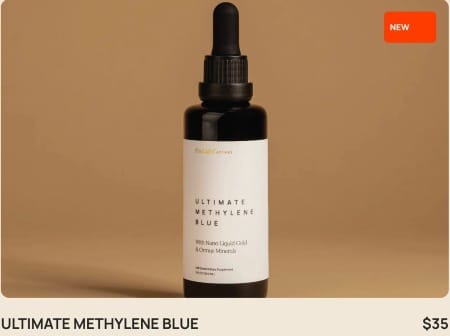
Sauna Space Methylene Blue Formula
Sauna Space has introduced a premium methylene blue formula that also contains nano liquid gold and ormus minerals. Because methylene blue can affect people differently, the sensible approach is to begin with a basic product at a very low dose and carefully evaluate your response. A more specialized premium formula can always be considered later, but it makes sense to understand how you react to methylene blue itself before adding other ingredients.
New Articles and Industry Updates
Vielight has published information about its artificial intelligence patent, including a detailed video explaining how the technology was developed. AI is becoming increasingly common throughout the health and wellness industry, including tools that help readers navigate large collections of educational content. The Light Therapy Insiders website now has an AI chatbot for this purpose, although the medical articles themselves remain human-written and fact-checked.
Vielight has also covered the demands of race-car driving, where drivers experience substantial physical forces while needing extremely fast cognitive processing and reaction times. This connects with a forthcoming interview about traumatic brain injuries, including the effects of collisions in motorsports and combat sports.
Several other companies have published useful material as well. PlatinumLED has introduced the BIOMAX GO handheld panel, Rouge has covered the research surrounding red light therapy for neck pain, and Chroma has discussed whether treatment is better before or after exercise. Based on the available evidence, using red light therapy before a workout generally appears to be the more beneficial option.
New Science: Light Therapy for Mild Cognitive Impairment
A new Vielight study examined photobiomodulation in people with mild cognitive impairment, a condition that can precede Alzheimer’s disease. The research team included Dr. Neda Rashidi, Dr. Karen Fisher and several other researchers. Participants used a Vielight brain device that delivered light to multiple locations around the head, along with an intranasal applicator.
The treatment was associated with improvements in memory and overall cognitive function. Researchers also reported signs of more efficient energy production, favorable changes in mitochondrial activity, reduced IL-6 inflammation and improved connectivity within brain networks. These findings are important because impaired energy production, inflammation and declining network function can all be involved in cognitive deterioration.
No serious adverse effects were reported, but some participants experienced temporary headaches, scalp discomfort, nasal or forehead dryness, fatigue, low mood or migraines. These symptoms resolved on their own, but they highlight the importance of starting carefully, especially for people with neurological or neurodegenerative conditions. Anyone considering a brain photobiomodulation device for a medical condition should discuss it with a qualified healthcare professional.
The results were encouraging, but this was still a small study, with only ten people in the active-treatment group and ten in the sham group. Not every marker improved, including certain tau-related outcomes. Larger studies are needed, and light therapy should be considered within a broader approach that may also include diet, exercise, sleep, movement and appropriate medical care.
Monthly Q&A: Can You Use a Torch on the Brain?
Dedicated brain photobiomodulation devices can cost thousands of dollars, leading some people to ask whether a handheld red light therapy torch could provide a more affordable alternative. A torch can be positioned over areas such as the prefrontal cortex, which is involved in planning, abstract thinking and impulse control. Other areas around the head could also be targeted individually.
This approach is plausible, but it does not reproduce the protocols used in published brain photobiomodulation studies. Dedicated devices treat several locations simultaneously, may use specific near-infrared wavelengths and pulsing frequencies, and are designed to deliver treatment consistently. A handheld torch may contain red or blue wavelengths that do not penetrate the skull as effectively, and holding it against several locations for extended periods can become cumbersome.
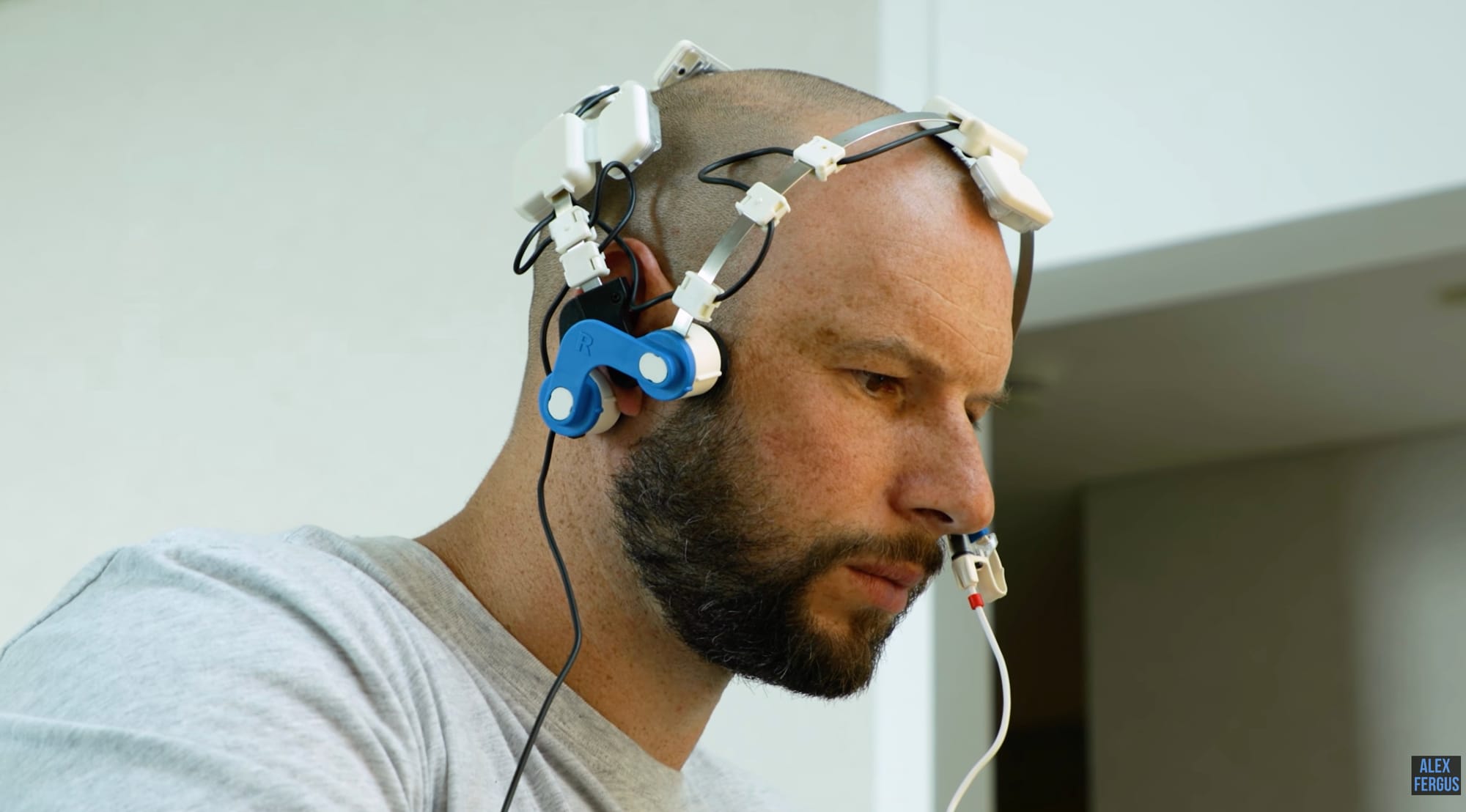
For someone working with a limited budget, a torch may still offer a practical way to experiment cautiously with targeted light. The safest approach would be to begin with very short sessions in one location, allow several days to evaluate the response and increase gradually only if the treatment is well tolerated. This is not a substitute for medical advice, particularly when treating a diagnosed neurological condition.
Upcoming Videos and Recent Content
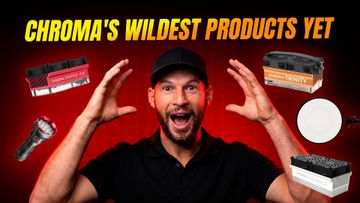
Several new videos are coming soon, including Alex’s overview of Chroma’s expanding product range. Chroma has released red light therapy devices, ultraviolet products and indoor lighting designed to support alertness during the day and help people wind down later. Another upcoming video will compare red and near-infrared light and explain when each one may be most useful.
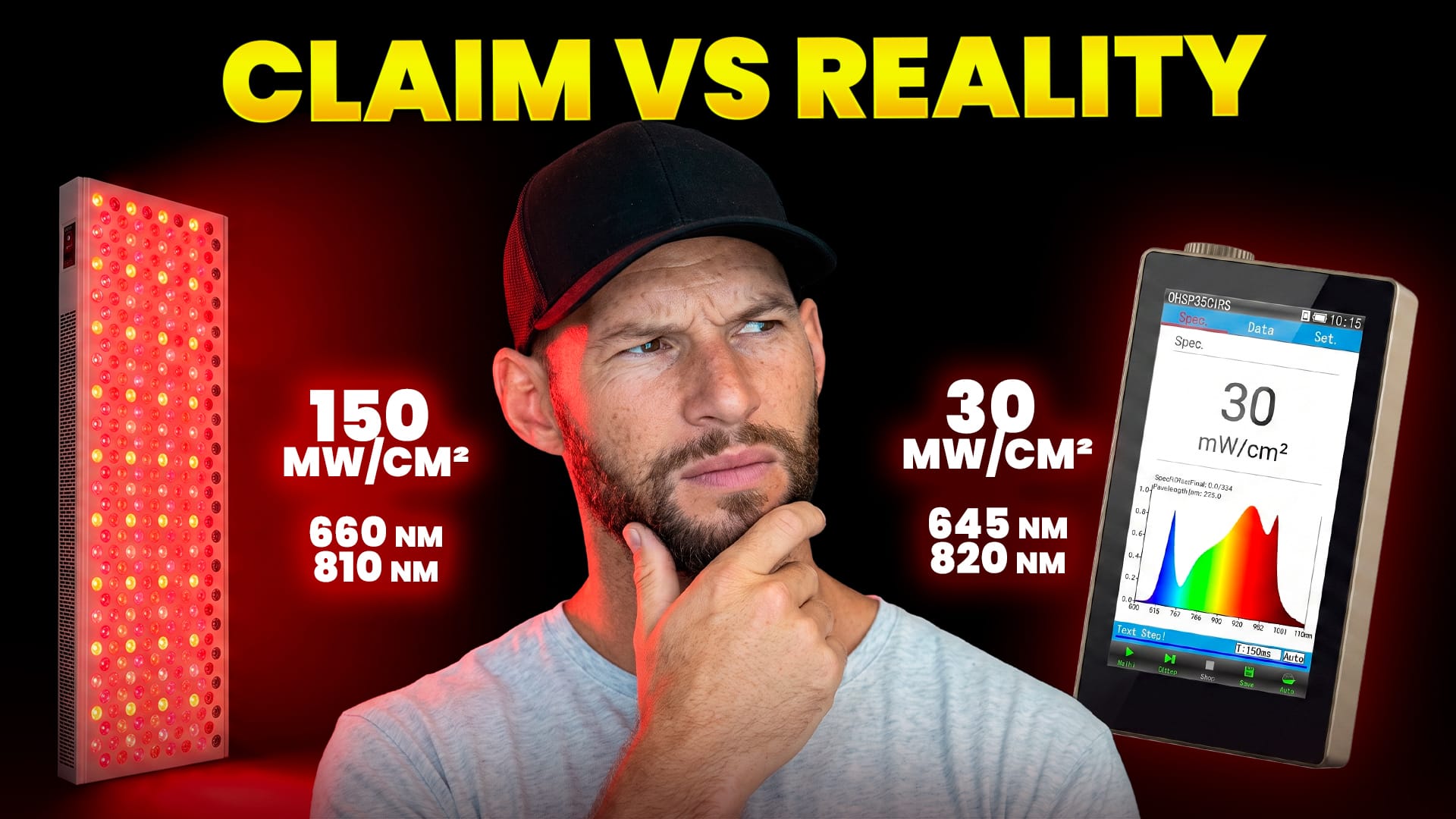
Alex will also take another look at red light therapy dosing, including the important difference between treating the face and treating the rest of the body. The face may require a lower dose, which means someone using a powerful panel could potentially expose it to more light than necessary while attempting to treat the body.
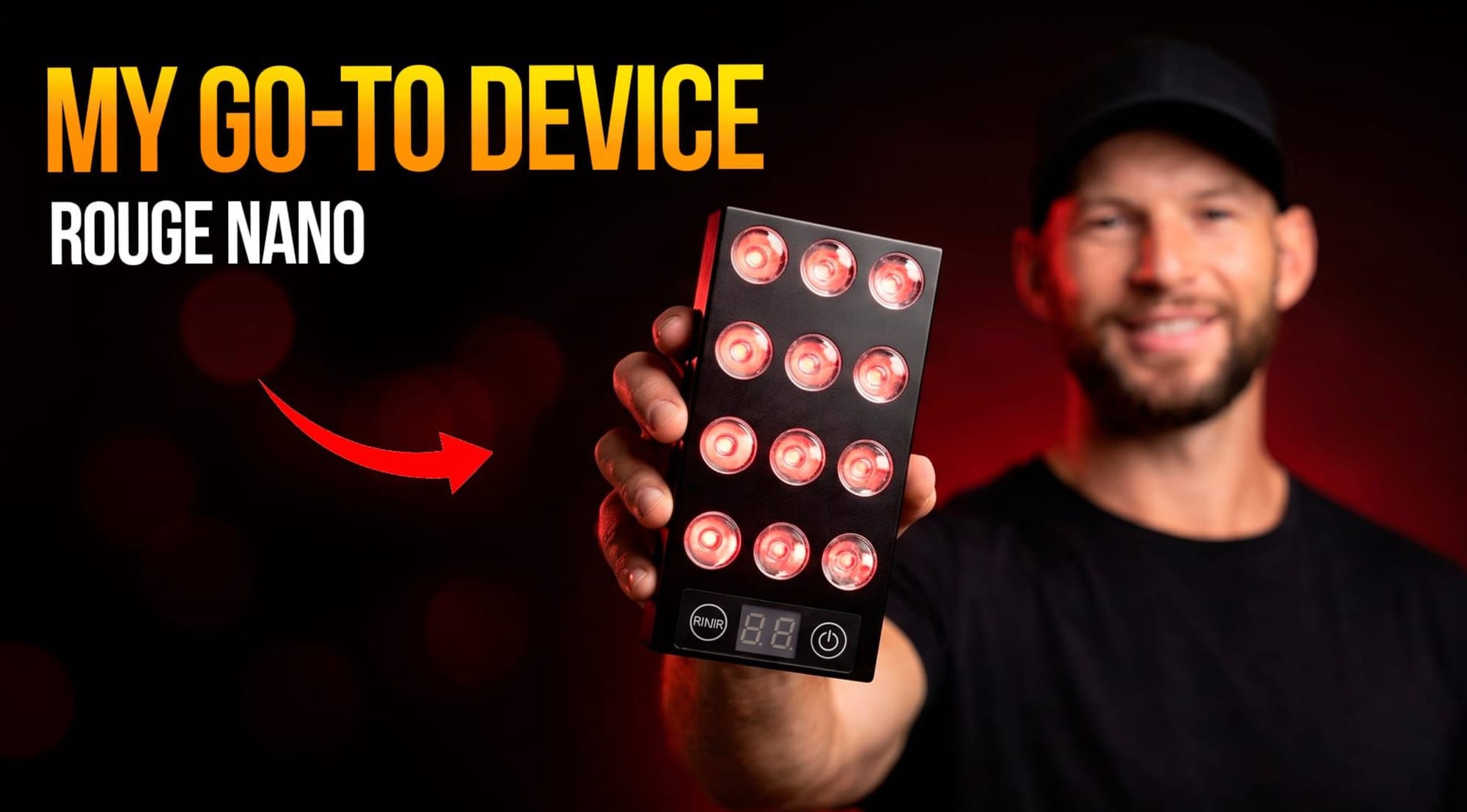
Recent releases include Alex’s Rouge Nano review, an Independent Light Lab interview, a Maysama Aura review and an interview with Tracy Donegan (coming soon) about light therapy for fertility and women’s health. Together, these videos explore product performance, laboratory testing and specialized applications of light therapy that deserve more careful attention.
Final Thoughts
This month’s developments show just how quickly the light therapy market is expanding. New blankets, mats, belts, torches, facial masks and handheld panels are giving people more ways to personalize treatments, while research into cognitive decline continues to explore much more serious clinical applications.
The new mild cognitive impairment study is particularly encouraging, but its small size means the results should be viewed as an important step rather than definitive proof. Whether considering a sophisticated brain device or a lower-cost handheld torch, careful dosing and a gradual approach remain essential.
Here are the products I mention:
🔴 Mito Red Pro Glasses - Use this link: https://aferg.co/7d221 to save 5%. Discount automatically applied at checkout.
🔴 Grab a Block Blue Light, Blanket, Mat, Belt, or Sleeping Mask. Use this link: https://aferg.co/BlockBlueLight to save 15% on Block Blue Light's products. The discount will automatically be applied at checkout.
🔴 Grab a Hooga Torch at: use the following link: https://aferg.co/hooga-rlt. 12% discount auto-applied at checkout.
🔴 Grab a JOVS 6D Laser mask: Use discount code ALEX at https://aferg.co/jovs-4d for 20% off.
🔴 Grab a LightPathLED torch: Use discount code ALEX at https://aferg.co/lightpathled to get 5% off.
🔴 Grab a Chroma torch: Use discount code ALEX at https://aferg.co/chroma for 10% off!
🔴 Methylene Blue from Saunaspace, use this link, https://aferg.co/sauna-space, and code Alex for a discount
Bart's Bio:
This is a post by Bart Wolbers. Bart finished degrees in Physical Therapy (B), Philosophy (BA and MA), Philosophy of Science and Technology (MS - with distinction), and Clinical Health Science (MS), has had training in functional medicine, and is currently the head researcher at Lighttherapyinsiders.com