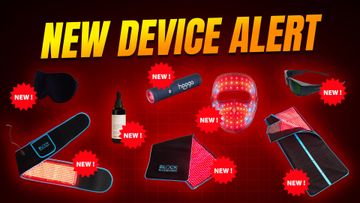
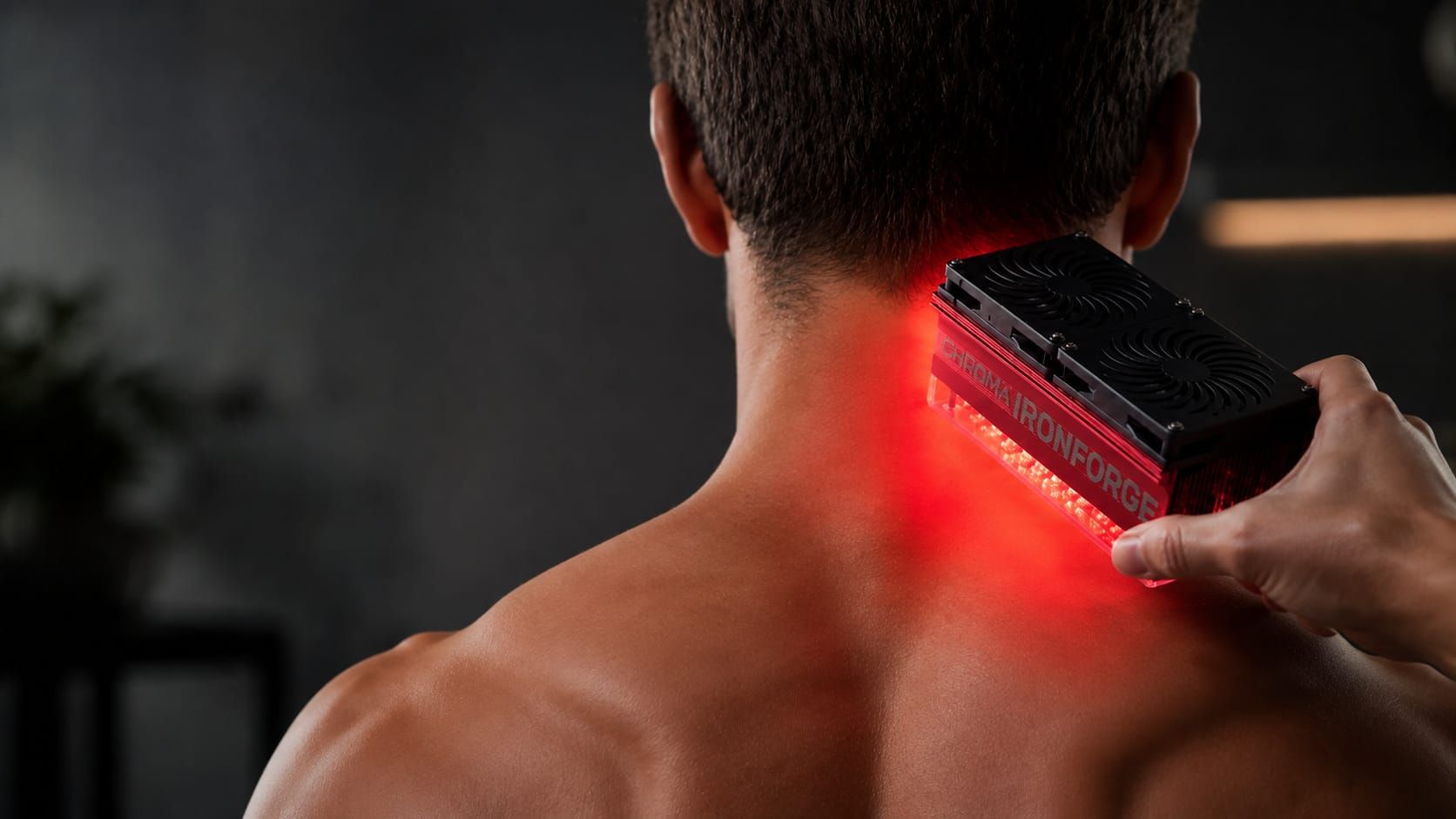
Here's our latest newsletter with a new red light therapy use case for the spinal cord.
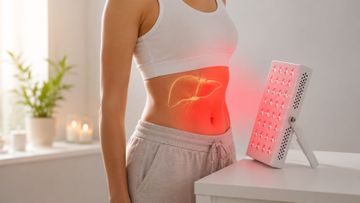
And, we've added all of our latest content, including a new mask review, light therapy for liver health and knee pain, and much more!
Let's begin:
Groundbreaking 2026 Study On Treating The Neck & Upper Back (Cervical) Spinal Cord With Light Therapy
So there's this super important study that came out in January 2026, which you can read for free HERE.
Here, there's an incomplete injury of the spinal cord in the cervical region for the study participants. The implication here is that the nervous system doesn't fully function under upper back & neck area, meaning that there's at least partial loss of control of the arms, legs, and torso.
Here's the study setup that the researchers used:
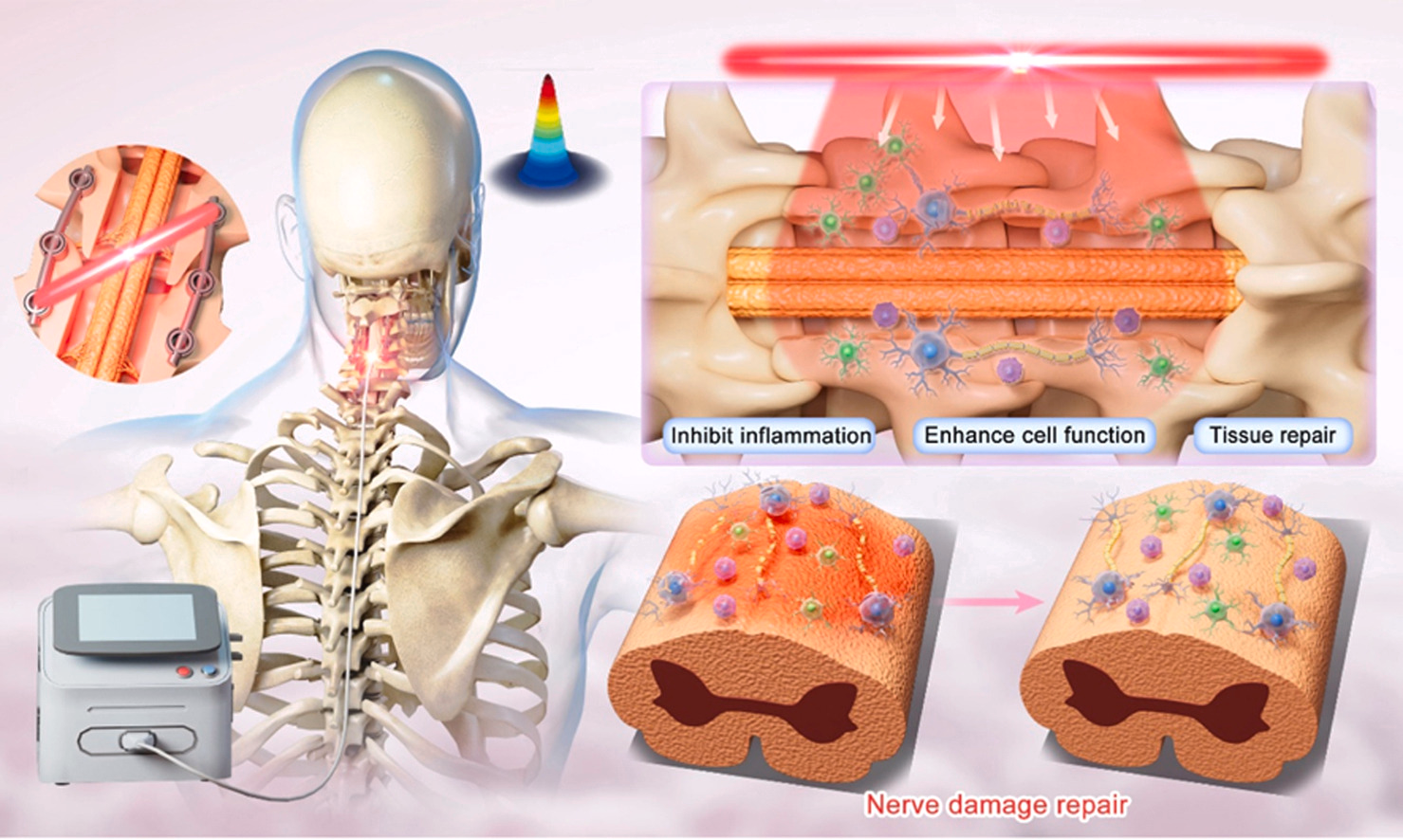
"In this multicenter randomized controlled trial, adults (18–70 years) with American Spinal Injury Association (ASIA) grade C cervical [Spinal Cord Injury] presenting within 24 h were enrolled at three tertiary hospitals and randomized to [red light therapy] or control. All patients underwent posterior decompression within 24 h. The [red light therapy] group received once-daily PBM for 7 consecutive days (810 nm, 300 mW, 30 min) via a diffusing fiber positioned approximately 1.0 cm above the exposed spinal cord. The control group received standard care without [red light therapy]."
Hopefully that's reasonably clear, the protocol. Fortunately, the researchers added a nice illustration to showcase the treatment protocol, again, which uses 810 nm light:
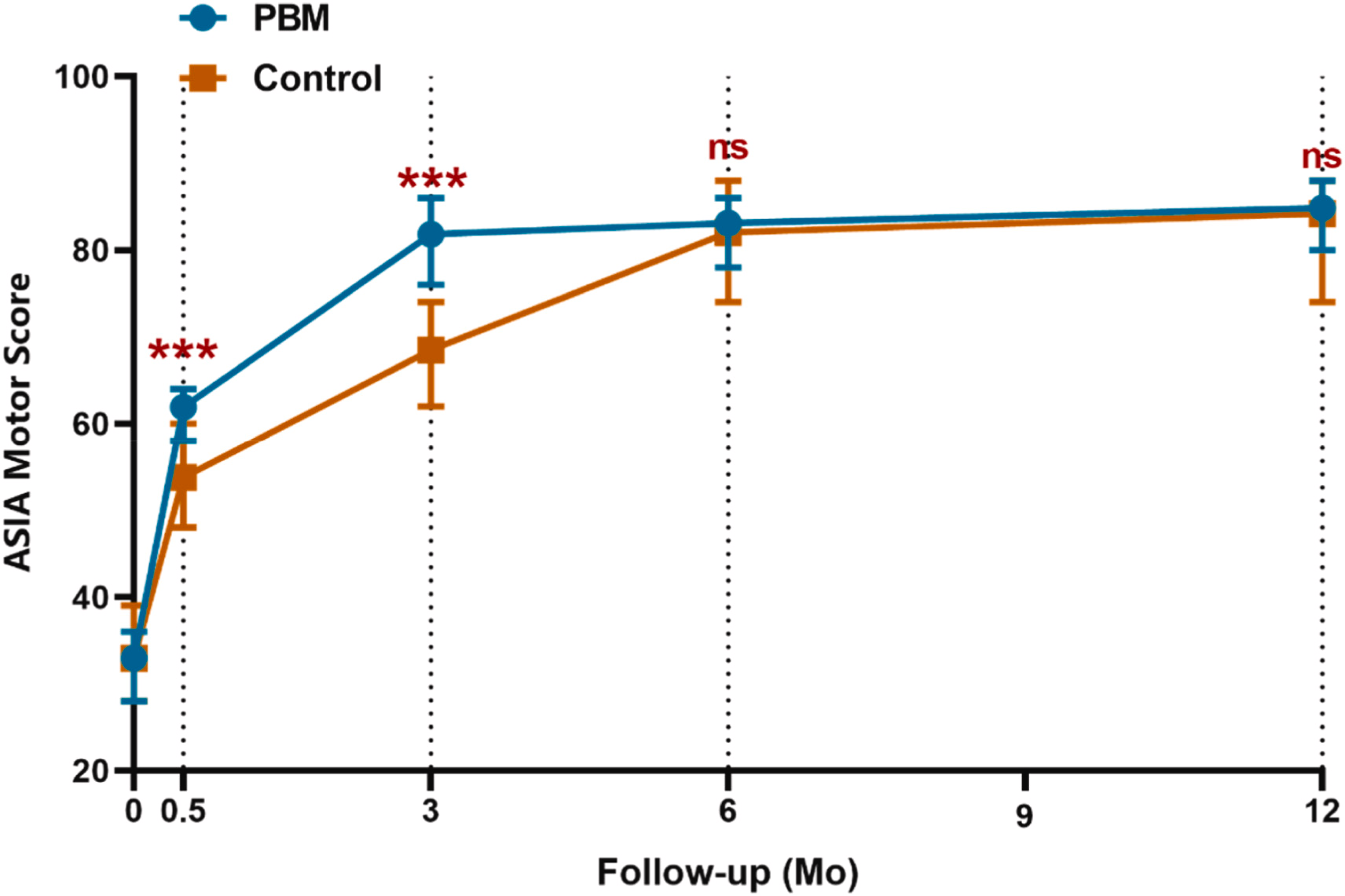
The main test here to measure the outcome is the "ASIA motor scores". That AISA score measures how strong the muscle contraction is in both the upper and lower body, for both the upper and lower body.
Here are the main outcomes of the study:
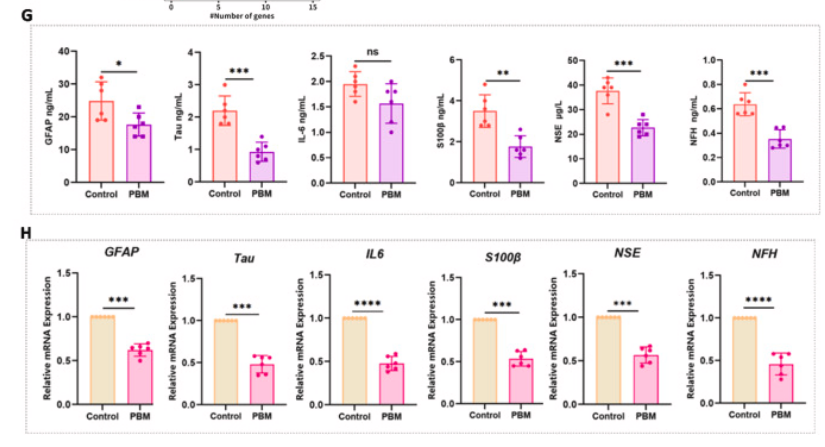
"[Red light therapy] patients had significantly higher ASIA motor scores at 0.5 months (mean difference, 8.13; 95 % CI, 5.62 to 10.22; P < 0.001) and 3 months (13.33; 95 % CI, 11.01–15.26; P < 0.001), with no significant between-group difference at 6 or 12 months. The [red light therapy] group showed higher—but not statistically significant—independent ambulation rates at 3 and 6 months; rates were similar at 12 months. At day 7, [Cerebrospinal Fluid] levels of GFAP, Tau, S100β, NSE, and NFH were lower with [red light therapy]; exploratory proteomics suggested enrichment of synaptic plasticity and repair-related pathways."
In plain English, that means that with the 810 nm treatment at the spinal cord, the treatment group versus placebo had:
- Better muscle contractions after 3 and 6 months, but the control group caught up at 6 and 12 months
- Better independent walking rates at 3 and 6 months but not at 12 months. Walking is very difficult often with a spinal cord injury as you cannot contract your muscles properly
- The "Cerebrospinal Fluid", related to the brain and nervous system, showed biomarkers indicating repair when measured at day 7.
This study now shows preliminary evidence that recovery may be quicker after a spinal cord injury.
Yes, we need a lot more research on the topic - it's just one preliminary but big study. But it's still a great outcome!
Below, you can see the outcome on the motor control/strength of contraction, between the PBM ("red light therapy") and control (no light therapy) group:
And, the different biomarkers in the Cerebro-Spinal Fluid (CSF) - with big differences:
So we know that there's a big biological effect. More outcomes were measured than I've listed above, among which, is also neuropathic pain, which you can see here, with the red light therapy group having an initial advantage:
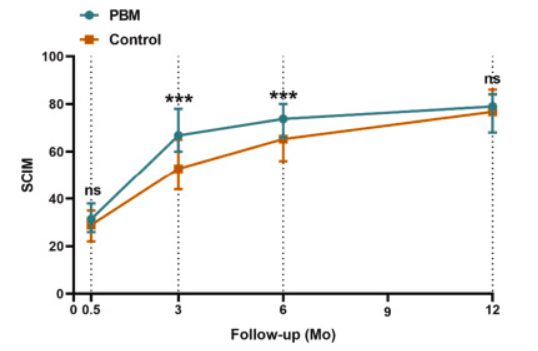
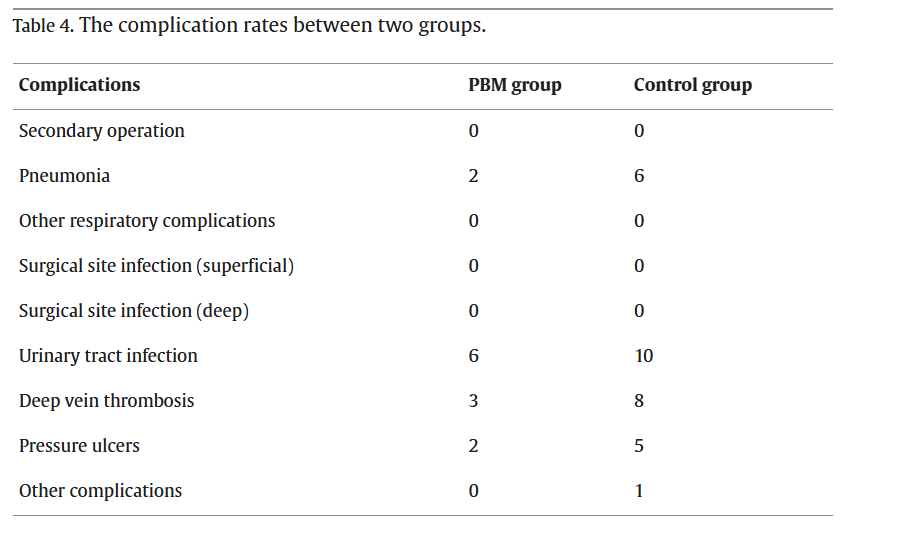
Quality of life and overall health status also improved more in the red light therapy group. Even health complications were far fewer in the light therapy group, as you can see in Table 4:
This leads the researchers the the following broad conclusion, written down in the discussion section of the paper:
"Taken together, our results suggest that [red light] therapy may accelerate early motor function recovery and is associated with short-term improvements in functional independence and health-related quality of life compared with decompression alone, while long-term outcomes appear to converge between groups by 12 months."
Good! We'll keep you updated on this topic in the near future. And we've reported on the topic of brain and nervous system injury quite extensively, such as stroke recovery below:
 Bart Wolbers
And neuropathy, also described in the paper:
 Bart Wolbers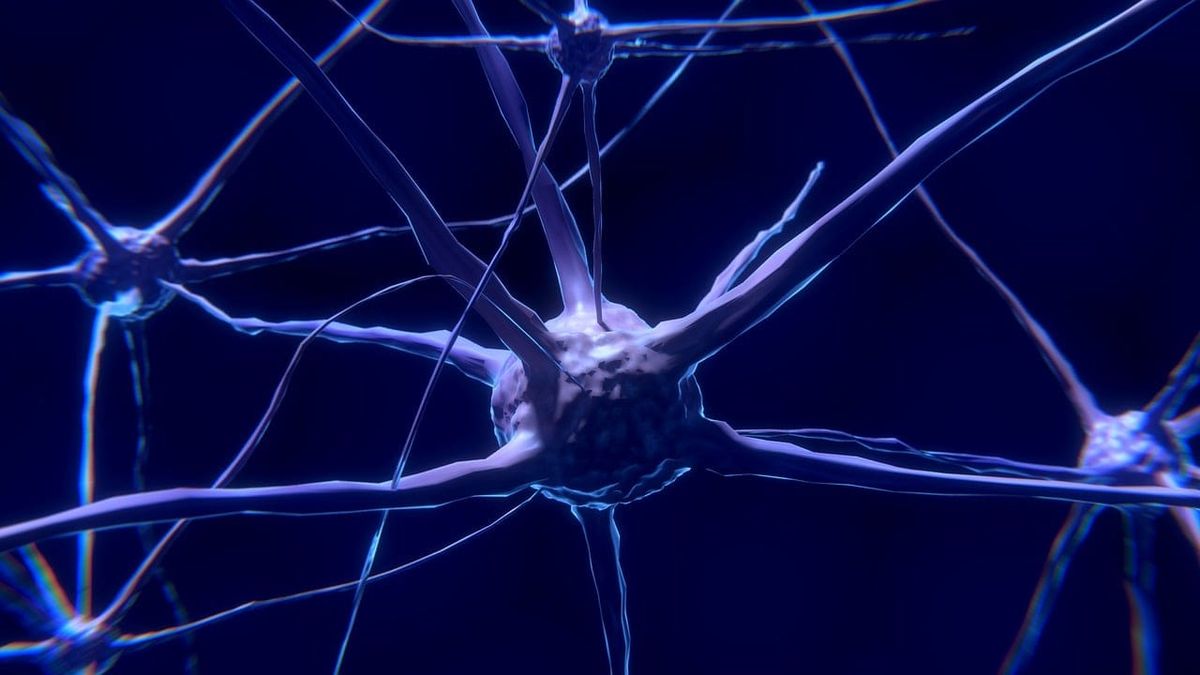
Here Are Our Latest Light Therapy Insiders' Articles:
Every single article that we've published recently - you can find the videos in the article itself:
- Red Light Therapy For Liver Health: Hoax Or Hard Science?! - Yes, really, people in the space have already been experimenting with putting red light devices on their liver, but there's finally some positive science trickling out too!
- Maysama Aura Review: My Testing Revealed a Big Problem - Huge reveal here with this mask, generally, it's a great option, but there's one issue. Check Alex's deep dive review!
- Red Light Therapy For Knee Pain: Ultimate Guide - Here's all of the science on red light therapy for knee pain, plus recommended devices, treatment protocols, and more
- Best Handheld Red Light Therapy Device? Why the Rouge Nano Still Wins - This review was long-awaited by some of you, on a handheld device. Alex explains why the Rouge Nano is still his top handheld device!
- Is Your Red Light Device Giving You The Promised Dose/Wavelength? - Alex with a very interesting interview on light therapy testing, and the light lab that we will deploy a lot going forward as well. This is the basic necessity of companies like Light Therapy Insiders, getting insurance that you're getting the right wavelengths/power output, etc, on your products
Also, Check Out Some Of Our Other Content:
Below you'll find some of our best content that you shouldn't miss:
Light Therapy Insiders Science Tool
Search for different health conditions and benefits, and get Bart's breakdown of the science on that topic, as well as recommended devices and light therapy routines.
We've been trying to simplify this space as much as possible:
 Bart Wolbers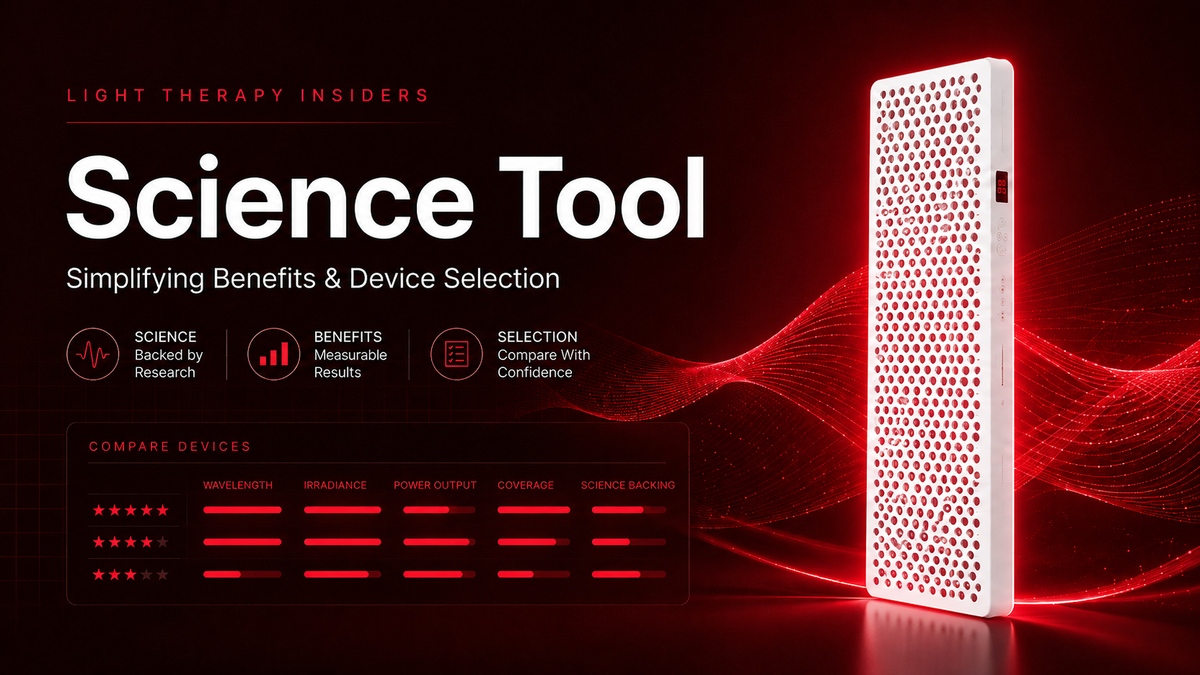
Red Light Therapy Buyers Guide
 Alex Fergus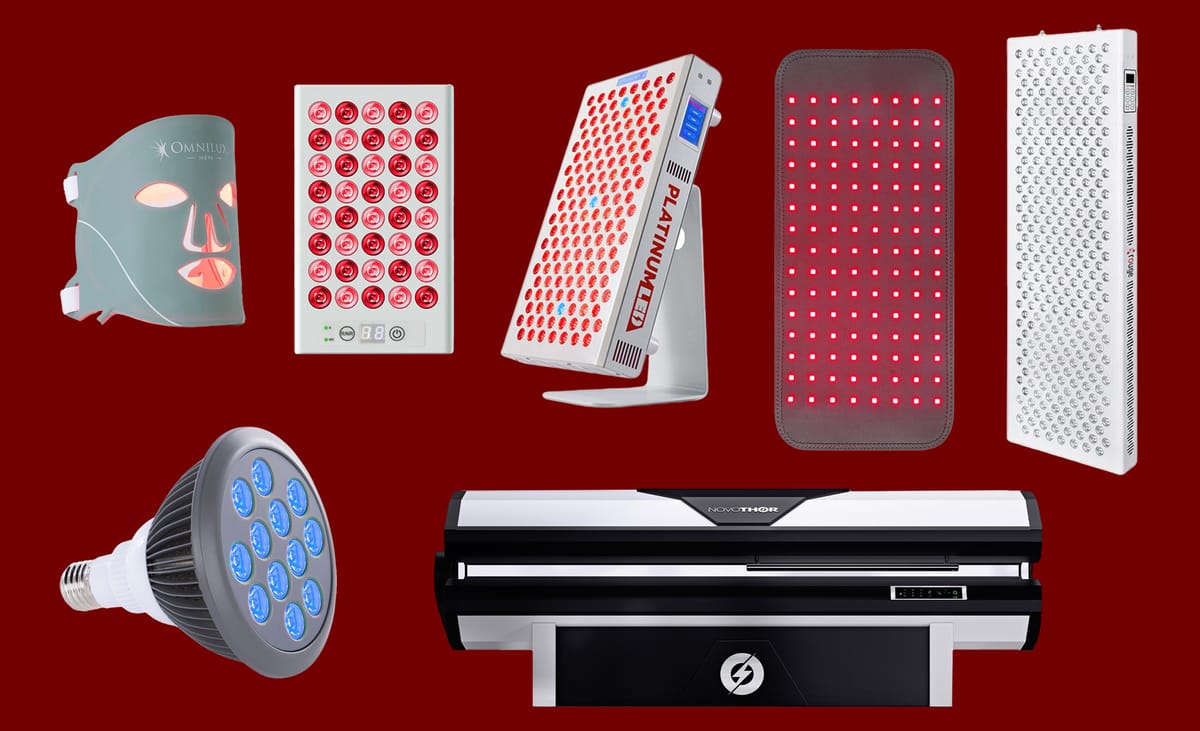
Red light therapy uses red and infrared light to achieve a biological effect. Dive into this topic and select a device that's right for you.
LED Mask Shopping Tool
My extension shopping tool compares all of the world's best (and not so good!) Red Light Masks.
How To Use Red Light Therapy 101: The Best Guide For Starters
 Alex Fergus
You have your device? Let me help you use it.
Red Light Panel Shopping Tool

My extension shopping tool compares all the world's best (and not-so-good!) Red Light Panels!
Exclusive - Discount Codes, Deals & Recommendations
 Alex Fergus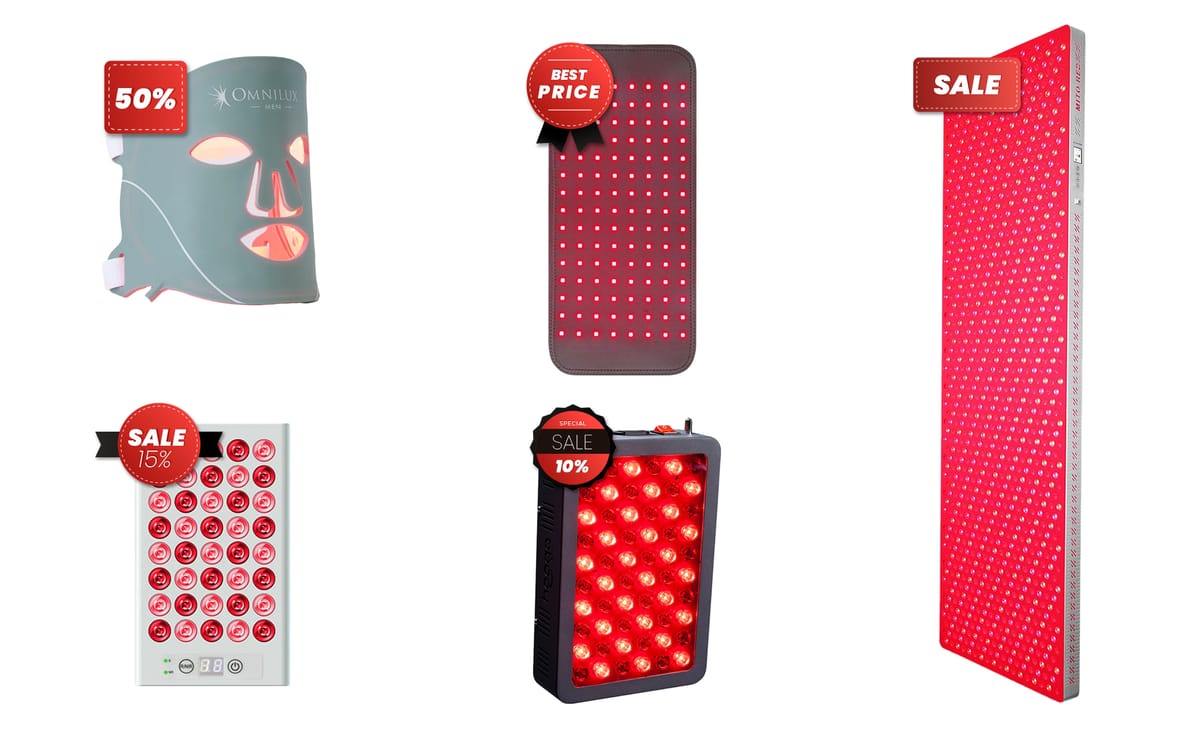
Shopping for a red light device? Use this resource to save! We've got deals for most of the big and best brands out there...