
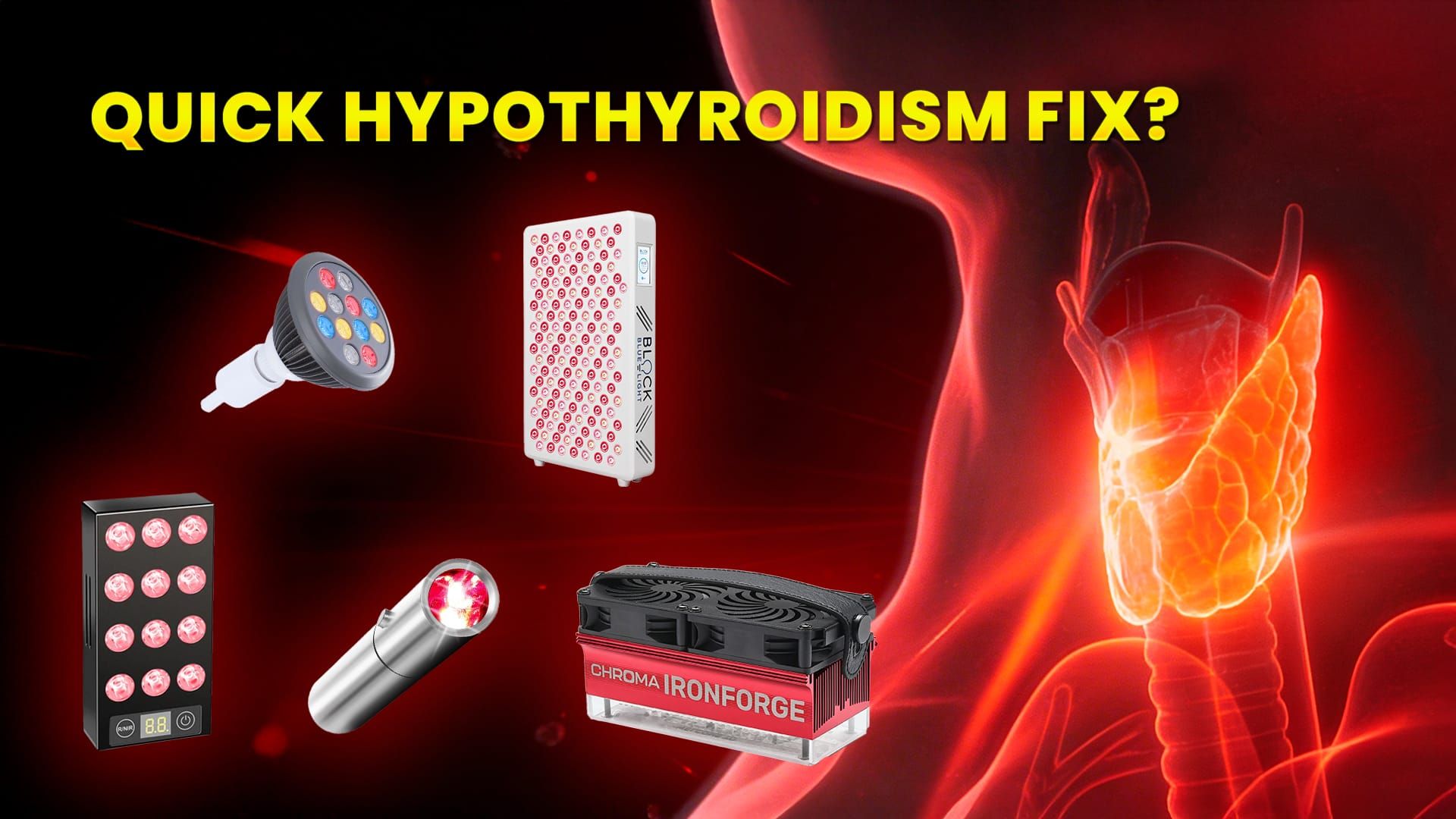
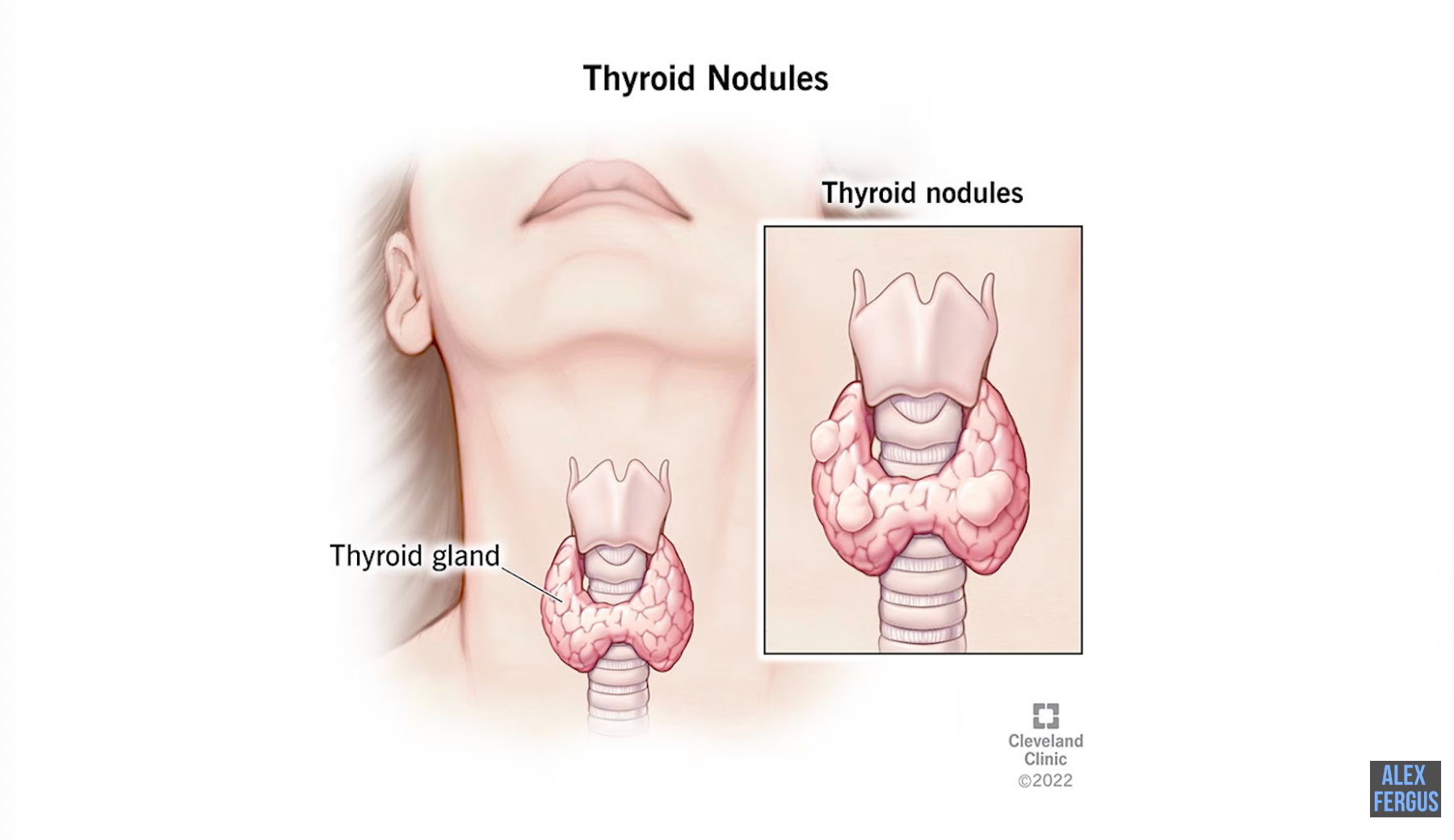
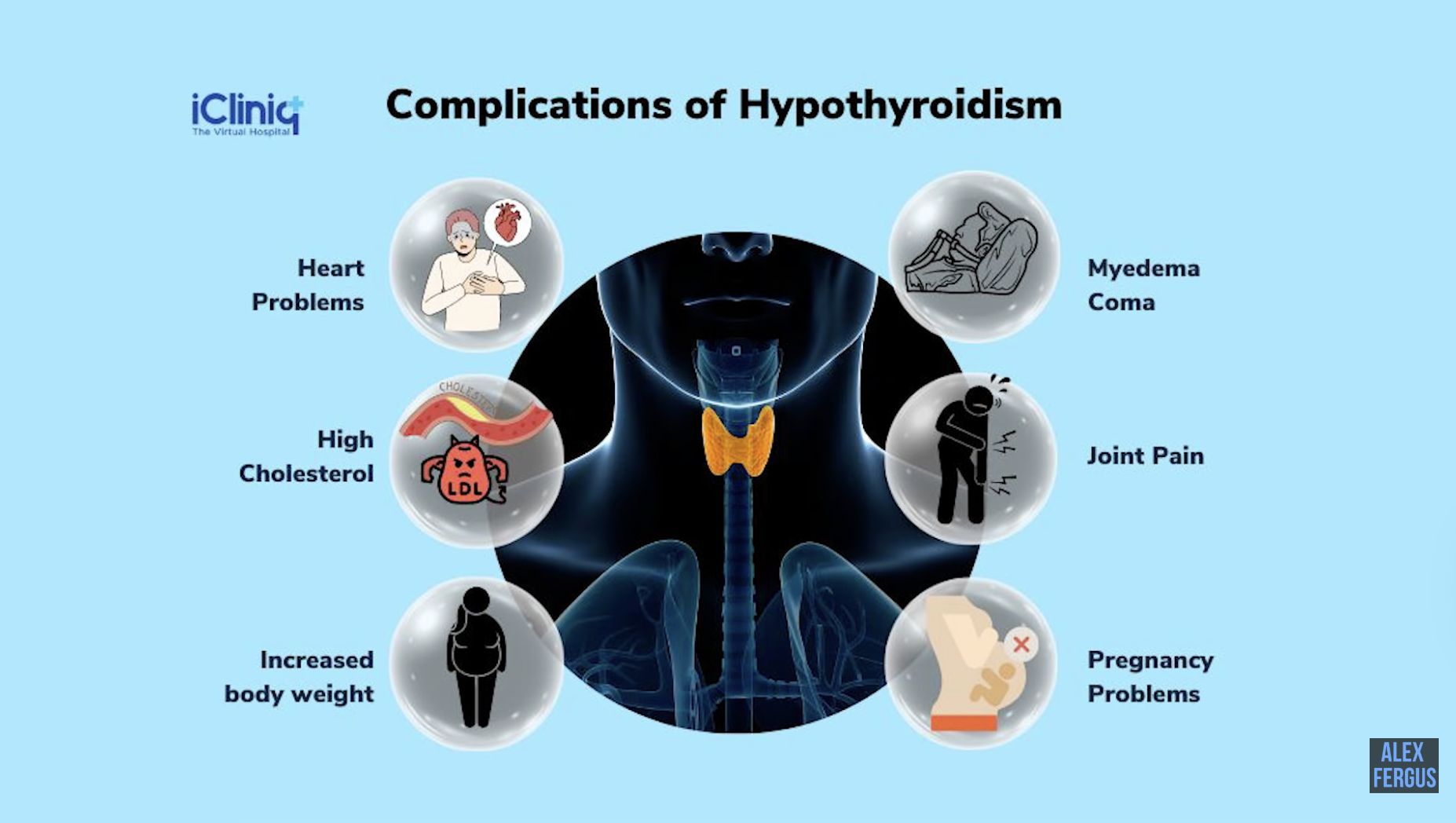
Thyroid health plays a central role in overall metabolism, energy production, and hormonal balance. When the thyroid gland becomes underactive—a condition known as hypothyroidism—the effects can ripple throughout the body. Fatigue, weight gain, brain fog, hair thinning, depression, and sensitivity to cold are all common symptoms. In many cases, hypothyroidism is caused by an autoimmune condition called Hashimoto’s thyroiditis, where the immune system attacks thyroid tissue and disrupts hormone production.
In recent years, red and near-infrared light therapy has emerged as a promising tool for supporting thyroid health. A growing body of research suggests that targeted light exposure may help improve thyroid hormone balance, reduce inflammation, and potentially decrease reliance on medication for some individuals.
Why Light Therapy May Help the Thyroid
The thyroid plays a central role in metabolism and energy regulation. Thyroid hormones influence nearly every system in the body, including temperature regulation, calorie burning, mental clarity, and overall energy levels. When thyroid function slows down, the body can enter what feels like a metabolic “low-power mode,” often leading to fatigue, weight gain, hair thinning, depression, and brain fog.
Red and near-infrared light therapy works by stimulating mitochondrial activity within cells. Mitochondria are responsible for producing cellular energy, and when they function better, tissues tend to repair and regulate themselves more effectively. In the thyroid gland, improved cellular energy may help normalize hormone production and reduce inflammation.
Many thyroid problems are linked to Hashimoto’s thyroiditis, an autoimmune condition in which the immune system attacks thyroid tissue. Several studies suggest that light therapy may reduce autoimmune antibodies and improve hormone balance in people with this condition.
What the Research Shows
There are currently around ten human studies examining red and near-infrared light therapy for hypothyroidism. Many of these studies focus specifically on Hashimoto’s thyroiditis, and the results have been consistently positive.
Across the research, scientists commonly observe improvements in several key thyroid markers. These include reductions in TSH levels, increases in T3 levels, improvements in the conversion of T4 into active T3, and reductions in thyroid antibodies. Some studies also show decreases in thyroid gland volume, which may indicate reduced inflammation.
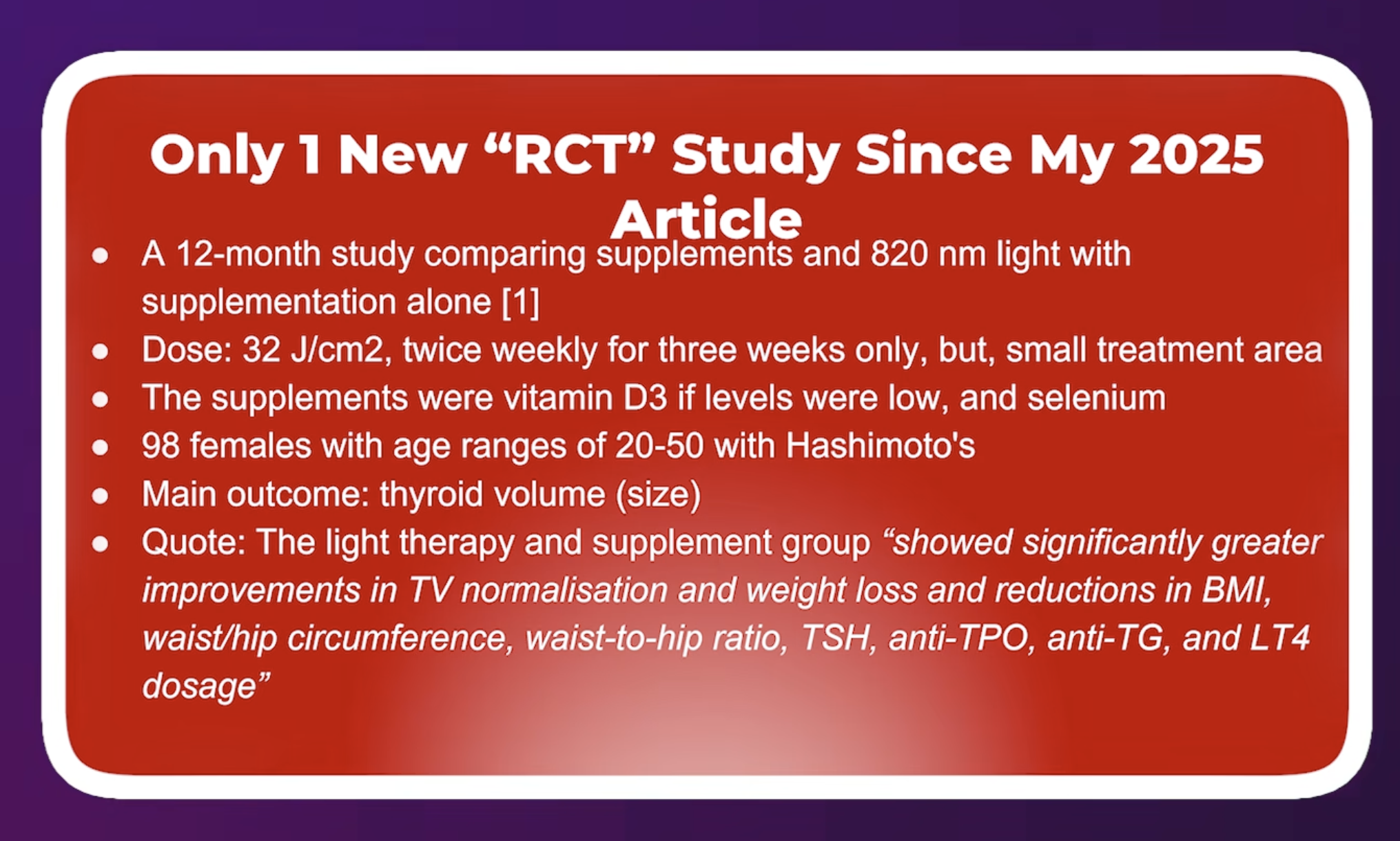
One newer study followed participants for twelve months and compared two groups. Both groups received vitamin D and selenium, nutrients that play an important role in thyroid function. The second group received the same supplements but also underwent near-infrared light therapy treatments at around 820 nanometers.
Participants receiving the combination of supplements and light therapy showed significantly greater improvements in thyroid markers than the supplement-only group. The light therapy group also showed reductions in thyroid volume, improvements in metabolic markers such as waist-to-hip ratio, and higher increases in active T3 hormone levels.
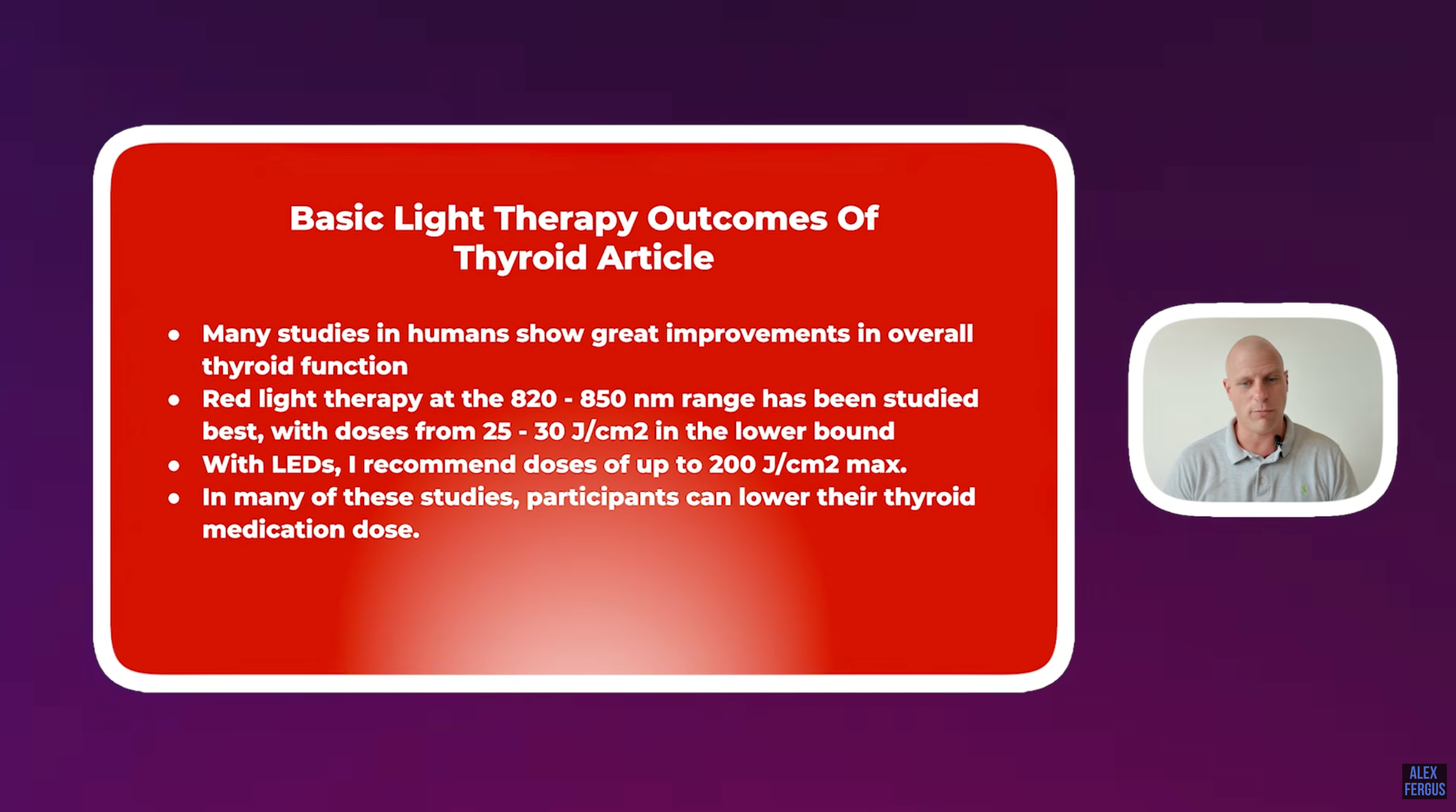
These results are consistent with earlier research showing that some patients may even reduce their thyroid medication dosage after undergoing light therapy treatments.
Wavelengths and Dosing
Most thyroid studies use near-infrared wavelengths between roughly 820 and 850 nanometers, although some research also includes red light wavelengths around 660 nanometers. Near-infrared light penetrates deeper into tissue, which is likely why it appears frequently in thyroid studies.
Dosing in the research can vary significantly because many studies use medical lasers with very small treatment areas. Some laser studies report doses as high as several hundred joules per square centimeter, but these doses are delivered to extremely small points on the skin.
For home LED devices, a practical starting dose is typically much lower. A common starting range is around 20–30 joules per square centimeter, which many experts consider a safe and effective starting point for thyroid treatments. Treatments are typically performed two to three times per week over several weeks.
Because the thyroid is small, it is usually best to start with lower doses and gradually increase over time. This approach allows the tissue to adapt while avoiding excessive exposure to surrounding areas.
Why Smaller Devices Often Work Best
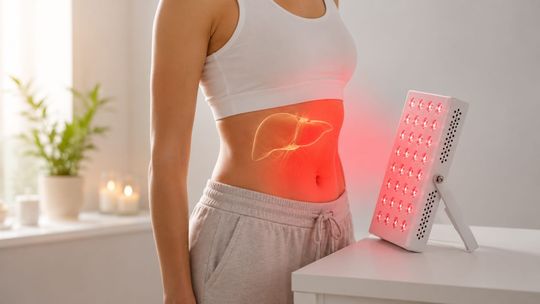
When treating the thyroid, a smaller device is often preferable to a large full-body panel. The goal is to deliver the correct dose directly to the thyroid gland without unnecessarily exposing the face, chest, or brain to the same intensity.
Large panels can still work, but they make it harder to control the dose reaching the thyroid compared with a targeted handheld device. For this reason, many people prefer smaller lights that can be positioned directly over the neck area.
Recommended Devices for Thyroid Light Therapy
Several red and near-infrared devices can work well for thyroid treatments. The most important factors are sufficient power output and a strong presence of near-infrared wavelengths.
Devices such as the Hooga HG24, Rojo Refine 180, Block Blue Light PowerPanel Portable, and the Rouge Nano all provide adequate output for thyroid treatments. These devices deliver a strong light dose at close range and can be positioned directly over the thyroid area to reach the recommended energy levels.
Among the options discussed, the Chroma Iron Forge stands out as one of the most powerful choices. This device delivers a very high irradiance and includes a large proportion of near-infrared wavelengths in the range commonly used in thyroid research. Because of its power output, it can reach therapeutic doses very quickly, allowing treatments to be completed in a short amount of time.
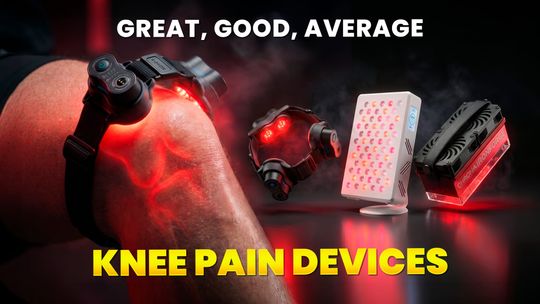
Another interesting option is the Kineon Move+, which combines lasers and LEDs and can be wrapped directly around the neck. This design allows the light sources to sit directly against the skin, making it easier to target the thyroid gland effectively.
Each of these devices can potentially work for thyroid treatments, but smaller or handheld units often make it easier to deliver a controlled dose to the thyroid without exposing the rest of the body unnecessarily.
Light Therapy Is Only One Piece of the Puzzle
Although light therapy shows significant promise, thyroid health depends on far more than just one intervention. Nutritional deficiencies, chronic stress, metabolic dysfunction, and environmental toxins can all affect thyroid function.
Nutrients such as selenium, vitamin D, zinc, magnesium, and iodine play key roles in thyroid hormone production and conversion. If these nutrients are deficient, thyroid function may remain impaired even with light therapy.
Lifestyle factors also matter. Stress, poor sleep, insulin resistance, and mitochondrial dysfunction can all contribute to thyroid issues. Because of this, light therapy should be viewed as a supportive tool rather than a complete solution.
A Promising Direction for Thyroid Health
Red and near-infrared light therapy represents one of the more exciting developments in thyroid health research. Human studies consistently show improvements in thyroid hormone balance, metabolic markers, and autoimmune activity in people with hypothyroidism and Hashimoto’s thyroiditis.
While more long-term research is still needed, the current evidence suggests that targeted light therapy may play an important role in supporting thyroid function. When combined with proper nutrition, lifestyle changes, and medical guidance, it may offer a powerful new strategy for improving metabolic health and overall well-being.
Here are some of the items I mentioned
⭐ For Rojo panel, use code ALEX and click here: https://aferg.co/rojo-rlt
⭐ For a Hooga Device, use the following link: https://aferg.co/hooga-rlt, for 10% OFF
⭐ For a Chroma Ironforge here: https://aferg.co/chroma-ironforge - discount code ALEX for 8% OFF
⭐ For a Move+ Pro from Kineon, use discount code AFERGUSMOVE for 10% off and the following link: https://aferg.co/kineon
⭐ For a Rouge Nano: use discount code ALEX at https://aferg.co/rougecare
⭐ For a Block Blue Light panel or torch: click the link https://aferg.co/BlockBlueLight - The discount is automatically applied at checkout.
Here are a few of my resources:
⭐ My article on Thyroid Health: Red Light Therapy For Thyroid Health: The Incredible Science!
⭐ My first article on dosing: Red Light Therapy Dosing Chart: The Raw Data From Hundreds Of Studies
⭐ My second article on dosing: Red Light Therapy Dosing: Why It's Complicated!
⭐ Valdmir Heiskanen's Excel sheet: https://www.aferg.co/lllt-studies
⭐ Chroma Ironforge: Chroma Ironforge Review: Innovative Red Light Device
⭐ Kineon Move Plus: Kineon Move+ Pro Review: Targeted Red Light For Joints?
Bart's Bio
This is a post by Bart Wolbers. Bart finished degrees in Physical Therapy (B), Philosophy (BA and MA), Philosophy of Science and Technology (MS - with distinction), and Clinical Health Science (MS), has had training in functional medicine, and is currently the head researcher at Lighttherapyinsiders.com