
The Powerful Link Between Circadian Rhythm and Your Overall Health
Your body's internal 24-hour clock, known as the circadian rhythm, is a fundamental driver of your physical and mental well-being. This biological cycle, which is primarily set by light exposure, influences everything from your sleep quality and cognitive performance to your risk of chronic diseases like diabetes, heart disease, and neurodegeneration.
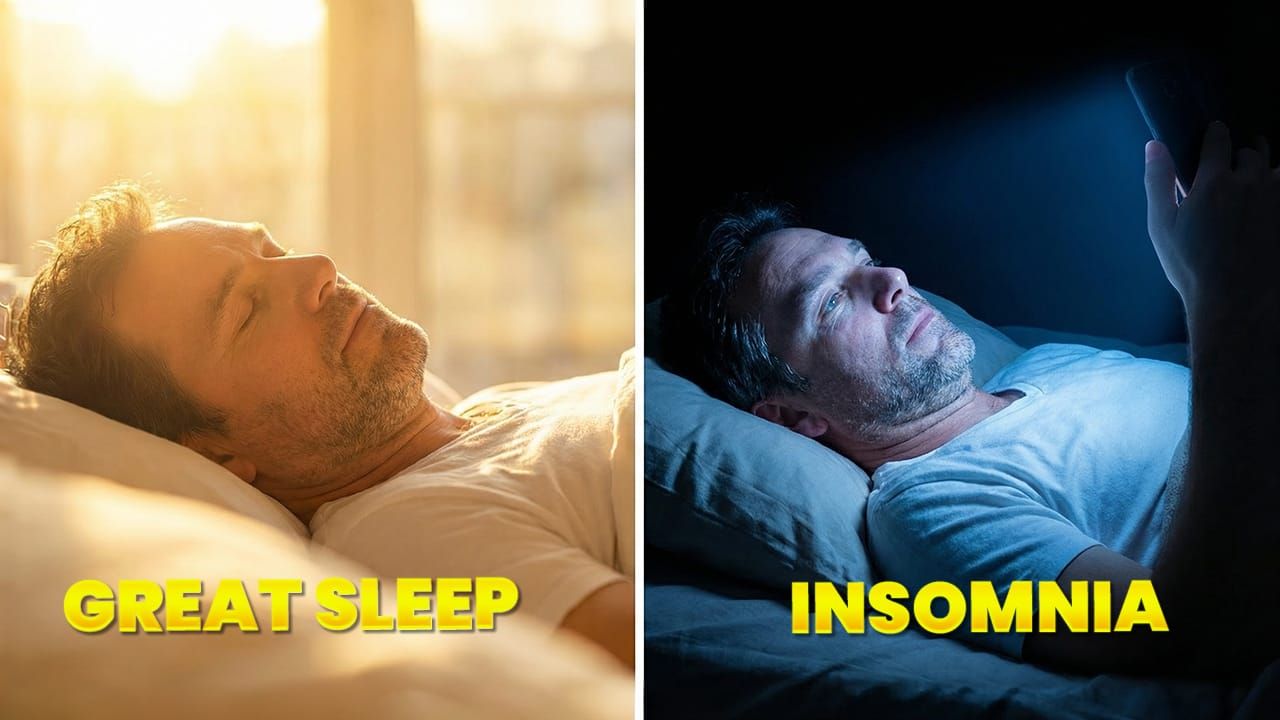
Unfortunately, the modern world is filled with artificial light sources that can severely disrupt this delicate rhythm. From the blue-rich LED lights in your home to the glow of your smartphone at night, these light exposures at the wrong times can wreak havoc on your health.
In this in-depth article, we'll dive into the latest research on how your bedroom lighting and overall light exposure patterns impact your mental health, cognitive function, and longevity. You'll learn simple strategies and the best devices to optimize your circadian rhythm and get your health back on track.
The Science Behind Your Body's Master Clock
At the center of your circadian rhythm is the suprachiasmatic nucleus (SCN), a small region in your brain that acts as the body's "master clock." This area receives light signals through your eyes and uses that information to synchronize your 24-hour sleep-wake cycle and other physiological processes.
But the SCN doesn't work alone. Every single cell in your body also contains its own peripheral clocks that try to keep in sync with the central clock in your brain. This intricate network of clocks is what allows your body to anticipate and respond to the daily light-dark cycle.
When this delicate system gets disrupted - whether through shift work, jet lag, or even just too much artificial light at night - it can have widespread consequences for your health. As health influencer Jason Lawson explains, it's like an orchestra losing its conductor:
"It's like a orchestra where there's one conductor that sets the pace. The suprachiasmatic nucleus in your brain sets the pace, and the cells across your body follow. Ideally, these follow our ancestral 24-hour cycle. The more you disrupt that, the more problems you'll have."
The Dangers of Artificial Light Exposure
For most of human history, our exposure to light was limited to the natural cycles of the sun and moon. But the advent of electricity has flooded our modern environments with artificial light sources that can severely disrupt our circadian rhythms.
The culprit? The blue and green wavelengths of light. These portions of the spectrum are particularly effective at suppressing melatonin, the hormone that regulates our sleep-wake cycles. Exposure to blue-rich light at night tricks your brain into thinking it's daytime, causing melatonin levels to plummet and your body's internal clock to fall out of sync.
Even dim artificial lights can be problematic. As one 2025 review found, exposure to any amount of artificial light at night is linked to a 45% increased risk of major depressive disorder. The effect is so strong that researchers have even found a 10% higher depression rate in the brightest neighborhoods compared to the darkest.
The impacts of disrupted circadian rhythms go far beyond just mental health, however. Studies show links between artificial light exposure and increased risks of diabetes, heart disease, neurodegeneration, and even certain cancers. It's a major public health issue that affects billions of people worldwide.
Papers mentioned:
📖 https://pubmed.ncbi.nlm.nih.gov/30137792/
📖 https://pubmed.ncbi.nlm.nih.gov/41143275/
📖 https://pubmed.ncbi.nlm.nih.gov/41339276/
Simple Strategies to Optimize Your Circadian Rhythm
The good news is that regaining control of your body's master clock is relatively straightforward once you understand the basics. Here are some of the top strategies to consider:
Get Bright Light Exposure in the Morning
- Aim for at least 30-60 minutes of bright, full-spectrum light exposure first thing in the morning. This could be from natural sunlight or a high-quality LED light therapy device.
- The blue wavelengths in this morning light are particularly important for synchronizing your circadian rhythm.
- If you can't get outside, consider using a bright light therapy lamp that emits 5,000-10,000 lux of illumination.
- Studies show that more morning light exposure leads to better sleep quality, cognitive performance, and overall mental well-being.
Limit Blue Light Exposure at Night
- In the evening, avoid exposure to blue-rich light sources like smartphones, tablets, TVs, and LED light bulbs.
- Wear blue-blocking glasses to filter out the problematic wavelengths.
- Use apps like f.lux or Night Shift to reduce the blue light emissions from your digital devices.
- Consider using candles, salt lamps, or red-tinted LED lights for nighttime illumination instead.
Optimize Your Sleep Environment
- Make your bedroom as dark as possible at night. Use blackout curtains, cover up any LED lights, and consider wearing a sleep mask.
- Avoid having any electronic devices with displays in your bedroom, as even small amounts of light can disrupt your sleep.
- Keep your bedroom cool, quiet, and comfortable to promote better sleep quality.
Maintain Consistent Sleep-Wake Cycles
- Go to bed and wake up at the same time each day, even on weekends. Irregular sleep schedules can confuse your body's internal clock.
- Avoid shift work or frequent long-distance travel if possible, as these can severely disrupt your circadian rhythm.
- If you do have to work night shifts, try to maintain a consistent schedule rather than constantly switching between day and night.
The Best Devices for Circadian Optimization
While making lifestyle changes is crucial, some great devices can help support your body's natural rhythms:
Morning Light Therapy Lamps
For getting that essential bright light exposure in the morning, LED light therapy lamps are an excellent option. Look for models that emit 5,000-10,000 lux of illumination and contain a significant portion of blue wavelengths.
Some top picks include the LightpathLED Diesel, which uses a balanced blue-red LED array, and the Chroma Vital, which also incorporates therapeutic UVA light. Aim to use these lamps for 30-60 minutes first thing in the morning to help set your circadian rhythm.
Blue Light Blocking Glasses
As mentioned earlier, blue light blocking glasses are a game-changer for protecting your melatonin levels and sleep quality in the evening. Look for styles that filter out wavelengths below 550nm.
Some excellent blue blockers include options from companies like Block Blue Light, Chroma, Raw Optics, and Boncharge. Wearing these glasses a few hours before bedtime can significantly improve your ability to wind down and fall asleep.
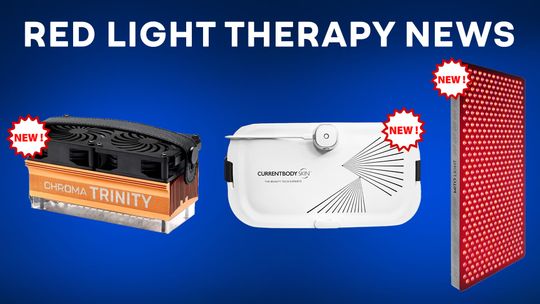
Red Light Therapy Devices
While not directly related to circadian rhythms, red and near-infrared light therapy can provide additional benefits for your overall health and well-being. These wavelengths have been shown to support mitochondrial function, reduce inflammation, and even enhance cognitive performance.
For whole-body red light therapy, consider devices like the LightpathLED Diesel or the Boncharge Sauna Blanket. And for targeted treatments, check out options from companies like Red Light Rising and Chroma.
Putting It All Together
Your circadian rhythm is the foundation upon which your physical and mental health is built. By understanding the powerful influence of light on this internal clock and making strategic adjustments, you can unlock transformative benefits for your well-being.
Start by prioritizing bright light exposure in the morning, limiting blue light at night, and creating a sleep-conducive environment in your bedroom. Supplement these lifestyle changes with the right light therapy devices to further optimize your body's natural rhythms.
With a little bit of effort, you can reclaim control over your circadian rhythm and experience the mental clarity, mood stability, and longevity that come with it. Your health is worth the investment.
Ready to get started? Check out the free red light therapy course to dive deeper into the science and learn how to implement these strategies. And be sure to explore the light therapy device discounts to find the perfect tools for your needs.
Frequently Asked Questions
What is red light therapy?
Red light therapy uses red and near-infrared wavelengths of light to support normal cellular energy and recovery. It’s often referred to as photobiomodulation (PBM). If you're comparing devices and brands, you can check the discounts page for current deals and recommendations.
How does red light therapy work?
Red and near-infrared light can be absorbed by mitochondria in cells, which may help support ATP production and normal cellular repair processes.
What wavelengths are used in red light therapy?
Most red light therapy devices use wavelengths roughly between 630 nm and 880 nm. Common wavelengths include 630 nm, 660 nm, 810 nm, 830 nm, and 850 nm.
What’s the best red light therapy panel?
The best red light therapy panel depends on coverage needs, power output, wavelengths, and budget. Before buying, it's smart to check the discounts page to compare brands and deals.
Red light panel vs mask: which should I choose?
Red light panels usually provide broader coverage and higher power output, while masks are designed primarily for facial skin treatments.
What does low EMF mean for red light therapy devices?
Low EMF refers to lower electromagnetic field emissions around a device. Some buyers prioritize this feature when comparing devices.
How long should a red light therapy session last?
Many users begin with sessions of around 5–10 minutes per treatment area and adjust based on device power and distance.
How often should you use red light therapy?
Common routines range from 3–5 sessions per week depending on the goal and device strength.
Is red light therapy safe?
Most consumer red light therapy devices are considered safe when used according to manufacturer guidelines.
Who is Alex Fergus?
Alex Fergus is the founder of Light Therapy Insiders and reviews red light therapy devices with a focus on practical buying factors.
Where can I find red light therapy discount codes?
You can check the discounts page to see the latest red light therapy discount codes and deals.
Do red light therapy discount codes expire?
Yes. Most brands rotate discount codes during promotions and seasonal sales. If a code stops working, it's best to check the discounts page for the latest offers.