
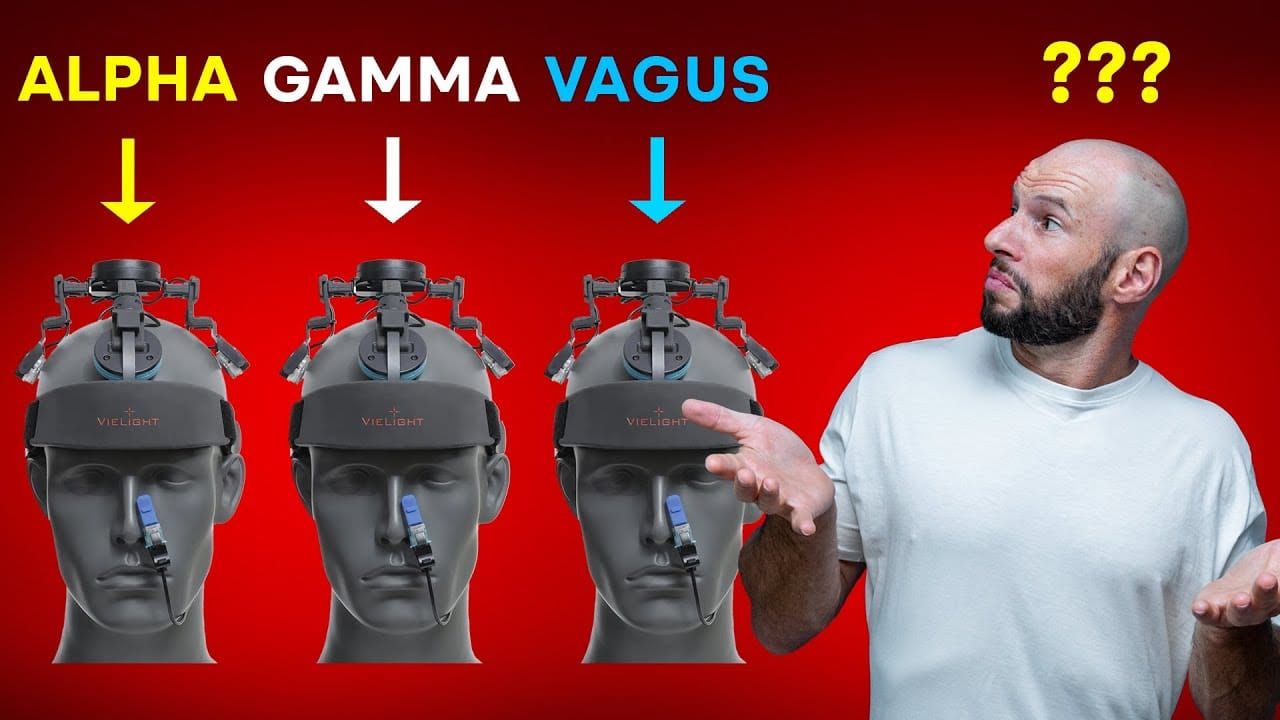
When people first start looking into Vielight devices, one of the first reactions is often confusion. The company offers multiple products with names like Neuro, MIP, Vagus, and X-Plus, and at first glance, it’s not immediately obvious what each one actually does.
That confusion is understandable. The devices all revolve around the same core technology—photobiomodulation (PBM)—yet each one targets different parts of the body and serves slightly different goals.
So instead of trying to piece it together from scattered product pages, it helps to step back and look at the full picture. What are these devices? How do they differ? And which one actually makes sense for your specific goal?
Let’s break it all down.
Understanding Vielight and Photobiomodulation
Before diving into the individual devices, it’s important to understand what Vielight actually does.
The company develops wellness devices that use light therapy for the brain, a field known as photobiomodulation. These devices emit specific wavelengths of red or near-infrared light that are designed to penetrate biological tissue and stimulate cellular activity.
The focus of Vielight’s work is brain health and neurological function. Research into photobiomodulation suggests that light delivered to the brain may support:
- Cognitive performance
- Memory and learning
- Mood stability
- Neurological recovery
- Brain energy metabolism
While Vielight products are not officially classified as medical devices yet, a growing number of published studies and case reports suggest the technology may have real neurological benefits.
One of the interesting aspects of the company is that they manufacture their own LEDs and design devices specifically for home use. The idea is simple: rather than visiting a clinic and paying thousands of dollars for light therapy sessions, users can apply the treatment themselves.
Over the years, the company has gone through multiple product generations, continuously refining the design based on brain imaging studies and photobiomodulation research.
The Four Main Vielight Product Categories
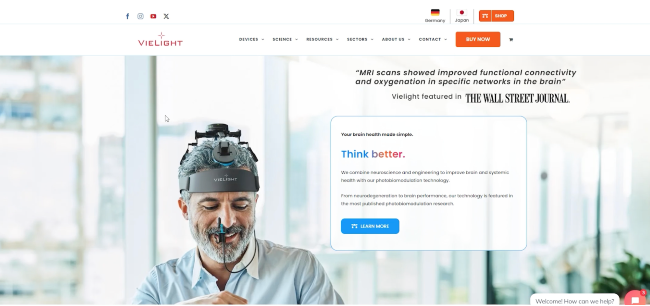
When you browse the Vielight website, you’ll notice that their devices fall into four primary categories:
- Neuro Series – Headset devices designed to treat the brain directly
- MIP Series – Intranasal light therapy devices
- Vagus Device – A photobiomodulation vagus nerve stimulator
- X-Plus 3 – A systemic device targeting multiple areas of the body
Each category approaches brain and body optimization from a slightly different angle.
The Vielight Neuro Series
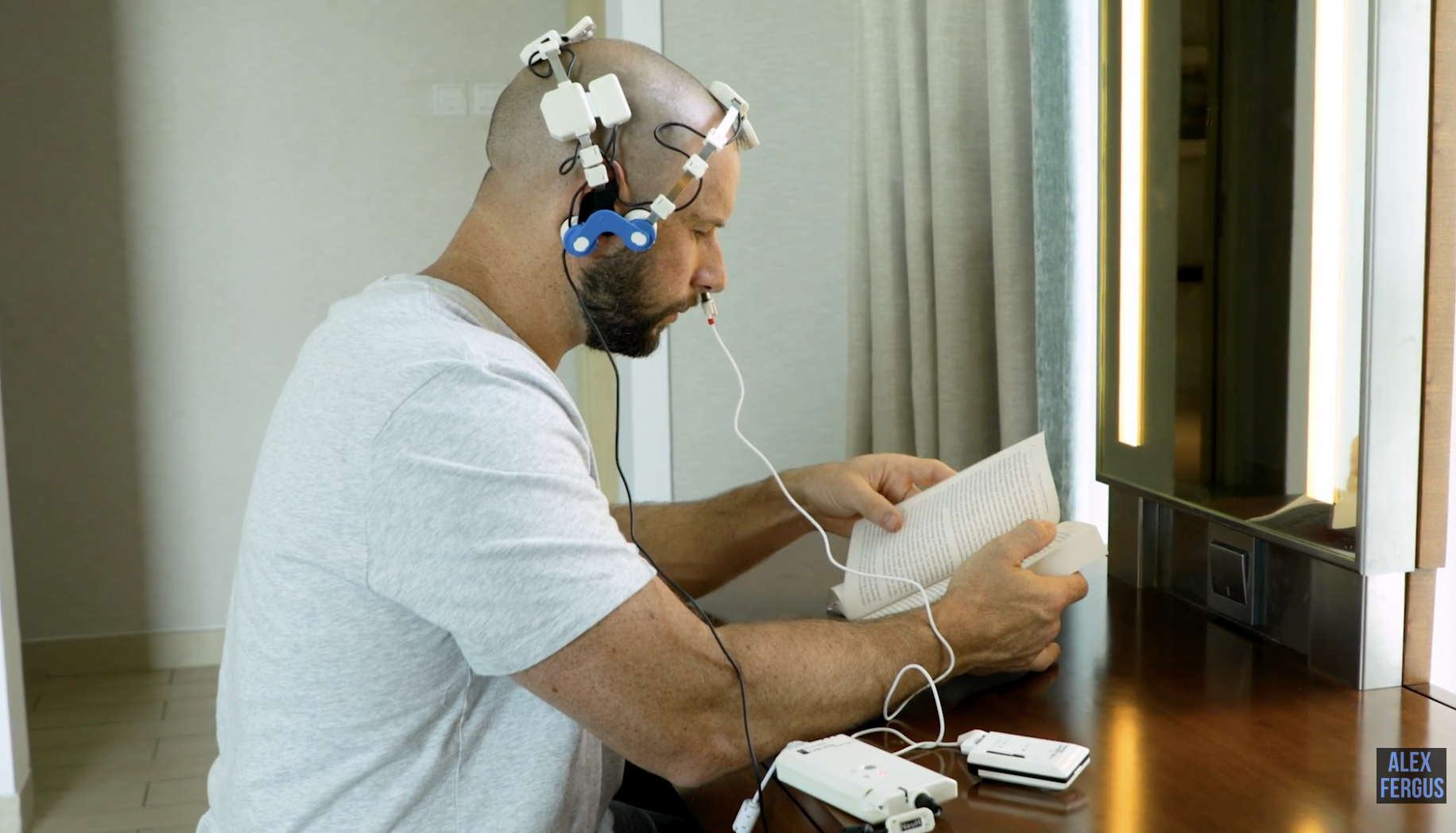
The Neuro series is the product line most people associate with Vielight. These devices consist of a lightweight headset combined with an intranasal applicator, allowing light to reach the brain from multiple directions.
The latest generation currently available is the Neuro 4, which comes in several variations:
- Neuro 4 Gamma
- Neuro 4 Alpha
- Neuro 4 Duo
- Neuro 4 Duo + Vagus bundle
- Neuro Pro 2 (advanced model)
The primary difference between these models lies in the pulsing frequency of the light.
How the Neuro Device Works
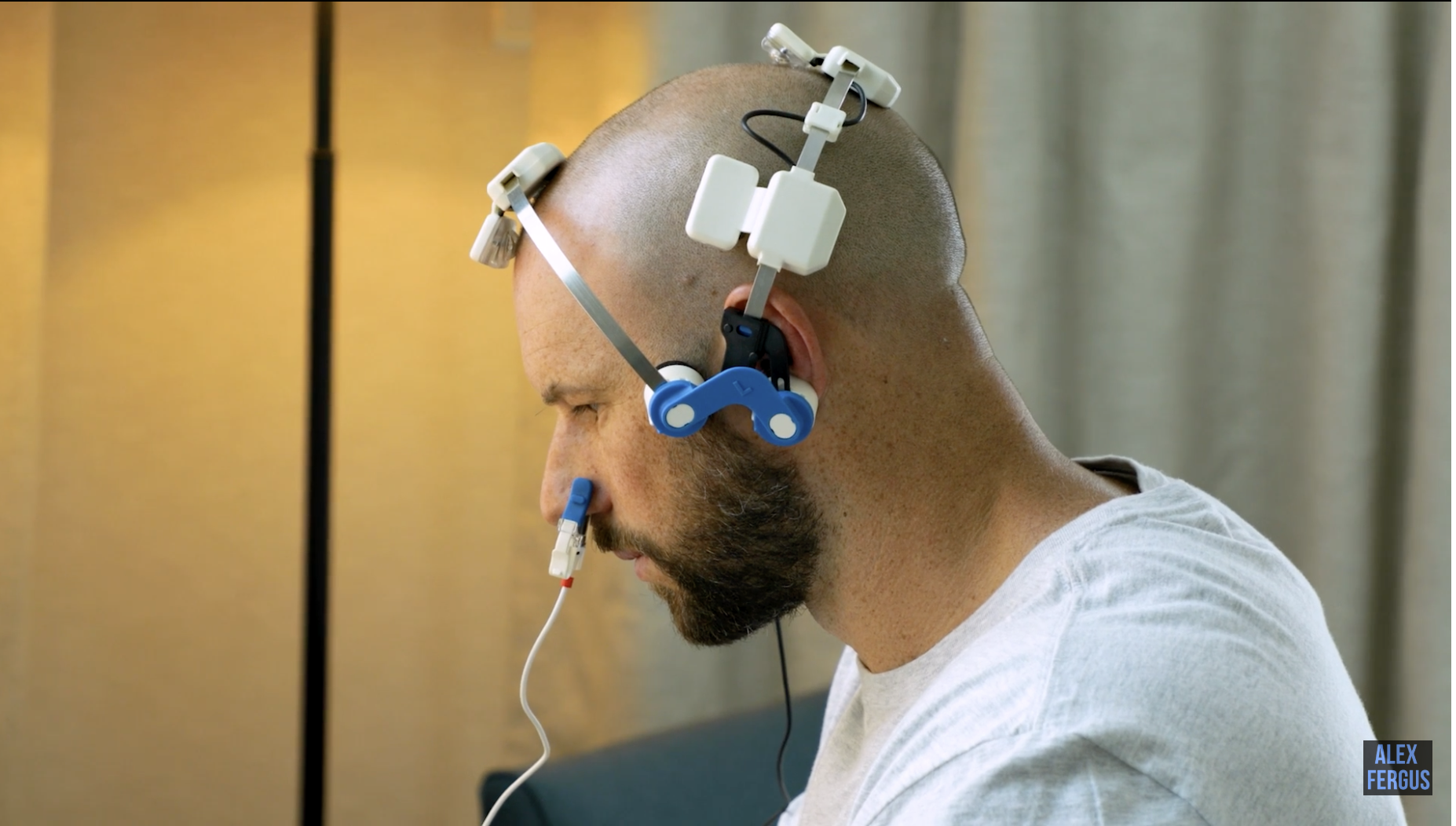
The Neuro headset places LEDs directly against the scalp. Unlike helmets or light panels that shine light from a distance, these LEDs sit in direct contact with the skin. This design improves light penetration into the brain.
The devices use near-infrared light at 810 nanometers, a wavelength known for its ability to penetrate biological tissue effectively. Because it has low absorption in water and blood, the light can travel deeper into brain structures.
The power output ranges from roughly: 25 mW/cm² to 100 mW/cm²This is delivered directly to the scalp, increasing the likelihood that sufficient energy reaches brain tissue.
But the headset alone isn’t the whole system.
Each Neuro device also includes an intranasal applicator that shines light through the nasal cavity toward deeper brain structures. This combination allows the brain to receive light from both the top and underside, maximizing coverage.
Why Pulsing Matters for Brain Stimulation
One of the defining features of the Neuro devices is pulsed light. In many red light therapy applications—such as skin care or muscle recovery—pulsing may not make a significant difference. Continuous light often works just as well.
The brain, however, behaves differently.
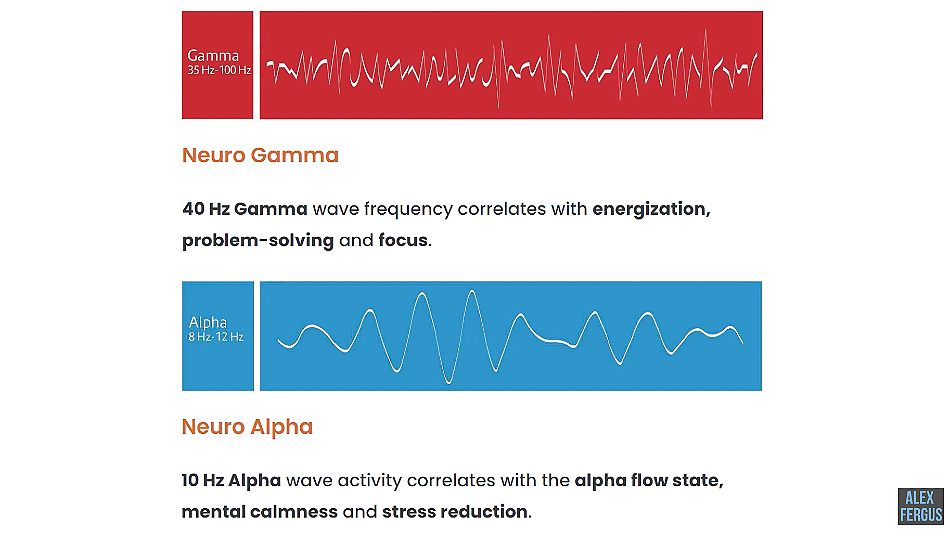
Neural networks naturally oscillate at specific frequencies, and external stimulation at those frequencies can influence brain activity. By pulsing light at certain rhythms, it may be possible to encourage specific neurological states.
Vielight focuses primarily on two frequencies:
- 10 Hz (Alpha waves)
- 40 Hz (Gamma waves)
Gamma (40 Hz): Focus and High Performance
Gamma brain waves are associated with high-level cognitive functions such as:
- Focus
- Information processing
- Memory
- Mental clarity
Stimulating the brain at 40 Hz may increase gamma activity while reducing slower brain waves like delta and theta.
This makes gamma stimulation particularly interesting for:
- Athletes preparing for competition
- Students before exams
- Professionals before presentations
- Situations requiring intense mental performance
Many users describe it as a kind of “brain warm-up.”
Alpha (10 Hz): Recovery and Relaxation
Alpha waves represent a much calmer mental state. They are commonly associated with:
- Relaxation
- Meditation
- Creativity
- Learning consolidation
- Sleep preparation
The Neuro 4 Alpha device stimulates the brain at 10 Hz, which may encourage a more relaxed neurological state.
This makes alpha stimulation useful for:
- Winding down in the evening
- Supporting sleep
- Helping the brain consolidate learning and training
- Reducing stress
Why the Neuro 4 Duo Is Popular
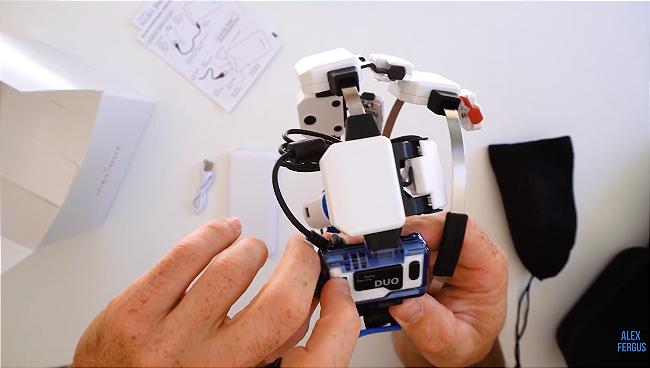
The Neuro 4 Duo combines both modes. Rather than locking you into either alpha or gamma stimulation, it allows you to choose between them depending on the situation.
For example: Morning or pre-workout
→ Use gamma for mental sharpness
Evening recovery
→ Use alpha for relaxation and memory consolidation
For many users, this flexibility makes the Duo model the most practical option.
The MIP Intranasal Device
The MIP (Micro-Intranasal Photobiomodulation) device takes a completely different approach.
Instead of using a headset, it delivers light through the nasal cavity.
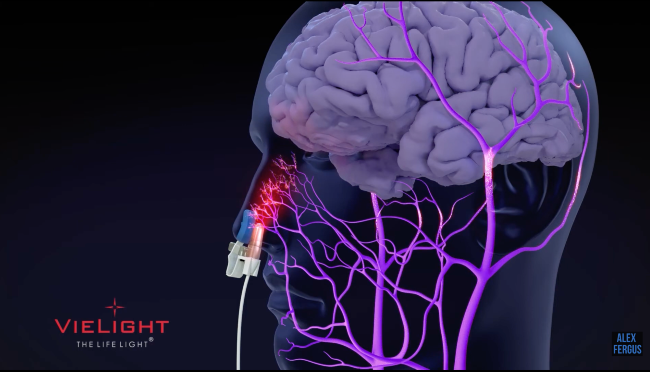
This might sound unusual, but the nasal passages actually provide a surprisingly effective pathway for light to reach certain brain regions. Some structures located on the underside of the brain are difficult to access from the scalp but can be reached from the nasal cavity.
Why Intranasal Light Therapy Works
The nasal cavity contains a dense network of blood vessels and lies close to several critical brain areas.
Delivering light here may allow energy to influence:
- Blood oxygenation
- Inflammation pathways
- Neural activity in nearby brain structures
While the Neuro headset provides broader brain coverage, the intranasal device offers a simple and portable alternative.
MIP Wavelength Options
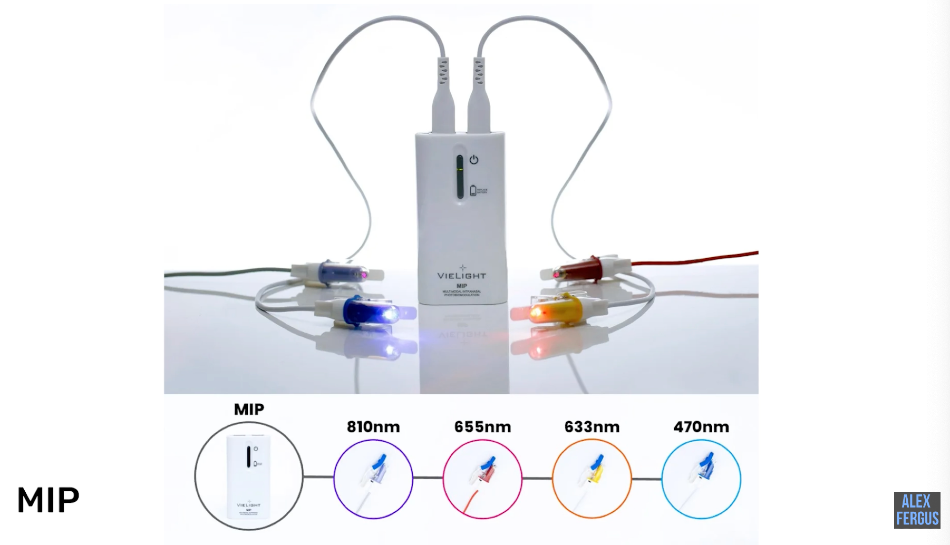
The newest MIP device allows two applicators to be used simultaneously and offers four wavelength options:
- 633 nm Red LED
Supports immune function, oxygenation, and inflammation reduction. - 655 nm Red Laser
Similar biological effects to 633 nm but delivered via laser. - 810 nm Near-Infrared
Designed for brain stimulation with: Alpha (10 Hz) pulsing and Gamma (40 Hz) pulsing - 470 nm Blue Light
Primarily antimicrobial. This wavelength may help reduce pathogens in the nasal cavity, which can be useful during cold or flu season.
Portability and Cost
One of the major advantages of the MIP is convenience.
The device:
- Runs on a single AA battery
- Fits easily in a bag
- Can be used almost anywhere
Compared with the $2,000–$3,000 price range of the Neuro headset, the MIP costs roughly $350 to $500, making it a much easier entry point for many users.
The Vielight Vagus Device
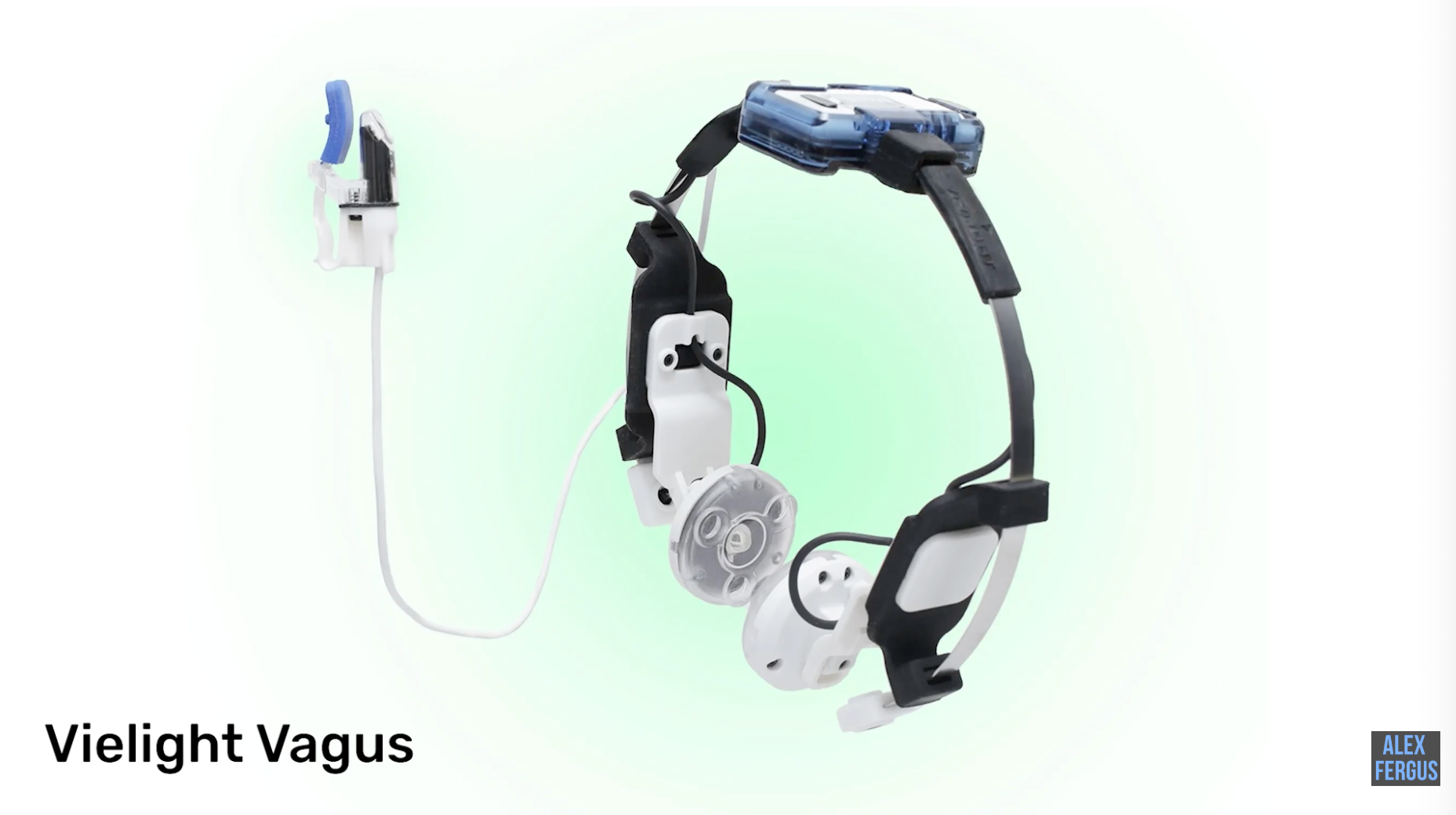
Another interesting product in the lineup is the Vielight Vagus device. This product focuses on stimulating the vagus nerve, a major nerve that connects the brain with multiple organs throughout the body.
The vagus nerve plays a central role in:
- Digestion
- Heart rate
- Stress response
- Immune regulation
- Brain-body communication
Because of this, vagus nerve stimulation has become a major topic in health research.
Traditional vs Light-Based Vagus Stimulation
Traditionally, vagus nerve stimulation has been performed using electrical devices.
These systems deliver electrical impulses to the nerve through electrodes placed on the skin or surgically implanted.
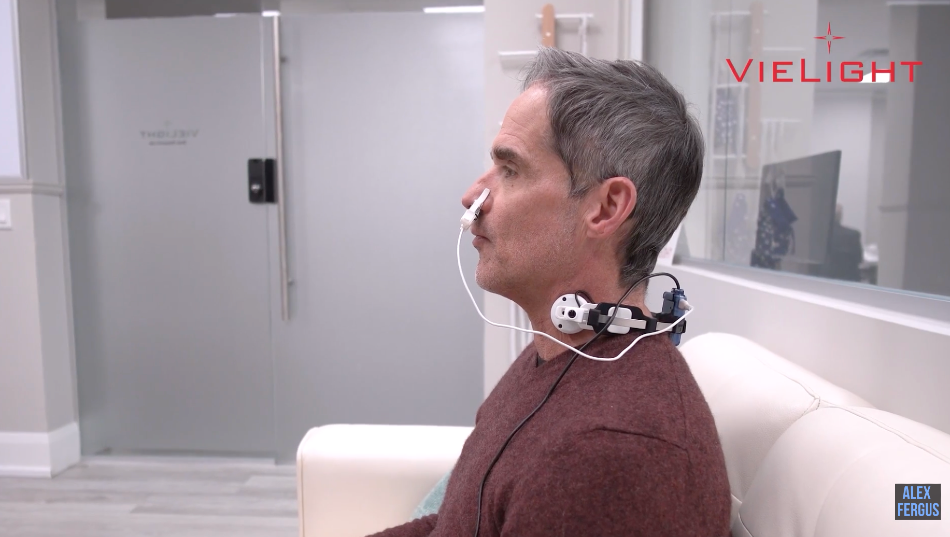
Vielight’s approach is different. Instead of electricity, the device uses near-infrared light (810 nm) to stimulate the nerve through photobiomodulation.
This offers a non-invasive and comfortable alternative.
Potential Benefits
Research on vagus nerve stimulation suggests it may help support:
- Attention and focus
- Memory and cognitive performance
- Stress regulation
- Reduced inflammation
- Improved autonomic balance
The device emits:
- 50 mW of light at the neck
- 25 mW intranasally
Sessions typically last about 20 minutes, used several times per week.
The Vielight X-Plus 3
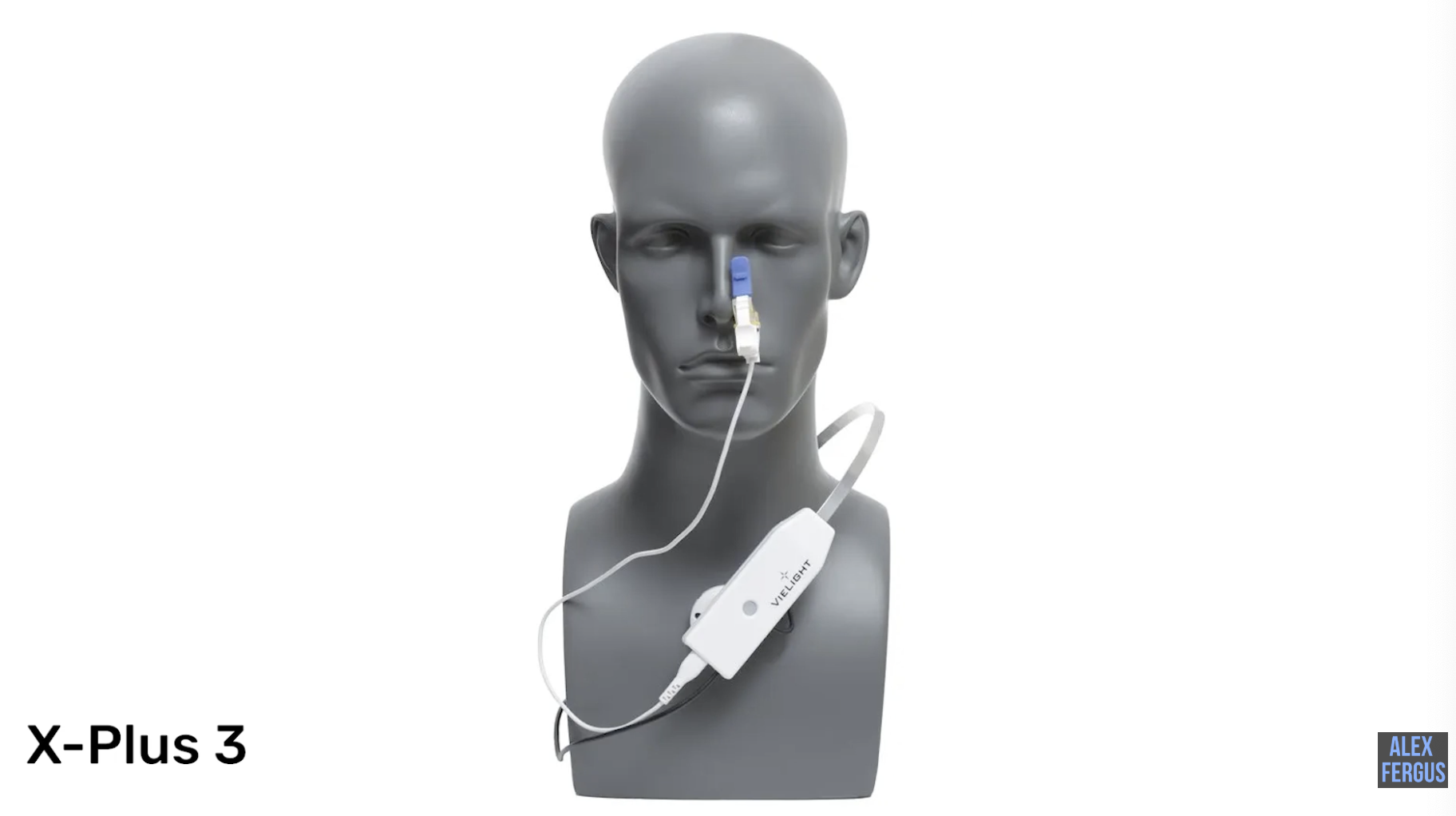
The X-Plus 3 device takes a broader, more systemic approach.
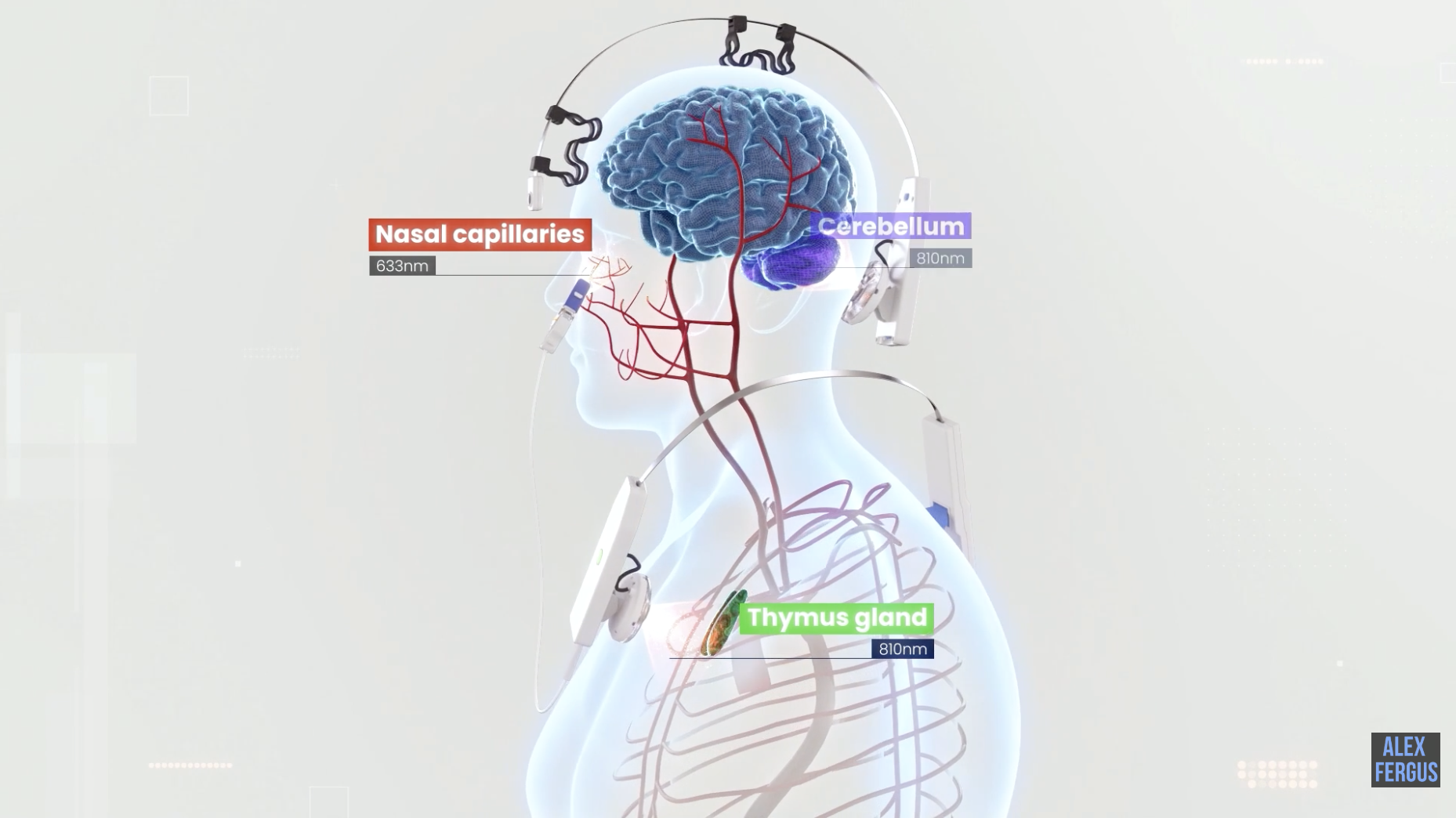
Rather than focusing purely on brain stimulation, it targets three different areas simultaneously:
- Cerebellum – located at the back of the brain and responsible for balance and motor control
- Thymus gland – involved in immune function
- Nasal vascular area – supporting brain blood flow
Because it addresses multiple systems at once, the X-Plus is often considered a whole-body photobiomodulation device rather than purely a brain optimization tool.
Immune Support and Nitric Oxide
One of the key mechanisms behind the X-Plus is the stimulation of nitric oxide production.
Nitric oxide plays several important roles in the body:
- Improving blood circulation
- Supporting immune response
- Modulating inflammation
Research has even suggested that nitric oxide may interfere with the replication of certain viruses, which makes this pathway particularly interesting from an immune-support perspective.
How Vielight Differs From Red Light Therapy Panels
At first glance, someone familiar with red light therapy panels might assume Vielight devices are simply smaller versions of the same concept.
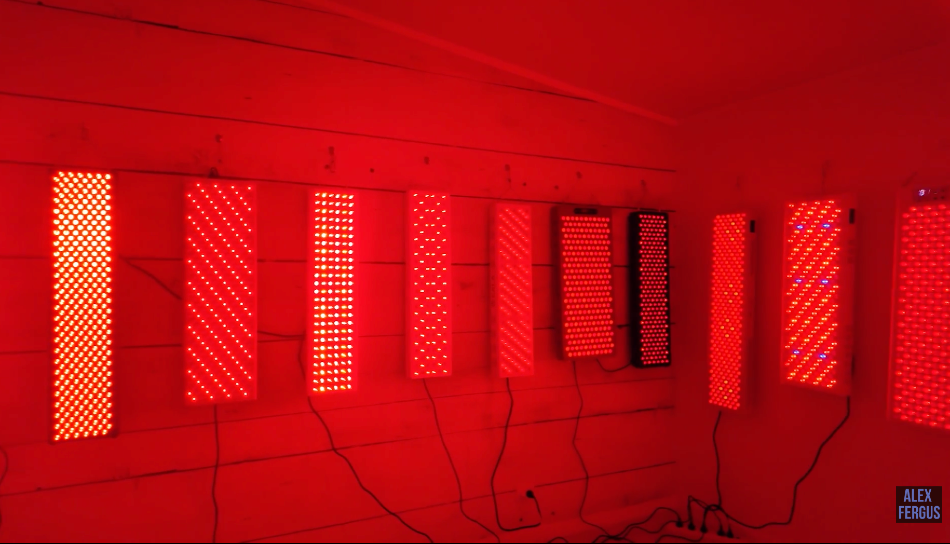
But there are important differences. Panels are designed for whole-body treatments such as:
- Muscle recovery
- Skin rejuvenation
- Joint health
- Wound healing
They are used at a distance, allowing light to spread over a wide area.
Vielight devices, on the other hand, are highly targeted. They are designed specifically to deliver light to the brain using:
- Precise wavelengths
- Specific pulsing frequencies
- Strategic placement on the head and nose
This specialization is what distinguishes them from general red light therapy systems.
Vielight vs Brain Light Helmets
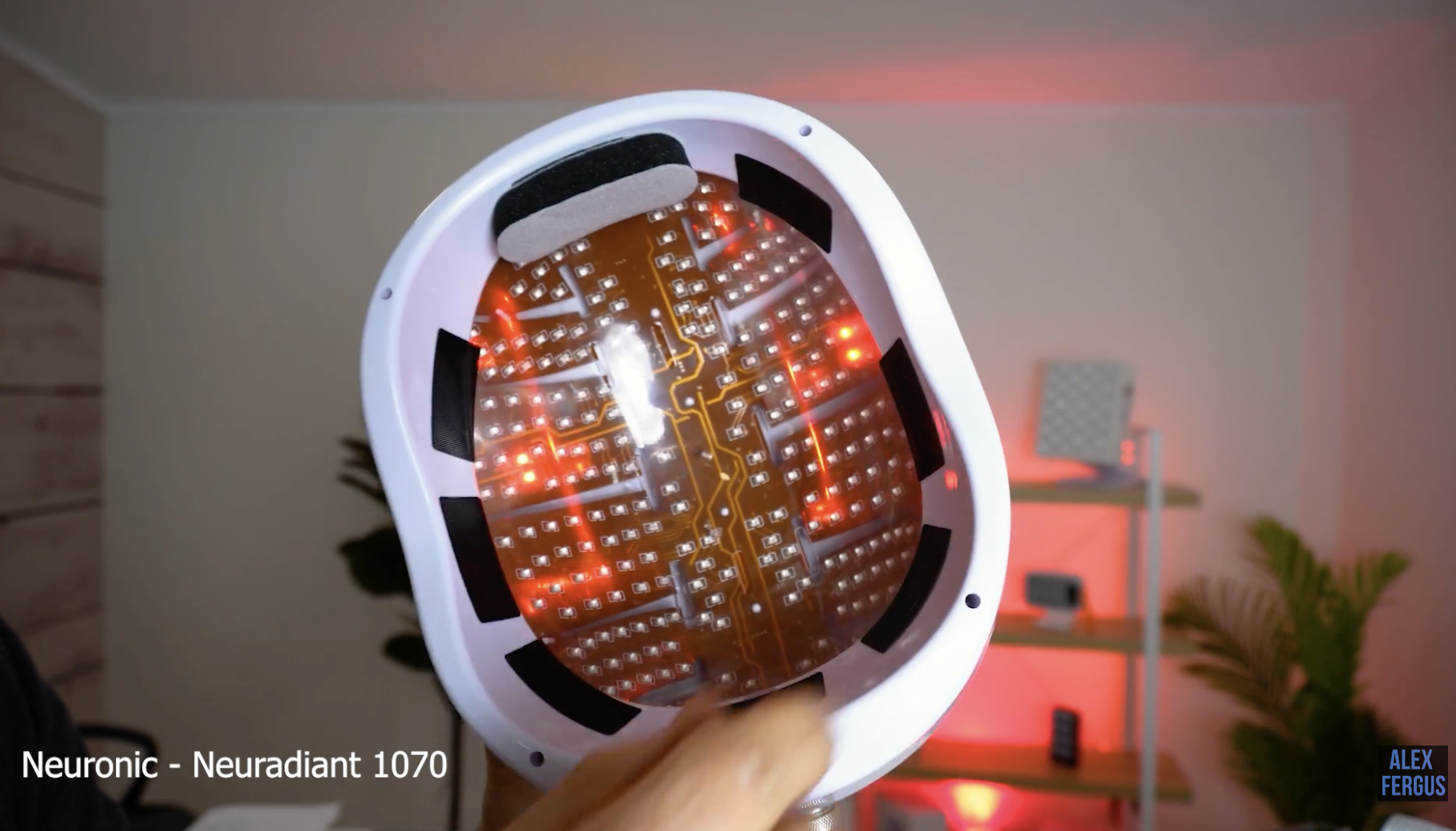
There are also several light therapy helmets on the market designed for cognitive health. Compared with helmets, Vielight devices have several structural advantages.
Helmets place LEDs several millimeters or even centimeters away from the scalp. Because light loses energy as it travels through space, some intensity is lost before it reaches the skin.
Vielight’s headset design places LEDs directly against the scalp, allowing higher energy delivery.
Hair can also reduce light penetration with helmets. With the Vielight headset, users can part their hair so the LEDs contact the scalp more directly.
Another difference is power density. Vielight devices deliver high intensity from a small number of LEDs positioned strategically. Helmets typically use many LEDs spread across a large area but with lower individual output.
Both approaches have advantages, but Vielight’s design focuses on maximum penetration into brain tissue.
Which Vielight Device Should You Choose?
Choosing the right device ultimately depends on your goals and budget.
If money isn’t an issue
The Neuro 4 Duo combined with the Vagus device offers the most comprehensive brain stimulation system.
Adding the X-Plus 3 or MIP can further expand the system for immune and systemic benefits.
If you want one primary brain device
The Neuro 4 Duo is often considered the best balance of features and flexibility.
It provides:
- Both alpha and gamma stimulation
- Transcranial brain delivery
- Intranasal light therapy
If you want a portable or budget option
The MIP intranasal device is the most affordable and convenient entry point.
It’s easy to travel with, relatively inexpensive, and still provides meaningful brain stimulation.
If your goal is immune or systemic support
The X-Plus 3 may be a better choice since it targets the cerebellum, thymus, and nasal areas simultaneously.
If you are an advanced user or clinic practitioner
The Neuro Pro 2 is the most powerful option.
It allows users to customize:
- Light intensity
- Pulsing frequency (up to 10,000 Hz)
- Treatment protocols via smartphone app
This level of control makes it ideal for professional environments or experienced biohackers.
Final Thoughts
Vielight devices represent a specialized approach to brain-focused photobiomodulation.
Instead of treating the entire body like traditional red light therapy panels, these devices are engineered to deliver light precisely to brain structures using carefully chosen wavelengths, pulsing frequencies, and placement strategies.
While the product lineup may seem complicated at first, the underlying concept becomes much clearer once you understand the roles of the four main systems:
- Neuro – direct brain stimulation
- MIP – portable intranasal brain access
- Vagus – brain-body nervous system support
- X-Plus – systemic immune and neurological support
For anyone interested in cognitive performance, neurological health, or advanced photobiomodulation technology, Vielight offers one of the most research-focused ecosystems currently available.
Resources Discussed
✨ Grab a Vielight product here and use discount code ALEX10 for 10% off: https://aferg.co/vielight
✨ Vielight newsletters and website updates were mentioned as the best place to follow new studies, product announcements, and company developments. Here: : https://aferg.co/vielight
Have you seen these Vielight interviews/reviews:
⭐ Vielight Red Light For The Brain Science - Interview with Dr Lew Lim
⭐ Inside Vielight's Red Light Therapy Brain & Body Impact
⭐ Vielight Neuro Alpha, Gamma & More: IMPRESSIVE Products!
⭐ Vielight's Brain Photobiomodulation: Unique Application Method!
⭐ Does Vielight Work? A Close Look At The Spectacular Vielight Science
The latest interview:
⭐ THIS Device Counters MCI/Alzheimer - Here’s The Data
Alex's Bio
Alex Fergus wrote this blog post. Alex is an ISSN Sports Nutrition Specialist, Fitness Professional, and certified Superhuman Coach who continues to expand his knowledge base and help people worldwide with their health and wellness. Alex is recognized as the National Record Holder in Powerlifting and Indoor Rowing and has earned the title of the Australian National Natural Bodybuilding Champion. Having worked as a health coach and personal trainer for over a decade, Alex now researches all things health and wellness and shares his findings on this blog.