
This month’s red light therapy update comes with a slightly different backdrop. I’ve been based in Dubai, and with everything unfolding recently, we made a last-minute decision to head back to Australia. Travel plans aside, there’s still plenty happening in the red light therapy space, and this month brings a mix of new products, evolving research, and some interesting industry conversations.
While the product pipeline has been relatively quiet, the discussions around how to use red light therapy—and which devices make the most sense—are becoming more nuanced. That’s where things start to get interesting.
A Different Kind of “Device”
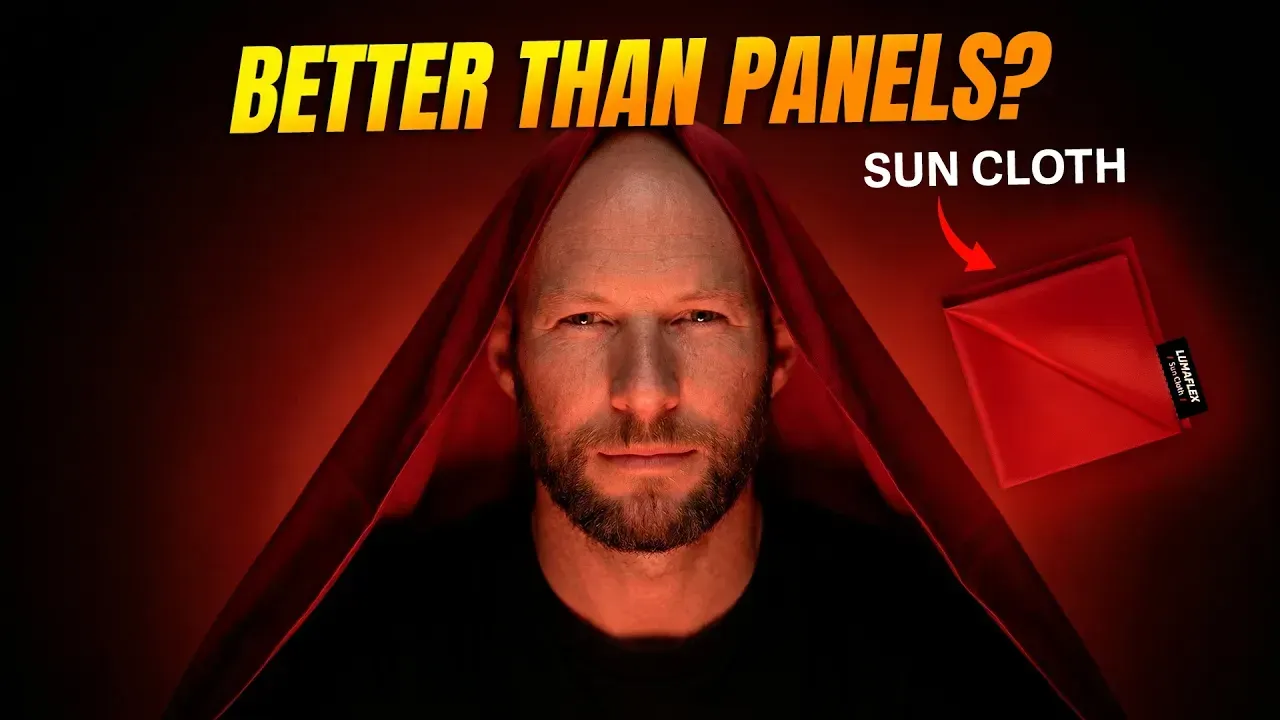
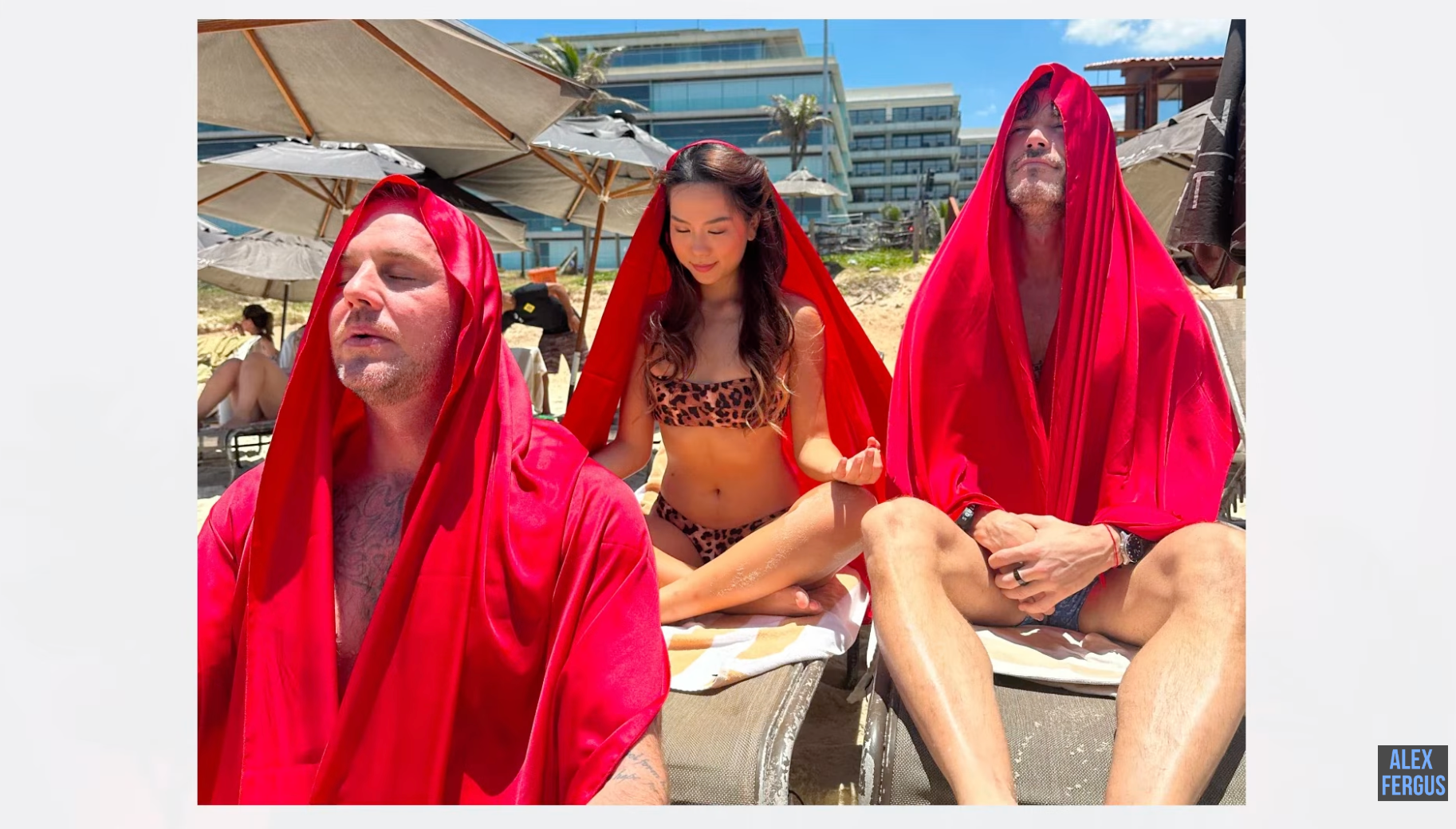
One of the few new releases this month is something that doesn’t quite fit the typical mold of a red light therapy product. The Lumaflex “suncloth” is essentially a lightweight fabric designed to block UV, blue, and green light while allowing red light to pass through.
At first glance, it’s easy to dismiss something like this as a gimmick. But when you think about how sunlight works, there is a practical angle worth considering. Sunlight does contain red and near-infrared light, but it also comes bundled with significant UV exposure, especially during the middle of the day. That’s why early morning light is typically recommended if you’re trying to maximize benefits while minimizing risk.
A product like this aims to solve that problem by filtering out the unwanted wavelengths. In theory, it allows you to stay outdoors longer without the same UV exposure, while still benefiting from the red light component of sunlight. Whether that translates into real-world value is still up for debate, but it does highlight an interesting shift—companies are starting to think beyond traditional panels and LEDs.
The Ongoing Debate Around Power
One of the more interesting discussions right now is around high-powered red light therapy. It’s a fairly controversial topic, and depending on who you ask, you’ll get very different opinions.
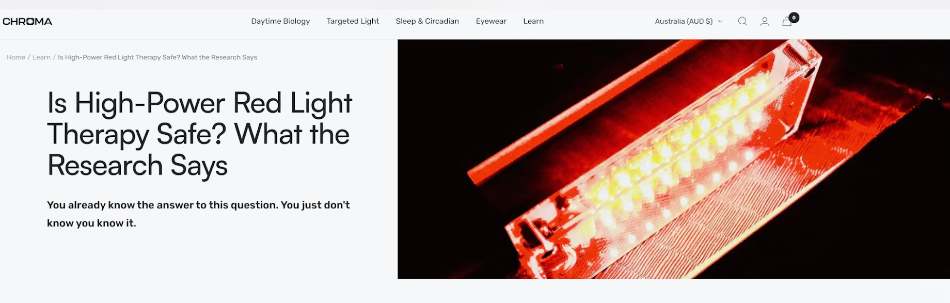
Some people in the industry believe you only need a small amount of light to get results. Others—particularly companies like Chroma, who are known for their high-powered devices—lean toward higher output and argue that more power can be beneficial.
At this stage, there isn’t a clear or definitive answer.
We’ve touched on this before, and the reality is that no one can confidently stand behind a single, universal recommendation. Even when you look at the broader research, dosing remains one of the least settled areas in photobiomodulation. Many studies report benefits across a wide range of energy doses and power outputs, without clearly establishing what is truly “optimal.”
For example, clinical and preclinical studies often show positive outcomes using both relatively low and higher doses of light, but they vary significantly in terms of wavelength, treatment time, and application method. That makes it difficult to directly compare results or draw firm conclusions about power alone.
So while high-powered devices may offer certain advantages—particularly in terms of delivering more light over larger areas or potentially reaching deeper tissues—it doesn’t automatically mean they are always better.
At the same time, lower-powered approaches shouldn’t be dismissed either, especially when many studies still demonstrate benefits at more moderate levels.
The key takeaway here is that this is still an open question.
There’s some research, there are strong opinions, and there’s definitely some bias depending on the company or product. But right now, there simply isn’t enough consistent, high-quality evidence for anyone to say with certainty what the “best” approach is.
That’s why it’s worth reading different perspectives, like the article from Chroma, and forming your own view as more data comes out.
Supply Chain Reality Check
Another development worth noting is the impact of global logistics. Some companies have already started reporting shipping delays tied to disruptions in the Middle East. While there aren’t many major inventory hubs in that region, a significant portion of global shipping routes pass through it.
That means even if products aren’t stored there, they may still be affected in transit. It wouldn’t be surprising to see minor delays ripple across the industry in the coming weeks and months. It’s a reminder that even in a niche space like red light therapy, global events can still have a direct impact.
Why the Blog Is Becoming the Real Hub
If you’ve been following along for a while, you’ll know that a lot of the deeper content isn’t actually on YouTube anymore. The Light Therapy Insiders website has quietly become the central hub for everything—from full article breakdowns and product comparisons to tools that help you choose the right device.
There’s also a growing library of original content that never makes it into video form. Topics like indoor blue light exposure and its potential link to weight gain, or breaking down red light therapy trends on TikTok, are covered in much more depth on the blog.
One of the standout additions is the AI chat tool, which effectively acts as a knowledge base for everything in the red light therapy space. It pulls together research, product data, and practical insights into a single interface, making it easier to get answers quickly without digging through multiple sources.
⬇️AI chat tool below ⬇️
New Science: Red Light and Heart Health
On the research side, one study this month stood out for its focus on cardiovascular health. Using a rabbit model, researchers applied visible red light to areas with high blood flow and then induced conditions associated with heart disease.
The results were notable. The group that received longer exposure showed significantly less plaque buildup—roughly half compared to other groups. That’s a meaningful finding, especially considering how central plaque accumulation is to heart disease risk.
Translating animal research into human outcomes is always a challenge, but there are parallels worth exploring. Similar approaches using light-based blood irradiation have shown promising results in human studies, although much of that data comes from regions where research standards can vary.
Even so, it adds to a growing body of evidence suggesting that red light therapy may have systemic benefits beyond localized treatment. It’s not just about skin or joints anymore—there’s increasing interest in how it affects the cardiovascular system as a whole.
This Month's Q&A: Are Panels Still the Best Option?
One of the most common questions right now is whether red light therapy panels are still the best choice, especially as more specialized devices enter the market.
There’s a strong argument for both sides. If you have a specific goal—like treating a knee injury or targeting hair loss—then a specialized device can be more efficient and easier to use. It’s designed for that exact purpose, and in many cases, it will outperform a general device in that one area.
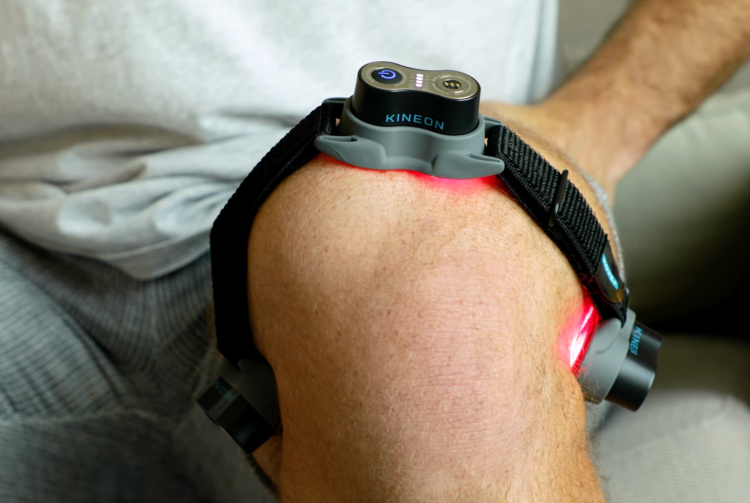
But that approach can quickly become expensive and impractical. Red light therapy isn’t limited to one application. It can be used for skin health, recovery, pain management, and even broader systemic effects. If you start buying a separate device for each use case, you can end up with a collection of products that are costly and take up space.
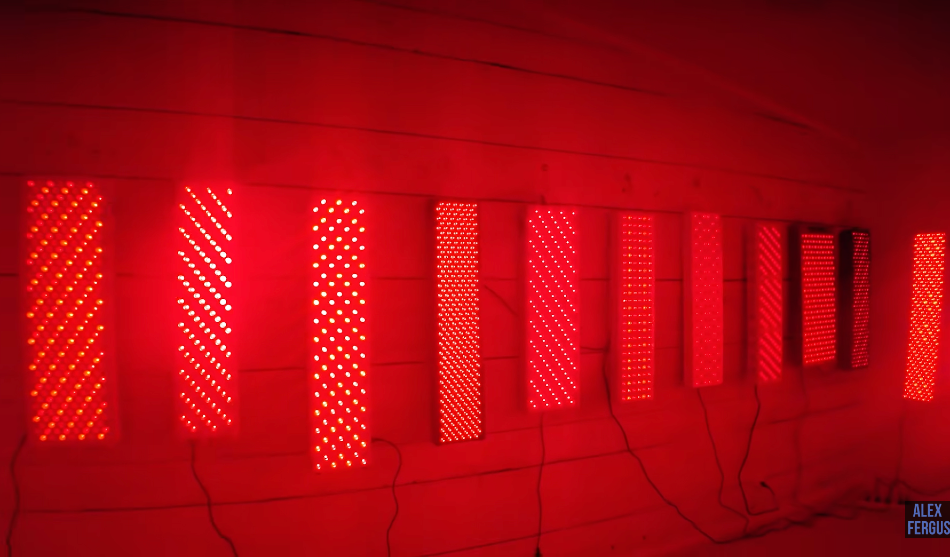
That’s where panels still stand out. They may not be perfect for every scenario, but they offer the most versatility. A single panel can cover a wide range of needs, from full-body treatments to more targeted applications, making it a strong starting point—especially if you’re working with a limited budget.
It ultimately comes down to how you plan to use red light therapy. For most people, a panel provides the best balance between flexibility, effectiveness, and value.
Final Thoughts
This month may not have brought a flood of new products, but it highlights something more important—the red light therapy space is maturing. The conversations are shifting away from “does this work?” toward “how should this be used?” and “what’s the most effective approach?”
From debates around power and dosing to new research exploring systemic benefits, there’s a clear move toward deeper understanding. And as the industry continues to evolve, the focus will likely shift even further toward optimization rather than just adoption.
As always, it’s worth staying informed, keeping a critical eye on new claims, and focusing on what actually delivers results.
Items mentioned
⭐ Lumaflex sun cloth here: https://www.lumaflex.com/products/sun...
⭐ Kineon Move Pro Plus; Use discount code AFERGUSMOVE for 10% off https://aferg.co/kineon
⭐ Rouge G4: https://aferg.co/rougecare - code ALEX
⭐ A torch from Block Blue Light: Click the links below. The discount is automatically applied at checkout: https://aferg.co/BlockBlueLight
⭐ For a VieLight, use this link: http://aferg.co/vielight and use code ALEX10
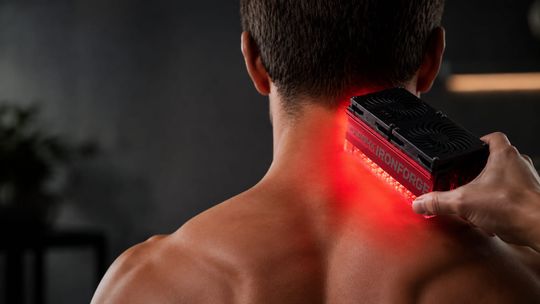
⭐ For a Chroma Ironforge, use this link: https://aferg.co/chroma-ironforge - discount code ALEX.
The New Articles I mentioned in my red light therapy news, April 2026.
🔬Chroma's controversial topic of high-powered therapy- https://getchroma.co/blogs/learn/high-power-red-light-therapy-safety
🔬Bart's IV Blog- https://www.lighttherapyinsiders.com/intravenous-light-therapy/
🔬My Sun Article: https://www.lighttherapyinsiders.com/sunlight-vs-red-light-therapy/
Alex's Bio
Alex Fergus wrote this blog post. Alex is an ISSN Sports Nutrition Specialist, Fitness Professional, and certified Superhuman Coach who continues to expand his knowledge base and help people worldwide with their health and wellness. Alex is recognized as the National Record Holder in Powerlifting and Indoor Rowing and has earned the title of the Australian National Natural Bodybuilding Champion. Having worked as a health coach and personal trainer for over a decade, Alex now researches all things health and wellness and shares his findings on this blog.
Frequently Asked Questions
What is red light therapy?
Red light therapy uses red and near-infrared wavelengths of light to support normal cellular energy and recovery. It’s often referred to as photobiomodulation (PBM). If you're comparing devices and brands, you can check the discounts page for current deals and recommendations.
How does red light therapy work?
Red and near-infrared light can be absorbed by mitochondria in cells, which may help support ATP production and normal cellular repair processes.
What wavelengths are used in red light therapy?
Most red light therapy devices use wavelengths roughly between 630 nm and 880 nm. Common wavelengths include 630 nm, 660 nm, 810 nm, 830 nm, and 850 nm.
What’s the best red light therapy panel?
The best red light therapy panel depends on coverage needs, power output, wavelengths, and budget. Before buying, it's smart to check the discounts page to compare brands and deals.
Red light panel vs mask: which should I choose?
Red light panels usually provide broader coverage and higher power output, while masks are designed primarily for facial skin treatments.
What does low EMF mean for red light therapy devices?
Low EMF refers to lower electromagnetic field emissions around a device. Some buyers prioritize this feature when comparing devices.
How long should a red light therapy session last?
Many users begin with sessions of around 5–10 minutes per treatment area and adjust based on device power and distance.
How often should you use red light therapy?
Common routines range from 3–5 sessions per week depending on the goal and device strength.
Is red light therapy safe?
Most consumer red light therapy devices are considered safe when used according to manufacturer guidelines.
Who is Alex Fergus?
Alex Fergus is the founder of Light Therapy Insiders and reviews red light therapy devices with a focus on practical buying factors.
Where can I find red light therapy discount codes?
You can check the discounts page to see the latest red light therapy discount codes and deals.
Do red light therapy discount codes expire?
Yes. Most brands rotate discount codes during promotions and seasonal sales. If a code stops working, it's best to check the discounts page for the latest offers.