
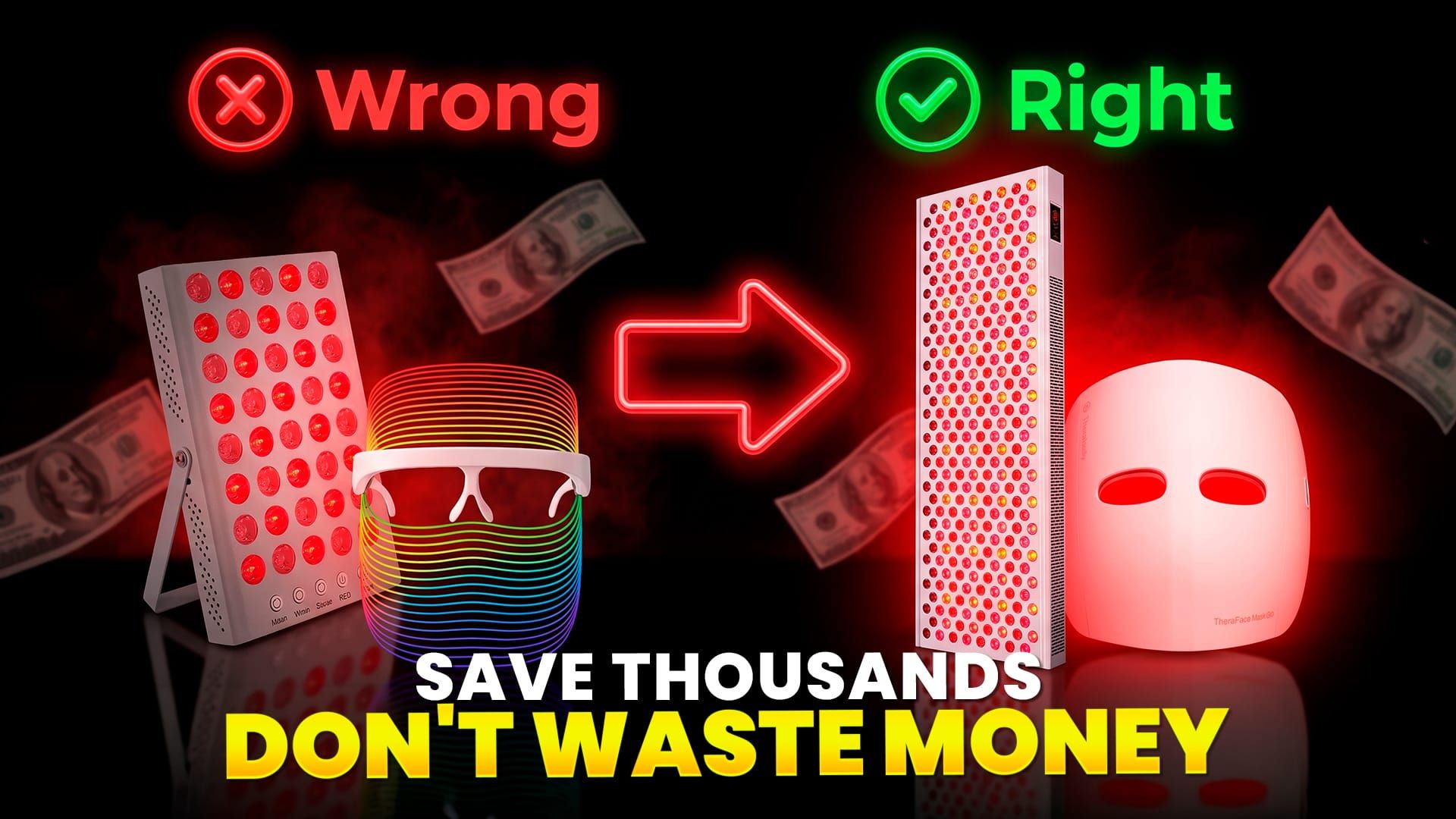
If you're new to red light therapy, it's easy to become overwhelmed. There are hundreds of devices on the market, countless claims about what the technology can do, and plenty of conflicting advice about how often to use it, how close to stand, and which wavelengths matter most. As a result, many beginners either purchase the wrong device, use it incorrectly, or expect results far sooner than they should.
The good news is that red light therapy doesn't have to be complicated. Once you understand the basic principles, it's actually a very straightforward technology to use.
In this guide, we'll cover what red light therapy is, how it works, which conditions have the strongest scientific evidence, how to choose your first device, and the most common mistakes to avoid. Everything below is based on the information covered in the accompanying beginner's guide.
What Is Red Light Therapy?
Red light therapy uses specific wavelengths of red and near-infrared light that are naturally present in sunlight. These wavelengths already reach the Earth's surface every day. Rather than creating an entirely new type of light, red light therapy simply concentrates and isolates these beneficial wavelengths so they can be delivered in a controlled way.
Light doesn't simply allow us to see our surroundings. Different wavelengths of light produce different biological effects within the body. A familiar example is ultraviolet light from the sun, which triggers vitamin D production when it reaches your skin. Red and near-infrared light work differently. Instead of producing vitamin D, they penetrate into the body where they interact with cells and influence cellular function.
Red Light vs. Near-Infrared Light
Although they're often grouped together, red light and near-infrared light are not exactly the same.
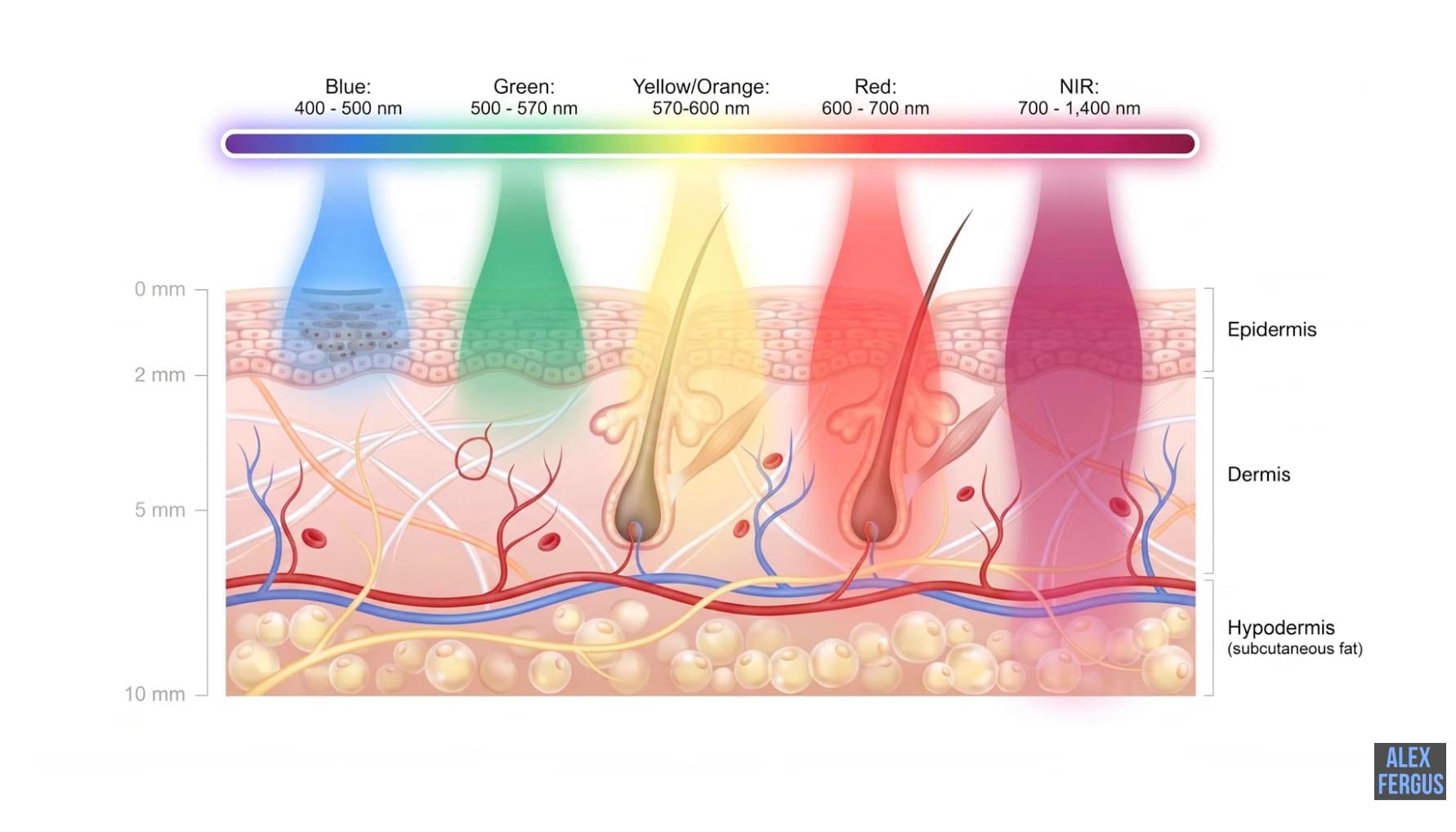
Red light generally produces more superficial effects because it doesn't penetrate as deeply into the body. That's why it's commonly used for skin-related goals, including improving skin appearance and addressing concerns like wrinkles or acne.
Near-infrared light penetrates much deeper into tissues. Because of that greater penetration, it is often associated with applications involving muscles, joints, recovery, brain health, and other deeper tissues. Exactly how deep light travels depends on many factors, so penetration isn't a simple number. However, as a general rule, near-infrared light reaches deeper than red light.
What Can Red Light Therapy Help With?
One reason red light therapy has become so popular is the wide variety of conditions that researchers have studied.
Current research includes topics such as:
- Skin health
- Wrinkles
- Acne
- Wound healing
- Pain
- Inflammation
- Muscle recovery
- Sleep
- Brain health
Today, there are more than 10,000 published studies related to photobiomodulation and red light therapy. However, it's important to understand that not every condition has the same level of scientific support.
Some areas, including skin health and hair loss, have relatively strong bodies of evidence. Other areas, such as brain health, gut health, and neurodegenerative diseases, remain emerging fields where research is continuing to develop. That doesn't mean red light therapy won't prove beneficial for those applications—it simply means the evidence isn't equally strong across every health condition.
How Does Red Light Therapy Work?
The science behind red light therapy is surprisingly complex, and researchers continue to investigate exactly how all of its mechanisms function. However, one of the primary concepts involves the mitochondria.
Mitochondria are often described as the energy factories inside our cells. When red and near-infrared light reach these structures, they can increase cellular energy production. That increase in energy is believed to trigger numerous downstream effects throughout the body.

These effects may include improvements in cellular signaling, blood flow, inflammation, tissue repair, and overall cellular function. Rather than one single mechanism explaining every benefit, increased cellular energy appears to set off a cascade of biological responses that ultimately influence recovery, skin health, muscle performance, and many other processes.
Although scientists continue debating the finer details, mitochondrial energy production remains one of the most widely accepted explanations for how red light therapy works.
Choosing Your First Red Light Therapy Device
For nearly everyone getting started with red light therapy, an LED device is the best option.
LED devices are generally less expensive than lasers while also being considerably safer and easier for consumers to use. Unless you're working under professional supervision for a specialized medical application, LEDs are usually the recommended starting point.
Perhaps the most important consideration when choosing a device is matching its size to the area you want to treat.
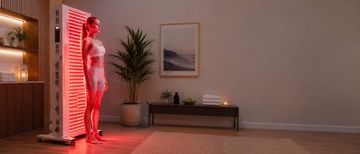
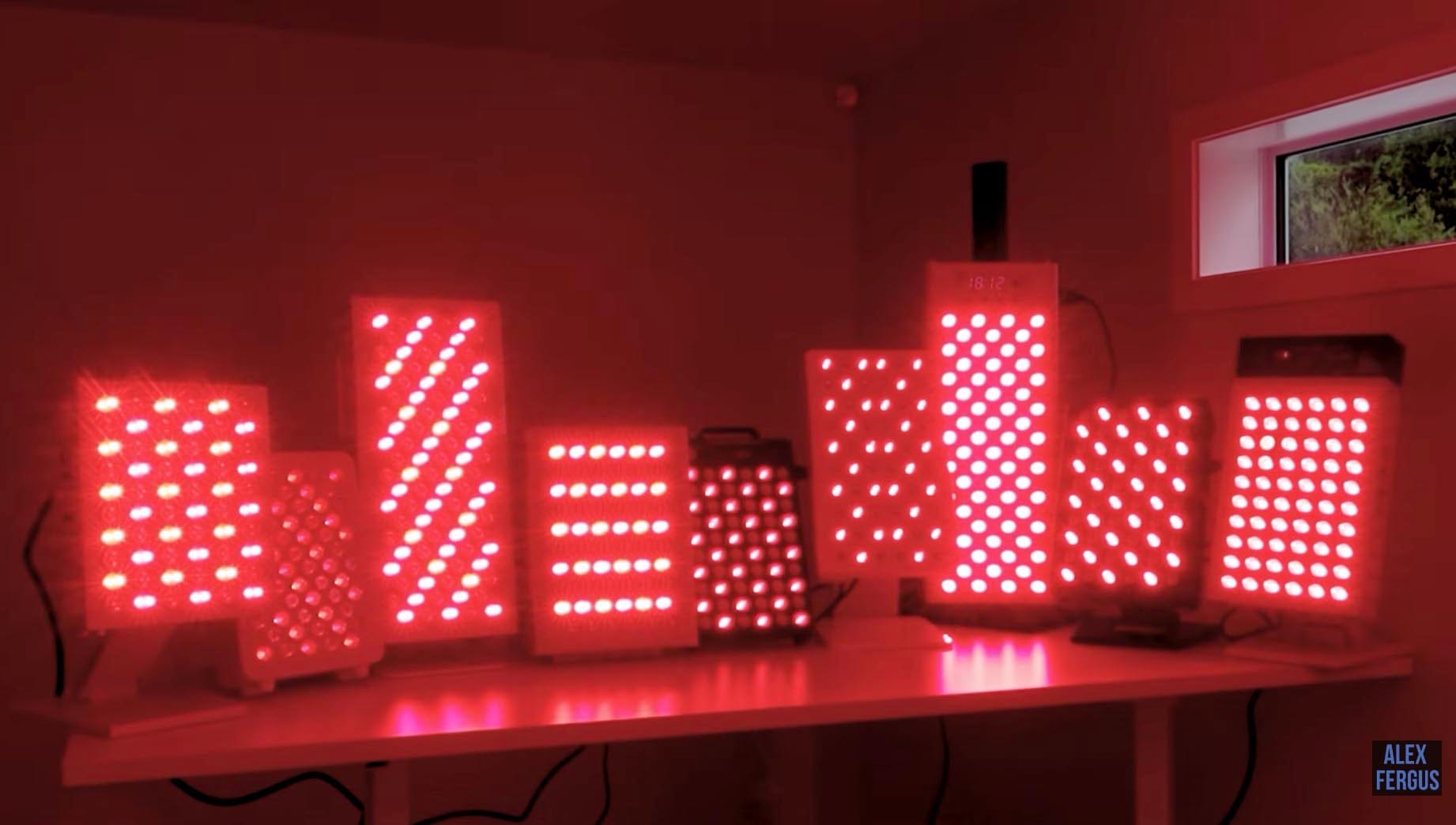
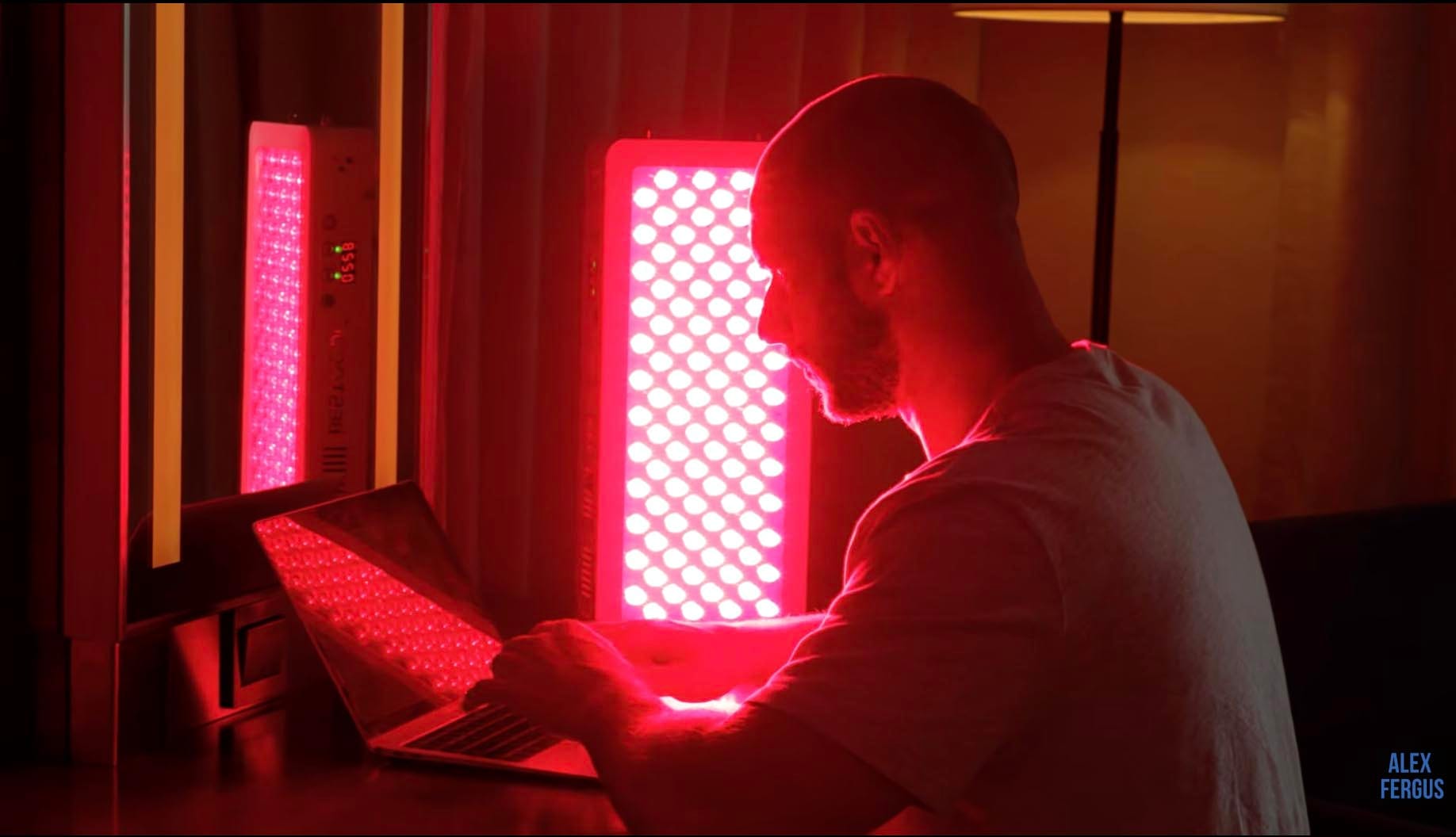
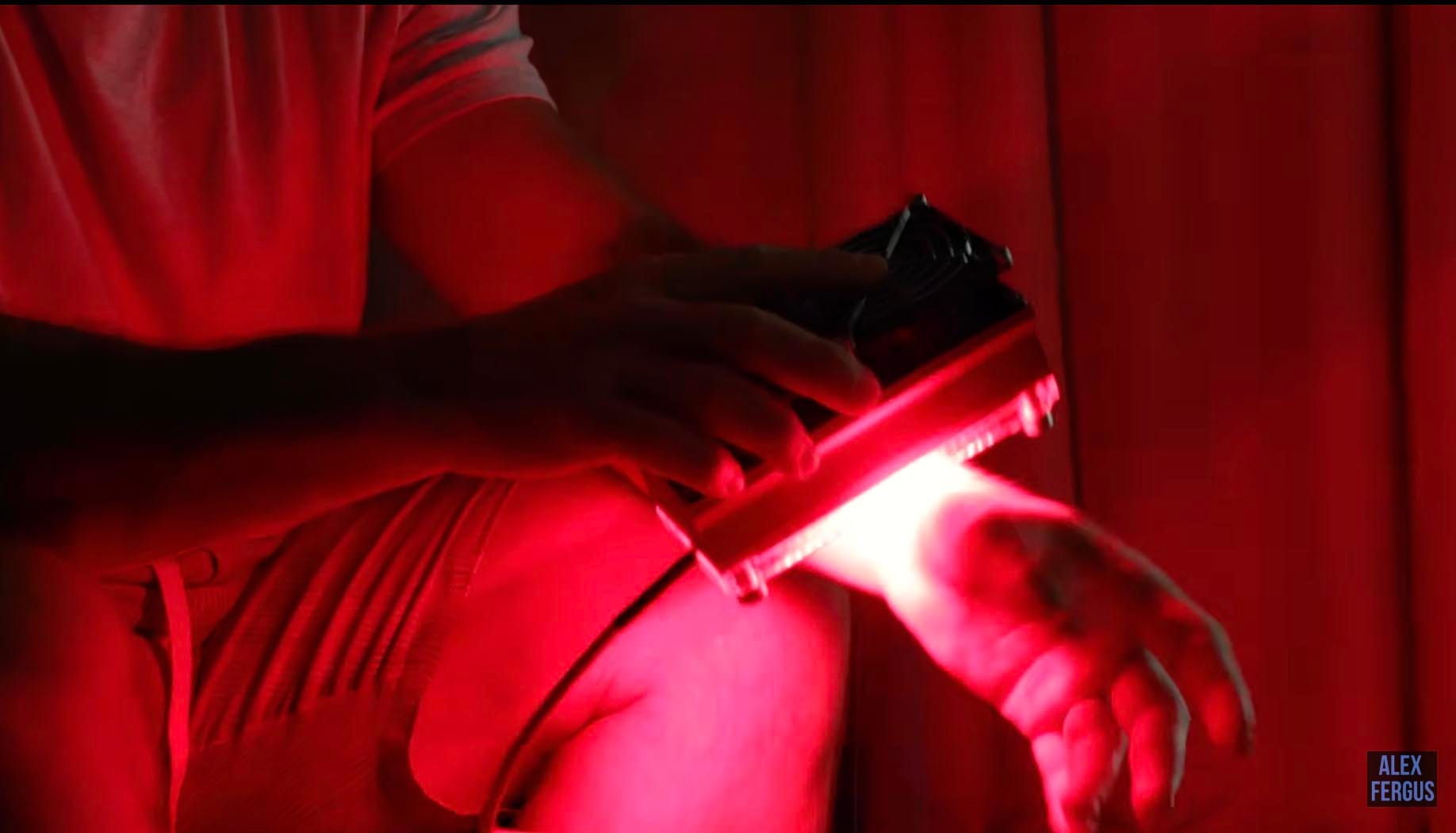
A small handheld device or face mask works well for facial treatments, joints, or other localized areas. Medium-sized panels allow you to treat larger body regions such as your back or legs. Full-body panels or light therapy beds provide the greatest versatility by treating much more of the body during each session. There are also specialized devices designed specifically for applications such as oral tissues, brain photobiomodulation, or joint treatments.
The right choice depends less on price and more on your primary health goals.
How To Use Red Light Therapy
One of the biggest misconceptions among beginners is that more is always better. In reality, conservative dosing is often the smartest approach when you're first starting.
For someone using a panel for general wellness, a simple starting protocol is to position the device roughly 8 to 10 inches from the treatment area and begin with sessions lasting around three to four minutes once per day for four to five consecutive days.
The most important part of this process isn't memorizing exact numbers—it's paying attention to how your body responds.
Positive responses may include feeling relaxed, sleeping better, experiencing less soreness, or simply feeling good during and after treatment.
Negative responses that may indicate you're doing too much include headaches, fatigue, agitation, poor sleep, skin irritation, discomfort, or temporary flare-ups of chronic symptoms.
If you're responding well, you can gradually increase your dose over time. The safest approach is to make only one adjustment at a time, either by increasing treatment duration or by moving slightly closer to the device. Avoid changing multiple variables simultaneously, since doing so makes it difficult to determine what is actually working.
Common Beginner Mistakes
Many of the mistakes beginners make are surprisingly simple to avoid. One of the biggest is treating for far too long right from the beginning. More light does not automatically produce better results.
Another common mistake is using the wrong distance. Standing extremely far away greatly reduces the amount of light reaching your body, while placing the device directly against your skin isn't always necessary for many applications.
Many people also fail to monitor how they feel during the first week or two of treatment. Paying attention to your body's response helps you determine whether your current protocol is appropriate or whether adjustments should be made.
Finally, unrealistic expectations often lead people to believe the therapy isn't working. Just as improvements from exercise or dietary changes take time, many benefits from red light therapy develop gradually. Some people notice immediate changes, while others require consistent use over several weeks before meaningful improvements become apparent.
Which Device Should You Buy?
If you're purchasing your first device, look for one that includes both red and near-infrared light.
From there, choose the size based on your goals. If you're primarily treating facial skin, a face mask or small panel may be sufficient. If you're focused on knee pain or another localized issue, a targeted device can work well.
However, if you have multiple goals—or you're interested in overall health benefits—a full-body panel generally provides the greatest flexibility. Panels remain one of the most versatile investments because they can be used for virtually every area of the body.
If your needs are highly specialized, such as brain photobiomodulation or oral health, then a purpose-built device may make more sense.
Final Thoughts
Red light therapy can seem confusing at first, but the fundamentals are actually quite simple. Start with an LED device that's appropriate for the area you want to treat, begin with conservative sessions, pay attention to your body's response, and be patient while the benefits develop.
Most importantly, don't get caught up chasing complicated protocols before you've mastered the basics. Consistency, proper device selection, and realistic expectations will take you much further than trying to maximize every treatment from day one. As you become more experienced, you can fine-tune your protocol to match your specific health goals, but starting simple is often the best path to long-term success.
Below are a few resources that I mention
⭐ Join the epic Alex Fergus & Light Therapy Insiders Facebook group here:
👉 https://aferg.co/fb-group
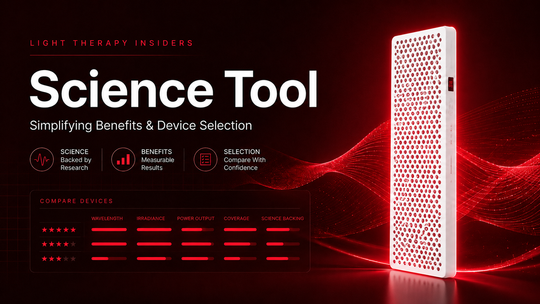
⭐ Check out my tool to help you. Simplifying Routines, Benefits & Device Selection
👉 https://www.lighttherapyinsiders.com/light-therapy-insiders-science-tool/
⭐ AI Chat Recommendation Free Tool
👉 http://aferg.co/help
⭐ Verified Deals & Active Discounts
👉 https://aferg.co/deals
Found this Interesting? Check Out These!
🔴 What Is Red Light Therapy?
🔴 How To Use Red Light Therapy 101: The Best Guide For Starters
🔴 Red Light Therapy Buyers Guide
🔴 Science Tool: Simplifying Routines, Benefits & Device Selection
Bart's Bio:
This is a post by Bart Wolbers. Bart finished degrees in Physical Therapy (B), Philosophy (BA and MA), Philosophy of Science and Technology (MS - with distinction), and Clinical Health Science (MS), has had training in functional medicine, and is currently the head researcher at Lighttherapyinsiders.com