
Red light therapy has become one of the fastest-growing wellness technologies, but it's also one of the most misunderstood. As more devices enter the market and more influencers share their opinions, it's becoming increasingly difficult to separate evidence-based recommendations from oversimplified advice.
After nearly a decade of experience in the photobiomodulation field, I've noticed that many of the same myths continue to circulate. Some seem harmless, but others can lead people to buy the wrong device, use it incorrectly, or develop unrealistic expectations about what red light therapy can and cannot do.
In this article, we'll examine seven of the most common misconceptions and discuss what the current evidence suggests instead.
Myth #1: More Powerful Red Light Therapy Panels Are Worse
One of the most common claims is that today's high-powered red light therapy panels are simply "too powerful" and that lower-powered devices are somehow better. The reasoning is usually that once tissue becomes saturated with light, additional power provides no benefit.
While it's true that more light isn't always better, that doesn't automatically mean a more powerful panel is a poor choice.
The key advantage of a higher-powered panel is flexibility. If maximum intensity isn't appropriate for your goal, you can simply stand farther away from the device. As your distance increases, the irradiance decreases, while the treatment area increases. In other words, you receive a lower dose over a much greater portion of your body.
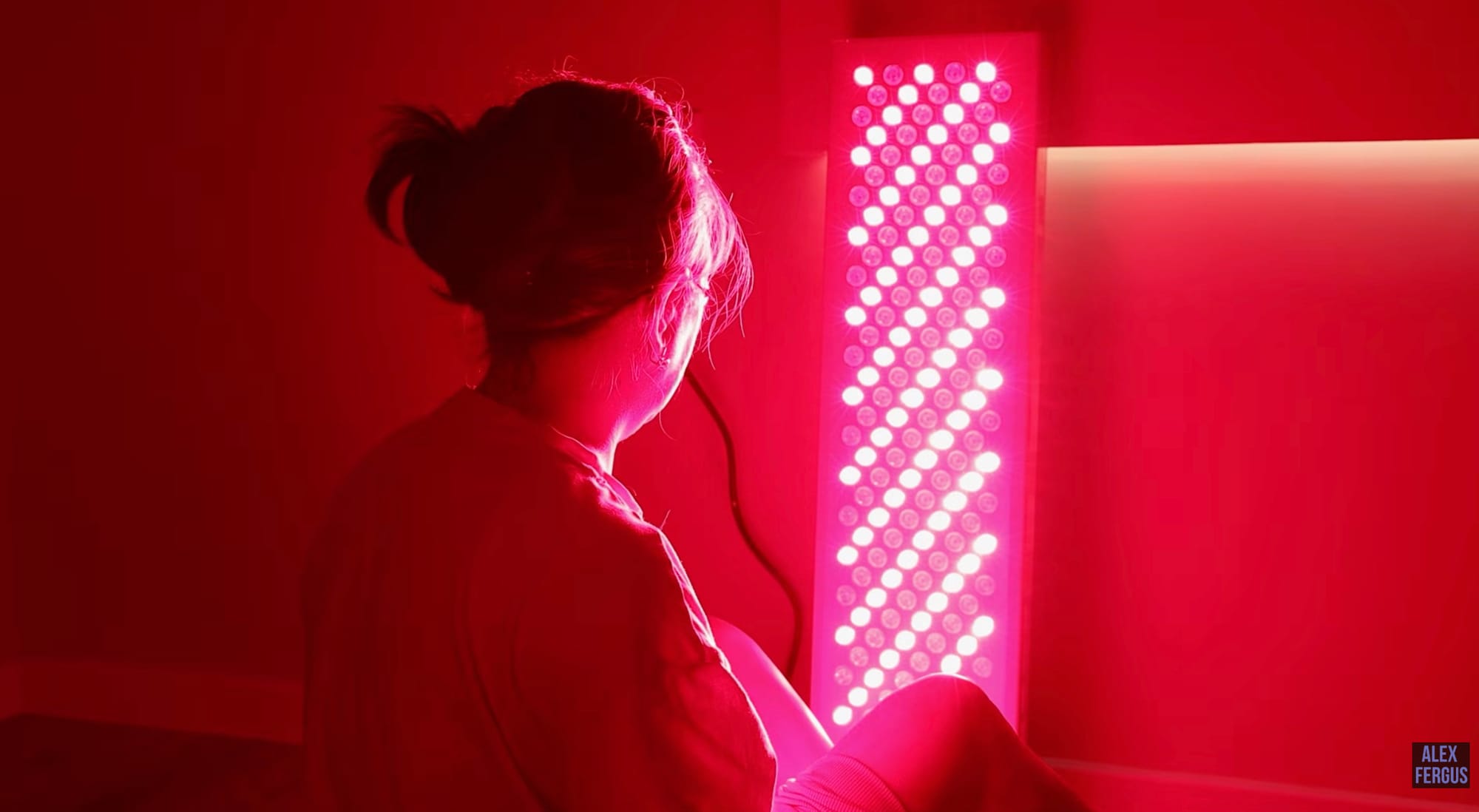
For example, a panel producing roughly 90 mW/cm² at six inches may deliver closer to 60 mW/cm² at twelve inches. That lower intensity is often perfectly appropriate while simultaneously providing much better body coverage.
A more powerful panel therefore gives you more options. You can always reduce your dose by increasing your distance, but you can't make an underpowered panel produce significantly more light than it's capable of delivering. Assuming two devices are otherwise similar in quality, the more powerful option generally offers greater versatility.
Myth #2: Everyone Only Needs a Red Light Therapy Panel
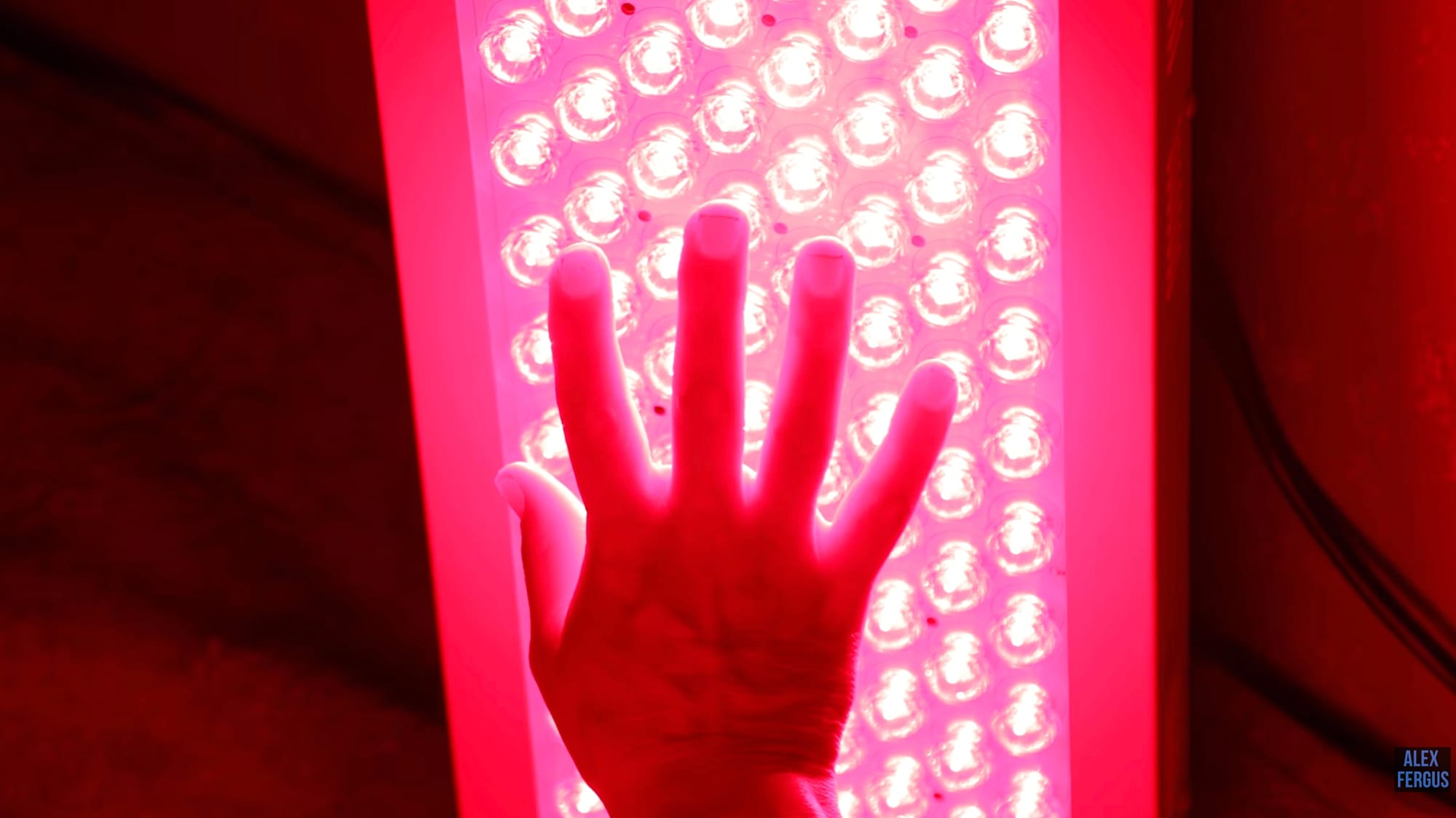
Panels remain my favorite recommendation for most people because they provide an excellent balance between treatment area, versatility, and value. For general wellness and full-body applications, they're difficult to beat.
However, that doesn't mean they're always the best solution.
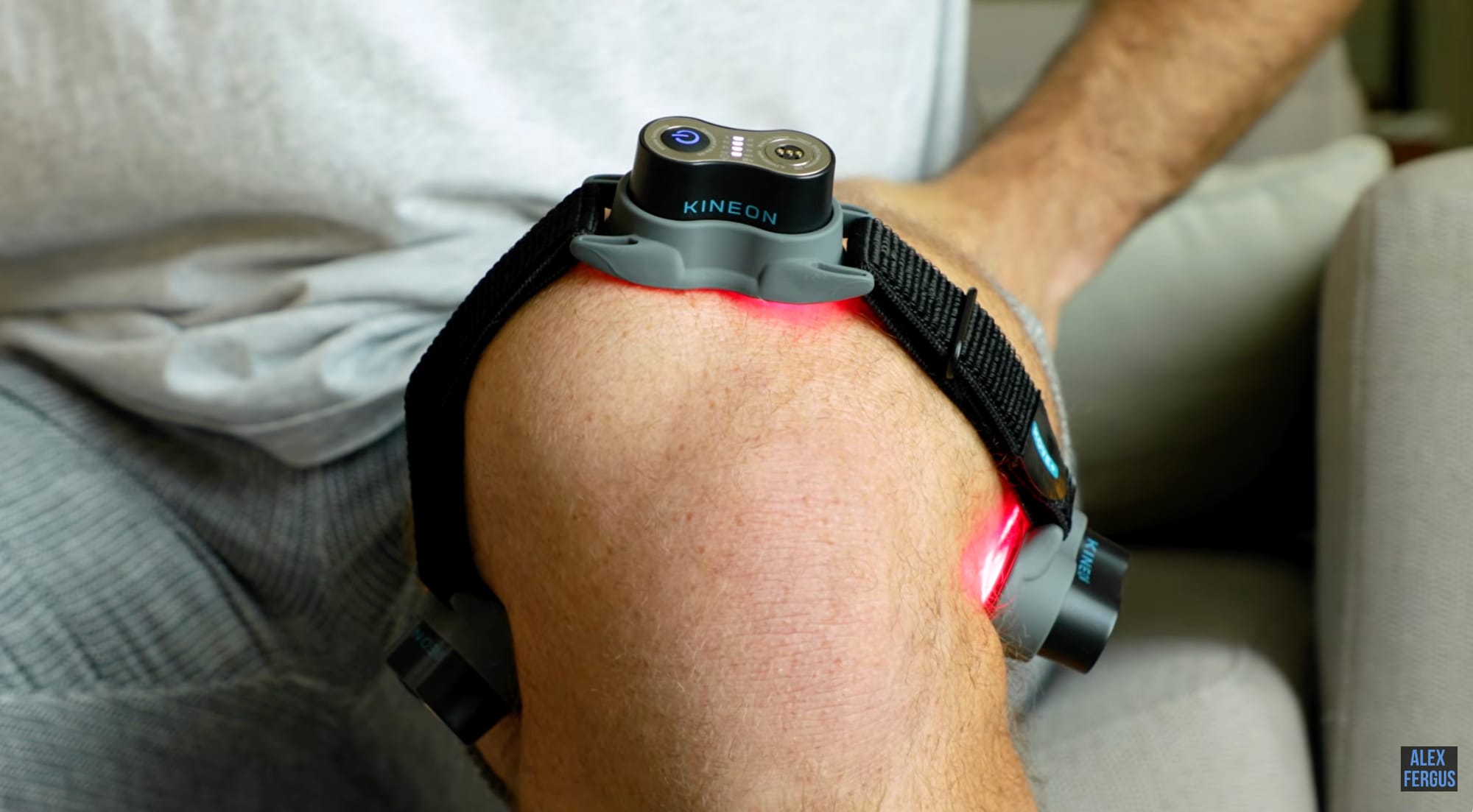
Someone treating a neurological condition may benefit more from a dedicated brain photobiomodulation device. Someone with chronic knee or elbow pain may find a wearable joint device far more convenient than standing in front of a panel every day. If your primary goal is improving facial skin, an LED face mask may be a better tool because it conforms closely to the face's contours.
Every device category has strengths and weaknesses. Rather than asking, "What's the best red light therapy device?" the better question is, "What's the best device for my specific goal?"
Panels remain the most versatile option for most users, but specialized devices often outperform them in specialized applications.
Myth #3: You Only Need 660nm and 850nm
This is one of the biggest debates in photobiomodulation.
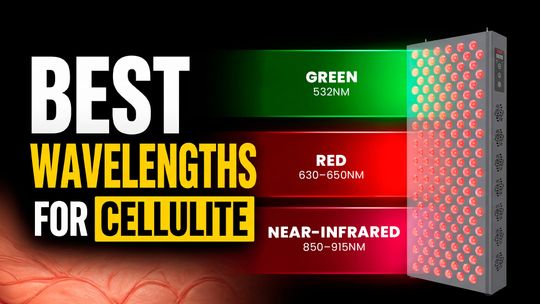
Many companies promote 660nm red light and 850nm near-infrared light as though they're the only wavelengths that matter. While those wavelengths certainly have strong scientific support, they're far from the entire story.
Different wavelengths interact with tissue differently, and researchers have studied many others, including 630nm, 810nm, 820nm, and wavelengths above 900nm. In many cases, the available research simply hasn't directly compared one wavelength to another, making absolute claims difficult to justify.
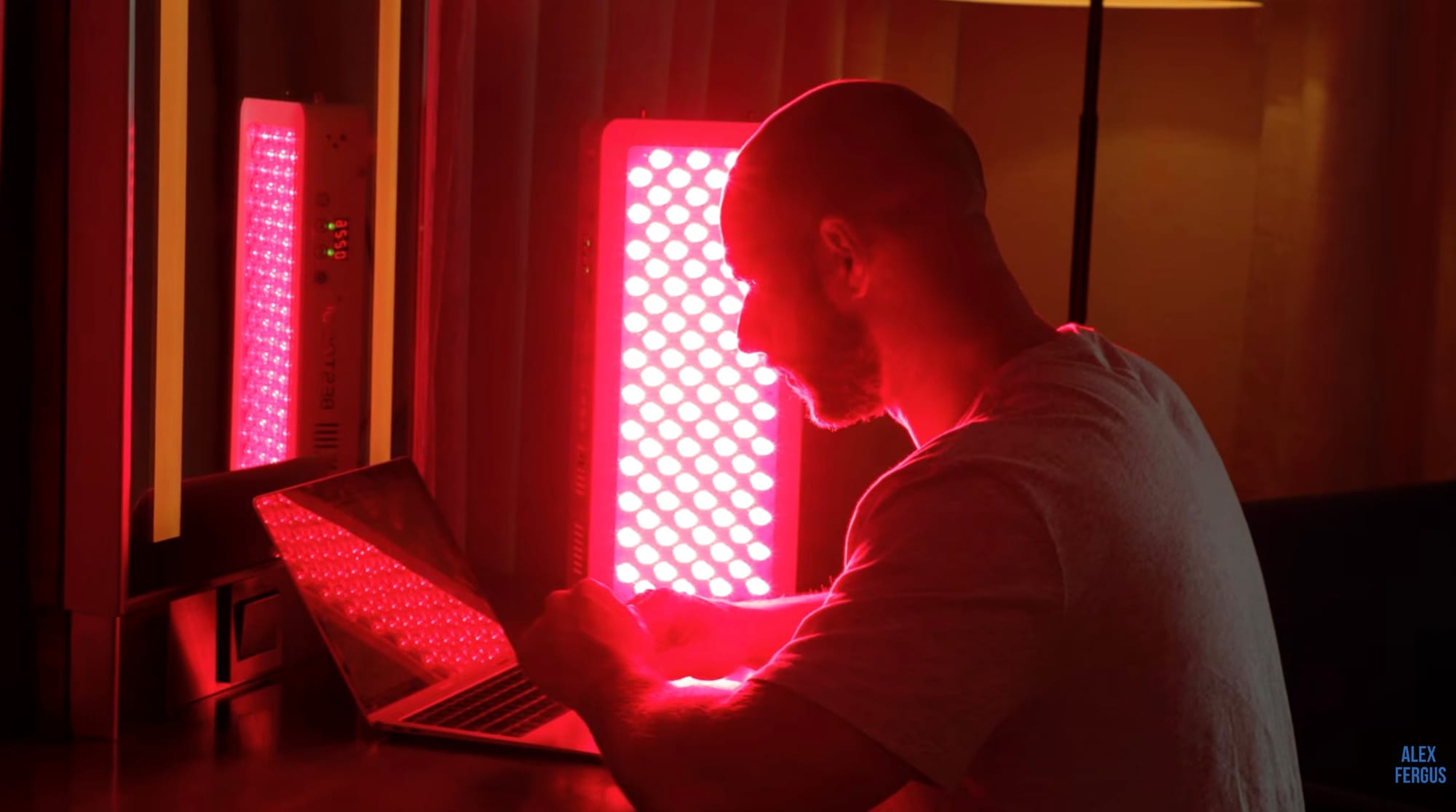
From an evolutionary perspective, sunlight contains a broad spectrum of wavelengths rather than only two narrow peaks. Likewise, different biological mechanisms—including mitochondrial activity, ion channels, and various growth factors—may respond differently across the light spectrum.
That doesn't automatically mean that "more wavelengths are always better." Simply adding tiny amounts of several wavelengths can become little more than a marketing gimmick. What matters is meaningful coverage of those wavelengths, along with proper LED design and sufficient power distribution.
Ultimately, the best wavelength choice depends on your intended application and, whenever possible, should align with the wavelengths used in the clinical studies for that particular condition.
Myth #4: Red Light Therapy Should Never Produce Heat
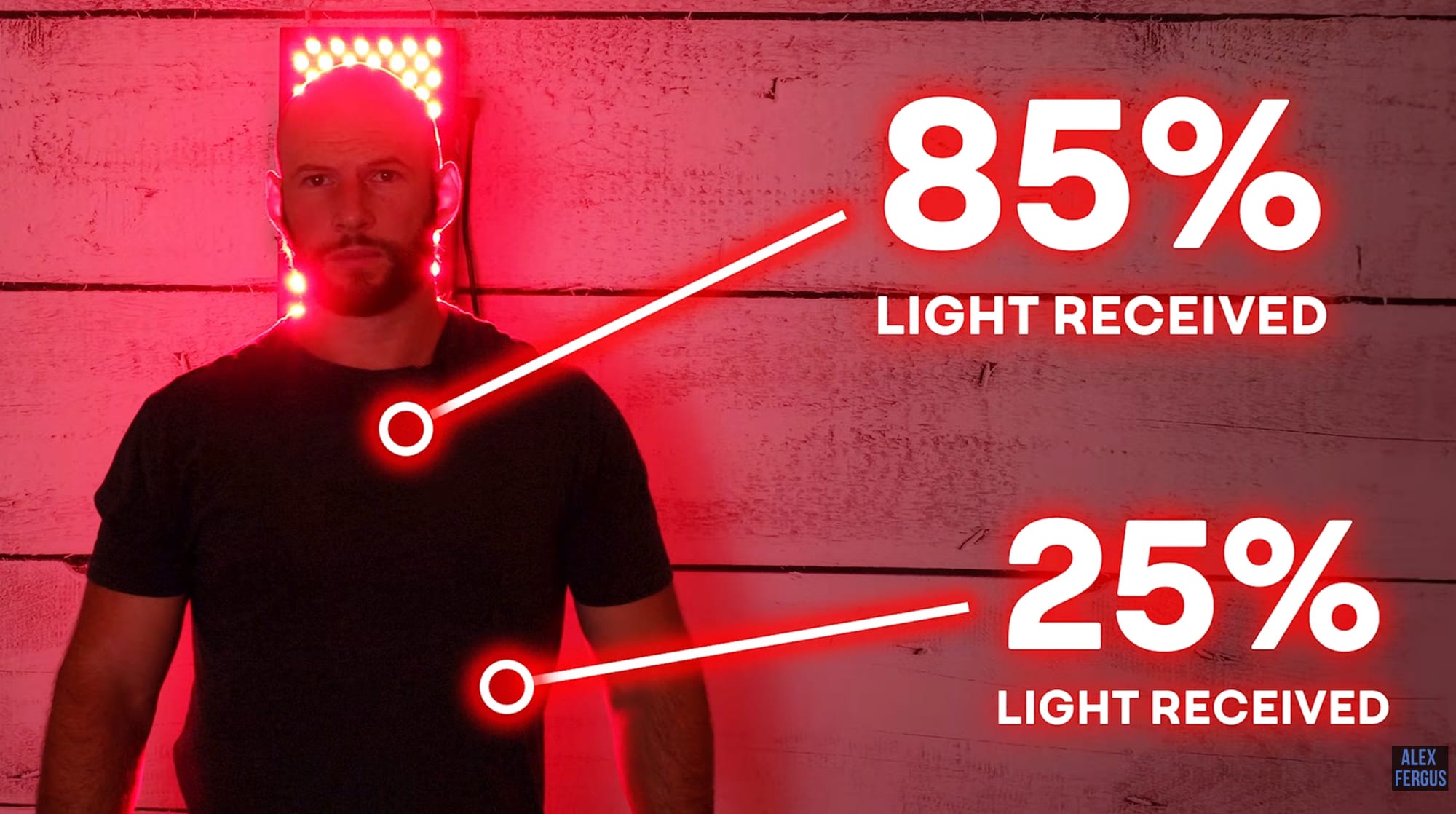
Many people believe that red light therapy should be completely non-heating. In reality, that's physically impossible.
Every photon absorbed by tissue produces at least some heat. The question isn't whether heat exists—it's how much.
With the vast majority of consumer LED panels, the amount of heat generated remains modest and well within a comfortable range. If tissue becomes excessively warm, your body's natural response is simply to move away from the light source.
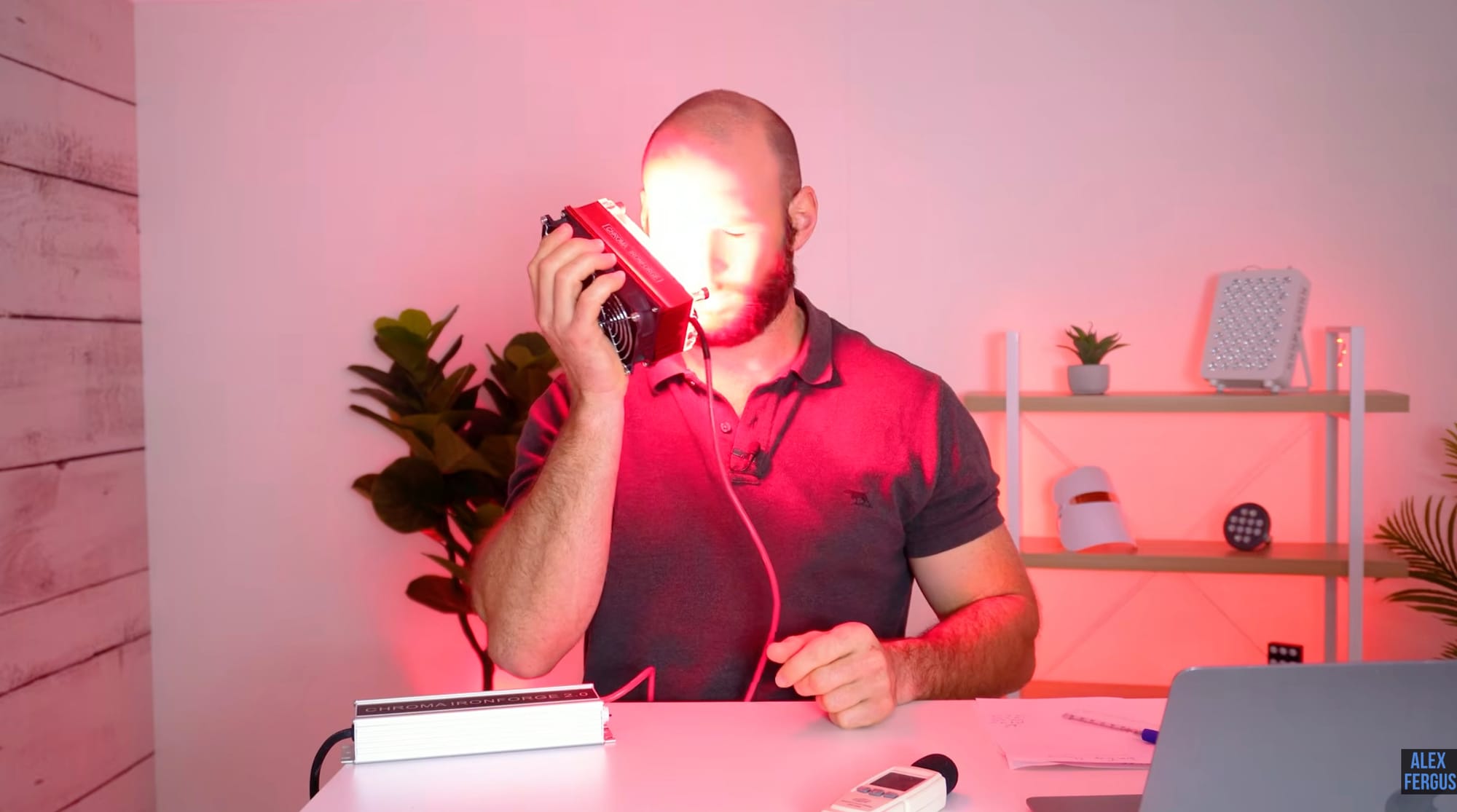
High-powered lasers are a different story. These devices can absolutely overheat tissue if used incorrectly, which is why they require careful application. Similarly, very powerful handheld devices shouldn't be left motionless on one spot for extended periods.
It's also important to understand that feeling more heat doesn't necessarily mean you're receiving a better treatment. Many LED face masks produce only minimal warmth yet still deliver an appropriate dose for skin rejuvenation. The goal isn't maximum heat—it's the correct dose of light.
Myth #5: A Small Device Can Easily Treat Your Whole Body
Technically, it's possible to treat your entire body using a handheld device or tabletop panel.
Practically, it's extremely time-consuming.
Treating one area for five to ten minutes before moving on quickly adds up. The chest, shoulders, arms, legs, back, and other body regions may require several hours to complete in a single session.
For localized problems, a handheld device makes perfect sense. If you only have shoulder pain, why purchase a full-body panel?
However, if your goal is systemic or whole-body treatment, a larger wall panel or multi-panel setup becomes dramatically more efficient. Most experienced users eventually move toward larger systems simply because they save significant time while treating much more of the body at once.
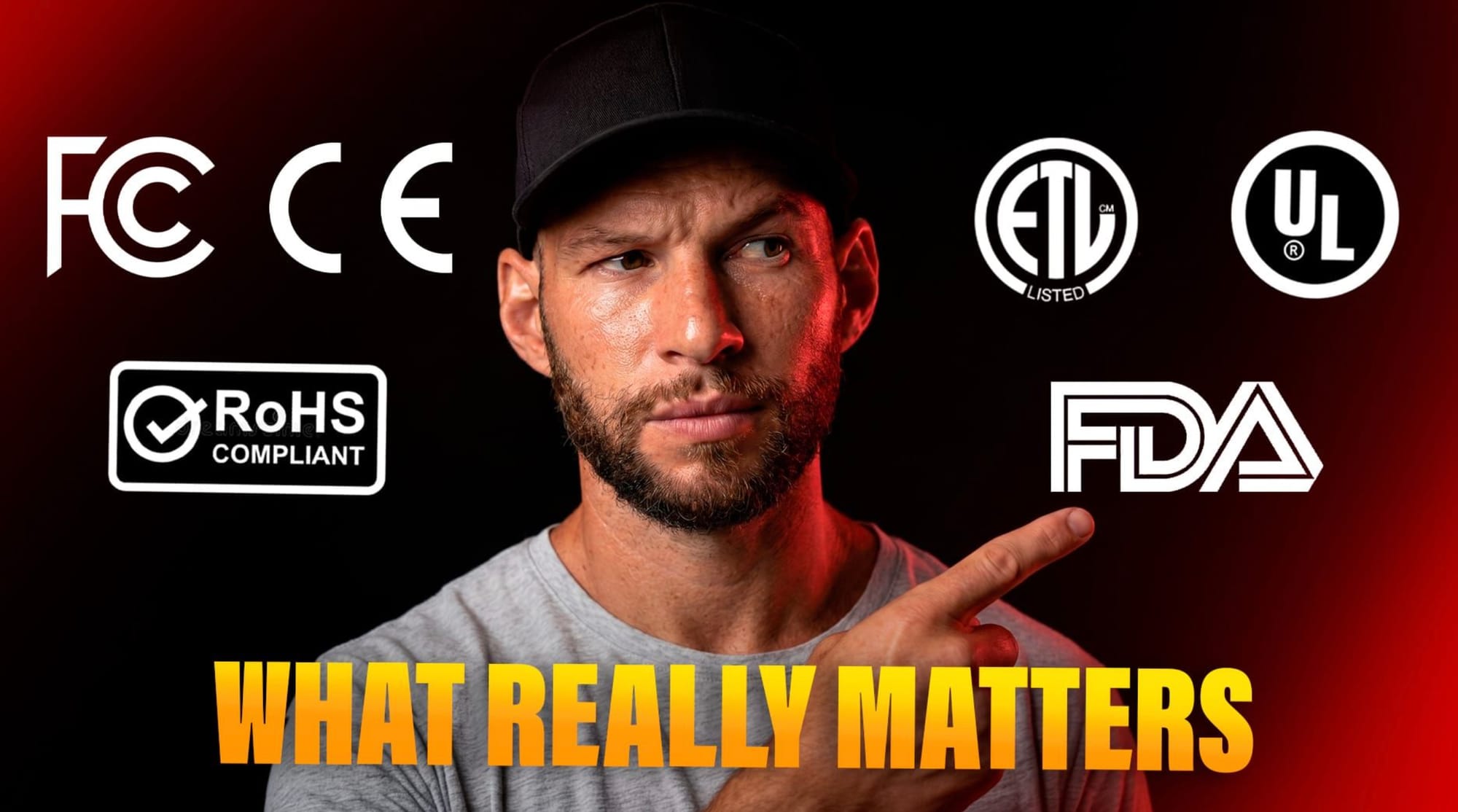
Myth #6: FDA Clearance Means It's Automatically a Great Device
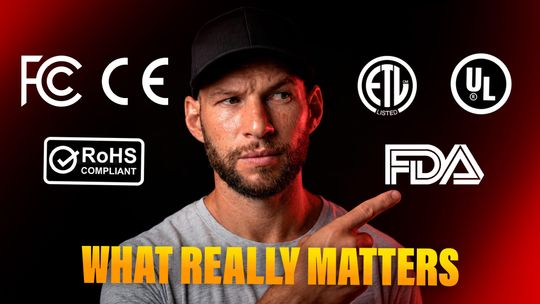
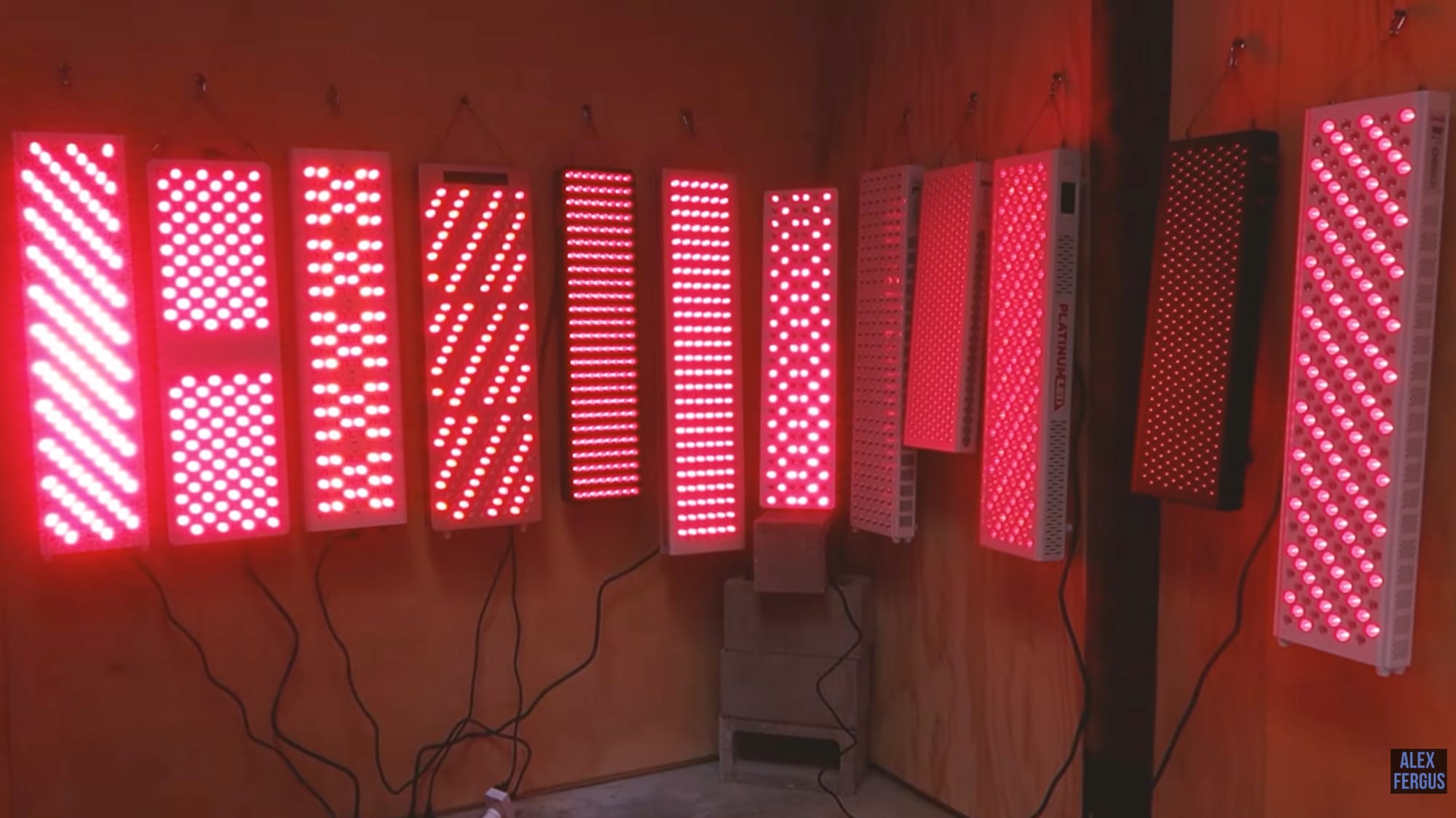
FDA clearance is often treated as a badge of quality, but it's only one small piece of the puzzle.
A label alone doesn't tell you how much light a device produces, what wavelengths it actually emits, how evenly it distributes that light, or how large the effective treatment area is.
Those measurable characteristics matter far more than marketing labels.
That's why independent third-party testing is so valuable. Measuring irradiance, wavelength accuracy, beam profile, treatment area, and other objective specifications provides far more useful information than relying solely on certifications or regulatory language.
Rather than focusing exclusively on labels, look for transparent testing and real performance data.
Myth #7: Red Light Therapy Works Instantly
Some people notice immediate benefits after a session. They may feel more relaxed, experience temporary pain relief, or sleep better that evening.
But those immediate effects shouldn't be confused with the long-term biological changes that photobiomodulation can produce.
Many of the improvements reported in clinical studies occur after weeks or months of consistent use. Just as you wouldn't expect dramatic results after one workout or a single day on a healthier diet, you shouldn't expect red light therapy to completely transform your health overnight.
Consistency is where the real benefits develop.
Long-term studies remain relatively limited because they're expensive to conduct, but the evidence we do have suggests that improvements often continue building over extended periods. Patience, realistic expectations, and regular treatment are usually far more important than chasing instant results.
Final Thoughts
The world of red light therapy is filled with oversimplified advice, but the reality is far more nuanced. More power isn't automatically bad. Panels aren't always the right answer. Two wavelengths don't explain the entire science. Heat isn't inherently harmful, certifications don't guarantee quality, and meaningful results often take time.
Understanding these nuances will help you choose the right device, use it more effectively, and avoid many of the mistakes that persist across the industry. As the research continues to evolve, the best approach remains the same: follow the evidence, question common assumptions, and focus on what the science actually shows.
Additional Resources
⭐ Mask Comparison Tool & Buyers Guide: https://aferg.co/mask-tool
⭐ Light Therapy Insiders – “Help Me” Shopping Tool 👉 http://aferg.co/help
⭐ The shopping tool: https://aferg.co/shopping⭐ Red Light Therapy
Found This Interesting? Look At These Articles:
🔴 How Red Light Therapy Burns Body Fat: Resting Metabolic Rate Boost In New Study!
🔴 Is Red Light Therapy Safe for Your Eyes?
🔴 Red Light Therapy For Stroke Recovery: Hopeful, But More Research Is Needed...
🔴 Red Light Therapy for Cognitive Performance: Exciting New Science and Practical Guidance
You May Like These Videos:
🔴 Red Light Therapy For Hair Regrowth: HUGE 6-Month Test!
🔴 Best LED Face Mask For Acne: The Wavelength Most Companies Get Wrong
🔴 Best 1064nm Red Light Panel? Helio Glow Review & Lab Results
🔴 What LED Mask Should I Buy in 2026? My Top Recommendations
Bart's Bio:
This is a post by Bart Wolbers. Bart finished degrees in Physical Therapy (B), Philosophy (BA and MA), Philosophy of Science and Technology (MS - with distinction), and Clinical Health Science (MS), has had training in functional medicine, and is currently head researcher at Lighttherapyinsiders.com