
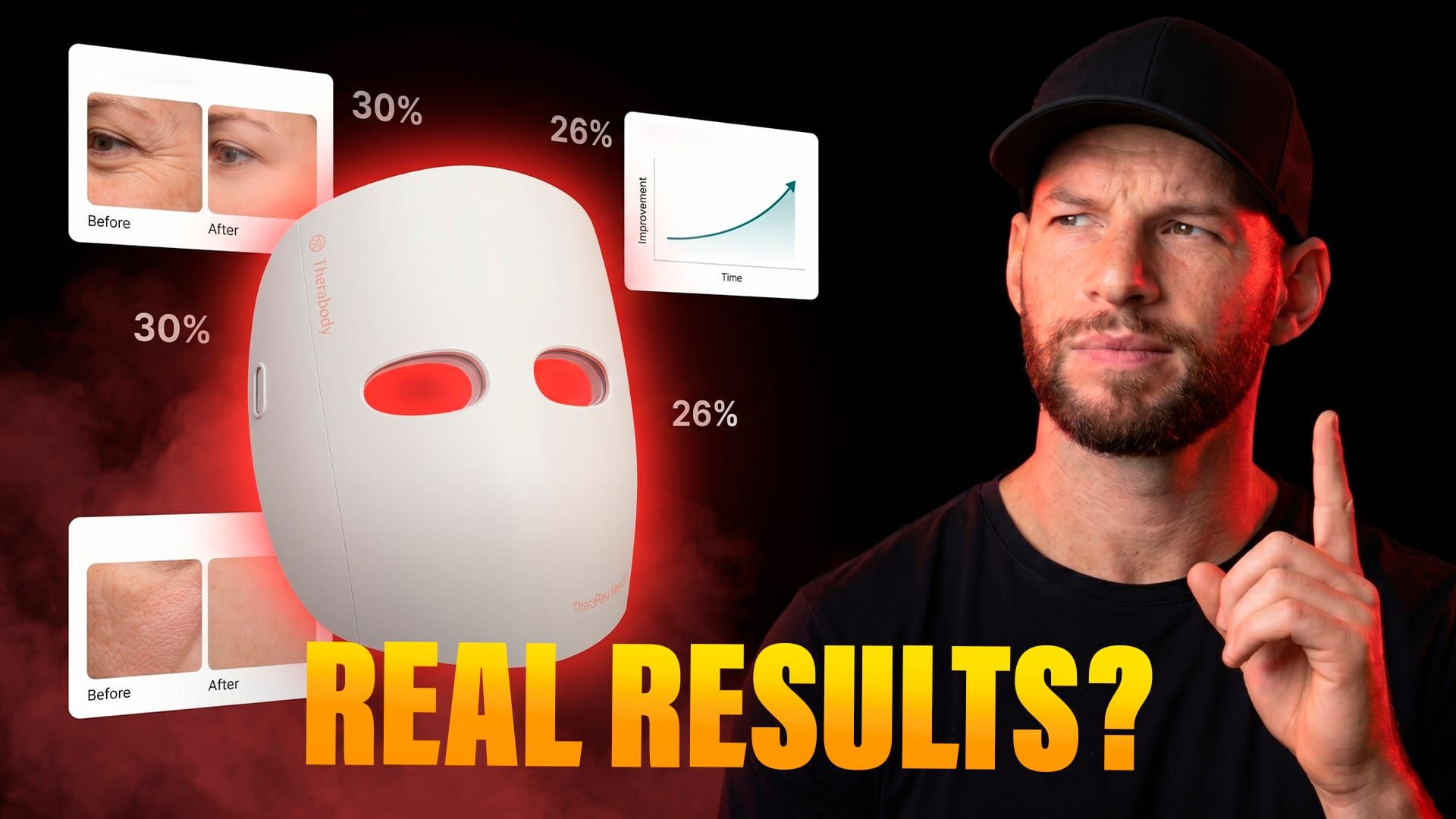
Every red light therapy mask company seems to have the same marketing photos. Wrinkles appear softer, skin looks brighter, pores seem smaller, and the promise is usually that visible improvements can be achieved within weeks. The problem is that marketing images are often difficult to evaluate objectively. Differences in lighting, camera angles, makeup, skincare products, and image editing can all influence the final result.
That raises an important question: do red light therapy masks actually work, or are the before-and-after photos mostly marketing?
To answer that question, I reviewed scientific studies involving red light therapy masks that included before-and-after images and objective measurements. Some of the evidence is stronger than others, some studies have important limitations, and not every result is as dramatic as marketing departments would like you to believe. However, when you consider the totality of the evidence, a clearer picture emerges of what red light therapy masks can realistically achieve.
Study 1: Improved Skin Brightness After Three Weeks
The first study was a case study involving a single participant who used a mask containing 650nm red light and 840nm near-infrared light. By today's standards, the device was relatively modest, containing only 72 LEDs, which is significantly fewer than many modern masks currently available.
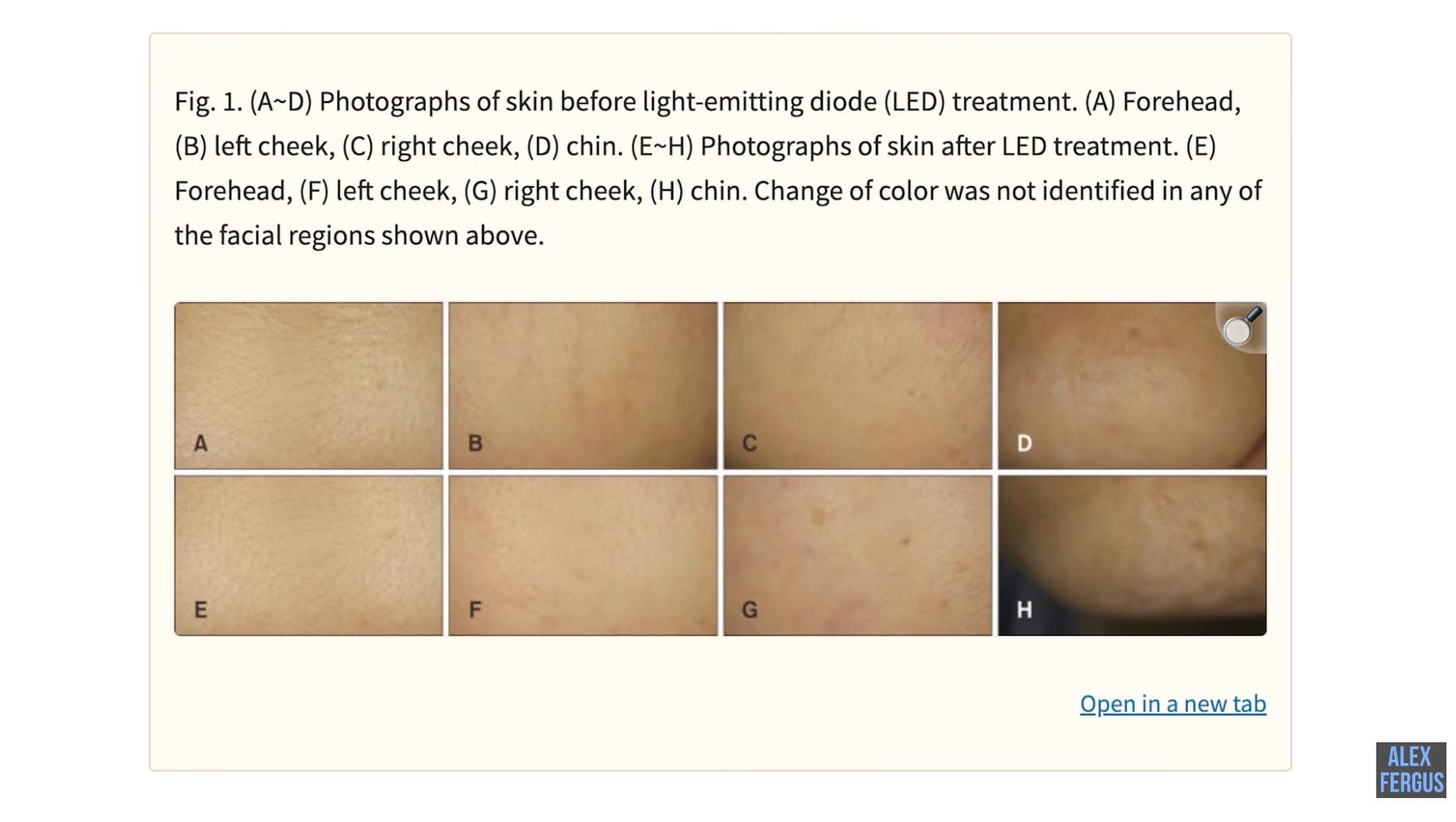
The participant used the mask for 20 minutes per day over a three-week period. Researchers photographed the forehead, cheeks, and chin using controlled camera settings before and after treatment. Rather than relying solely on visual observations, they also used scientific measurements designed to quantify changes in skin brightness.
The results showed improvements in skin brightness after the three-week treatment period. The before-and-after photographs also appeared to support the measured changes, with the participant's skin looking brighter and more even at the conclusion of the study.
At the same time, it is important to recognize the limitations of this research. Because only one individual participated, there was no control group, no randomization, and no way to determine whether the same results would occur across a larger population. While the findings are encouraging, this study should be viewed as early evidence rather than definitive proof that all red light therapy masks will produce similar outcomes.
Study 2: A Controlled Trial Looking At Crow's Feet Wrinkles
A much stronger study was published in 2025 and investigated whether a mask emitting 630nm red light and 850nm near-infrared light could improve crow's-feet wrinkles around the eyes.
The study involved 60 women and followed participants for 16 weeks. Importantly, researchers divided participants into two groups. One group received treatment from an active LED mask, while the other used a sham device. This design helps separate genuine treatment effects from placebo responses.
Researchers measured changes using established wrinkle grading systems, investigator assessments, and independent evaluations. Rather than relying on subjective opinions, they used standardized methods designed to evaluate skin aging and wrinkle severity.
The results were impressive. Improvements were observed at eight weeks, continued at twelve weeks, and became even more apparent after sixteen weeks. Several before-and-after examples showed participants moving from higher wrinkle severity scores to noticeably lower scores.
One participant improved from a crow's feet score of two to one, while other participants improved from three to one. Although these changes were not equivalent to cosmetic surgery or injectables, they represented meaningful improvements in skin appearance.
Perhaps the most important finding was that improvements occurred across the treatment group as a whole. Individual photographs can sometimes be misleading or cherry-picked, but when a large percentage of participants experience measurable improvements while the control group experiences far smaller changes, it becomes much harder to dismiss the results.
The researchers concluded that the combination of 630nm red light and 850nm near-infrared light was safe, well-tolerated, and effective for skin rejuvenation.
Study 3: The Dior LED Mask Study
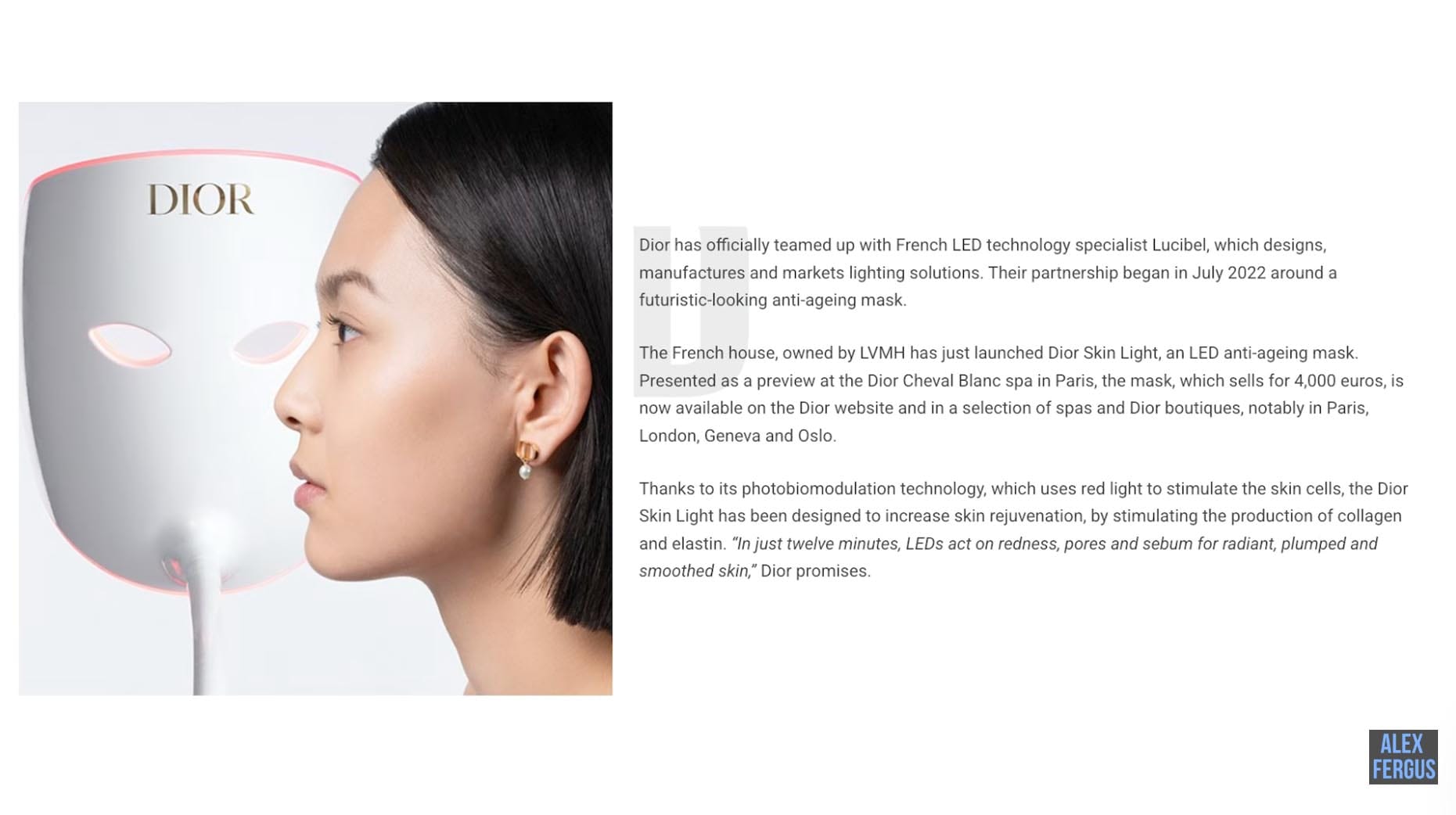
One of the most widely discussed LED mask studies involved the Dior x Lucibel mask, a luxury device that emits 630nm red light.
Participants used the mask twice per week for three months, with each session lasting approximately twelve minutes. The researchers evaluated numerous skin parameters, including crow's feet depth, skin firmness, dermal density, cheek roughness, pore diameter, elasticity, sebum production, and skin tone.
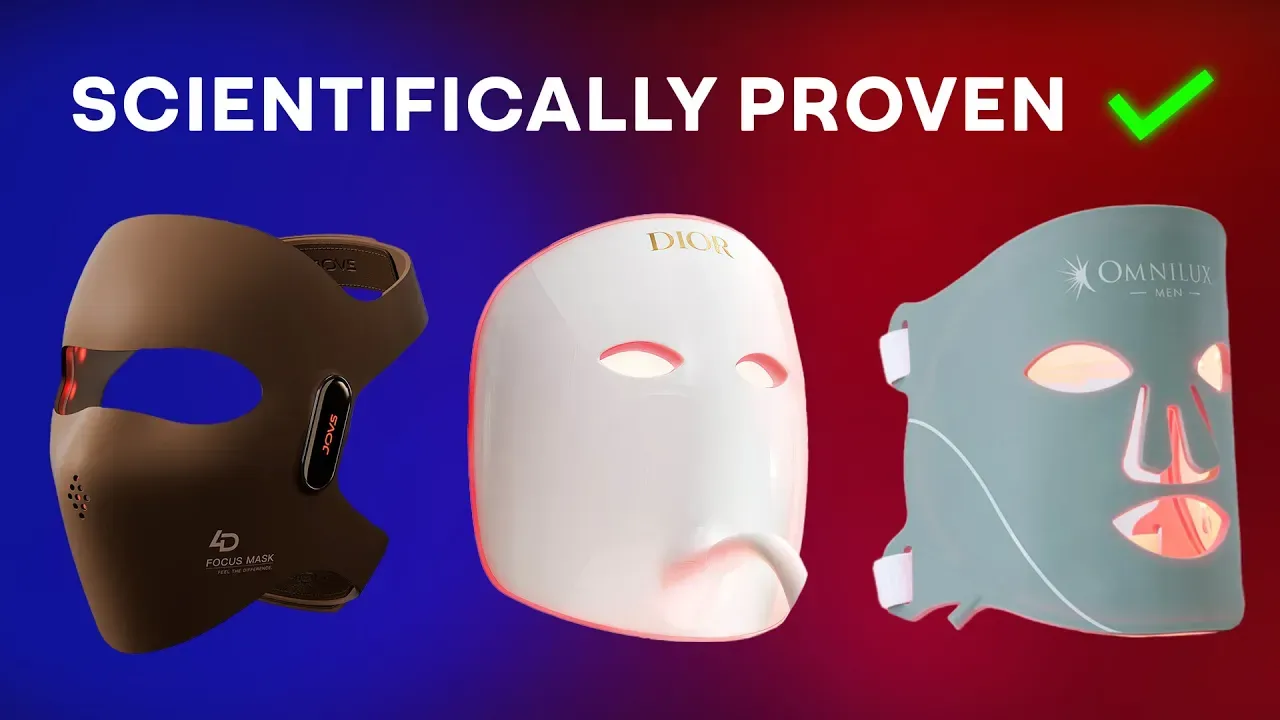
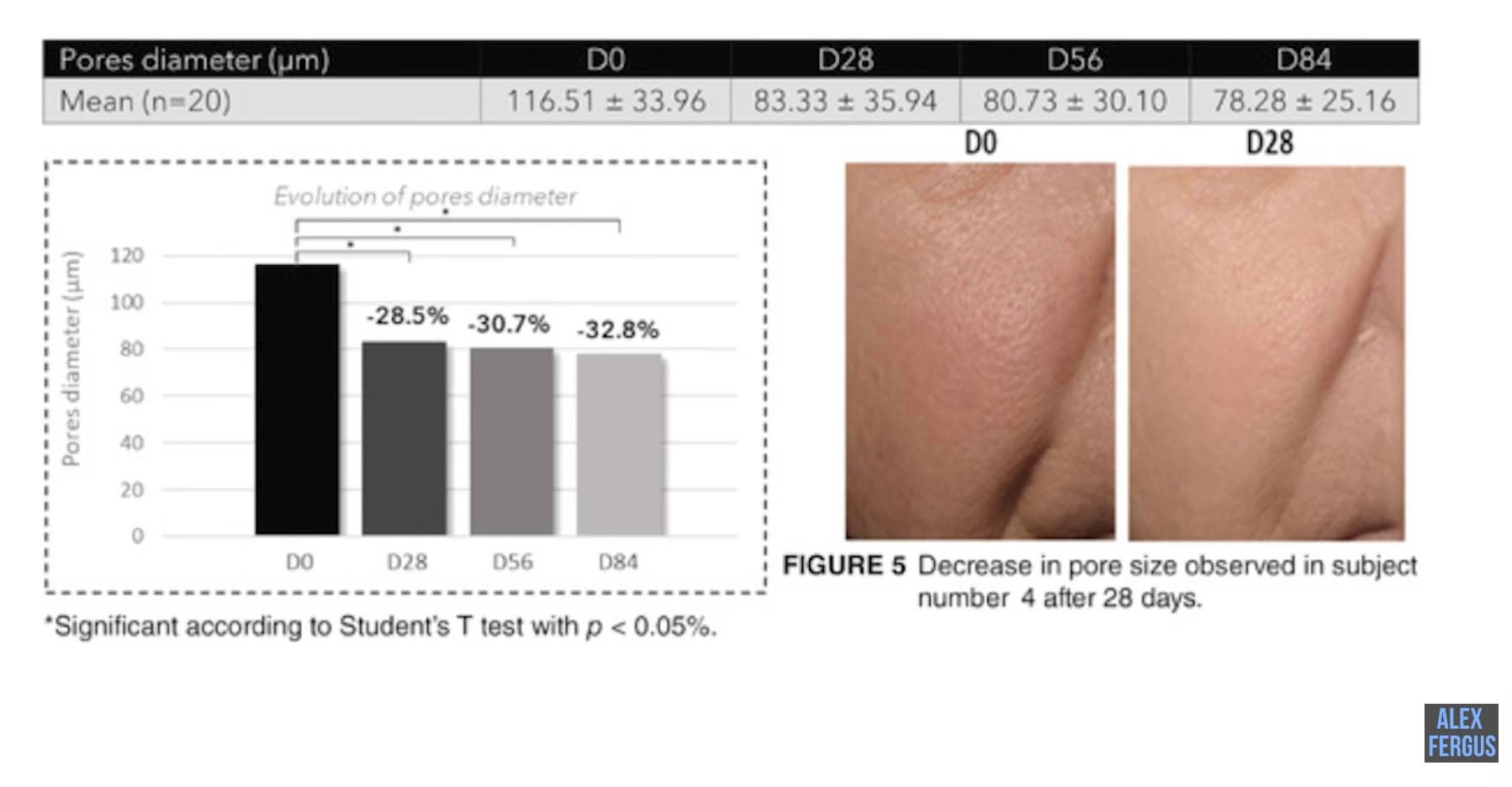
The reported results were significant. After one month, researchers observed a 15.6% reduction in crow's feet wrinkle depth, a 26.4% increase in dermal density, a reduction in cheek roughness, and a substantial decrease in pore diameter. Sebum levels also decreased considerably during the study period.
As treatment continued, additional improvements were observed in skin elasticity and overall skin tone. By the end of the three-month study, multiple measurements had improved relative to baseline.
The before-and-after photographs appeared to support the objective findings. Wrinkles around the eyes looked softer, skin texture appeared smoother, and pores appeared less prominent. These were not dramatic transformations, but they were noticeable improvements that aligned with the measured data.
However, this study also highlights the importance of maintaining a healthy degree of skepticism. The results were extremely positive, and the device being studied was an expensive luxury-branded product. Whenever a study focuses on a specific commercial device, it is worth examining funding sources, conflicts of interest, and whether independent researchers can replicate the findings.
That does not mean the results are invalid. It simply means one study should not be viewed as the final word on whether red light therapy masks work.
Study 4: Recent Research Using Red And Amber Light
Another recently published study examined a mask that combined 660nm red light with 590nm amber light. Participants completed ten treatment sessions over four weeks, receiving a total dose of approximately 3.8 J/cm².
Researchers used scientific skin assessment tools to evaluate changes throughout the study. According to the published findings, wrinkle volume decreased by approximately 30% following treatment.
Not every measurement improved. The researchers reported no significant improvements in skin hydration or elasticity. However, the reduction in wrinkle volume provided additional evidence that photobiomodulation can create visible skin changes under the right conditions.
While the study was shorter than some of the others reviewed, it contributes another piece to the growing body of evidence supporting the use of light-based therapies for skin rejuvenation.
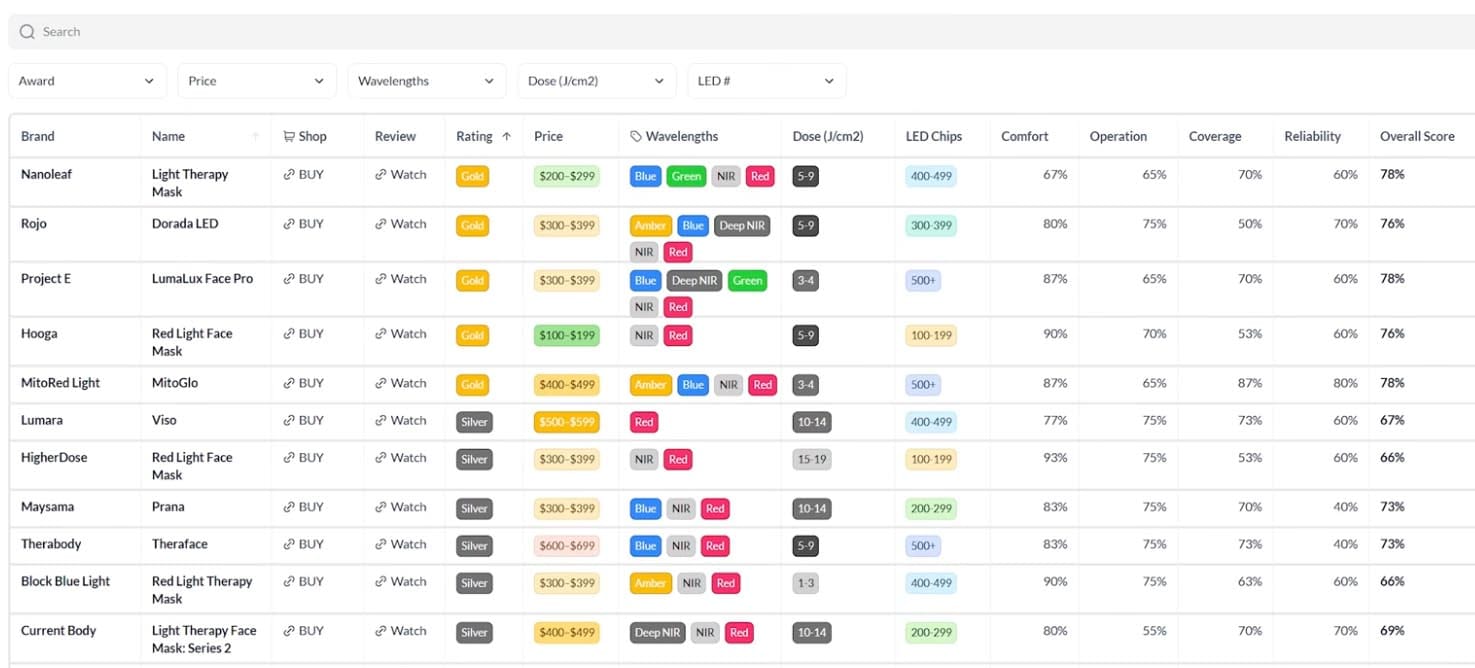
👆 View all my notes and data, or do a comparison between masks, check out my Mask Comparison Table. 👆Easy to use, links to reviews, all my notes (scorecard) on every mask I have reviewed, and more!
My Thoughts
After reviewing these studies, I think the evidence supports the idea that red light therapy masks can work for certain outcomes when used consistently and correctly.
The strongest evidence currently exists for improvements in wrinkles, crow's feet, skin texture, skin tone, and overall skin appearance. Multiple studies have demonstrated measurable changes, and several have included objective testing methods rather than relying solely on photographs.
At the same time, expectations need to remain realistic. None of these studies showed dramatic overnight transformations. The improvements generally occurred over weeks or months of consistent use, and the changes were typically subtle to moderate rather than life-changing.
This is where marketing often gets ahead of the science. A good red light therapy mask may help soften fine lines, improve skin quality, and enhance overall appearance, but it is not a replacement for cosmetic procedures, surgery, or injectables.
I also believe consumers should focus less on marketing images and more on fundamentals. The wavelengths used, the power output, the fit of the mask, the treatment schedule, and overall device design are far more important than polished advertising photos. A company can produce beautiful marketing images, but if the device is poorly designed, those images become largely irrelevant.
Conclusion
So, do red light therapy masks actually work?
Based on the studies reviewed here, the answer is yes. The evidence suggests that red light therapy masks can improve wrinkles, crow's feet, skin texture, skin tone, pore appearance, and overall skin quality when used consistently over time.
However, the effects are generally gradual rather than dramatic, and the device's quality matters considerably. The best results are likely to come from masks that use evidence-based wavelengths, deliver an appropriate dose of light, fit properly, and are used consistently for weeks or months.
Rather than chasing the most impressive before-and-after photo, consumers should focus on the underlying science and the device's quality. The research increasingly supports the idea that red light therapy masks can be effective, but choosing the right mask remains just as important as using it consistently.
Articles or Videos mentioned:
🔴 Light Therapy Mask Dosing Guide - Why Some Red Light Masks Are Useless:
🔴 Video on Dior Masks: LED Mask Benefits: SUPERB For Skin, Beauty & Anti-Aging?
🔴 How to Find YOUR Best Red Light Therapy Mask
🔴 Red Light Mask Buyer's Guide
🔴 Mask Comparison Tool
Alex's Bio
Alex Fergus wrote this blog post. Alex is an ISSN Sports Nutrition Specialist, Fitness Professional, and certified Superhuman Coach who continues to expand his knowledge base and help people worldwide with their health and wellness. Alex is recognized as the National Record Holder in Powerlifting and Indoor Rowing and has earned the title of the Australian National Natural Bodybuilding Champion. Having worked as a health coach and personal trainer for over a decade, Alex now researches all things health and wellness and shares his findings on this blog.