
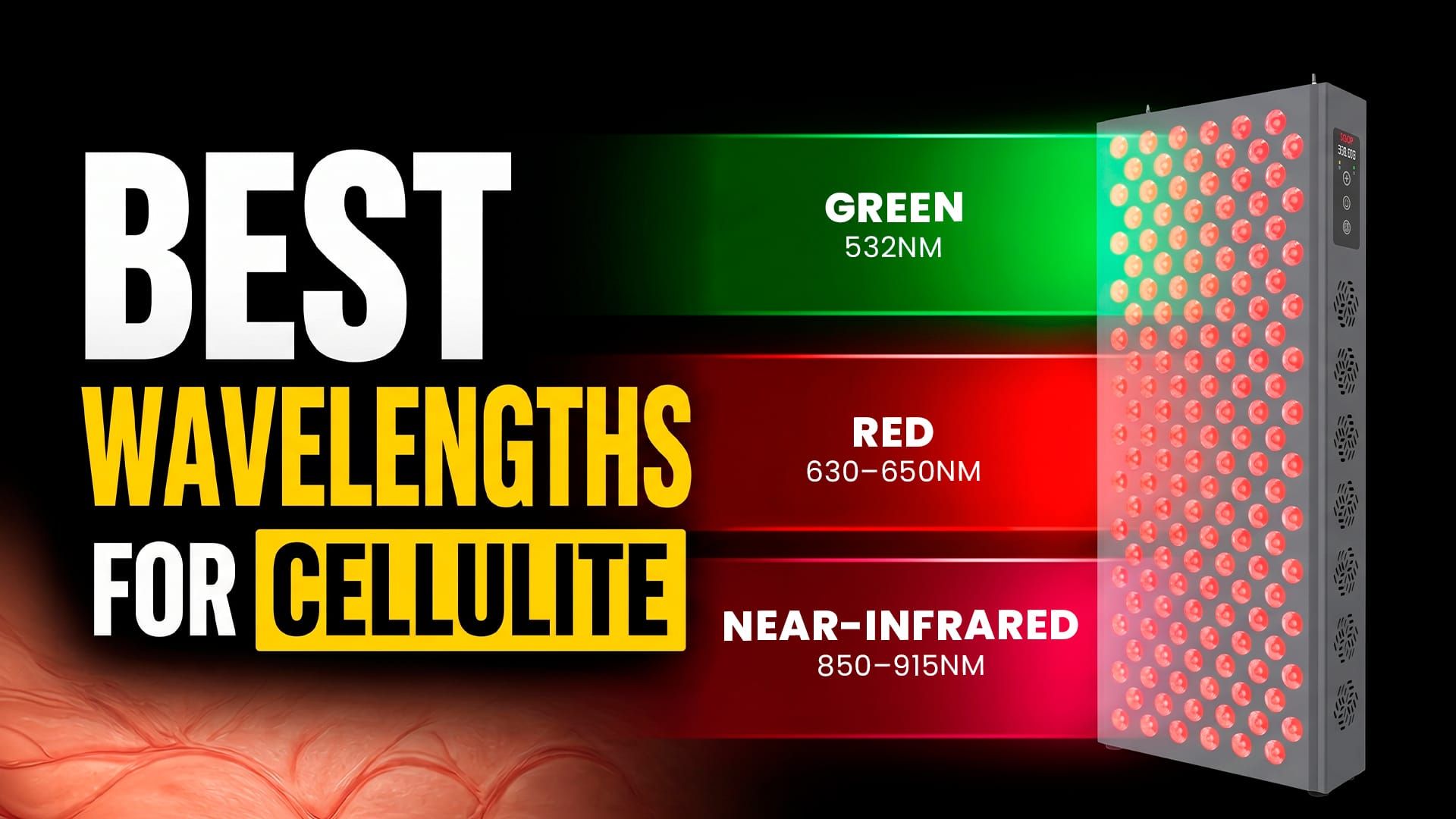
Why Cellulite Isn’t Just Cosmetic
Cellulite is often dismissed as a purely cosmetic issue, but the reality is very different. Around 80–90% of women post-puberty experience it, and it can have a real impact on confidence, self-image, and even quality of life.
There are studies showing that cellulite can lead to embarrassment, social withdrawal, and even perceived disadvantages in areas like hiring. In some populations, a large percentage of women report feeling shame or believing it’s their fault, which simply isn’t true.
The important point here is that while cellulite doesn’t indicate poor health, it absolutely affects how people feel in their own skin. That makes finding effective solutions worthwhile, even if the goal is “just” improving appearance.
Don’t Rely on Light Therapy Alone
Before even talking about devices, this needs to be clear: light therapy is not a magic fix.
Fat loss, hydration, avoiding smoking, and proper nutrition can significantly improve the appearance of cellulite. On top of that, things like retinol creams, caffeine-based topicals, collagen supplementation, massage, and even medical procedures all have evidence behind them.
What light therapy can do is act as a supportive tool, not a standalone cure. If you ignore everything else and rely only on light, you’re setting yourself up for disappointment.
The Problem With the Research
If you go looking for high-quality reviews on cellulite and light therapy, you’ll run into a frustrating issue. Many reviews are outdated, incomplete, or make claims without solid supporting data.
Some say it works. Others say it doesn’t. A few barely include any studies at all.
That’s why the only way to really understand what’s going on is to dig into the individual studies themselves. Even then, there are limitations, because most of them combine multiple treatments, making it hard to isolate what’s actually doing the work.
What the Studies Actually Show
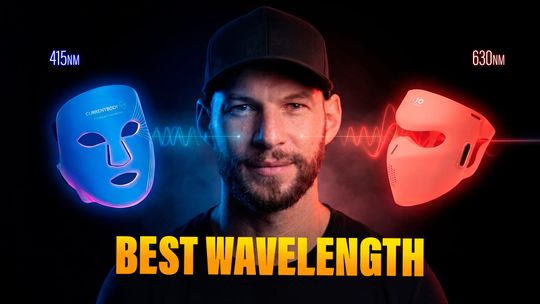
Red Light (630–650nm)
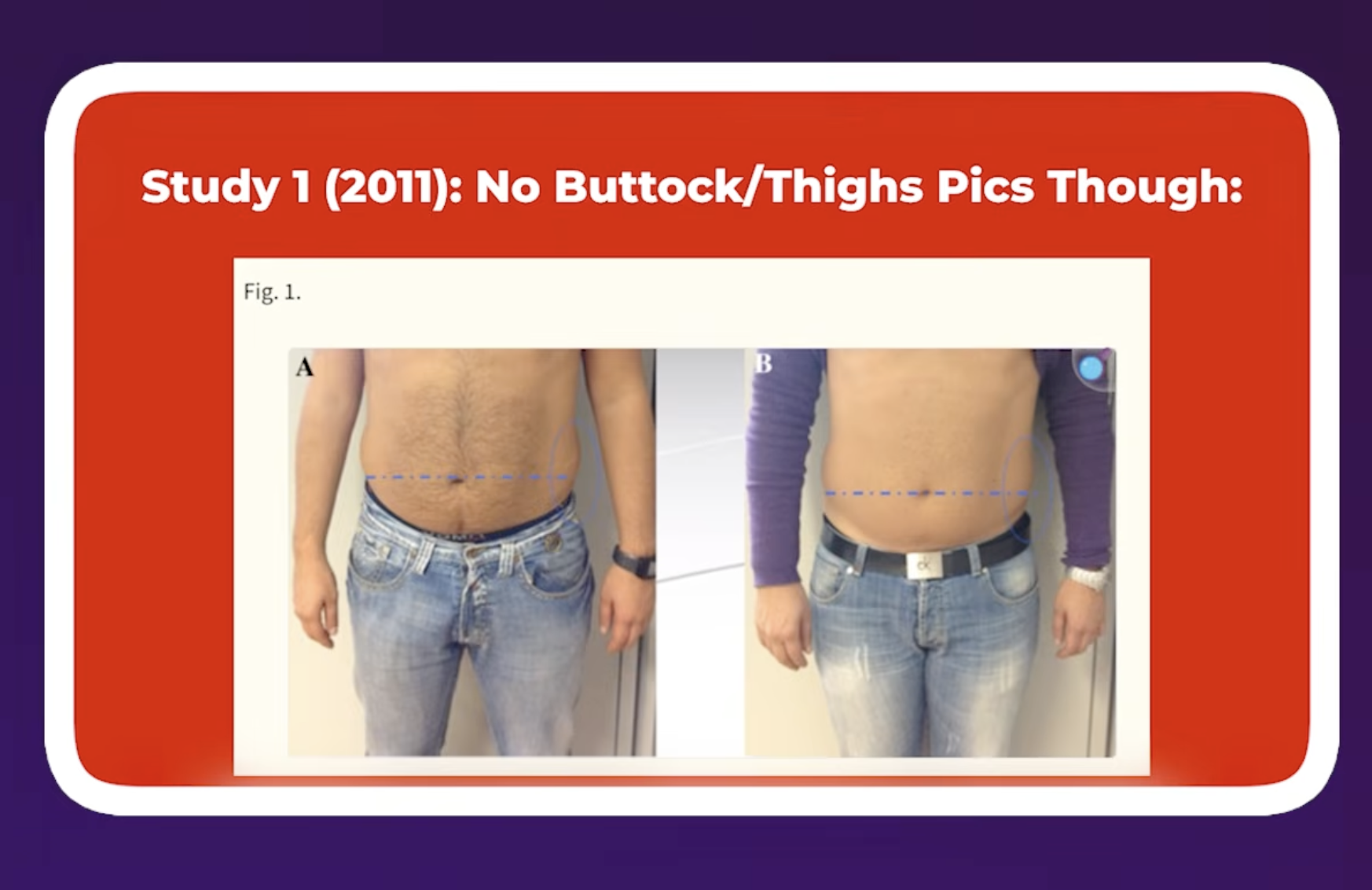
One of the more commonly used wavelengths is red light in the 630–650nm range. In one study, participants used red light combined with a vibration plate over several weeks.
The results showed strong satisfaction, improvements in muscle tone, and reductions in fat thickness. However, because two treatments were used together, it’s impossible to say how much of the effect came from the light itself.
Still, both participants and researchers observed positive changes, which is a strong signal that something is happening.
Red + Near Infrared (650nm + ~915nm)
Several studies combined red and near infrared light with massage devices. These showed measurable reductions in thigh circumference and visible improvements in cellulite appearance.
In one case, the treated area lost fat while the untreated area didn’t, which is interesting—but also problematic. Light therapy has systemic effects, so comparing one leg to the other isn’t a perfect setup.
Even so, the consistency across these studies suggests that combining wavelengths may be beneficial.
Red Light Alone (630–640nm)
There is also evidence that red light alone can improve the appearance of cellulite, even without fat loss.
In a study using a full-body light therapy bed along with a topical gel, participants saw visible improvements in skin grading, even though circumference didn’t change much.
This suggests that light therapy may influence skin quality and structure, not just fat.
Green Light (532nm)
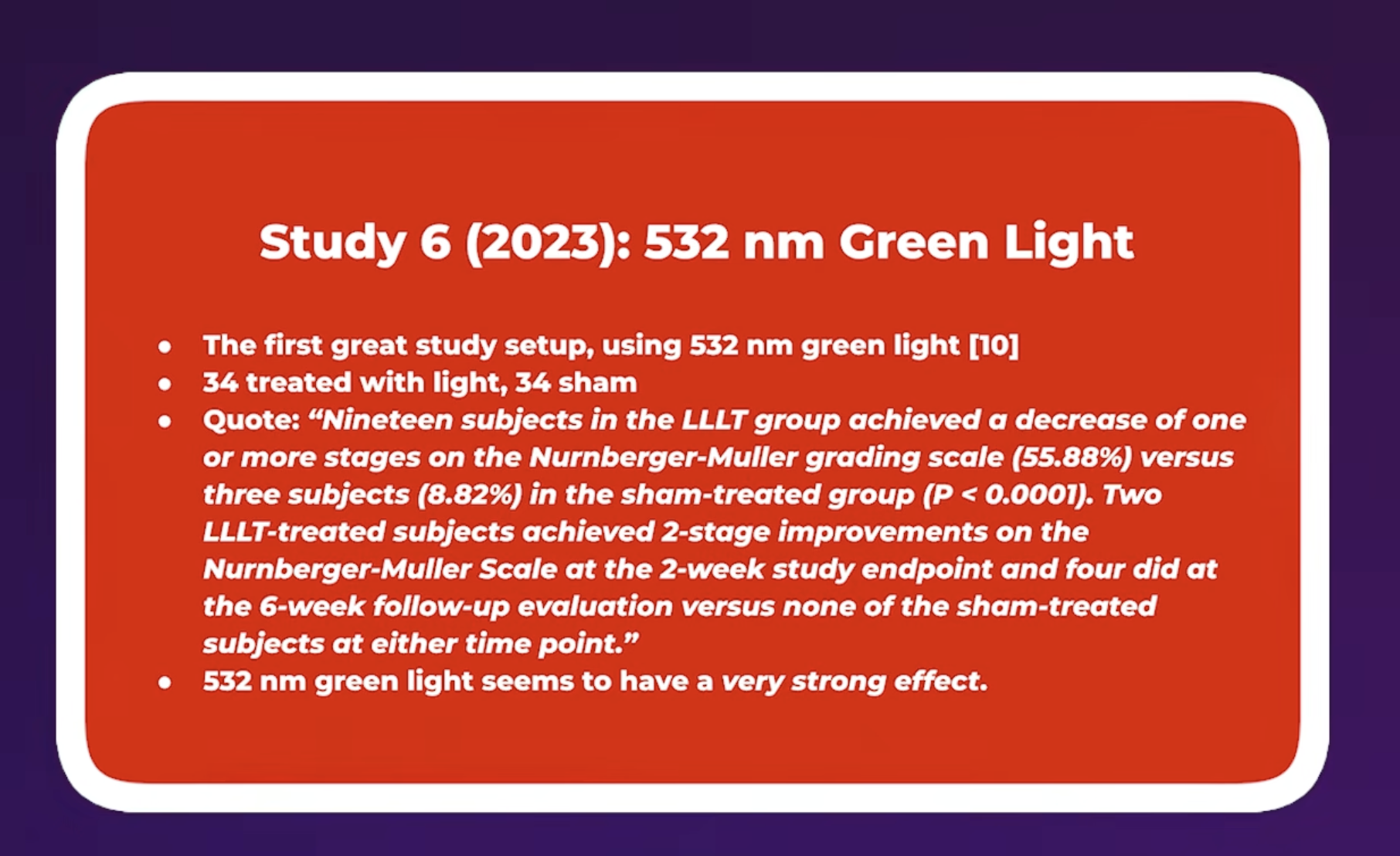
Green light is less talked about, but one study showed surprisingly strong results.
Participants receiving green light treatments experienced noticeable improvements in cellulite staging, with some even improving by two levels.
This is one of the cleaner studies in terms of design, making it particularly interesting despite being less commonly used in consumer devices.
Near Infrared (850nm)
Near infrared also showed positive effects, especially when combined with exercise.
Participants using 850nm light during treadmill sessions saw reductions in fat and improved appearance compared to controls.
This aligns with what we already know about NIR—it penetrates deeper and can influence tissues below the skin surface.
So… What Actually Works?
If you step back and look at all the data together, a clear pattern emerges.
Red light works. Near infrared works. Green light likely works as well. The problem is that we don’t yet have high-quality studies directly comparing them or testing optimal combinations.
That’s why the most logical takeaway is simple: instead of trying to perfectly match one study, it makes more sense to use devices that cover multiple useful wavelengths.
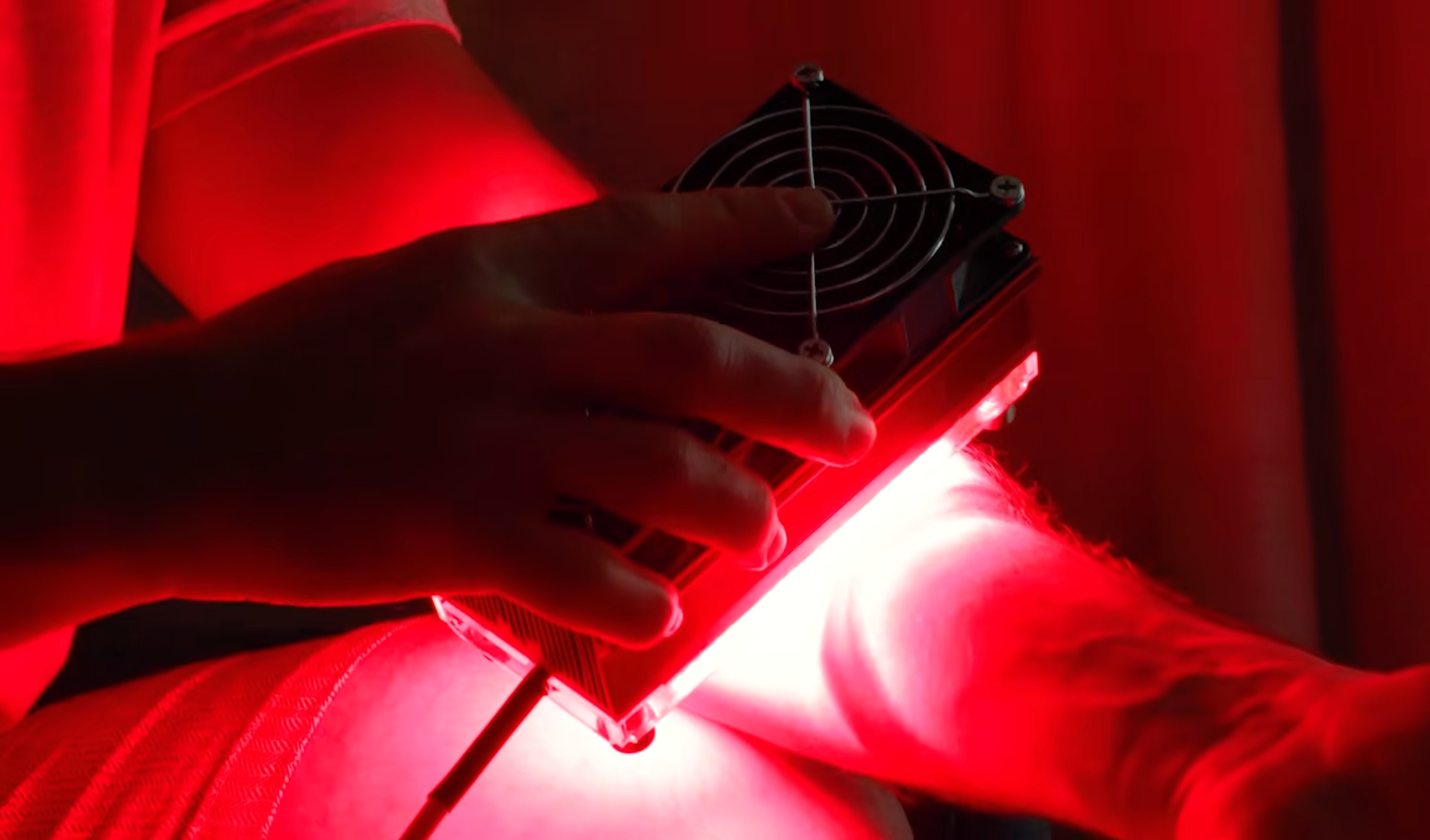
Best Device Types for Cellulite
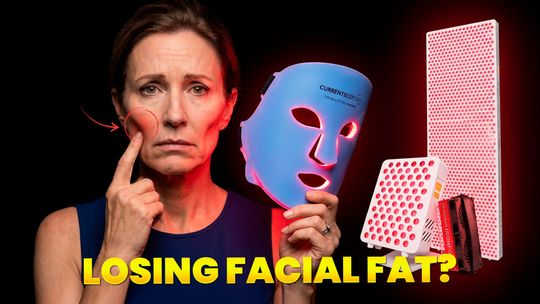
When it comes to choosing a device, size matters more than most people think.
Small handheld devices can work, but only for very small areas. Cellulite typically affects larger regions like thighs and hips, so coverage becomes critical.
The most practical options are:
- Tabletop panels
- Full-body panels
- Wall-mounted systems
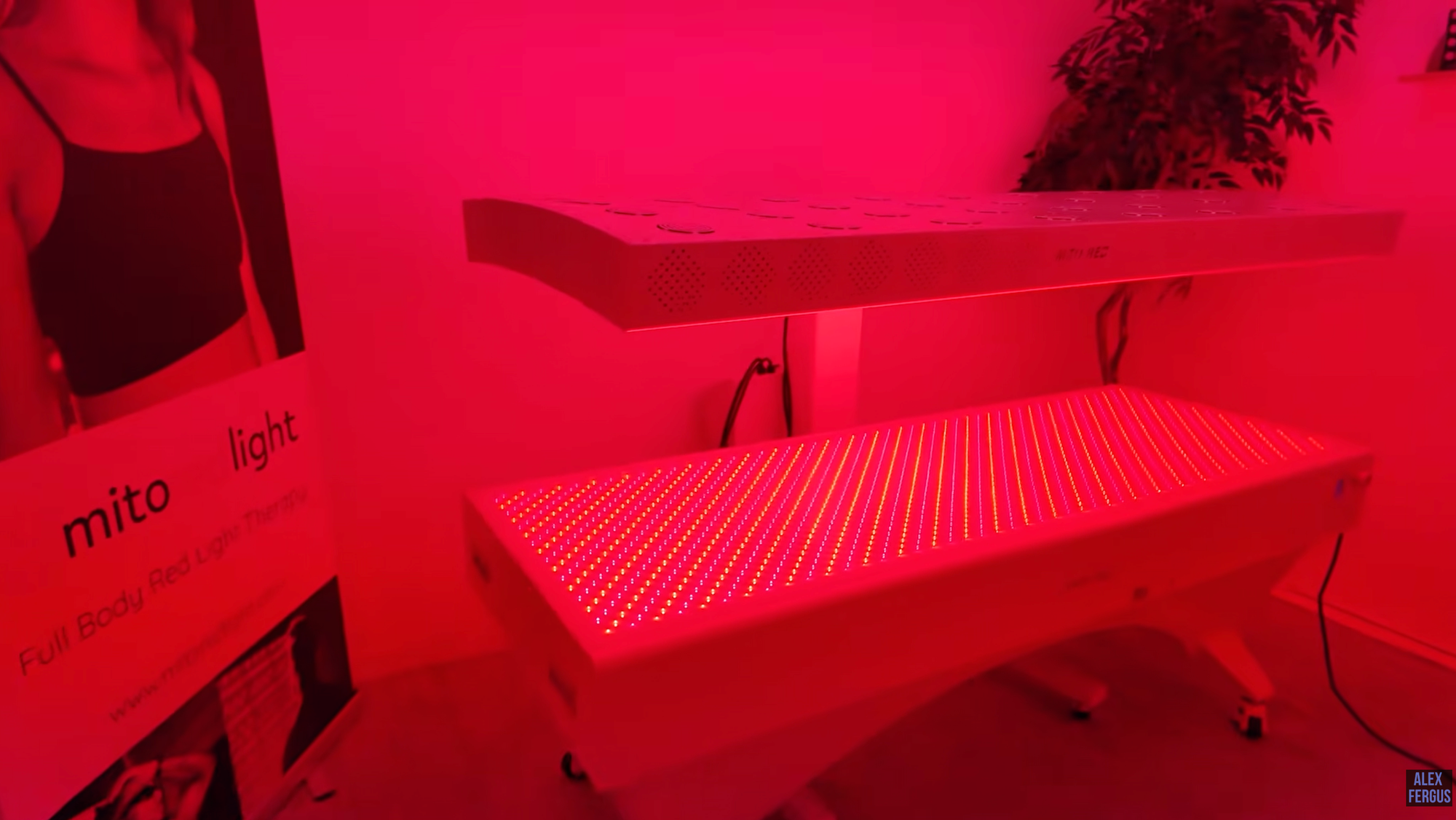
- Light therapy beds (if accessible)
These allow you to treat larger areas consistently, which better matches how the studies are designed.
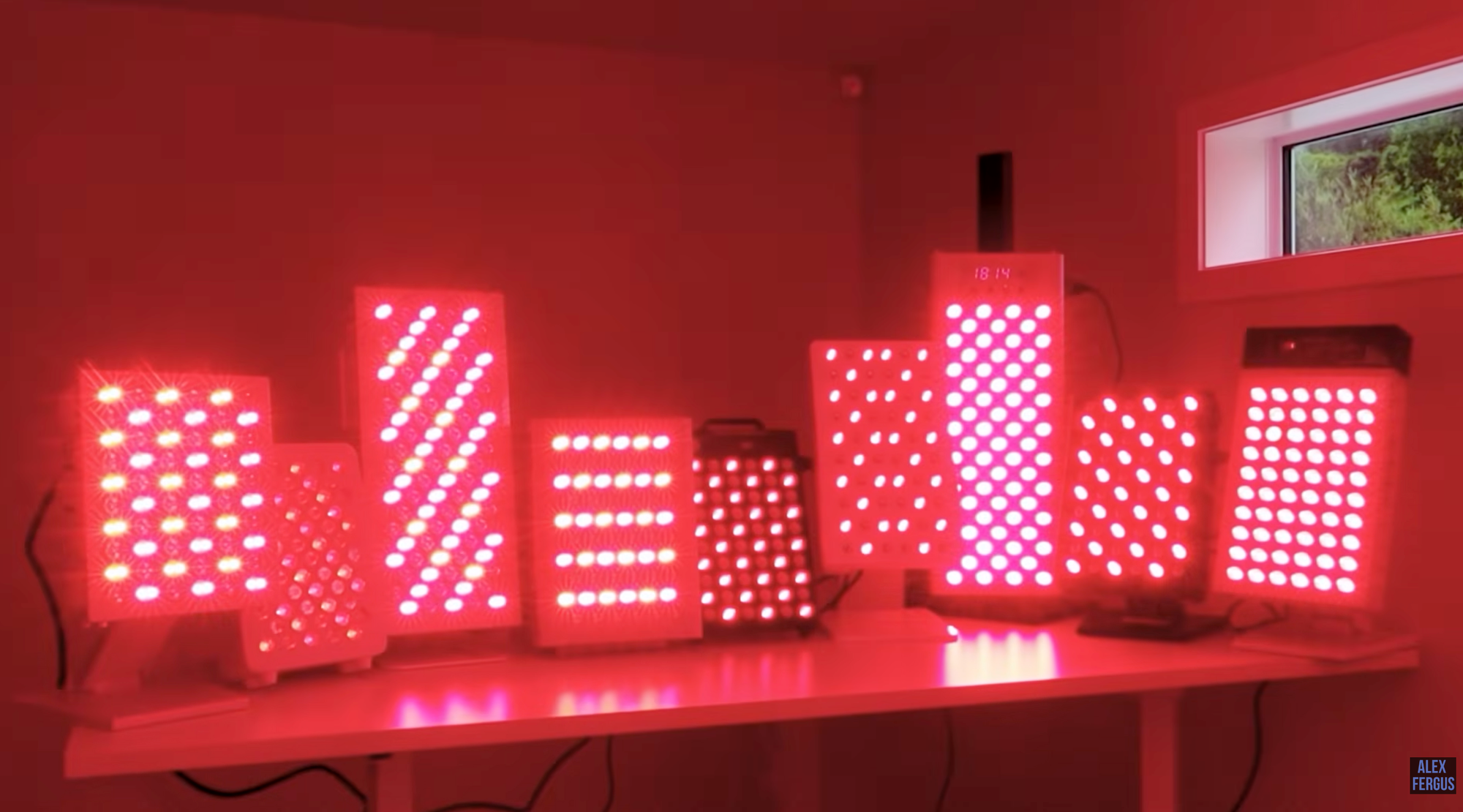
My Real-World Recommendation
If I were choosing a device specifically for cellulite today, I wouldn’t overcomplicate it.
I would go with a panel-style device that includes both red and near infrared light, because that gives you the best overlap with the current evidence. If green light becomes more widely available in high-quality devices, that may be worth adding in the future.
Most importantly, I would combine that with proper lifestyle habits, because that’s where the biggest improvements still come from.
Final Takeaway
The research on light therapy for cellulite is promising but far from perfect. We don’t have definitive answers yet, and many studies are limited by design issues.
However, across multiple studies, different wavelengths consistently show improvements in appearance, fat reduction, or both. That’s enough to justify using light therapy as part of a broader strategy.
Keep expectations realistic, use the right type of device, and combine it with lifestyle changes. That’s where you’ll see the best results.
Here are a few of the products I mentioned
⭐ Chroma Ironforge: click here, https://aferg.co/chroma and use code ALEX to save 8%.
⭐ Mito Red Table Top: use https://aferg.co/7d221, Discount appears after you click that link.
⭐ PlatinumLED: use https://aferg.co/redled for 5% off BioMax panels, discount appears after you click that link.
Here Are Additional Resources
⭐ Vladimir Heiskanen (Valtsu) studies on PBM: https://aferg.co/lllt-studies
⭐ My article; Green Light Therapy Benefits:
Research articles
🔬 Non-invasive Body Contouring Technologies: An Updated Narrative Review:
🔬 Review of the Mechanisms and Effects of Noninvasive Body Contouring Devices on Cellulite and Subcutaneous Fat:
🔬 Light emitting diodes technology-based photobiomodulation therapy (PBMT) for dermatology and aesthetics:
🔬 The clinical efficacy of intravascular laser irradiation of blood (ILIB):
Bart's Bio:
This is a post by Bart Wolbers. Bart finished degrees in Physical Therapy (B), Philosophy (BA and MA), Philosophy of Science and Technology (MS - with distinction), and Clinical Health Science (MS), has had training in functional medicine, and is currently the head researcher at Lighttherapyinsiders.com