
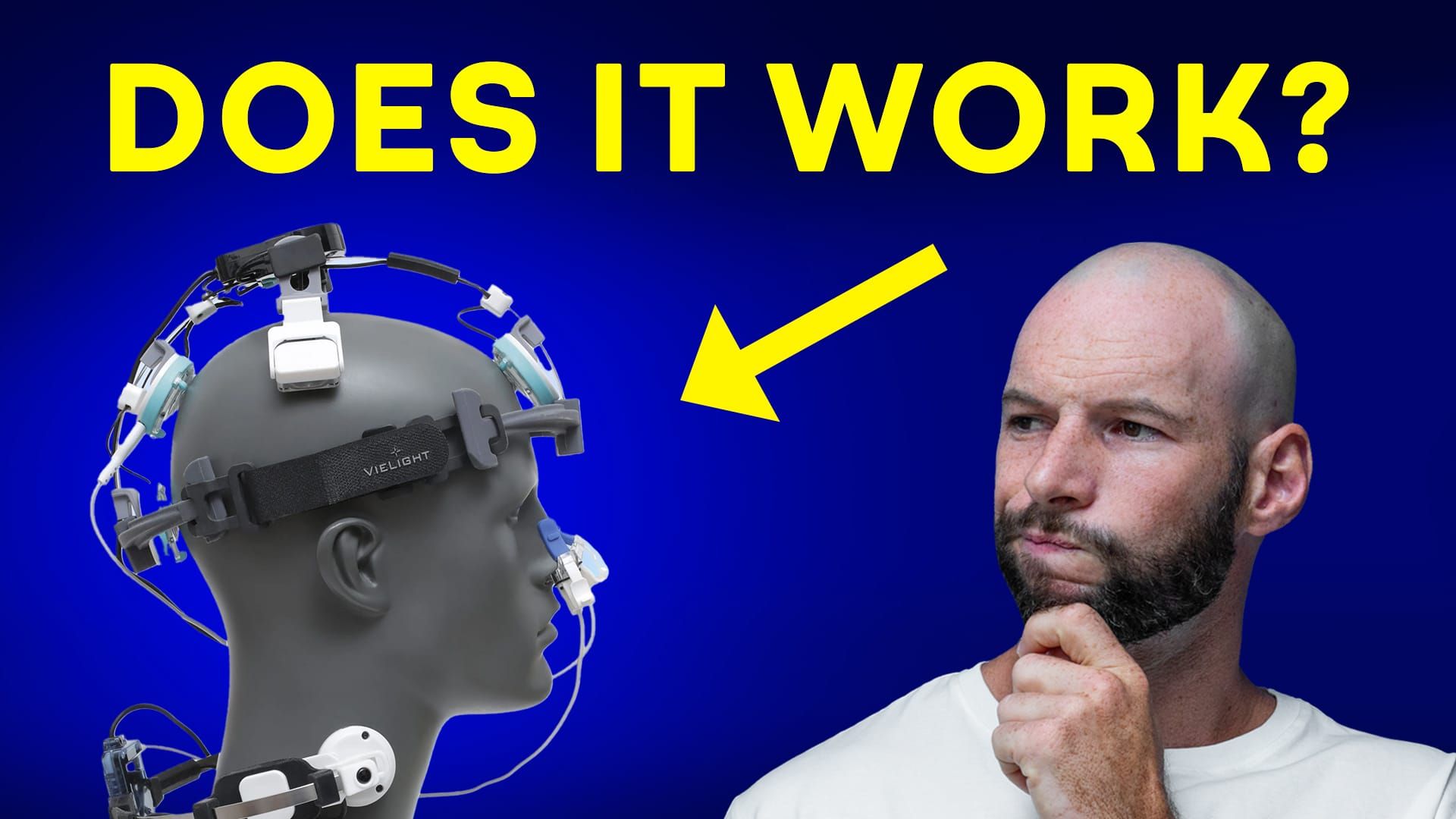
Red light therapy has expanded rapidly over the past decade. What started primarily as a treatment for skin health and muscle recovery has now evolved into a much broader field, including applications for joints, inflammation, circulation, and even brain health. One company that has been heavily involved in this emerging area of brain photobiomodulation is Vielight.
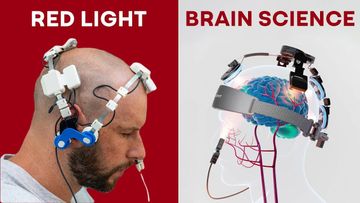
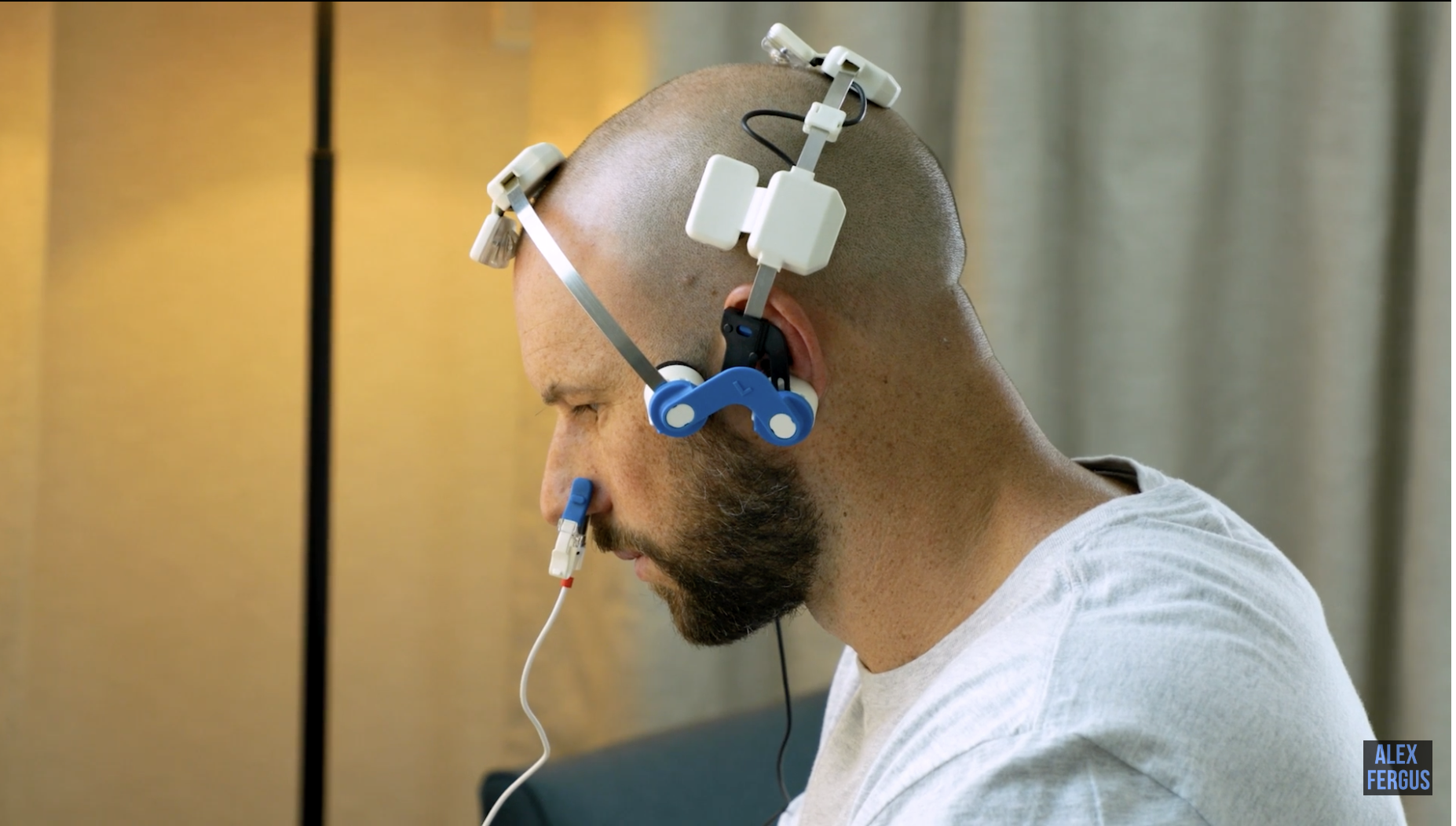
If you have ever seen their products, you may have noticed they look quite different from traditional red light therapy panels. Instead of large light panels that you stand in front of, Vielight devices often involve small light applicators placed on the head or inside the nose, sometimes combined with additional components targeting the neck or chest. At first glance, it might seem unusual, but once you explore the research and design philosophy behind these products, the reasoning becomes much clearer.
After spending time researching the devices, reviewing the scientific literature surrounding them, and even speaking with the company’s founder, several important takeaways emerge. In this article, we will explore what Vielight devices are designed to do, how the technology works, the wavelengths and pulsing systems used, and what the current research suggests about their potential benefits.
Understanding the Vielight Approach to Brain Health
Vielight is a Canadian company that designs and sells photobiomodulation devices, commonly referred to as red light therapy devices. However, unlike most devices in the red light therapy market that target muscles or skin, Vielight focuses primarily on the brain and central nervous system.
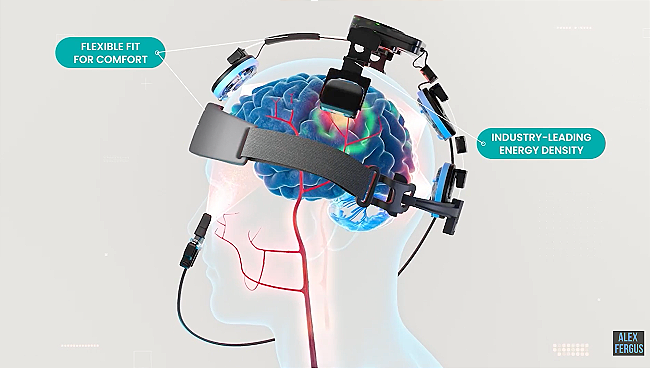
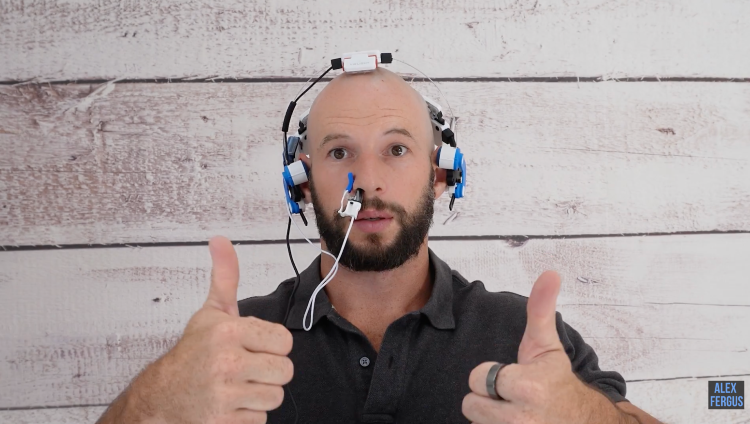
Many of their devices are designed to deliver light directly to areas of the brain using two main approaches. The first is transcranial stimulation, where LEDs are positioned on the scalp using a headset. The second approach is intranasal stimulation, which involves a small applicator inserted into the nose. While the intranasal design may seem surprising at first, the nasal cavity actually provides a pathway that allows light to reach areas near the base of the brain.
Because of regulatory requirements, these devices are currently marketed as wellness devices rather than medical treatments. This means the company cannot claim they treat specific diseases until all regulatory approvals are complete. However, when you examine the research and the conditions being studied with these devices, it becomes clear that the focus is on supporting neurological function and brain health.
Another aspect that stands out about Vielight is the amount of effort invested in research and development. The company has spent years developing their technology, including designing their own LEDs, testing different treatment parameters, and conducting clinical investigations. Their flagship product line, the Neuro series, is now in its fourth generation, which reflects a long process of refinement and experimentation.
Who Is Using Vielight Devices?
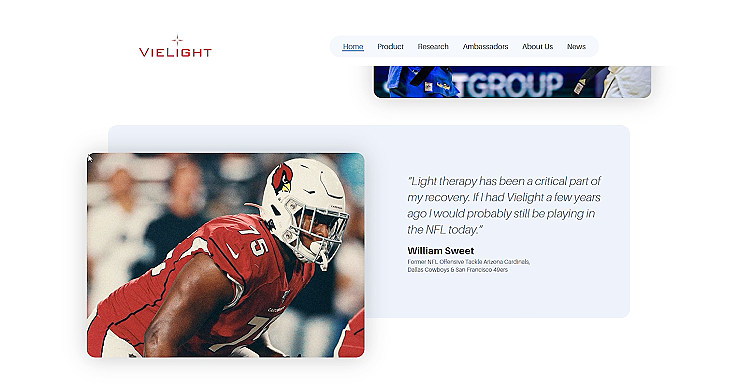
The people experimenting with or using Vielight devices come from a wide range of backgrounds. Some are athletes looking for improved mental performance, while others are individuals exploring ways to support cognitive function or neurological health.
Athletes, for example, have reported improvements in areas such as focus, recovery, and performance when using photobiomodulation devices targeting the brain. Individuals with learning or behavioral challenges have also experimented with the technology, sometimes reporting improvements in attention and cognitive processing.
Another group that has shown strong interest in these devices includes people recovering from traumatic brain injuries. Some individuals dealing with long-term neurological symptoms have reported improvements in mood stability, sleep quality, and overall wellness markers after consistent use.
While anecdotal reports should always be interpreted cautiously, the range of users exploring this technology highlights how broad the interest in brain photobiomodulation has become.
The Role of the Brain’s Default Mode Network
One of the primary targets of the Vielight system is a brain network known as the Default Mode Network (DMN). Researchers often describe the DMN as one of the most important large-scale networks in the brain because it plays a central role in how different brain regions communicate with each other.
The Default Mode Network is most active when the brain is in a resting state, such as during quiet reflection or when the mind is not focused on an external task. This network involves several interconnected brain regions and plays an important role in cognitive processing, memory, and social awareness.
Researchers have observed that dysfunction in the DMN is associated with several neurological disorders, including Alzheimer's disease and Parkinson's disease. When this network becomes disrupted, communication between different parts of the brain can become less efficient, which may contribute to cognitive decline or neurological symptoms.
The idea behind Vielight’s technology is that delivering specific wavelengths of light at carefully chosen intensities and pulse rates may help improve the function of this network. If the Default Mode Network can be supported or restored to healthier activity patterns, some neurological symptoms may improve as a result.
How Photobiomodulation Works in the Brain
Photobiomodulation works by delivering light of specific wavelengths deep into biological tissue. When this light reaches cells, it can trigger several biological processes that support cellular health and function.
One important effect is improved circulation. Light therapy can stimulate blood flow, allowing more oxygen and nutrients to reach areas of the brain that may have been underperforming or metabolically stressed. Better circulation can support cellular repair and improve overall tissue health.
Another major mechanism involves mitochondrial function. Mitochondria are the energy-producing structures within cells, and photobiomodulation has been shown to help improve mitochondrial efficiency. When mitochondria function more effectively, cells are able to generate energy more efficiently, which can support tissue repair and cellular performance.
Photobiomodulation also appears to influence inflammation, helping regulate inflammatory responses in tissues. This effect is important because chronic inflammation is believed to contribute to many neurological conditions. In addition, the therapy has been shown to stimulate the release of nitric oxide, a molecule involved in blood vessel dilation and circulation.
Researchers have also observed that light therapy may activate gene transcription factors, influence the production of growth factors, and support the structural integrity of cells through improvements in microtubule function. Microtubules are structural proteins that help maintain cellular architecture, and maintaining their function may contribute to healthier aging in brain tissue.
The Vielight Product Line
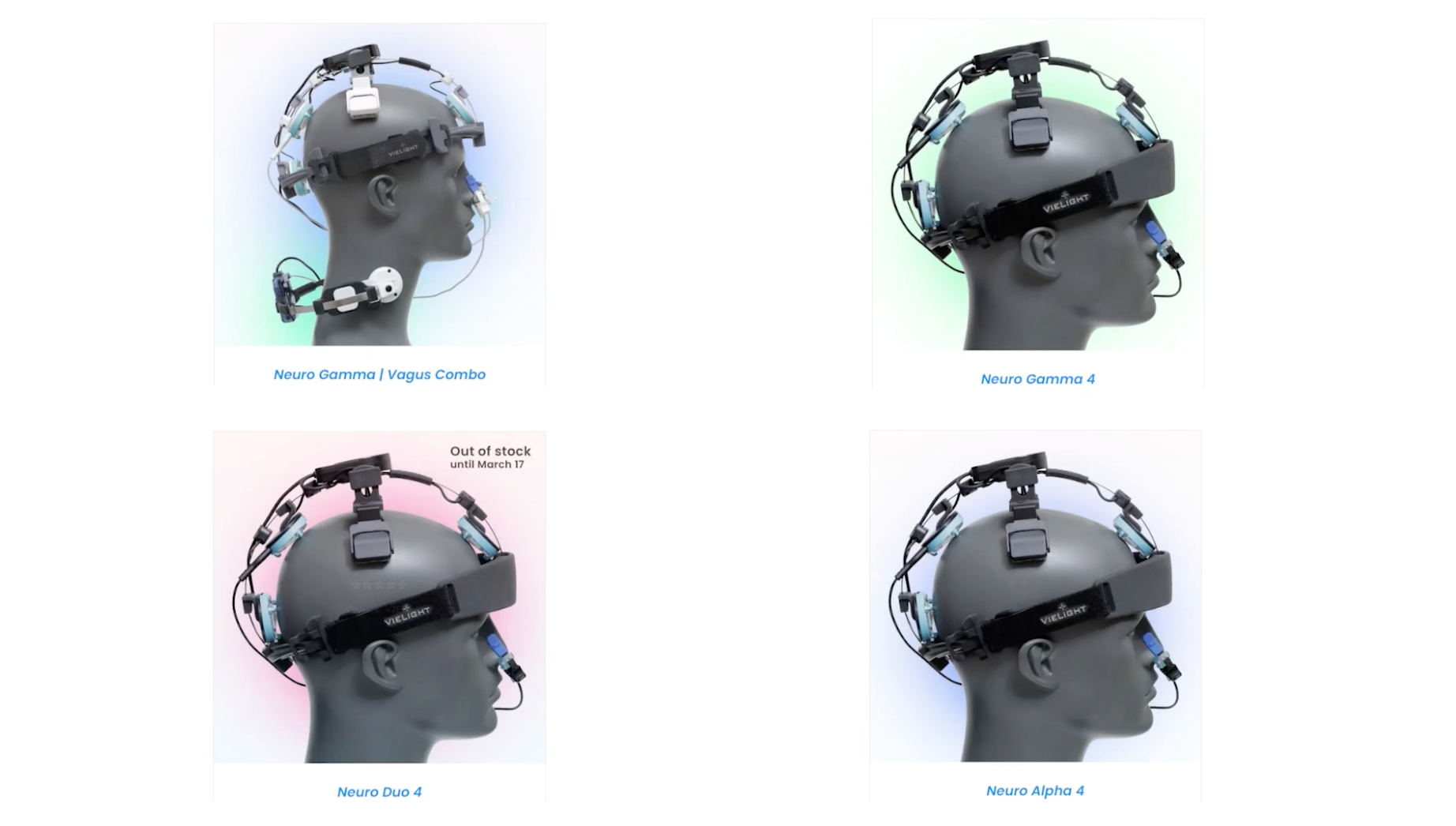
Vielight currently offers several different devices designed to target various parts of the nervous system and body. While each device has a slightly different purpose, most of the research has focused on the company’s Neuro series.
The Neuro device, now in its fourth generation, combines both transcranial and intranasal light delivery. The headset component places LEDs directly against the scalp, while the nasal applicator directs light toward deeper brain structures. Together, these two delivery methods are designed to stimulate multiple regions of the brain simultaneously.
Within the Neuro series there are several models, including Alpha, Gamma, Duo, and Pro versions. These models differ primarily in the pulsing frequencies they use and the treatment modes they offer.
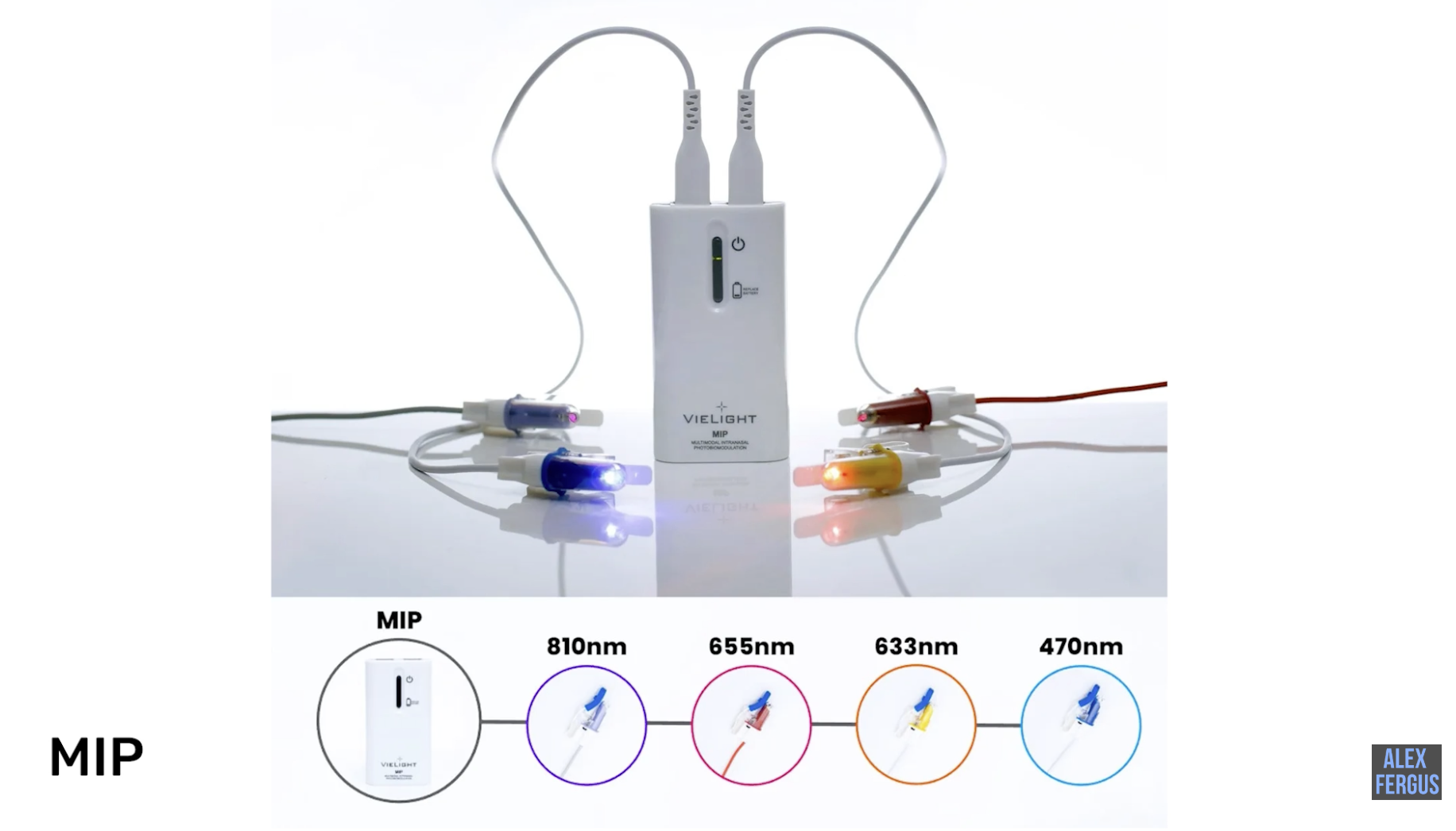
Another device in the lineup is the MIP, which focuses on intranasal therapy. This device includes two nasal applicators and offers several wavelength options, including a blue light mode that is used for immune-related applications. The MIP is often considered one of the more accessible entry points into the Vielight ecosystem.
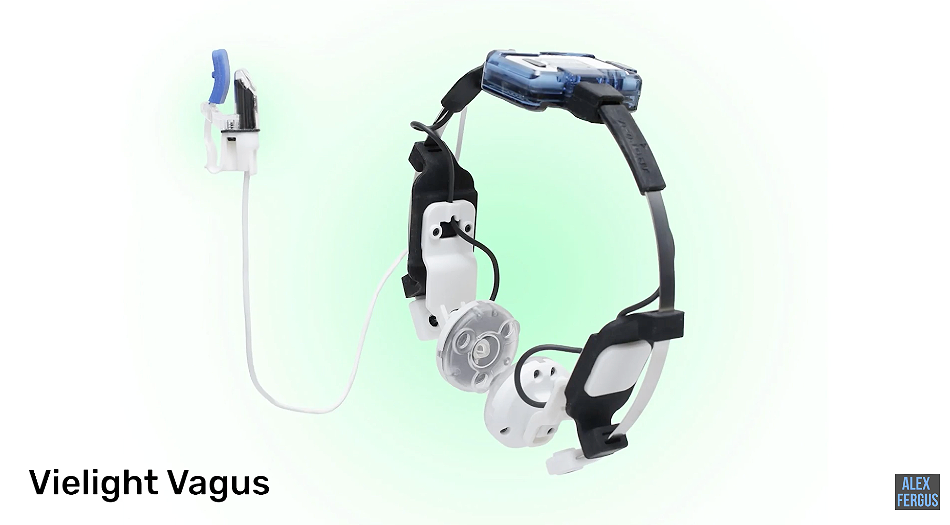
The company also offers a Vagus device, which targets the vagus nerve using both a nasal applicator and a neck applicator. The vagus nerve plays a critical role in regulating the autonomic nervous system, and non-invasive stimulation of this nerve has become an increasingly popular area of research.
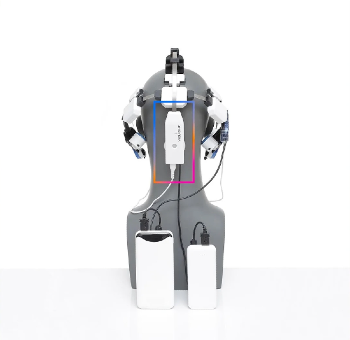
Finally, there is the X-Plus 3 system, which is designed as a broader systemic treatment device. It targets multiple areas, including the cerebellum at the back of the brain, the nasal cavity, and the thymus gland. This approach aims to influence both neurological and immune-related systems within the body.
Wavelengths Used in Vielight Devices
Most Vielight devices use a combination of red and near-infrared wavelengths. A common red wavelength used in these devices is around 630 nanometers, while the near-infrared wavelength is typically around 808 to 810 nanometers.
Near-infrared light is particularly valuable in photobiomodulation because it penetrates biological tissue more effectively than many other wavelengths. Another advantage is that near-infrared light has relatively low absorption by water and blood, allowing more of the light energy to reach deeper tissues.
This deeper penetration is especially important when targeting the brain, because the light must pass through skin, bone, and other tissues before reaching its intended destination.
Power Output and Treatment Sessions
The intensity of light delivered by these devices varies depending on the treatment location and the specific device being used. According to the company, their devices typically deliver power outputs ranging from 25 milliwatts per square centimeter up to around 100 milliwatts per square centimeter.
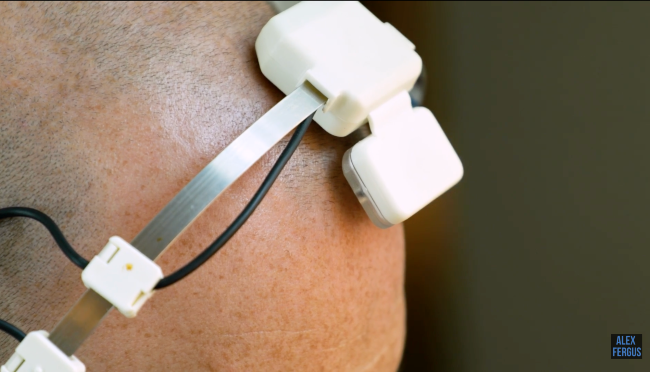
It is important to note that these values are measured directly at the LED source. Because the devices are designed to be used in direct contact with the body, the LEDs are either pressed against the scalp, placed on the neck, or inserted into the nasal cavity.
This direct-contact design allows effective dosing with relatively short treatment sessions. Most sessions last between 10 and 20 minutes, and the power levels are chosen to avoid excessive heat buildup during use.
The Importance of Pulsed Light
Another defining feature of many Vielight devices is the use of pulsed light. Instead of emitting light continuously, the LEDs pulse at specific frequencies that correspond to different brainwave states.
Two of the most commonly used frequencies are 10 Hz, which corresponds to alpha brainwaves, and 40 Hz, which corresponds to gamma brainwaves.
Alpha brainwaves are associated with relaxation, calmness, and recovery. When the brain enters an alpha-dominant state, stress levels tend to decrease and the body can shift toward a more restorative mode.
Gamma brainwaves, on the other hand, are associated with higher cognitive function. These brainwaves are often linked to focus, information processing, and memory recall. Because of this, gamma pulsing may be useful before mentally demanding activities such as presentations, learning sessions, or athletic performance.
Some Vielight devices allow users to switch between these two modes depending on their goals for the session.
What the Research Shows
Several studies have investigated the potential effects of Vielight devices on neurological conditions. One clinical trial conducted at the University of California San Francisco examined the effects of the Neuro Gamma device in individuals with Alzheimer's disease.
The study included eight participants, with four individuals receiving the active treatment and four serving as controls. Participants in the treatment group used near-infrared light at approximately 810 nanometers with a gamma pulse frequency of 40 Hz.
After twelve weeks of treatment, the individuals using the device demonstrated improvements in cognitive markers and better scores on Alzheimer’s severity scales. Brain imaging using MRI scans also showed improvements in blood flow and connectivity within the Default Mode Network. Importantly, the study reported no negative side effects associated with the treatment.
Another study investigated the effects of the device in individuals suffering from Traumatic brain injury. Participants reported reductions in symptoms such as depression and post-traumatic stress, as well as improvements in sleep quality and reaction time. Researchers concluded that transcranial photobiomodulation appears promising for individuals dealing with traumatic brain injuries and recommended further research in this area.
There has also been research exploring the use of these devices for recovery from COVID-19. In fact, the company received a medical license from Health Canada related to COVID-19 recovery. Researchers involved in this work concluded that photobiomodulation may help accelerate recovery from COVID-19 and other respiratory illnesses.
Final Thoughts
Overall, the research surrounding Vielight devices is still developing, but the results so far are promising. Early studies suggest that photobiomodulation targeting the brain may provide benefits for a wide range of neurological conditions, including autism, Parkinson’s disease, Alzheimer’s disease, traumatic brain injuries, anxiety, and depression.
It is important to acknowledge that many of these studies are still relatively small, and larger randomized trials will be needed to confirm the findings. However, the results that have been published so far, combined with ongoing research efforts, suggest that brain photobiomodulation is an area worth paying close attention to.
As more studies are completed and the technology continues to evolve, it is likely that we will gain a much clearer understanding of how light therapy can support brain health. For now, Vielight remains one of the most visible companies exploring this fascinating intersection between light technology and neuroscience.
Have You Seen These Vielight Videos:
⭐ Does Vielight Work? A Close Look At The Spectacular Vielight Science
⭐ Vielight Red Light For The Brain Science - Interview with Dr Lew Lim
⭐ THIS Device Counters MCI/Alzheimer - Here’s The Data
Resources Discussed
✨ Purchase the Vielight Neuro Alpha device, which is a transcranial photobiomodulation headset designed for brain stimulation, using this link and code ALEX: https://aferg.co/vielight.
Alex's Bio
Alex Fergus wrote this blog post. Alex is an ISSN Sports Nutrition Specialist, Fitness Professional, and certified Superhuman Coach who continues to expand his knowledge base and help people worldwide with their health and wellness. Alex is recognized as the National Record Holder in Powerlifting and Indoor Rowing and has earned the title of the Australian National Natural Bodybuilding Champion. Having worked as a health coach and personal trainer for over a decade, Alex now researches all things health and wellness and shares his findings on this blog.