
Introduction
What happens when you combine PEMF therapy with red light therapy? In this interview, Bart speaks with Andy Smith, founder of NewMed and creator of the Celler8 PEMF system, about how pulsed electromagnetic field therapy works and why the two therapies may complement each other.
Andy shares the personal health crisis that led him to discover PEMF therapy and explains its potential benefits for pain, inflammation, circulation, sleep, energy, and athletic recovery. He also covers important safety considerations, the differences between full-body and localized PEMF treatment, and what to look for when choosing a device.
Show Notes
Andy Smith’s journey into PEMF therapy began after surgery for a serious abdominal infection. When the infection repeatedly returned, and his health continued to decline, he decided to try PEMF therapy. Andy says he began noticing improvements within a week, inspiring him to make the technology more accessible in the United Kingdom.
After importing PEMF systems for several years, Andy found that many were bulky, outdated, or unnecessarily complicated. This led to the development of Celler8, a portable, low-intensity PEMF system that can be used with either a localized applicator or a full-body mat.
During the interview, Andy explains that PEMF stands for pulsed electromagnetic field therapy. The technology uses copper coils to produce low-frequency magnetic fields that pass through the body. PEMF is commonly used to support circulation, pain management, inflammation, sleep, cellular function, and physical recovery.
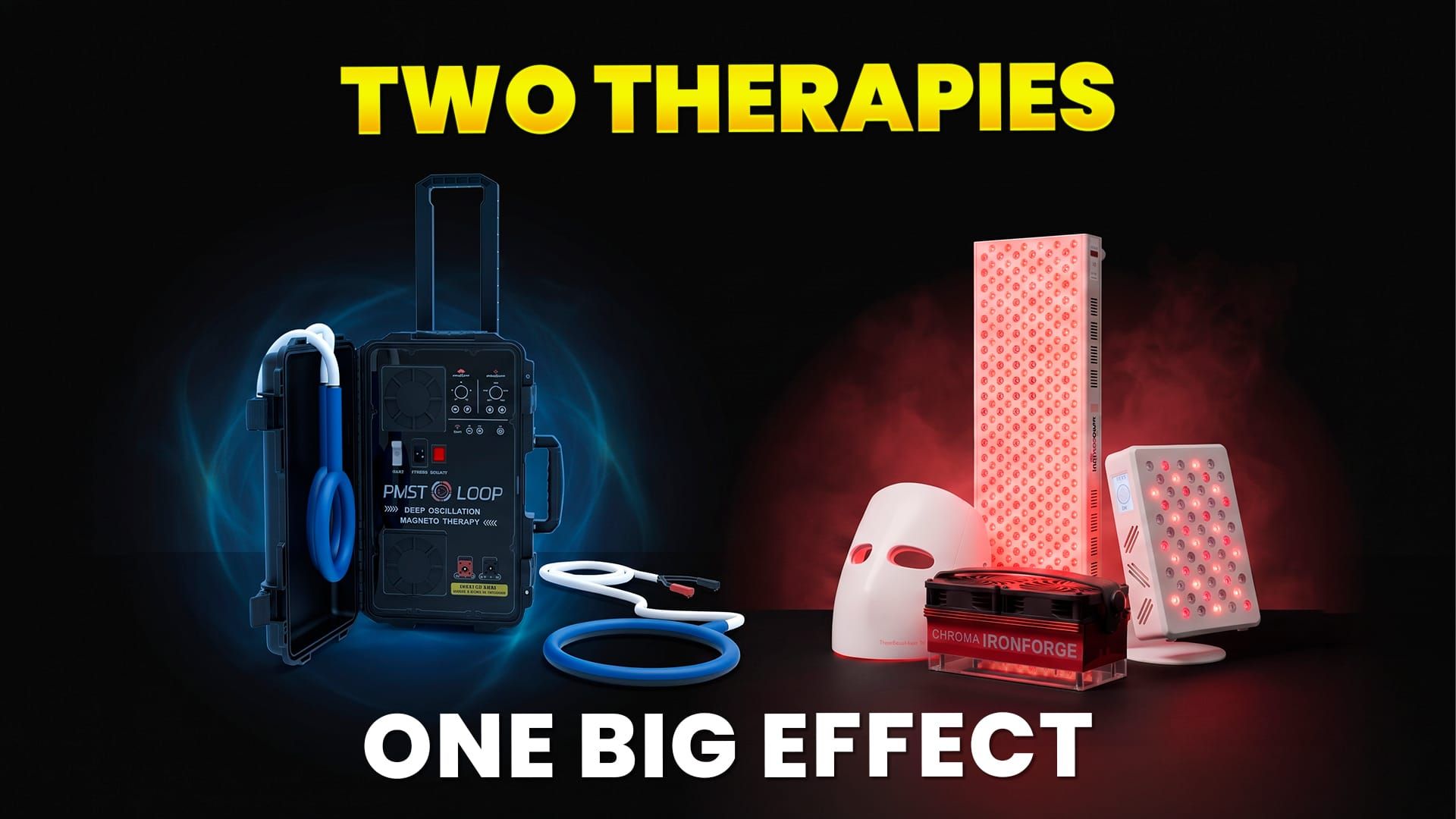
Bart and Andy also discuss combining PEMF with red light therapy. Because the two treatments work differently, Andy believes they may offer complementary benefits. Using them simultaneously also allows you to complete both therapies without adding another session to your routine.
Andy personally combines PEMF and red light therapy during the day but uses PEMF alone after sunset. He explains that some people find evening red light therapy stimulating, while low-frequency PEMF settings may be better suited to relaxation and sleep.
The conversation also covers device quality and the differences between low- and high-intensity PEMF. Andy recommends examining the number and placement of coils, frequency settings, portability, warranty, and the manufacturer’s experience. He also explains why a dedicated PEMF system and a separate red light therapy device may perform better than a single mat that attempts to provide multiple therapies.
Highlights
- How a serious health crisis led Andy Smith to discover PEMF therapy
- What PEMF therapy is and how it works
- The differences between PEMF and red light therapy
- Potential benefits for pain, inflammation, circulation, and sleep
- How PEMF may support athletic performance and recovery
- Full-body PEMF mats versus localized applicators
- Important contraindications and safety considerations
- Why PEMF and red light therapy may work well together
- The best time of day to use each therapy
- What to look for when choosing a PEMF device
- Low-intensity versus high-intensity PEMF
- Future plans for the Celler8 PEMF system
Resources mentioned in my video.
⭐ Celler8: Use discount code ALEX at https://celler8.us/ALEX to save 5%.
⭐ Join My Facebook Group: https://aferg.co/fb-group