
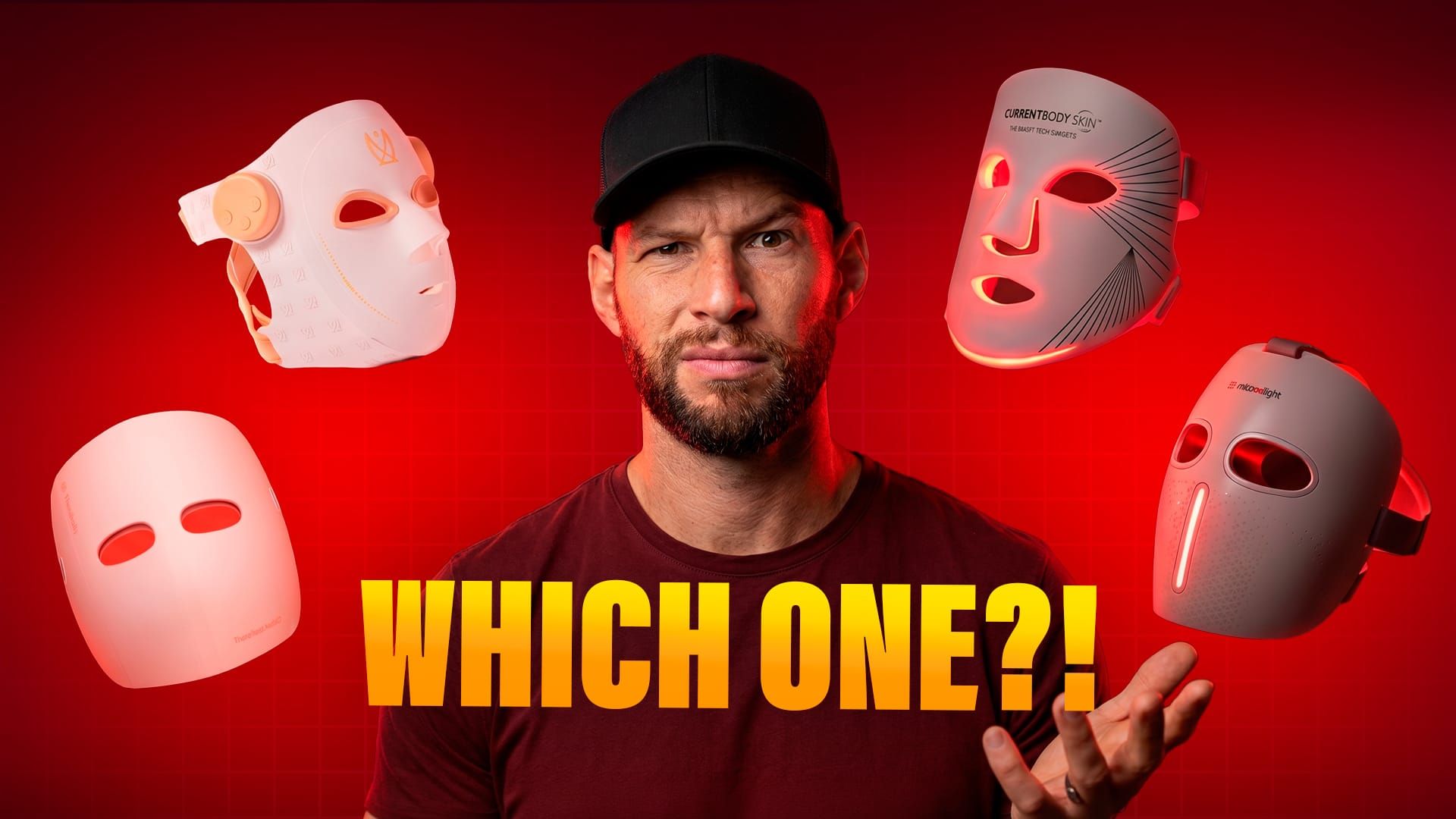
I’ve been back in Dubai for a couple of weeks now, and during that time I’ve had several of my wife’s friends ask me the same thing:
“What red light therapy mask should I buy… and do they actually work?”
After repeating myself multiple times, I figured I may as well turn it into an article because the mask market has become ridiculous. Every company claims it has the best LEDs, the widest range of wavelengths, the most advanced technology, or some miracle anti-aging system. Meanwhile, most people just want to know one thing: what actually works and what they should avoid?
The good news is that red light therapy appears to help with skin rejuvenation, fine lines, wrinkles, blemishes, and overall skin appearance. The research around photobiomodulation for skin health is reasonably strong at this point. However, that doesn’t mean every mask is equally good, and it definitely doesn’t mean more features automatically make a better product.
Do Red Light Therapy Masks Work?
Yes, they can work, but it’s important to keep expectations realistic.
This is not cosmetic surgery. It’s not Botox. It’s not a facelift. Some people notice fairly significant improvements while others notice smaller changes. There are also people who may not respond particularly well at all.
Part of the reason these products have exploded in popularity is because people genuinely are seeing results. There are studies showing measurable changes in skin quality when researchers use detailed imaging and skin analysis tools. That’s one reason why the category has grown so quickly over the last few years.
At the same time, though, a lot of the marketing around these masks is complete nonsense. Some companies rely heavily on influencers, exaggerated specifications, and fancy terminology that doesn’t actually matter. So rather than getting distracted by claims of “9 wavelengths” or “revolutionary frequencies,” it makes far more sense to focus on a few core things that genuinely affect performance.
The Masks I’d Personally Recommend
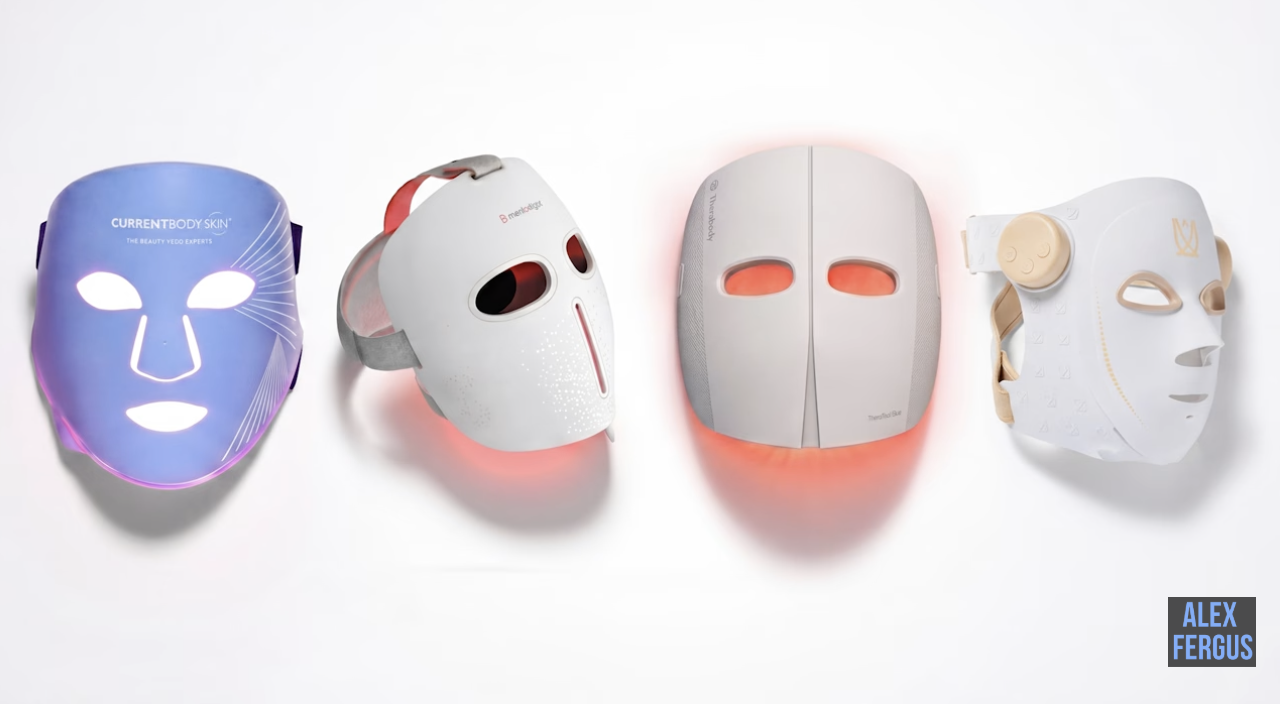
If someone asked me right now to simply name a few masks that I think are solid choices, there are four that immediately come to mind.
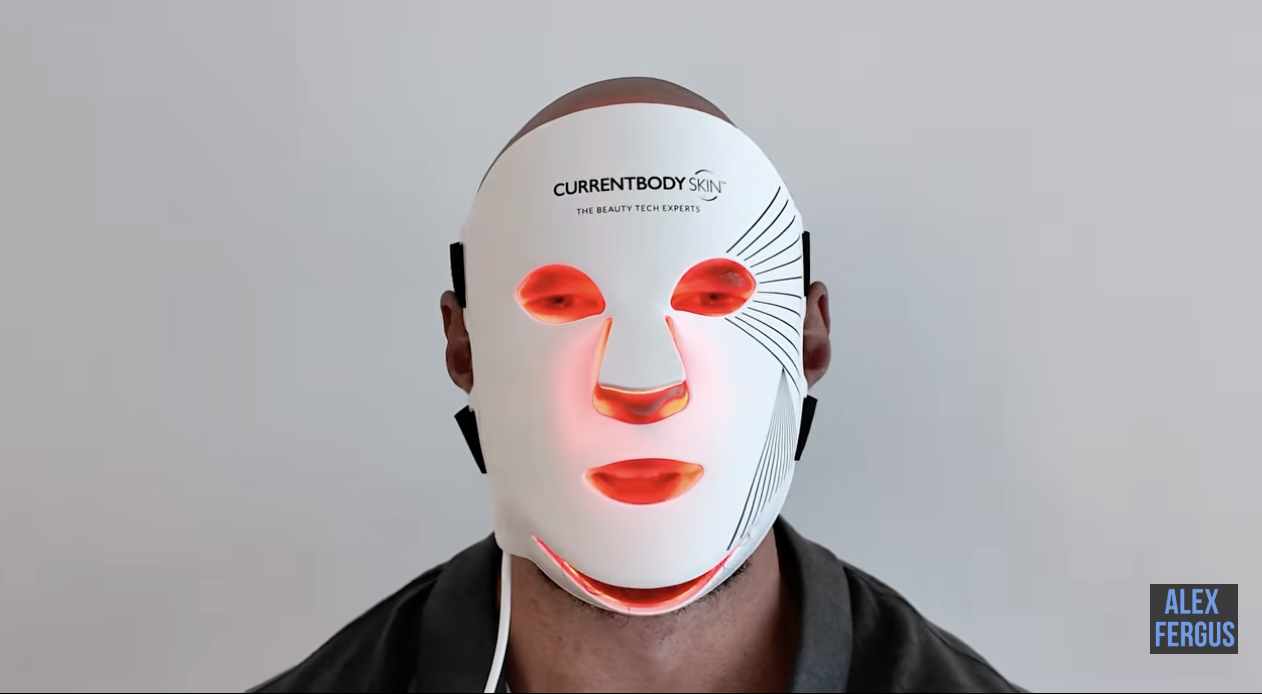
The first is the CurrentBody Series 2 mask. It fits well, uses good wavelengths, has decent LED coverage, and overall is a very balanced product. It’s one of the safer recommendations if someone wants a soft-shell mask that is comfortable and straightforward to use.
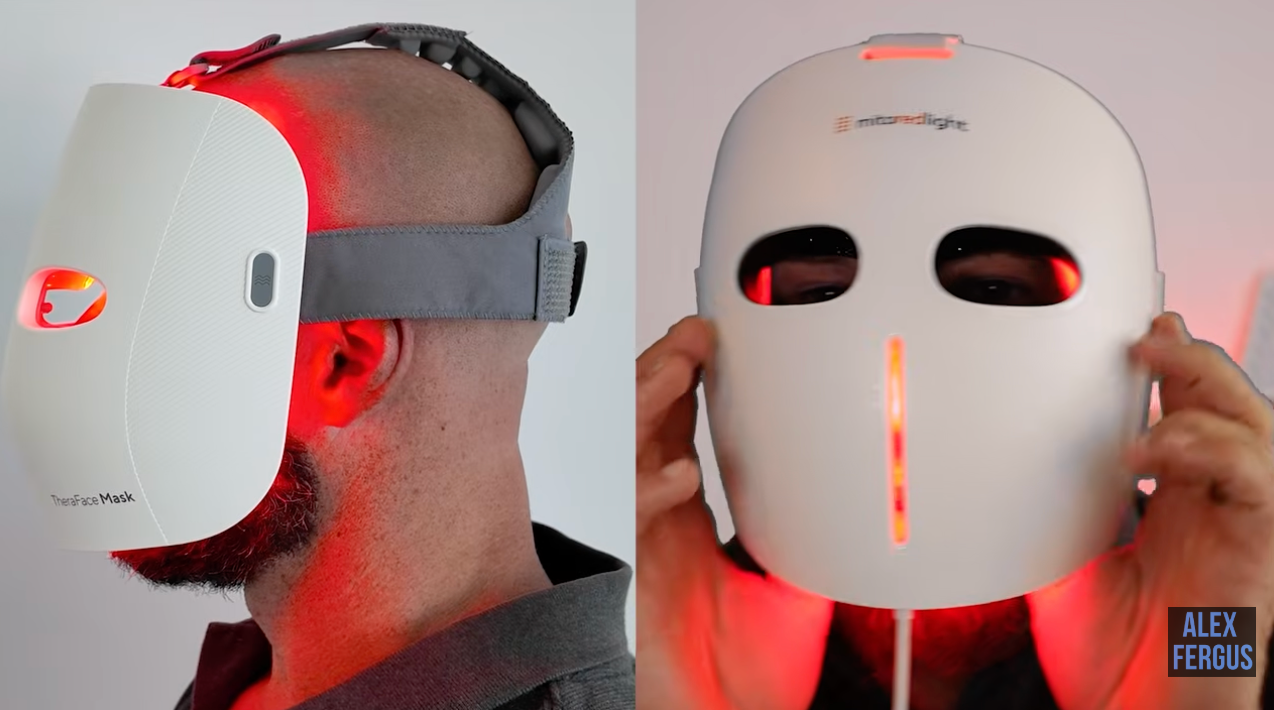
The second is the Mito Red Light MitoGlow. This one stands out because it uses a hard-shell design that sits off the face instead of directly against the skin. That changes the light spread quite a bit and improves overall facial coverage. It also packs a large number of LEDs into the mask, although the design has its own pros and cons compared to silicone-style masks.
Another one worth mentioning is the Maysama Aura mask. I’ve only recently finished reviewing this one, but the fit surprised me. It isn’t necessarily leading the market from a specifications standpoint, but it fits extremely well and includes a micro-pulsing feature that I’ll be looking into further in an upcoming interview.
The fourth recommendation would be the Therabody TheraFace mask. It’s one of the more mainstream products in the category, but honestly, it’s reasonably well priced, has solid features, and benefits from the hard-shell design that helps improve coverage across the face.
Why Coverage Matters More Than Most People Realize
One of the biggest mistakes people make when comparing masks is focusing only on wavelengths or the number of LEDs while ignoring actual facial coverage.
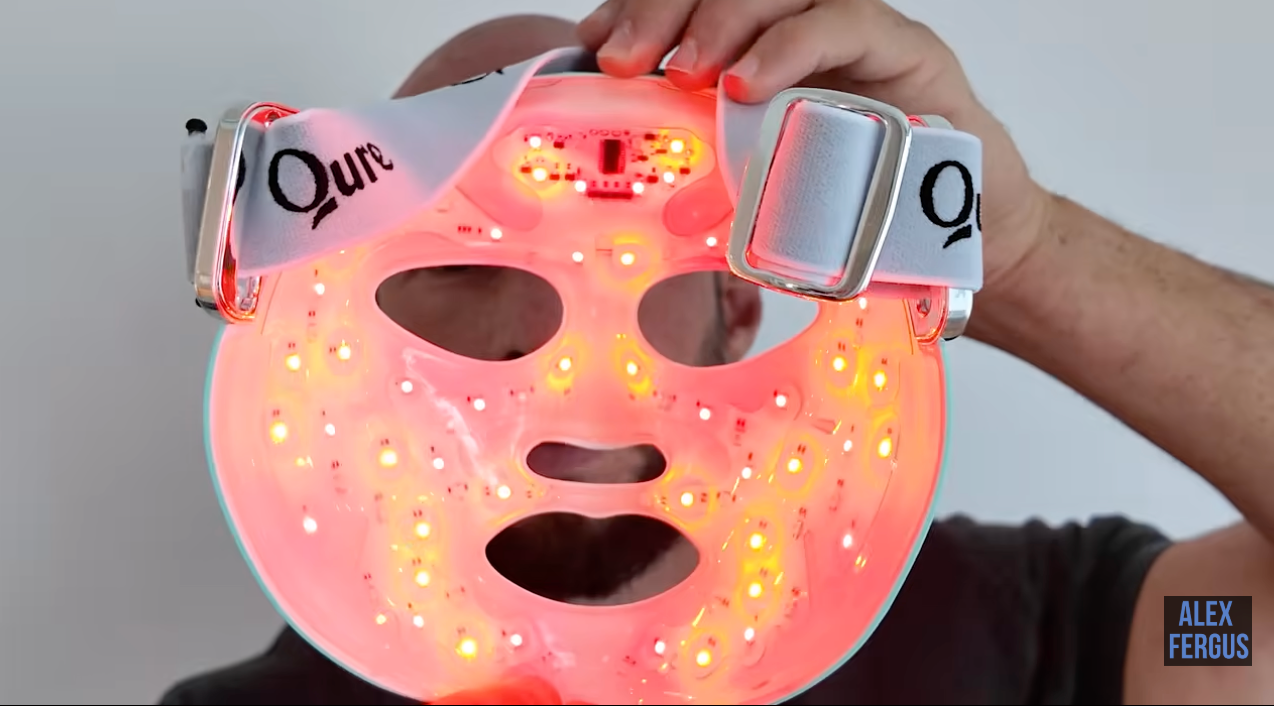
With red light therapy, the light obviously needs to reach the area you’re trying to treat. If large sections around the eyes, nose, or mouth aren’t receiving much light, then those areas are not going to benefit nearly as much.
A lot of masks have massive cutouts around the eyes, which means people trying to target fine lines or wrinkles in that area may not actually be getting much treatment there at all. That’s one reason hard-shell masks can work well. Because they sit off the face slightly, the light spreads more evenly instead of being blocked by facial contours and openings.
LED placement matters as well. Some masks appear to have good coverage until you look closer and realize large sections contain very few LEDs. So when evaluating a mask, it’s not just about the number of LEDs — it’s about where those LEDs are positioned and how evenly the light spreads across the face.
Which Wavelengths Actually Matter?
This is where the industry starts getting particularly silly.
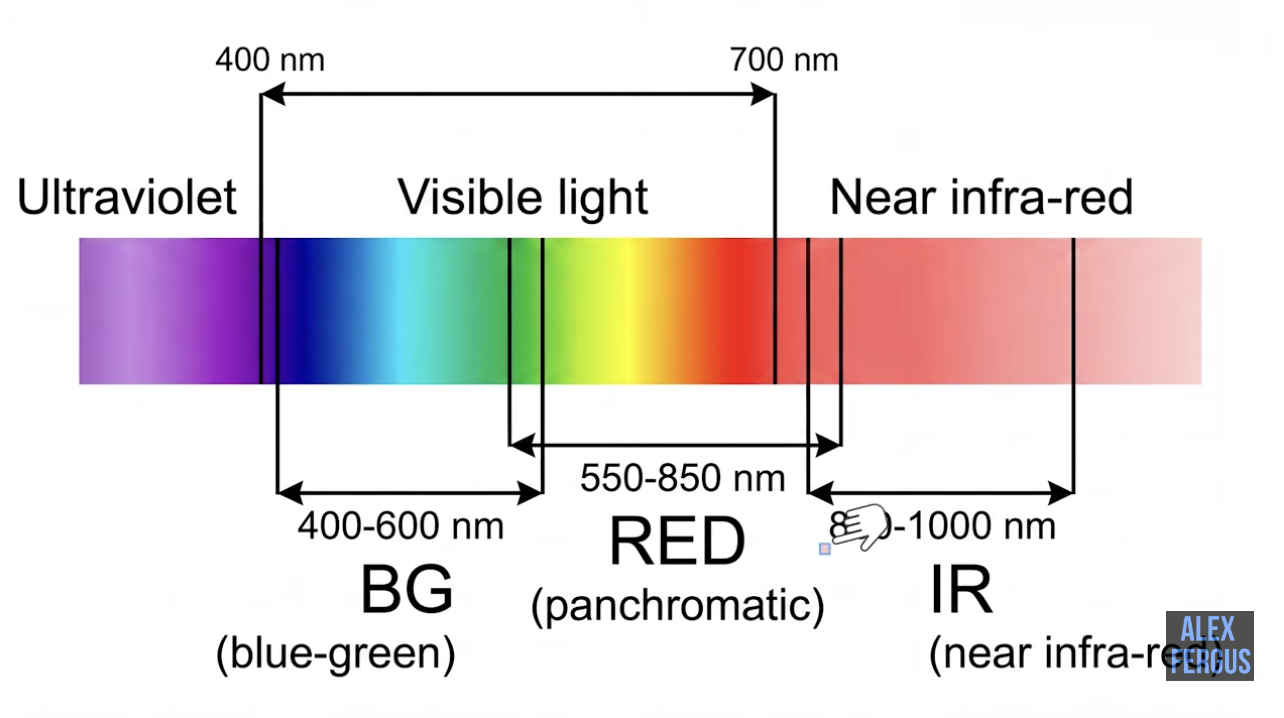
You’ll see companies advertising six wavelengths, eight wavelengths, purple light, pink light, and all sorts of combinations designed mainly to sound impressive. In reality, for skin rejuvenation and anti-aging, red light is still the primary wavelength category that matters most.
If I had to choose a single wavelength for skin health, it would probably be around 630–633nm. There’s a good amount of research supporting that range. 660nm is also very common and still useful, which is why many masks include one or both of those wavelengths.
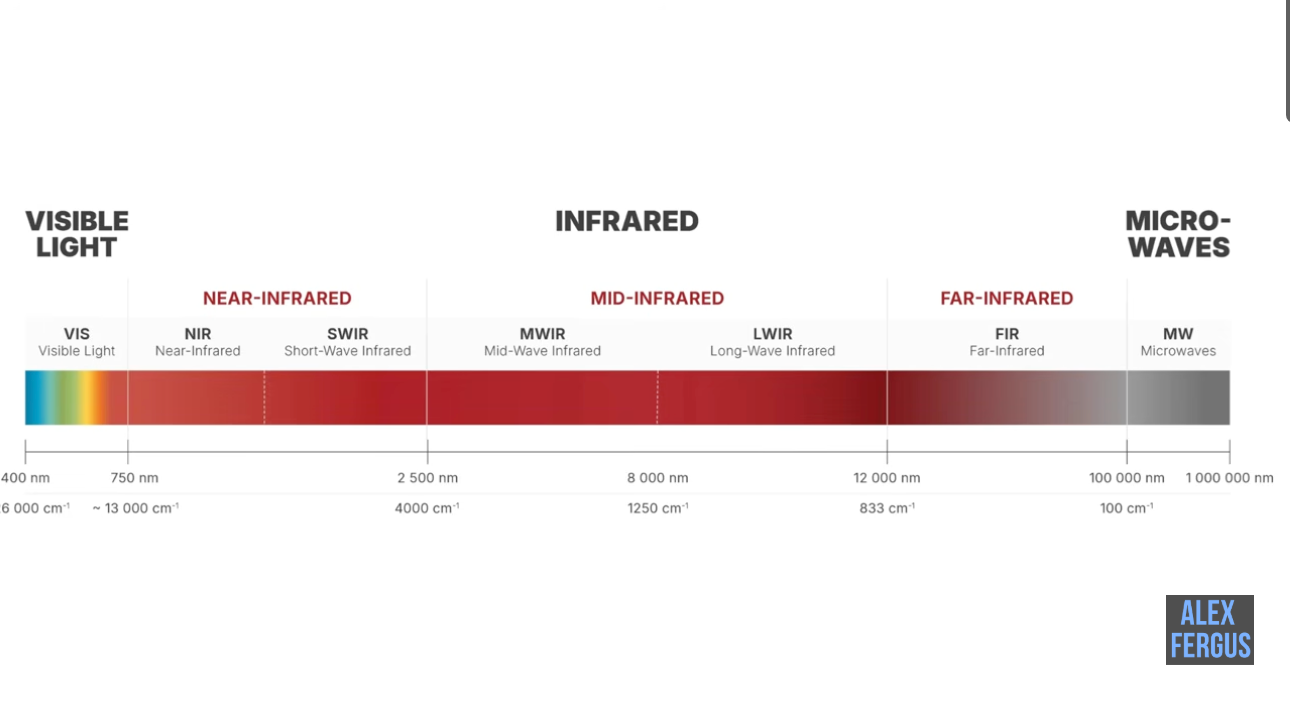
Near-infrared wavelengths like 810nm, 830nm, or 850nm can also be beneficial because they penetrate deeper into tissue. That’s why many masks combine red and near-infrared LEDs together.
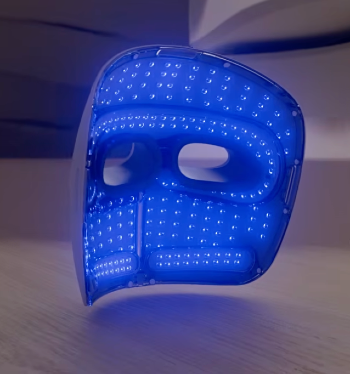
Where things become more specific is acne treatment. Blue light can genuinely help with acne because it targets acne-causing bacteria. However, not all blue light is equally effective. A lot of masks use 450nm blue light, while much of the acne research is centered more around 410–420nm wavelengths.
That’s one reason why the CurrentBody acne mask stands out. It uses 415nm blue light, which aligns more closely with the research compared to many competing products.
Why Power Output Is So Important
Power output is probably the most misunderstood part of red light therapy.
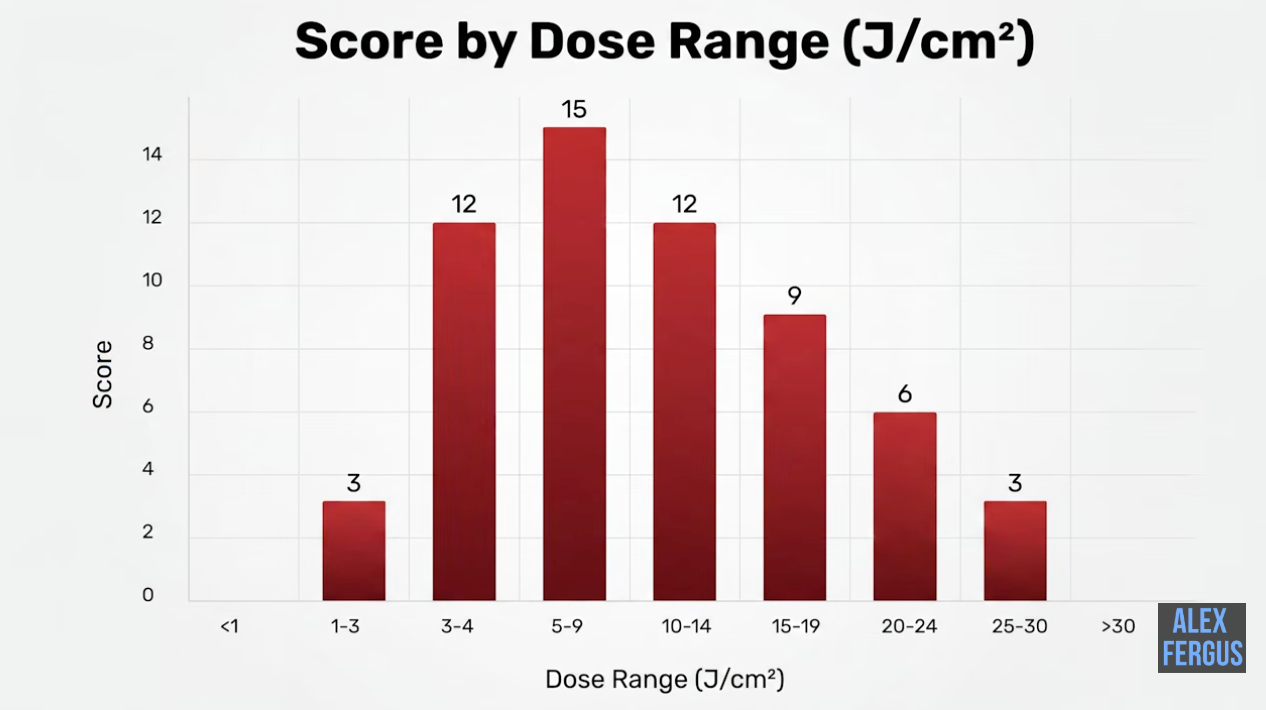
There appears to be a therapeutic sweet spot when it comes to energy delivery. If a mask is underpowered, you may not get meaningful results. If it’s excessively powerful, you may end up with irritation or reduced benefits from overdosing the tissue.
The problem is that the industry has very little regulation. Some companies exaggerate their numbers, some test improperly, and others measure output at unrealistic distances that don’t reflect real-world use. That’s why comparing masks purely based on advertised irradiance numbers is often pointless.
I’ve tested masks using professional spectrometer equipment, and honestly, there are some cheap products out there that look bright but perform terribly once you actually measure the output properly.
The masks I recommended earlier all produce what I would consider a solid therapeutic dose without going excessively high. That balance matters because brighter is not automatically better with photobiomodulation.
Fit And Comfort Matter More Than Specs
A mask can have great wavelengths, strong output, and excellent coverage, but if it’s uncomfortable to wear, most people simply won’t use it consistently.
That’s why fit matters so much.
Some masks I’ve tested caused headaches, rubbed awkwardly against the face, or became uncomfortable after only a few minutes. Others fit almost perfectly and were easy to wear while relaxing or using a phone.
The CurrentBody mask fits very well against the face, while the Mito and Therabody masks avoid many fit issues by sitting slightly off the skin entirely. The Maysama Aura mask also surprised me with how comfortable it felt during testing.
This is also why I keep emphasizing return policies. If you spend several hundred dollars on a mask and immediately realize it’s uncomfortable or unsuitable for your face shape, you want the option to return it. Some companies have strict no-return policies once the box is opened, and personally, I would avoid those entirely.
Should You Buy A Mask Or A Panel?
For some people, a panel may actually be the better option.
Panels provide excellent light spread and coverage because they sit several inches away from the face. You don’t have to deal with eye cutouts, awkward LED placement, or uneven hotspots. This is also why many professional beauty clinics use larger panel systems rather than masks.
Panels also tend to produce higher output and can contain more LEDs because they aren’t constrained by a thin silicone frame.
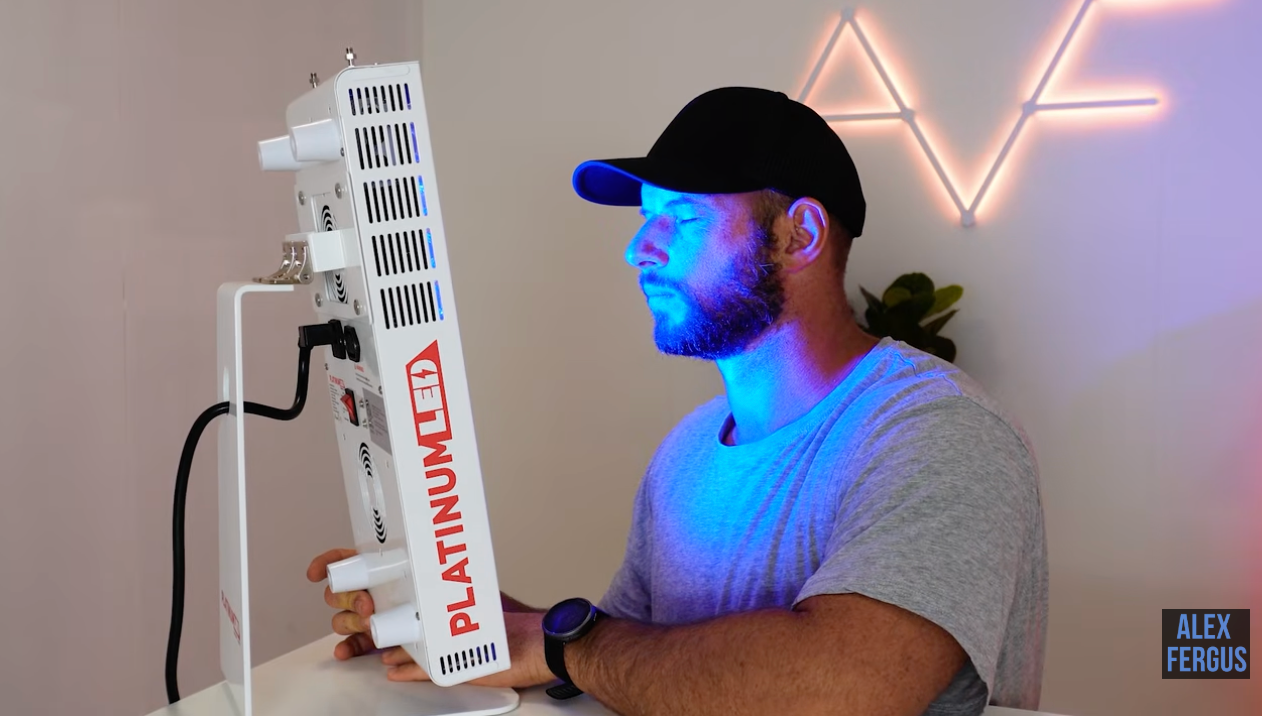
The downside is convenience. Masks are portable, battery powered, travel friendly, and easy to use while sitting on the couch or lying in bed. Panels usually require sitting in front of them for several minutes and are often wall powered.
If convenience is your main priority, a mask makes sense. If you want broader coverage and potentially more versatility, then a panel may be worth considering instead.
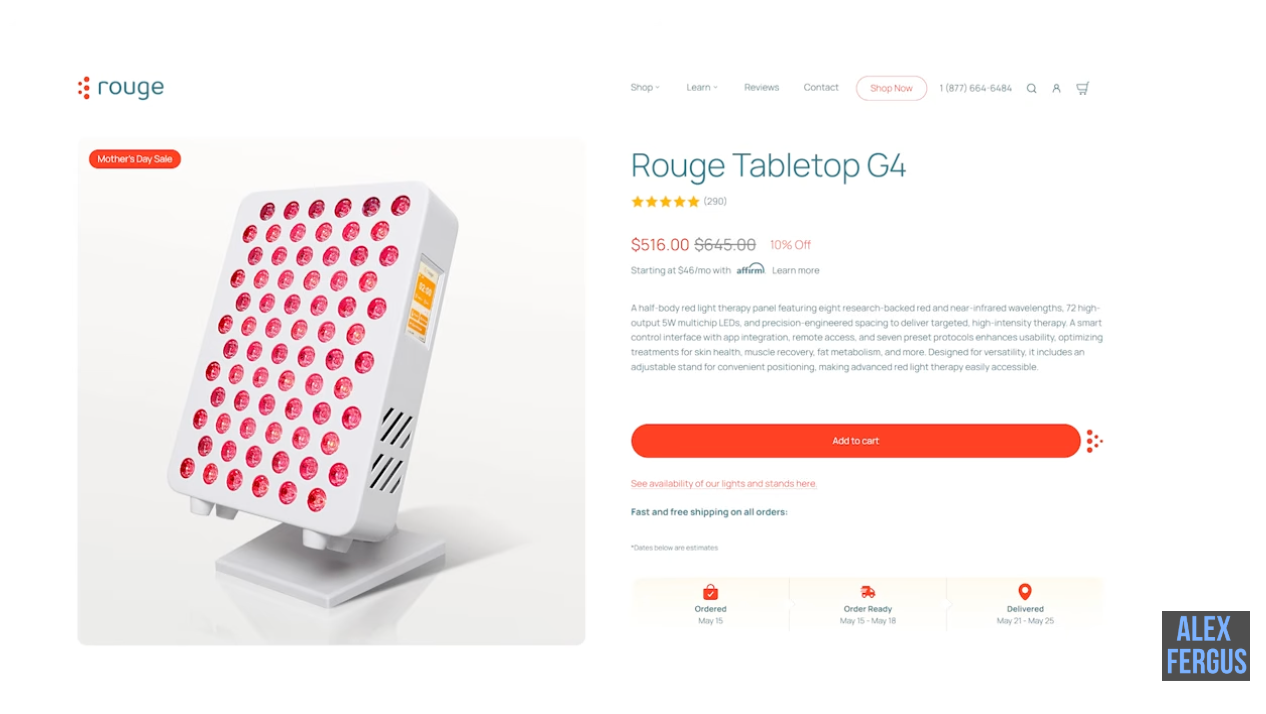
The Rouge G4 panel is probably one of the better balanced options right now in terms of price, size, and overall usability. The PlatinumLED BioMax 300 is another strong option if you want something larger and more powerful. CurrentBody also has a flexible panel design that can wrap around the body, although it is fairly expensive.
Final Thoughts
At the end of the day, most people are overcomplicating red light therapy masks.
You do not need nine wavelengths. You do not need flashy marketing claims. You do not need influencers telling you that one mask is “life changing.”
What actually matters is fairly simple: good coverage, appropriate wavelengths, proper power output, comfort, and a solid return policy.
If acne is your primary concern, I’d lean toward CurrentBody’s acne-focused mask because of the wavelength choices. Otherwise, the Mito Red Light MitoGlow, CurrentBody Series 2, Maysama Aura, and Therabody masks are all reasonable options depending on what style and features you prefer.
Most importantly, though, avoid getting caught up in hype. There are some genuinely good products in this category, but there’s also an enormous amount of marketing noise surrounding them right now.
Here are some of the products or resources I mentioned:
⭐ For a Current Body, use this code ALEXFERGUS at https://aferg.co/currentbody for 10% OFF
⭐ MitoGlow by Mito Red, use this link (discount will appear once you click) https://aferg.co/7d221 for 5% off sitewide
⭐ The Therabody Theraface Mask: no discount code, https://aferg.co/therabody
⭐ Maysama, use this link, https://aferg.co/maysama, and code ALEX for 10% OFF
⭐ For a discount on all the masks I have reviewed: HERE
⭐ Rouge Red Light Therapy, code ALEX at https://aferg.co/rougecare
⭐ PlatinumLED BioMax- Use the discount link https://aferg.co/redled to save 5%, the code will appear once you click.
⭐ Light Therapy Insiders – “Help Me” Shopping Tool
👉 http://aferg.co/help
⭐ Mask Comparison Tool & Buyers Guide: HERE
Have you seen these reviews:
⭐ Red Light Therapy Mask Comparing Test: 25 Masks Ranked And Reviewed
⭐ New LED Masks 2025: CurrentBody, Theraglo, Dr Rajani – First Look
⭐ Lasers vs LEDs: Exposed — What Really Works for Your Skin
⭐ How to Find YOUR Best Red Light Therapy Mask
⭐ Red Light Mask Buyer's Guide - Avoid These Mistakes!
Alex's Bio
Alex Fergus wrote this blog post. Alex is an ISSN Sports Nutrition Specialist, Fitness Professional, and certified Superhuman Coach who continues to expand his knowledge base and help people worldwide with their health and wellness. Alex is recognized as the National Record Holder in Powerlifting and Indoor Rowing and has earned the title of the Australian National Natural Bodybuilding Champion. Having worked as a health coach and personal trainer for over a decade, Alex now researches all things health and wellness and shares his findings on this blog.