

PlatinumLED BioMax Go Review: Their First Handheld Red Light Device
PlatinumLED has made red light therapy panels for years, and its BioMax range is known for high power output, advanced controls, and plenty of features. But the BioMax Go is something quite different.
Instead of another large metal panel that plugs into the wall, PlatinumLED has packed many features from its full-size devices into a small, battery-powered handheld. It has a touchscreen, adjustable red and near-infrared light, pulsing, voice control, and a claimed battery life of up to three hours.
At $299, it’s also priced competitively for a premium handheld red light therapy device. But after testing it, one important question remains: has PlatinumLED packed too much technology into the BioMax Go while compromising the thing that matters most—light output?
And perhaps more importantly for me, can it replace the Rouge Nano, one of my favorite portable red light therapy devices for years?
PlatinumLED BioMax Go: Features and Specs
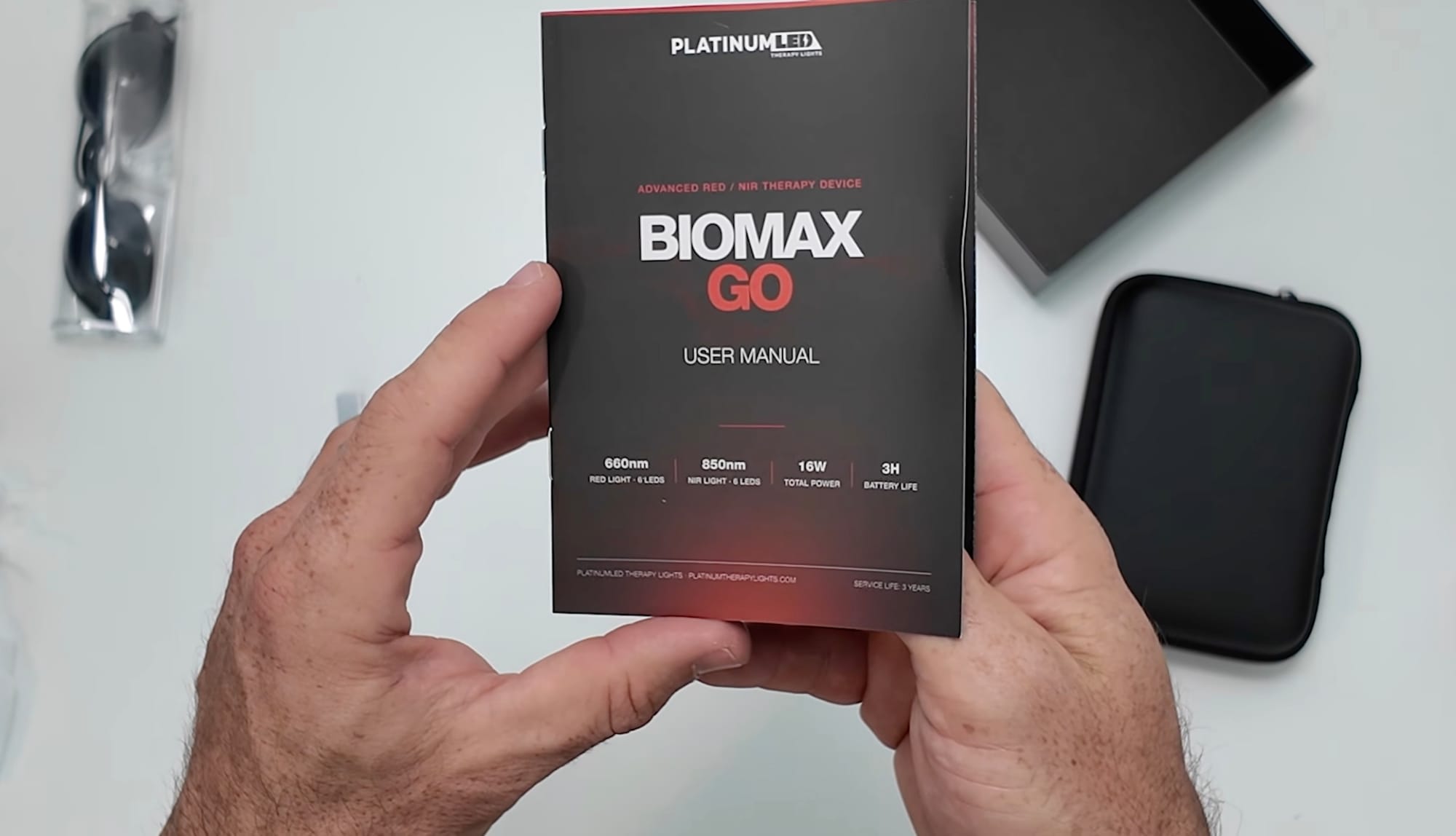
The BioMax Go contains 12 single-chip LEDs: six producing 660nm red light and six producing 850nm near-infrared light. Those are two of the most commonly used wavelengths in red light therapy and give the device a combination of visible red and deeper-penetrating near-infrared light.
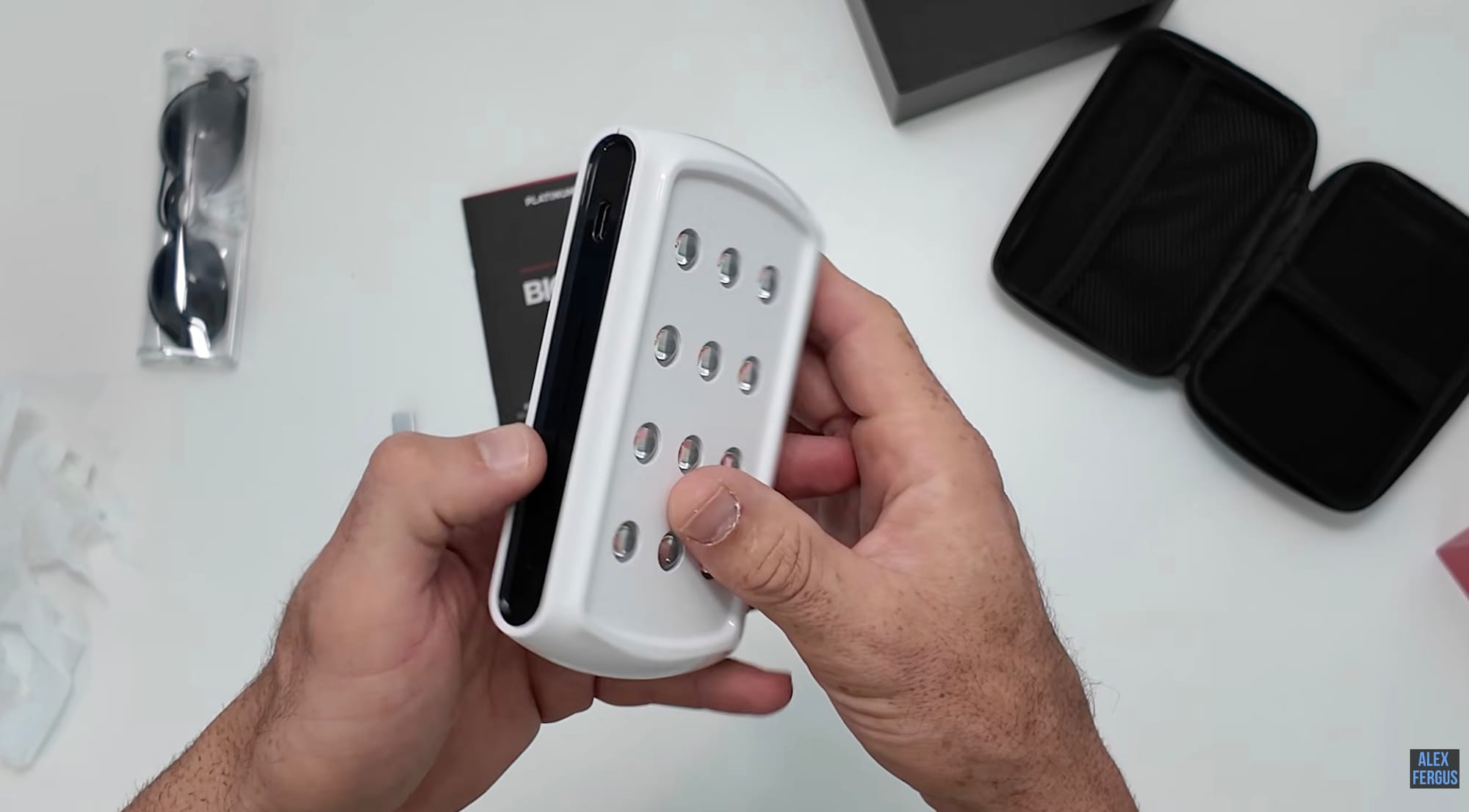
The unit itself is genuinely portable. It measures approximately 5.5 inches tall, 3 inches wide, and about an inch thick, and weighs just 289 grams. That low weight becomes surprisingly important when you’re actually holding a device over an area for several minutes.
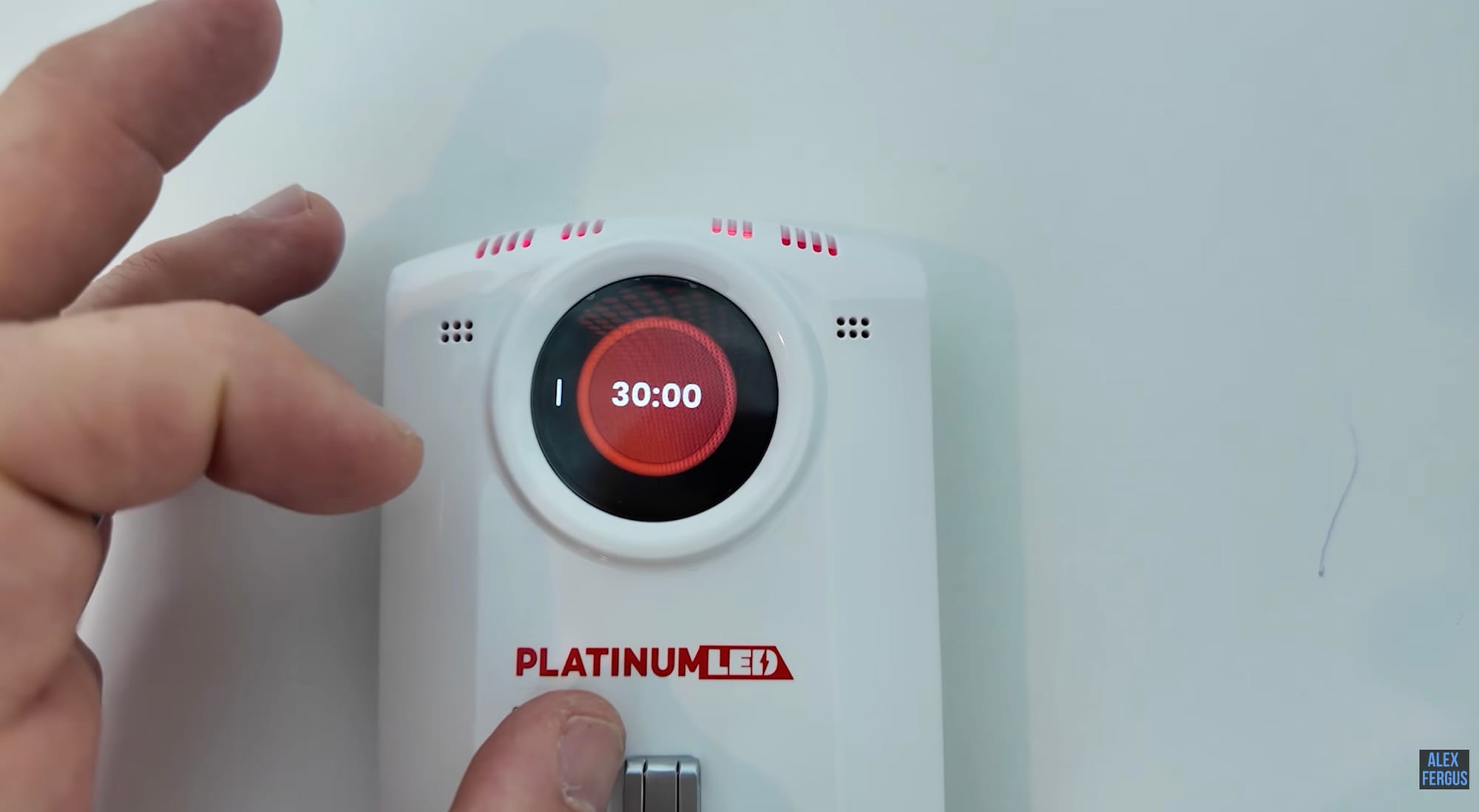
The BioMax Go also offers far more customization than you typically see in a handheld. You can independently adjust the intensity of the red and near-infrared light, select pulsing frequencies from 1 to 1,000 Hz, and set treatments for up to 30 minutes. There’s a touchscreen interface and even voice control.
It charges via USB-C and PlatinumLED claims up to three hours of runtime from the built-in battery. You also get a small detachable stand, goggles, a USB-C charging cable, a carry case, and—something I particularly appreciate—a proper printed instruction manual.
Independent Testing: Does It Meet Its Claims?
As always, I wanted to see what the BioMax Go was actually producing rather than simply relying on the specifications.
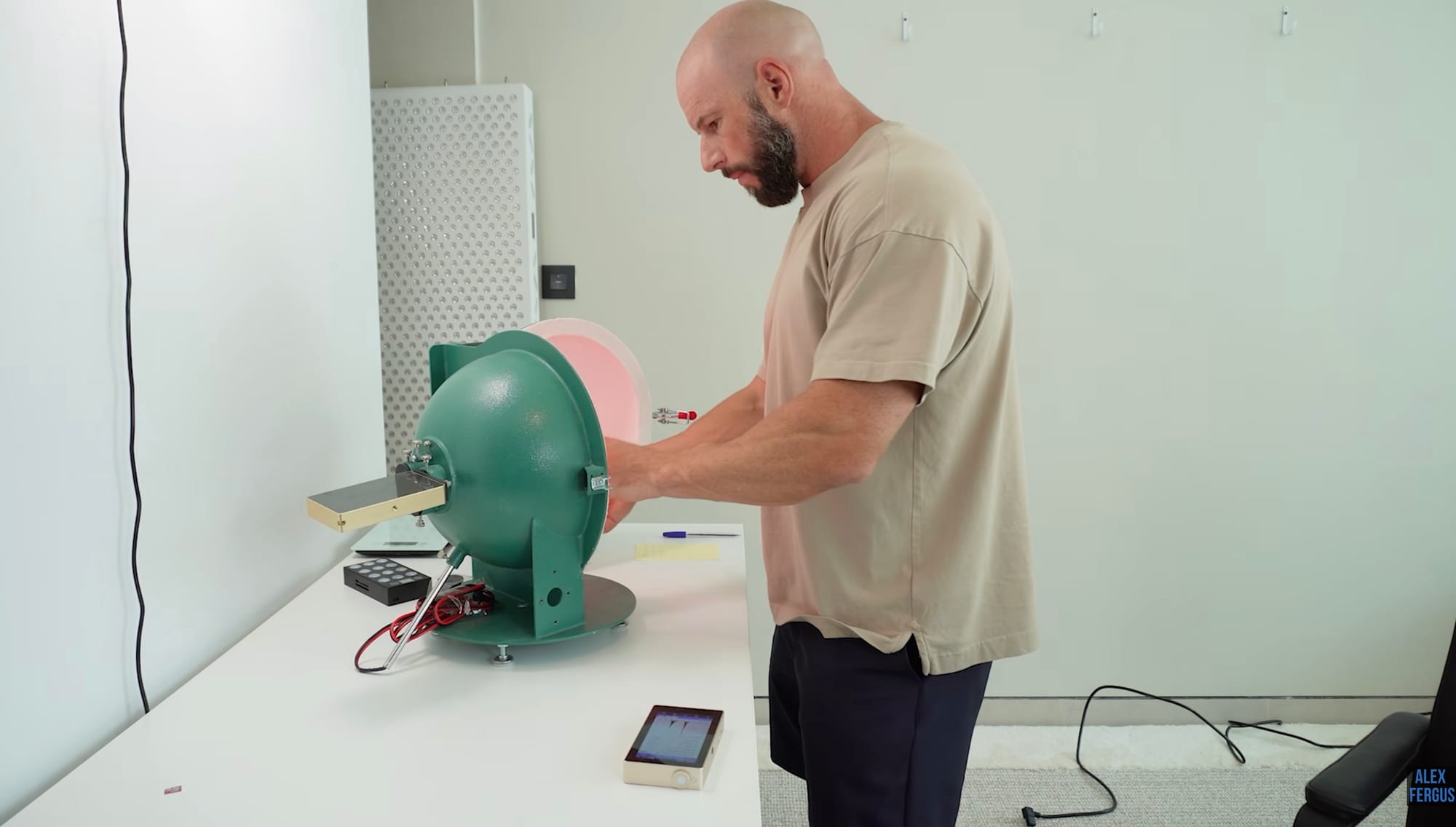
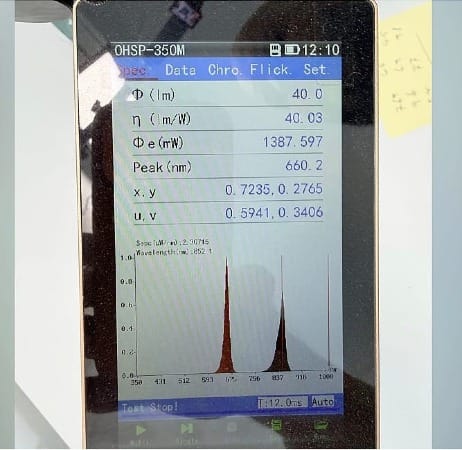
I tested the device with my integrating sphere, and the wavelength results were good news. The BioMax Go produced peaks at 660nm and 850nm, matching PlatinumLED’s advertised wavelengths.
Total optical power, or radiant flux, measured 1.46 watts, while irradiance measured approximately 7.9 mW/cm² at six inches.
There are also no fans, so the BioMax Go operates silently, and I detected no EMF during my testing.
The output numbers become particularly interesting when we compare the BioMax Go with the Rouge Nano, because the Nano produces considerably more power. That doesn't necessarily make the BioMax Go underpowered, but it does influence what I think this device is best suited for.
Price, Warranty and Returns
The BioMax Go retails for $299, before any available discount. For the features included, I actually think that’s a very competitive price.
PlatinumLED offers a 60-day return period, though a restocking fee of up to 20% may apply depending on the condition of the returned product. More impressive is the advertised three-year warranty.
A three-year warranty on a battery-powered handheld device is unusually generous. Batteries are often a weak point in portable electronics, so if PlatinumLED continues offering that warranty, it adds real value.
What I Like About the BioMax Go
The first thing I like is simply how easy it is to hold. The plastic construction makes it significantly lighter than the Rouge Nano, and the shape naturally creates areas for your fingers to grip. Even during a longer treatment, it doesn't feel cumbersome.
That matters in real-world use. We've been using red light therapy on my daughter's forehead following an injury that required plastic surgery and left a scar. Holding a relatively heavy metal device above her head while she's lying in bed isn't ideal. The BioMax Go is lighter, easier to grip, and doesn't have the same hard metal corners, so for that particular situation, I actually prefer it.
I also really like the level of customization. You can change the red and near-infrared intensity, adjust pulsing, and configure the treatment to suit how you want to use it. Better still, the BioMax Go remembers your previous settings, so you don't have to configure everything again every time you turn it on.
USB-C charging is another plus, and although I probably won't use voice control often, I can see situations where it could help. Add in the physical manual, three-year warranty, 60-day return period, and the fact that you're buying from an established company, and there’s a lot to like here.
And then there's the price. When I first saw all the features, I expected this device to cost somewhere around $400–$500. Seeing it priced at $299 was a pleasant surprise.
What I Don't Like
My first complaint is the stand. Because the bottom of the BioMax Go is rounded, you can't simply place it upright on a desk or table. PlatinumLED includes a detachable stand, but it's quite flimsy. It works, but I wouldn't want to bump the table during a treatment.
Build quality is another minor disappointment. The BioMax Go doesn't feel cheap, but it also doesn't have the premium construction I've come to associate with PlatinumLED's larger panels. Mine even rattles slightly when shaken. The upside of using plastic is that the device is much lighter, so there is clearly a tradeoff here, but I would have liked the overall finish to feel a little more refined.
The battery is also substantially smaller than the one inside the Rouge Nano. That said, PlatinumLED claims three hours of runtime, and in my regular use I've been able to use the BioMax Go repeatedly without constantly recharging it. For a weekend away or even several days of travel, battery life shouldn't be a major concern.
Is the BioMax Go Powerful Enough?
This is probably the BioMax Go's biggest limitation, but it needs context.
The device isn't underpowered for what I believe it's designed to do. For skin treatments, scars, wounds, facial treatments, and other targeted applications, I think the output is perfectly usable. You can also place it on its stand and use it for a convenient facial treatment.
Where I'd be less inclined to use it is for deeper tissue applications. If I were targeting a knee, ligament, tendon, lower back, or using red light therapy as part of sports recovery, I'd generally prefer something with greater output.
But I don't think PlatinumLED designed the BioMax Go to replace one of its large BioMax panels. This is a device you can throw into a handbag or carry-on, take traveling, keep nearby for spot treatments, or use when pulling out a large panel simply isn't practical.
Viewed that way, the output makes considerably more sense.
BioMax Go vs Rouge Nano
This is where things get interesting.
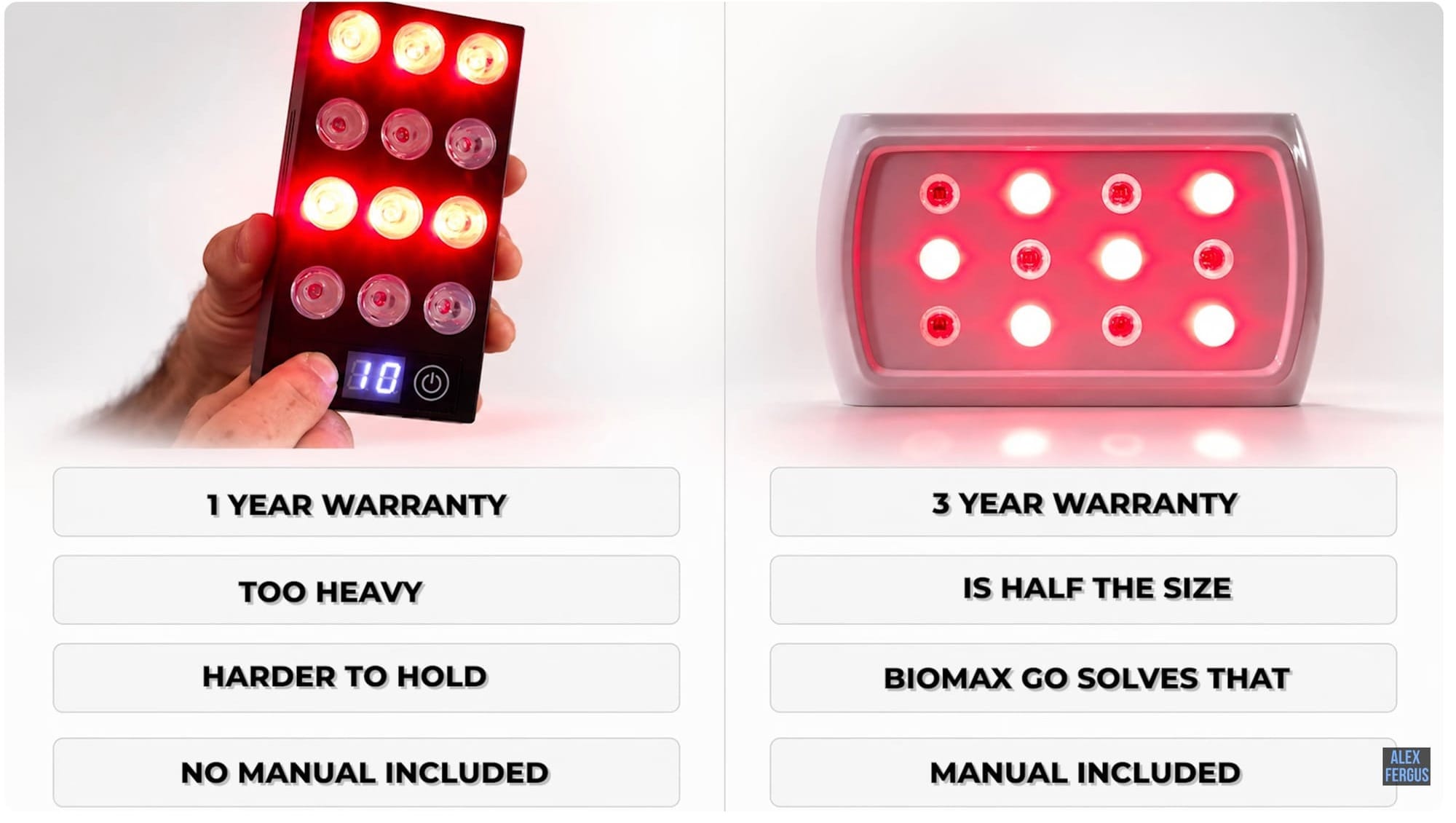
I recently reviewed the Rouge Nano, and I've used it for a long time. In fact, it has probably been my family's go-to portable red light therapy device. But in that review, I identified several things I didn't particularly like about it—and the BioMax Go addresses almost every one of them.
The Rouge Nano has a one-year warranty; the BioMax Go offers three years. The Nano is relatively heavy; the BioMax Go is much lighter. The Nano's boxy metal construction isn't particularly comfortable to hold; the BioMax Go is rounded and easier to grip. I also criticized the Nano's lack of a proper manual, while PlatinumLED includes a good printed manual.
So does that automatically make the BioMax Go better? Not quite.
The Rouge Nano has a substantially larger battery and produces roughly twice the power. It also uses dual-chip LEDs, meaning each LED can produce both red and near-infrared light. The BioMax Go uses separate single-chip LEDs for each wavelength.
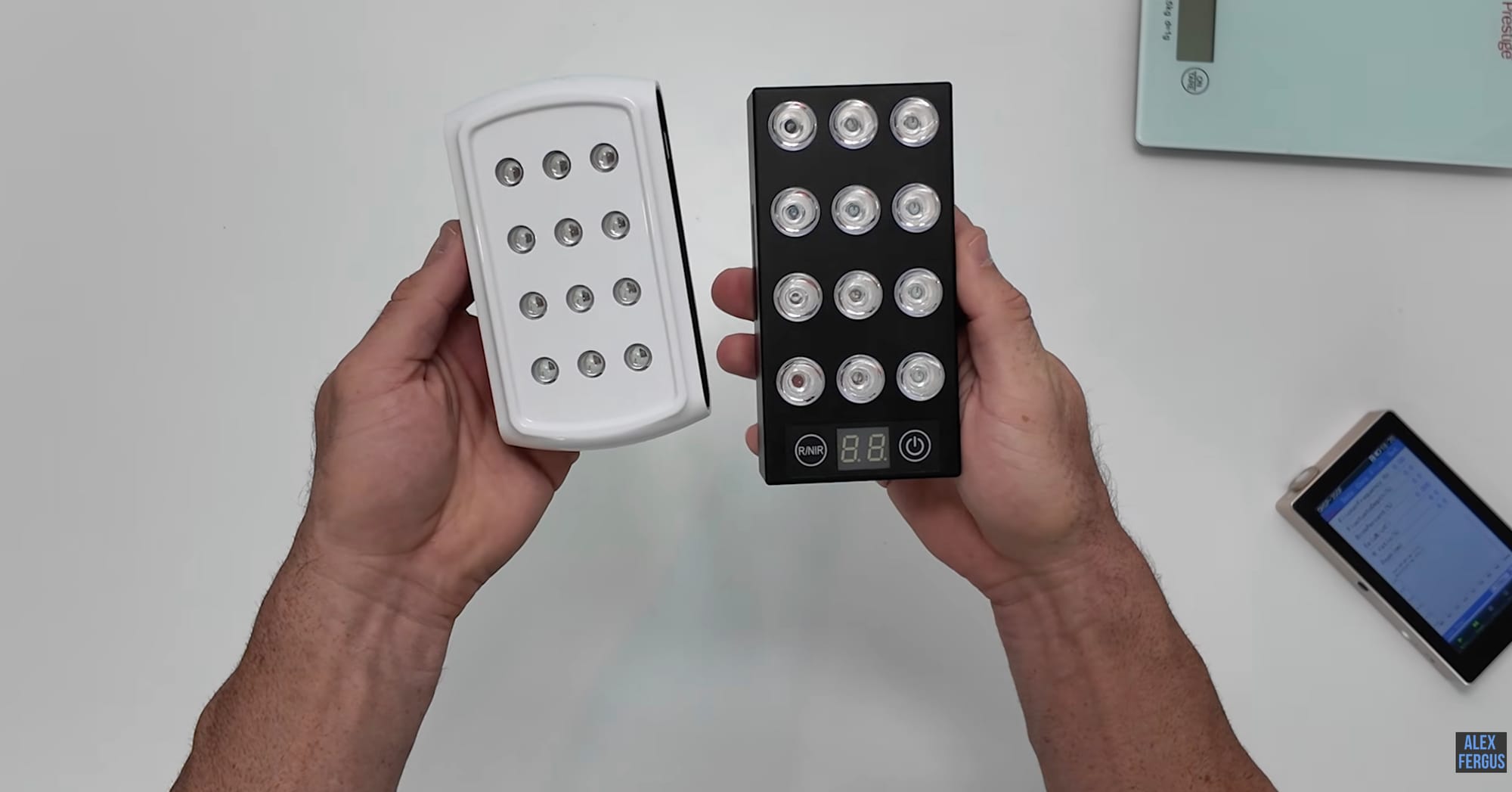
That distinction matters more when using a device very close to the skin. At close range, dual-chip LEDs can better blend the different wavelengths across the treatment area. As you move farther away, the light has more opportunity to spread and mix, so the difference matters less.
The two devices also operate very differently. The Rouge Nano is incredibly simple: turn it on and start your treatment. The BioMax Go takes a little longer to boot and navigate, but in exchange you get adjustable intensity, pulsing, timers, wavelength controls, and significantly more customization.
Neither approach is necessarily better. It depends on what you want from a handheld red light therapy device.
Which One Would I Choose?
If I could only own one, this would actually be a difficult decision.
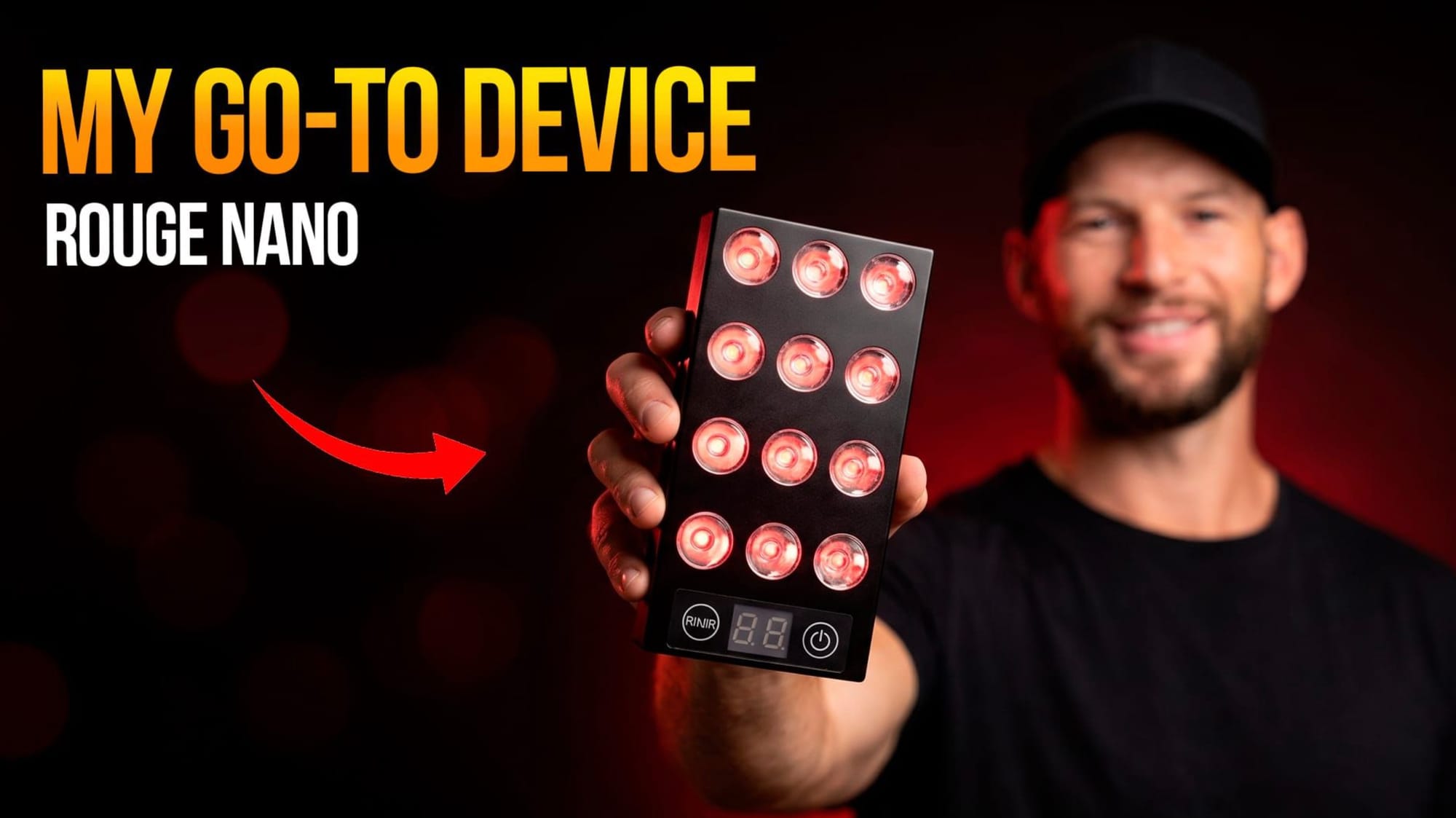
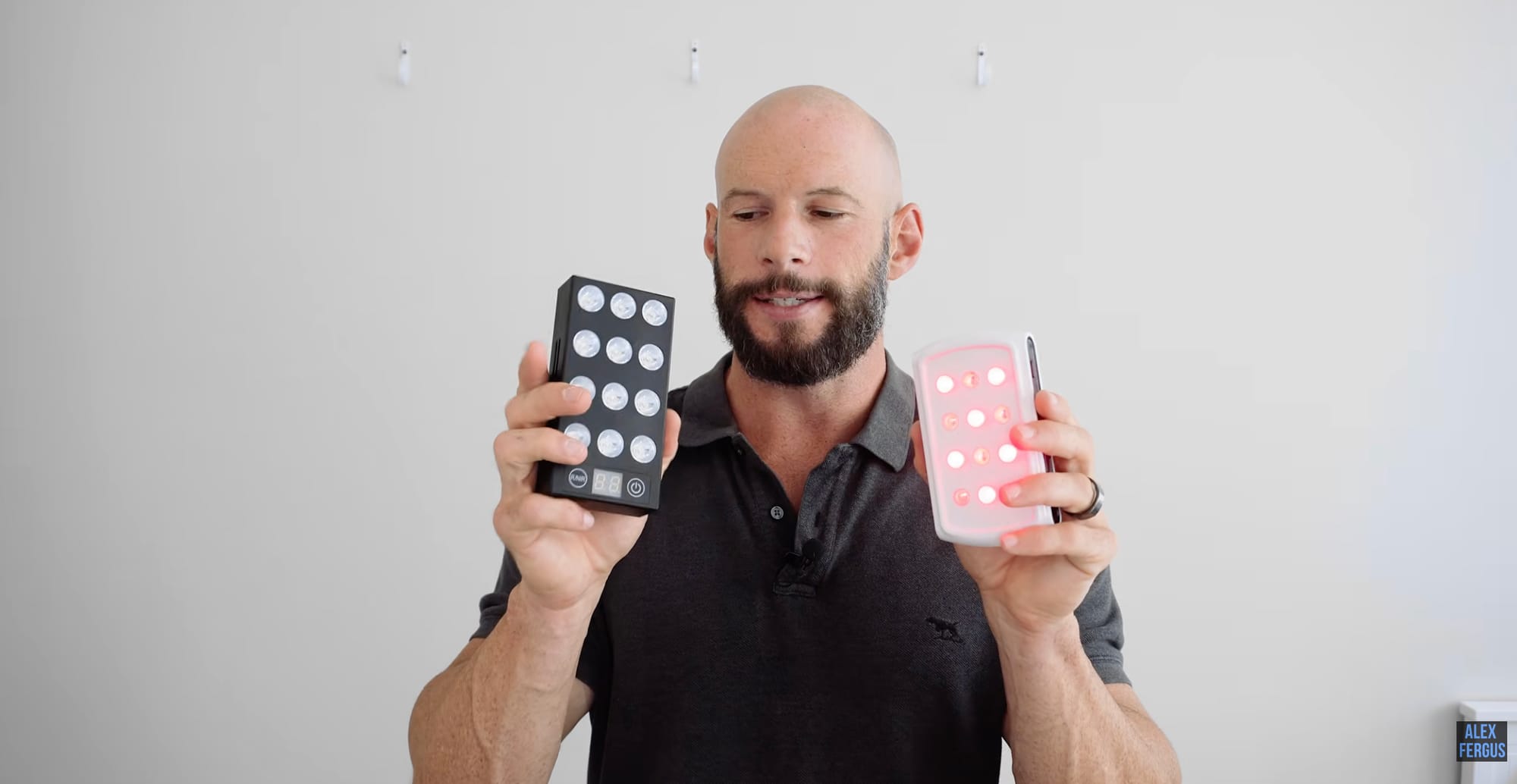
For situations where I want more power or deeper penetration, I'd probably reach for the Rouge Nano. For travel, facial treatments, skin applications, scars, or situations where weight and ease of handling matter more, the BioMax Go has clear advantages.
That's why, for now, I'm keeping both.
The BioMax Go isn't simply a smaller version of a PlatinumLED panel. It's a genuinely portable device with a different purpose. PlatinumLED has sacrificed some power and premium metal construction in exchange for lower weight, portability, and an impressive range of controls.
Final Verdict
For $299, the PlatinumLED BioMax Go offers a lot. You get verified 660nm and 850nm wavelengths, adjustable intensity, pulsing, touchscreen controls, USB-C charging, a lightweight design, a carry case, and an unusually strong three-year warranty.
The stand could be better; the overall build doesn't feel quite as premium as I'd expect from PlatinumLED, and I'd like more power. If deep-tissue treatment is your priority, stronger options are available.
But that's not really where the BioMax Go shines. This portable red light therapy device is designed for convenient, targeted treatments at home or while traveling, and on that basis, it does its job very well.
It hasn't completely replaced my Rouge Nano—but it has given me several situations where I'd reach for the BioMax Go first. And for PlatinumLED's first move away from its traditional panel format, that's a pretty impressive start.
Items Mentioned
⭐ Buy a BioMax Go; Use the discount link https://aferg.co/redled to save 5%
⭐ Buy a Rouge Nano; Use discount code ALEX at https://aferg.co/rougecare for $50 off.
Found This Interesting? Then You Might Like
♦️ Red Light Therapy For Epilepsy: Current Science Explained
♦️ Gut Health & Red Light: A Surprising Connection
♦️ Red Light Therapy For Eye Health: The Very Impressive Science
♦️ Does Red Light Therapy Create Vitamin D? Check This Important Data!
Have You Seen These Reviews
♦️ CurrentBody’s Acne Mask Gets the Wavelength Right. But There’s a Catch
♦️ Dual-Chip LEDs Sound Better—Until You See the Test Results
♦️ Helio Cure Glow Review: They Actually Fixed the Problems!
♦️ This Back Pain Wrap Has Red Light, Heat & Vibration—But Does It Work?
Alex's Bio
Alex Fergus wrote this blog post. Alex is an ISSN Sports Nutrition Specialist, Fitness Professional, and certified Superhuman Coach who continues to expand his knowledge base and help people across the world with their health and wellness. Alex is recognized as the National Record Holder in Powerlifting and Indoor Rowing and has earned the title of the Australian National Natural Bodybuilding Champion. Having worked as a health coach and personal trainer for over a decade, Alex now researches all things health and wellness and shares his findings on this blog.
Want More Deep Dives On Light Therapy? Join Our Advanced Science Course Below:

This course teaches you:
- The science on many different goals, whether diseases or maximizing performance
- Best device selection based on scientific criteria
- Maximizing your benefits for different goals, whether gym performance, sleep quality, using UV light, or more!
Join for free HERE!