
Knee pain is one of the most frustrating conditions to deal with because it affects almost everything. Training becomes harder, recovery slows down, mobility decreases, and even basic daily movement can become irritating over time. The problem is that “knee pain” is not one single condition.
Osteoarthritis is completely different from tendon pain. Meniscus injuries are different from ligament problems. Patellofemoral pain syndrome is another category entirely. Even the location of the pain can change which type of treatment may work best.
That distinction matters because different structures inside the knee respond differently to photobiomodulation and red light therapy.
The current research on knee pain and light therapy is actually far stronger than many people realize. There is especially good evidence for knee osteoarthritis, while tendon-related knee pain also shows consistently positive outcomes. Other conditions, including meniscus injuries and ligament recovery, still need more research, but even there, the early findings are encouraging.
Understanding The Knee Matters
The knee is an extremely complex joint with multiple structures working together at the same time.
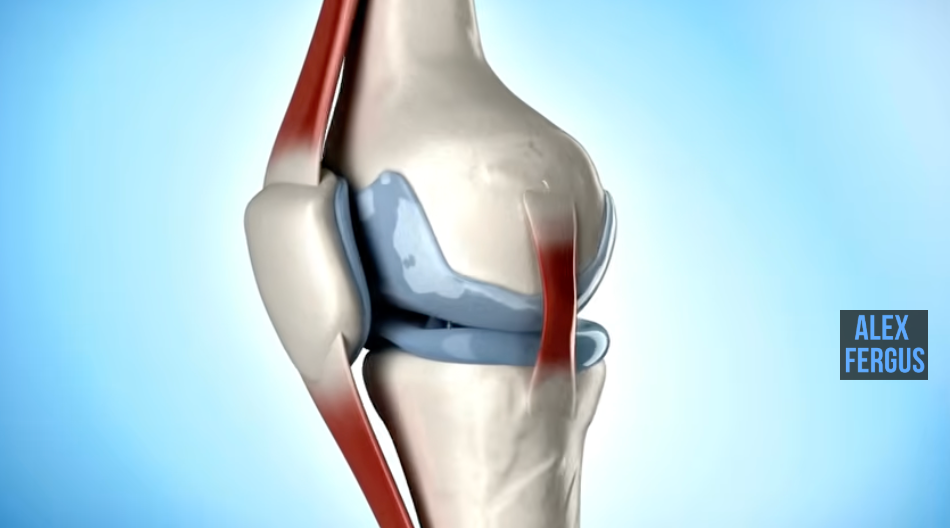
There are ligaments on the sides of the knee that stabilize movement, including structures like the ACL and surrounding connective tissues. There is the meniscus, which acts like a shock absorber between the femur and tibia. There are tendons connecting the upper leg muscles across the kneecap into the lower leg. There are muscles surrounding the joint that influence stability, movement quality, and force production. There is cartilage inside the joint itself that can gradually degenerate over time.
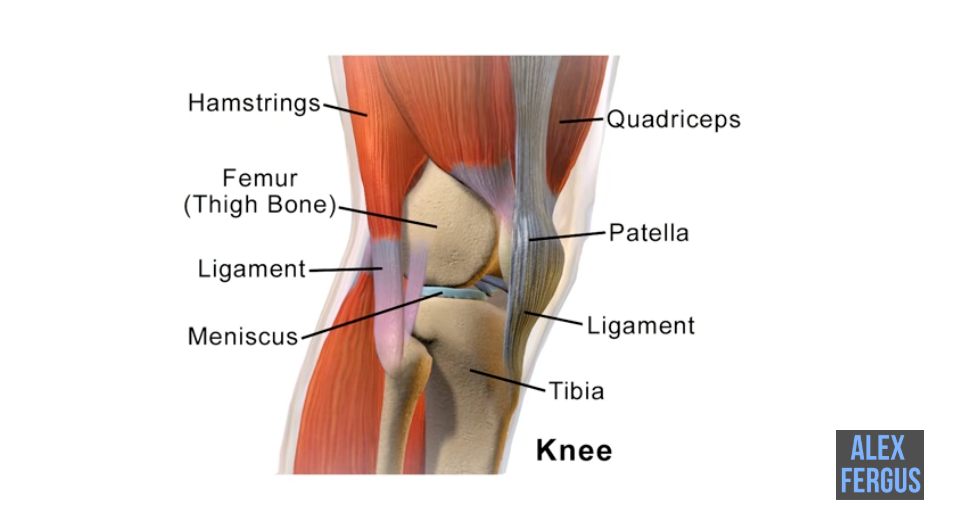
Different problems affect different structures.
A tendon issue at the front of the knee is not the same as osteoarthritis deep inside the joint. A meniscus problem is different from patellofemoral pain syndrome. That is why treatment protocols can vary so much depending on the condition being targeted.
Why Knee Pain Is Becoming So Common
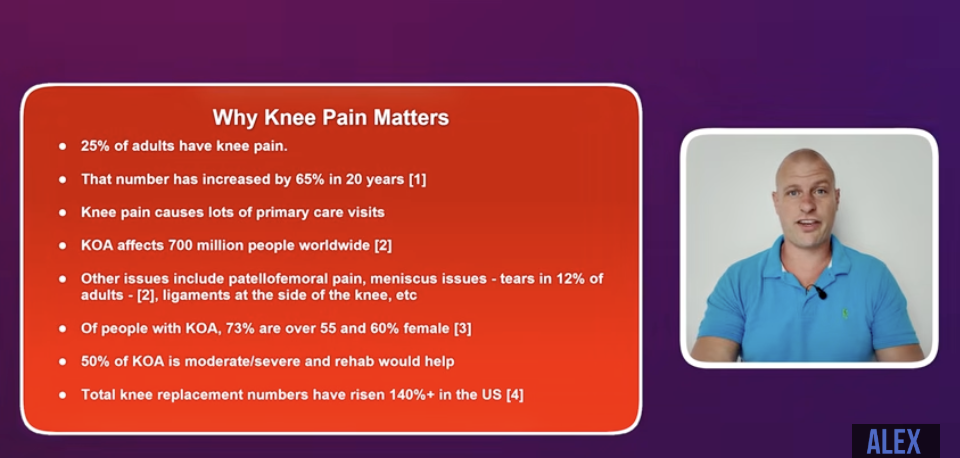
Around 25% of adults currently deal with knee pain, and that number has increased significantly over the last two decades. Osteoarthritis alone affects hundreds of millions of people worldwide, while meniscus injuries and tendon problems are also incredibly common.
Age is one of the biggest risk factors, but it is not the only one. Repetitive exercise, previous injuries, poor mobility, excess body weight, inflammation, and muscle dysfunction all contribute to long-term knee problems.
Many people with osteoarthritis remain under treated, which is one reason knee replacement surgeries have become so common. Chronic knee pain often progresses slowly over time, eventually affecting walking, exercise, sleep quality, and overall quality of life.
Near Infrared Light Appears To Work Best
One of the strongest patterns throughout the research is that near infrared wavelengths consistently perform best for deeper knee structures.
The wavelengths with the strongest evidence generally fall between roughly 810nm and 1070nm. Near infrared penetrates deeper into tissue compared to standard red light, which matters because many knee problems involve structures deep inside the joint.
Cartilage, connective tissue, tendons, inflammation inside the joint capsule, and deeper structures like the meniscus are not surface-level tissues. Deeper penetration appears to be one reason near infrared performs particularly well for osteoarthritis and chronic joint pain.
That does not mean standard red light is useless. Several successful studies combined red, amber, and near infrared wavelengths together. Red light may still provide benefits for inflammation, circulation, and more superficial tissues, but near infrared appears most important for deeper joint issues.
Osteoarthritis Has The Strongest Evidence Base
Out of all knee conditions, osteoarthritis currently has the best evidence supporting photobiomodulation.
Multiple studies demonstrate reductions in pain, stiffness, and disability scores. Pain reductions around 20–40% appear repeatedly throughout the literature, which can dramatically improve mobility and quality of life for people dealing with chronic daily pain.
The proposed mechanisms behind these improvements include:
- Reduced inflammation
- Improved circulation
- Enhanced mitochondrial energy production
- Improved tissue repair
- Reduced stiffness
- Better joint function
Some studies also showed that results continued for months after treatment periods ended, although long-term maintenance treatments likely make the most sense for chronic degenerative conditions.
Another important finding is that stronger treatments often appear more effective for osteoarthritis. Higher-powered near infrared devices may provide better penetration into deeper tissues inside the knee joint.
Exercise Plus Light Therapy Works Better Than Either Alone
One of the clearest trends throughout the research is that combining light therapy with movement and rehabilitation consistently produces the best outcomes.
Exercise therapy, hydrotherapy, mobility work, and strengthening exercises repeatedly improved results when paired with photobiomodulation. That makes sense because stronger muscles and better movement patterns reduce stress placed on the joint itself.
Using red light therapy while ignoring exercise, mobility, recovery, and lifestyle factors is probably one of the biggest mistakes people make.
The knee does not exist in isolation. The muscles above and below the joint influence how the knee functions every single day.

Tendon Pain And Patellofemoral Pain Also Show Strong Results
The evidence for tendon-related knee pain is also increasingly positive.
Studies involving patellofemoral pain syndrome, anterior knee pain, and tendon irritation repeatedly showed improvements in pain levels, mobility, and knee function after light therapy treatments.
One study using 1064nm light alongside exercise therapy showed statistically significant improvements in pain reduction, knee flexion, and lower extremity function compared to exercise alone. Another study involving military and police personnel with anterior knee pain demonstrated meaningful reductions in pain scores after several weeks of treatment.
Several studies also used combinations of wavelengths, including amber light alongside near infrared light, which again suggests that multiple wavelengths may provide complementary benefits depending on the tissues being targeted.
Meniscus And Ligament Research Is Still Limited
The evidence becomes less clear once the discussion shifts toward meniscus injuries, ACL recovery, and ligament-related issues.
There are some promising studies involving pain reduction and recovery support, but many of these trials are either small, isolated, or based on animal models instead of large human clinical trials.
That does not mean red light therapy cannot help these conditions. It simply means the research is still developing and there is not enough high-quality evidence yet to confidently establish highly specific treatment protocols.
Dosing Is Still One Of The Biggest Challenges
One of the most frustrating parts of photobiomodulation research is that treatment protocols vary enormously between studies.
Different researchers use different wavelengths, pulse settings, power levels, treatment times, frequencies, and application methods. Even so, several useful patterns continue appearing throughout the literature.
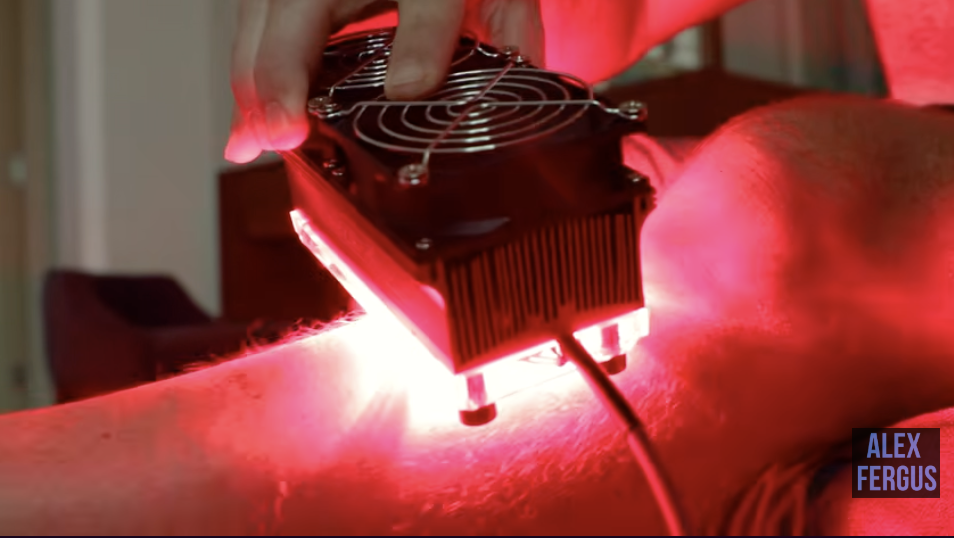
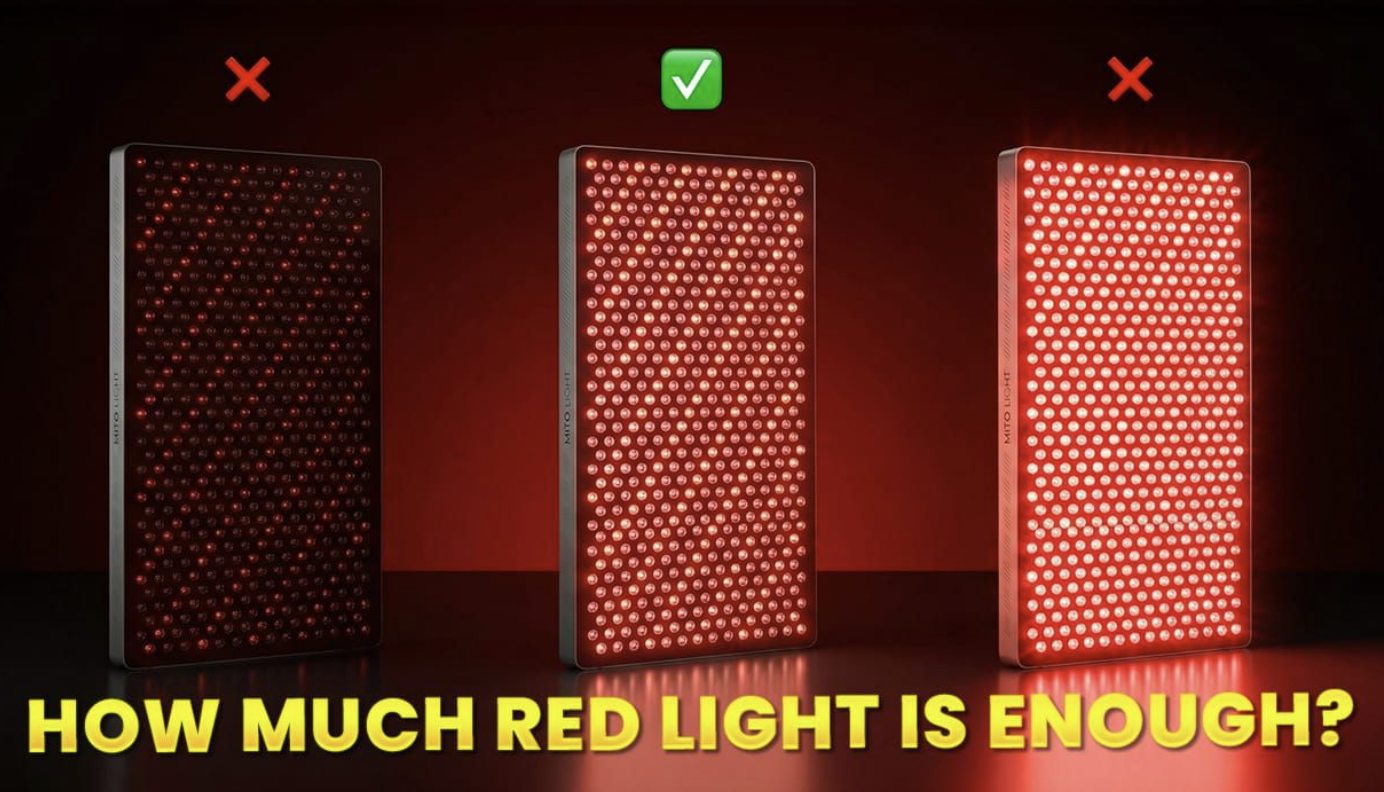
Moderate-to-higher doses seem to work best for many knee conditions, especially deeper issues like osteoarthritis and tendon pain. A practical target range often falls somewhere between roughly 10–30 J/cm².
There also appears to be some benefit from slight thermal buildup when using higher-powered devices. Some warmth may actually improve outcomes for deeper tissues rather than reducing effectiveness.
Consistency matters too. Many successful studies used treatments four or five times per week over multiple weeks. Using a device inconsistently for a few days and then stopping is unlikely to produce major results for chronic knee problems.
The Best Devices For Knee Pain
Device design matters a lot when treating knees because the knee is not a flat surface.
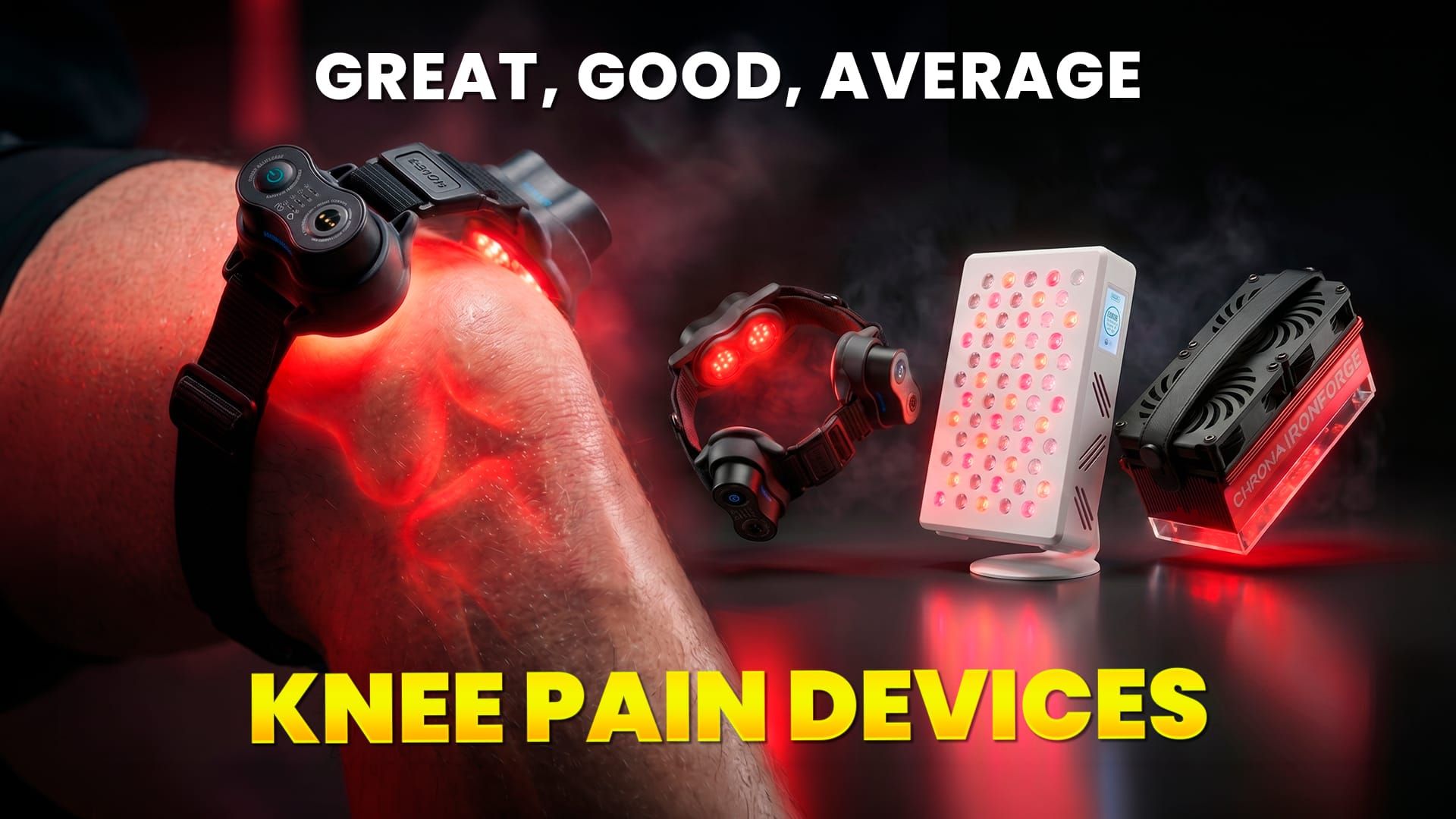
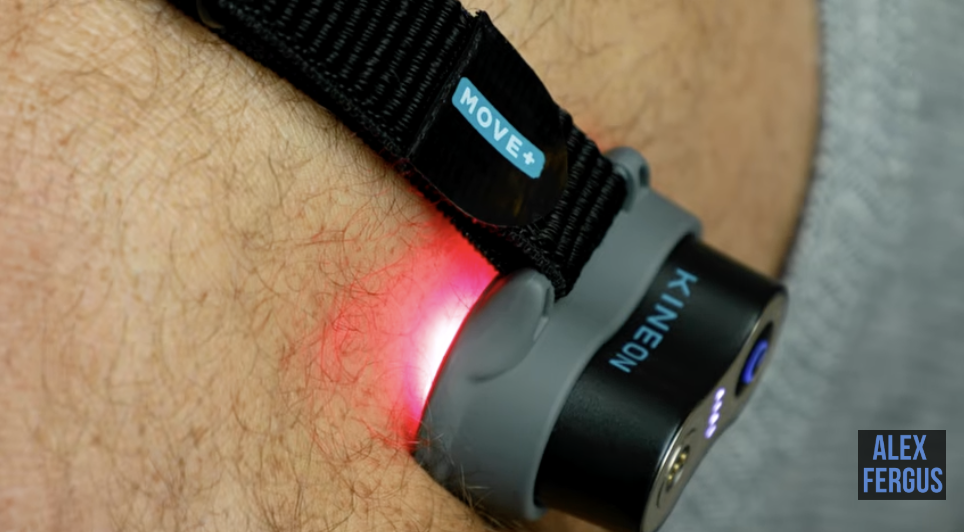
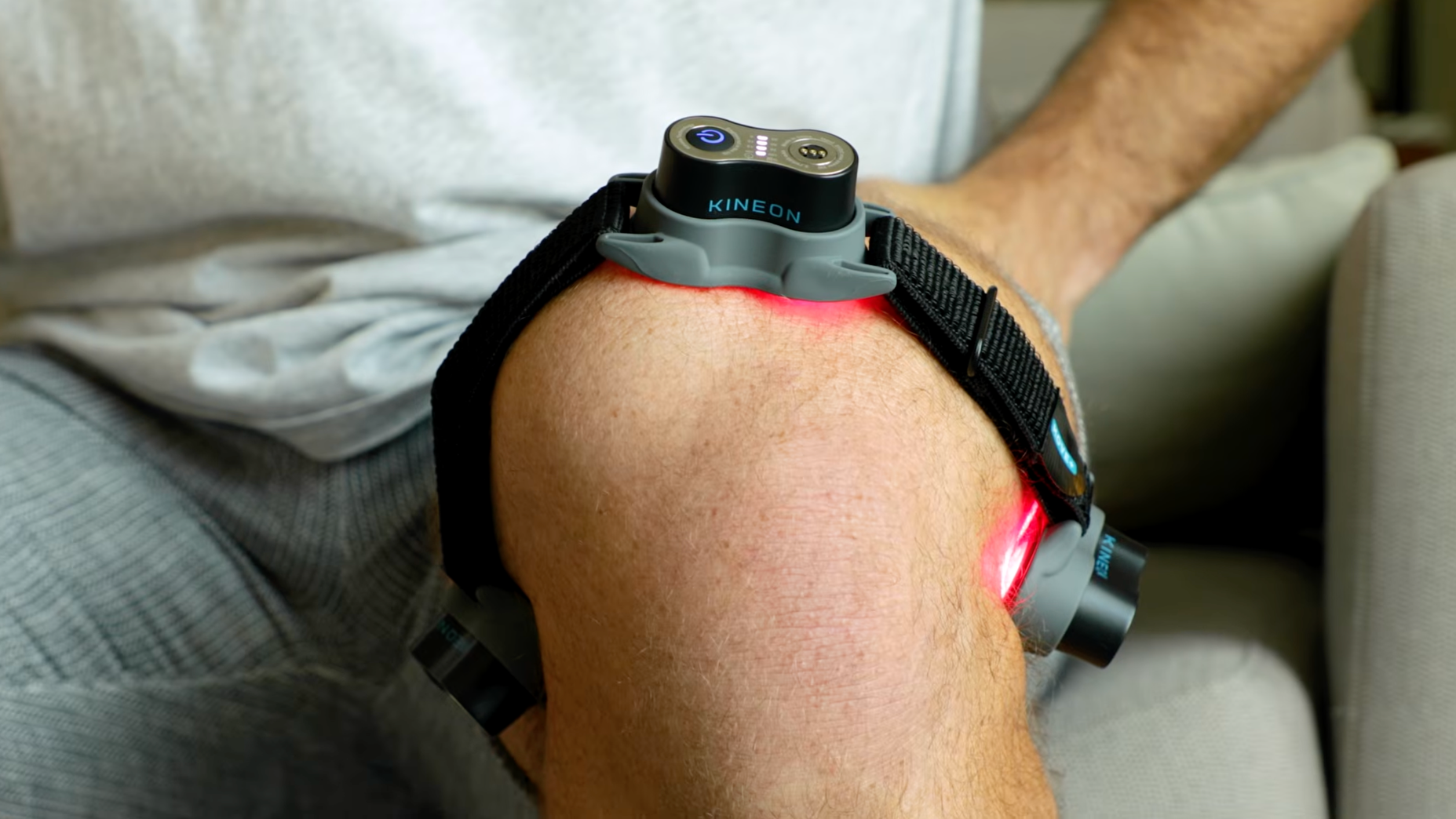
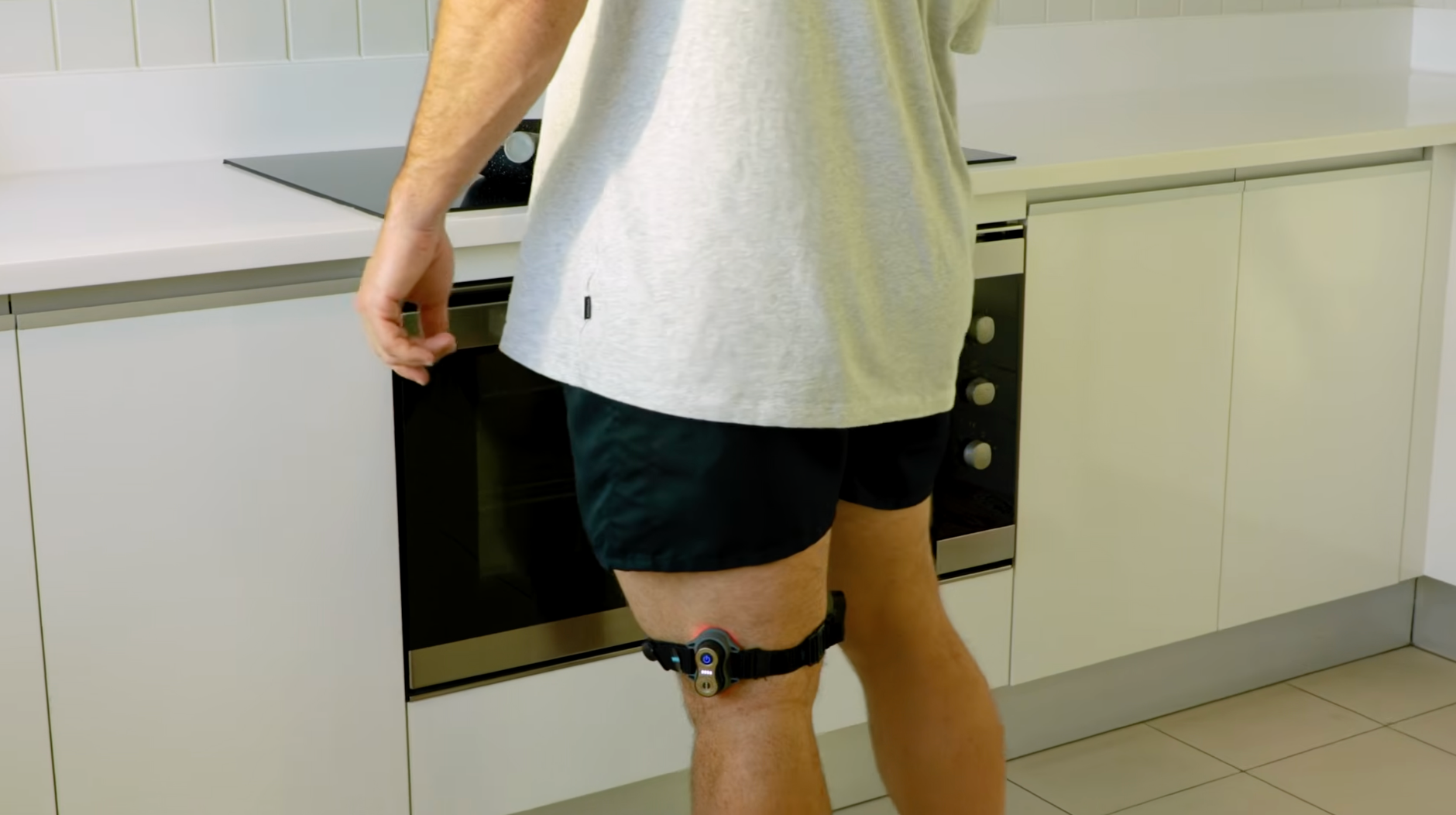
The Kineon Move+ stands out because it was specifically designed for joints. Its wraparound structure allows treatment around the front and sides of the knee, making it easier to target structures like the patellar tendon, meniscus area, and surrounding connective tissues.
The Chroma Ironforge is another particularly strong option because of its high-powered near infrared output. Since it is handheld, it allows very targeted treatment from multiple angles around the knee. That can be useful when trying to aggressively target deeper tissues or specific structures.
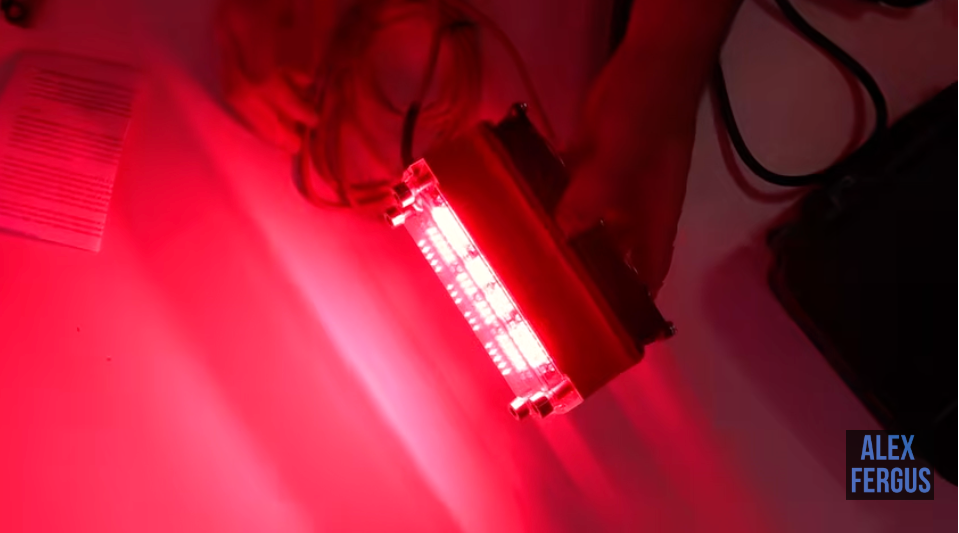
Handheld devices in general can work very well, although they require more effort because the knee usually needs treatment from several different positions for full coverage.
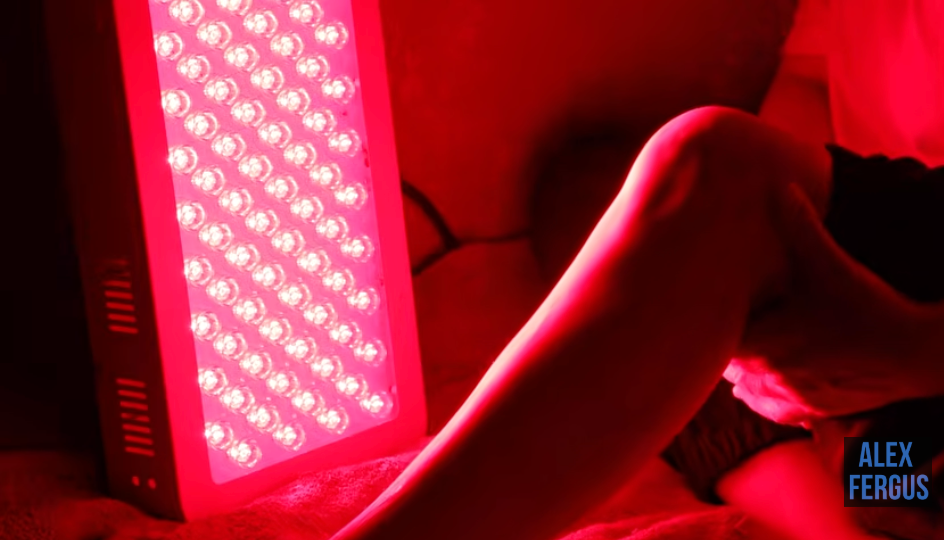
Full-body panels may also provide additional benefits, particularly for surrounding muscles above and below the joint. While the studies have not directly tested this extensively, improving circulation and tissue quality around the knee likely supports overall function and recovery.
Lifestyle Still Matters
No device can fully compensate for poor recovery habits, chronic inflammation, inactivity, poor sleep, or excess body weight.
For osteoarthritis especially, reducing unnecessary stress on the knee joint matters enormously. Strengthening surrounding muscles, improving mobility, maintaining a healthy body composition, and staying active all influence long-term outcomes.
Sleep quality, protein intake, vitamin D status, gut health, and overall inflammation control may also affect recovery. Supplements like creatine, glucosamine, and chondroitin may provide additional support depending on the individual.
Photobiomodulation appears most effective when combined with a broader long-term recovery strategy rather than being viewed as a standalone solution.
Final Thoughts
The evidence supporting red light therapy for knee pain continues to grow, especially for osteoarthritis and tendon-related conditions.
Near infrared wavelengths between roughly 810nm and 1070nm appear to have the strongest evidence for deeper knee structures. Moderate-to-higher doses performed consistently over time seem to produce the best outcomes, particularly when combined with exercise and rehabilitation.
There are still unanswered questions involving ideal protocols, long-term outcomes, and the best treatment approaches for specific injuries. Even so, the overall direction of the science is increasingly positive.
For people dealing with chronic knee pain, stiffness, tendon irritation, osteoarthritis, or reduced mobility, photobiomodulation may be one of the most promising non-invasive tools currently available when used alongside proper exercise, movement, rehabilitation, and long-term lifestyle improvements.
Resouces or Products Mentioned:
⭐ Use discount code AFERGUSMOVE for 10% off the Move+ Pro: https://aferg.co/kineon
⭐ Get a Chroma Ironforge here: https://aferg.co/chroma-ironforge - discount code ALEX
🔬 Dosing: Red Light Dosing & Wavelengths Explained Simply
🔬 Vladimir Heiskanen's studies link: https://aferg.co/lllt-studies
🔬 Red Light Vs NIR: Why You Need BOTH: coming soon
🔬 Course Osteoarthritis Episode- coming soon!
Here are all the studies I referred to in my Best Device for Knee Pain video.
[1] https://www.aafp.org/pubs/afp/issues/2018/1101/p576.html
[2] https://jamanetwork.com/journals/jama/article-abstract/2811009
[3] https://www.who.int/news-room/fact-sheets/detail/osteoarthritis/
[4] https://www.sciencedirect.com/science/article/pii/S1063458417311305
[5] https://pmc.ncbi.nlm.nih.gov/articles/PMC10531845/
[6] https://pubmed.ncbi.nlm.nih.gov/38630331/
[7] https://pubmed.ncbi.nlm.nih.gov/34101208/
[8] https://pubmed.ncbi.nlm.nih.gov/33992256/
[9] https://pubmed.ncbi.nlm.nih.gov/24844921/
[10] https://pubmed.ncbi.nlm.nih.gov/19405858/
[11]https://www.frontiersin.org/journals/medicine/articles/10.3389/fmed.2025.1613197/full
[12] https://pmc.ncbi.nlm.nih.gov/articles/PMC9528593
[13] CC BY-3.0 Lisence,
https://en.wikipedia.org/wiki/Knee#/media/File:Blausen_0597_KneeAnatomy_Side.png
[14] https://pubmed.ncbi.nlm.nih.gov/23093133/
[15] https://www.sciencedirect.com/science/article/abs/pii/S1440244016300020
[16] https://pmc.ncbi.nlm.nih.gov/articles/PMC9470099/
Bart's Bio:
This is a post by Bart Wolbers. Bart finished degrees in Physical Therapy (B), Philosophy (BA and MA), Philosophy of Science and Technology (MS - with distinction), and Clinical Health Science (MS), has had training in functional medicine, and is currently head researcher at Lighttherapyinsiders.com