
Sunlight has long been linked to better health outcomes. People who spend more time outdoors often show lower mortality rates, improved cardiovascular health, stronger circadian rhythms, better sleep quality, and better overall well-being. For years, the dominant explanation seemed simple: sunlight increases vitamin D production, and vitamin D must therefore be responsible for most of these benefits.
However, modern research has significantly complicated that story. Large randomized controlled trials using vitamin D supplements have repeatedly failed to reproduce many of the broad health benefits associated with regular sunlight exposure. That has forced researchers to ask a deeper question: Is sunlight doing far more than simply raising vitamin D levels?
The answer increasingly appears to be yes.
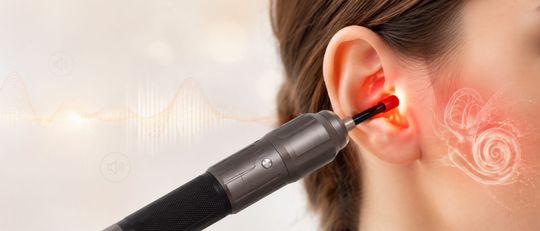
Sunlight is not one isolated biological input. It is an enormous spectrum of wavelengths interacting with the body through multiple pathways simultaneously. Some of those pathways involve ultraviolet light, some involve visible light, some involve heat, and some involve red and near infrared wavelengths — the same wavelengths used in red light therapy and photobiomodulation devices.
That naturally raises another question: can red light therapy replicate some of the benefits of sunlight?
The short answer is partially. But to understand why, we first need to break sunlight into its major biological pathways.
Why Vitamin D Became The Main Explanation
For decades, observational studies consistently showed that people with higher sun exposure — and higher blood vitamin D levels — tended to experience better health outcomes. Lower mortality rates, reduced disease risk, and improved overall health were all repeatedly associated with higher vitamin D status. Naturally, the conclusion became:
More sunlight → more vitamin D → better health.
The problem is that observational studies cannot prove causation. People who spend more time outdoors often live very different lifestyles from people who spend most of their time indoors. They may exercise more, sleep better, socialize more frequently, experience lower stress levels, or simply spend less time under artificial lighting. Any of those factors could contribute to the improved health outcomes researchers were seeing.
To properly test the vitamin D theory, researchers began conducting large randomized controlled trials. In these studies, one group received vitamin D supplements while another group did not. If vitamin D truly explained most of the sunlight-health relationship, then supplementation should recreate many of the same benefits associated with sun exposure.
That largely failed to happen.
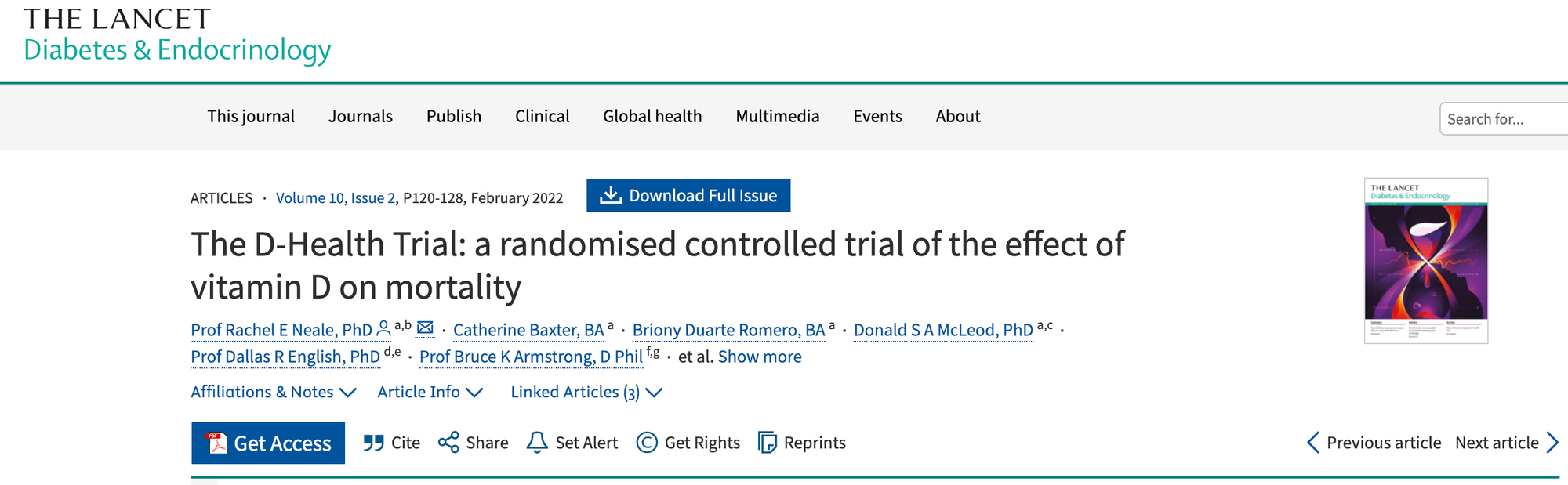
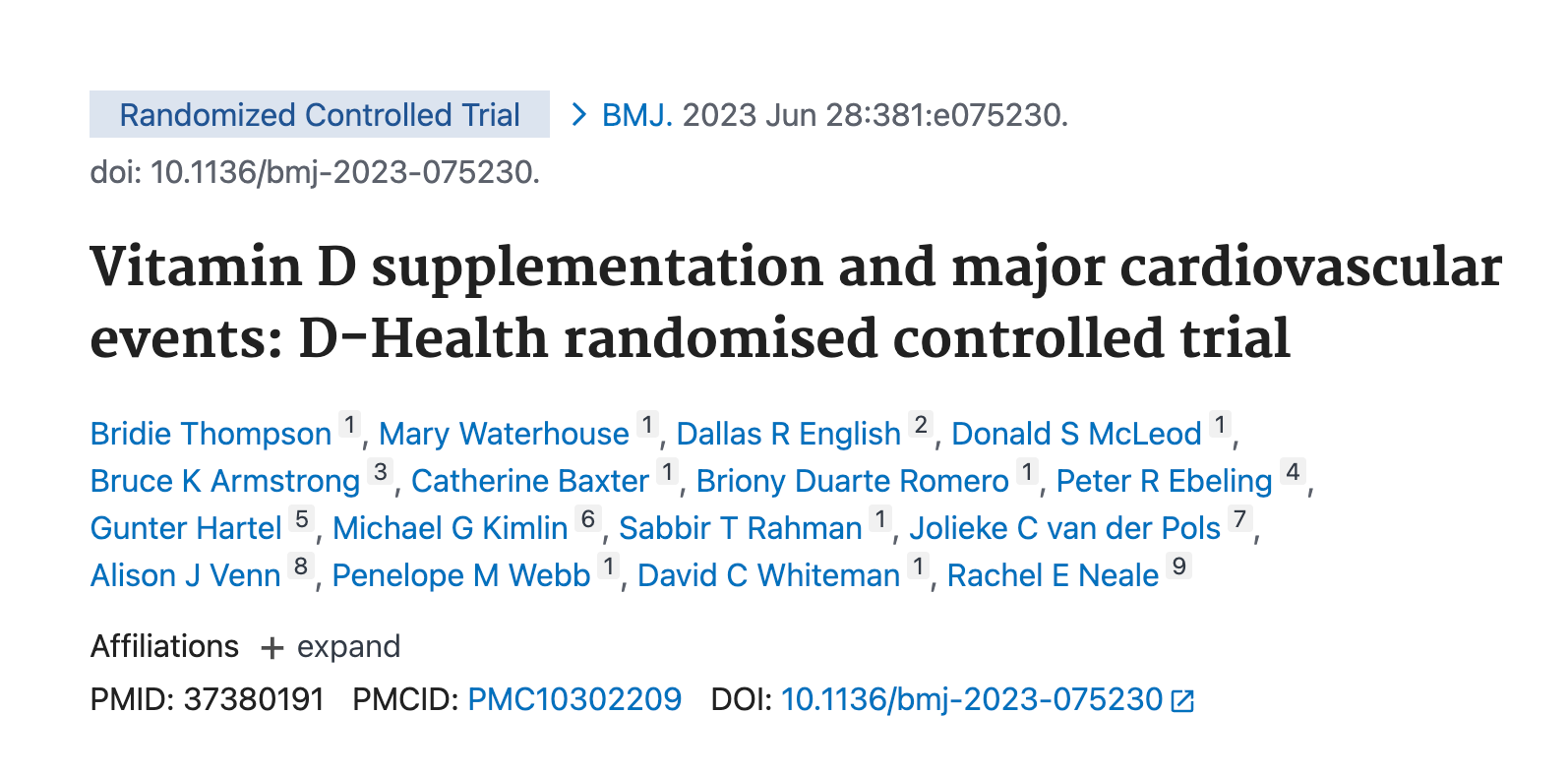
A major 2022 study published in The Lancet Diabetes & Endocrinology gave older adults high-dose vitamin D supplementation over multiple years. Despite significantly increasing vitamin D levels, researchers found no reduction in all-cause mortality. A separate 2023 study published in The BMJ examined vitamin D supplementation and cardiovascular events and again failed to find the broad protective effects many researchers originally expected.
This does not mean vitamin D is unimportant. Maintaining adequate vitamin D levels is still critical for bone health, immune function, hormone regulation, and many other biological systems. Severe deficiency is clearly harmful, and supplementation can absolutely be useful when levels are low. However, these modern studies strongly suggest that sunlight cannot simply be reduced to “vitamin D exposure.” The biology appears far more complex.
Sunlight Is Multiple Biological Signals At Once
One of the key ideas emerging from modern sunlight research is that sunlight should not be compressed into a single molecule or mechanism. Sunlight is not just UVB light producing vitamin D. Instead, it delivers a broad spectrum of wavelengths that interact with the body through multiple independent pathways simultaneously.
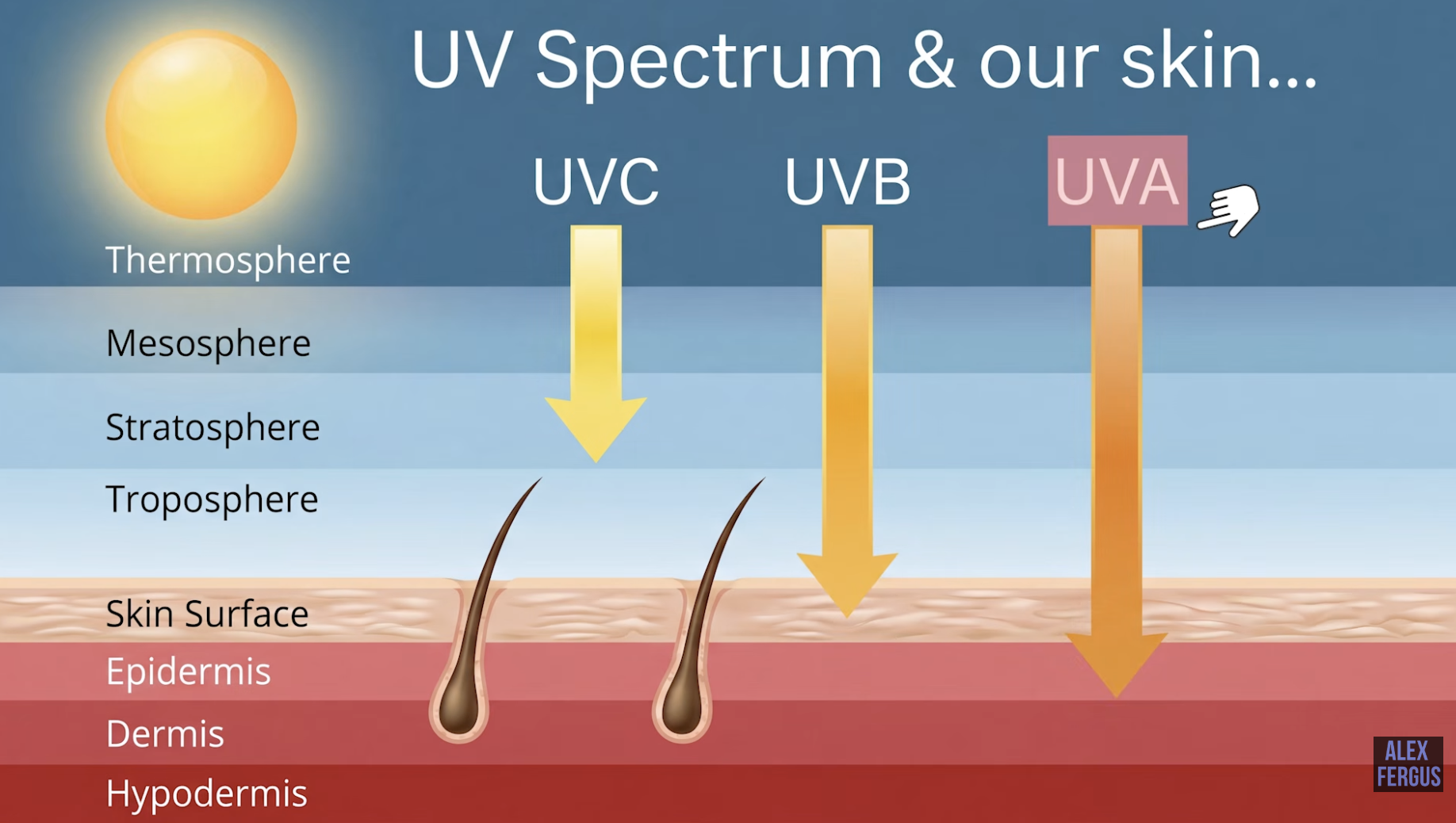
The first major pathway is UVB-driven vitamin D synthesis. UVB wavelengths interact with the skin to trigger vitamin D production, and this pathway is extremely well-established scientifically. Vitamin D remains an essential nutrient involved in immune regulation, hormone function, bone metabolism, and many other processes throughout the body.
The second pathway involves UVA light and nitric oxide release. Researchers have found that UVA exposure may trigger the release of nitric oxide-related compounds stored within the skin. Nitric oxide influences blood vessel dilation, circulation, and blood pressure regulation. Some scientists believe this mechanism may help explain why sunlight exposure appears linked to cardiovascular benefits independent of vitamin D levels.
The third pathway involves bright visible light entering the eyes and regulating circadian rhythm. Morning daylight, particularly blue-enriched visible light, acts as a powerful timing signal for the body clock. This influences sleep timing, alertness, hormone production, metabolism, mood, and overall energy regulation. Many modern indoor lifestyles significantly reduce exposure to these natural circadian signals.
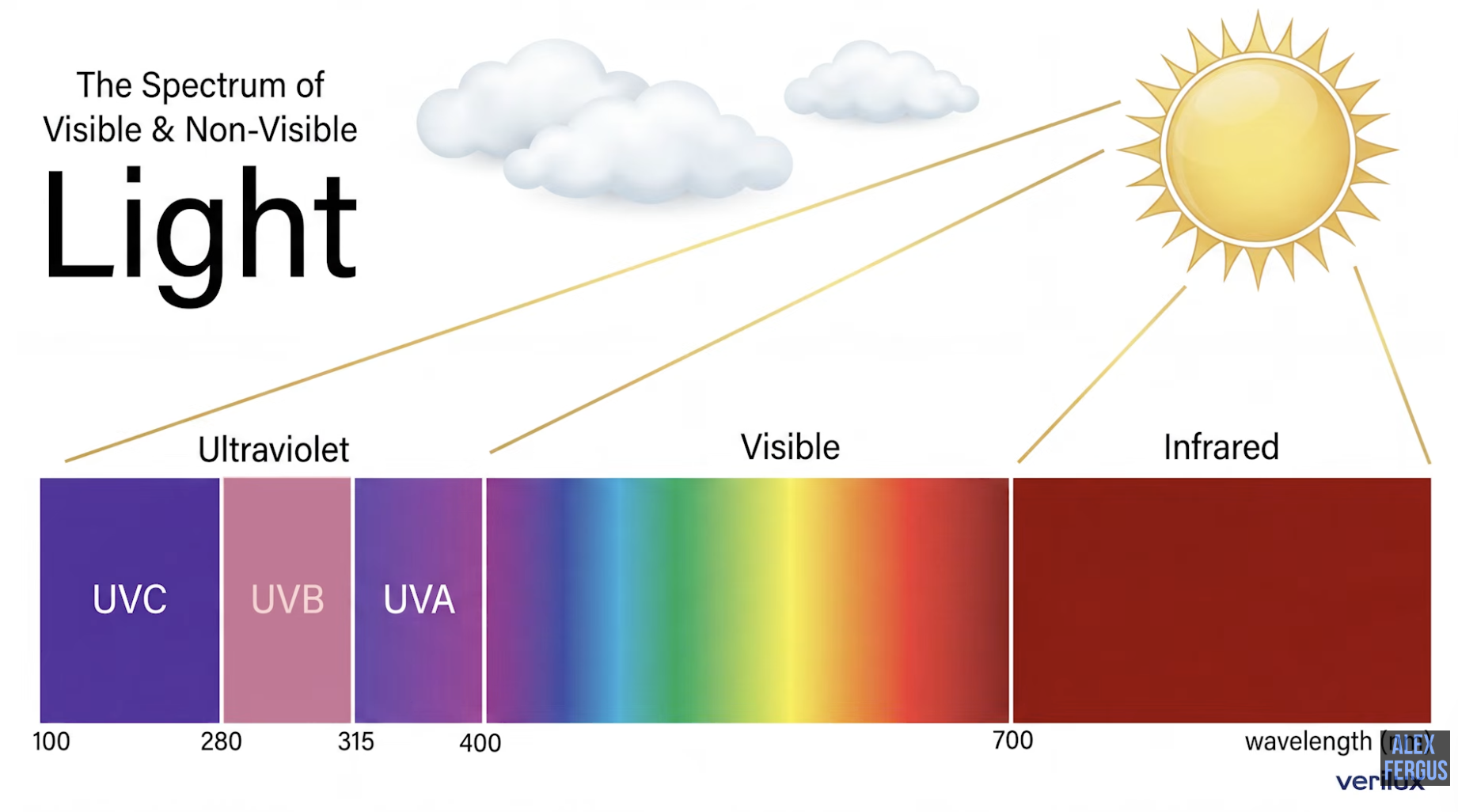
The fourth pathway involves heat and thermal exposure. Sunlight naturally warms the body, and heat itself acts as a physiological stimulus. Thermal exposure can influence circulation, vascular function, stress responses, sweating, and other biological processes. These heat-related mechanisms are entirely separate from vitamin D or photobiomodulation.
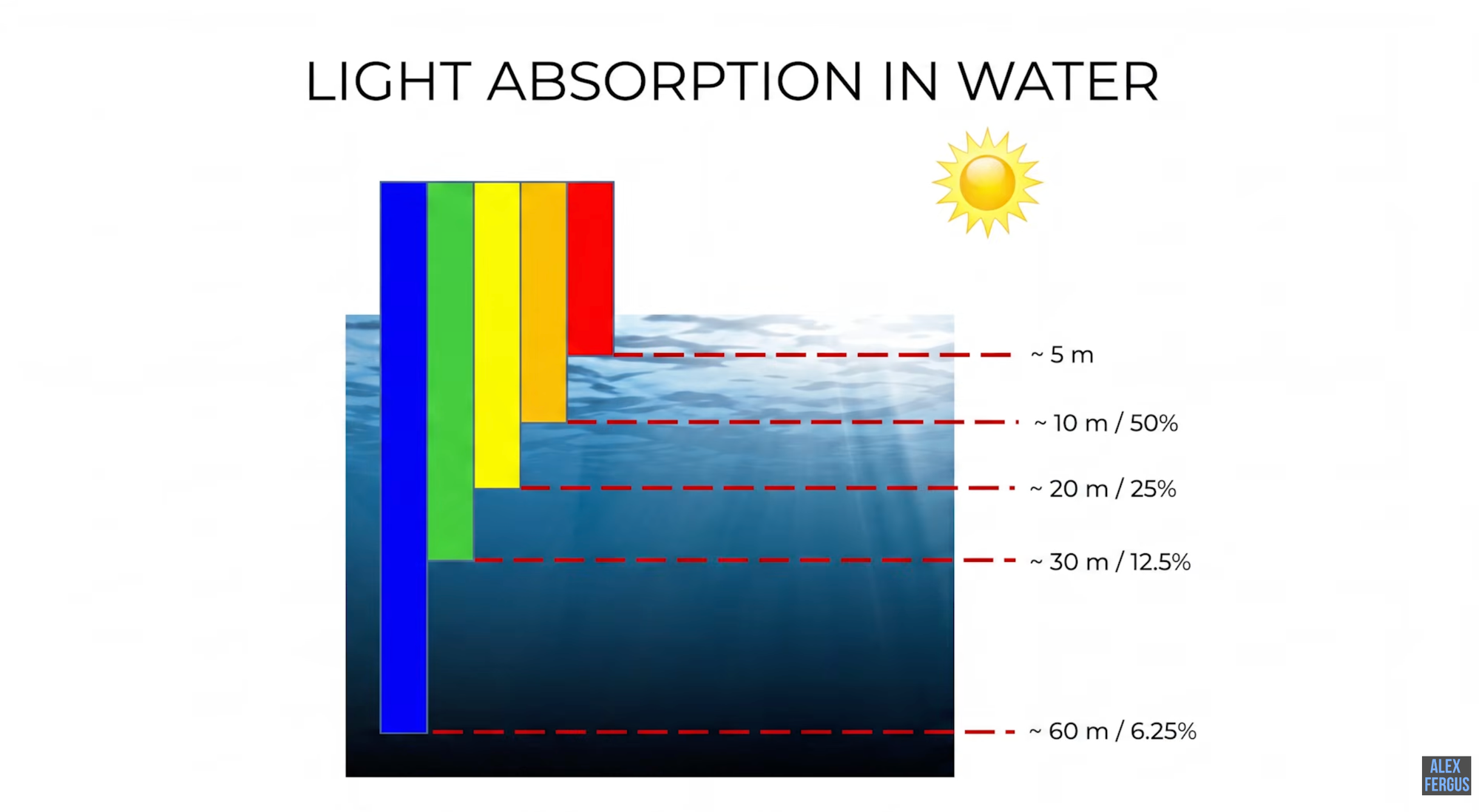
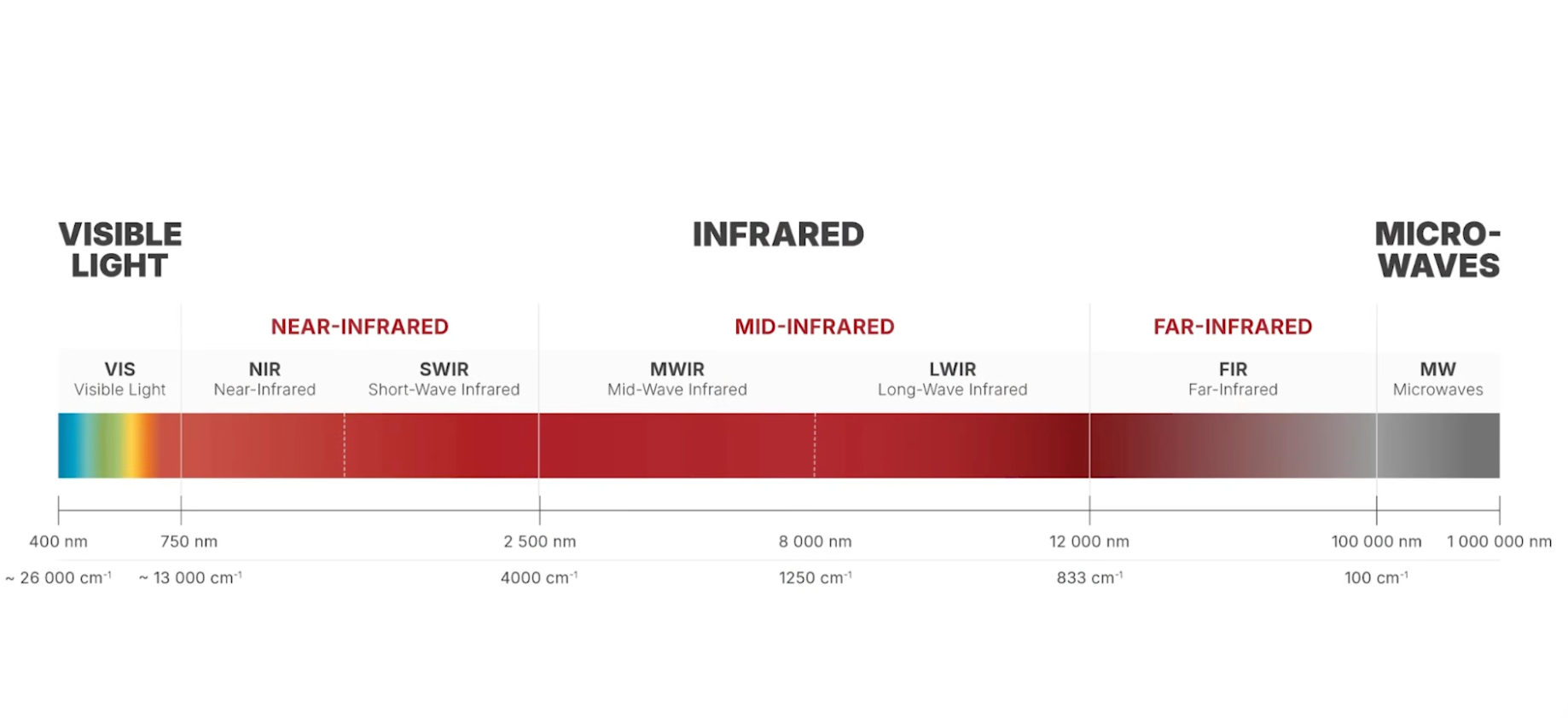
Finally, the fifth pathway, sunlight also contains substantial amounts of red and near infrared wavelengths. These wavelengths penetrate deeper into tissue because they are absorbed less at the skin’s surface compared with ultraviolet or blue light. This deeper penetration is one reason red and near infrared light are central to photobiomodulation and red light therapy research.
Does Sunlight Actually Deliver Meaningful Red Light?
A surprising number of people assume that red light therapy wavelengths barely exist in natural sunlight. In reality, sunlight contains substantial amounts of both red and near infrared light, particularly around midday when solar intensity is strongest.
Using a spectrometer, I measured sunlight across two wavelength bands commonly discussed in photobiomodulation research: red light between 620 and 680nm and near infrared light between 800 and 870nm. During winter in New Zealand on a clear day at midday, sunlight delivered roughly 15mW/cm² across these combined bands. During summer, measurements were closer to 21mW/cm².

I also tested sunlight exposure in Dubai at sunrise, midday, and sunset. One interesting finding was that sunsets, despite appearing visually redder, actually delivered less total red and near infrared energy than midday sunlight. The proportion of red wavelengths increases during sunset, but the overall energy output decreases significantly.
When compared with dedicated red light therapy panels, however, sunlight still delivers much lower irradiance. A photobiomodulation panel is specifically engineered to concentrate its output into red and near infrared wavelengths. Because it is not spreading energy across the rest of the spectrum, the device can produce far higher intensity within those specific bands than natural sunlight typically provides.
That distinction helps explain why red light therapy panels may still provide meaningful biological effects even though these wavelengths already exist naturally outdoors.
Can Red Light Therapy Replace Sunlight?
The answer depends entirely on which sunlight pathway you are talking about. In some areas there is no overlap whatsoever, while in other areas red light therapy may replicate a meaningful portion of sunlight biology.
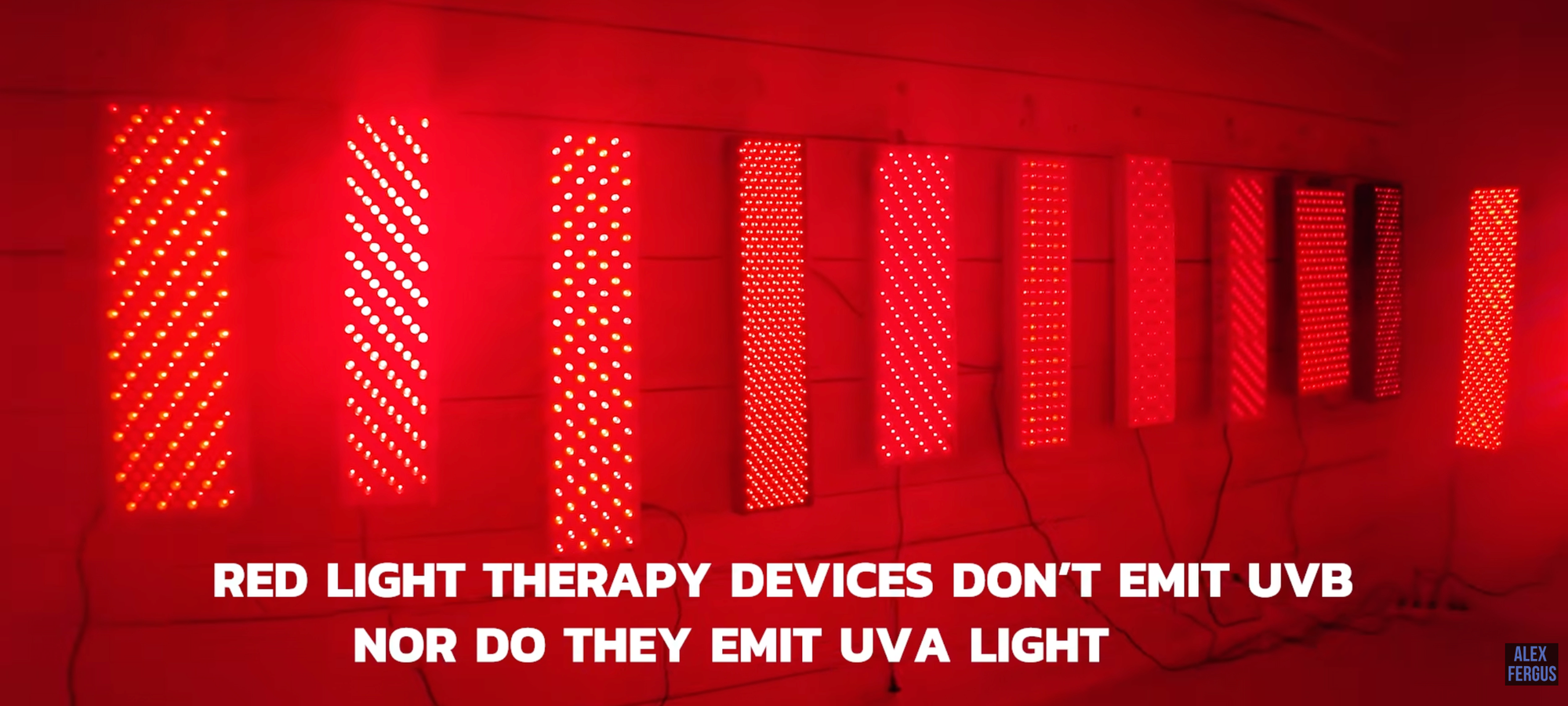
When it comes to vitamin D production, red light therapy cannot replace sunlight. Standard red light therapy devices do not emit UVB wavelengths, which are required for vitamin D synthesis in the skin. While a handful of specialty devices include UV wavelengths, they are heavily regulated and marketed very differently due to safety concerns. For most consumers, standard red light therapy panels simply do not provide this function.
The same limitation applies to UVA-driven nitric oxide release. Red light therapy panels generally do not emit UVA wavelengths, meaning they cannot reproduce the exact nitric oxide release pathway associated with sunlight exposure. However, red and near infrared light may still influence nitric oxide biology indirectly through cellular signaling and circulation-related effects. In other words, there may be overlap in outcomes even if the mechanism itself differs.
Circadian rhythm regulation is another area where red light therapy falls short compared with natural sunlight. Bright blue-enriched visible light reaching the eyes during the morning is one of the strongest signals controlling the body clock. Most red light therapy devices intentionally avoid blue wavelengths because they are designed specifically for photobiomodulation rather than circadian entrainment. Sitting in front of a red light panel is therefore not equivalent to morning outdoor light exposure.
Heat-related effects are also very different. Many people mistakenly assume that because red light therapy panels feel warm, they replicate the thermal benefits of sunlight. In reality, photobiomodulation is primarily a signaling-based therapy rather than a heat-based therapy. While some panels generate mild warmth, this is very different from the whole-body thermal stress associated with strong sunlight or sauna exposure.
The major overlap between sunlight and red light therapy occurs with red and near infrared signaling itself. This is the pathway photobiomodulation devices are specifically designed to target. Sunlight naturally contains these wavelengths, but dedicated panels deliver them with far greater consistency, control, and intensity than outdoor conditions usually allow.
Researchers studying photobiomodulation frequently discuss mechanisms involving mitochondrial energy production, nitric oxide signaling, inflammation modulation, calcium signaling, tissue repair, and brain energy metabolism. Although much of the science is still evolving, these pathways represent the strongest area of overlap between sunlight exposure and red light therapy.
The Real Takeaway
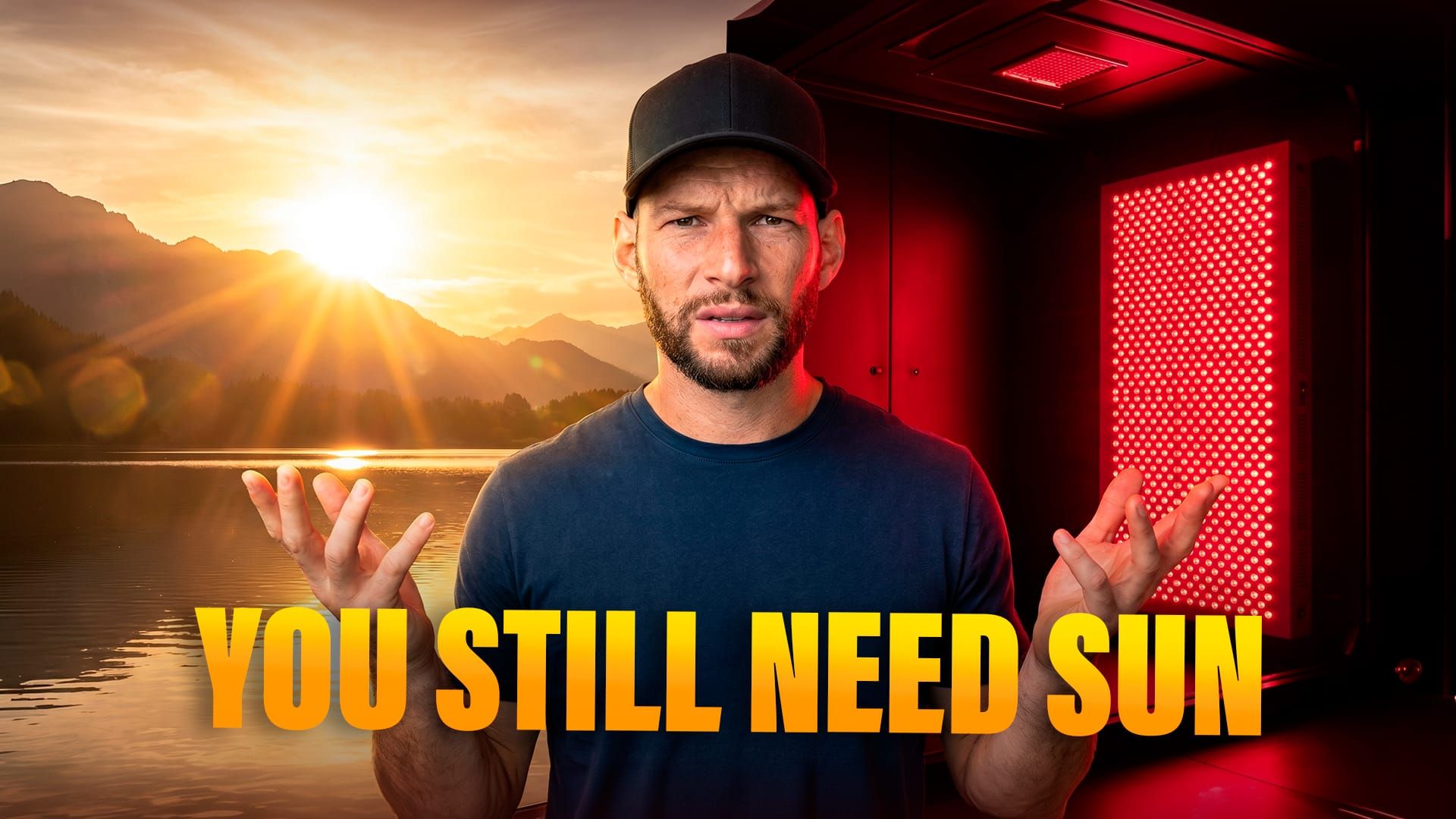
Red light therapy cannot fully replace sunlight because sunlight is far more than a single wavelength or biological mechanism. Natural sunlight provides UVB for vitamin D synthesis, UVA for nitric oxide-related effects, visible light for circadian regulation, thermal energy for heat-related physiology, and countless additional environmental signals that influence overall health and well-being.
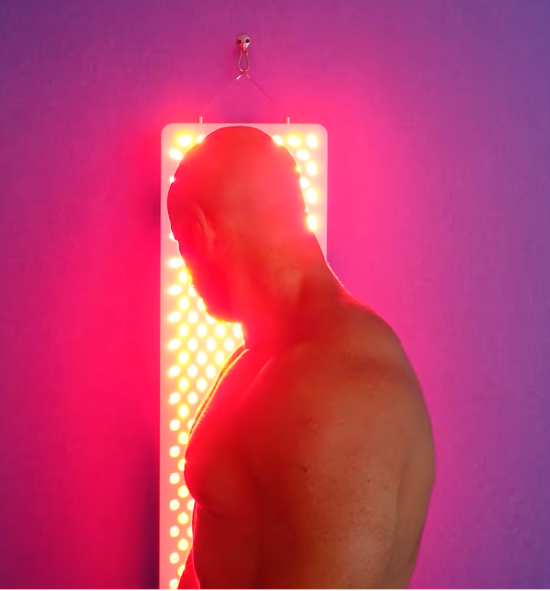
What red light therapy can do is replicate one specific slice of sunlight biology: the red and near infrared wavelengths associated with photobiomodulation. In some ways, dedicated panels may even deliver these wavelengths more efficiently than sunlight itself because they are engineered specifically for that purpose.
However, treating red light therapy as a complete substitute for outdoor light exposure misses the broader picture. Morning daylight exposure still plays a critical role in circadian rhythm regulation, movement, mental health, and overall environmental interaction. At the same time, red light therapy may serve as a useful additional tool for targeted photobiomodulation and tissue signaling.
The best approach is probably not choosing sunlight or red light therapy. It is understanding that they serve different functions and can complement one another rather than compete.
Found This Interesting? Look At These Articles:
♦️ Sunlight Vs Red Light Therapy: Summer Experiment!
♦️ Winter Sunlight Versus Red Light Therapy: My Second Experiment!
♦️ Does Red Light Therapy Create Vitamin D?
♦️ Best Light Therapy Supplements to Boost Health Effects!
Alex's Bio
Alex Fergus wrote this blog post. Alex is an ISSN Sports Nutrition Specialist, Fitness Professional, and certified Superhuman Coach who continues to expand his knowledge base and help people worldwide with their health and wellness. Alex is recognized as the National Record Holder in Powerlifting and Indoor Rowing and has earned the title of the Australian National Natural Bodybuilding Champion. Having worked as a health coach and personal trainer for over a decade, Alex now researches all things health and wellness and shares his findings on this blog