
Updated August 29 2026
In this blog post, I’ll talk about different types of light therapy that may help with rosacea.
But before diving into wavelengths, treatment protocols, or before-and-after results, let’s take a step back and look at the condition itself.
What is Rosacea?
Tons of research has emerged on rosacea in the last few years (1; 2; 3; 4; 5; 6; 7; 8; 9; 10). The science on rosacea is also rapidly evolving.
Although the condition isn't widely known or discussed, up to 10% of people with light skin are affected. Rosacea is a skin disorder mainly affecting the face. Women are affected more often than men.
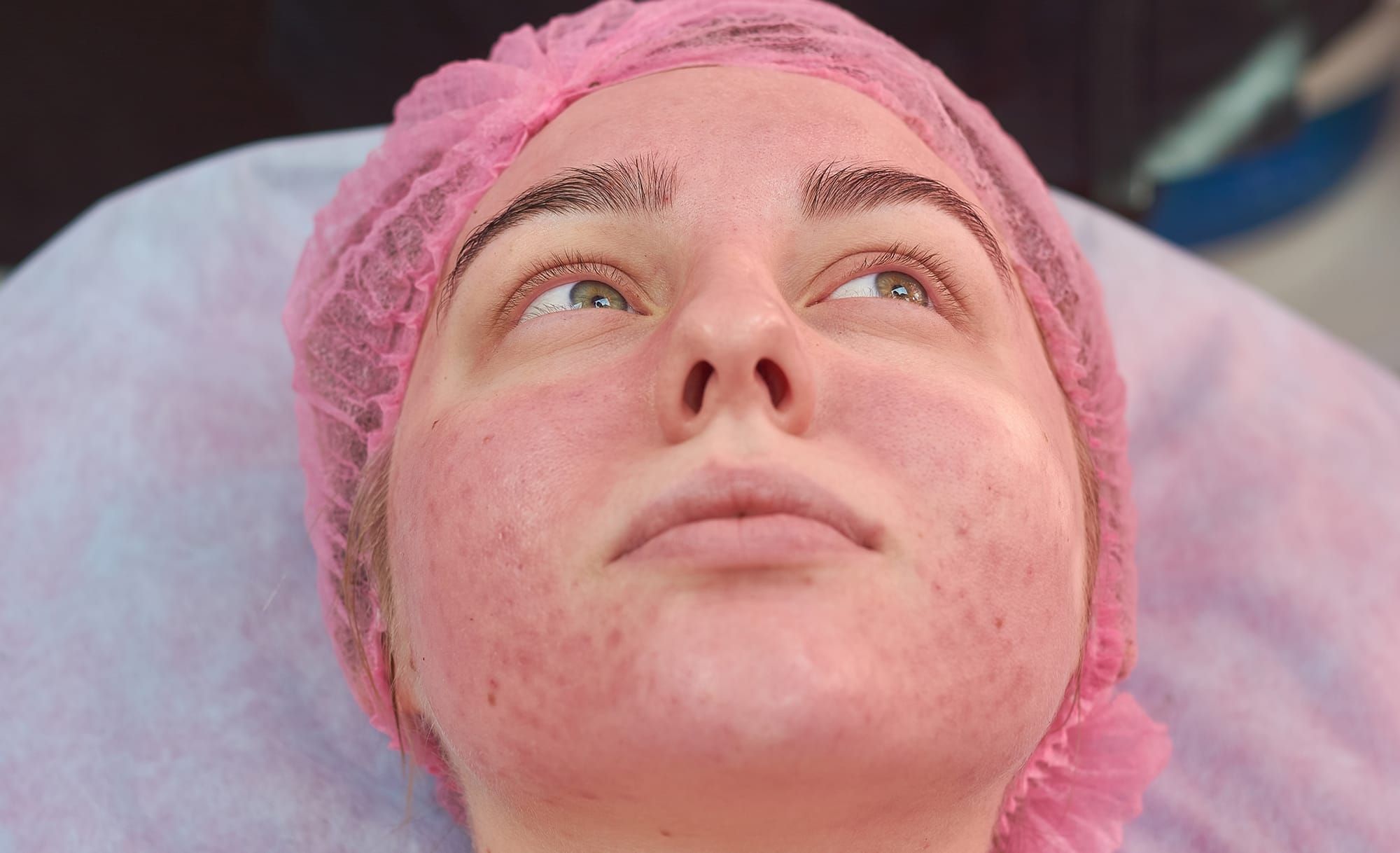
With rosacea, you may get facial redness and swelling. Inflammation is an important component too. The blood vessels are affected and cause the redness; for example, blood vessels may be visible directly on the face.
Many treatments currently exist for rosacea, such as topical medications, prescription drugs, skin nutrients such as vitamin A, laser therapy, light therapy, and more. I'll discuss the latter options in more detail soon.
But no treatment is perfect currently. For that reason, the redness persists and people's quality life is inhibited by rosacea, simply because it's visually unappealing. Self-esteem often takes a hit too, and people with rosacea may be more prone to get depressed.
Rosacea's issues aren't just visual though. You may get itching, or burning or stinging sensations. The cause of rosacea is currently unknown.
The 4 Types of Rosacea (And Why Classification Still Evolving)
A recent review states that:
"There are four clinical subtypes of rosacea based on the predominant signs and symptoms: erythematotelangiectatic, papulopustular, phymatous, and ocular." (3).
Let's break down what that complicated language means in plain English (11; 12; 13; 14; 15; 16; 17):
- The first type of rosacea, "erythematotelangiectatic," means both redness and protruding superficial blood vessels are present.
- "Papulopustular" is more inflammatory. People sometimes confuse papulopustular rosacea with acne.
- "Phymatous" rosacea, thirdly, includes larger pores and skin thickening.
- "Ocular" rosacea, lastly, affects the eyes.
These types of rosacea can overlap, however. So you can be affected by one or multiple of these.
For instance, about half to three-quarters of people have eye involvement in their rosacea - the fourth subtype. Eye involvement, or "ocular rosacea," can cause eye problems such as dryness, impaired vision, light sensitivity, pain, and more.
Rosacea may also be interrelated to a greater risk of diseases, such as gut problems, heart and blood vessel conditions, and issues with the nervous system. The classification system for rosacea is likely not final, however, as new findings have updated it in the past.
Medical Treatment Options And Their Limits
Rosacea treatment is complicated (18; 19; 20; 21; 22; 23). Besides dermatological treatments and prescription medication, lifestyle changes can also have a huge impact on rosacea. A recent study mentions the following examples:
"The most frequently reported triggers implicated in rosacea include alcohol, spicy food, cinnamaldehyde-containing foods (e.g., tomatoes, citrus fruits, chocolate), hot drinks, and histamine-rich foods (e.g., aged cheese, wine, processed meats). Some food items appear to play a protective role, such as omega-3, which appears to protect against ocular rosacea. The relationship between certain food items and the subtype of rosacea is varied, with inconsistent results shown in the few studies that examined this. As an example, alcohol worsens flushing and fatty food triggers both erythematotelangiectatatic and phymatous rosacea in susceptible individuals." (6)
What all these factors have in common is that they either trigger the gut, immune system, blood flow processes, or histamine (technically part of the immune system). Rosacea is affected in turn by these triggers.
Other strategies involve using a very high Sun Protective Factor (SPF) when going out in the sun, or covering up with long clothes and wearing a hat. The condition and its triggers are somewhat unpredictable, though, as many affected people have periods where they are not affected as well as flare-up periods.
And yet, a ton more research is needed for rosacea. Rosacea is a chronic condition right now, simply because there are no universally working long-term solutions.
Can Light Therapy Work for Rosacea?
So, "Can light therapy work for rosacea?" Sure, although it usually won't fully fix the problem. And some types of light are problematic for rosacea, such as ultraviolet light (24; 25; 26; 27). So not all light therapy for rosacea is helpful - that’s why I’ll focus primarily on red and near-infrared light, which appear far more promising for this condition.
Does Red Light Therapy Work For Rosacea?
There’s growing evidence that red light therapy may improve rosacea symptoms - particularly redness and visible blood vessels (28; 29; 30; 31). Sometimes, the light therapy is combined with medication - in that case, it's called "Photodynamic Therapy" (PDT) - and there's some evidence for that therapy as well.
A recent review that aggregated earlier studies found that both skin redness and vascular visibility can be significantly reduced with red light treatment (28).
Nevertheless, the quality of the evidence right now is low to moderate. So a lot more research is needed to confirm these results. However, because redness and flushing are two of the main issues with rosacea, these benefits are extremely helpful.
Nevertheless, a few laser sessions over a time span of several months (with four weeks of rest in between) can make the redness and appearance of rosacea much better. Results also last for a long time, up to several years, so if you've got severe rosacea, I recommend searching for a quality laser clinic for treatment.
How Red Light Therapy Might Help
Even though the clinical data is still limited, the mechanisms behind red light therapy suggest real potential for rosacea relief. Here’s how:
✅ Anti-inflammatory effects — Rosacea is, at its core, an inflammatory condition. Red light therapy is well-documented for lowering systemic and localized inflammation.
✅ Immune system modulation — In some cases, rosacea is linked to an overactive or misfiring immune response. Red light can help rebalance that activity.
✅ Enhanced skin structure — Red light increases collagen and elastin production, which may improve skin texture, reduce sensitivity, and even support mental well-being by restoring appearance.
✅ Sun tolerance and repair — Red light has been shown to precondition the skin against UV damage. That’s especially useful since sun exposure is a common rosacea trigger.
✅ Increased cellular energy — More ATP (energy) means more resilience. Red light boosts mitochondrial activity, helping your skin recover and regulate itself more effectively.
Which Color To Use For Rosacea: Blue, Yellow or Red Light?
Fortunately, there are several studies on different colors of light therapy on rosacea as well (32; 33; 34; 35; 36; 37; 38). None of these studies are carried out with traditional red light therapy devices, however.
Here's the outcome of these studies:
- A mouse study shows that red and near-infrared light at 630, 850 and 940 nanometers (nm) is helpful for inflammation (32). As you know, inflammation plays a role in rosacea.
- One study used blue light therapy with a gel (33). Here, blue light at 447nm had good effects, but it was a study with only one human participant. The gel should emit red and green light, but the article did not report the wavelengths.
- Another study shows that fluorescent blue light works (34). Once more, this is a case study with few participants. 415 and 447nm blue light is used here.
- Then there's one more study using blue (480nm) and red (650nm) (35). The results in the study are great, but, once again, you'll need a lot more high-quality research for more solid conclusions.
- Then, one more study using a fluorescent material on the skin that emits light (36). The outcome is good but results cannot be generalized towards blue or red light therapy, and participant numbers are low.
- Next up, a mouse study using yellow (590nm) and near infrared (830nm) light (37). Once more, a good outcome but this research needs to be carried out in humans. The mechanisms found here were inflammation and the immune system, both of which improved, making rosacea better.
Hopefully, you get the point. Far more high-quality research is needed with a high quantity of human participants. But with that information, I can answer the questions in the next section:
What Color Light Therapy For Rosacea?
There's very limited evidence that different color light therapy for rosacea works - such as green, red, and yellow. Evidence only exists in lower-quality human studies or animal studies.
But the research does point in the same direction in these studies, towards a positive effect. So there's no harm trying different colors of light for rosacea.
If you're interested in learning more about the best wavelengths for skin health in general, consider the article below:
 Bart Wolbers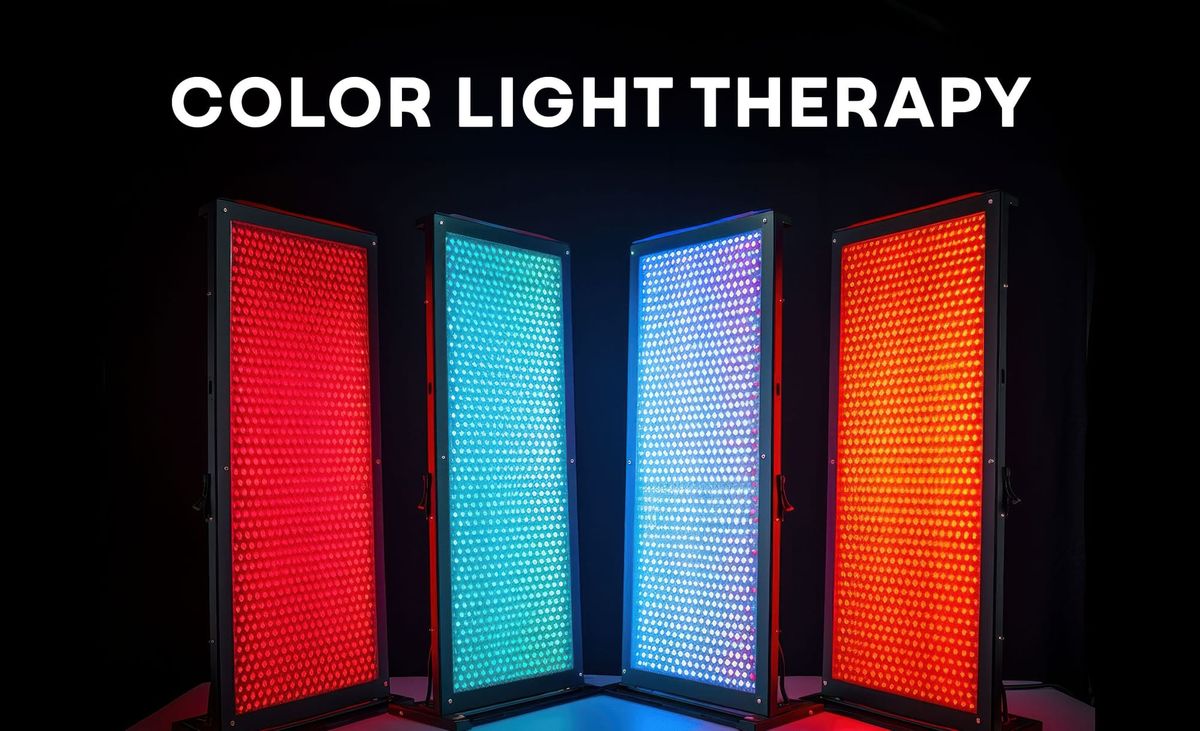
🔵 Blue Light Therapy For Rosacea
Yes, there's some limited evidence that blue light therapy for rosacea works - I just mentioned these studies in the sections above. The research is of lower quality, however.
If you want more info here, check my full article on blue light here:
 Bart Wolbers
🟡 Yellow Light Therapy For Rosacea
A single animal study shows that yellow light, together with near infrared light, works for countering rosacea (37). In that study, the immune system and inflammation improved, so the rosacea was less severe.
But again, this is preclinical data. No solid human trials exist yet. Check my full breakdown of yellow light at 590 nm here:
 Bart Wolbers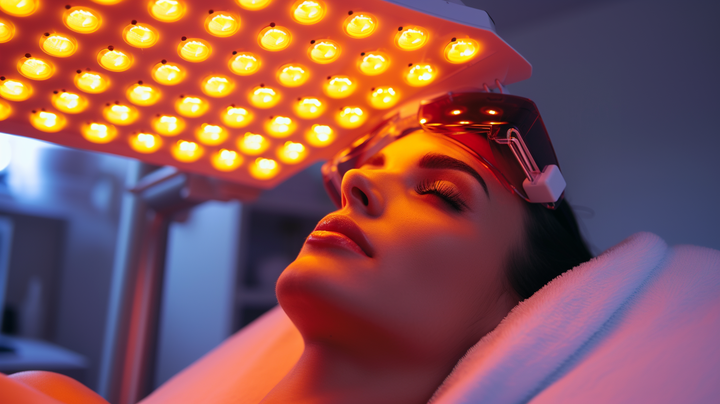
🔴 Red Light Therapy Rosacea Before And After
Fortunately, we also have some anecdotal evidence, so red light therapy before and after, for rosacea. Let's check a few first hand experiences of people:
"Red light therapy can certainly help with flushing and diffuse redness. I don't personally know anything about possible effects on "the appearance of visible blood vessels", but [...] "The evidence seems to suggest the vessels get smaller after treatment" (39).
And:
"It does seem like the lamp is helping your rosacea and as the effects are cumulative [and] should see more improvements over the coming months. The changes can be very subtle and not always apparent to yourself, so try and get someone else's opinion on how you look. My skin is oily also and as far as I know RLT will not make it dry or oily but will certainly make it calmer and improve its overall quality and texture. Red light is renowned for helping prevent wrinkles which most of you girls are paranoid about getting" (40).
While these are just personal stories, they align with the mechanisms discussed earlier - especially around inflammation, vascular tone, and skin structure. So it’s not surprising that people report calmer skin, fewer flare-ups, and improved appearance over time.
Want more before/after content? Check the recent articles Alex Fergus created on this topic here:
 Alex Fergus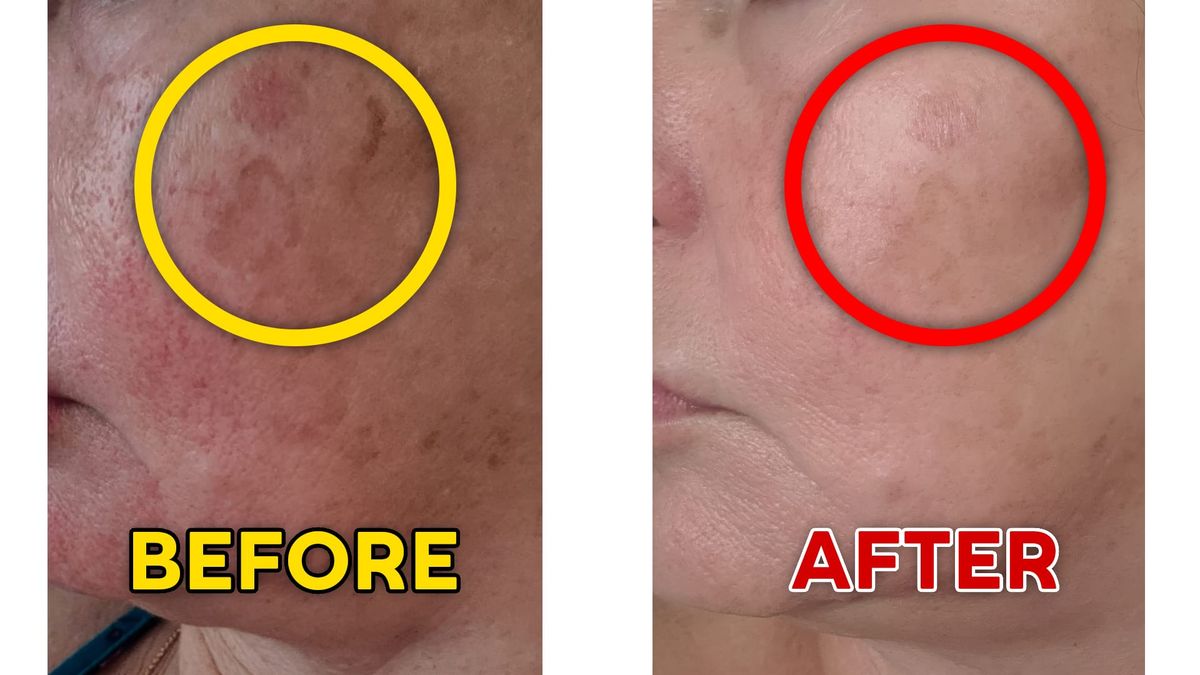
And this:
 Alex Fergus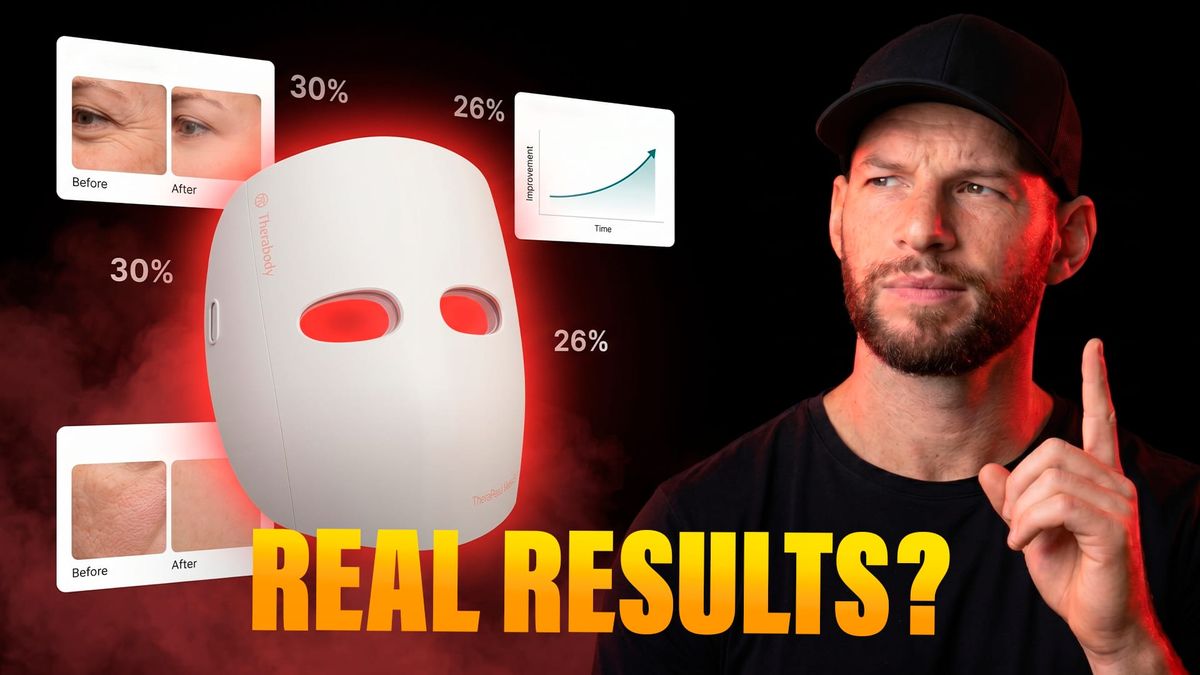
Intense Pulsed Light Therapy For Rosacea
Yes, as stated before, the intense pulsed light therapy for rosacea has decent backing. But you'll need a medical professional to apply this therapy a few times over the course of several months for the best results.
So… What Color Light Is Best for Rosacea?
Right now, red and near-infrared light have the strongest support — especially for reducing redness and vascular visibility. Blue and yellow light show potential, but the studies are early-stage and mostly experimental. Still, there’s little harm in trying these wavelengths at home if you already have access to them.
How To Get Started With Light Therapy At Home For Rosacea?
So generally, you'll want a red light therapy device at home that emits not only red and near-infrared light but also blue or yellow.
I've got three main options here for you.
Mito Red MitoPRO X Series
This device combines:
- 25% 630nm red
- 25% 660nm red
- 25% 830nm near-infrared
- 25% 850nm near-infrared
- Plus a small amount of 590nm amber light
It’s a solid all-rounder with great coverage for skin health and inflammation. Check our full review here:
 Alex Fergus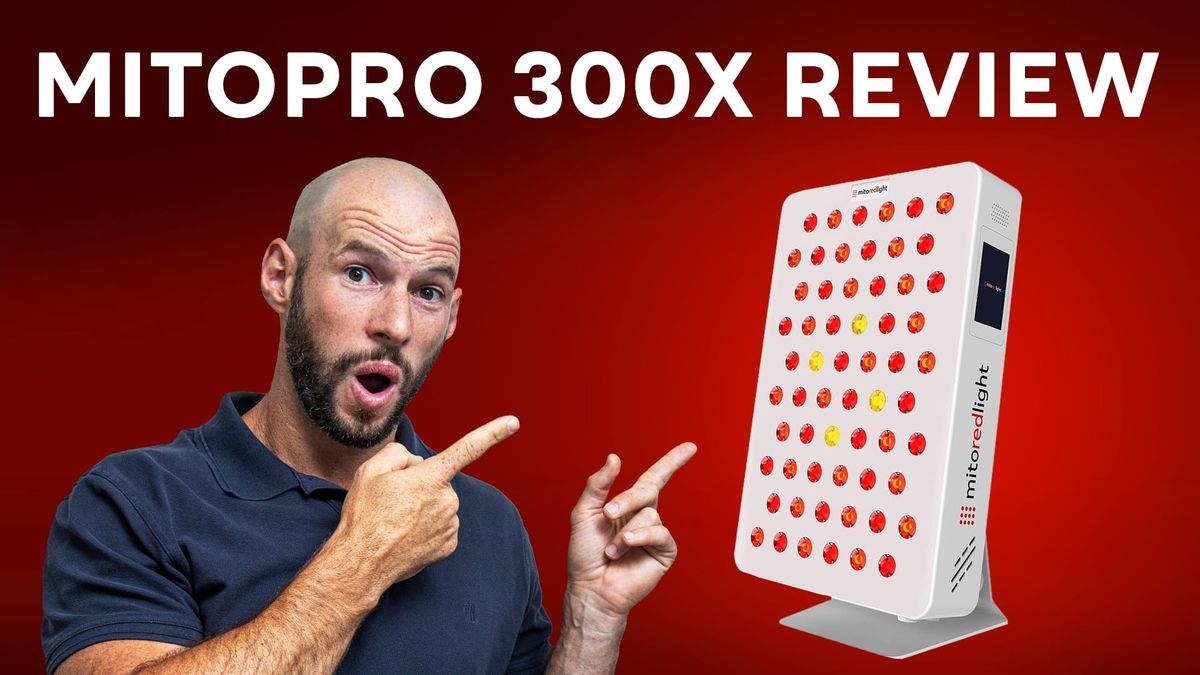
And here:
 Alex Fergus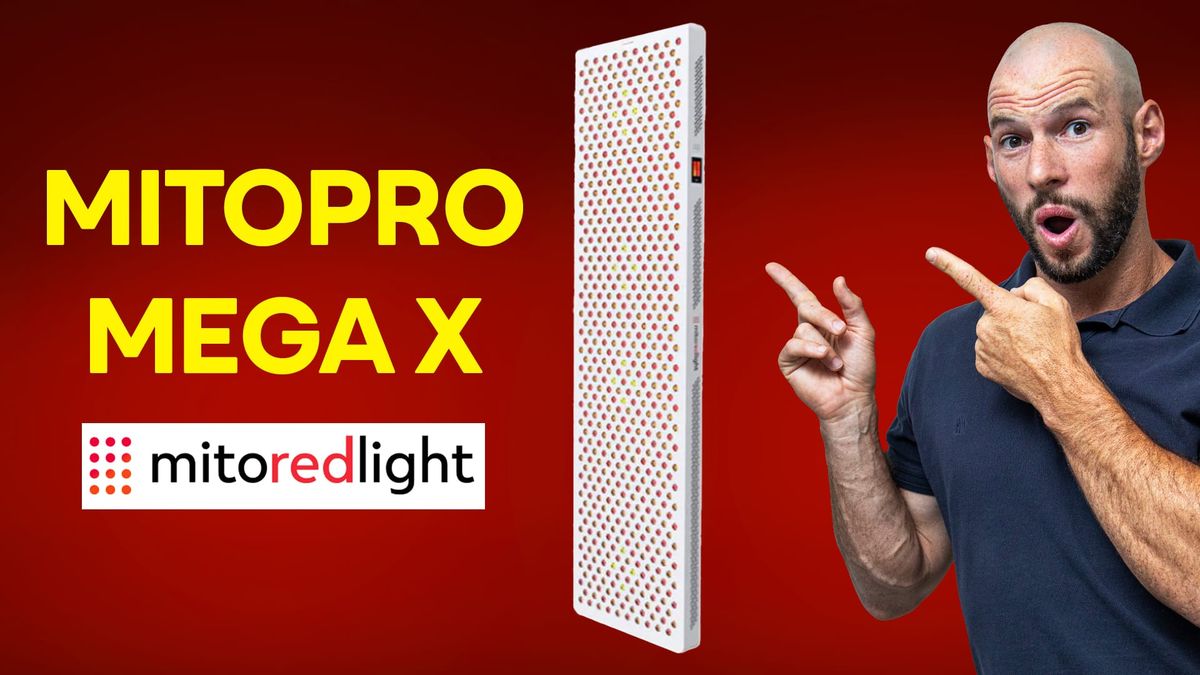
PlatinumLED BioMax Series
This one adds a unique twist by integrating blue light into the spectrum. Additionally, the wavelength makeup is a bit different for the PlatinumLED BioMax, as it emits more light in the 660nm and 850nm range, but it also contains the unique 1,060nm wavelength.
LightpathLED Diesel Series
If you’re specifically looking for a high blue light output, this model stands out. The XL panel has been independently reviewed by Alex Fergus - watch his full video review here.
Update 2026: Best At Home Light Therapy For Rosacea
So what's the best at-home red light therapy for rosacea device? These are (2026 update):
- Any of the current Gold-rated masks by Alex Fergus - from the Mask Shopping Tool - for facial rosacea
- Tabletop Panel - any of the best/most reputable companies, such as Rojo, Rouge, Mito Red Block Blue Light, Mito Light EU, PlatinumLED, will do. Ideally, you have a larger proportion of yellow, and blue in there, but these companies don't offer that yet. Hence, go with masks for your face if you can. You can get the panels that I described above, and either get a tabletop or a wall/body panel, depending on the area size that you want to treat.
Alternatively, you could consider a light therapy mask for rosacea but there's a caveat for that option:
Light Therapy Mask For Rosacea
You could also consider a light therapy mask, especially if your goal is facial-only treatment. But masks do come with trade-offs.
For one, panels are more versatile - they cover larger areas, can be used on other body parts, and typically offer higher irradiance.
That said, the science behind masks is still promising. Some newer designs are showing decent results in early-stage trials.
Want to explore this further? Here are a few extra resources:
🎥 Watch the panel vs. mask comparison video
🎥 See the red light therapy mask science video
📘 Read: My deep dive into red light therapy masks
📘 Bonus read: Red light therapy for skin beauty blog post
Conclusion - Red Light Therapy Very Likely Helps Rosacea
So what light therapy is best for rosacea? Research is currently limited but a combination of red, near-infrared, and some other wavelengths such as blue and/or amber light is probably best.
Make sure to use a low dose, such as up to 8-10 J/cm2, to emphasize skin beauty and not deep tissue treatment!
So does light therapy help rosacea? Absolutely, but more research is needed! The best at home light therapy for rosacea devices are listed below once again!
This is a post by Bart Wolbers. Bart finished degrees in Physical Therapy (B), Philosophy (BA and MA), Philosophy of Science and Technology (MS - with distinction), and Clinical Health Science (MS), has had training in functional medicine, and is currently chief science writer at Lighttherapyinsiders.com
Items Mentioned
- PlatinumLED BioMax - a discount code is generated after you click the link
- Mito Red MitoPRO X - discount code ALEX5 saves
- LightpathLED Diesel Blue range - discount code ALEX saves
Found This Interesting? Then You Might Like:
- Red Light Therapy Wavelengths Benefits: The Ultimate Guide
- 590nm Wavelength Health Effects Ultimate Guide
- 660nm Wavelength Health Effects Cheatsheet
- Red Light Therapy Mask Science: Everything You Need To Know
- Red Light Therapy For Skin: Beauty Benefits, Potential Complications, And More
- Blue Light Therapy: Everything You Need To Know
- I Tried The Omnilux Mask For 5 Weeks: Surprise? (+Review)
![Europe's Best Red Light Therapy Panel [Review & Comparison]!](https://storage.ghost.io/c/75/8e/758ec98c-9ce4-49c6-8607-c07c0cd13598/content/images/size/w360/2024/03/__red-light-therapy-panel-europe-1.jpg)