
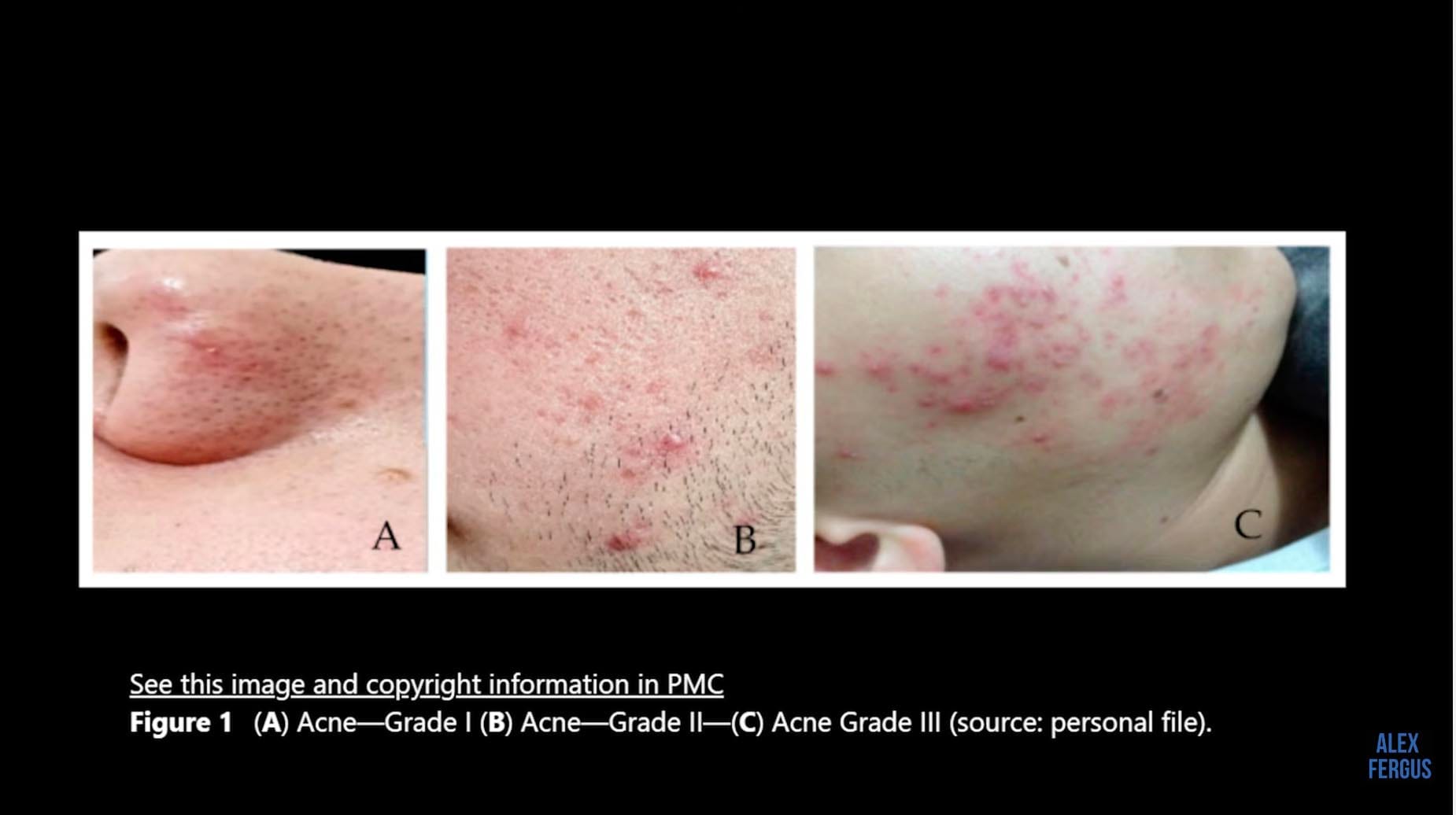
Acne is horrible. Not only does it affect your appearance, but it can also impact your mood, confidence, and self-esteem. Some studies have even suggested that acne can affect social interactions and job prospects. If you're dealing with acne, chances are you already know how frustrating it can be.
The good news is that there are several things you can do to improve acne. Diet can play a role. Lifestyle factors can play a role. And as we'll see throughout this article, light therapy may also be a useful tool.
My team and I reviewed more than 50 studies looking at acne and light therapy, but rather than getting lost in dozens of individual papers, we focused on the most recent and highest-quality review articles. Three reviews in particular stood out, and together they paint a fairly clear picture of which wavelengths appear most beneficial.
What The Research Says About Blue Light And Acne
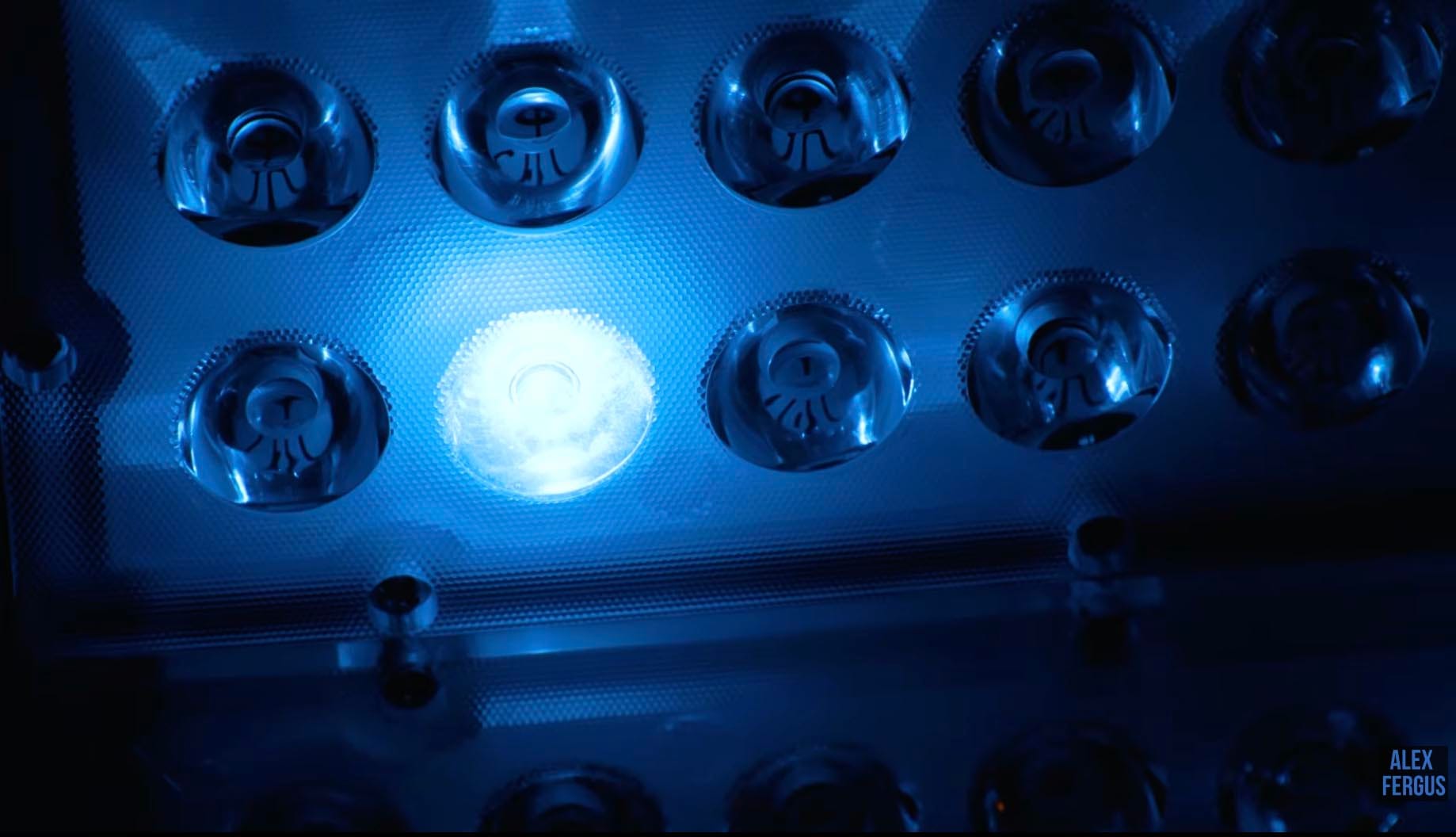
The first review was published in 2025 and focused primarily on blue light therapy and acne. The researchers defined blue light as wavelengths between approximately 415 and 545 nanometers. Unlike red light and near infrared light, which penetrate deeper into tissue, blue light only penetrates around 0.3 millimeters into the skin. While that may sound like a disadvantage, it turns out to be perfectly suited for one of the primary mechanisms involved in acne treatment.
According to the review, acne-causing bacteria produce light-sensitive compounds called porphyrins. These porphyrins absorb the greatest amount of light between approximately 407 and 420 nanometers. When they absorb light in this range, they produce reactive oxygen species and free radicals. These compounds damage the bacteria and help destroy the colonies responsible for acne.
The review also discussed evidence suggesting that blue light may help reduce inflammation. This is important because acne is not simply about bacteria. Inflammation plays a major role in the appearance and severity of breakouts. By helping to reduce inflammatory responses while also targeting acne-causing bacteria, blue light appears to work through multiple mechanisms.
One of the most important takeaways from this review is that not all blue light appears to be equally effective. The wavelengths repeatedly highlighted throughout the research were generally between 405 and 420 nanometers. This becomes extremely important when comparing LED masks because many devices on the market use blue light closer to 450 or 460 nanometers.
Why 405–420nm Blue Light Matters
This is probably the single biggest takeaway from all the research I reviewed.
When most companies advertise blue light, they simply say the device contains blue LEDs. What they often don't tell you is the exact wavelength being used. Yet the studies showing benefits for acne repeatedly focused on wavelengths around 405, 410, 415, and 420 nanometers.
Many masks currently available use blue light in the 450 or 460 nanometer range instead. While those wavelengths are still technically blue light, they don't align particularly well with the mechanisms identified by researchers. The porphyrins produced by acne-causing bacteria absorb light most strongly in the lower 400 nanometer range, which means these wavelengths appear to be far more relevant when acne is the primary goal.
This doesn't necessarily mean a mask using 450 or 460 nanometer blue light is useless. However, if I'm buying a device specifically to target acne, I want the wavelengths that are consistently appearing throughout the literature.
What The Research Says About Red Light Therapy
The second review was published in 2021 and focused on red light therapy. While blue light tends to receive most of the attention when discussing acne, the findings from this review were also very interesting.
The researchers concluded that red light therapy performed similarly to conventional acne treatments. At the same time, they noted that red light therapy generally produced mild or non-existent side effects. Compared with many traditional acne treatments, that is obviously an attractive combination.
The review highlighted wavelengths around 630 and 660 nanometers as being particularly useful. Treatment dosages varied across studies, with many using between 12 and 30 joules per square centimeter. Some studies also combined red light with blue light or near infrared light.
One of the most interesting conclusions from the review was that red light therapy may serve as an adjunct treatment for acne and could potentially reduce the need for long-term antibiotic use. Considering how many people spend months or even years on antibiotics, that is a significant point. If similar outcomes can be achieved with fewer side effects, it is certainly worth paying attention to.
Another Review Reached The Same Conclusion
The third review, also published in 2021, used particularly strict research criteria and again focused heavily on blue light therapy. Despite taking a different approach, the conclusions were remarkably similar.
The review found that blue light was beneficial for acne and once again highlighted wavelengths between approximately 405 and 420 nanometers. Researchers discussed how visible blue light causes photoexcitation of bacterial porphyrins, leading to the destruction of acne colonies on the skin. In other words, the review essentially reinforced many of the same mechanisms discussed in the 2025 paper.
Whenever multiple reviews arrive at similar conclusions, it increases my confidence that we're moving in the right direction. Science is never settled and more research is always needed, but it is difficult to ignore the consistency here. The same wavelength range keeps appearing throughout the literature.
Why It's Difficult To Recommend A Perfect Protocol
One thing that became very obvious while reviewing the research is that treatment parameters vary enormously between studies.
Some studies used short treatment durations while others used much longer sessions. Some used relatively low irradiance levels while others used much higher outputs. In certain cases, treatment parameters were poorly described or not fully reported at all. That makes it difficult to compare studies directly and even harder to identify a single "best" protocol.
As a result, I don't think we can confidently say that one treatment schedule is superior to another. What we can say is that the wavelengths showing benefits were surprisingly consistent. Blue light in the 405–420 nanometer range repeatedly demonstrated benefits for acne, while red light around 630–660 nanometers appeared beneficial for skin health, inflammation, and potentially acne as well.
The Wavelengths I'd Look For In An Acne Mask
After reviewing the literature, my approach is fairly simple.
First, I would look for blue light between approximately 405 and 420 nanometers. That is the range most consistently associated with the destruction of acne-causing bacteria.
Second, I would look for red light around 630 or 660 nanometers. These wavelengths are well researched, widely used throughout photobiomodulation studies, and appear beneficial for skin health and inflammation.
Near infrared light may provide additional benefits, but there simply isn't the same amount of acne-specific research available. For that reason, it wouldn't be my primary focus if acne were my main concern.
Why Coverage Matters Just As Much As Wavelength
Finding the correct wavelength is only part of the equation. Coverage is equally important.
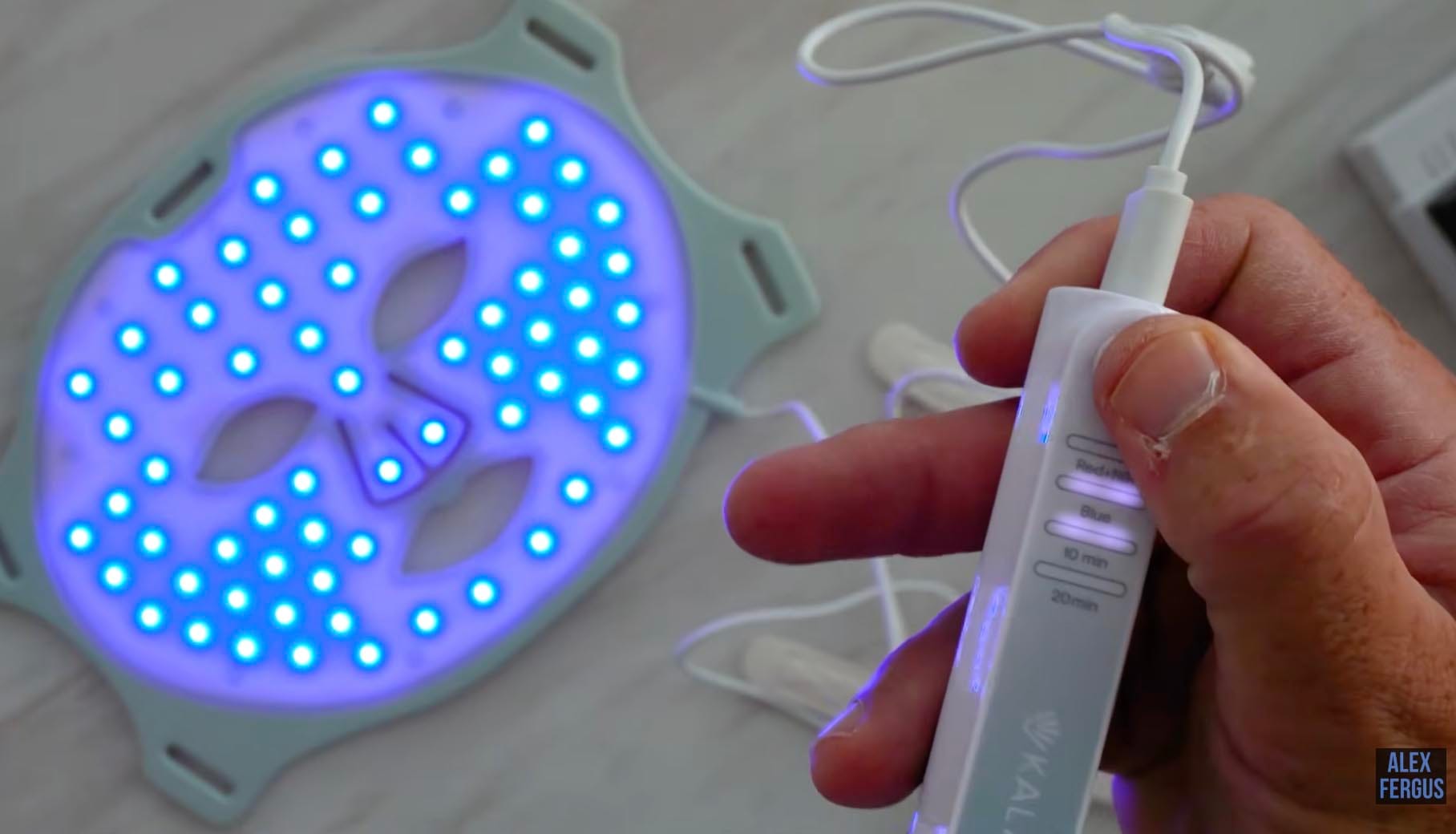
There are masks on the market that technically include the correct blue light wavelength, but only use a small number of blue LEDs. In those cases, you may have the right wavelength but poor facial coverage. If someone is dealing with widespread acne, that isn't ideal.
When evaluating masks, I don't just look at wavelengths. I also look at LED count, LED distribution, fit, comfort, battery life, and overall design. A mask may look fantastic on a specification sheet but perform poorly in real-world use because it doesn't fit properly or doesn't provide enough coverage across the face.
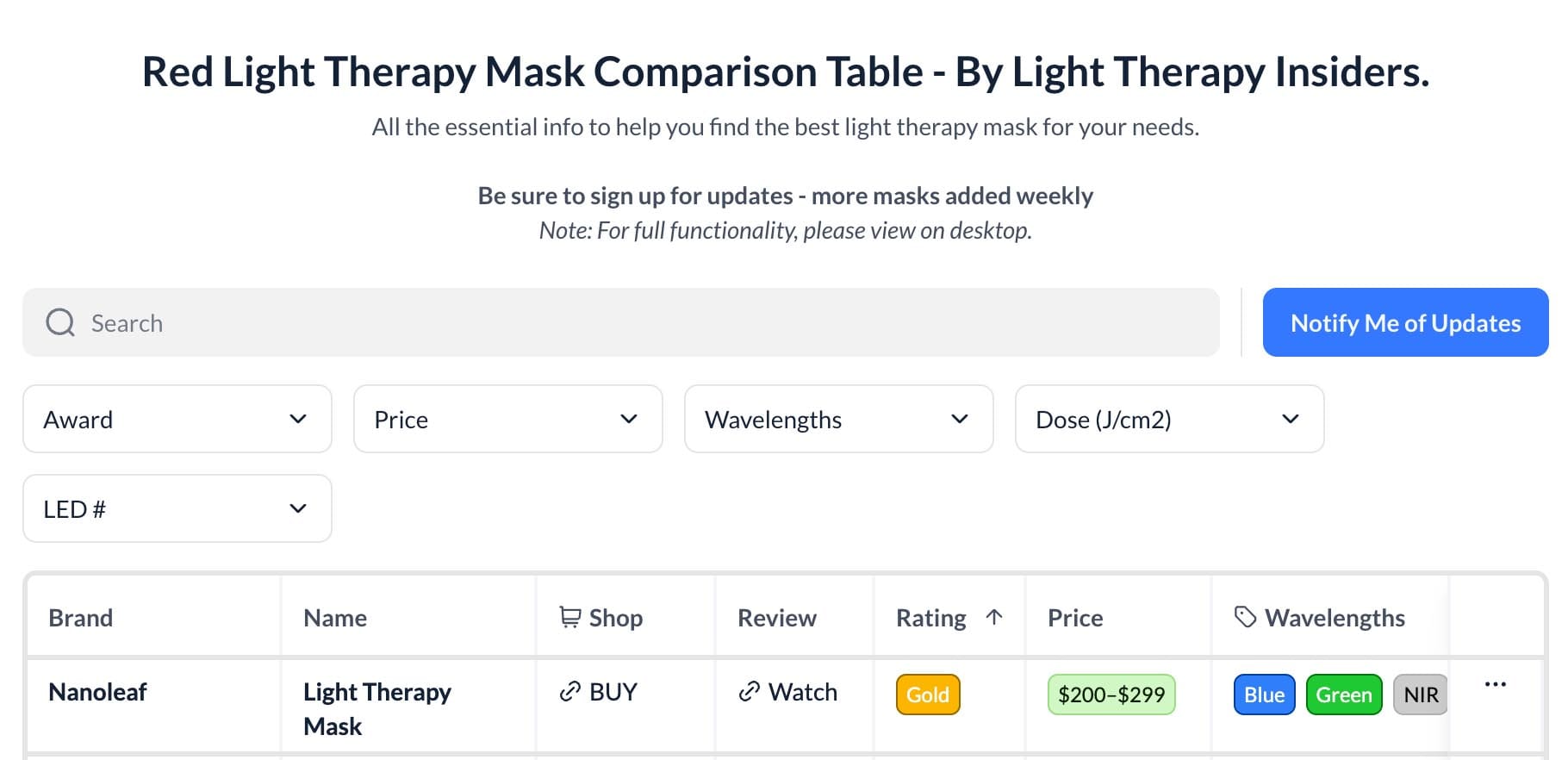
👇 View all my notes and data or do a comparison between mask, check out my Mask Comparison Table. 👇 Easy to use, links to reviews and more!
Which Masks Actually Have The Right Wavelengths?
The highest-scoring mask I've reviewed overall is the Mito Red Mito Glow. It performed extremely well in my testing and remains one of my favorite masks for general skin health. However, it uses blue light around 450–460 nanometers, so I would not consider it my first choice for acne.
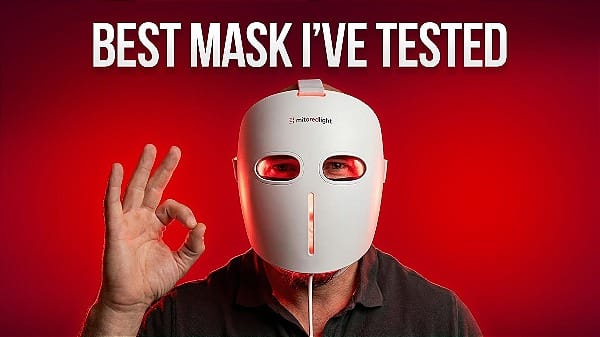
When I filtered my database specifically for masks using blue light in the optimal range, a handful of products stood out. These included the Mito Clear, which I believe has now been discontinued, along with the iRestore mask, the Rojo Dorado mask, the Qure mask, and the CurrentBody Multi-Light Mask.
However, not all of these products performed equally well during testing. The Qure mask, for example, includes the correct wavelengths but has relatively limited LED coverage. As a result, even though the wavelength specifications look good, I don't think it is one of the strongest options available.
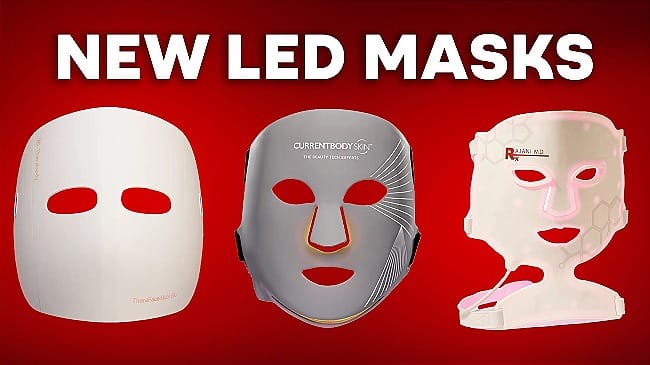
The Current Body Multi-Light Mask performed much better. It offers good coverage, fits reasonably well, and includes wavelengths that align with the research. I think it could be a solid option for somebody dealing with acne.
The mask I would personally lean toward is the Rojo Dorado. It was one of the highest-scoring masks in my testing, provides good coverage, fits comfortably, and includes both blue and red light wavelengths. It doesn't use the more expensive LEDs found in some premium products, but overall it offers a very good combination of features and performance.

The Mask I Haven't Tested Yet But Looks Extremely Promising
There is one product that I haven't reviewed yet but feel obligated to mention.
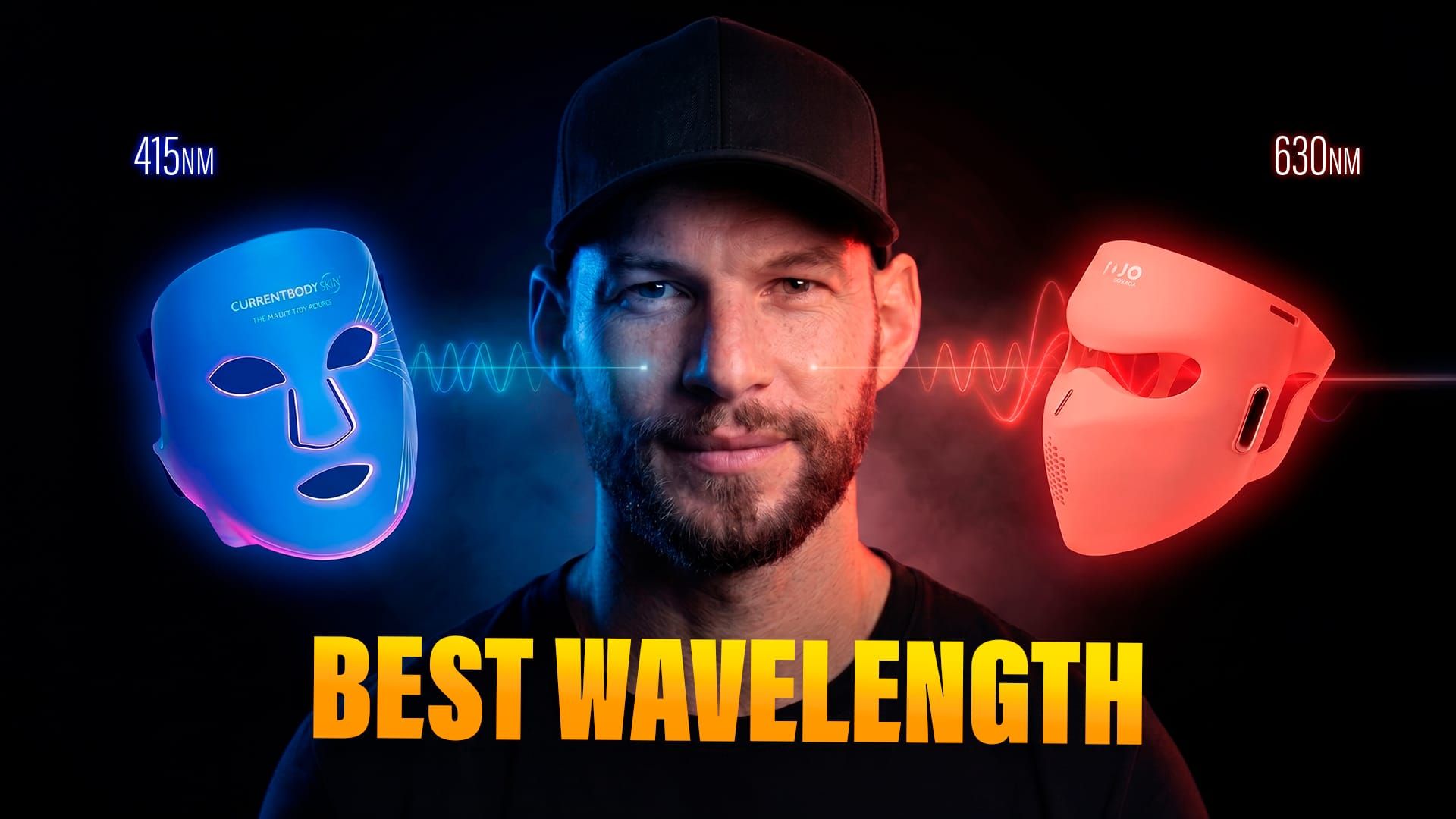
The Current Body LED Blue Light Mask Series 2 appears to have been designed specifically for acne sufferers. Unlike many masks that try to do everything, this device focuses on two wavelengths: 415 nanometer blue light and 633 nanometer red light.
Those wavelengths align almost perfectly with the ranges highlighted throughout the research. On top of that, the mask contains 110 blue LEDs and 110 red LEDs, providing significantly more coverage than many competing devices.
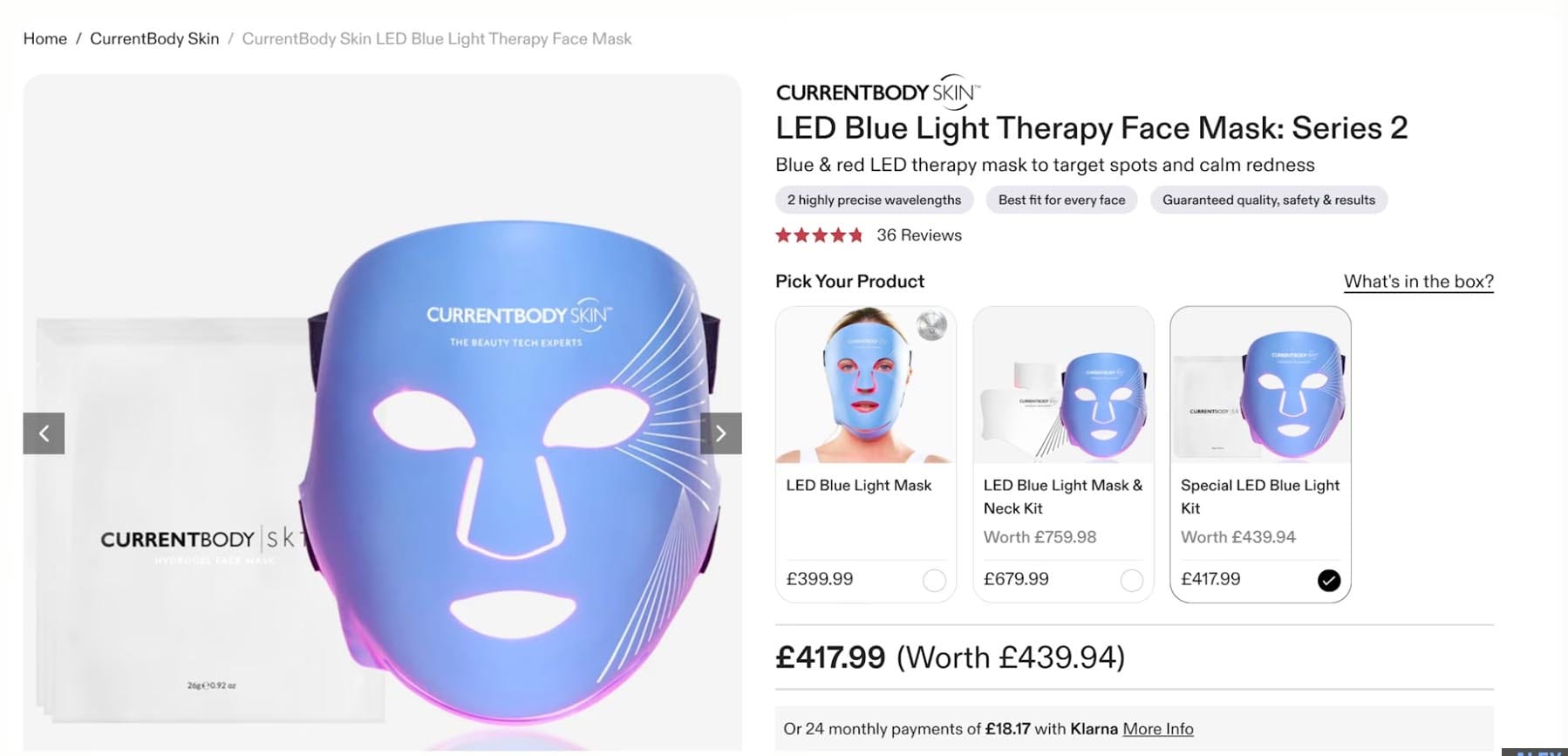
It also uses the same mask platform as the Current Body Multi-Light Mask, which means the fit and comfort should be quite good. Current Body is a company I think highly of, and I've had the opportunity to visit their facilities and see how they operate.
The biggest downside is price. It's not a cheap mask. However, if someone is spending large amounts of money on creams, treatments, and antibiotics, a one-time investment in a device specifically designed around the wavelengths supported by the research may make a lot of sense.
Based purely on the specifications, this is probably the product I would be most interested in if acne were my primary concern.
What About LED Panels?
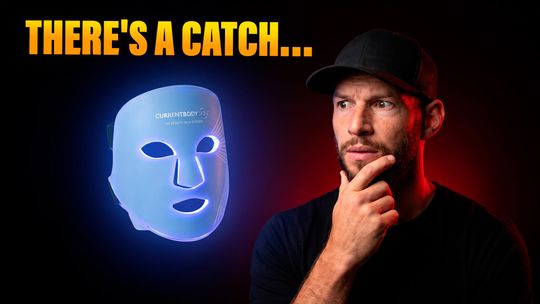
Some LED panels include blue light, but there is a catch.
Block Blue Light offers blue-light options in certain products, while PlatinumLED includes blue wavelengths in its BioMax series. Both companies produce quality devices and both products may provide some benefit.
The issue is that the blue light wavelengths are generally around 450 nanometers or higher. Once again, that takes us away from the 405–420 nanometer range that repeatedly appears throughout the acne research.
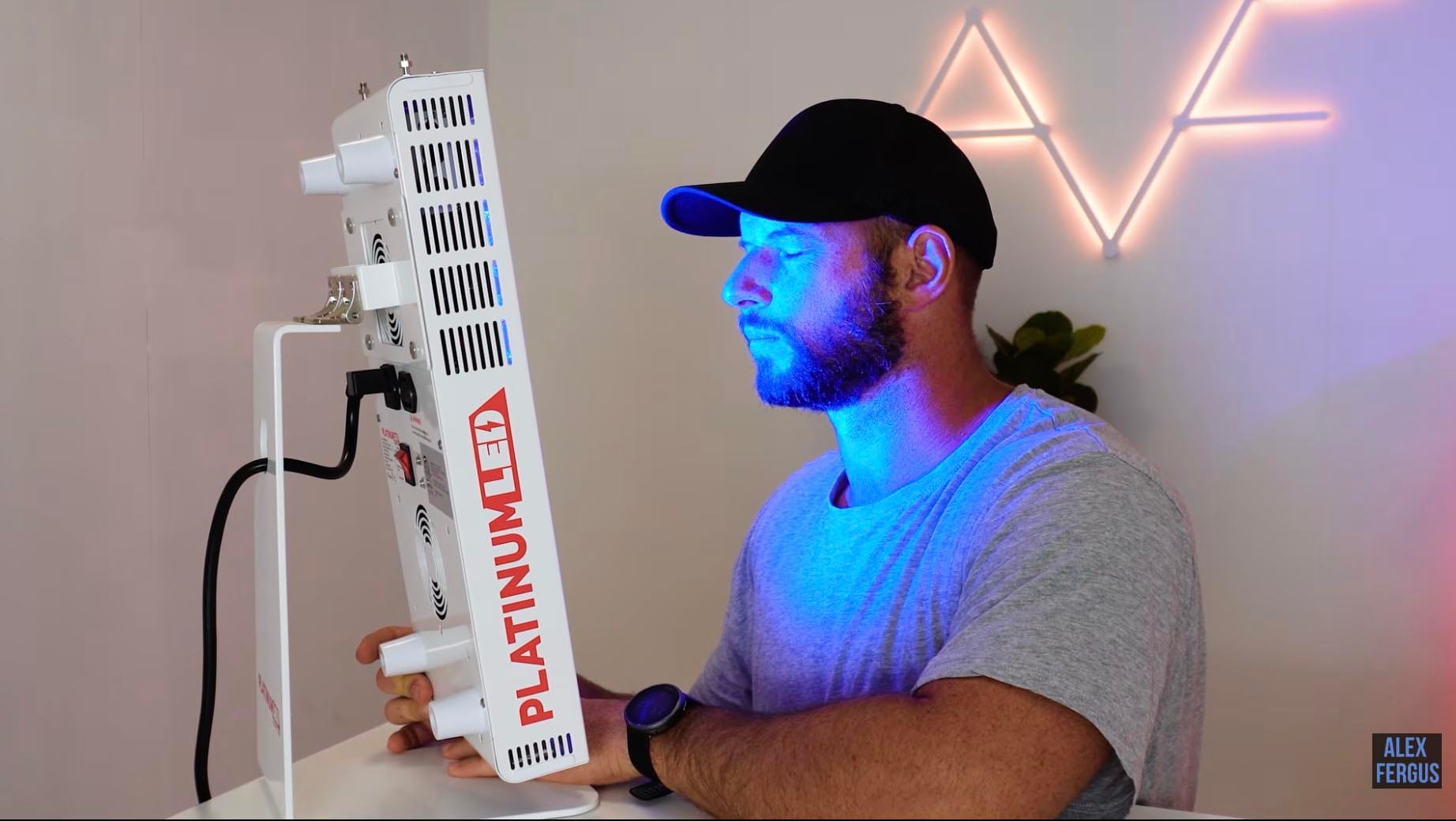
For that reason, I think dedicated acne masks currently make more sense than LED panels when acne is the primary goal. The masks simply provide wavelengths that align more closely with the available evidence.
Final Thoughts
After reviewing the research and comparing it against the masks I've tested, one conclusion stands out above all others: wavelength matters.
The strongest evidence currently supports blue light between 405 and 420 nanometers, particularly when paired with red light around 630–660 nanometers. If a mask doesn't provide those wavelengths, it may still offer benefits, but it probably wouldn't be my first choice for acne.
Among the products I've reviewed, the Rojo Dorado and CurrentBody Multi-Light Mask stand out as strong options. The iRestore is also worth considering. Meanwhile, the CurrentBody LED Blue Light Mask Series 2 looks exceptionally promising on paper and may ultimately prove to be one of the best acne-focused masks available.
As always, I recommend looking beyond marketing claims and paying attention to the details. In this case, those details start with the wavelength.
Here are the studies I refer to.
🔬 The Burden of Acne Vulgaris on Health-Related Quality of Life and Psychosocial Well-Being Domains: https://link.springer.com/article/10....
🔬 Acne phototherapy with a high-intensity, enhanced, narrow-band, blue light source: an open study and in vitro investigation: https://www.jdsjournal.com/article/S0...
🔬 Application of red light therapy for moderate-to-severe acne vulgaris: A systematic review and meta-analysis: https://pubmed.ncbi.nlm.nih.gov/34363...
🔬 Effect of Blue Light on Acne Vulgaris: A Systematic Review: https://pubmed.ncbi.nlm.nih.gov/34696...
🔬 Emerging lasers and light-based therapies in the management of acne: a review: https://pubmed.ncbi.nlm.nih.gov/39340...
🔬 The Impact of Acne Scarring on Quality of Life, Willingness-to-pay, and Time Trade-off: A Cross-sectional Analysis: https://jcadonline.com/impact-of-acne...
Here are some of the products or resources I mentioned.
⭐ Mask Comparison Tool & Buyers Guide: https://aferg.co/mask-tool
⭐ For a Current Body, use this code ALEXFERGUS at https://aferg.co/currentbody for 10% OFF
⭐ For a Rojo Light Therapy Mask: Use discount code ALEX at https://aferg.co/rojo-rlt for 10% off.
⭐ MitoGlow by Mito Red, use this link (discount will appear once you click) https://aferg.co/7d221 for 5% off sitewide
⭐ The Therabody Theraface Mask: no discount code, https://aferg.co/therabody
⭐ Qure Mask: use this link - https://aferg.co/Qure for 10% off
⭐ Light Therapy Insiders – “Help Me” Shopping Tool: http://aferg.co/help
🔥 For the iRestore Illumina mask: https://aferg.co/irestore (no discount, yet!)
Have You Seen These Reviews
🔴 Omnilux Contour Mask Review: Still Worth It in 2025?
🔴 Best 1064nm Red Light Panel? Helio Glow Review & Lab Results
🔴 Rouge G4 Pro Review: Most Advanced Red Light Panel Yet?
🔴 Red Light Therapy for Epilepsy: My Son’s Story + The Science
Alex's Bio
Alex Fergus wrote this blog post. Alex is an ISSN Sports Nutrition Specialist, Fitness Professional, and certified Superhuman Coach who continues to expand his knowledge base and help people worldwide with their health and wellness. Alex is recognized as the National Record Holder in Powerlifting and Indoor Rowing and has earned the title of the Australian National Natural Bodybuilding Champion. Having worked as a health coach and personal trainer for over a decade, Alex now researches all things health and wellness and shares his findings on this blog.