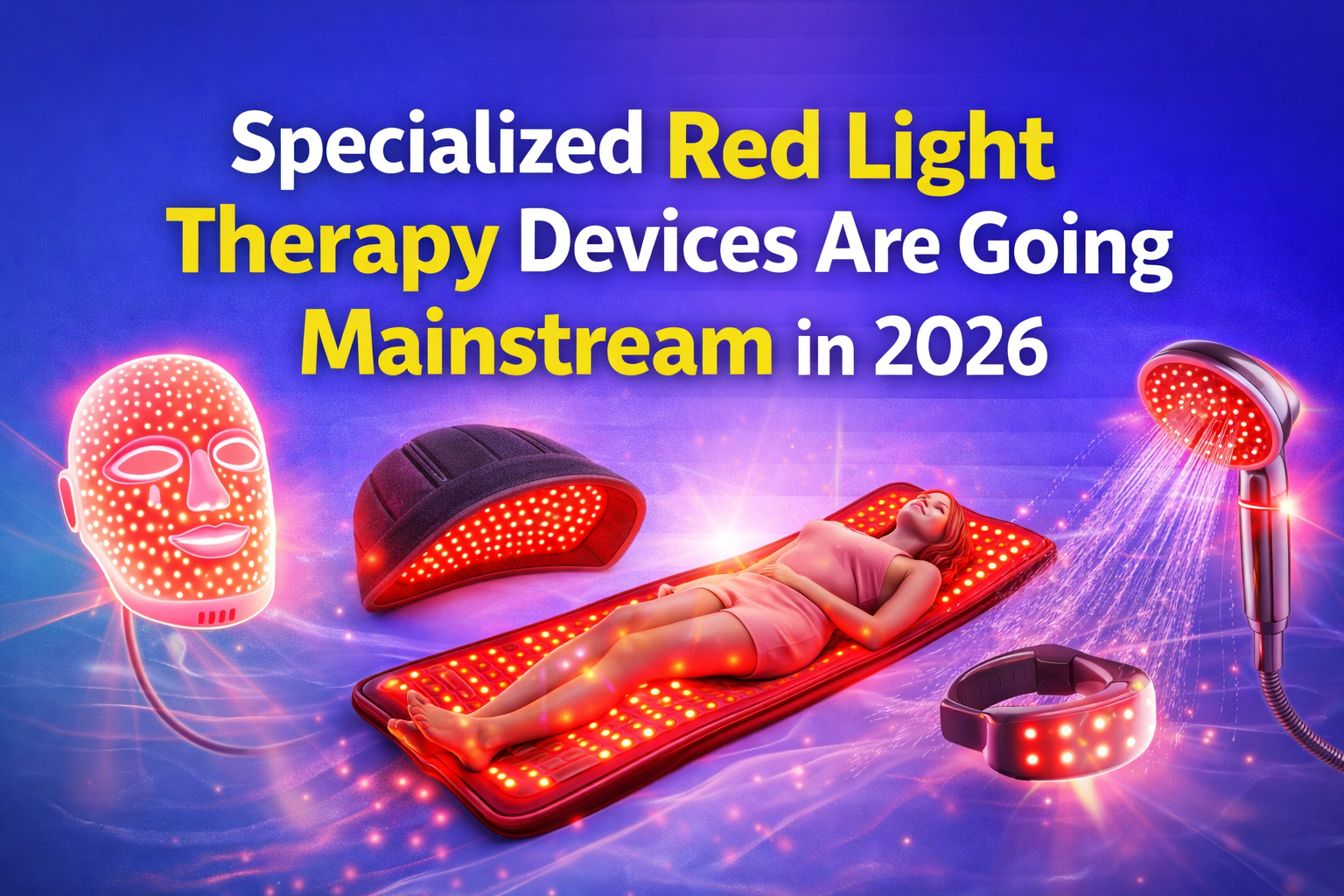
Red light therapy isn’t just for biohackers and clinics anymore—it’s officially having its mainstream moment. In 2026, this once “niche” technology is showing up everywhere: from hair growth helmets and full-body recovery mats to devices built right into your daily shower routine.
So what changed? Simple: red light therapy got smarter, more targeted, and way more convenient. Instead of bulky, one-size-fits-all panels, brands are now designing devices for very specific goals—think thicker hair, faster recovery, or better skin. And even better, many of these tools now fit seamlessly into your everyday life, so you don’t need to carve out extra time to use them.
In this article, we’ll break down why specialized devices are exploding in popularity—and why this shift might completely change how you think about red light therapy.
Specialized Red Light Therapy Devices Are Going Mainstream In 2026
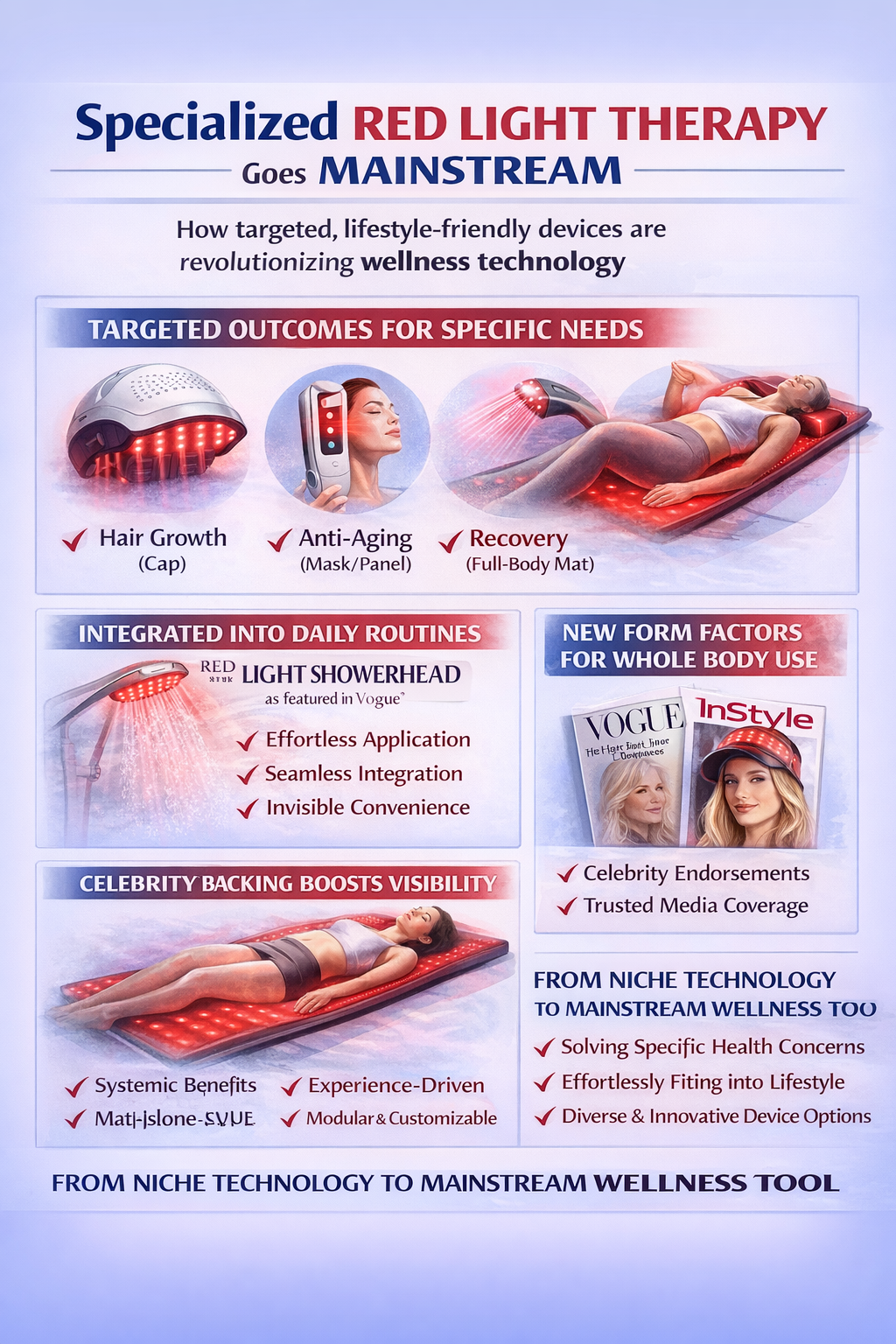
Specialized red light therapy devices are rapidly moving into the mainstream, driven by a combination of clearer use-case targeting, seamless lifestyle integration, and evolving consumer expectations around wellness technology. What was once a niche, clinic-based modality is now being reimagined as a suite of purpose-built tools designed to solve specific problems in everyday life.
One of the biggest drivers of this shift is the move toward highly targeted outcomes. Rather than marketing red light therapy as a general wellness solution, brands are now focusing on precise applications like hair growth, recovery, or skin health. The InStyle feature on celebrity-backed hair devices highlights this trend clearly. These products are not positioned as optional beauty gadgets—they are framed as results-oriented interventions, with reported improvements such as noticeable increases in hair density within a few months. This specificity makes the value proposition far more compelling. Consumers are no longer buying “red light therapy” in the abstract—they are buying a solution to hair thinning, aging skin, or slow recovery.
By the way, are you curious about celebrities using red light therapy? Check:
 Sally
Sally
At the same time, adoption is accelerating because devices are becoming integrated into existing routines, rather than requiring dedicated effort. The red light therapy showerhead featured in Vogue is a strong example of this shift. By embedding LEDs into something as habitual as a daily shower, the technology becomes effectively “invisible” in terms of effort. Users don’t need to schedule sessions or remember protocols—the therapy happens automatically. This reflects a broader trend in consumer health: technologies that succeed are those that reduce friction and fit naturally into daily life. Specialized devices are increasingly designed with this principle in mind.
Another key factor is the expansion of new form factors tailored to different parts of the body and different use cases. The Daily Beast review of a full-body red light therapy mat illustrates how the category is evolving beyond localized treatments. Instead of targeting just the face or a small area, these mats aim to deliver systemic benefits like improved sleep, reduced muscle soreness, and enhanced relaxation. This signals a shift toward experience-driven wellness devices, where the form factor itself—lying on a mat, wearing a cap, using a showerhead—shapes how the therapy is perceived and used.
Importantly, these specialized formats also align with how consumers think about health: problem-specific and modular. Someone dealing with hair loss may choose a scalp device, while an athlete may invest in a recovery mat. This modularity mirrors trends in supplements, fitness, and skincare, where people build personalized “stacks” rather than relying on one all-in-one solution.
Finally, mainstream visibility is being amplified by celebrity adoption and media coverage, which normalize these devices and accelerate trust. When public figures openly use targeted tools for specific concerns, it reinforces the idea that these are not experimental technologies, but practical solutions.
Overall, specialized red light therapy devices are becoming mainstream because they transform an abstract technology into concrete, problem-solving tools that fit effortlessly into daily life. By combining specificity, convenience, and diverse form factors, they meet modern consumer expectations—and that is what ultimately drives widespread adoption.
Want to know what our founder and owner of Light Therapy Insiders, Alex Fergus, thinks about red light therapy product development in 2026? Check:
 Alex Fergus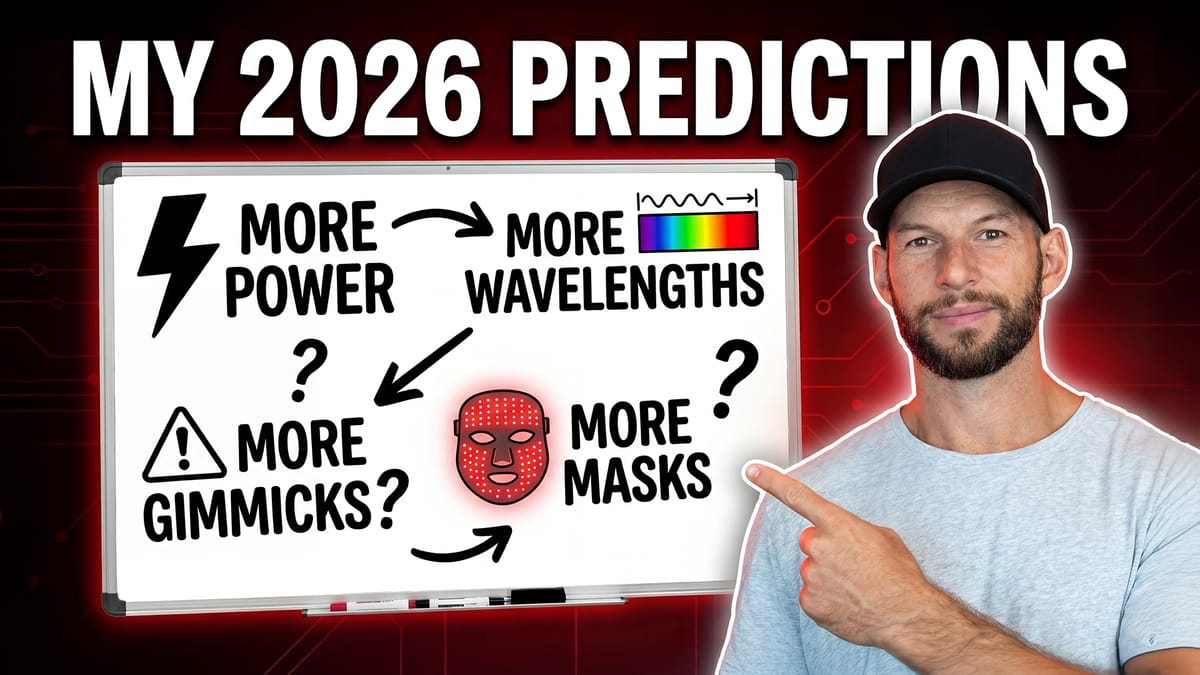
Also check our article on why the red light therapy space is growing aggrssively in 2026 here:
 Sally
Sally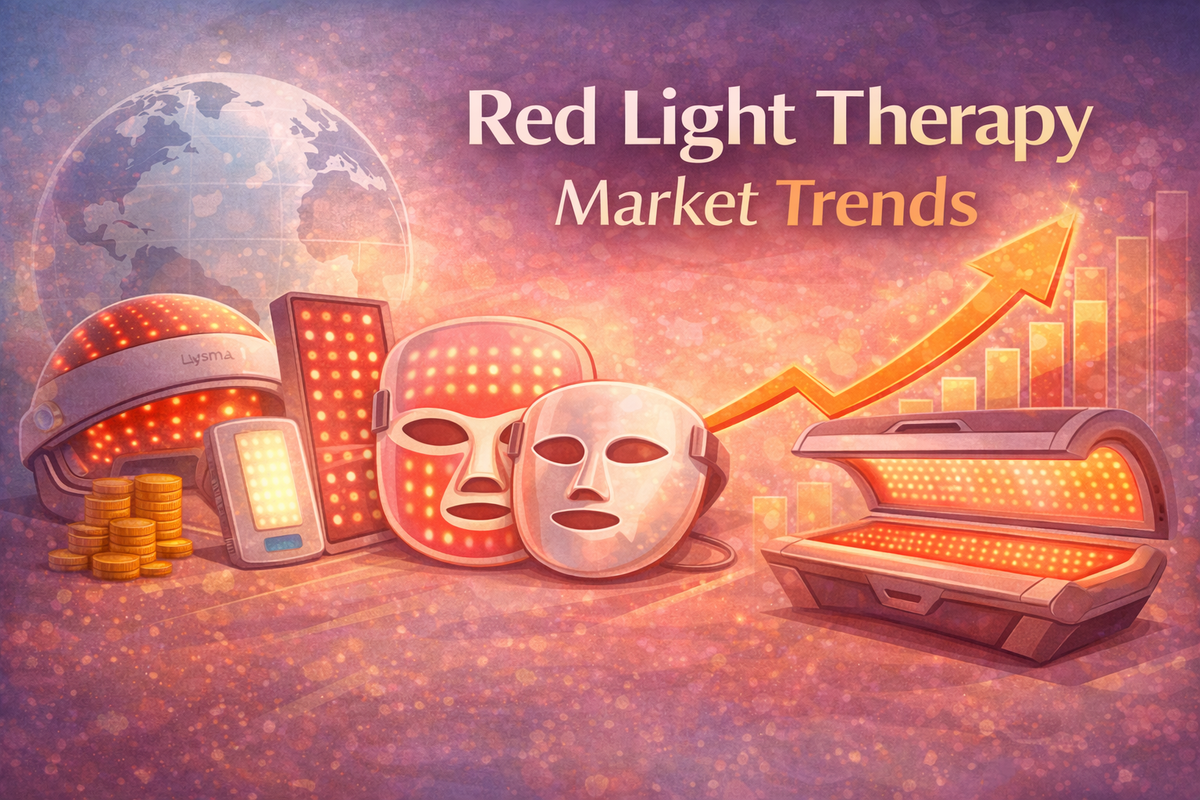
New Red Light Therapy Book Update 2026: Ari Whitten's Ultimate Guide To Red Light Therapy & Specialized Devices
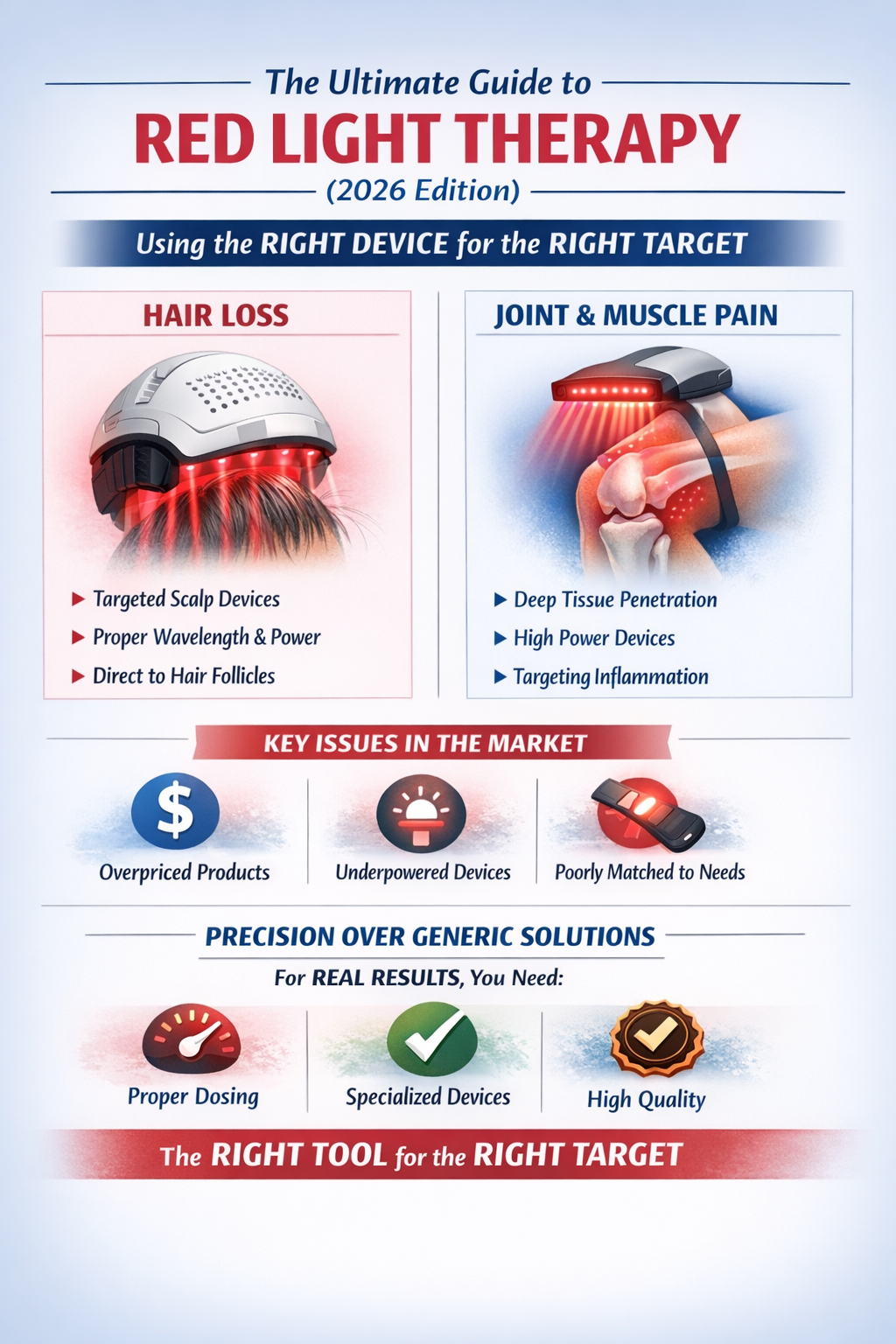
In The Ultimate Guide to Red Light Therapy (2026 edition), Ari Whitten makes a clear argument that the effectiveness of red light therapy is not just about the technology itself, but about using the right device for the right biological target. He emphasizes that many generalized, “one-size-fits-all” panels are suboptimal, and that specialized devices—designed for specific tissues like the scalp, joints, or muscles—are often necessary for meaningful results.
We've covered this topic in an extensive interview you can read here:
 Bart Wolbers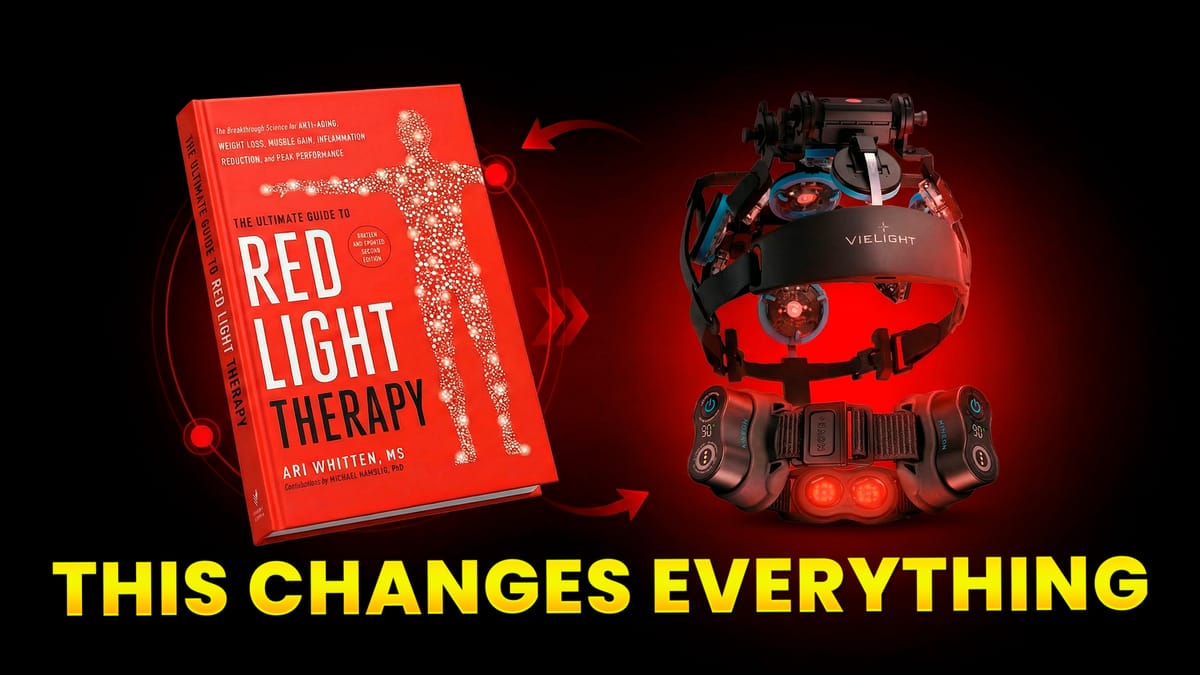
For example, in the case of hair loss, Whitten highlights that devices must be engineered to deliver light at appropriate wavelengths and with sufficient power density directly to hair follicles. The scalp presents barriers (hair, skin thickness), so generic devices may fail to deliver adequate energy. This is why helmet- or cap-style devices exist: they are designed to maximize contact and coverage, improving the likelihood of stimulating follicular activity and supporting hormonal and mitochondrial pathways involved in hair growth.
Similarly, for joint pain or deep tissue injuries, Whitten argues that penetration depth is the key constraint. Superficial devices (e.g., small handheld skin tools) may not reach deeper structures like knees, hips, or tendons. As a result, higher-powered or targeted devices are required to reduce inflammation and accelerate tissue repair—one of the core benefits he attributes to photobiomodulation.
A central theme in his argument is that most devices on the market are underpowered, overpriced, or poorly matched to their intended use. He stresses dosing (intensity, duration, wavelength) and device quality as decisive factors, not just the presence of red light itself.
Overall, Whitten’s position reframes red light therapy as a precision tool, where specialized devices—whether for hair loss, joint pain, or performance recovery—are essential to unlock its full therapeutic potential.
Alex Fergus: Testing Specialized Red Light Therapy Devices For Years Now
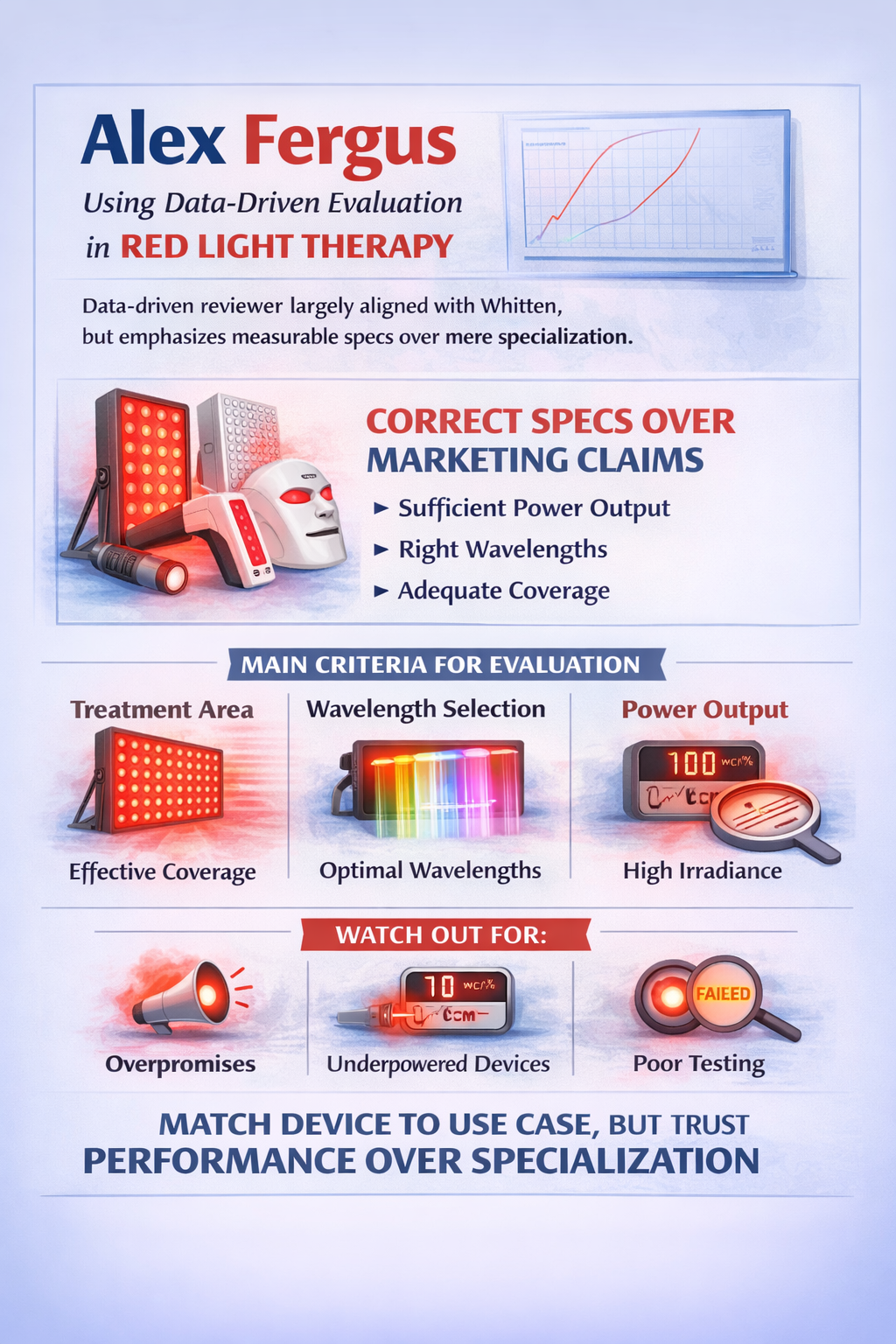
Alex Fergus—one of the most data-driven reviewers in the red light therapy space—largely aligns with Ari Whitten’s core idea, but with a more engineering- and testing-focused lens. His position is that specialized devices can be useful, but only when they are backed by correct specifications (power, wavelength, coverage)—not just marketing claims.
Fergus consistently emphasizes that different device types (masks, panels, handheld lasers, torches, etc.) exist for a reason, and he personally uses a combination of multiple device categories rather than relying on a single “universal” solution. This reflects a similar conclusion to Whitten: different tissues and goals require different approaches. However, Fergus is more skeptical of niche devices like hair loss helmets or small joint tools unless they can demonstrate sufficient output and real-world performance.
A central theme in his work is that treatment area and power output matter more than device category alone. In his buyer’s guides, he highlights criteria like coverage, wavelength selection, and irradiance as key decision factors—suggesting that a well-designed panel can often outperform a poorly designed “specialized” device. In other words, specialization is not automatically better; execution is.
He also frequently warns that the market is filled with underpowered or poorly tested devices, even within specialized niches. After testing dozens of products, he notes that only a small subset meet his standards for consistent use. This leads him to favor devices that can deliver reliable dosing, even if they are less “targeted” in form factor.
Overall, Fergus agrees that matching the device to the use case matters—but his stance is more pragmatic: don’t trust specialization alone; trust measurable performance.
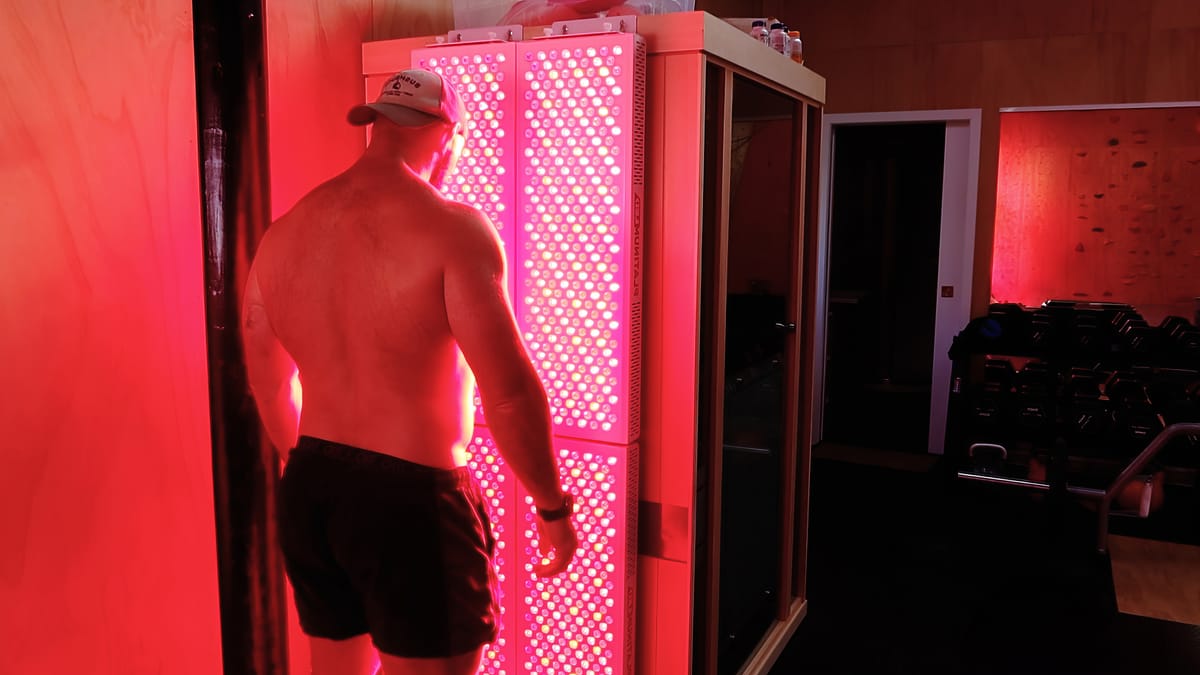
Curious? Check our many different reviews by Alex Fergus here:

+
Or learn about using our AI tool to search all the articles on our website:
 Alex Fergus
Conclusion: Why Things Are Starting To Be Different
Red light therapy in 2026 is no longer about experimenting with a trendy wellness tool—it’s about choosing the right solution for the right problem. As we’ve seen, the rise of specialized devices reflects a deeper shift in how people approach health: more targeted, more personalized, and far more integrated into daily life.
From hair growth caps to full-body mats and even shower-integrated systems, the technology is evolving to meet people where they are—both in terms of their goals and their routines. This is exactly why adoption is accelerating. When a tool is easy to use and clearly tied to a specific outcome, it naturally becomes part of someone’s lifestyle rather than an occasional experiment.
At the same time, the growing number of options makes one thing clear: not all devices are created equal. As both Ari Whitten and Alex Fergus highlight, effectiveness ultimately comes down to matching the device to the use case—and ensuring it delivers the right specifications and dosing.
The bottom line? Red light therapy is maturing fast. And specialized devices are leading the way.
Check Some Of Our Specialized Device Content & Reviews Below:
Here:
 Alex Fergus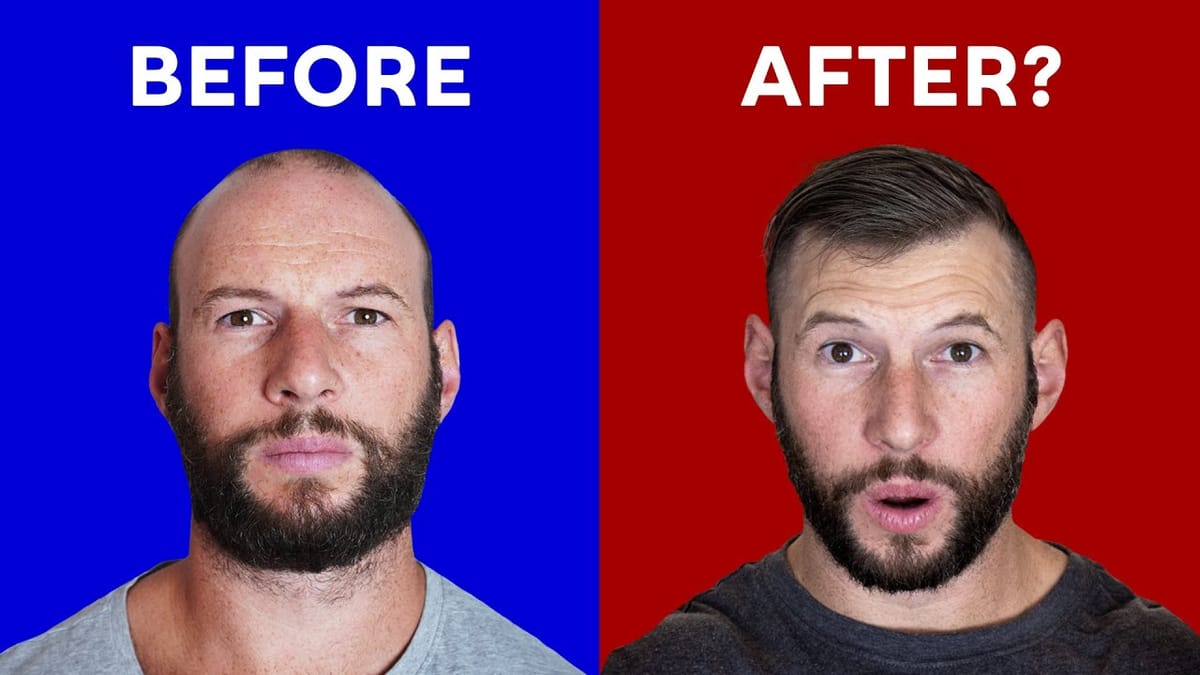
 Alex Fergus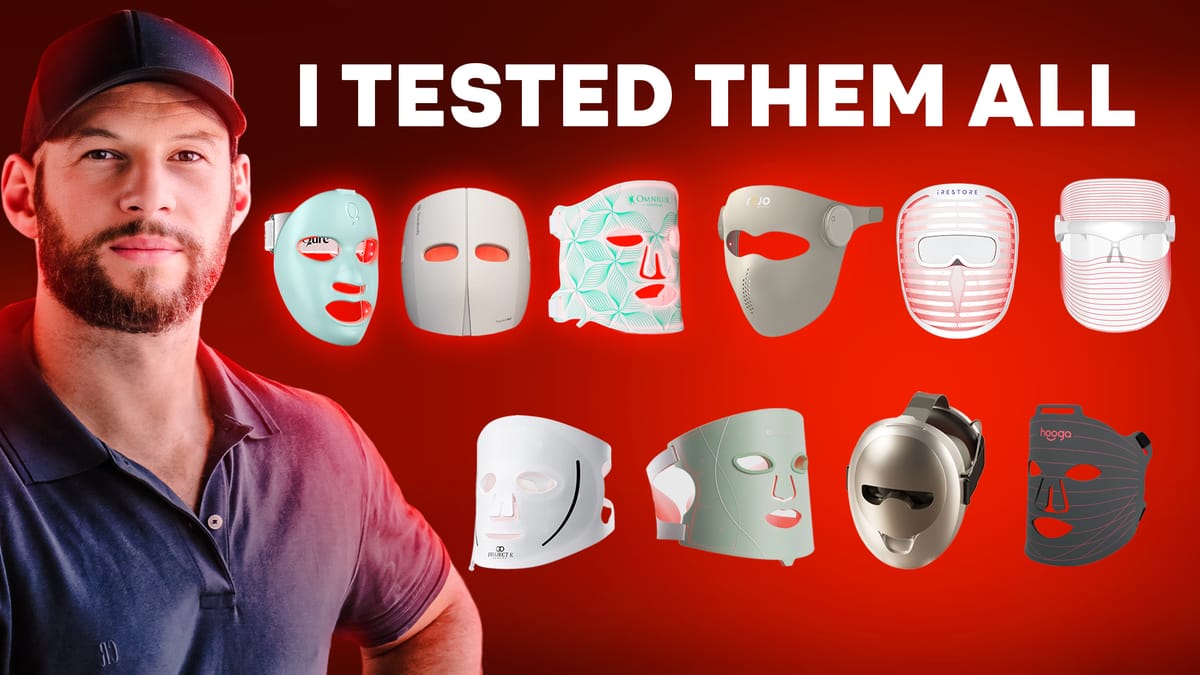
 Alex Fergus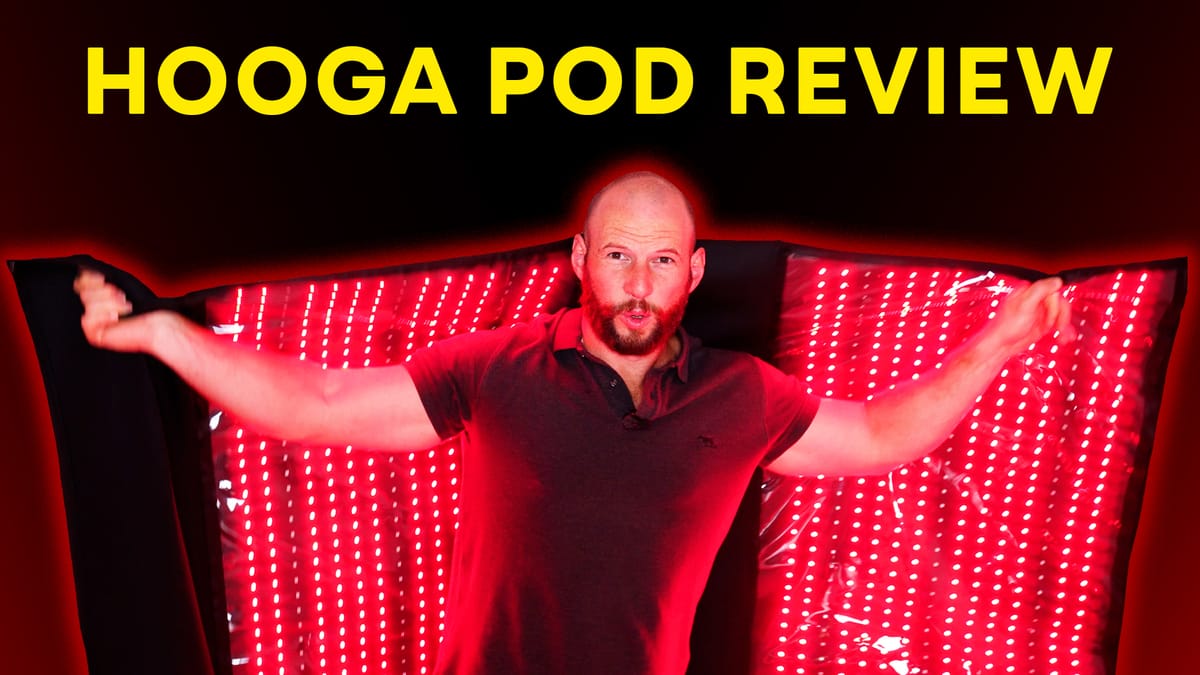
Want To Better Understand The Science Of Light Therapy? A Health Science (MS) Graduate Breaks It All Down Here:
Join Bart's 100% free advanced science light therapy course above, where he takes deep dives into topics such as mechanisms, neurology (Alzheimer's, Parkinson's, etc), exercise recovery, skin beauty & rejuvenation, and much more. Join HERE!
This article is written by our AI assistant Sally. Check the short bio of Sally below:
Found This Interesting? Look At These Resources:
- Red Light Mask Buyer's Guide - Avoid These Mistakes!
- Welcome to the Light Therapy Course - Science-Backed On Many Topics
- Red Light Mask Buyer's Guide - Avoid These Mistakes!
- Light Therapy Insiders AI Bot That Answers All Your Questions
- Red Light Therapy Shopping Tool
Have You Seen These Reviews? Check:
🔴 Best Red Light Panel 2025? BioMax Pro Ultra vs The Rivals
🔴 Infrared Sauna vs Red Light Therapy: Why They’re NOT the Same
🔴 The Fascinating History Of Red Light Therapy
🔴 Ten Huge Light Therapy Science Developments From Recent Years
🔴 MitoGlow LED Mask Review: The Best Red Light Therapy Mask I've Ever Tested.
🔴 2026 Red Light Therapy Panels Revealed
🔴 Red Light Therapy Mask Comparing Test: 25 Masks Ranked And Reviewed