
Today, more on blood sugar control, type II diabetes, and using light therapy for that goal.
And, we've added quite a lot of new content at the end of this newsletter - also tons of articles that you may have missed years ago when we were still a very small company.
Let's start with the very important blood glucose research though:
Dose And Time-Response Of Light Therapy In Type 2 Diabetics
So this study just came out, and apparently, we missed this in 2024:

You can read the full text for free. We've written extensively about red light therapy for diabetes, too, recently:
 Bart Wolbers
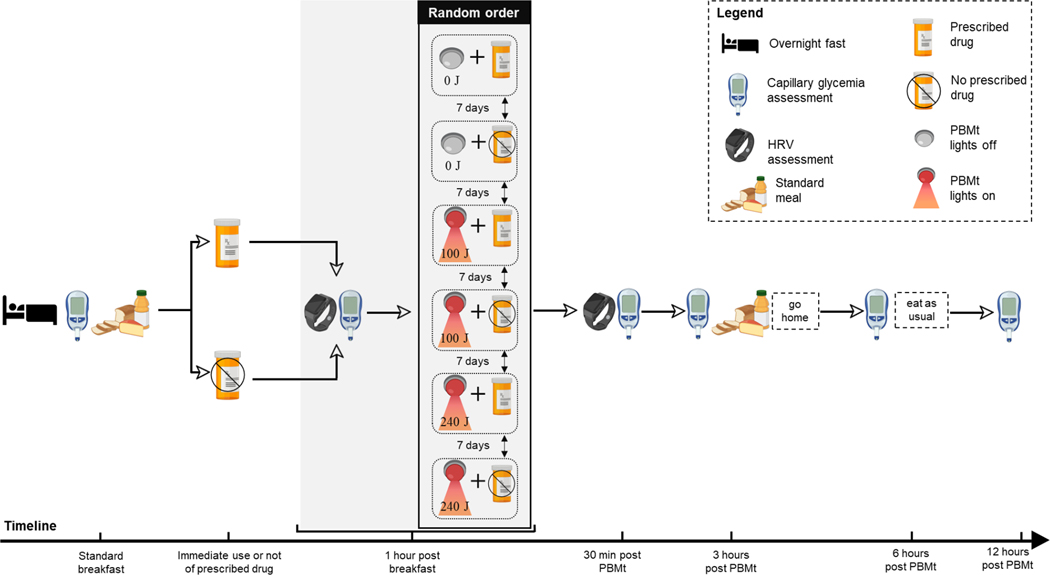
Here's the study setup, according to the researchers:
"All ten [Type 2 Diabetes] patients were assessed randomly at six different occasions (3 with and 3 without regular oral hypoglycemic medication). Capillary glycemia [so, blood glucose levels] was assessed after overnight fast (pre-prandial), 1h postprandially [a.k.a. after a meal] (standardized meal, 300 kcal), and 30 min, 3h, 6h, 12h post [red light therapy] (830 nm; 25 arrays of LEDs, 80 mW/array)"
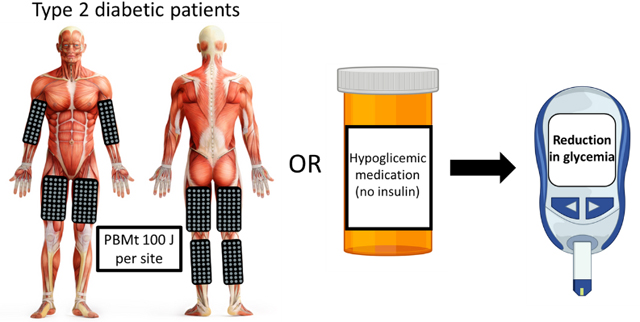
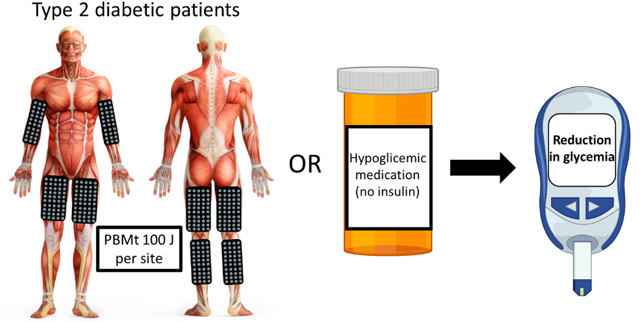
So, 830 nm was applied, with LEDs, after a standardized meal. The goal here was to measure the blood sugar response. Different doses of light were also tested. The light was applied to the upper and lower extremities, so the upper and lower arm, and upper and lower legs. HRV was also measured, which is an indicator of relaxation.
The outcome? The researchers write:
"[red light therapy] showed time- and dose-response effect to reduce glycemia in [Type 2 diabetes] patients. Effects on HRV were consistent with glycemic control."
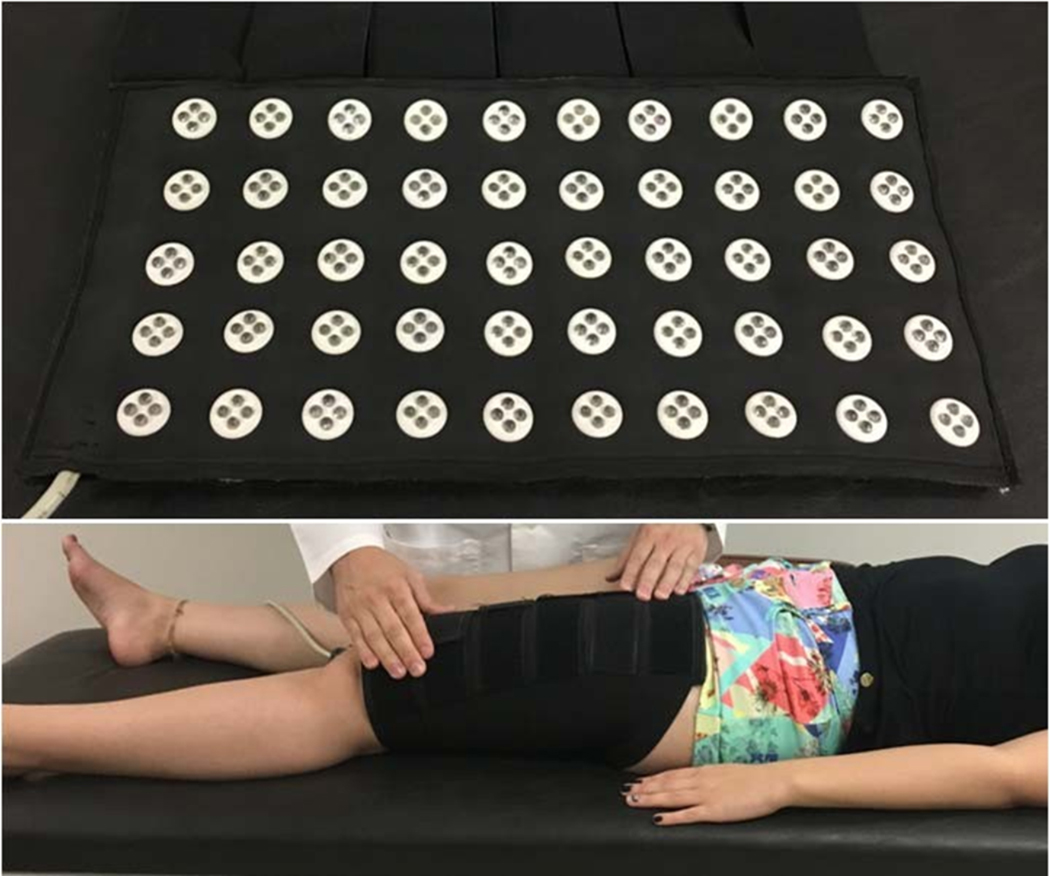
Here's a nice visual representation of the study setup:
And the following photo showcases the study setup in a bit more detail - it's slightly complex though:
For the 830 nm light therapy, more of a wrap model was used - that's also quite popular in some of our followers:
The best illustration of the different effects of different doses of light to the extremities, is the Figure 4 from the full text of the study:
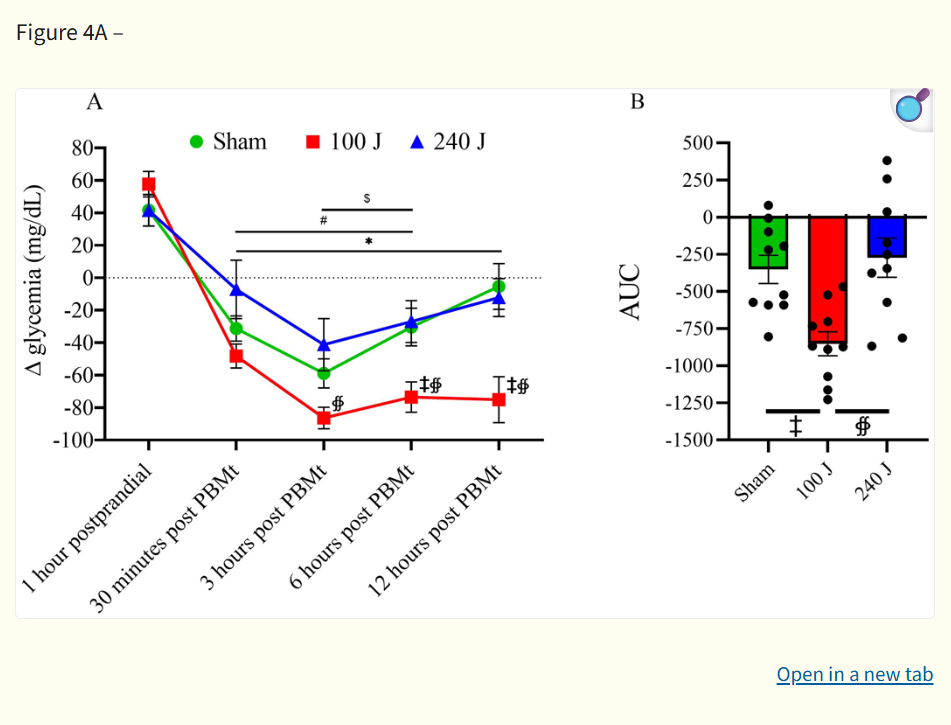
If the scenarios where no type 2 diabetes medicines were used, the 100 J worked better than the 240 J situation, so here also, the higher dosing wasn't necessarily better than the lower dose.
Here's the breakdown of the results, in the discussion section of the paper, of the full outcome of the study:
"The main results are as follow: a) when oral hypoglycemic medication was withdrawn, the 100 J [red light therapy] led to the greatest reduction in capillary glycemia compared to sham or 240 J [red light therapy], especially at 6 and 12 hours post irradiation; b) [red light therapy], when combined with oral hypoglycemic medication, did not elicit further decrease in capillary glycemia, except for the SHAM group, as expected; c) 100 J [red light therapy]induced better glycemic control than medication intake alone; and d) Cardiac sympathetic modulation increased in the conditions that elicited the best glycemic response, i.e. sham + medication and 100 J [red light therapy]."
It's very hard to translate this study setup to exact dosing guidelines for people who use panels, however, as most often you don't apply the light directly to the skin in these cases.
Our suggestion here? Wear a continuous blood glucose monitor and observe your response, for example by using a 5-, 10-, or 15-minute session over time. The best control of the blood sugar, if you've tested a few times, is then the recommended dosing guideline for your unique circumstances.
The researchers have also carried out previous research, which cannot be found in the PubMed medical archives, where they have similar results in the lower body:
"Recently, we showed that PBMt (LED array composed of 50 diodes, 850 nm, 75 mW/diode) applied over the rectus and oblique abdomen, quadriceps femoris, triceps surae, and hamstring muscle areas in T2DM patients positively affected fasting glycemia in a dose-dependent manner, with reductions observed 15 min after irradiation at 75 and 450 J per site, but not after 150 J, 300 J, or 600 J [36]. The present data are in line with these previous results, as we also observed a positive effect after 100 J, but not after 240 J, which is compatible with the 75 J and the 300 J results from that previous study."
All of these results are extremely promising for blood glucose control in diabetics. It's a bit sad that not everything is easily published, in part, because the research group is from Brazil and not everyone has full mastery of English there, unfortunately. I've lived in that country personally (Rio de Janeiro), and visited laser dentistry conferences there, so I know the basics on that topic.
The best thing about the current study is that you can have effects from a single session of light therapy. So, no need to wait weeks or months to get effects, the change is measurable after 1 session in diabetics.
Lastly, if you do want to read up on all of the science on this topic, read my blood sugar and diabetes guide that contains a lot more info.
Here Are Our Latest Light Therapy Insiders' Articles:
Every single article that we've published recently - you can find the videos in the article itself:
- What LED Mask Should I Buy in 2026? My Top Recommendations - Huge, huge update by Alex, on the best red light therapy mask for 2026. Alex has done a ton of work and reviewed 30+ red light therapy masks in the last year or so, as these are so popular in the industry...
- Red Light Therapy For Hearing Loss Science: Why This Approach May Work - We've had some requests about red light therapy for hearing loss in our Facebook group, and therefore Bart decided to look at all of the science on this topic, as well as creating a protocol for you.
- SunPowerLED & Brain Light Therapy: 90% Get Dosing WRONG - New article/video out by Bart, the second part of the very-well watched Tom Kerber interview I on penetration/dosing/wavelengths. This second interview mainly concerns brain red light therapy wavelengths, dosing, penetration, etc - check it out HERE.
- Can Red Light Therapy Replace Sunlight? The Science Explained - Alex's lastest video on why you cannot rely on red light therapy alone and need sunlight for maximum health benefits!
- Red Light Therapy for Arthritis: The Complete Guide - Updated in 2026 by Bart, on using red light therapy for both osteoarthritis and rheumatoid arthritis. Lots of research has been coming out on this topic in the last 3 years since it was written, so we integrated that science in here.
- What Is Red Light Therapy? - Great for newbies, also updated for 2026, after we've learned so many lessons in the last few years. Send this article to your loved ones who don't know what red light therapy is.
Also, Check Out Some Of Our Other Content:
Below you'll find some of our best content that you shouldn't miss:
Light Therapy Advanced Science Course:
Join Bart's 100% free advanced science light therapy course above, where he takes deep dives into many different topics, such as mechanisms, neurology (Alzheimer's, Parkinson's, etc), exercise recovery, skin beauty & rejuvenation, and much more.
Some of the topics are only published in that course, such as UV light risks and benefits, addiction, anxiety, depression, and more. So join HERE!
Red Light Therapy Buyers Guide
 Alex Fergus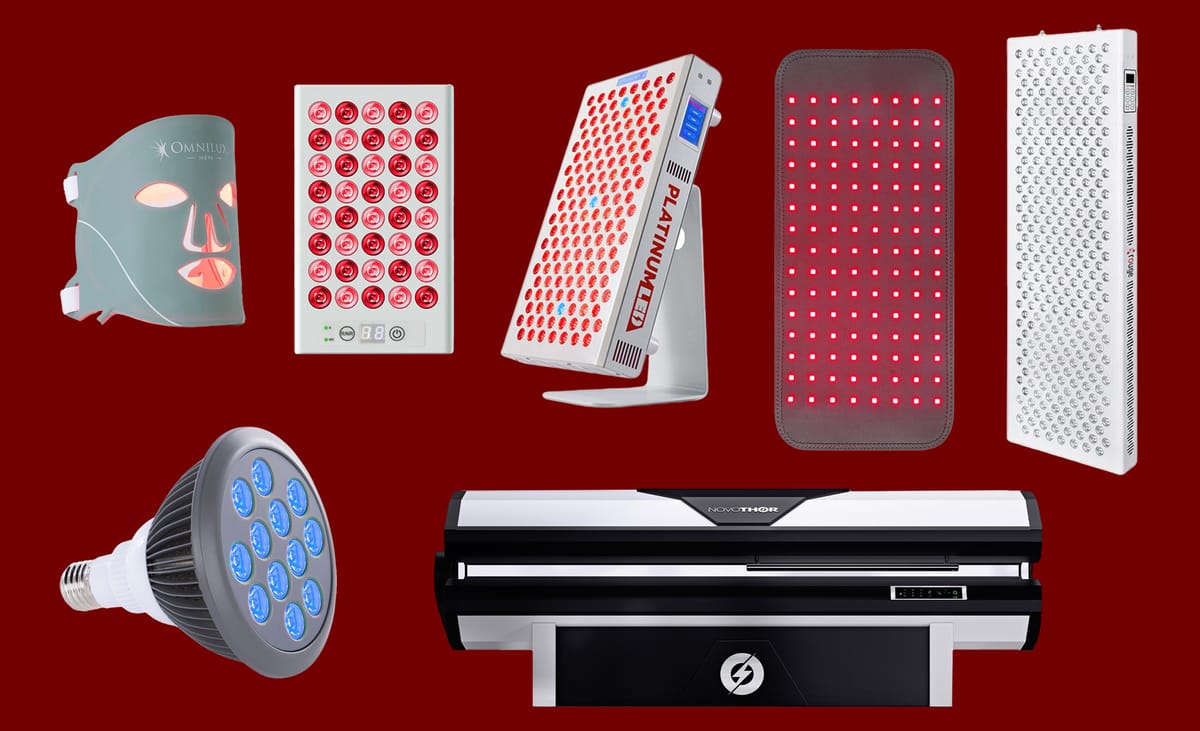
Red light therapy uses red and infrared light to achieve a biological effect. Dive into this topic and select a device that's right for you.
LED Mask Shopping Tool


My extension shopping tool compares all of the world's best (and not so good!) Red Light Masks.
How To Use Red Light Therapy 101: The Best Guide For Starters
 Alex Fergus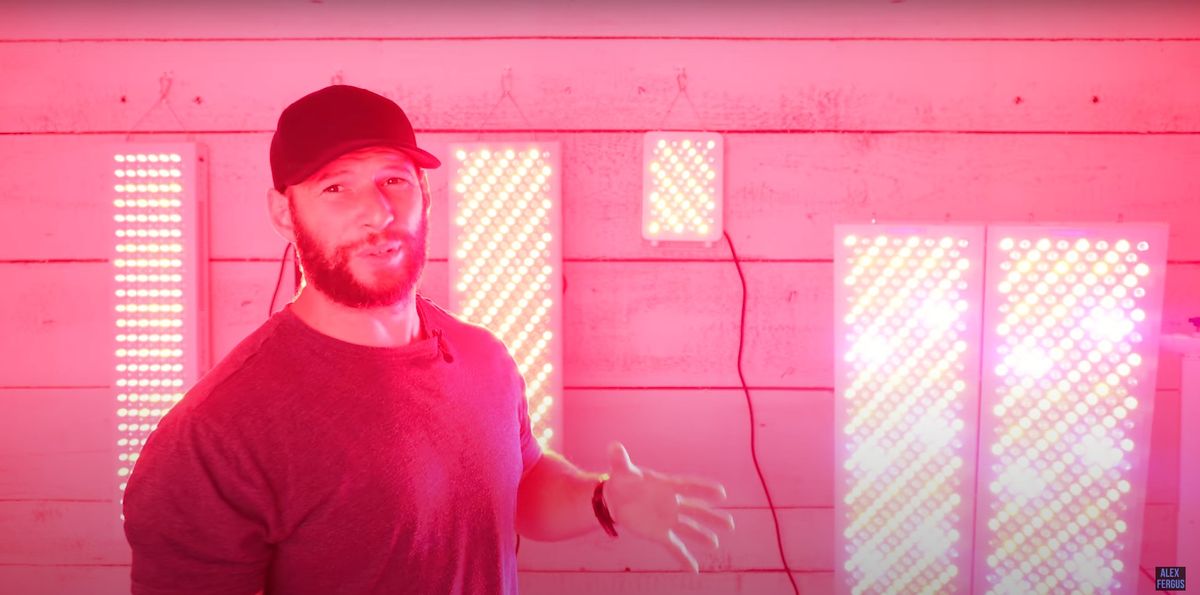
You have your device? Let me help you use it.
Red Light Panel Shopping Tool


My extension shopping tool compares all the world's best (and not-so-good!) Red Light Panels!
Exclusive - Discount Codes, Deals & Recommendations
 Alex Fergus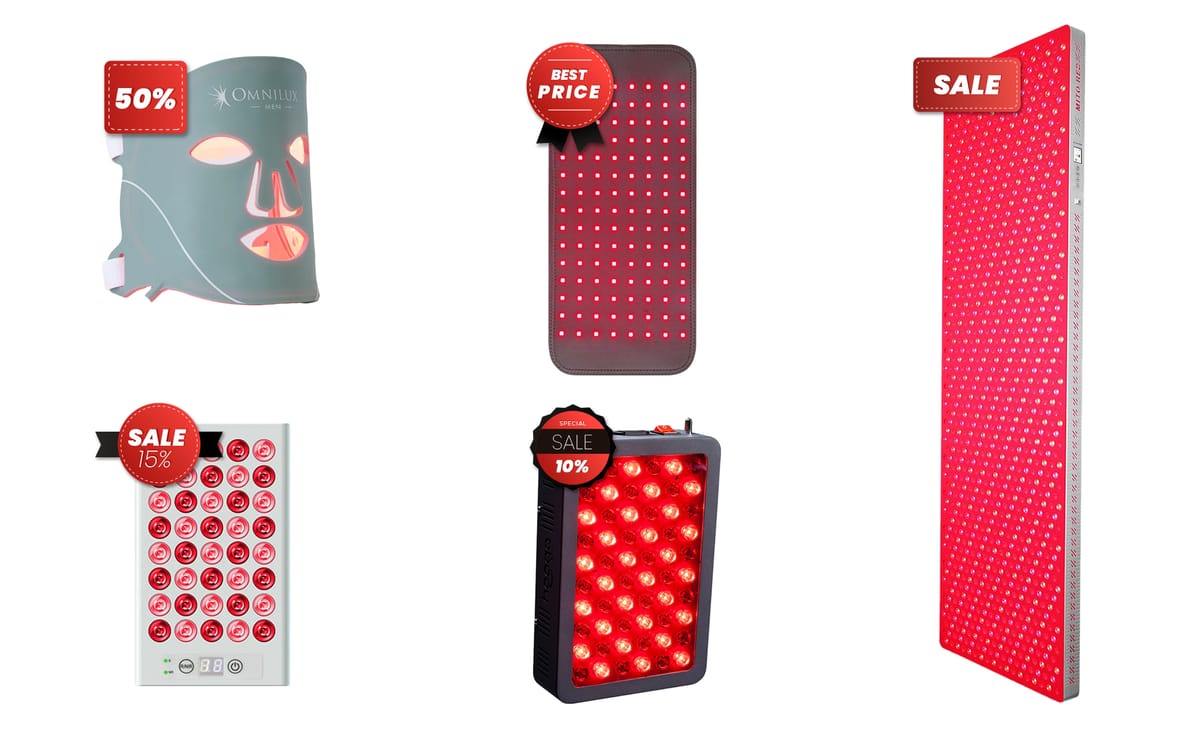
Shopping for a red light device? Use this resource to save! We've got deals for most of the big and best brands out there...