
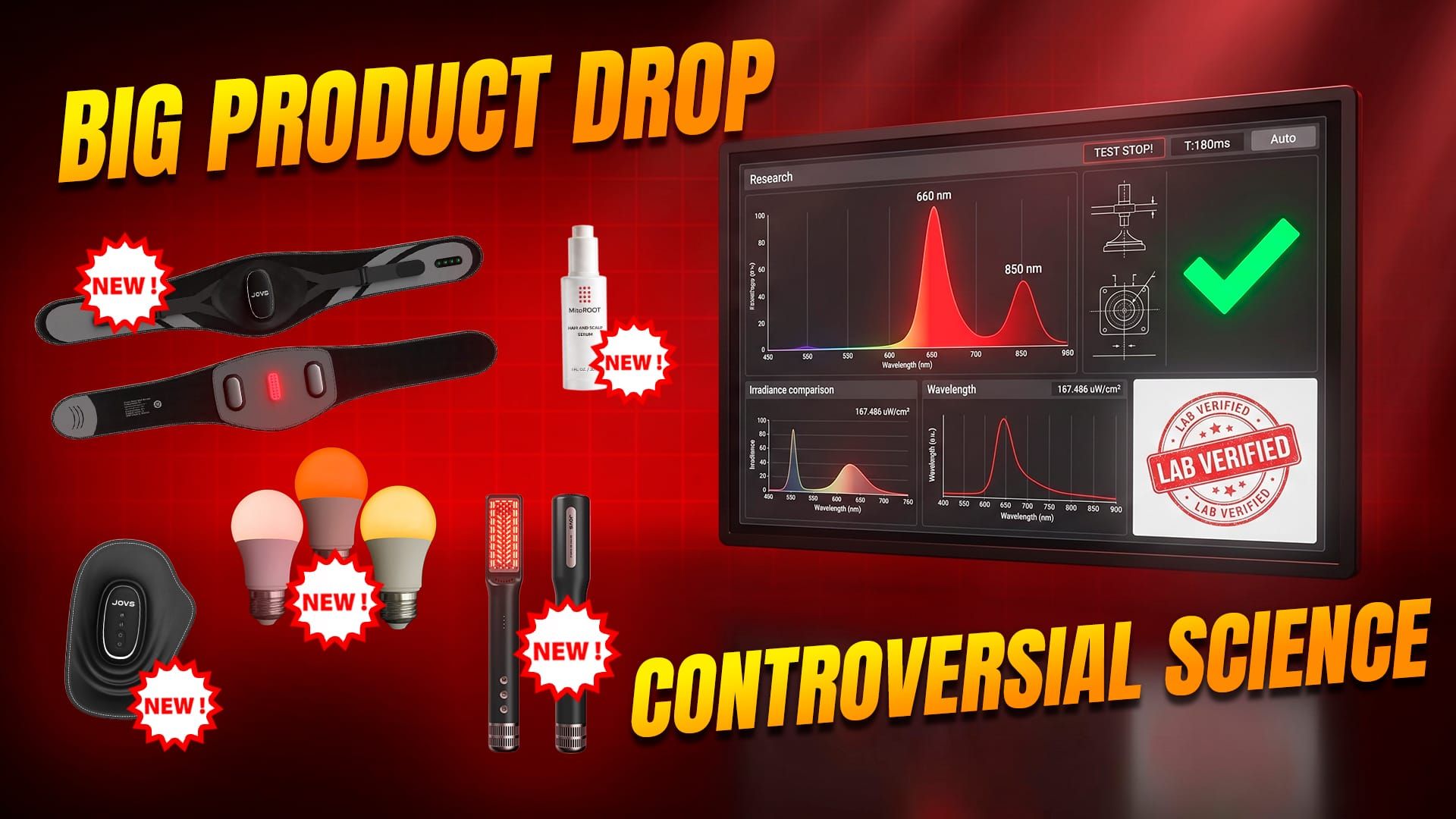
This month I'd like to take a step back from individual product reviews and scientific deep dives to look at what's happening across the red light therapy industry. July has been a surprisingly busy month, with several new products, some interesting educational resources, and a research presentation that I think is particularly important because it reinforces something we've been talking about for years.
There are also some excellent new articles worth reading, a question about how often you should actually use red light therapy, and a preview of several reviews and science videos that are coming soon. Let's dive into everything that happened this month.
New Red Light Therapy Products
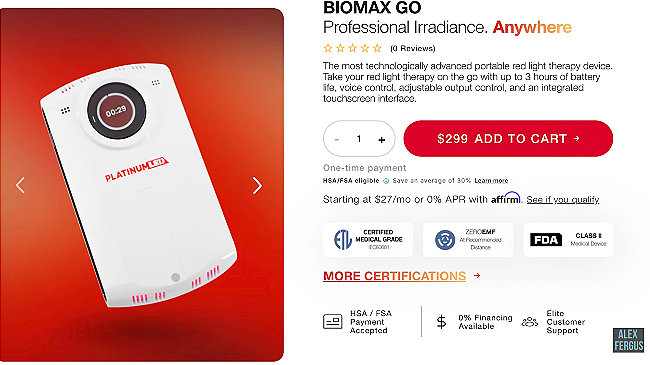
PlatinumLED Launches the BioMax Go
One of the most interesting product launches this month comes from PlatinumLED with the release of the BioMax Go.
For years, PlatinumLED has focused primarily on larger therapy panels rather than handheld devices. Instead of simply copying the many portable products already on the market, they've designed something that looks quite different from the ground up.
The BioMax Go includes several premium features that stand out in the handheld category. It offers voice commands, a built-in timer, pulsing modes, and independent control of both wavelengths, allowing users to adjust the intensity of the 660nm red light and 850nm near infrared light anywhere from 1% to 100%.
At the time of recording, the BioMax Go sells for $299, and as always, there is a discount available through our recommendations page. I haven't tested this device yet, but I'm hoping to get one in for independent laboratory testing and a full review in the near future.
⭐ For a Platinum BioMax, use https://aferg.co/redled for 5% off (code appears after you click)
Mito Red Introduces a Hair Growth Serum
Mito Red has also expanded into hair care with the launch of a new scalp and hair serum.
According to the company, this product has been in development for approximately a year and is designed for both men and women experiencing hair thinning or hair loss. Rather than replacing red light therapy, it's intended to complement light treatments by supporting scalp health with more than 25 active ingredients.
Hair loss remains one of the areas where photobiomodulation has some of the strongest supporting evidence, so it's always interesting to see companies develop complementary products that may work alongside light therapy.
At the time I checked their website, the serum was already sold out, which suggests there has been considerable interest since launch. The retail price is $39.95.
⭐ For Mito Red, use https://aferg.co/7d221 for 5% off sitewide (code appears after you click)
JOVS Expands Beyond LED Masks
JOVS introduced three very different products this month.
The first is probably the most unusual—a hair dryer that incorporates red light therapy. The concept is straightforward: while you're drying your hair, you're also exposing the scalp and hair follicles to therapeutic light.
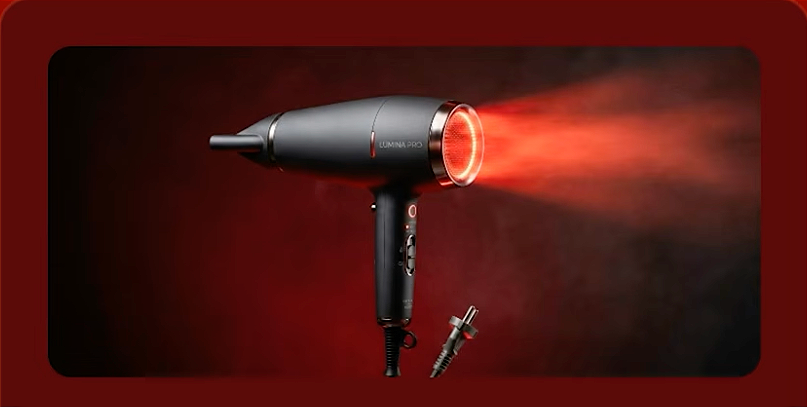
From a scientific standpoint, there isn't much evidence suggesting that illuminating the hair shaft itself provides meaningful benefits. However, there is a substantial body of research showing that treating the scalp and hair follicles with red light therapy can improve hair growth. Because of that, the concept is certainly interesting, even if we'll need more real-world testing before drawing conclusions.
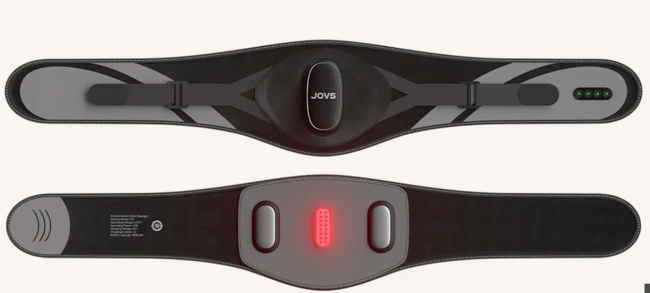
JOVS also released a compression belt that combines 660nm red light, heat, vibration, and compression.
Regular viewers will already know my views regarding red light therapy for fat loss. The evidence suggests it can be supportive under certain conditions, but it certainly isn't a magic solution. What makes this product interesting is that it combines several different therapies into a single device rather than relying solely on red light.
The company's third release is a compression device designed for the hands.
This one combines air compression with heat therapy, although I'm a little more skeptical about its overall value. If your primary goal is simply delivering red or near infrared light to the hands, there are already many handheld devices and small panels capable of doing that very effectively.
⭐ JOVS, use discount code ALEX at https://aferg.co/jovs-4d for 12% off.
Kala Releases a New Therapy Wrap
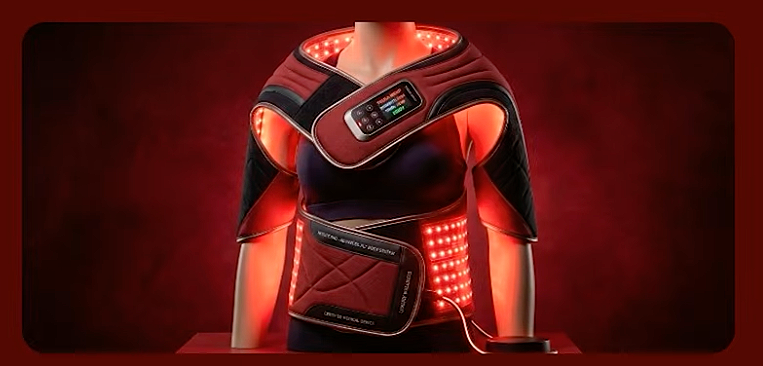
Another product that caught my attention this month is the new therapy wrap from Kala.
Like the PlatinumLED BioMax Go, the design is different from many competing products currently available. The wrap contains 240 LEDs and combines 660nm red light, 850nm near infrared light, heat, and vibration into a single flexible device.
Members of our Facebook community have been asking more questions about wearable wraps recently, so it's nice to see more options entering this category.
The current price is approximately $460 USD, with discounts available through our affiliate page.
⭐ Kala, use https://aferg.co/Kala for 15% off sitewide
LightpathLED Introduces the Titan
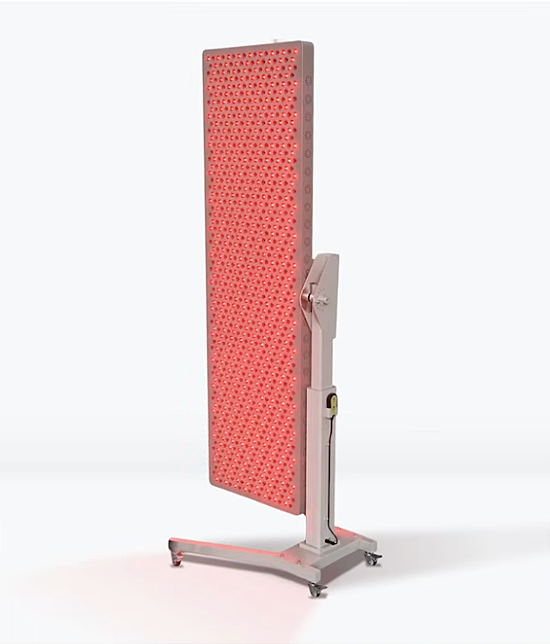
LightpathLED also launched an impressive new full-body panel called the Titan.
What immediately stood out to me was the wavelength selection. Rather than simply using the common 660nm and 850nm combination, the Titan incorporates 670nm, 810nm, and 940nm wavelengths.
The 810nm wavelength has extensive scientific support for deeper tissue applications, while 940nm is less commonly discussed but actually has considerably more published research behind it than many people realize. If you've looked through Vladimir Heiskanen photobiomodulation spreadsheet, you'll know that 940nm has accumulated a substantial amount of evidence over the years.
Another notable specification is that approximately 66% of the light output is near infrared, making this a panel that's particularly focused on deeper tissue treatments rather than purely skin applications.
The Titan also includes a five-year warranty and access to Scott Kennedy following purchase, adding additional value beyond the hardware itself.
⭐ LightpathLED, use discount code ALEX at www.lightpathled.com to get 5% off
RA Optics Launches Indoor Lighting
The final new product worth mentioning isn't actually a therapy device at all.
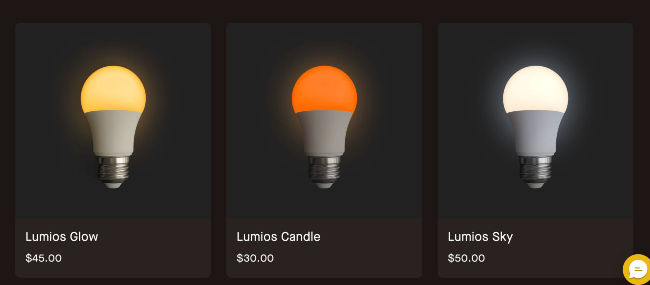
RA Optics has introduced a new line of indoor lighting called Lubio.
Unlike standard LED lighting, these bulbs aim to more closely replicate traditional incandescent lighting by minimizing blue light while also incorporating near infrared wavelengths that are absent from most modern LEDs.
The lights are also advertised as flicker-free, which many people appreciate when spending long hours indoors.
If you don't have access to plenty of natural daylight throughout the day, products like these may offer a healthier indoor lighting environment than conventional LEDs. Prices currently range from approximately $4 to $50, depending on the specific bulb.
⭐ RA Optics, https://aferg.co/raoptics, code LTI for 10% off.
New Articles Worth Reading
Beyond new products, several companies also published educational content that I think is worth highlighting.
One article that caught my attention comes from Chroma, discussing how the term "FDA Cleared" is often misunderstood or used in misleading ways during product marketing.
This is actually a topic we've covered ourselves in recent videos and articles. FDA clearance, FDA registration, and FDA approval are very different concepts, and consumers should understand exactly what those terms mean before assuming one product is superior to another simply because of its marketing.
We'll continue exploring this subject because it's an area where confusion remains widespread throughout the industry.
Vielight Discusses Whole-Brain Photobiomodulation
Vielight also published some interesting material discussing the difference between treating only part of the brain versus targeting the entire brain.
The company argues that combining a transcranial device with an intranasal applicator may provide broader brain coverage than using a helmet or head-mounted device alone. While there is still plenty of discussion within the photobiomodulation community about the best approach, it's always encouraging to see manufacturers continue exploring ways to improve light delivery to different areas of the brain.
This is an area of research that continues to evolve rapidly, and I'm looking forward to seeing more independent studies comparing different treatment approaches over the coming years.
Brain Health in Contact Sports
Another resource worth mentioning comes from Vielight's social media channels, where they've been highlighting research surrounding contact sports.
Athletes involved in sports with repeated head impacts may experience repeated acceleration events, concussions, or even traumatic brain injuries over time. Photobiomodulation continues to be investigated as a potential tool for supporting brain health in these situations, and it's encouraging to see more attention being given to this topic.
We also have an interview coming soon that dives much deeper into this subject, so keep an eye out if brain photobiomodulation is an area that interests you.
PlatinumLED Continues the Discussion Around Amber LEDs
PlatinumLED has also published new articles discussing why the company remains unconvinced about the value of 590nm amber LEDs and why it continues to use single-chip LEDs rather than dual-chip designs.
These are topics that generate a lot of debate within the industry.
Different manufacturers have different philosophies regarding wavelength selection, LED design, and overall product engineering. While I certainly have my own opinions, it's valuable to hear multiple perspectives and understand why companies make the design decisions they do.
Ultimately, that's one of the reasons we perform independent testing rather than relying solely on manufacturer claims.
New Resources at Light Therapy Insiders
We've also been busy publishing new content here at Light Therapy Insiders.
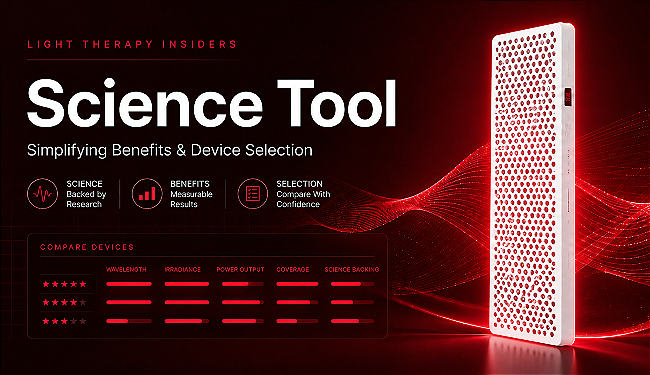
One resource I'm particularly excited about is our continually expanding Science Tool.
The goal is simple: instead of searching through hundreds of scientific papers yourself, you can search by health condition or treatment goal—whether that's hair loss, knee pain, muscle recovery, Parkinson's disease, skin health, or dozens of other topics—and quickly find the available evidence.
Alongside the published studies, you'll also find practical notes, treatment recommendations based on the current research, and device suggestions where appropriate. It's designed to make the growing body of photobiomodulation research much easier to navigate.
We've also recently published a detailed article covering circadian rhythm, another topic that often receives far less attention than it deserves. Good light exposure isn't just about red light therapy. Understanding how light affects your body's internal clock is incredibly important for sleep, energy, hormone regulation, and long-term health.

July also saw several major reviews published, including Alex's detailed evaluation of the Helio Glow panel, which contains an unusually high proportion of 1064nm near infrared light, as well as a comprehensive discussion explaining Can Red Light Therapy Replace Sunlight?
New Research Supports Independent Device Testing
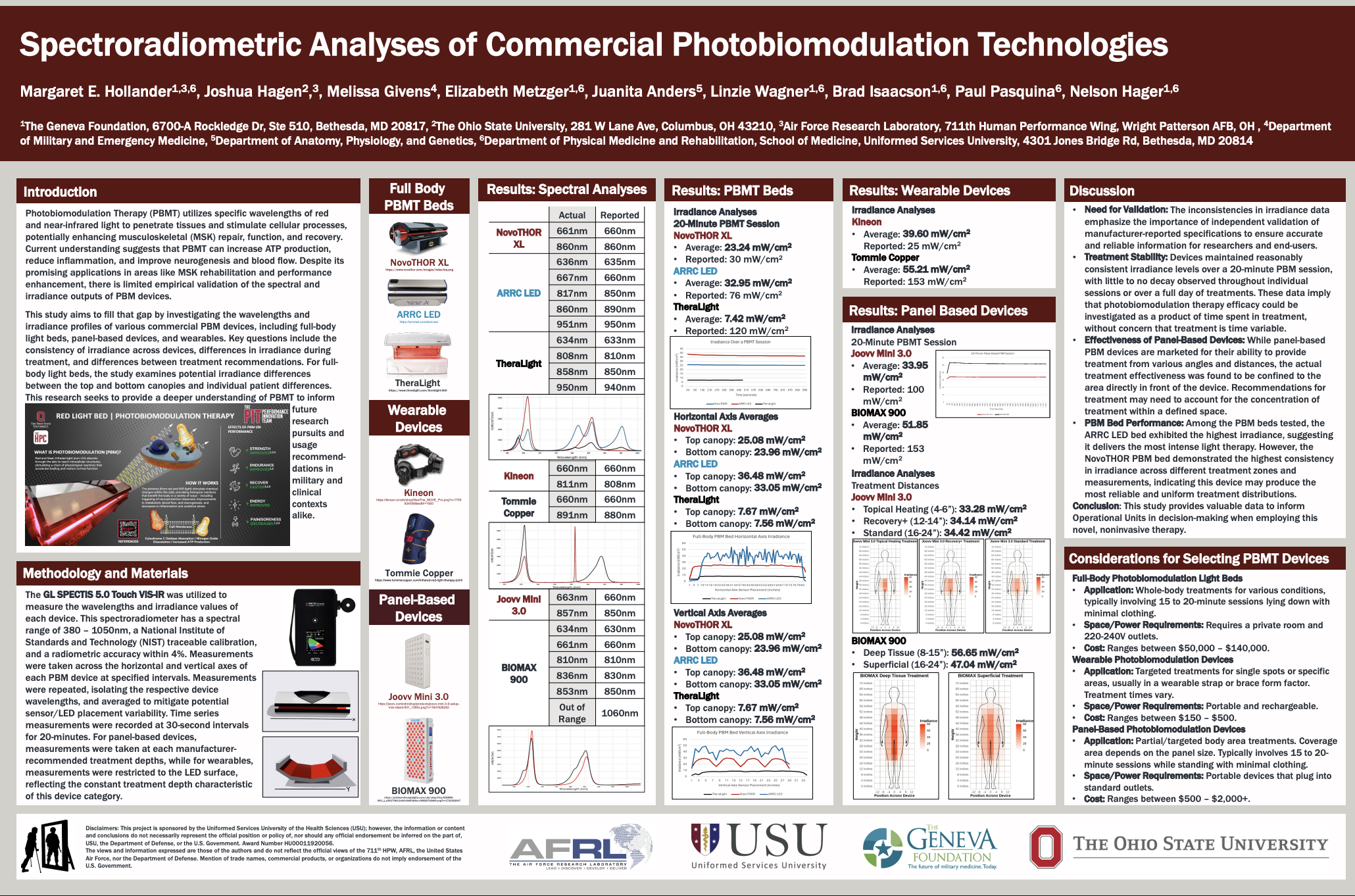
One of the most interesting developments this month wasn't a traditional scientific paper but rather a conference poster presented at the 2024 Military Health System Research Symposium.
What makes this particularly interesting is that the researchers essentially performed the same type of independent device testing we've been doing at Light Therapy Insiders for years.
Using a spectrometer, they evaluated a range of commercially available red light therapy devices to determine whether the wavelengths and power outputs matched what manufacturers claimed.
The devices included wearable products, handheld units, therapy panels, and even full-body beds.
For years we've emphasized the importance of verifying manufacturer specifications through independent testing instead of simply accepting marketing claims. Seeing outside researchers follow a very similar process—and reach similar conclusions—is encouraging because it reinforces why this kind of testing matters.
Some Devices Matched Their Claims Better Than Others
As expected, the results varied considerably between manufacturers.
Some products closely matched their advertised wavelengths and power outputs, while others showed meaningful discrepancies.
One example involved several full-body therapy beds.
The researchers found that the Photomedicine bed generally performed very well, with wavelength distribution closely matching the published specifications. Although measured power output was somewhat lower than advertised, overall performance appeared consistent.
The Arc bed, however, showed a different issue.
Although it produced very high irradiance, two of its advertised near infrared wavelengths differed from the measured wavelengths by roughly 30 nanometers. That's a significant difference because many people purchase devices specifically for particular wavelengths that have published scientific evidence behind them.
The researchers also evaluated the FIR Light bed, which appeared to deliver considerably less power than expected, making the results somewhat disappointing given the premium price of the system.
Wearables and Panels
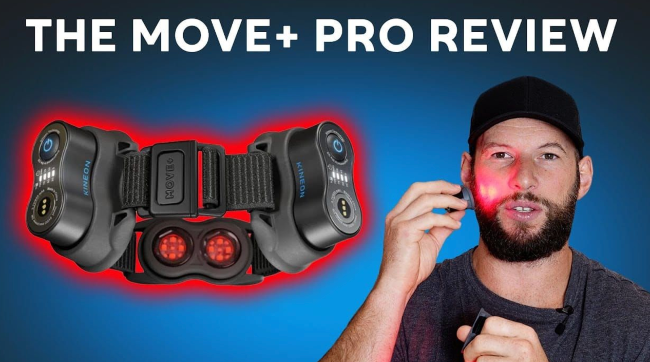
The researchers also tested several wearable devices. One of the standout performers was the Kineon Move+, which we've recommended for some time.
Its measured wavelengths were only about three nanometers different from the advertised specifications, and the measured power output was actually around 60% higher than what the company claimed.
Those are excellent results and demonstrate that some manufacturers may actually advertise conservatively.
⭐ Kineon, use AFERGUSMOVE for 10% off at https://aferg.co/kineon
Another wearable, Tommie Copper, didn't perform nearly as well. The measured wavelengths differed by approximately 10 nanometers, and measured power output was roughly two-thirds lower than the advertised values.
Finally, the researchers evaluated therapy panels, including the Joovv Mini.
Once again, the results reflected something we've discussed many times before. Power output measured using a spectrometer was noticeably lower than figures often advertised using solar meters, highlighting how different testing methods can produce very different numbers.
Overall, perhaps the most interesting takeaway from this conference presentation wasn't that every device performed perfectly or poorly. Instead, it was the fact that an independent research group followed a very similar testing methodology to ours and arrived at many of the same conclusions we've been sharing for years.
As testing methods continue improving, including the new laboratory techniques we're now incorporating into our own reviews, consumers will hopefully receive increasingly accurate information when comparing products.
Monthly Q&A: How Often Should You Use Red Light Therapy?
One of this month's questions asks something I hear all the time:
How often should you use red light therapy? Is once per day enough? Is twice per day better? And what happens if you stop using it altogether?
The reality is that there isn't one universal answer because everyone's biology, health goals, and response to treatment are slightly different.
However, for general health, four to five sessions per week is an excellent place to start.
If your goal is treating a specific condition, it's always worth looking at the published research for that particular application, since treatment frequency, dose, and wavelengths often vary considerably depending on what you're trying to achieve.
Start With a Consistent Routine
If your goal is general wellness, using red light therapy four or five times each week is a sensible starting point. From there, pay attention to how your body responds.
Some people notice improvements in energy, recovery, or skin health fairly quickly, while others may need several weeks before seeing meaningful changes. If you're feeling great and noticing benefits, your current routine is probably working well. On the other hand, if you begin experiencing headaches, fatigue, or other unwanted effects, it may be worth increasing your distance from the device, reducing your treatment time, or decreasing how often you use it.
One of the biggest mistakes people make is assuming that more is always better. With photobiomodulation, that's often not the case. Finding the right dose for your body is usually more important than simply doing longer or more frequent sessions.
If you're looking for recommendations for a specific condition, that's exactly why we built the Science Tool. It allows you to search for everything from Parkinson's disease and arthritis to hair loss, athletic recovery, skin rejuvenation, and dozens of other health goals. For each topic, you'll find summaries of the published research, treatment recommendations, and notes on which devices may be most appropriate.
What Happens When You Stop?
The second part of the question was equally interesting:
What happens if you stop using red light therapy? Do the benefits disappear?
The answer is that it depends on which benefit you're talking about.
Some of the effects of red light therapy are relatively short-lived. Improvements in mitochondrial function and cellular energy production occur relatively quickly, but they also rely on continued stimulation. If you stop treatment altogether, those benefits can gradually decline.
Other mechanisms, however, develop over much longer periods. Changes involving growth factors, gene expression, tissue remodeling, and other biological pathways may persist for weeks or even months after treatment stops.
So, while not every benefit disappears overnight, many people do notice gradual changes if they discontinue therapy for an extended period.
Alex's Four-Week Experiment
A few years ago, Alex decided to find out what would happen firsthand.
After using red light therapy consistently for years, he stopped completely for four weeks to see whether he noticed any meaningful differences. The results were more noticeable than expected.
His skin gradually became worse over the month, his overall energy levels declined, and some of the aches and pains that had largely disappeared while using red light therapy began returning. In particular, some recurring lower back discomfort slowly started to flare up again.
He also noticed changes in how his body responded to sun exposure. Normally, if he spends too much time outside and develops mild sunburn, he uses a low dose of red light therapy to help support recovery. During the four-week break, that recovery seemed noticeably slower than usual.
Another unexpected change involved his oral health. One of the benefits he'd experienced after originally starting red light therapy was a reduction in tooth sensitivity and improvements in gum comfort. After several weeks without treatment, some of that sensitivity gradually returned.
By the end of the month, he simply didn't feel as energetic or as healthy as he normally did while following his regular routine.
Of course, that's just one person's experience and shouldn't be considered scientific proof. However, it does illustrate something many long-term users report. Red light therapy often seems to work best when it's part of a consistent lifestyle rather than something you use occasionally.
If you're curious about how your own body responds, you could always perform a similar experiment. Use red light therapy consistently for several months, then take a break and honestly evaluate how you feel. You may find that some of the improvements you've come to appreciate become much more obvious once they're no longer there.
What's Coming Soon at Light Therapy Insiders?
July has been busy, but there's plenty more on the way.
Alex recently published a comprehensive Hooga Company Review, taking a detailed look at the brand, its products, and whether it deserves a place on your shortlist.
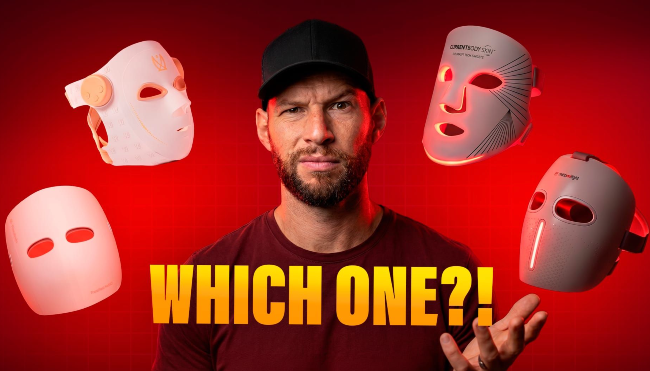
Another major buyer's guide covering Which LED Mask You Should Buy is also available. With the number of masks entering the market continuing to grow, choosing the right one has become more confusing than ever, so this guide walks through the leading options and who they're best suited for.

One of the next major releases will focus on the best red light therapy for acne, including why selecting the correct blue light wavelength is just as important as choosing the right red and near infrared wavelengths.
There will also be a detailed look at LED mask before-and-after photos published in the scientific literature, examining what the clinical studies actually show rather than relying solely on marketing images.
On the science side, we've recently published a deep dive comparing red light versus near infrared light for knee pain, and another comprehensive review covering skin beauty, collagen production, and facial rejuvenation is coming soon.
As always, our goal is to continue providing independent testing, evidence-based recommendations, and practical information that helps you separate marketing claims from the science.
Final Thoughts
July was another exciting month for the red light therapy industry. We saw innovative new products, useful educational resources, and perhaps most importantly, independent research that reinforces the importance of objectively measuring wavelengths and power output rather than simply accepting manufacturer specifications at face value.
As the industry continues to grow, we're also seeing better testing methods, more scientific research, and greater transparency—all of which ultimately benefit consumers.
We'll continue to independently review products, follow the latest photobiomodulation research, and share practical advice to help you make informed decisions about red light therapy.
Thanks for reading, and I'll see you next month with another roundup of the latest red light therapy news and updates.
Here are the Products that I mention:
⭐ For a Platinum BioMax, use https://aferg.co/redled for 5% off (code appears after you click)
⭐ For Mito Red, use https://aferg.co/7d221 for 5% off sitewide (code appears after you click)
⭐ JOVS, use discount code ALEX at https://aferg.co/jovs-4d for 12% off.
⭐ Kala, use https://aferg.co/Kala for 15% off sitewide
⭐ LightpathLED, use discount code ALEX at www.lightpathled.com to get 5% off
⭐ RA Optics, https://aferg.co/raoptics, code LTI for 10% off.
⭐ Kineon, use AFERGUSMOVE for 10% off at https://aferg.co/kineon
Bart's Bio:
This is a post by Bart Wolbers. Bart finished degrees in Physical Therapy (B), Philosophy (BA and MA), Philosophy of Science and Technology (MS - with distinction), and Clinical Health Science (MS), has had training in functional medicine, and is currently the head researcher at Lighttherapyinsiders.com