
Another week with huge updates!
We consider a study on pulmonary inflammation in animals below. And we include new content such as our Science Tool that should lower the information overwhelm at this website, and there's an enormous sale going on right now with some companies, plus polls, and more.
Check it all out below:
Red Light Therapy For Pulmonary Inflammation In Chronic Asthma - Animal Study
So this new study just came out (April 2026) on using red light therapy for chronic inflammation in asthma. You can read the full text HERE.
The topic is interesting because respiratory conditions aren't a main avenue of research in the space. We see a lot more high-quality research on topics such as osteoarthritis, fibromyalgia, skin health and beauty, and so forth.
Arguably, in humans, the respiratory system is also harder to treat as much of it is located deep inside the torso. Although that's not necessarily limiting as people such as Tom Kerber have stated in interviews they've treated their COVID very well with red light therapy.
But I digress. Let's consider the current April 2026 study. Here's what researchers conclude:
"These findings demonstrate that [red light] therapy, particularly at intermediate radiant energy doses, effectively modulates immune responses, attenuates airway remodelling, and reduces chronic pulmonary inflammation in experimental asthma."
And, yes, as the study already mentions, there's different effects at different doses. Intermediate doses work best here, in the animals, but keep in mind, it's very easy to penetrate deeply into a rat or mouse becuase they've got such small bodyweights and dimensions.
For humans that dynamic is very different, as our diameter is a lot bigger. So, reaching internal organs such as the lungs, or even liver, is harder for us.
Here's the study setup described by the researchers:
"Chronic allergic pulmonary inflammation was established through subcutaneous sensitization with [ovalbumin] followed by repeated orotracheal challenges over 5 weeks. After each challenge, animals were treated with a 660 nm continuous-wave diode laser at irradiation times of 10, 30, 50, and 75 s, corresponding to radiant energies of 1, 3, 5, and 7.5 J, respectively. Twenty-four hours after the final challenge, pulmonary inflammation was assessed by cellular analysis of bronchoalveolar lavage fluid, cytokine quantification, histomorphometric evaluation of airway remodelling, and immunophenotyping of regulatory T cell populations."
So, different doses of 1, 3, 5 and 7.5 J were used here, at the 660 nm wavelength. The compound called "ovalbumin" (OVA) is used to provoke an asthmatic reaction in the mice. Then, 24 hours after the light therapy concludes with 660 nm, and different doses for different mice, the inflammatory results are measured.
The provocations with OVA and light therapy treatments lasted for several weeks, by the way. That way the exposure and buildup of asthma is more realistic in the study. See that display here:

On the treatment area, the researchers state:
"irradiation was applied to three specific regions: below the trachea and over each lung lobe."
Basically, that's both lungs and the airways going there. So that's quite helpful for translating this data into us humans - you could also treat these areas if you're affected! Likely you'll have to use more NIR for deeper penetration though.
The moral of the story? More evidence is showing benefits of light therapy for different lung conditions. Very very soon we'll come out with some articles on different topics here. The red light therapy course episode on COVID will also be released in the near future, where I (Bart) will dig deeper into light therapy for different viral infections.
Enormous Sale That You Shouldn't Miss - Maybe The Biggest Up Until Black Friday
Yes, a huge, huge sale is ongoing with a few companies right now. It's Block Blue Light, Rouge, and PlatinumLED that are offering huge discounts.
It would be almost unethical not to mention this as many people want to buy a panel or other device at a much lower price, so here it goes:
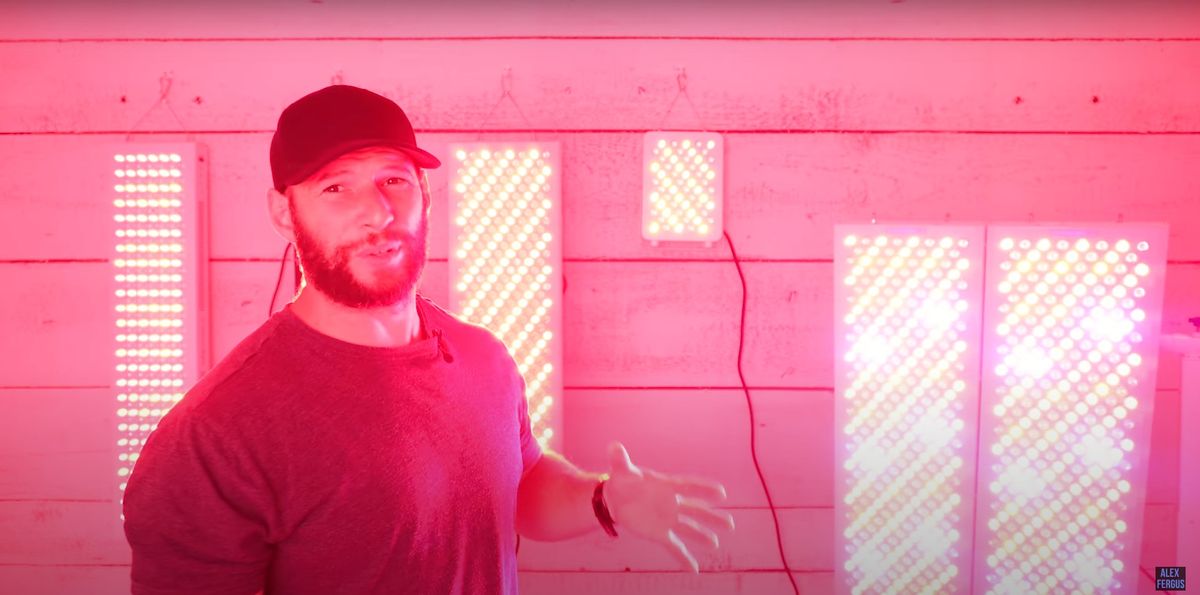
 Alex Fergus
Weekly Poll: Ongoing Poll On Treatment Distance With Panels
Currently we're still running a poll on what distance people tolerate using their panels - with quite surprising outcomes that I would have never believed before asking this poll here:

You can participate HERE, after joining our group HERE.
Here Are Our Latest Light Therapy Insiders' Articles:
Every single article that we've published recently - you can find the videos in the article itself:
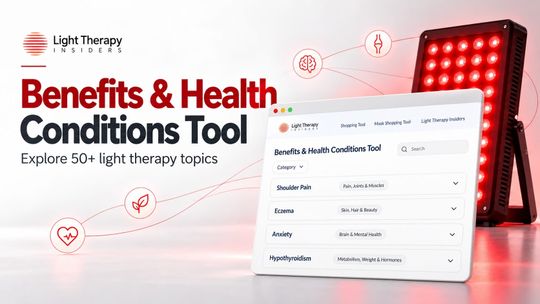
- Science Tool: Simplifying Routines, Benefits & Device Selection - A huge primer, by Bart - the red light therapy science tool! Here we simplify the red light therapy benefits, all the articles we've written on the topics, and what the current best devices are for the different goals. As we've got hundreds of articles on the LTI website now, this page should simplify everything big time for you!
- June Red Light Therapy News: New Studies, Brain Health & Fat Burning - The latest red light therapy news by the one and only Alex Fergus! New products, science, Q&A, gossip, updates, and everything in between. And as always, some surprises!
- 2026 Red Light Therapy Black Friday and Cyber Monday Deals - Huge red light therapy sale that you can't miss out on. Like we said, this may be the biggest sale until Black Friday/Cyber Monday in November, so if you want to grab a panel, check this out.
- How Your Bedroom Light is Wrecking Your Mental Health (And What to Do About It) - This is Bart's huge breakdown of the circadian rhythm science up until recently. The circadian rhythm affects every single cellular process in your body and is therefore super important to general health, energy, sleep, focus during the day, cognitive performance, etc
Also, Check Out Some Of Our Other Content:
Below you'll find some of our best content that you shouldn't miss:
Light Therapy Advanced Science Course (Just Launched!):
Join Bart's 100% free advanced science light therapy course above, where he takes deep dives into many different topics, such as mechanisms, neurology (Alzheimer's, Parkinson's, etc), exercise recovery, skin beauty & rejuvenation, and much more.
Some of the topics are only published in that course, such as UV light risks and benefits, addiction, anxiety, depression, and more. So join HERE!
Red Light Therapy Buyers Guide
 Alex Fergus
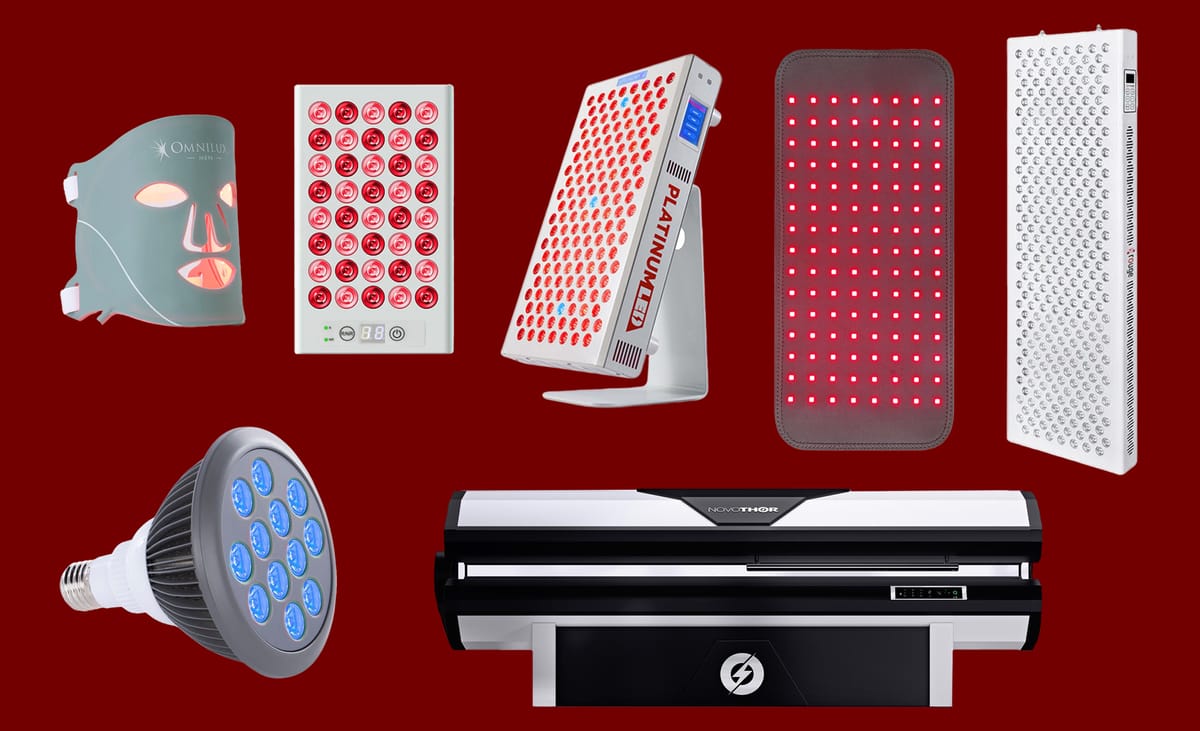
Red light therapy uses red and infrared light to achieve a biological effect. Dive into this topic and select a device that's right for you.
LED Mask Shopping Tool


My extension shopping tool compares all of the world's best (and not so good!) Red Light Masks.
How To Use Red Light Therapy 101: The Best Guide For Starters
 Alex Fergus
You have your device? Let me help you use it.
Red Light Panel Shopping Tool

My extension shopping tool compares all the world's best (and not-so-good!) Red Light Panels!
Exclusive - Discount Codes, Deals & Recommendations
 Alex Fergus
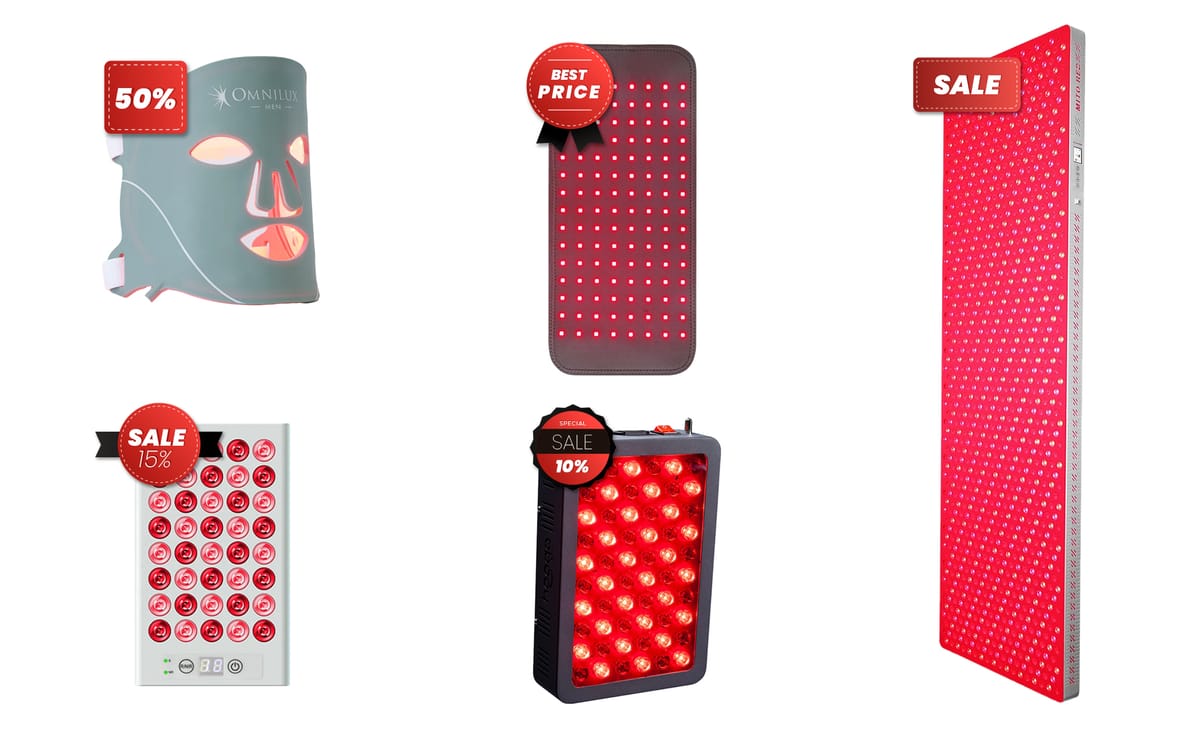
Shopping for a red light device? Use this resource to save! We've got deals for most of the big and best brands out there...
Bart's Bio
Bart Wolbers wrote this article. Bart is the head researcher at Light Therapy Insiders and has researched red light therapy for about a decade. He holds degrees in Physical Therapy (B), Philosophy (BA and MA), Philosophy of Science and Technology (MS, with distinction) and Clinical Health Science (MS). Read our editorial policy.