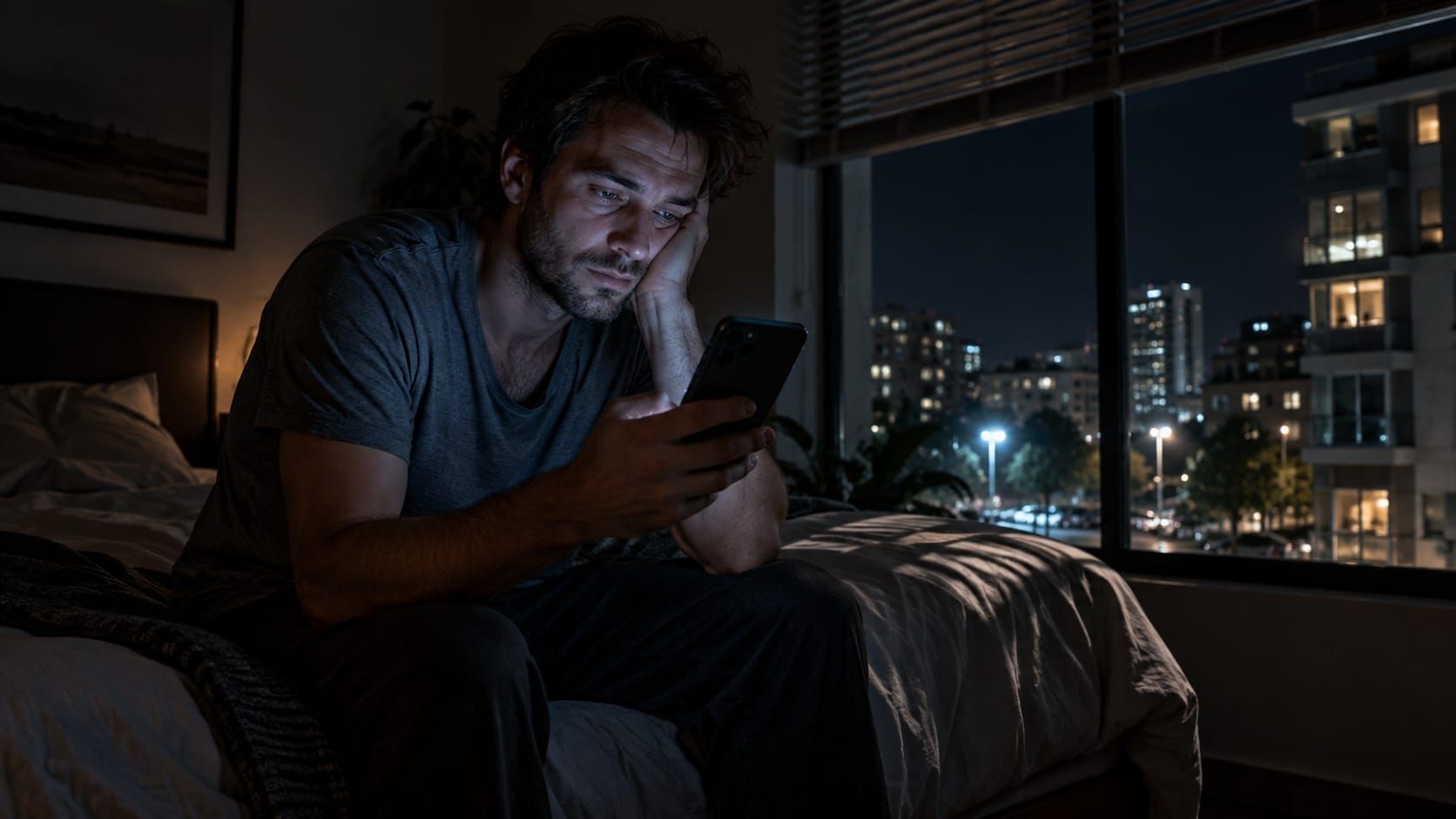
So we've got a huge new study on heart health and artificial light at night exposure.
And we've got the latest light therapy news, reviews from Alex, an interview of Vladimir Heiskanen who built the database with 10,000 studies, and much more.
Let's go:
2025 Light Exposure At Night Study Paradigm-Shift
Here's a new 2025 study on light exposure at night. You can read the full text for free as well.
The outcome is somewhat shocking, maybe, or maybe not so shocking for those who have been following the topic for years now:
"In this cohort study of 88 905 adults aged older than 40 years, exposure to brighter light at night was associated with higher risks of coronary artery disease, myocardial infarction, heart failure, atrial fibrillation, and stroke, independent of established cardiovascular risk factors."
Well, that's scary, but the intro of the study doesn't show how huge the numbers are in this case. Further down in the study, the researchers give a lot more specific statistics - I'll break these down into simple-to-understand language in a second:
"A total of 88 905 individuals were included (mean [SD] age, 62.4 [7.8] years; 50 577 female [56.9%]). Compared with individuals with dark nights (0-50th percentiles), those with the brightest nights (91st-100th percentiles) had significantly higher risks of developing coronary artery disease (adjusted HR [aHR], 1.32; 95% CI, 1.18-1.46), myocardial infarction (aHR, 1.47; 95% CI, 1.26-1.71), heart failure (aHR, 1.56; 95% CI, 1.34-1.81), atrial fibrillation (aHR, 1.32; 95% CI, 1.18-1.46), and stroke (aHR, 1.28; 95% CI, 1.06-1.55). These associations were robust after adjusting for established cardiovascular risk factors, including physical activity, smoking, alcohol, diet, sleep duration, socioeconomic status, and polygenic risk."
In plain English, those with most light at night, versus those with dark nights, had the following increases in risk for health conditions:
- Coronary artery disease: 32%
- Myocardial infarction (commonly known as a heart attack): 47%
- Heart failure: 57% - here the heart is unable to supply the body with enough oxygen and nutrient-rich blood
- Atrial fibrillation: 32% (irregular heartbeats, more or less)
- Stroke: 28%
Yes, that's only from artificial light at night. For thousands (and likely hundreds of thousands of years), humans have lived in mostly darkness at night. At most, we had moonlight and a campfire.
But, modern environments are much brighter and that light at night, especially blue and green light, disrupts sleep.
(You may know that I've extensively written about this topic already here:)
 Bart Wolbers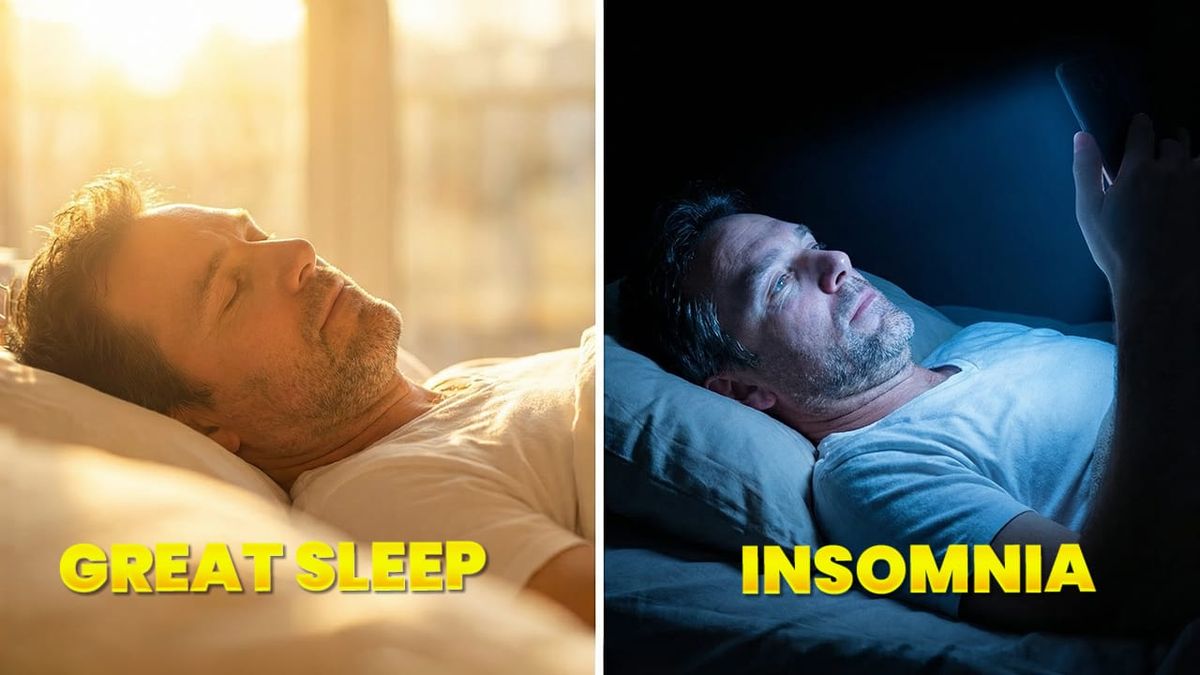
In that article, I give several suggestions to fix your evening and bedroom environment!
But back to the review study.
How did researchers investigate this topic?
Well, researchers analyzed 88,905 UK Biobank participants aged over 40 years. Each participant wore a wrist sensor for one week between 2013 and 2016. This generated about 13 million hours of light measurements. Researchers then followed electronic health records for up to 9.5 years.
And yes, the study setup isn't perfect!
They applied statistical corrections for many other factors. These factors include age, sex, ethnicity, socioeconomic circumstances, urban versus rural residence, physical activity, smoking, alcohol consumption, diet, season, diabetes, hypertension, body mass index, cholesterol, sleep duration, sleep efficiency, chronotype, shift work, and genetic cardiovascular risk.
And yet, despite these statistical corrections, there was still a strong effect of "artificial light at night" exposure.
The solution can be simple though.
I'm very well acquainted with hacking artificial light at night, as I've stayed in different Airbnbs in different countries throughout the years. Most AirBNBs tend to have blackout curtains nowadays, believe it or not, but a sleep mask often finishes the job for me. Almost no light penetrates a sleep mask, and I sleep great year-round, despite moving around.
Also, I will say, the study setup isn't perfect because it's not a "Randomized Controlled Trial" using an intervention and control group. Yet, this is hard to study without statistical inference, since tracking people every day for 9.5 years is very costly, for instance.
Here Are Our Latest Light Therapy Insiders' Articles:
Every single article that we've published recently - you can find the videos in the article itself:
- Sunlighten Red Light Therapy Panel Review: Powerful, But Something’s Missing - A great bottoms-up design, high power, but there's one big caveat with this device. Alex reviews and explains why!
- Red Light Therapy Benefits/Protocols: Simplifying 10,000 Studies - Bart interviews Vladimir Heiskanen, who built a database with 10,000 studies, which allows all the light therapy publications to be much more searchable. This interview is recommended for people who want deep dives / nerds!
- Light Therapy At The Health Optimisation Summit 2026: 7 Impressive Ideas & Developments - If you haven't seen this yet, Bart's visit to the Health Optimisation Summit 2026 in London! Must-read if you want the latest developments in the space.
- Red Light Therapy For Carpal Tunnel Syndrome: Treatment Protocol & Top Devices - Yeah, there's even decent evidence that red light therapy helps carpal tunnel syndrome. Bart tells you how, which device, and about the limitations!
- Dual-Chip LEDs Sound Better—Until You See the Test Results - Alex found an important new perspective on the single chip vs dual chip debate. He's changed his mind apparantly and no longer thinks multi-chip (dual, triple) is always the best way to go. Here's why.
Also, Check Out Some Of Our Other Content:
Below you'll find some of our best content that you shouldn't miss:
Light Therapy Insiders Science Tool
Search for different health conditions and benefits to get Bart's breakdown of the science on that topic, plus recommended devices and light therapy routines.
We've been trying to simplify our message as much as possible:
 Bart Wolbers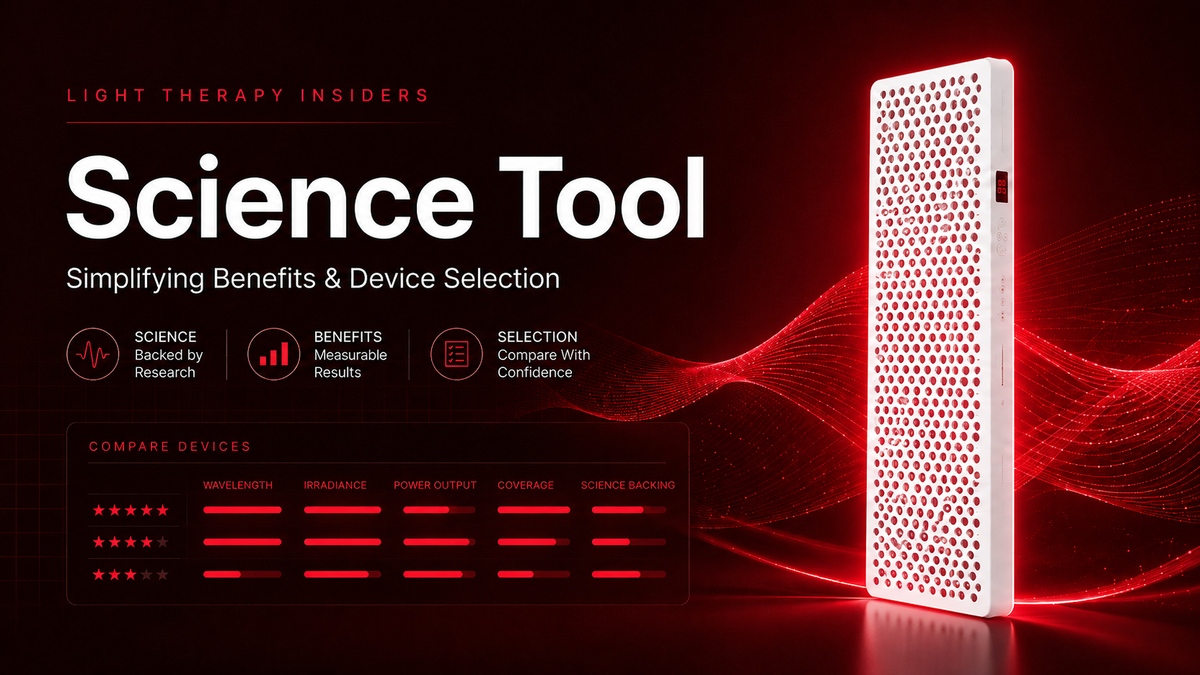
Red Light Therapy Buyer's Guide
 Alex Fergus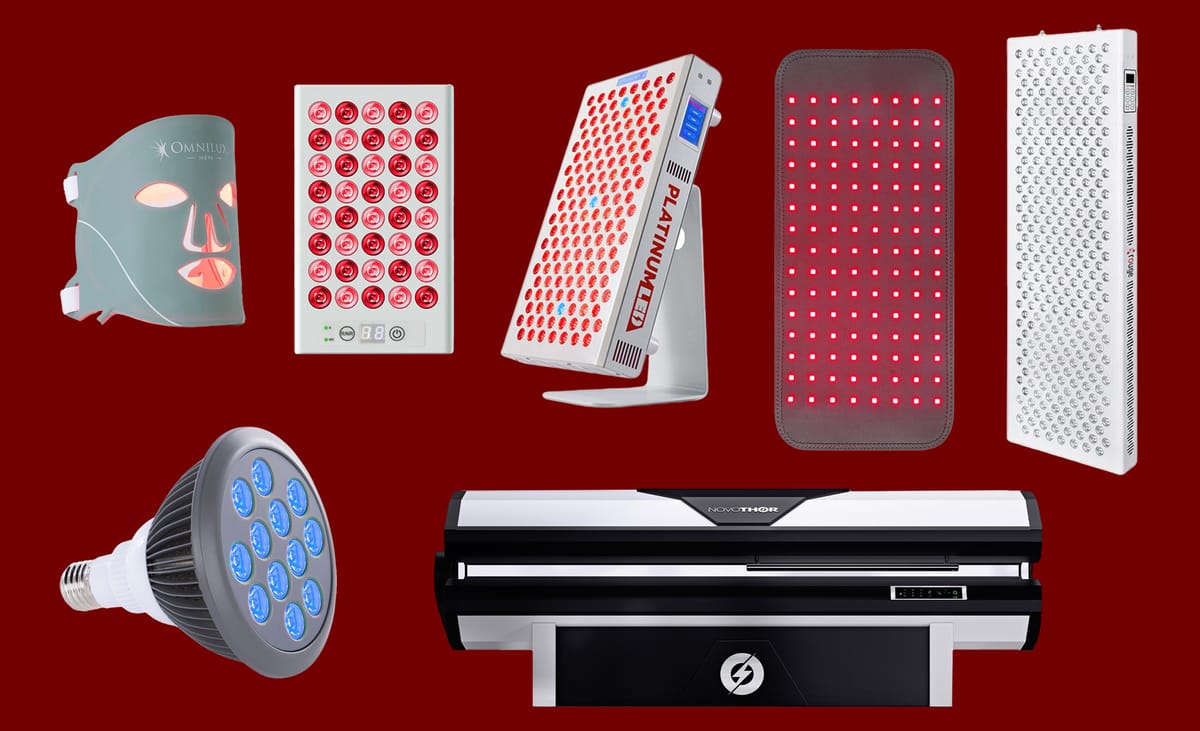
Red light therapy uses red and infrared light to achieve a biological effect. Dive into this topic and select a device that's right for you.
LED Mask Shopping Tool
My extension shopping tool compares all of the world's best (and not so good!) Red Light Masks.
How To Use Red Light Therapy 101: The Best Guide For Starters
 Alex Fergus
You have your device? Let me help you use it.
Red Light Panel Shopping Tool

My extension shopping tool compares all the world's best (and not-so-good!) Red Light Panels!
Exclusive - Discount Codes, Deals & Recommendations
 Alex Fergus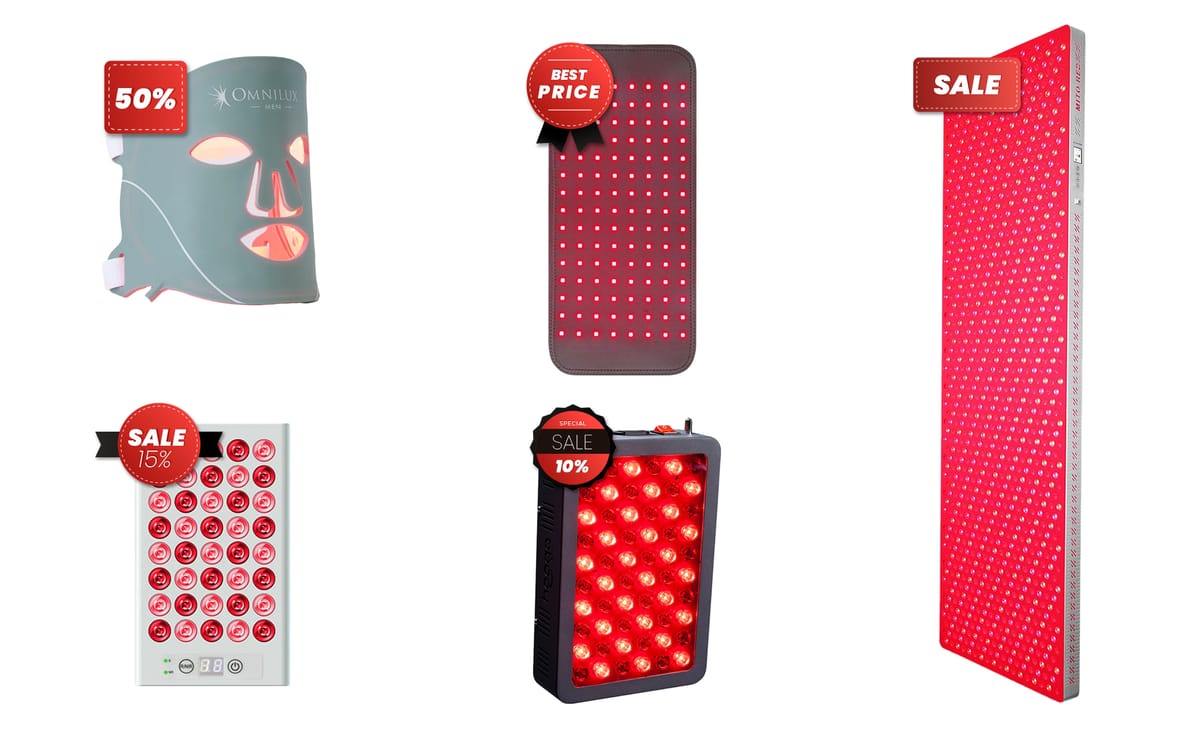
Shopping for a red light device? Use this resource to save! We've got deals for most of the big and best brands out there...