
Red light therapy panels and face masks get a lot of attention, but I haven’t tested another category of devices nearly as much: red light therapy wraps.
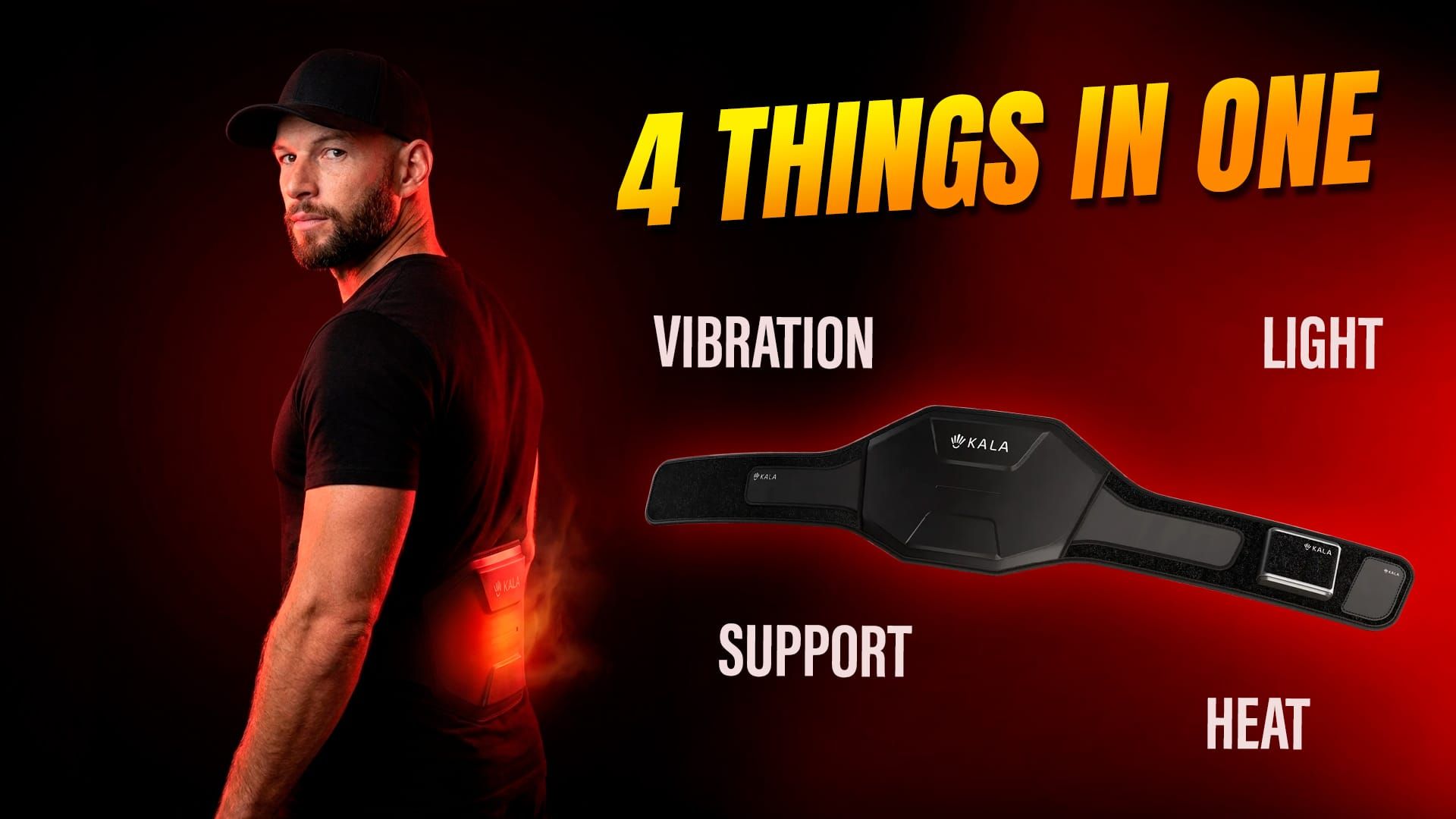
That changes with the Kala Restore Wrap, a targeted device designed specifically for people dealing with back pain. Rather than trying to be an all-purpose red light therapy device, the Restore Wrap combines red and near-infrared light, heat, vibration, and physical back support into one wearable product.
On paper, that combination makes a lot of sense. But at $499, it’s considerably more expensive than a basic back brace or heating pad. So I wanted to see what you’re actually getting for the money—and, importantly, whether the red light component delivers enough power to be useful for a device intended to target the back.
What Is the Kala Restore Wrap?
The Kala Restore Wrap is a portable, flexible wrap designed to fit around the lower back and waist. It weighs about one kilogram and includes an extension strap for users who need extra room.
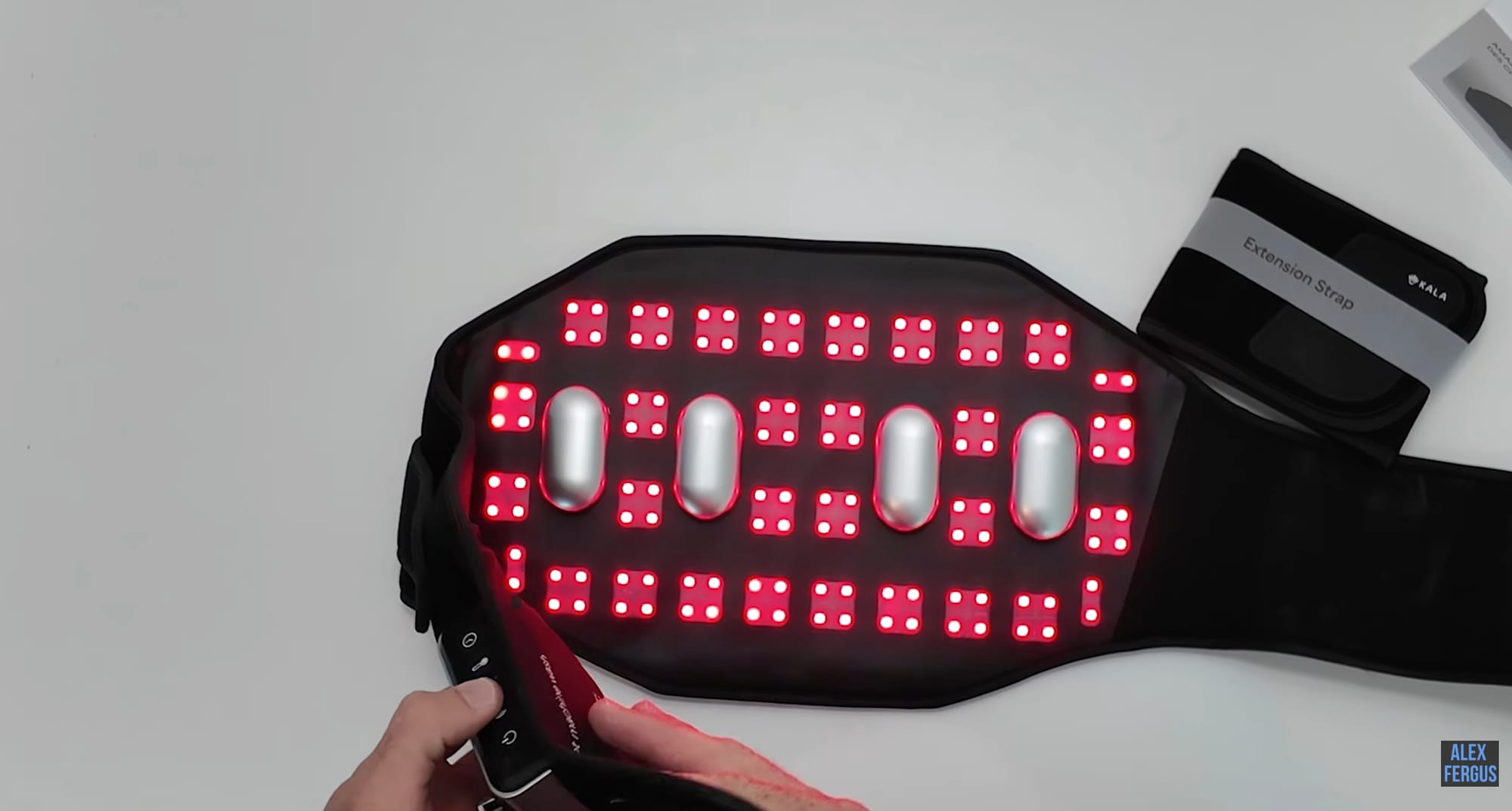
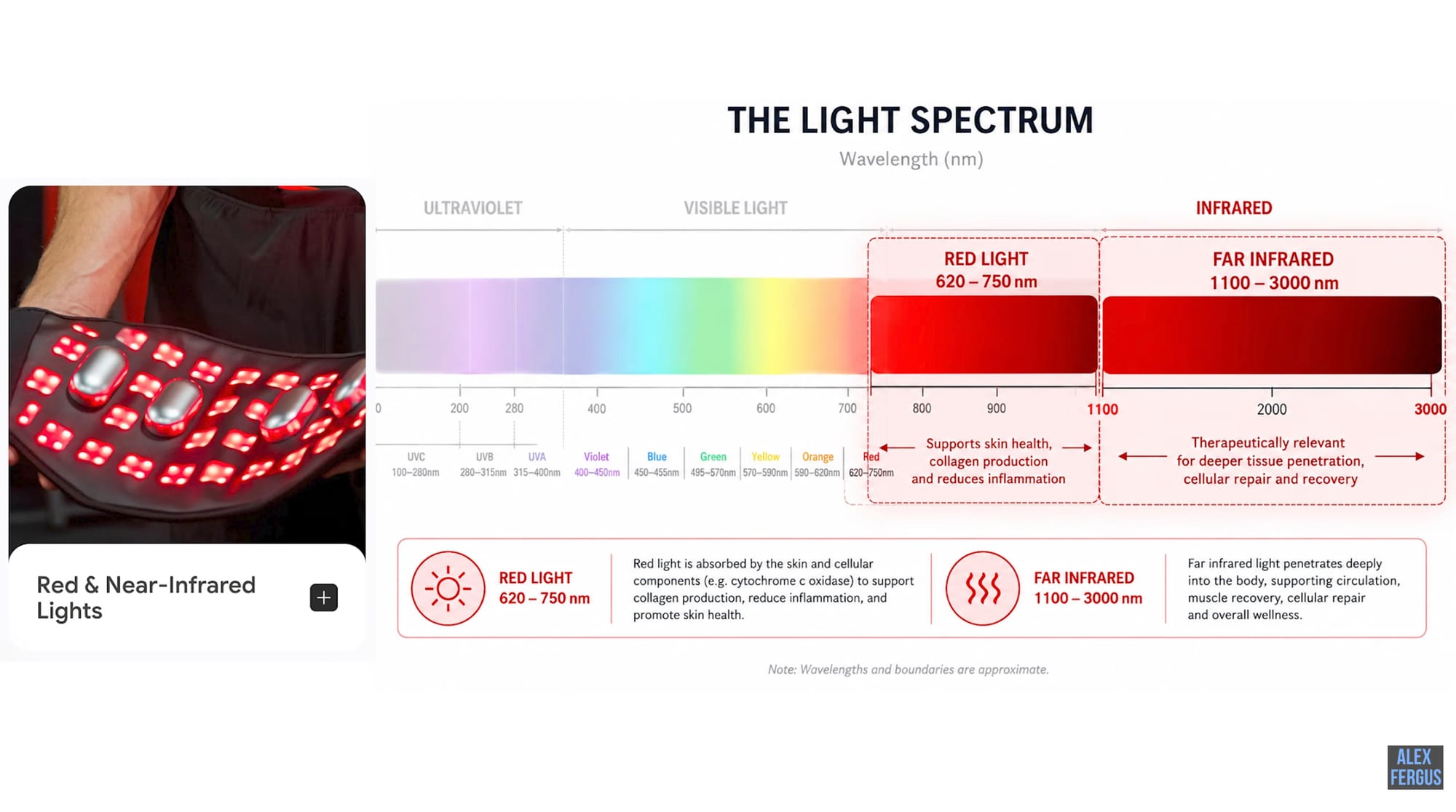
The wrap includes 120 dual-chip LEDs that emit 660nm red light and 850nm near-infrared light. These are two well-established wavelengths commonly found in red light therapy devices, with near-infrared being particularly relevant when the goal is reaching deeper tissues.
But light therapy is only one part of this device. The Restore Wrap also contains a heating system, four vibration pods, and enough structure to function as a supportive back brace. Everything runs on a built-in rechargeable battery with about two hours of runtime, and you charge it via USB-C.
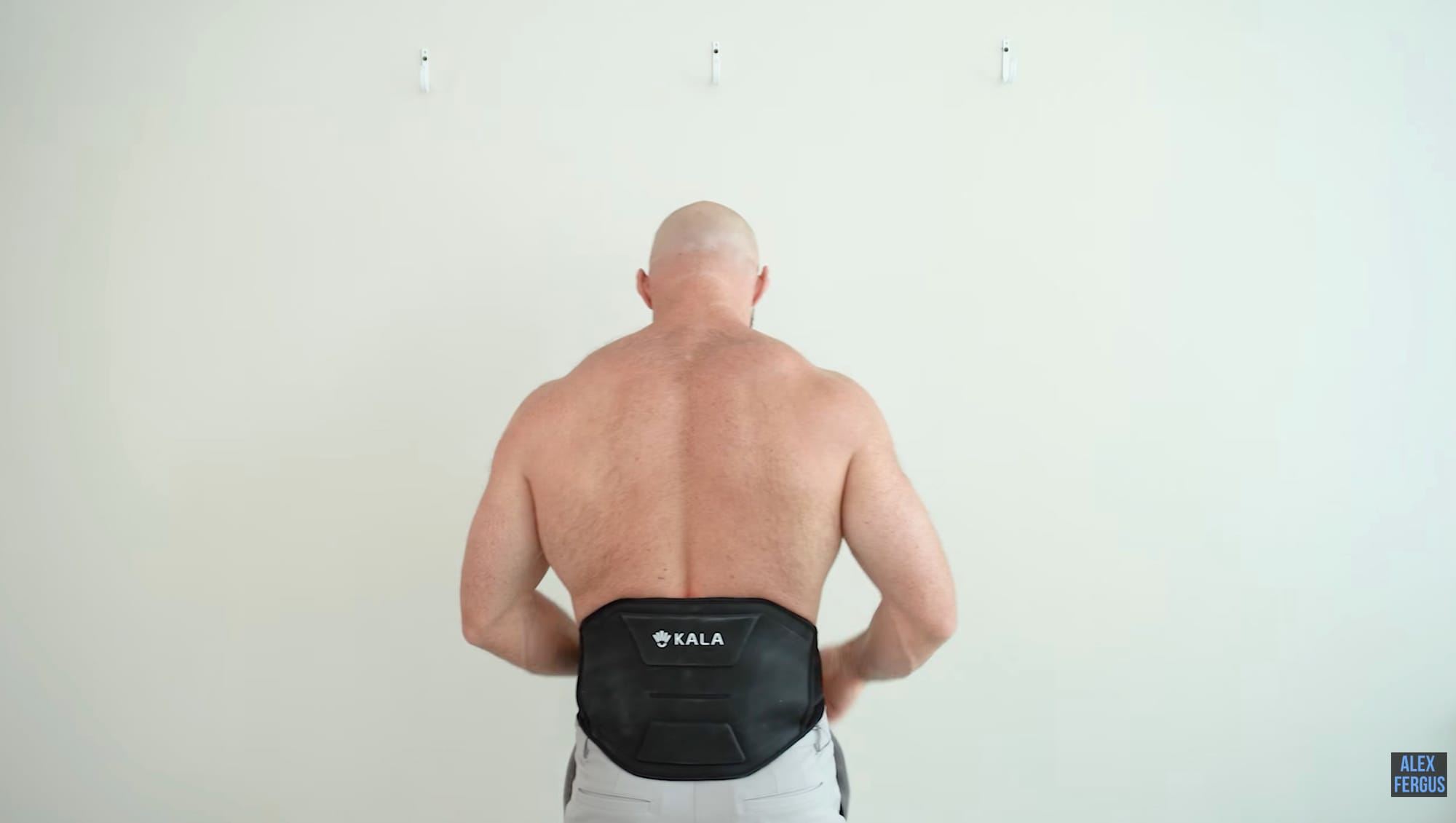
The overall construction impressed me. It feels solid and well made, fits snugly around the body, and can be tightened further when more support is needed.
Testing the Red Light Power and Irradiance
Of course, I wanted to test whether the light coming from the wrap matched what you would expect from a red light therapy device.
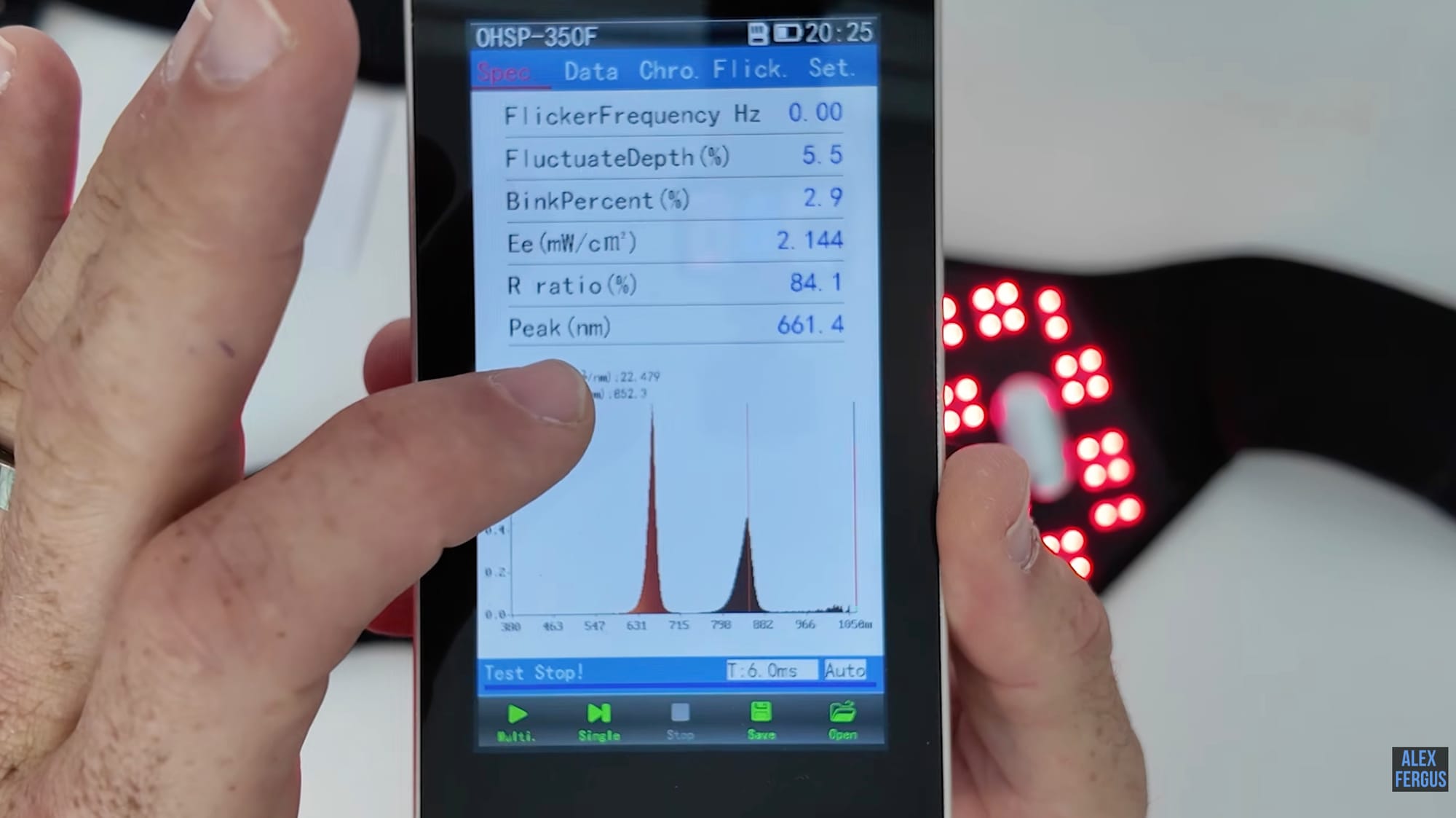
Using my spectrometer, I measured irradiance directly above the LEDs at approximately 20–30 mW/cm². For a wearable red light therapy device, that's a reasonable amount of output.
However, there's an important catch.
The four vibration pods protrude roughly 1.5 centimeters from the surface of the wrap. This means that when you're actually wearing it, a significant portion of the LEDs may not sit directly against your skin.
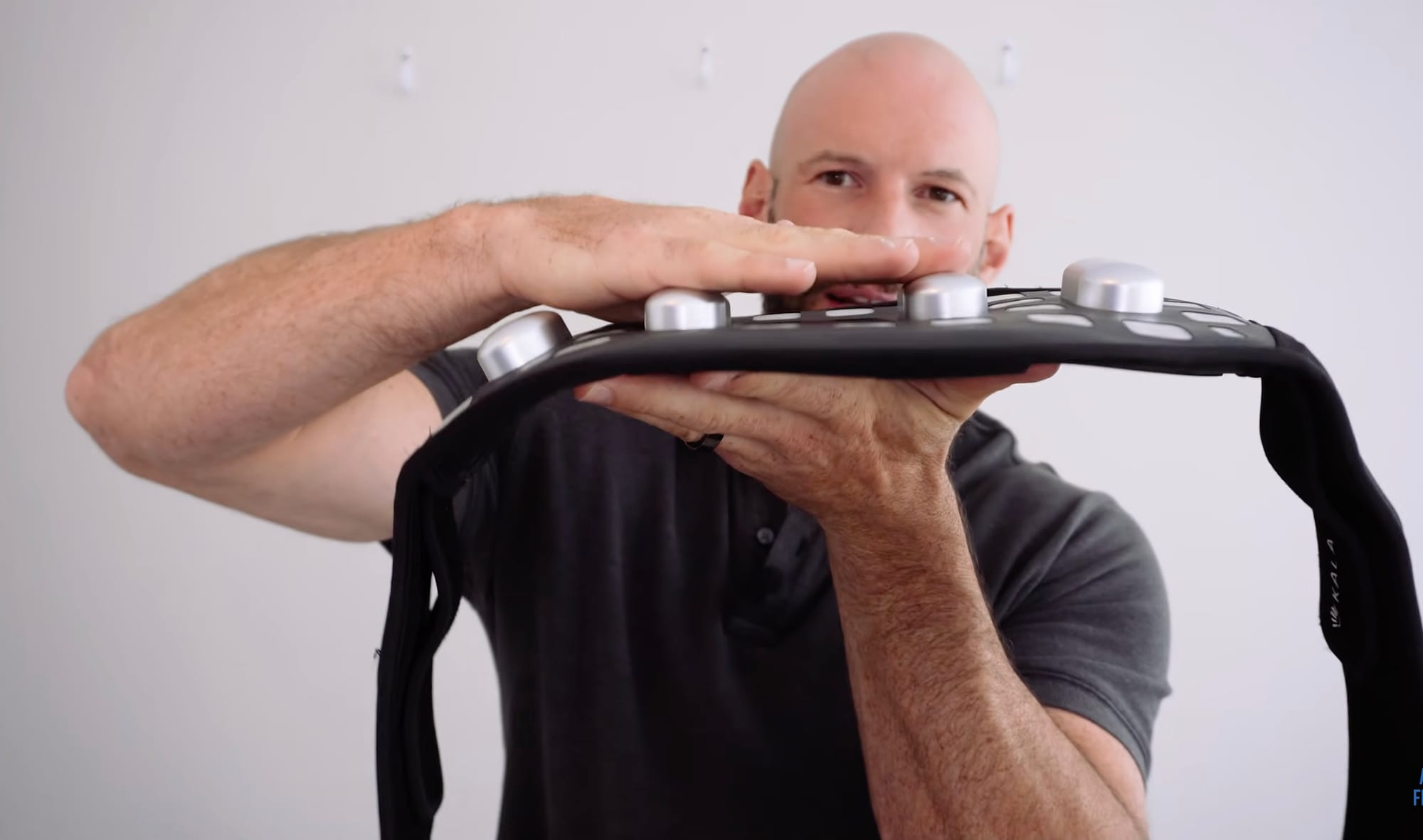
I therefore took another measurement about 1 cm away from the LEDs. At that distance, irradiance dropped to roughly 5–10 mW/cm².
That doesn't automatically mean the light therapy won't be beneficial. Dosing is much more complicated than simply looking for the highest possible irradiance number. But for a product designed for back pain, you may be trying to deliver light into deeper tissues. I'd ideally like to see a little more power reaching the body.
How Could the Kala Restore Wrap Help With Back Pain?
What makes this product interesting is that it isn't relying on a single approach. There are essentially four different mechanisms built into the wrap.
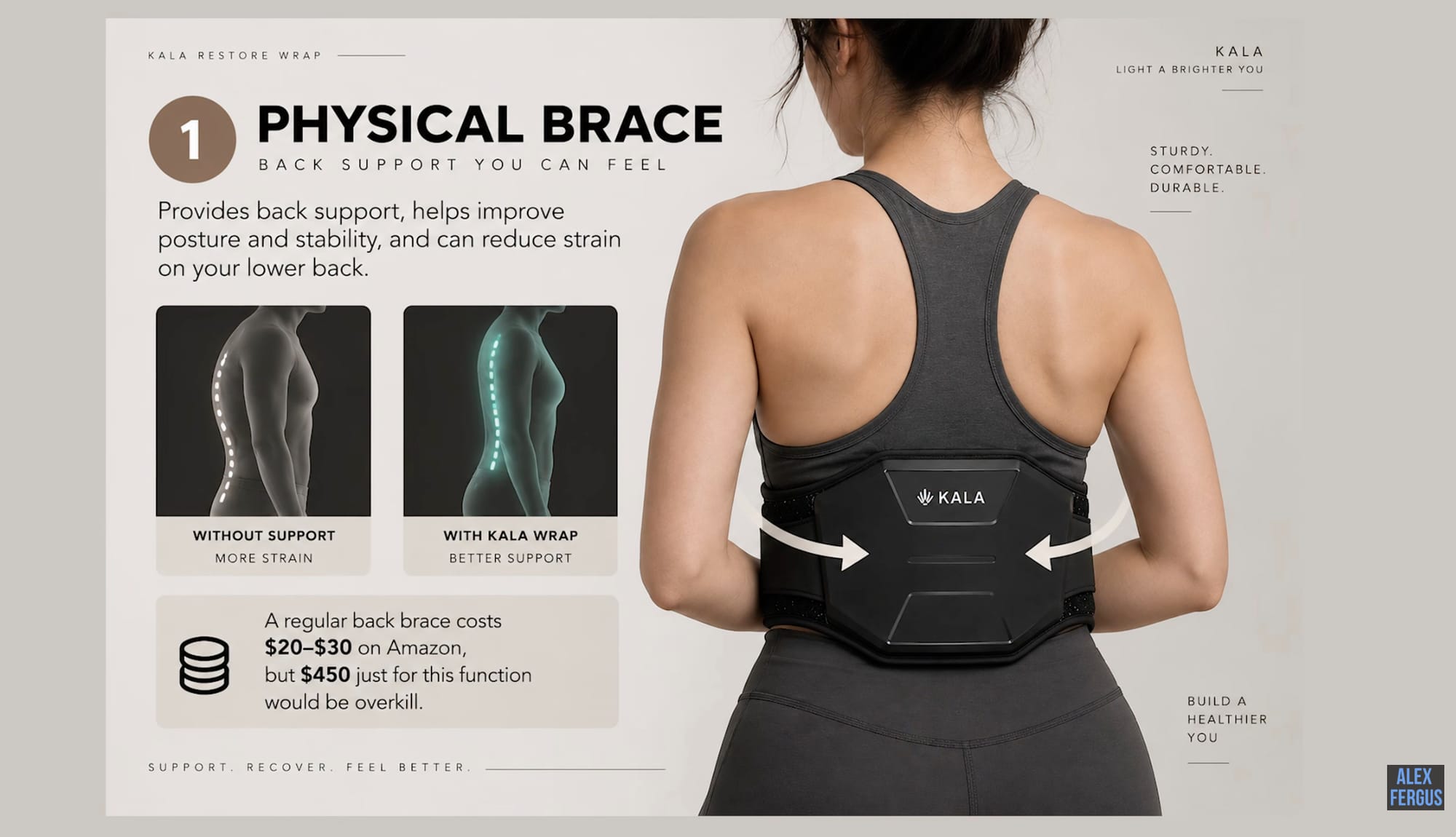
The first is simply physical support. The Restore Wrap works surprisingly well as a back brace. You can tighten it around your waist and get a firm, supportive fit. Obviously, you don't need to spend hundreds of dollars if you just want a basic back brace, but support is still a useful part of the overall product.
Next is vibration. The four built-in pods offer multiple vibration settings, and you can turn them off completely if you don't want to use them. The vibration feels quite pleasant and may help with circulation and temporary pain relief. There is some buzzing noise while they're operating, but once the wrap is fitted around the body, I didn't find it particularly disruptive.
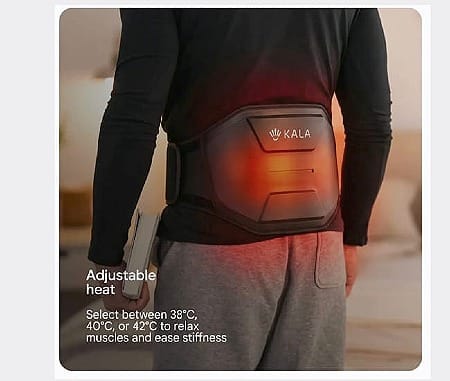
Then there's heat. You can select temperatures of 38°C, 40°C, or 42°C. I generally used the highest setting. Personally, I would have liked the wrap to get a little warmer, although after wearing it for 10–15 minutes, you can definitely feel the heat building up. Again, heat can help with circulation, relaxation, and temporary relief when your back is bothering you.
Finally, there is the red and near-infrared light therapy.
There is research suggesting that photobiomodulation can be beneficial for certain types of pain, including back pain. However, the evidence shouldn't be interpreted as meaning that red light therapy is a guaranteed cure. Some people report substantial improvements from light therapy, while others use it and notice very little.
Another consideration is that some of the positive research in this area involves higher-powered laser devices rather than relatively low-powered consumer LED wraps. That's important when thinking about what this particular device may realistically achieve.
What I Like About the Kala Restore Wrap
After actually using the Restore Wrap when my own back flared up, I was surprised by how much I enjoyed it.
The biggest advantage is the combination of features. You're not buying a device that only shines red light onto your back. You're getting physical support, heat, vibration, and red/near-infrared light therapy together in one product. Even if one component isn't particularly useful for you on a certain day, you can still use the others.
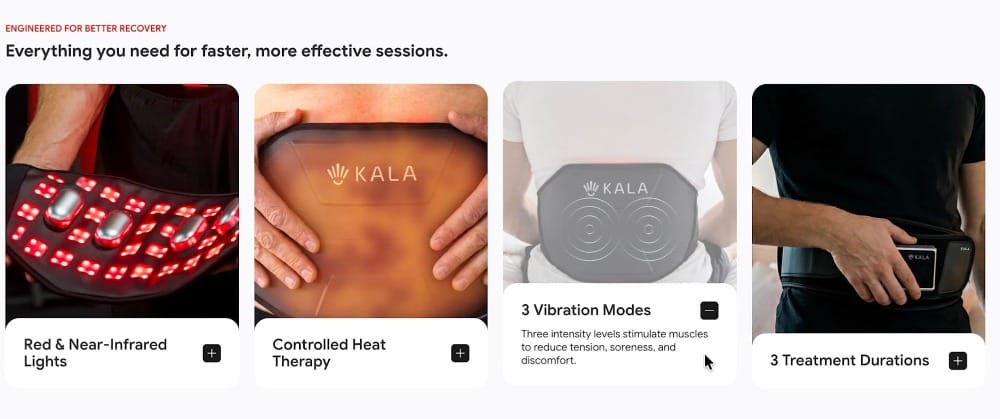
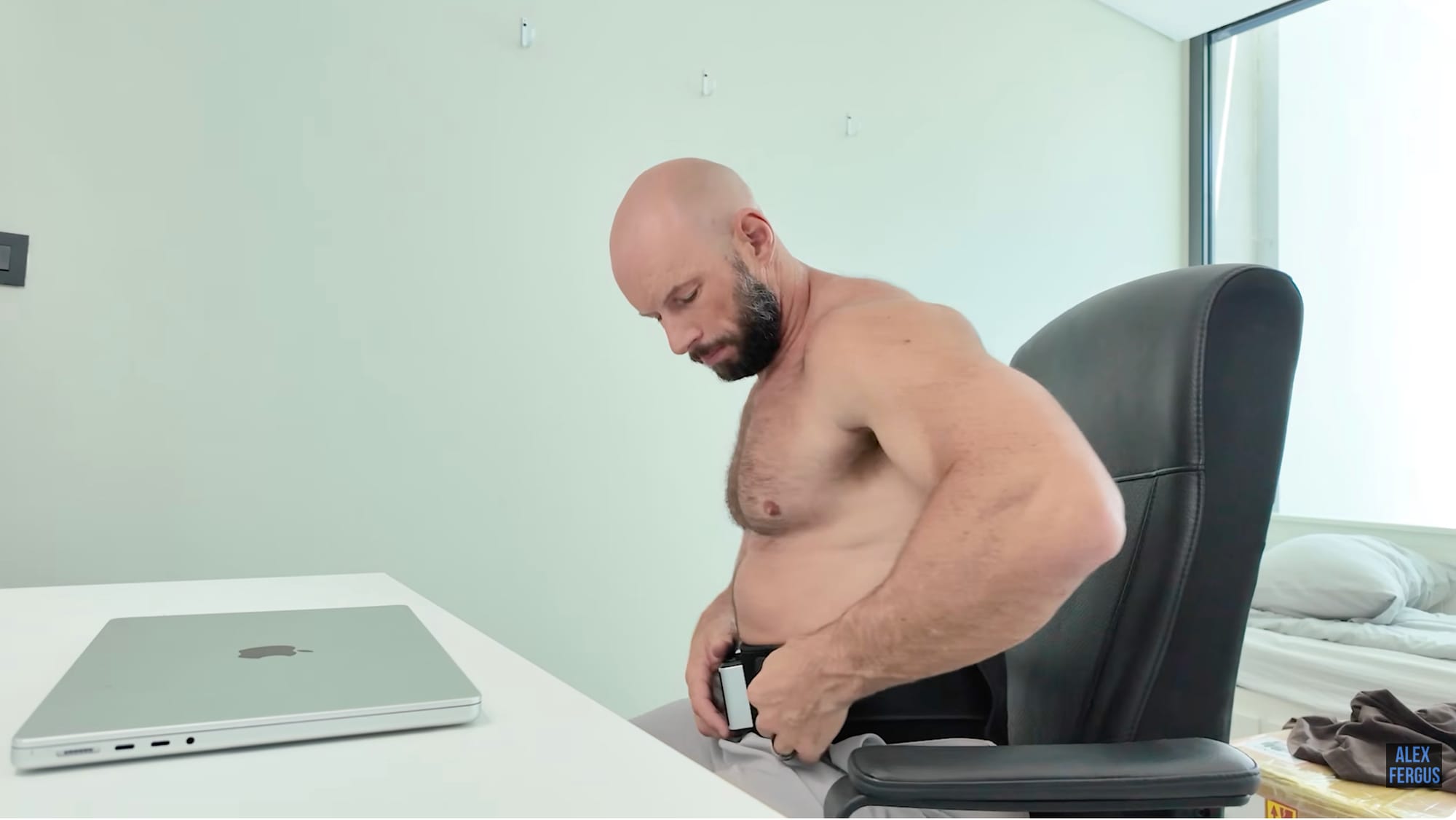
It's also extremely easy to use. The controls are straightforward, the battery and controller are securely built into the front, and the wrap is comfortable enough that you can continue doing normal activities while wearing it.
I can walk around with it, work while sitting down, lie down, or even mow the lawn. It doesn't pinch or feel excessively bulky, and because the battery lasts around two hours, you can get several sessions before needing to recharge.
That portability is a significant advantage over a large red light therapy panel. You don't have to stand in front of anything or remain in one position for your entire session.
The Biggest Downsides
My first criticism is the heat. While the wrap does warm up, I would personally prefer a little more heat at the maximum setting. Part of the issue may be the vibration pods, which create some distance between the wrap and the body and may affect how evenly the heat transfers.
The bigger question, though, is light output.
Because of the space created by those vibration pods, much of the light isn't necessarily being delivered directly against the skin. My measurements dropped from around 20–30 mW/cm² directly above the LEDs to approximately 5–10 mW/cm² at one centimeter away.
If you're simply looking for a comfortable combination of light, heat, vibration, and support, that may not be a major problem. But if your primary goal is delivering a significant amount of near-infrared light deeper into the tissues around the spine, ligaments, or other structures, there are higher-powered options available.
A targeted laser device or a powerful red light therapy panel, for example, may deliver substantially more energy. Of course, more power isn't automatically better, and finding the appropriate dose for a particular condition is complicated. Still, purely from an output perspective, I wouldn't consider the Kala Wrap a particularly high-powered deep-tissue device.
The wavelengths themselves aren't the concern. 660nm and 850nm are solid choices. It's the amount of energy actually reaching the body that deserves consideration.
Is the Kala Restore Wrap Worth $499?
The Kala Restore Wrap normally sells for $499, although my discount brings the price down by $50 to approximately $450. Kala also offers free shipping in the United States and Canada, a two-year warranty, and a 30-day return period.
Is $450–$499 expensive for a back brace? Absolutely. You can buy a basic back brace for a fraction of that price. But that's not really an apples-to-apples comparison because the Restore Wrap incorporates several different technologies into one portable device.
For someone who frequently deals with lower back discomfort and already uses heating pads, braces, massage or vibration products, and red light therapy, having everything bundled into one well-built wearable could be appealing.
Should You Buy the Kala Restore Wrap?
I think the most important thing is having realistic expectations.
The Kala Restore Wrap isn't going to magically fix a slipped disc, cure spinal arthritis, or eliminate every cause of chronic back pain. Red light therapy itself isn't guaranteed to work for everyone, and the research on back pain is positive in some areas but mixed overall.
What this wrap does offer is several potentially useful tools in one convenient device. You have physical support, adjustable heat, vibration, and 660nm/850nm light therapy. Even if you're mainly using it to temporarily ease discomfort or relax your lower back after a physically demanding day, I can see why people would enjoy having it around.
My biggest hesitation remains the relatively low irradiance once you account for the distance created by the vibration pods. I'd like to see more power reaching the body, especially since this is marketed as a back-focused device.
Still, I've enjoyed using it more than I expected. It's comfortable, portable, well-built, easy to operate, and the combination of features makes it more useful than a basic red light therapy belt.
If you're interested in trying it specifically for back pain, the return period is particularly important. Give it a fair trial, see how your body responds, and if you don't notice enough benefit to justify the price, you can return it.
And now that I've finally tested another red light therapy wrap, there's one obvious next step: testing several leading wraps side-by-side to see how they compare in build quality, comfort, light output, features, and price.
Items Mentioned
⭐ Kala- use this link: https://aferg.co/Kala for $50 off. The discount appears once you click that link.
⭐ My Chat Tool: http://aferg.co/help
⭐ Light Therapy Insiders Weekly Newsletter: https://aferg.co/fbg-newsletter
⭐ Join My Facebook Group: https://aferg.co/fb-group
Have You Seen These Reviews?
🔴 Best Handheld Red Light Therapy Device? Why the Rouge Nano Still Wins
🔴 Maysama Aura Review: My Testing Revealed a Big Problem
🔴 CurrentBody’s Acne Mask Gets the Wavelength Right. But There’s a Catch
🔴 Sunlighten Red Light Therapy Panel Review: Powerful, But Something’s Missing
Alex's Bio
Alex Fergus wrote this blog post. Alex is an ISSN Sports Nutrition Specialist, Fitness Professional, and certified Superhuman Coach who continues to expand his knowledge base and help people worldwide with their health and wellness. Alex is recognized as the National Record Holder in Powerlifting and Indoor Rowing and has earned the title of the Australian National Natural Bodybuilding Champion. Having worked as a health coach and personal trainer for over a decade, Alex now researches all things health and wellness and shares his findings on this blog.