
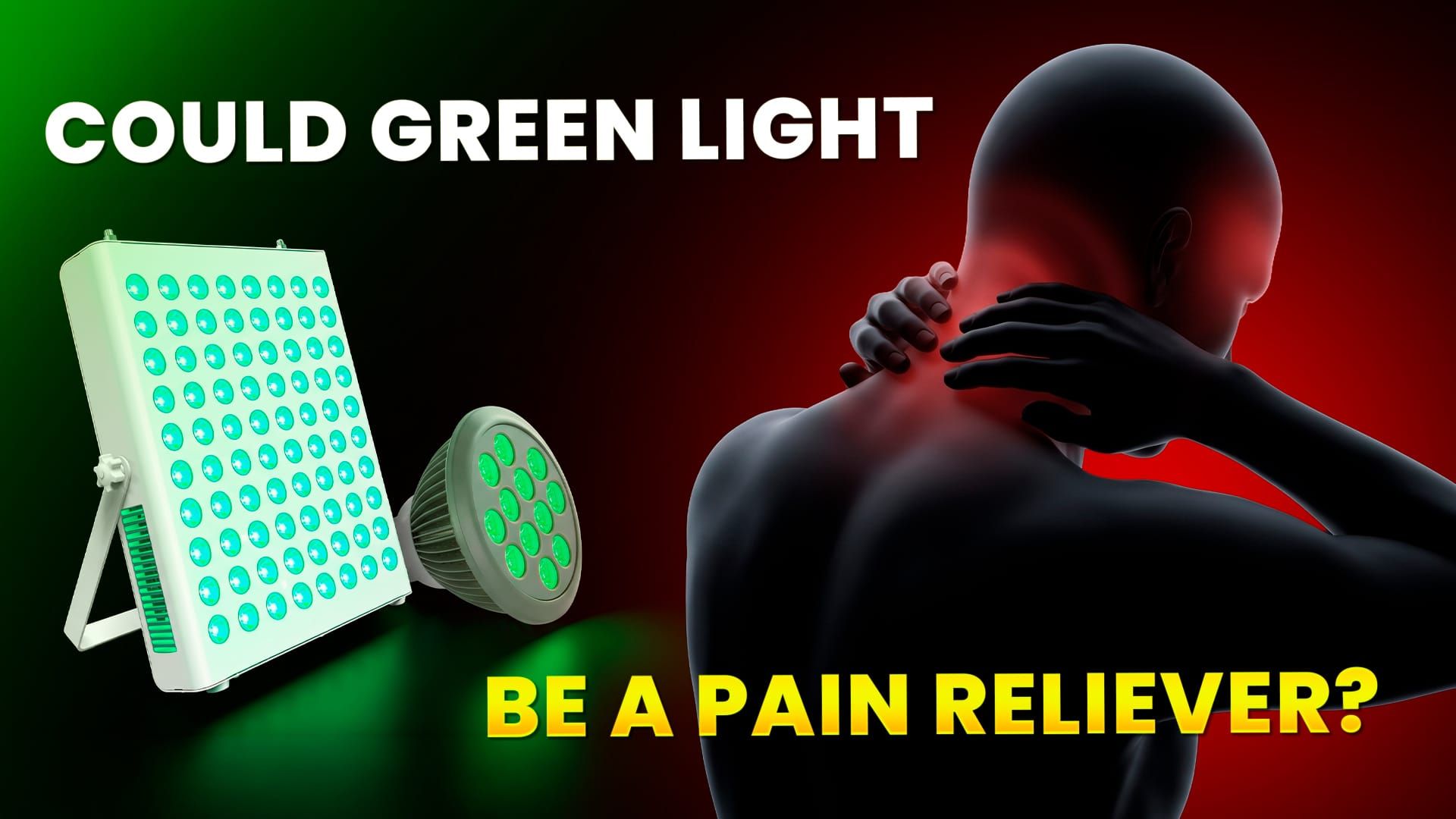
Red and near-infrared light tend to dominate the conversation around photobiomodulation, while blue light gets plenty of attention for applications such as acne. But sitting between blue and yellow light is another part of the spectrum that receives surprisingly little attention: green light.
Generally falling around 495–570 nanometers, green light makes up a significant portion of the natural light we're exposed to outdoors. Yet compared with red and near-infrared light therapy, research into green light remains relatively limited. Only around 100 studies explore this area, depending on how green light is defined.
That research, however, is becoming increasingly interesting. Recent studies have investigated green light for everything from acute and chronic pain to migraines, pigmentation, hair growth, eye health, and even bone repair. Earlier research has also explored potential applications involving cellulite, fat loss, circulation, muscle mass, wound healing, and other areas.
So, is green light therapy about to become the next major area of photobiomodulation? The evidence is still preliminary, but some developments are worth noting.
What Is Green Light Therapy?
Green light occupies the portion of the visible light spectrum between blue and yellow light, generally around 495–570nm. Definitions can vary slightly between researchers, with some studies and databases extending the range or grouping nearby wavelengths together.
One reason green light is particularly interesting is that it isn't something completely foreign to human biology. Green wavelengths make up a substantial portion of sunlight, particularly around the middle of the day. Humans have therefore been exposed to large amounts of green light throughout our history, long before artificial indoor lighting became such a large part of everyday life.
Unlike red and near-infrared wavelengths, green light doesn't penetrate particularly deeply into tissue. That might make it seem less useful for applications involving deeper structures, but emerging research suggests its effects may not depend entirely on direct penetration. Researchers are investigating mechanisms involving mitochondria, opsins, and transient receptor potential channels, while some pain research suggests that exposure through the eyes may trigger neurological responses elsewhere in the body.
What Does the Research Say About Green Light Therapy?
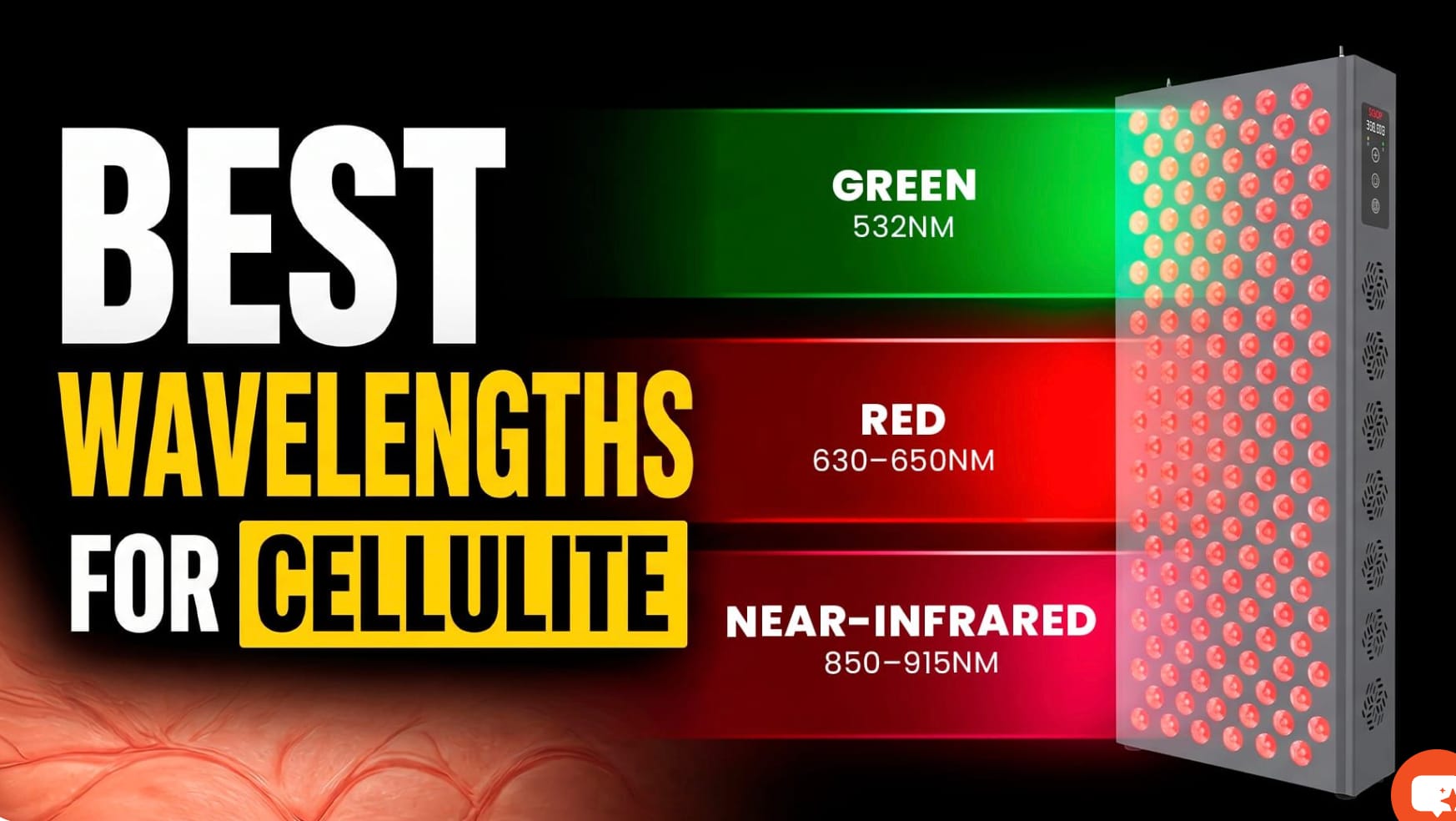
When we previously looked at green light research a few years ago, some of the more promising areas included cellulite, fat loss, circulation and muscle mass. There was also early research involving wound healing, skin health, immune function, stem cells and ligament repair, although much of this evidence involved animal or laboratory studies rather than high-quality human trials.
Since then, new research has added several interesting possibilities to the list. In particular, recent studies have examined green light for bone repair, pain, skin pigmentation, vision and hair growth.
That doesn't mean all of these benefits have been proven. Green light therapy is still far less researched than many established applications of red and near-infrared photobiomodulation. However, the growing number of human studies makes this an area worth watching.
Green Light Therapy and Bone Repair
One of the more interesting newer areas involves bone repair.
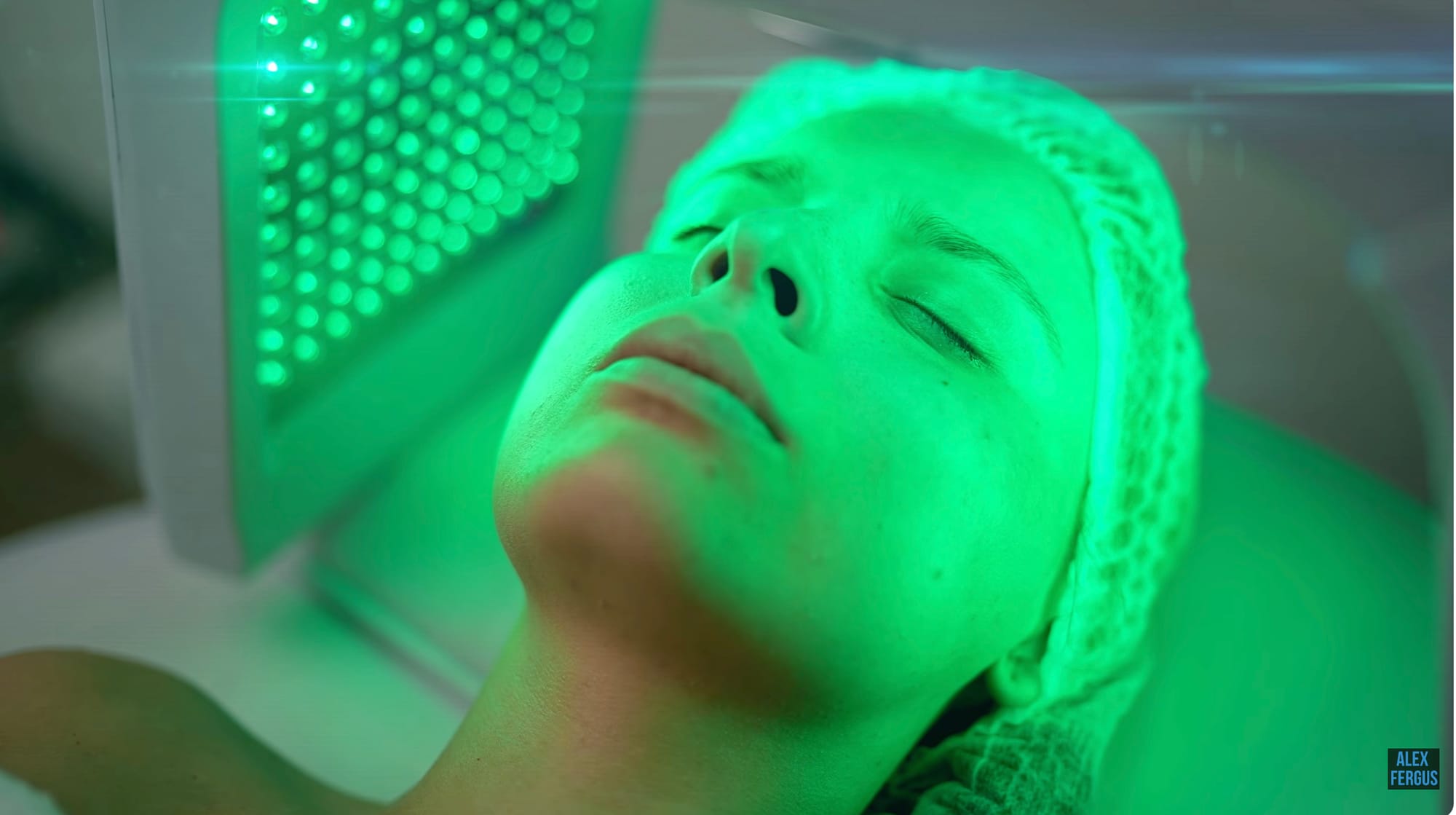
A 2025 review examined green photobiomodulation and concluded that it may enhance bone repair through several potential pathways. Researchers discussed effects involving bone cell function, suppression of excessive inflammation, and vascular and neuronal responses—all of which can potentially influence the healing process.
The review also highlighted something that comes up repeatedly in photobiomodulation research: more isn't necessarily better. Very low levels of light may fail to produce the desired effect, while very high levels may also be ineffective. Instead, there appears to be a therapeutic window somewhere between the two extremes.
We still don't know much, including the optimal wavelength, irradiance, dose, and treatment protocol. Nevertheless, bone repair is another intriguing potential application for green light that deserves further investigation.
Green Light for Acute and Chronic Pain
Pain is perhaps one of the most fascinating areas of green light research.
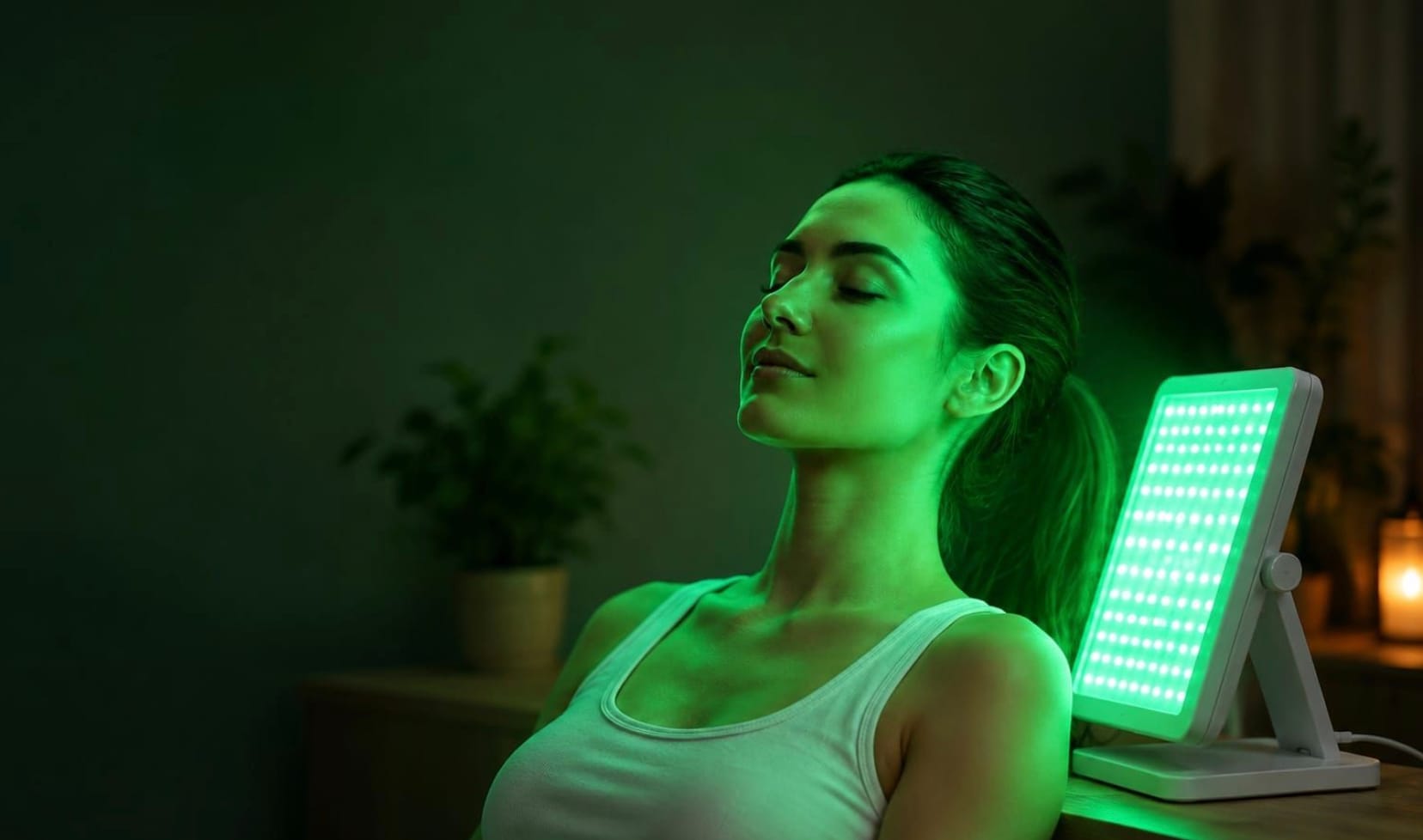
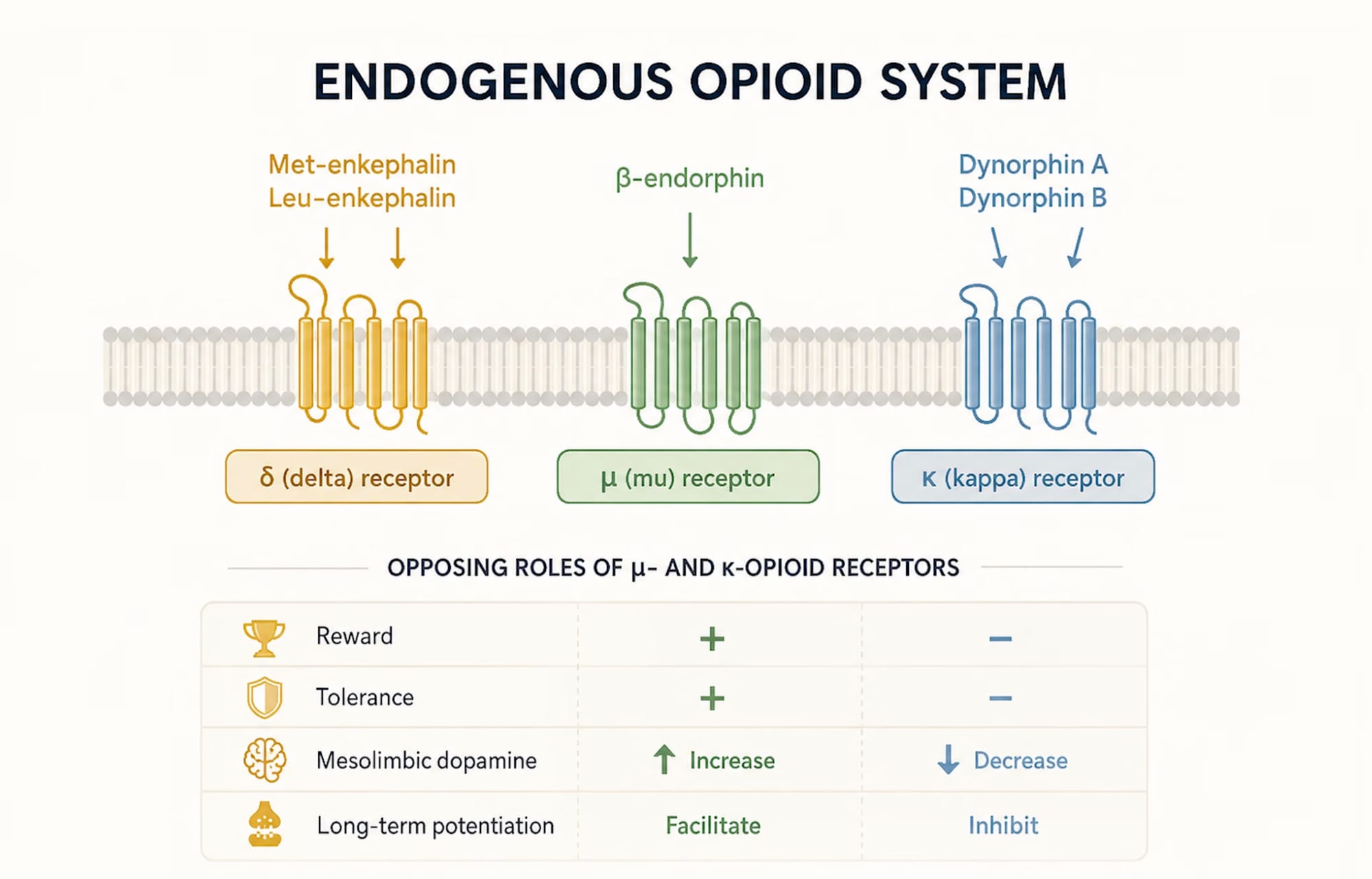
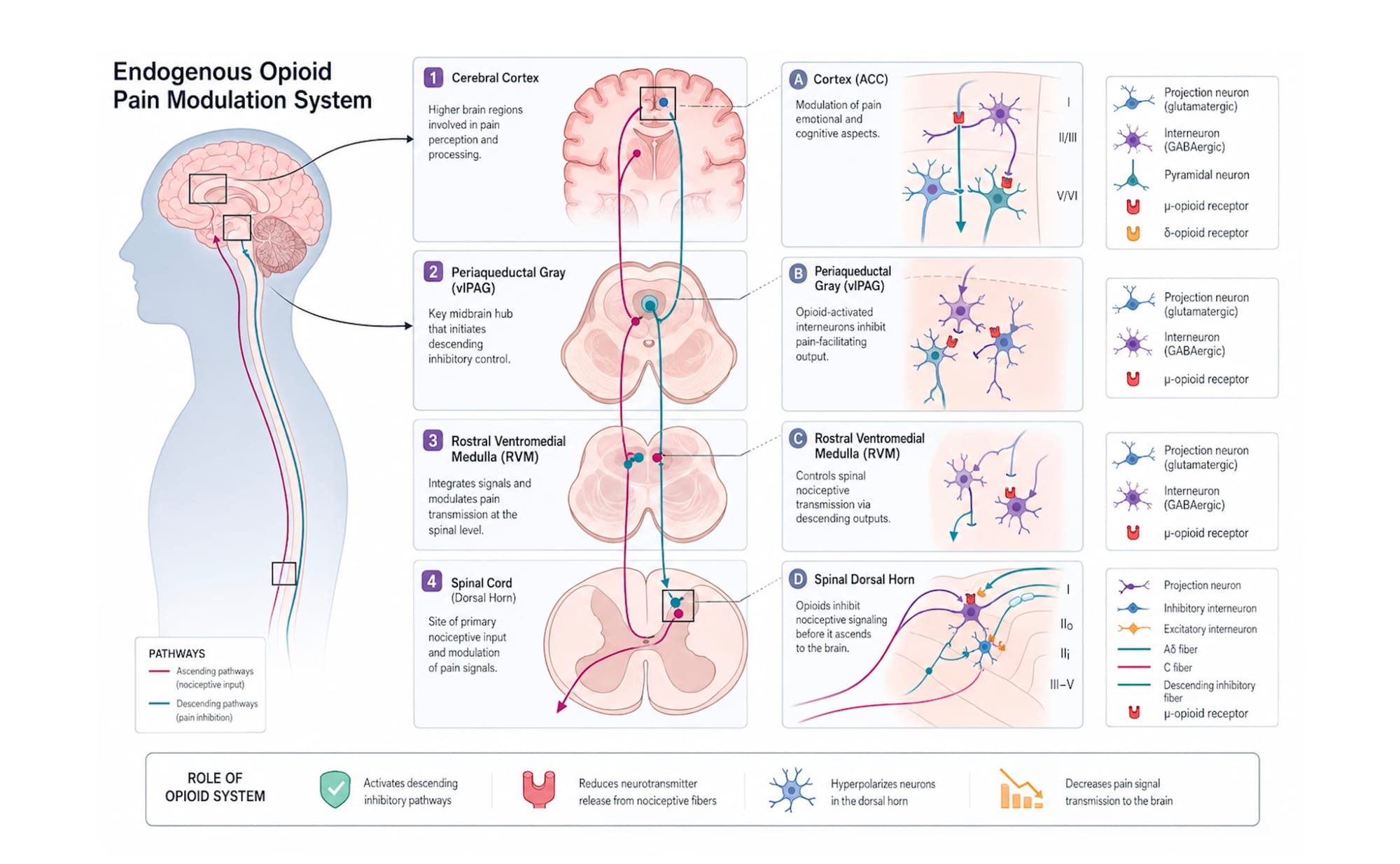
A review examining 525nm green light reported benefits for both acute and chronic pain. One proposed mechanism is especially interesting because the effect may begin with light entering the eyes rather than being applied directly to the painful area.
Researchers have proposed that green LED exposure may influence the body's endogenous opioid system through retinal activation. In simple terms, exposure to green light through the eyes may help activate natural pain-modulating pathways involving the brain and spinal cord.
The treatment protocols also varied depending on the type of pain being studied. The research discussed in the review included relatively short exposure for surgical pain, while chronic pain protocols could involve one or two hours of daily exposure for at least two weeks.
This is very different from the way most people think about conventional red light therapy, where a device is typically placed directly over the tissue being treated.
Can Green Light Help Pigmentation and Brown Spots?
Another particularly interesting development involves melanin and skin pigmentation.
A 2025 randomized controlled study investigated approximately 505nm green light and found a reduction in melanin. A human intervention included in the research indicated that green LED exposure could decrease pigmentation, leading the researchers to identify this wavelength as a potential strategy for depigmentation.
This could make green light particularly interesting for people dealing with unwanted pigmentation or brown spots.
However, we should be careful not to jump too far ahead of the science. A promising study doesn't automatically establish the ideal home-treatment protocol, and different pigmentation conditions can have very different causes. More research is needed before broad recommendations can be made.
Green Light Therapy for Eye Health and Color Vision
Green light is also being investigated for its effects on the eyes.
A 2025 randomized controlled study using approximately 524nm green light looked at people with congenital color vision deficiency. Participants exposed to green light experienced improvements in their ability to distinguish colors, with researchers reporting benefits from this form of non-invasive photobiomodulation.
This doesn't mean green light will improve everyone's eyesight or color perception. The study involved a particular vision condition, so its findings shouldn't automatically be generalized to people with normal vision.
Still, it provides another example of how green wavelengths may interact with human biology in ways that go well beyond simply treating the surface of the skin.
Could Green Light Help With Hair Growth?
Red light therapy for hair loss is already a relatively well-established area of photobiomodulation research. But could green light also help hair growth?
A 2024 randomized controlled study compared approximately 522nm green light with 633nm red light in people with androgenetic alopecia. Treatment was carried out over 24 sessions across 24 weeks, with different portions of the scalp receiving green or red light.
Interestingly, both green and red light improved hair density and hair diameter.
This raises an interesting question for future hair-growth devices. Most photobiomodulation helmets and caps currently focus heavily on red wavelengths. If future research continues to demonstrate benefits from green light, we may eventually see devices combining the two parts of the spectrum.
For now, though, considerably more research is needed before concluding that green light should become a standard component of hair-growth devices.
Green Light for Neck Pain
Another study examined green light in people experiencing neck pain.
The research used 520nm green light alongside approximately 405nm blue/violet light delivered with a laser. Pain was measured using a visual analogue scale, or VAS.
Pain scores fell from approximately 71.8 to 34, and most participants experienced a reduction greater than 30%. That's a substantial change, although it's important to remember that this study did not use green light by itself—the protocol included another wavelength as well.
That distinction matters when interpreting the results. We can't automatically attribute the entire improvement specifically to green light, but the study adds to a broader and increasingly interesting body of research surrounding visible light and pain.
Green Light for Migraines
Migraines may be one of the applications that ultimately generates the most interest in green light.
Research discussed in the video compared green light exposure, transcutaneous direct-current stimulation and a control condition. Both the green light and electrical stimulation groups experienced reductions in pain intensity, along with improvements in areas such as daily activity and emotional functioning.
This fits with the broader research into green light and pain modulation through the visual system. Instead of needing to shine a powerful device directly onto the head, some protocols involve relatively low-intensity ambient green light reaching the eyes.
Again, that doesn't mean everyone experiencing migraines should simply buy a green LED and expect the same outcome. The wavelength, brightness, exposure duration and study population all matter. But migraine research is one of the areas that makes green light particularly interesting.
Why Green Light Therapy Still Needs More Research
Despite all these promising findings, green light therapy is nowhere near as extensively studied as red and near-infrared photobiomodulation.
There are still major unanswered questions about which wavelengths work best, what doses should be used and how different green wavelengths compare. A 505nm light, for example, may not necessarily produce the same biological response as 525nm or 570nm.
We also need a better understanding of the mechanisms involved. The research into retinal exposure and endogenous opioid pathways provides one possible explanation for pain reduction, but other potential applications—including cellulite, fat loss and muscle-related effects—may involve very different mechanisms.
This is why it's important to distinguish between promising evidence and proven treatment protocols. Green light research has progressed, particularly with the addition of more human studies, but there's still a lot left to learn.
Are There Good Green Light Therapy Devices?
This is currently one of the biggest problems.
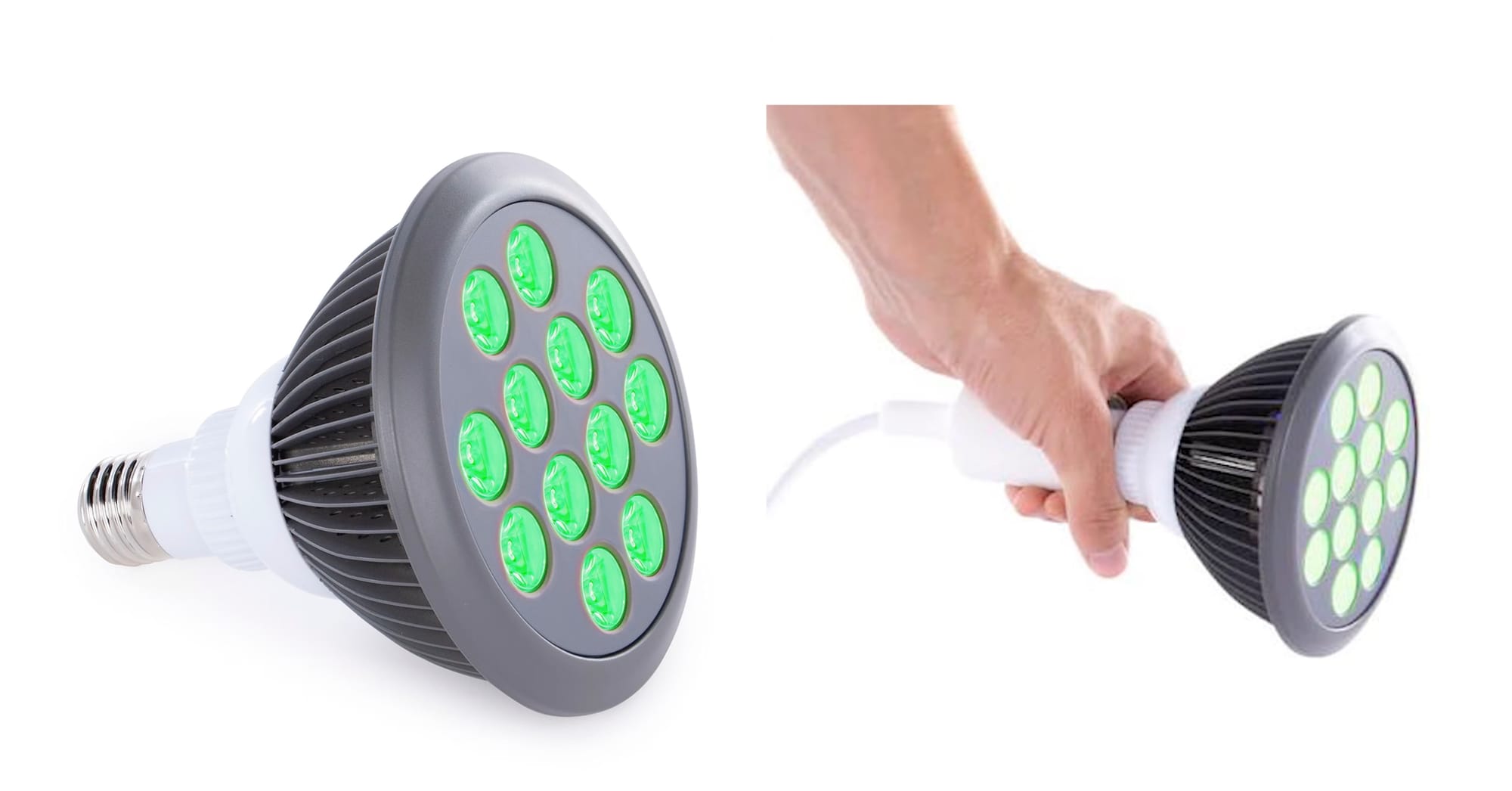
Most consumer photobiomodulation devices are still designed around red and near-infrared wavelengths. Dedicated green light options are much less common, particularly if you're looking for a device with clearly stated wavelength and output specifications.
Hooga, for example, offers a 525nm green light, which is particularly interesting because 525nm appears repeatedly in the pain research discussed above. Some companies also offer wavelengths around 590nm, although that moves into the yellow/amber portion of the spectrum rather than true green light.
As always, wavelength alone doesn't tell us whether a device is good. Irradiance, treatment distance, coverage and total dose all need to be considered alongside the research for the specific application you're trying to address.
Is Green Light Therapy the Next Big Thing?
It's too early to put green light in the same category as the much larger body of research surrounding red and near-infrared photobiomodulation. But it's becoming increasingly difficult to dismiss green light as an irrelevant part of the spectrum.
Research now points toward potential applications involving pain, migraines, pigmentation, hair growth, color vision and bone repair, while earlier research has explored cellulite, fat loss, circulation, muscle mass and several other biological effects.
Perhaps the most interesting part is how different some of these mechanisms appear to be from conventional red light therapy. Green light may not penetrate deeply, yet its interaction with the eyes, nervous system and other biological pathways could allow it to influence processes far beyond the surface.
For now, green light therapy should probably be viewed as a promising and rapidly developing area of photobiomodulation rather than a fully established therapy. But with more human studies appearing and researchers beginning to investigate specific wavelengths and applications, this overlooked part of the light spectrum could become much more important over the next few years.
Items Mentioned
⭐ Hooga grab a green light bulb- use the following link: https://aferg.co/hooga-rlt. 12% discount auto-applied at checkout, site-wide.
⭐ Vladimir Heiskanen’s Database: https://aferg.co/lllt-studies
Have You Seen These?
⭐ Sunlight Vs Red Light Therapy
⭐ Green Light Therapy Benefits: The Very Promising Science:
⭐ Red Light Therapy For Hair Loss: EVERYTHING You Need To Know
⭐ Red Light Therapy For Hair Loss: Game-Changer Or Not?
⭐ Does Red Light Therapy Work For Back Pain?
Bart's Bio
This is a post by Bart Wolbers. Bart finished degrees in Physical Therapy (B), Philosophy (BA and MA), Philosophy of Science and Technology (MS - with distinction), and Clinical Health Science (MS), has had training in functional medicine, and is currently the head researcher at Lighttherapyinsiders.com